Kastalia Knowledge Management System · Glasperlenspiel template · knot 923
Human and arti(ficial|stic) intelligence
What is "intelligence" and how is it defined by different people and different cultures ? Is there only one "general" intelligence thanks to which humans and machines solve problems or is it more appropriate to speak about combinations of "multiple intelligences" - emotional, intepersonal, intrapersonal, spatial, visual, logical, mathematical, bodily, moral, narrative, etc. ? Can we speak about intelligence independent of cultural and socio-economical context within which its acts and is embedded ? Do organic (OI) and artificial intelligence (AI) have something in common or are they fundamentally and unreconcilably different ? In order to explore potential answers to these questions, we will look into history of cognitive (psychology, anthropology) and computer (informatics, cybernetics) sciences, we will read stories about "idiot savants" and children raised in wilderness and briliant minds of the past in order to ultimately ask our own AI systems to tell them something about themselves.
Ancestors (3 superordinated paths)
Descendants (at least 135 branches originate here)
-
Human and arti(ficial|stic) intelligence
What is "intelligence" and how is it defined by different people and different cultures ? Is there only one "general" intelligence thanks to which humans and ma-
is_parent Session 2 :: Development of intelligence
-
is_parent Repetitio
Repetitio mater studiorum.-
is_parent GPT4's answer
Intelligence is a multifaceted concept that's difficult to define comprehensively, but it generally refers to the ability to learn from experience, understand a-
is_parent
 Learning & Adaptation
·
The ability to acquire new knowledge and skills and apply them in various contexts. It also refers to the capacity to change one's behavior based on experience.
Learning & Adaptation
·
The ability to acquire new knowledge and skills and apply them in various contexts. It also refers to the capacity to change one's behavior based on experience. -
is_parent
 Reasoning
·
The capacity to solve problems using logic. This can be deductive reasoning, where conclusions are drawn from given information, or inductive reasoning, where c
Reasoning
·
The capacity to solve problems using logic. This can be deductive reasoning, where conclusions are drawn from given information, or inductive reasoning, where c -
is_parent
 Memory
·
The ability to store and retrieve information over time. This involves both short-term (working) memory and long-term memory.
Memory
·
The ability to store and retrieve information over time. This involves both short-term (working) memory and long-term memory. -
is_parent
.png) Problem Solving
·
The ability to identify a problem and find a solution, which might involve creativity, critical thinking, and the application of knowledge.
Problem Solving
·
The ability to identify a problem and find a solution, which might involve creativity, critical thinking, and the application of knowledge. -
is_parent
 Perception
The process by which information from the environment is received and interpreted. This includes recognizing patterns, faces, and nuances in language or music.
Perception
The process by which information from the environment is received and interpreted. This includes recognizing patterns, faces, and nuances in language or music.-
is_parent Human sensorics ·
sight, hearing, smell, taste Tactition (Touch): pressure, vibration, thermoception (temperature) Nociception (Pain): This is the sense of detecting harmful stim -
is_parent Proprioception exercise ·
Everyone is asked to find his place within this space, ideally at least 2-3 meters away from Your nearest colleague.We will now listen to excerpts from Michael -
is_parent Human sensorics ·
sight, hearing, smell, taste Tactition (Touch): pressure, vibration, thermoception (temperature) Nociception (Pain): This is the sense of detecting harmful stim -
is_parent Proprioception exercise ·
Everyone is asked to find his place within this space, ideally at least 2-3 meters away from Your nearest colleague.We will now listen to excerpts from Michael
-
-
is_parent
 Emotional Intelligence
·
The ability to recognize, understand, manage, and use emotions effectively in oneself and others. This includes empathy, self-awareness, and social skills.
Emotional Intelligence
·
The ability to recognize, understand, manage, and use emotions effectively in oneself and others. This includes empathy, self-awareness, and social skills. -
is_parent
 Creativity
·
The capacity to come up with novel and useful ideas or solutions to problems. It's related to, but not the same as, intelligence.
Creativity
·
The capacity to come up with novel and useful ideas or solutions to problems. It's related to, but not the same as, intelligence. -
is_parent
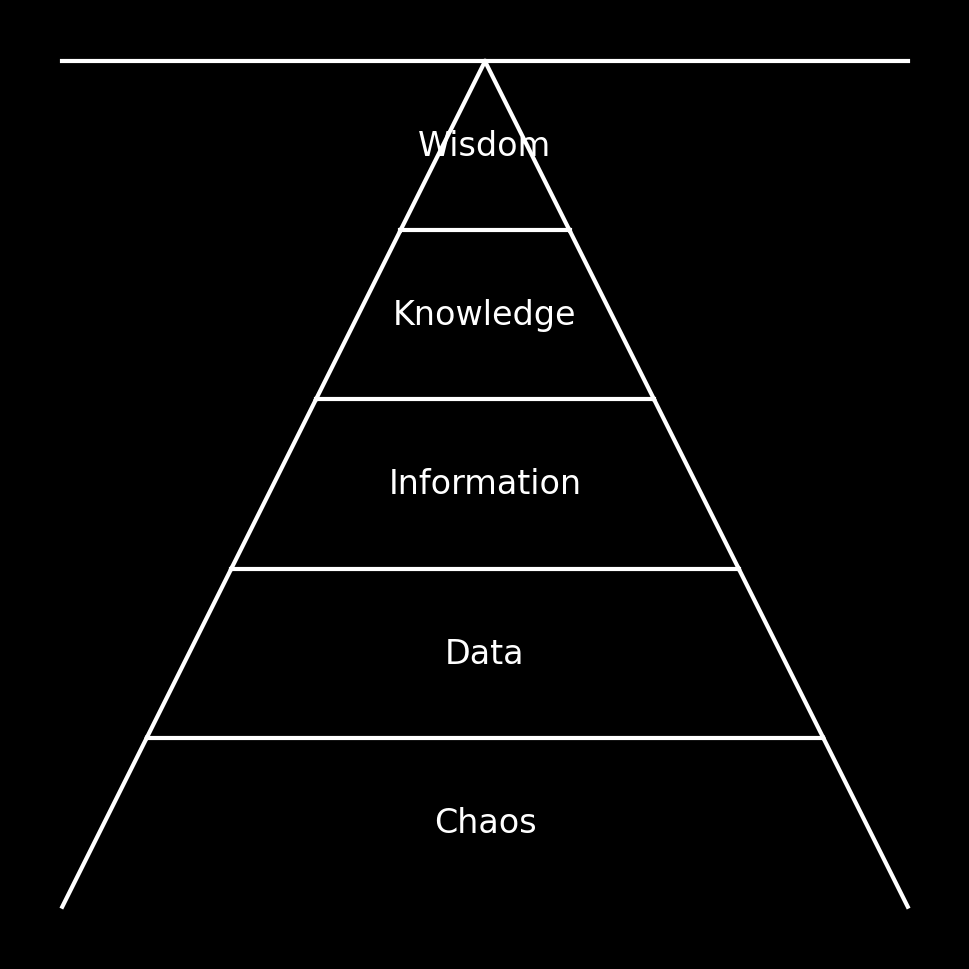 Knowledge
·
The accumulation of facts, concepts, and methods. While knowledge itself is not intelligence, intelligence often involves the effective use and application of k
Knowledge
·
The accumulation of facts, concepts, and methods. While knowledge itself is not intelligence, intelligence often involves the effective use and application of k -
is_parent
Learning & Adaptation
·
The ability to acquire new knowledge and skills and apply them in various contexts. It also refers to the capacity to change one's behavior based on experience. -
is_parent
Reasoning
·
The capacity to solve problems using logic. This can be deductive reasoning, where conclusions are drawn from given information, or inductive reasoning, where c -
is_parent
Memory
·
The ability to store and retrieve information over time. This involves both short-term (working) memory and long-term memory. -
is_parent
Problem Solving
·
The ability to identify a problem and find a solution, which might involve creativity, critical thinking, and the application of knowledge. -
is_parent
Perception
The process by which information from the environment is received and interpreted. This includes recognizing patterns, faces, and nuances in language or music.-
is_parent Human sensorics ·
sight, hearing, smell, taste Tactition (Touch): pressure, vibration, thermoception (temperature) Nociception (Pain): This is the sense of detecting harmful stim -
is_parent Proprioception exercise ·
Everyone is asked to find his place within this space, ideally at least 2-3 meters away from Your nearest colleague.We will now listen to excerpts from Michael -
is_parent Human sensorics ·
sight, hearing, smell, taste Tactition (Touch): pressure, vibration, thermoception (temperature) Nociception (Pain): This is the sense of detecting harmful stim -
is_parent Proprioception exercise ·
Everyone is asked to find his place within this space, ideally at least 2-3 meters away from Your nearest colleague.We will now listen to excerpts from Michael
-
-
is_parent
Emotional Intelligence
·
The ability to recognize, understand, manage, and use emotions effectively in oneself and others. This includes empathy, self-awareness, and social skills. -
is_parent
Creativity
·
The capacity to come up with novel and useful ideas or solutions to problems. It's related to, but not the same as, intelligence. -
is_parent
Knowledge
·
The accumulation of facts, concepts, and methods. While knowledge itself is not intelligence, intelligence often involves the effective use and application of k
-
-
is_parent Session 0 :: Introduction
Hello world, formalities, recommended literature, means of communication etc.-
is_parent Formalities ·
who am I who are You is this a course for You ? credits (2 ECTS for >75% attendance, +1 for referat/experiment) Hausarbeit possible need help ? (tutor: a.terzi -
is_parent
Recommended literature ·
You are cordially invited to read one or more of these book(s): Howard Gardner :: Frames of Mind / The Theory of Multiple Intelligences David Goleman :: Emotion -
is_parent Other referat || intervention topics ·
Greek muses fostering of intelligence evaluation of intelligence Flynn effect stupidity -
is_parent udk.ai ·
Let me know if You would like to host Your AI-related project at sub-domain *.udk.ai (e.g. aoede.udk.ai , turing.udk.ai etc.) -
is_parent Matrix room ·
All those who have a UdK account, log in here *:https://medienhaus.udk-berlin.de/classroom and subsequently join the course (#edu-psyche) room: https: -
is_parent Course materials ·
All course materials (folios, exercises, handouts) presented during live sessions are archived at baumhaus.digital/intelligence Note: baumhaus presentations in -
is_parent Formalities ·
who am I who are You is this a course for You ? credits (2 ECTS for >75% attendance, +1 for referat/experiment) Hausarbeit possible need help ? (tutor: a.terzi -
is_parent
You are cordially invited to read one or more of these book(s): Howard Gardner :: Frames of Mind / The Theory of Multiple Intelligences David Goleman :: Emotion -
is_parent Other referat || intervention topics ·
Greek muses fostering of intelligence evaluation of intelligence Flynn effect stupidity -
is_parent udk.ai ·
Let me know if You would like to host Your AI-related project at sub-domain *.udk.ai (e.g. aoede.udk.ai , turing.udk.ai etc.) -
is_parent Matrix room ·
All those who have a UdK account, log in here *:https://medienhaus.udk-berlin.de/classroom and subsequently join the course (#edu-psyche) room: https: -
is_parent Course materials ·
All course materials (folios, exercises, handouts) presented during live sessions are archived at baumhaus.digital/intelligence Note: baumhaus presentations in
-
-
-
is_parent
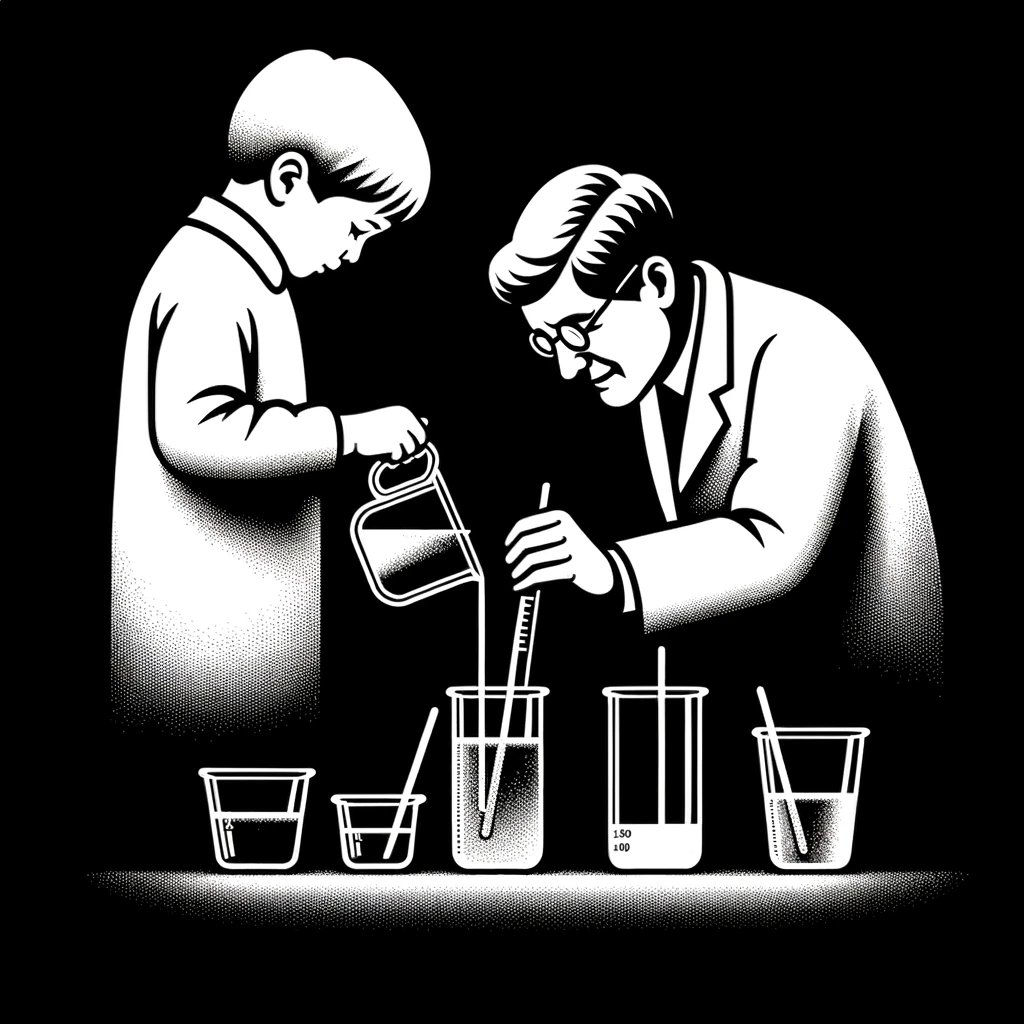 Piaget
Jean Piaget (1896-1980) was a Swiss developmental psychologist and philosopher best known for his pioneering work in the study of child development and his theo
Piaget
Jean Piaget (1896-1980) was a Swiss developmental psychologist and philosopher best known for his pioneering work in the study of child development and his theo-
is_parent Intelligence as reorganization of experience ·
"Piaget defined intelligence as an individual's ability to cope with the changing world through continuous organization and reorganization of experience. Reason -
is_parent Assimilation & Accomodation ·
Assimilation is the process of taking in new information and fitting it into a preconceived notion about objects or the world.Accomodation means adjusting to ne -
is_parent
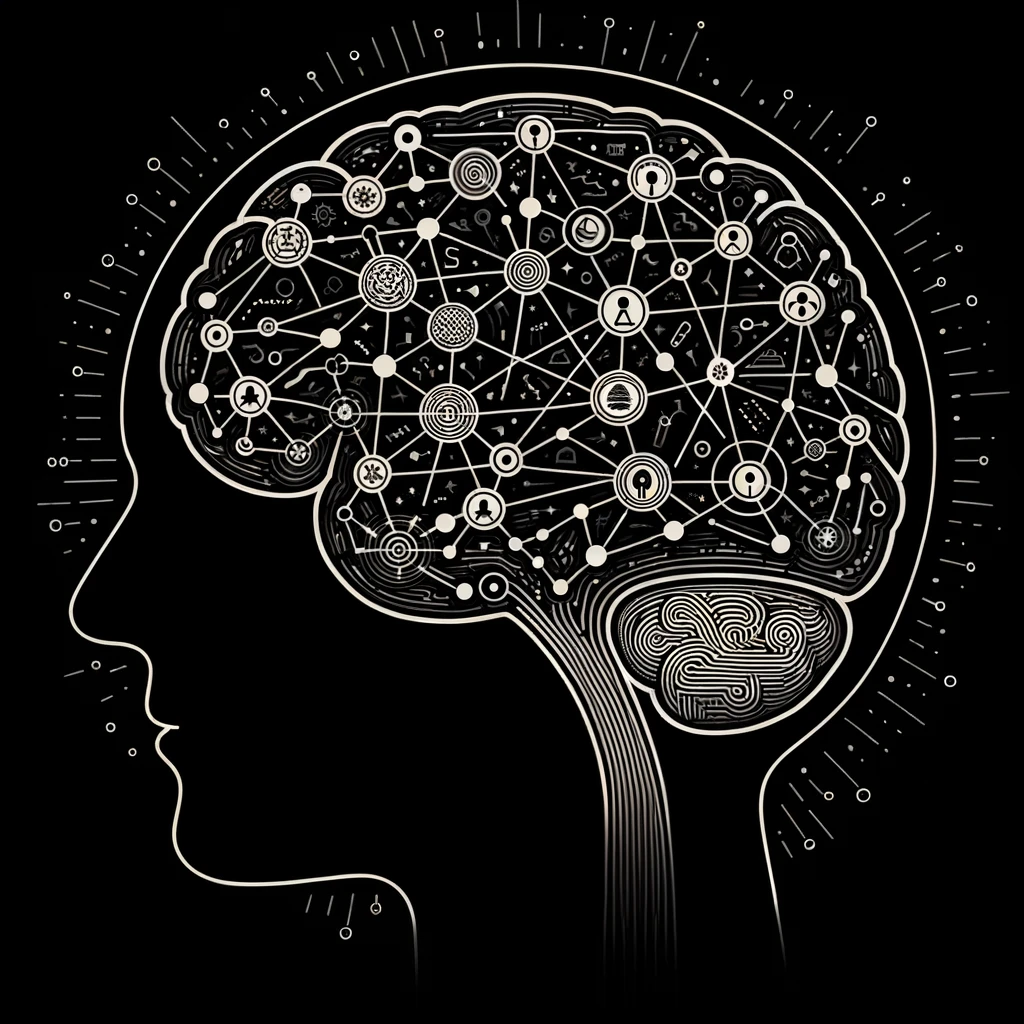 Schema
·
"Schema (pl. schemata) is a simple mental image or pattern of action, a form of organizing information that a person uses to interpret the things she sees, hear
Schema
·
"Schema (pl. schemata) is a simple mental image or pattern of action, a form of organizing information that a person uses to interpret the things she sees, hear -
is_parent
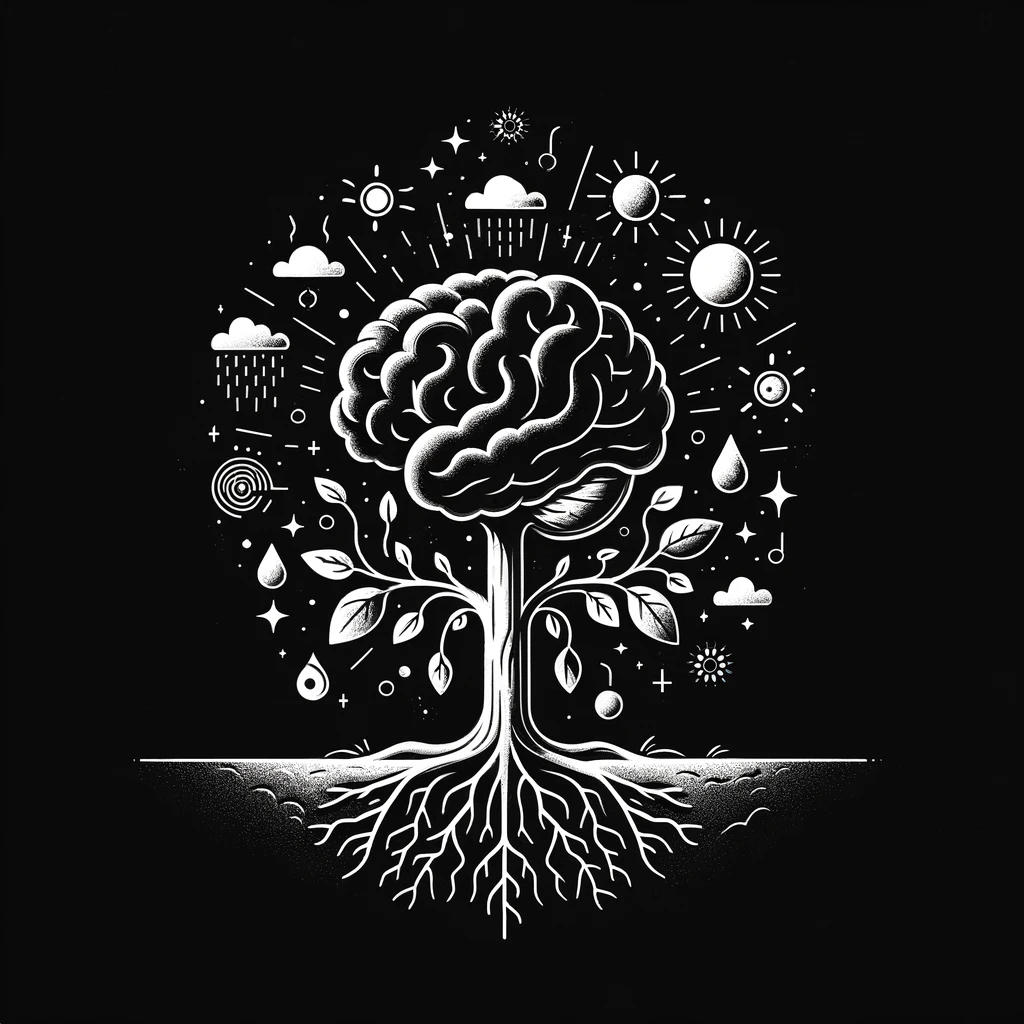 Adaptation
·
"Adaptation is a process of seeking an equilibrium between the self and the environment. This equilibrium, or equilibriation as Piaget refers to it, is a balanc
Adaptation
·
"Adaptation is a process of seeking an equilibrium between the self and the environment. This equilibrium, or equilibriation as Piaget refers to it, is a balanc -
is_parent Stages of cognitive development
-
is_parent (0-2 years) Sensory - Motor Stage
In this stage, infants and toddlers learn primarily through sensory experiences and manipulating objects. Their understanding of the world is based on physical-
is_parent (0 - 1 month) Random and reflex actions ·
(0 - 1 month) Random and reflex actions -
is_parent (1 - 4 months) Primary circular reactions ·
(1 - 4 months) Primary circular reactions -
is_parent (4 - 8 months) Secondary circular reactions ·
(4 - 8 months) Secondary circular reactions -
is_parent (8 - 12 months) Coordination of secondary schemata ·
(8 - 12 months) Coordination of secondary schemata -
is_parent (12 - 18 months) Tertiary circular reactions ·
(12 - 18 months) Tertiary circular reactions -
is_parent (18 months - 2 years) Invention of new means through mental combinations ·
(18 months - 2 years) Invention of new means through mental combinations
-
-
is_parent (3-7 years) Preoperational Stage ·
During Preoperational Stage, children experience rapid language growth, symbol use, and imaginative play, but their thinking remains egocentric and intuitive, n -
is_parent (7 - 11 years) Stage of Concrete Operations ·
In stage of concrete operations, children begin to think logically about concrete events. They gain a better understanding of the concept of conservation — the -
is_parent (11 - 16 years) Stage of Formal Operations ·
Stage of formal operations represents the culmination of a child's cognitive development. In this stage, adolescents develop the ability to think abstractly and
-
-
-
is_parent
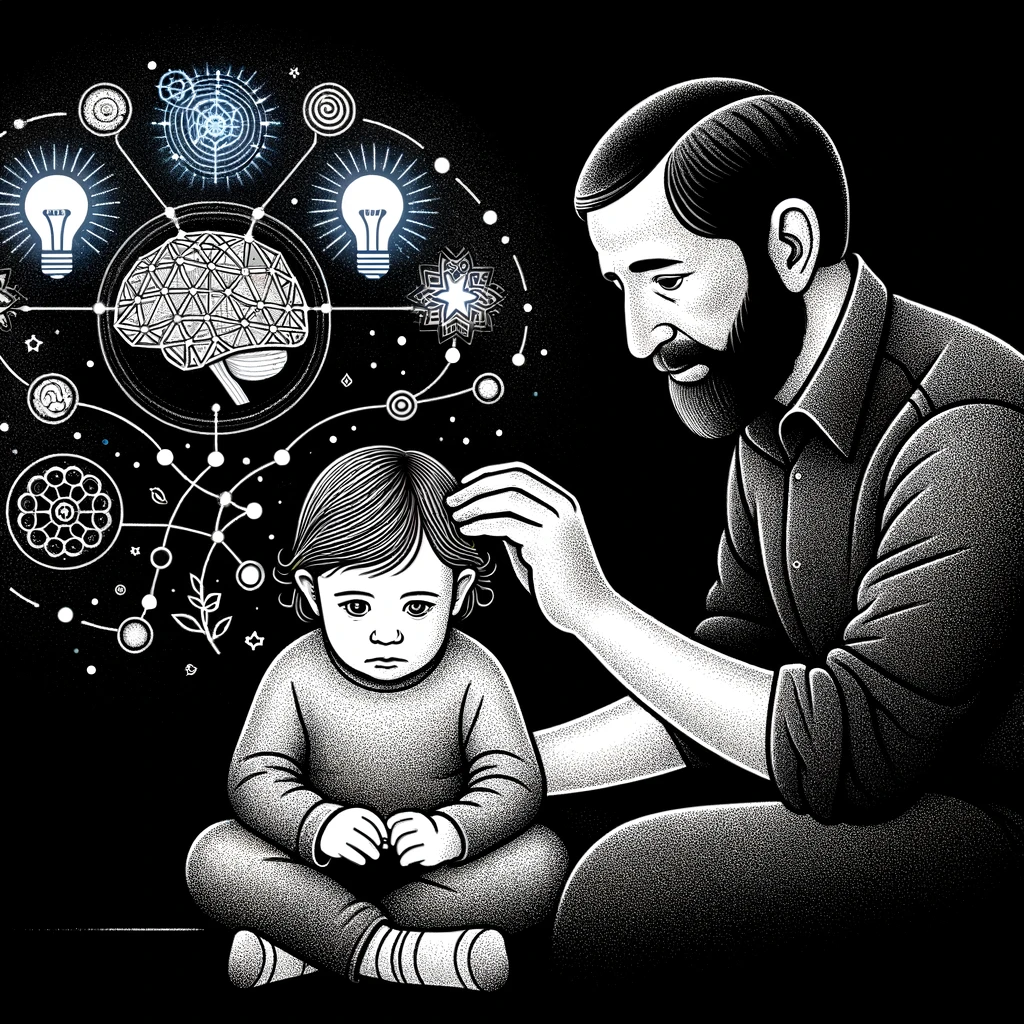 Feuerstein
Reuven Feuerstein (1921-2014) was an Israeli psychologist renowned for his theory of Structural Cognitive Modifiability (SCM) and the concept of Mediated Learni
Feuerstein
Reuven Feuerstein (1921-2014) was an Israeli psychologist renowned for his theory of Structural Cognitive Modifiability (SCM) and the concept of Mediated Learni-
is_parent Instrumental Enhancement
Instrumental Enrichment (IE): An instructional method developed by Feuerstein, IE aims to enrich an individual's learning and thinking strategies through a seri-
is_parent
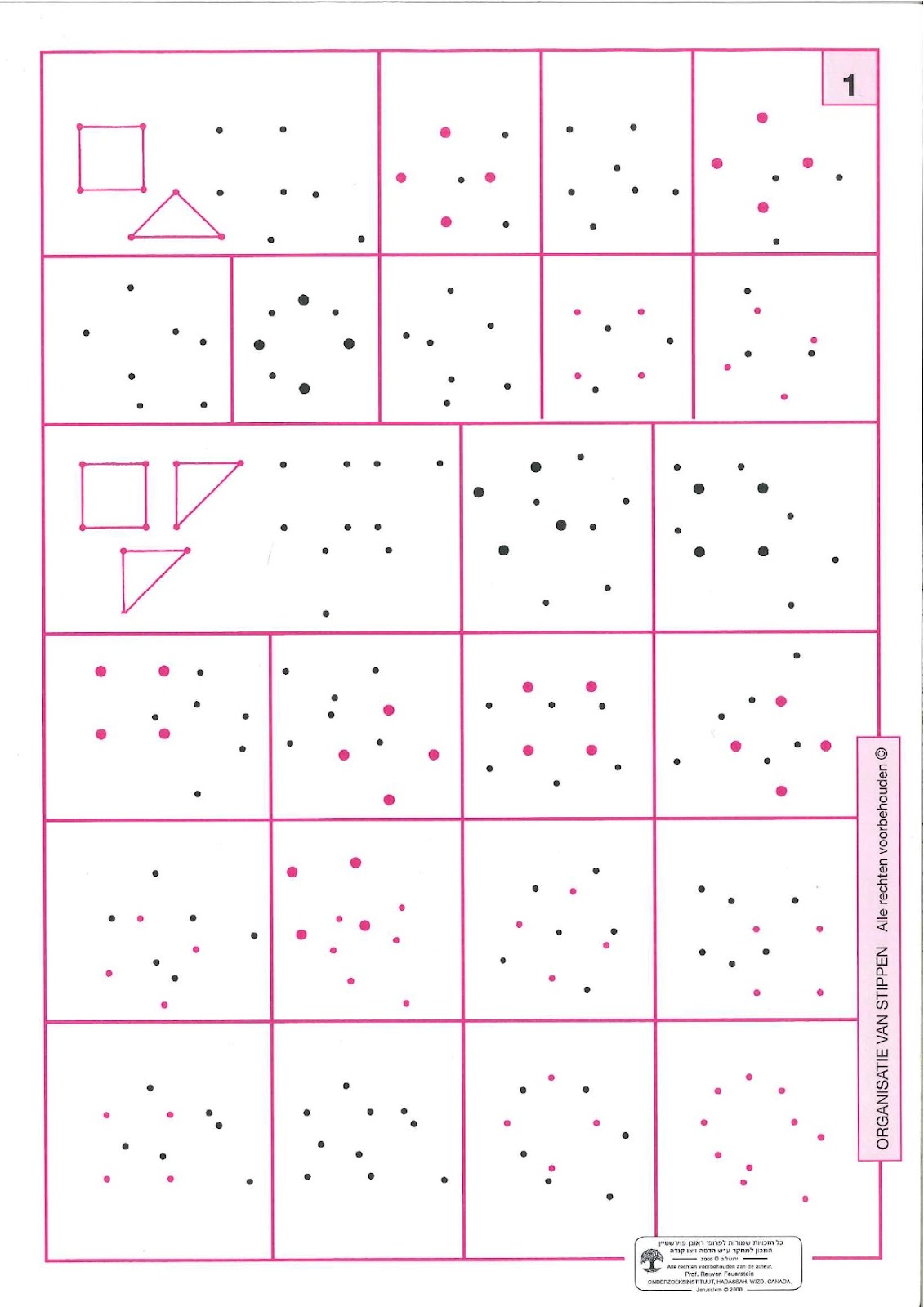 Instrument 1 :: Connecting points
·
You will now get sheet 1 of the first IE instrument "Connecting dots" connect the dots so You obtain the requested geometric patterns (e.g. square and triangle)
Instrument 1 :: Connecting points
·
You will now get sheet 1 of the first IE instrument "Connecting dots" connect the dots so You obtain the requested geometric patterns (e.g. square and triangle) -
is_parent FIE 1 overview ·
1. Organization of Dots2. Analytic Perception3. Orientation in Space4. Comparative Behavior5. Family Relations6. Temporal Relations7. Categorization8. Instructi
-
-
-
is_parent Session 2 Take home lesson ·
Intelligence is not a static trait but can be modified under the right educational interventions.
-
-
is_parent Session 3 :: Form(s) of intelligence
-
is_parent
 General Intelligence
Generic intelligence refers to the overall, broad cognitive ability that an individual possesses. It's a general concept that encompasses a range of cognitive s
General Intelligence
Generic intelligence refers to the overall, broad cognitive ability that an individual possesses. It's a general concept that encompasses a range of cognitive s-
is_parent
 G Factor
·
The 'g factor,' or general intelligence factor, is a theoretical construct proposed by psychologist Charles Spearman. It suggests that a single, underlying inte
G Factor
·
The 'g factor,' or general intelligence factor, is a theoretical construct proposed by psychologist Charles Spearman. It suggests that a single, underlying inte -
is_parent Spearman's Universal Unity of the Intellective Function ·
Whenever branches of intellectual activity are at all dissimilar, then their correlations with one another appear wholly due to their being all variously satura -
is_parent Intelligence Quotient ·
IQ, or Intelligence Quotient, is a numerical measure of a person's cognitive abilities relative to their age group. By evaluating a range of cognitive skills, s -
is_parent A little IQ test maybe ? ·
This is an IQ test loosely modeled after Raven's Progressive Matrices. The questions take the form of a 3x3 matrix from which one tile is missing. For each ques
-
-
is_parent
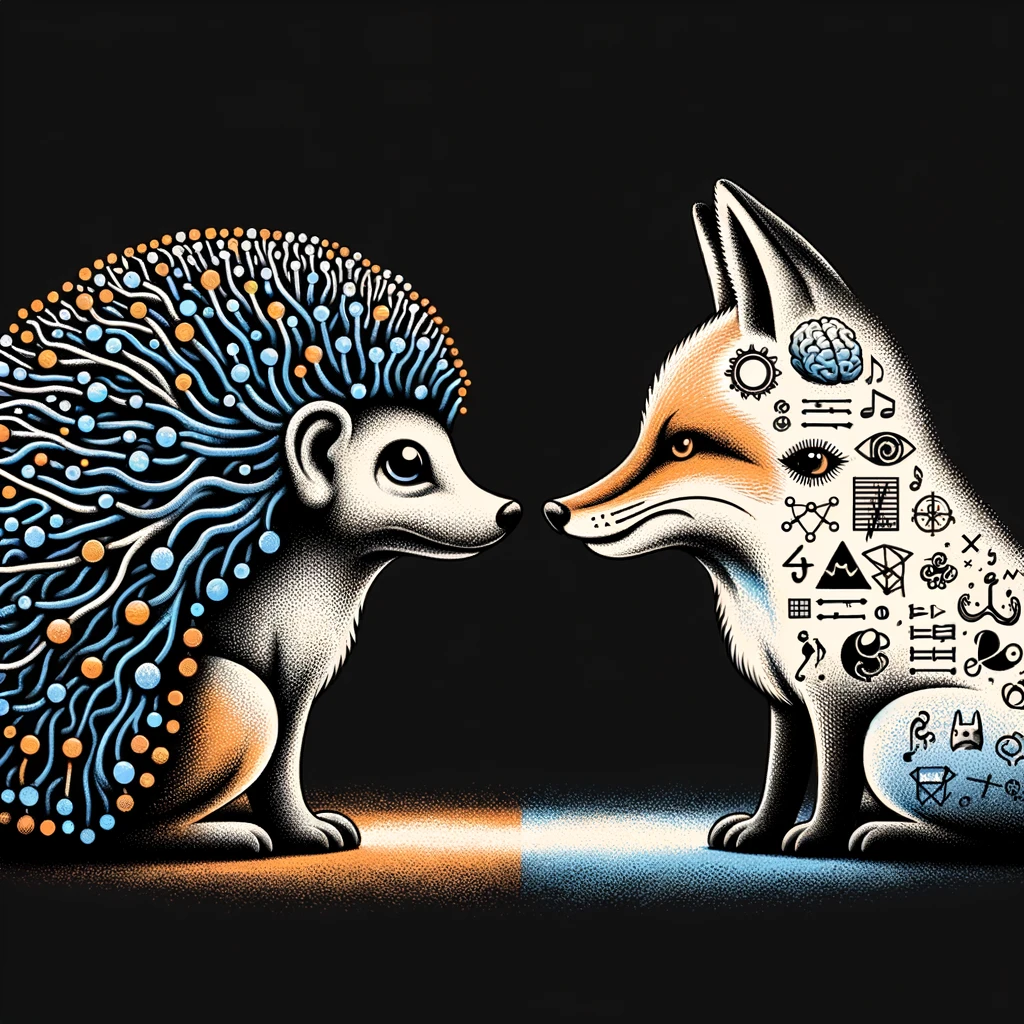 Hedgehogs and foxes
πόλλ' οἶδ' ἀλώπηξ, ἀλλ' ἐχῖνος ἓν μέγα Multa novit vulpes,
Hedgehogs and foxes
πόλλ' οἶδ' ἀλώπηξ, ἀλλ' ἐχῖνος ἓν μέγα Multa novit vulpes,-
is_parent
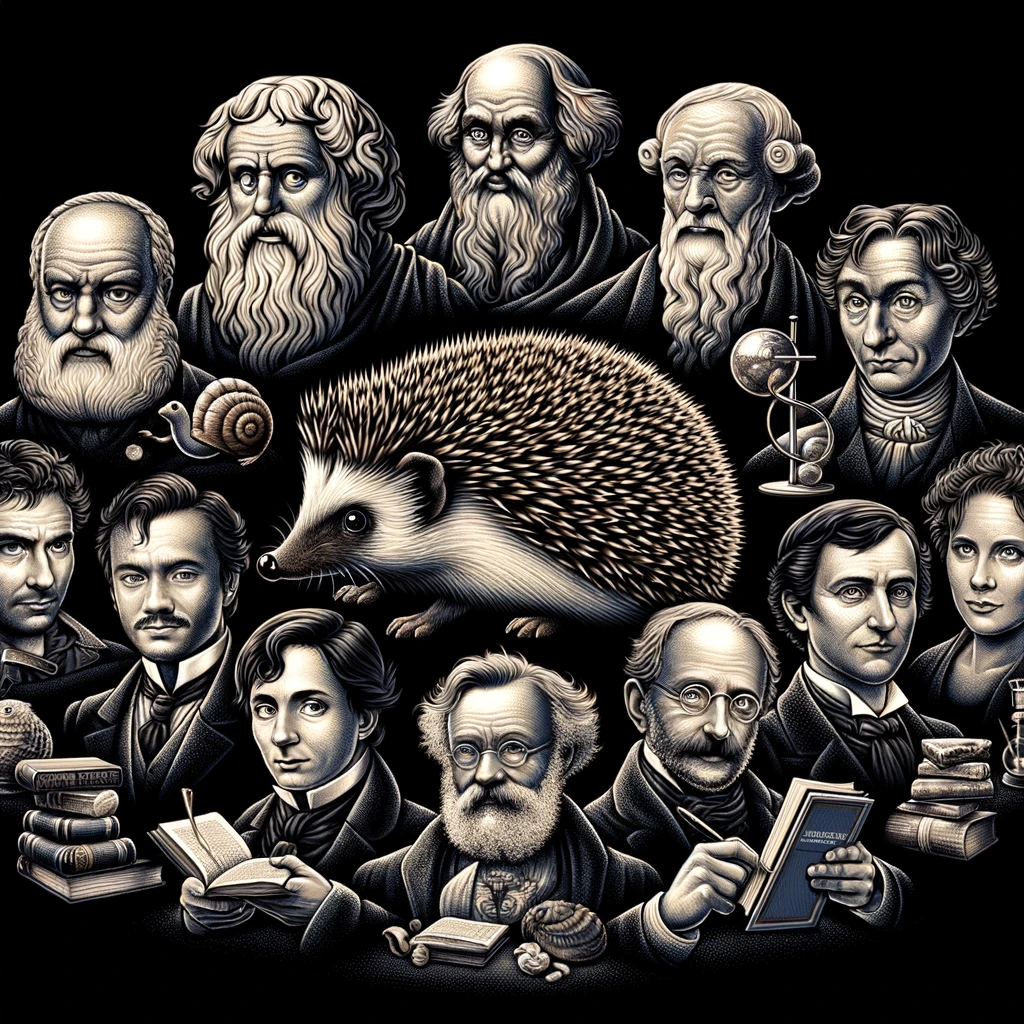 Hedgehogs
 view the world through the lens of a single defining idea.Isaiah Berlin gives following examples in domains of art and philosophy: Plato, Lucretius, D
Hedgehogs
Hedgehogs view the world through the lens of a single defining idea.Isaiah Berlin gives following examples in domains of art and philosophy: Plato, Lucretius, D-
is_parent Hedgehog theories of intelligence ·
Hedgehogs would represent individuals or theories that focus on a single type of intelligence or a unifying principle of intelligence. Traditional views of inte
-
-
is_parent
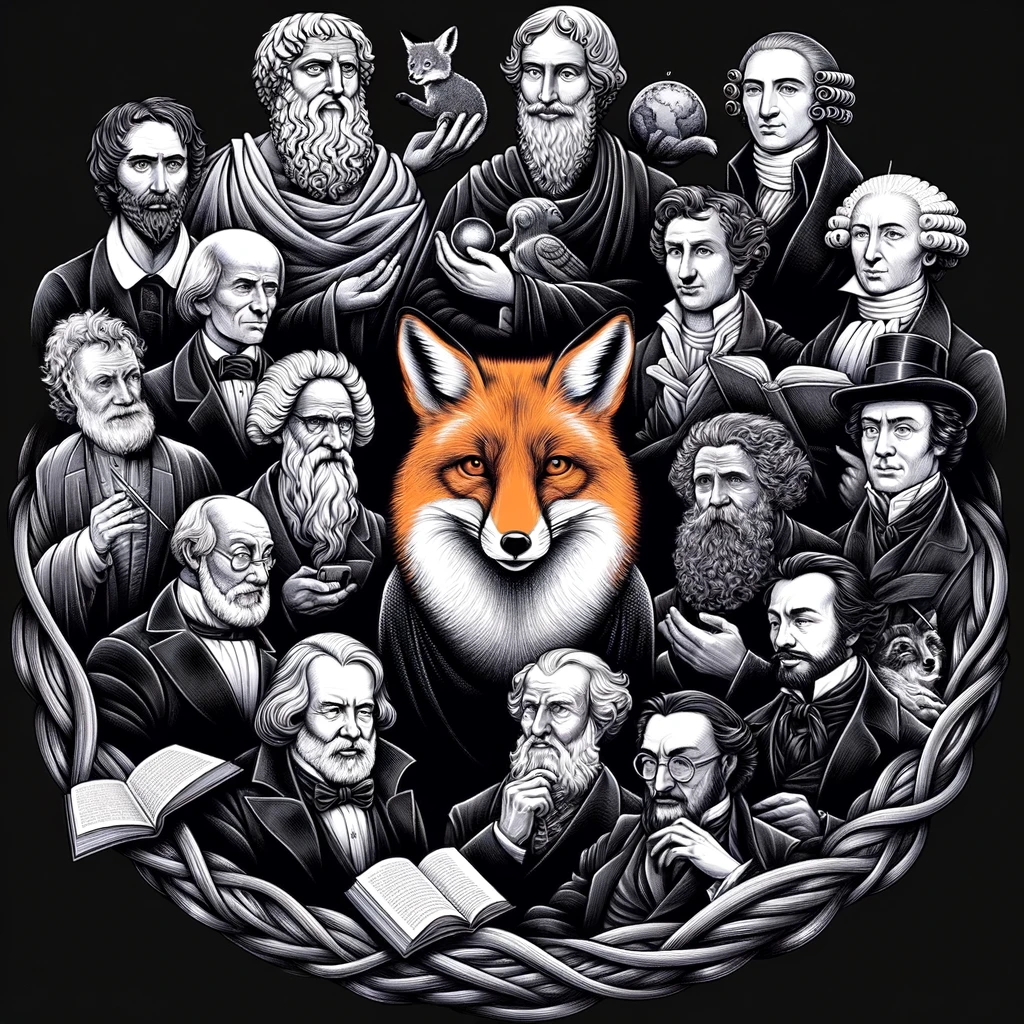 Foxes
Foxes draw on a wide variety of experiences. For foxes, the world cannot be boiled down to a single idea.Berlin's examples from literature and philosophy: Herod
Foxes
Foxes draw on a wide variety of experiences. For foxes, the world cannot be boiled down to a single idea.Berlin's examples from literature and philosophy: Herod-
is_parent Fox theories of intelligence ·
Fox theories argue that intelligence is not a single, unitary quality but rather a collection of several distinct types of intelligences. Howard Gardner's Theor
-
-
is_parent The Cat & The Fox ·
Once a Cat and a Fox were traveling together. As they went along, picking up provisions on the way—a stray mouse here, a fat chicken there—they began an argumen -
is_parent Questio ·
Are You a hedgehog or a fox ?
-
-
is_parent
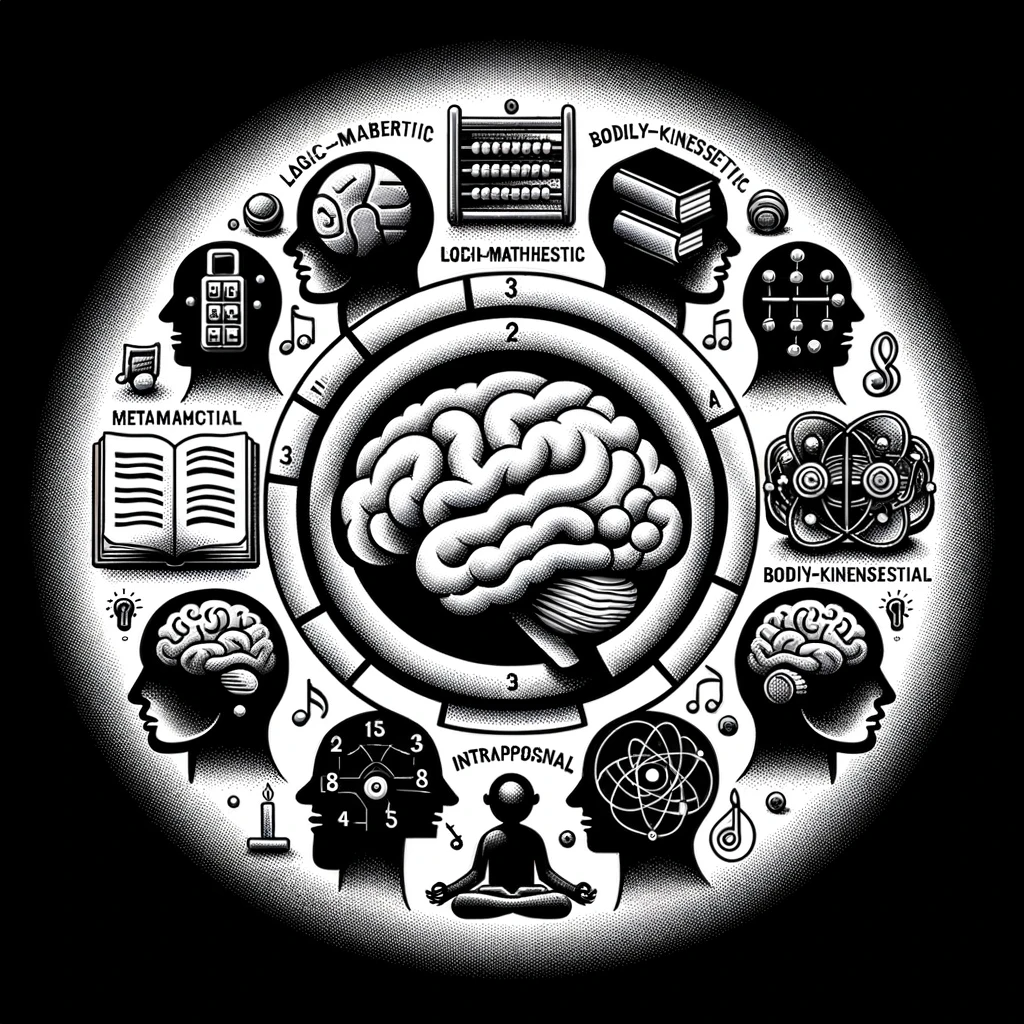 Theory of Multiple Intelligences
Contrasting traditional views that focus on a single, general intelligence, Theory of Multiple Intelligences proposed by Howard Gardner in 1983 posits that huma
Theory of Multiple Intelligences
Contrasting traditional views that focus on a single, general intelligence, Theory of Multiple Intelligences proposed by Howard Gardner in 1983 posits that huma-
is_parent
 Logical-Mathematical Intelligence
Involves the capacity to analyze problems logically, carry out mathematical operations, and investigate issues scientifically. It's characterized by strong reas
Logical-Mathematical Intelligence
Involves the capacity to analyze problems logically, carry out mathematical operations, and investigate issues scientifically. It's characterized by strong reas-
is_parent Relations to other Intelligences
bodily-kinesthetic:::linguistic:::visual-spatial:::personal intelligences:::musical-
is_parent Bodily-kinesthetic intelligences ·
bodily-kinesthetic -
is_parent
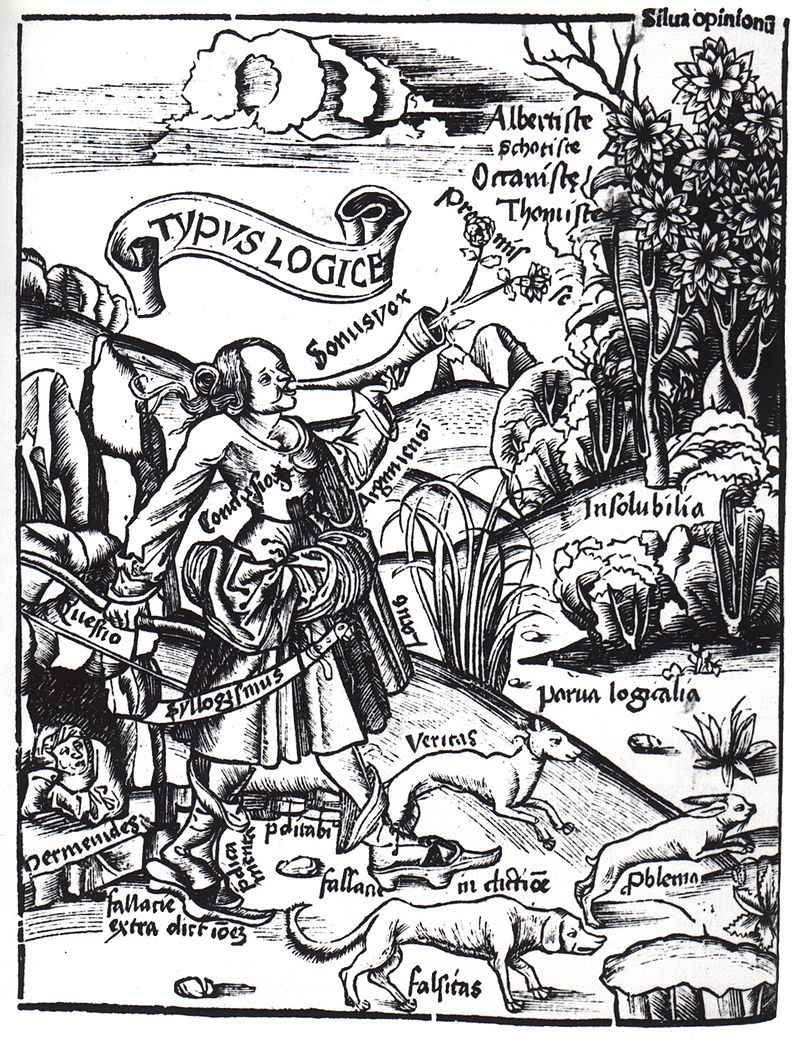 Linguistic intelligences
·
Logial-mathematical thinking and language?? Crosslink between phonology, music and mathematical description Semantics and symbol manipulation logics and reasoni
Linguistic intelligences
·
Logial-mathematical thinking and language?? Crosslink between phonology, music and mathematical description Semantics and symbol manipulation logics and reasoni -
is_parent Visual-spatial intelligences ·
visual-spatial -
is_parent Personal intelligences ·
personal intelligences -
is_parent
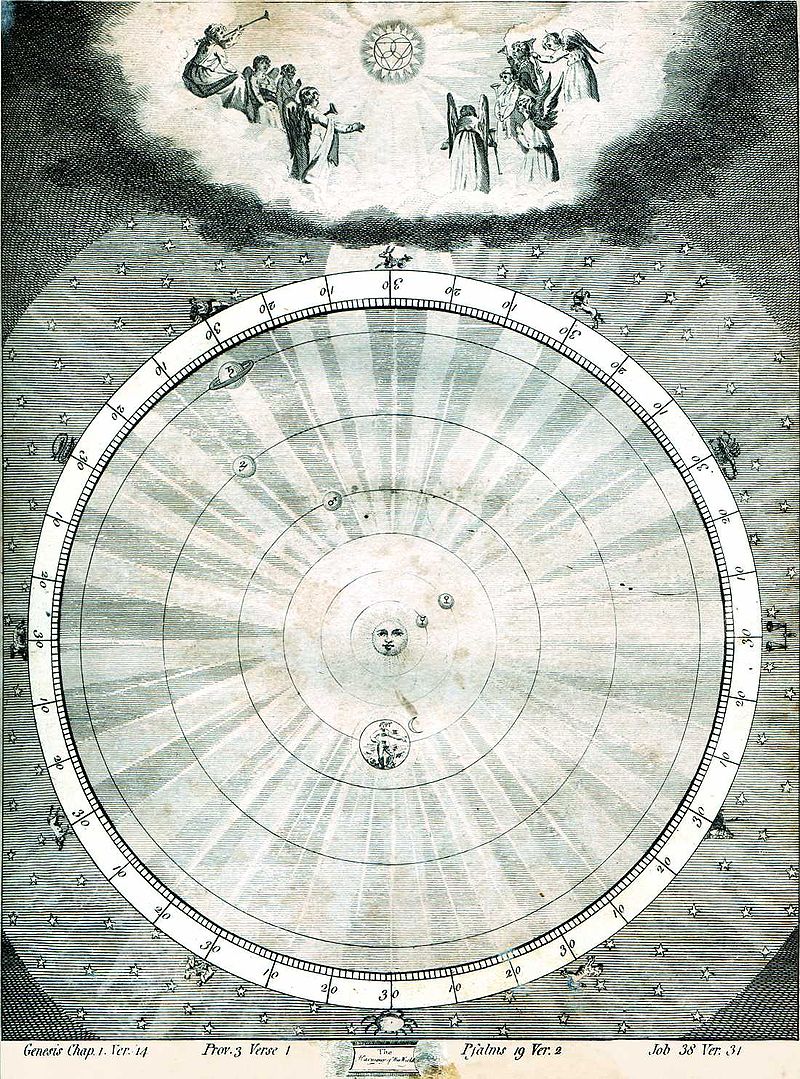 Musical intelligences
·
Logial-mathematical thinking and music? Pythagoras Musica Universalis Rhythms and intuitive counting Musical notation and polyphony 12-Tone music and Arnol
Musical intelligences
·
Logial-mathematical thinking and music? Pythagoras Musica Universalis Rhythms and intuitive counting Musical notation and polyphony 12-Tone music and Arnol
-
-
is_parent Defining criteria
What is logic and what is mathematics? The Merriam-Webster Dictionary defines logic as follows: a science that deals with the principles and criteria of inferen-
is_parent Identifiable set of operations & Symbol system ·
object -> actions -> statements -> relationships Henri Poincaré distinguished between the memory for steps in a chain of reasoning and the appre -
is_parent Developmental trajectory ·
Developmental trajectory -
is_parent
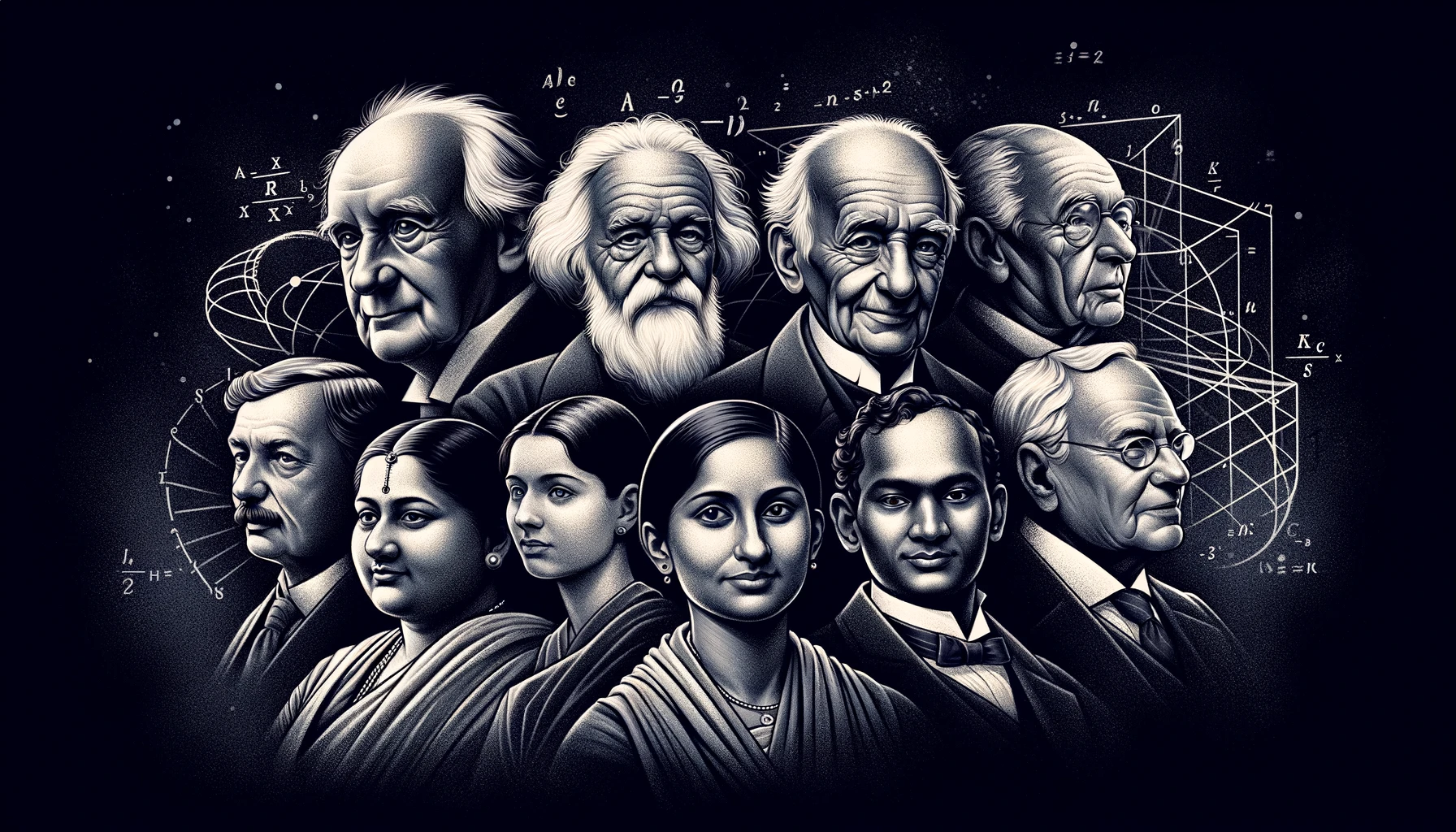 Prodigies
·
Extraordinary Individuals are Individuals with... ... remarkable counting abilities, such as Shakuntala Devi: she was able to multiply two 13 digit numbers in 2
Prodigies
·
Extraordinary Individuals are Individuals with... ... remarkable counting abilities, such as Shakuntala Devi: she was able to multiply two 13 digit numbers in 2 -
is_parent Psychometry ·
Brain / Experimental psychology / Psychometry -
is_parent Evolutionary plausibility ·
Evolutionary plausibility
-
-
is_parent
 Warm up Exercise : Wason Selection Task
·
You are in possesion of a card set. On one side there is a shape, a circle or a triangle. On the other side there is a colour, blue or yellow. There is one rule
Warm up Exercise : Wason Selection Task
·
You are in possesion of a card set. On one side there is a shape, a circle or a triangle. On the other side there is a colour, blue or yellow. There is one rule -
is_parent
 The Origins of Mathematics
Agricultural Societies Ancient Egypt Mesopotamia/Babylon Ancient China Ancient India
The Origins of Mathematics
Agricultural Societies Ancient Egypt Mesopotamia/Babylon Ancient China Ancient India-
is_parent
 Power of proof: Acient Greece
·
Pythagoras right-angled triangles the harmonic serie Euclid 300BC "The Elements": axioms Archimede
Power of proof: Acient Greece
·
Pythagoras right-angled triangles the harmonic serie Euclid 300BC "The Elements": axioms Archimede -
is_parent
 Śūnyatā: Indian
·
the decimal place-value system 0 and infinity pi Brahmagupta negative numbers unknowns in equations trigonometry Al-Khwarizmi algebra
Śūnyatā: Indian
·
the decimal place-value system 0 and infinity pi Brahmagupta negative numbers unknowns in equations trigonometry Al-Khwarizmi algebra -
is_parent
 First sign of mathematics-Nile Bank
·
calendar religion: Nile river god Hapi measuring device landmeasure measure unit legth and area calculation decimal system binary counting system fractions Eye
First sign of mathematics-Nile Bank
·
calendar religion: Nile river god Hapi measuring device landmeasure measure unit legth and area calculation decimal system binary counting system fractions Eye -
is_parent Urban, industrial & digital societies ·
Urban, industrial, digital societies
-
-
is_parent
.svg.png) Human & Machine
·
Vectorization, stochastic and noise IQ test Turing test Q+ model? Non-computational problems
Human & Machine
·
Vectorization, stochastic and noise IQ test Turing test Q+ model? Non-computational problems -
is_parent
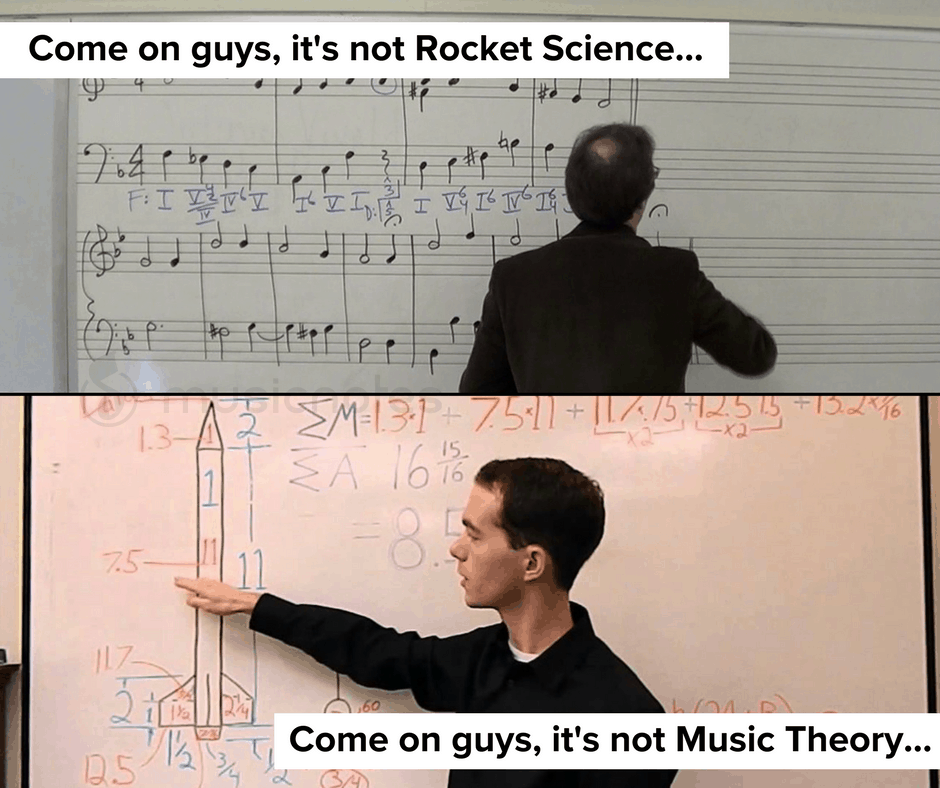 Outset exercise
·
Outset exercise
·
-
-
is_parent
 Linguistic Intelligence
·
The ability to master language and communicate effectively. People with high linguistic intelligence are adept at reading, writing, telling stories, and memoriz
Linguistic Intelligence
·
The ability to master language and communicate effectively. People with high linguistic intelligence are adept at reading, writing, telling stories, and memoriz -
is_parent Personal Intelligences
Personal Intelligences-
is_parent
 Interpersonal Intelligence
·
The ability to understand and interact effectively with others. It involves effective verbal and nonverbal communication, sensitivity to the moods and temperame
Interpersonal Intelligence
·
The ability to understand and interact effectively with others. It involves effective verbal and nonverbal communication, sensitivity to the moods and temperame -
is_parent
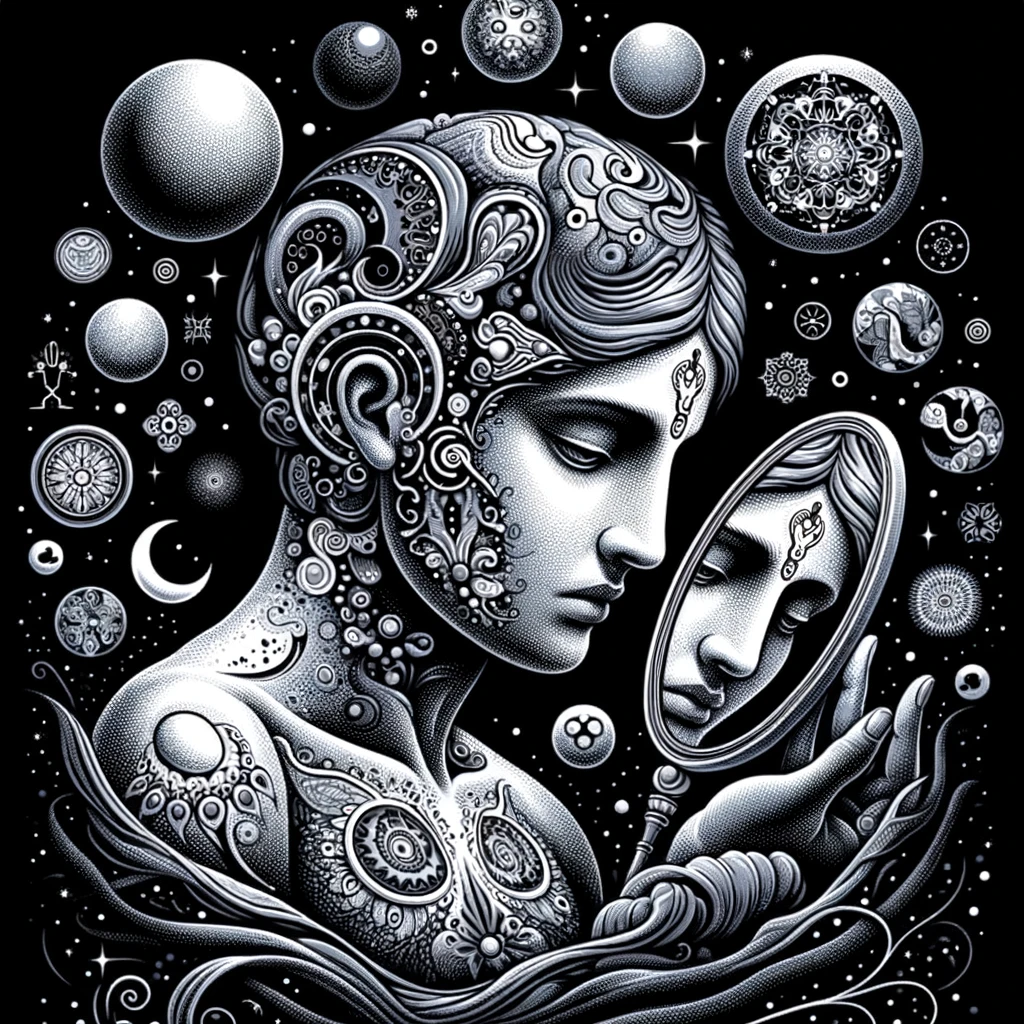 Intrapersonal intelligence
·
The capacity to understand oneself, to appreciate one's feelings, fears, and motivations. It involves having a deep understanding of the self; what one's streng
Intrapersonal intelligence
·
The capacity to understand oneself, to appreciate one's feelings, fears, and motivations. It involves having a deep understanding of the self; what one's streng
-
-
is_parent
 Musical Intelligence
·
The capacity to discern pitch, rhythm, timbre, and tone. This intelligence enables people to recognize, create, reproduce, and reflect on music.
Musical Intelligence
·
The capacity to discern pitch, rhythm, timbre, and tone. This intelligence enables people to recognize, create, reproduce, and reflect on music. -
is_parent
 Visual-Spatial Intelligence
·
Involves the potential to recognize and use patterns of wide space and more confined areas. It's often found in architects, artists, and navigators.
Visual-Spatial Intelligence
·
Involves the potential to recognize and use patterns of wide space and more confined areas. It's often found in architects, artists, and navigators. -
is_parent
 Bodily-Kinaesthetic Intelligence
·
Entails using one's body effectively, such as dancers or surgeons. It involves a sense of timing, clear physical coordination, and using fine and gross motor sk
Bodily-Kinaesthetic Intelligence
·
Entails using one's body effectively, such as dancers or surgeons. It involves a sense of timing, clear physical coordination, and using fine and gross motor sk -
is_parent Defining criteria of an intelligence
Gardner identifies several key criteria that a cognitive ability must meet to be considered an intelligence: Potential Isolation by Brain DamageExistence of Sav-
is_parent
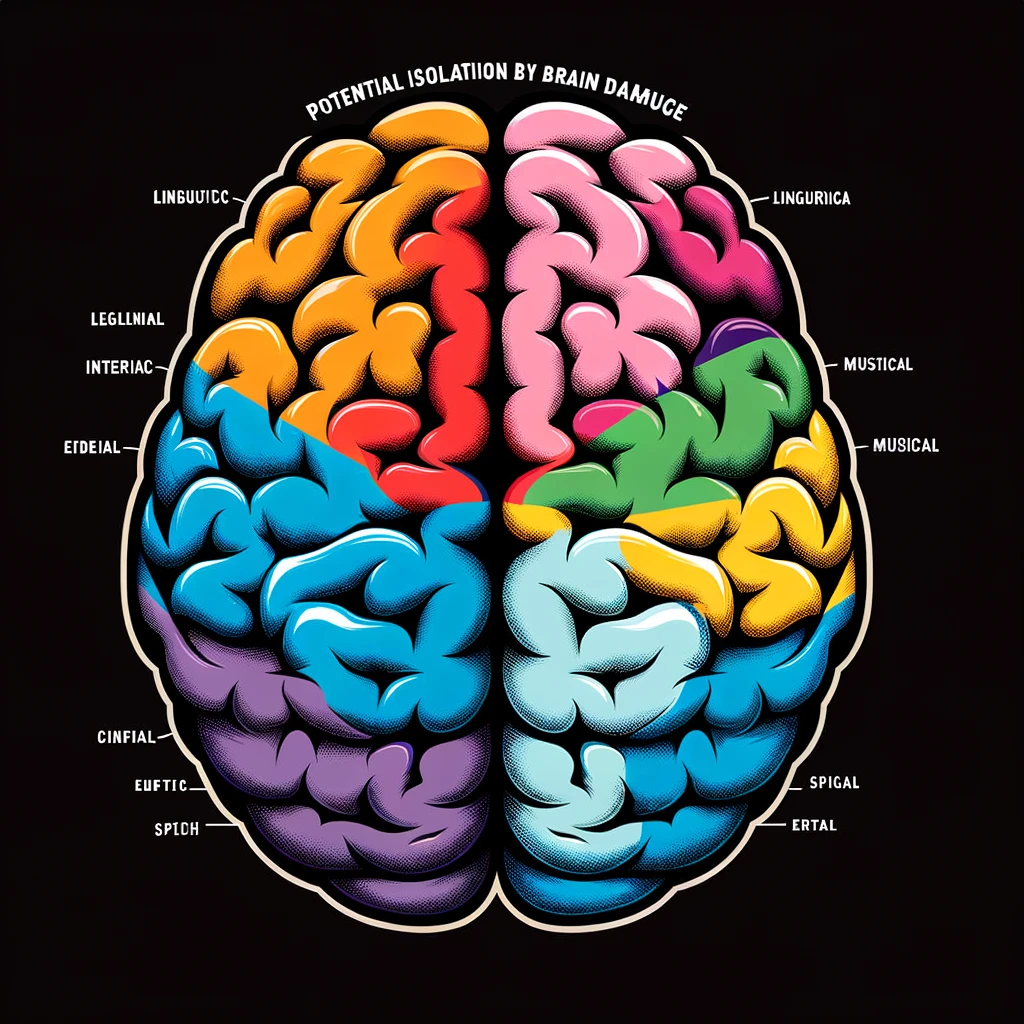 Potential Isolation by Brain Damage
The criterion "Potential Isolation by Brain Damage" refers to the notion that distinct intelligences can be independently affected by brain damage. This means t
Potential Isolation by Brain Damage
The criterion "Potential Isolation by Brain Damage" refers to the notion that distinct intelligences can be independently affected by brain damage. This means t-
is_parent The story of Phineas Gage ·
Phineas P. Gage (1823–1860) was an American railroad construction foreman remembered for his improbable survival of an accident in which a large iron rod was dr
-
-
is_parent
 Existence of Savants, Prodigies, and Other Exceptional Individuals
·
The criterion "Existence of Savants, Prodigies, and Other Exceptional Individuals" highlights the presence of individuals with extraordinary abilities in specif
Existence of Savants, Prodigies, and Other Exceptional Individuals
·
The criterion "Existence of Savants, Prodigies, and Other Exceptional Individuals" highlights the presence of individuals with extraordinary abilities in specif -
is_parent
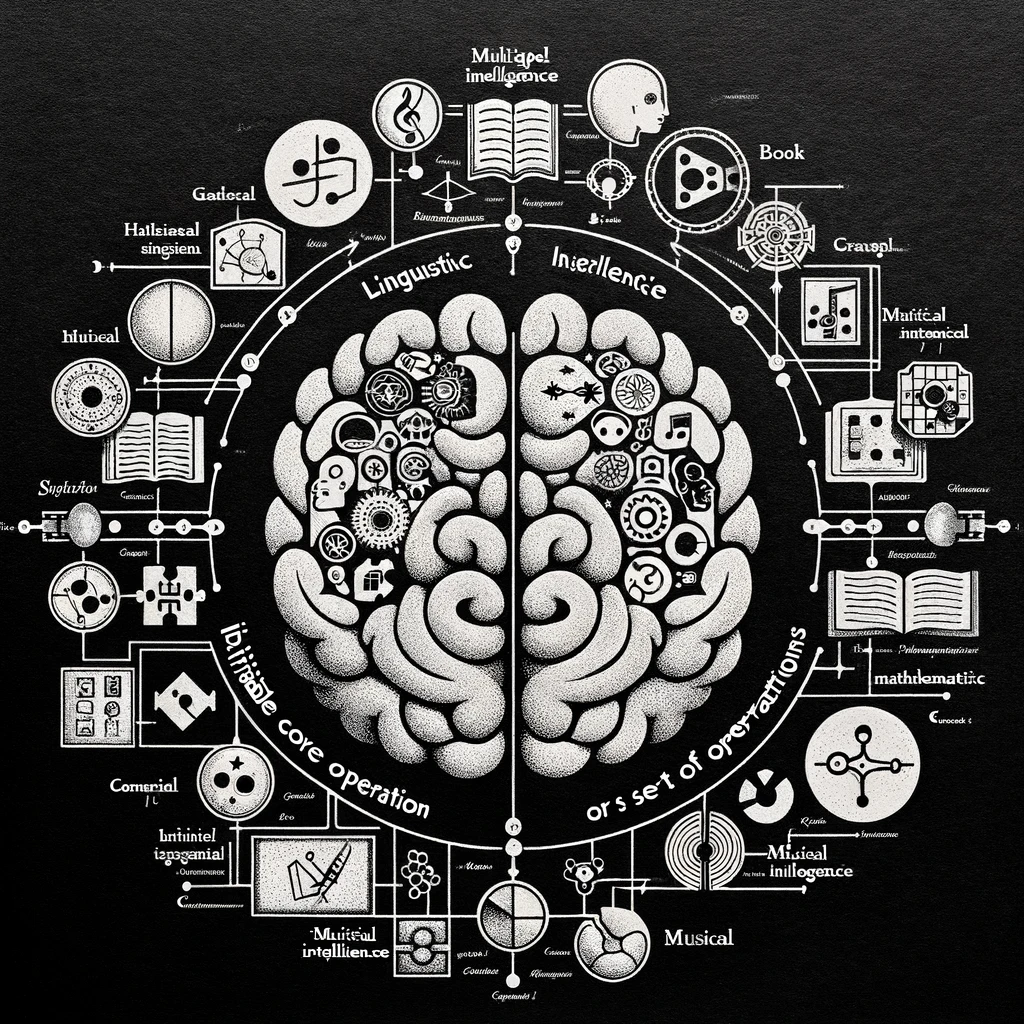 An Identifiable Core Operation or Set of Operations
·
This criterion posits that each type of intelligence must have a core set of cognitive processes or operations. For example, linguistic intelligence involves op
An Identifiable Core Operation or Set of Operations
·
This criterion posits that each type of intelligence must have a core set of cognitive processes or operations. For example, linguistic intelligence involves op -
is_parent
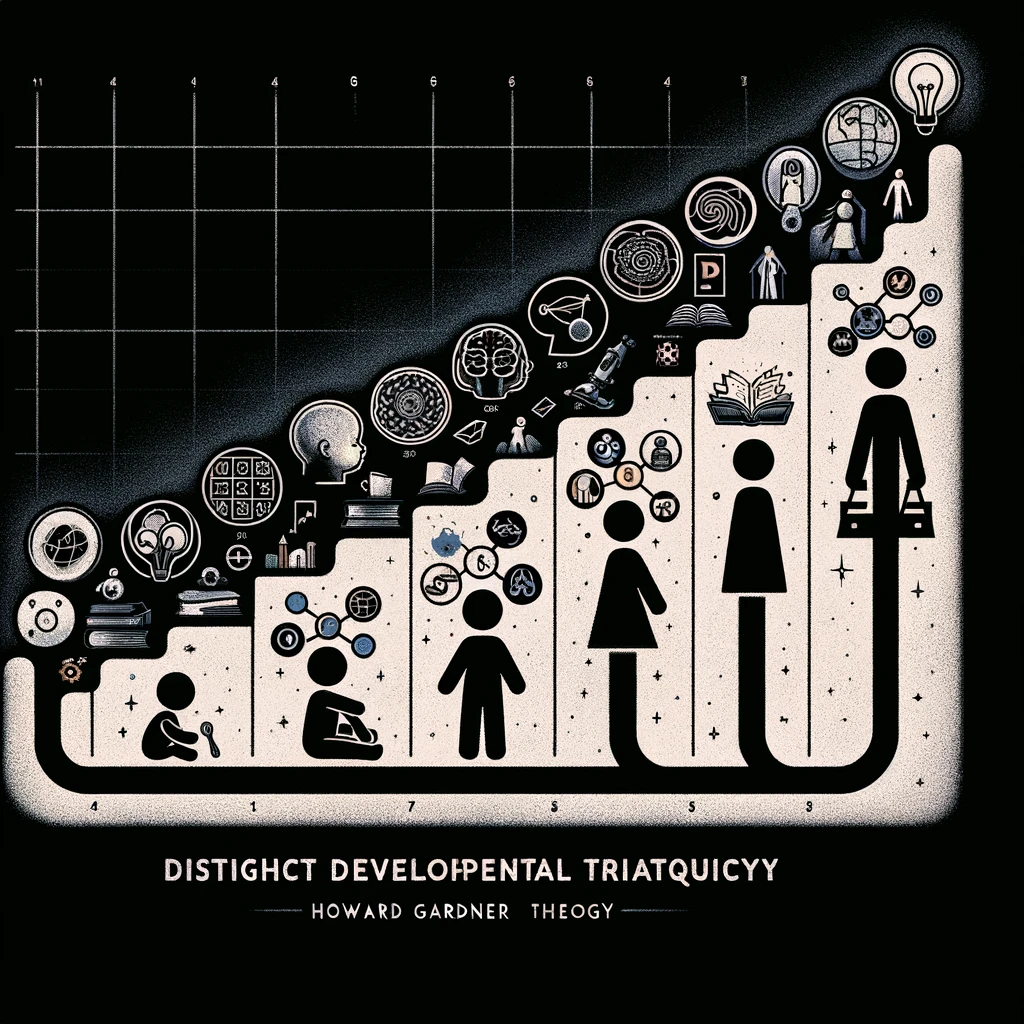 Distinct Developmental Trajectory
·
Each intelligence has its own unique developmental trajectory. This means that these intelligences emerge and develop at different stages and rates in an indivi
Distinct Developmental Trajectory
·
Each intelligence has its own unique developmental trajectory. This means that these intelligences emerge and develop at different stages and rates in an indivi -
is_parent
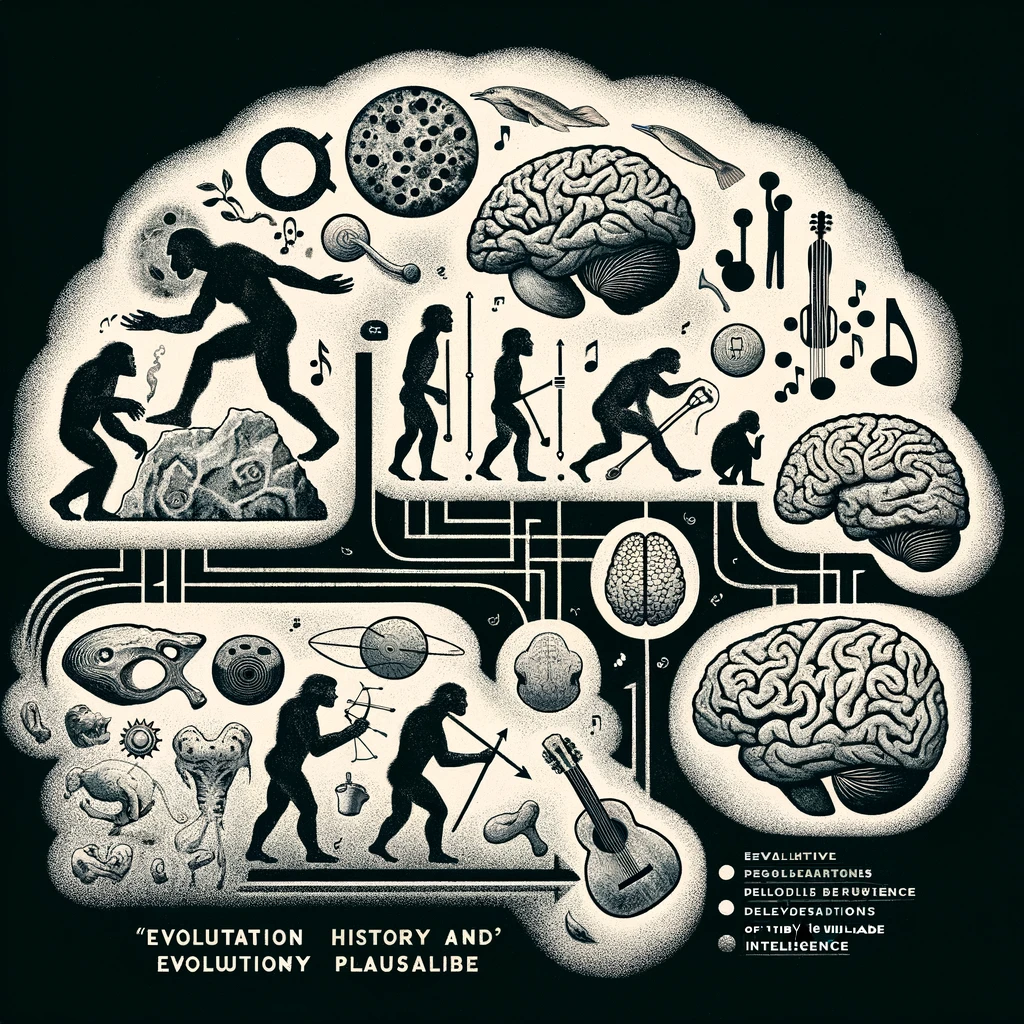 Evolutionary history and evolutionary plausibility
·
Criterion of evolutionary history and plausibility suggests that each intelligence has evolved to solve specific problems faced by our ancestors. For example, s
Evolutionary history and evolutionary plausibility
·
Criterion of evolutionary history and plausibility suggests that each intelligence has evolved to solve specific problems faced by our ancestors. For example, s -
is_parent
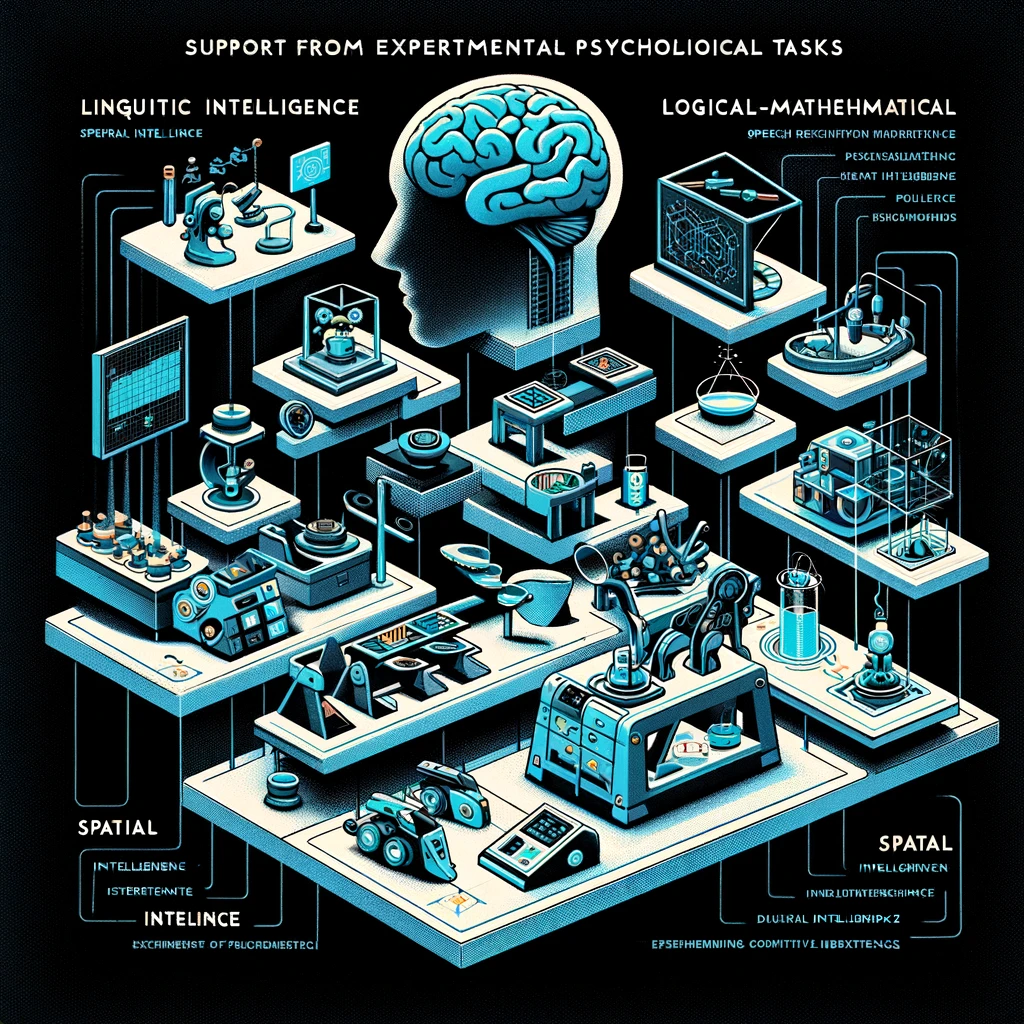 Support from Experimental Psychological Tasks
·
For an ability to be considered an intelligence in Theory of Multiple Intelligence framework, it must be supported by empirical research, particularly through e
Support from Experimental Psychological Tasks
·
For an ability to be considered an intelligence in Theory of Multiple Intelligence framework, it must be supported by empirical research, particularly through e -
is_parent
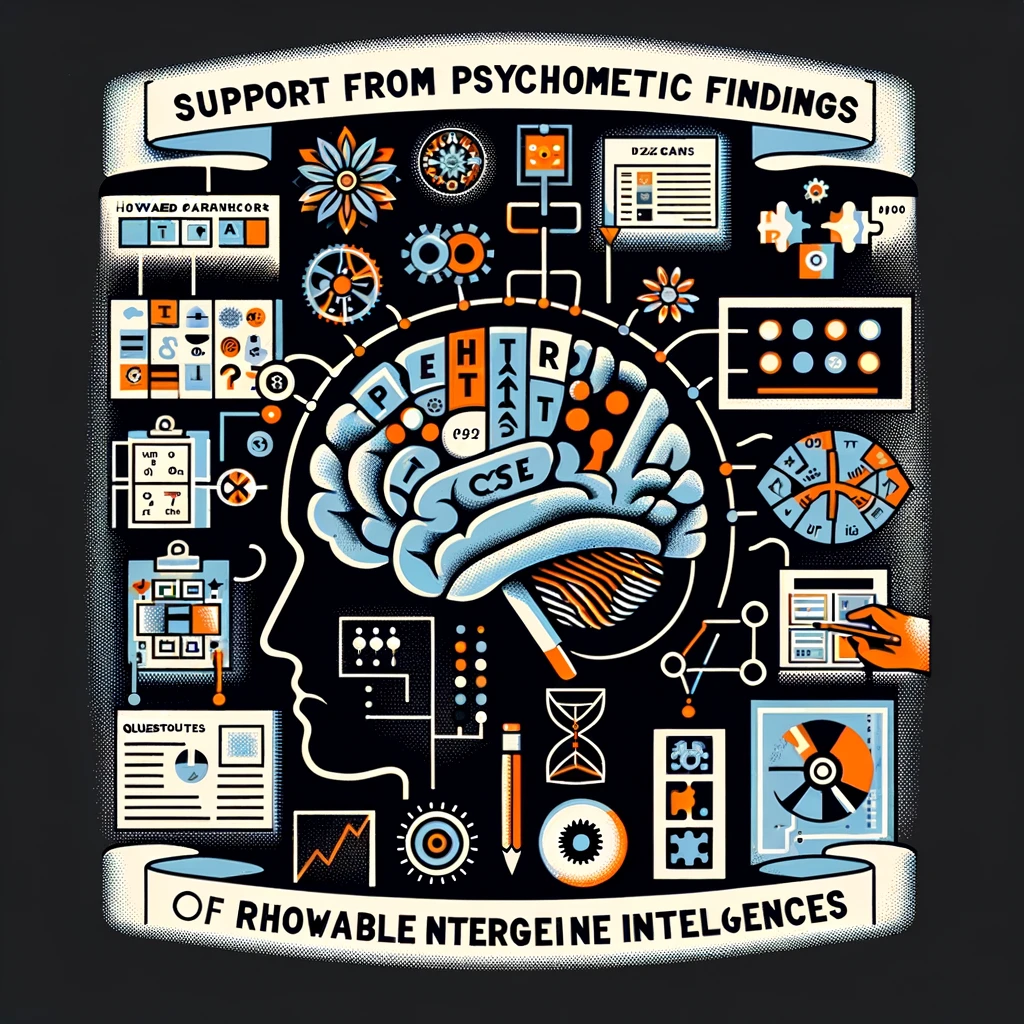 Support from Psychometric findings
·
Gardner asserts that each intelligence should be measurable to some extent by psychometric tests. However, he also criticizes the overreliance on such tests in
Support from Psychometric findings
·
Gardner asserts that each intelligence should be measurable to some extent by psychometric tests. However, he also criticizes the overreliance on such tests in -
is_parent
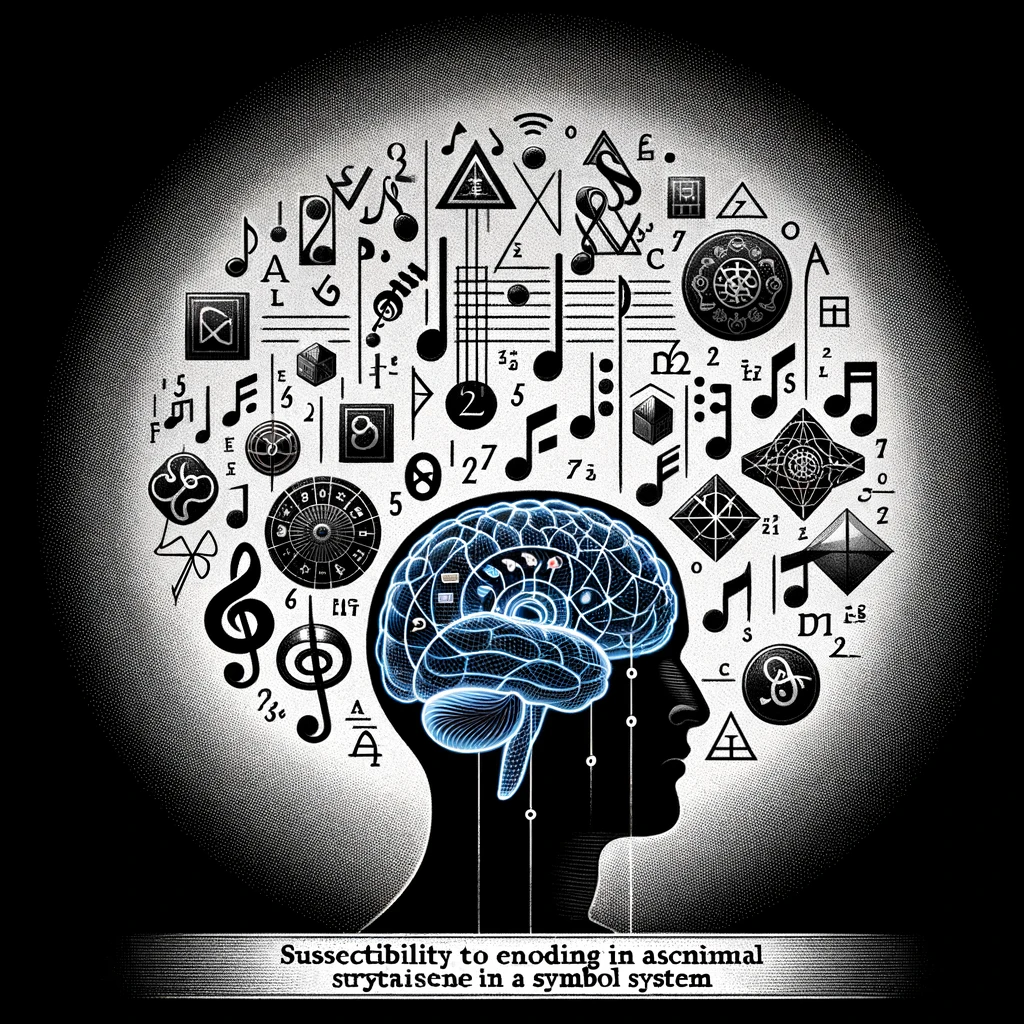 Susceptibility to Encoding in a Symbol System
·
This criterion means that each intelligence can be articulated and communicated through some form of symbolic system. For example, linguistic intelligence is ex
Susceptibility to Encoding in a Symbol System
·
This criterion means that each intelligence can be articulated and communicated through some form of symbolic system. For example, linguistic intelligence is ex
-
-
-
is_parent Hausaufgabe ·
in #edu-intelligence room, put an emoticon of Your choice under intelligence X of Your choicetake note of who else is in Your groupread the chapter in Gardner's
-
-
is_parent Session 4 :: Other (forms of) intelligence
-
is_parent Questio 1 ·
What intelligences would You add to Gardner's "canonic seven" ? -
is_parent
 Naturalistic intelligence(s)
Gardner defines Naturalistic Intelligence as the ability to recognize, categorize, and draw upon certain features of the environment. It's one of the intelligen
Naturalistic intelligence(s)
Gardner defines Naturalistic Intelligence as the ability to recognize, categorize, and draw upon certain features of the environment. It's one of the intelligen-
is_parent Health & Hygiene ·
-
is_parent Food & Poison ·
-
is_parent Predators & preys ·
-
is_parent Parasites & symbionts ·
-
is_parent Courteship & mating ·
-
is_parent Care the little ones ·
-
is_parent Death ·
-
-
is_parent
 Moral intelligence
 refers to the capacity to understand and distinguish right from wrong, and to behave based on this understanding. It encompasses the ability
Moral intelligence
Moral intelligence refers to the capacity to understand and distinguish right from wrong, and to behave based on this understanding. It encompasses the ability-
is_parent Heteronomous morality ·
In this stage, children view rules as fixed and absolute, handed down by authorities like parents and teachers. They believe in the immutability of rules and pe -
is_parent Autonomous morality ·
As children develop, they begin to understand that rules are created by people and can be changed through social agreement. They start to consider the intention
-
-
is_parent Questio 2 ·
Choose one or more among the topics just mentioned (e.g. Health & Hygiene, Food & Poison, Parasites & Symbionts, Predators & Preys, Courtship & Mating, Care for
-
-
is_parent Session 5 :: 14.12 :: Artificial intelligence ·
-
is_parent Session 6 :: 11.1 :: Examples of intelligence ·
-
is_parent Sessions 0 and 1
-
is_parent Session 1 :: Definition of intelligence
-
is_parent Questio 0 : What is intelligence ?
Put a pen and piece of paper in front of You and/or have some software where You can input text opened.Then close Your eyes and pose Yourself a question: "What-
is_parent GPT4's answer
Intelligence is a multifaceted concept that's difficult to define comprehensively, but it generally refers to the ability to learn from experience, understand a-
is_parent
Learning & Adaptation
·
The ability to acquire new knowledge and skills and apply them in various contexts. It also refers to the capacity to change one's behavior based on experience. -
is_parent
Reasoning
·
The capacity to solve problems using logic. This can be deductive reasoning, where conclusions are drawn from given information, or inductive reasoning, where c -
is_parent
Memory
·
The ability to store and retrieve information over time. This involves both short-term (working) memory and long-term memory. -
is_parent
Problem Solving
·
The ability to identify a problem and find a solution, which might involve creativity, critical thinking, and the application of knowledge. -
is_parent
Perception
The process by which information from the environment is received and interpreted. This includes recognizing patterns, faces, and nuances in language or music.-
is_parent Human sensorics ·
sight, hearing, smell, taste Tactition (Touch): pressure, vibration, thermoception (temperature) Nociception (Pain): This is the sense of detecting harmful stim -
is_parent Proprioception exercise ·
Everyone is asked to find his place within this space, ideally at least 2-3 meters away from Your nearest colleague.We will now listen to excerpts from Michael -
is_parent Human sensorics ·
sight, hearing, smell, taste Tactition (Touch): pressure, vibration, thermoception (temperature) Nociception (Pain): This is the sense of detecting harmful stim -
is_parent Proprioception exercise ·
Everyone is asked to find his place within this space, ideally at least 2-3 meters away from Your nearest colleague.We will now listen to excerpts from Michael
-
-
is_parent
Emotional Intelligence
·
The ability to recognize, understand, manage, and use emotions effectively in oneself and others. This includes empathy, self-awareness, and social skills. -
is_parent
Creativity
·
The capacity to come up with novel and useful ideas or solutions to problems. It's related to, but not the same as, intelligence. -
is_parent
Knowledge
·
The accumulation of facts, concepts, and methods. While knowledge itself is not intelligence, intelligence often involves the effective use and application of k -
is_parent
Learning & Adaptation
·
The ability to acquire new knowledge and skills and apply them in various contexts. It also refers to the capacity to change one's behavior based on experience. -
is_parent
Reasoning
·
The capacity to solve problems using logic. This can be deductive reasoning, where conclusions are drawn from given information, or inductive reasoning, where c -
is_parent
Memory
·
The ability to store and retrieve information over time. This involves both short-term (working) memory and long-term memory. -
is_parent
Problem Solving
·
The ability to identify a problem and find a solution, which might involve creativity, critical thinking, and the application of knowledge. -
is_parent
Perception
The process by which information from the environment is received and interpreted. This includes recognizing patterns, faces, and nuances in language or music.-
is_parent Human sensorics ·
sight, hearing, smell, taste Tactition (Touch): pressure, vibration, thermoception (temperature) Nociception (Pain): This is the sense of detecting harmful stim -
is_parent Proprioception exercise ·
Everyone is asked to find his place within this space, ideally at least 2-3 meters away from Your nearest colleague.We will now listen to excerpts from Michael -
is_parent Human sensorics ·
sight, hearing, smell, taste Tactition (Touch): pressure, vibration, thermoception (temperature) Nociception (Pain): This is the sense of detecting harmful stim -
is_parent Proprioception exercise ·
Everyone is asked to find his place within this space, ideally at least 2-3 meters away from Your nearest colleague.We will now listen to excerpts from Michael
-
-
is_parent
Emotional Intelligence
·
The ability to recognize, understand, manage, and use emotions effectively in oneself and others. This includes empathy, self-awareness, and social skills. -
is_parent
Creativity
·
The capacity to come up with novel and useful ideas or solutions to problems. It's related to, but not the same as, intelligence. -
is_parent
Knowledge
·
The accumulation of facts, concepts, and methods. While knowledge itself is not intelligence, intelligence often involves the effective use and application of k
-
-
-
is_parent Lectio 1 :: William demonstrates his Scharfsinn ·
You will now read & enact intrductory part of Umberto Eco's "Name of the Rose". When done, address in Your group the question "Which intelligence components are
-
-
is_parent Session 0 :: Introduction
Hello world, formalities, recommended literature, means of communication etc.-
is_parent Formalities ·
who am I who are You is this a course for You ? credits (2 ECTS for >75% attendance, +1 for referat/experiment) Hausarbeit possible need help ? (tutor: a.terzi -
is_parent
You are cordially invited to read one or more of these book(s): Howard Gardner :: Frames of Mind / The Theory of Multiple Intelligences David Goleman :: Emotion -
is_parent Other referat || intervention topics ·
Greek muses fostering of intelligence evaluation of intelligence Flynn effect stupidity -
is_parent udk.ai ·
Let me know if You would like to host Your AI-related project at sub-domain *.udk.ai (e.g. aoede.udk.ai , turing.udk.ai etc.) -
is_parent Matrix room ·
All those who have a UdK account, log in here *:https://medienhaus.udk-berlin.de/classroom and subsequently join the course (#edu-psyche) room: https: -
is_parent Course materials ·
All course materials (folios, exercises, handouts) presented during live sessions are archived at baumhaus.digital/intelligence Note: baumhaus presentations in -
is_parent Formalities ·
who am I who are You is this a course for You ? credits (2 ECTS for >75% attendance, +1 for referat/experiment) Hausarbeit possible need help ? (tutor: a.terzi -
is_parent
You are cordially invited to read one or more of these book(s): Howard Gardner :: Frames of Mind / The Theory of Multiple Intelligences David Goleman :: Emotion -
is_parent Other referat || intervention topics ·
Greek muses fostering of intelligence evaluation of intelligence Flynn effect stupidity -
is_parent udk.ai ·
Let me know if You would like to host Your AI-related project at sub-domain *.udk.ai (e.g. aoede.udk.ai , turing.udk.ai etc.) -
is_parent Matrix room ·
All those who have a UdK account, log in here *:https://medienhaus.udk-berlin.de/classroom and subsequently join the course (#edu-psyche) room: https: -
is_parent Course materials ·
All course materials (folios, exercises, handouts) presented during live sessions are archived at baumhaus.digital/intelligence Note: baumhaus presentations in
-
-
-