Kastalia Knowledge Management System · Glasperlenspiel template · knot 1134
Theory of Multiple Intelligences
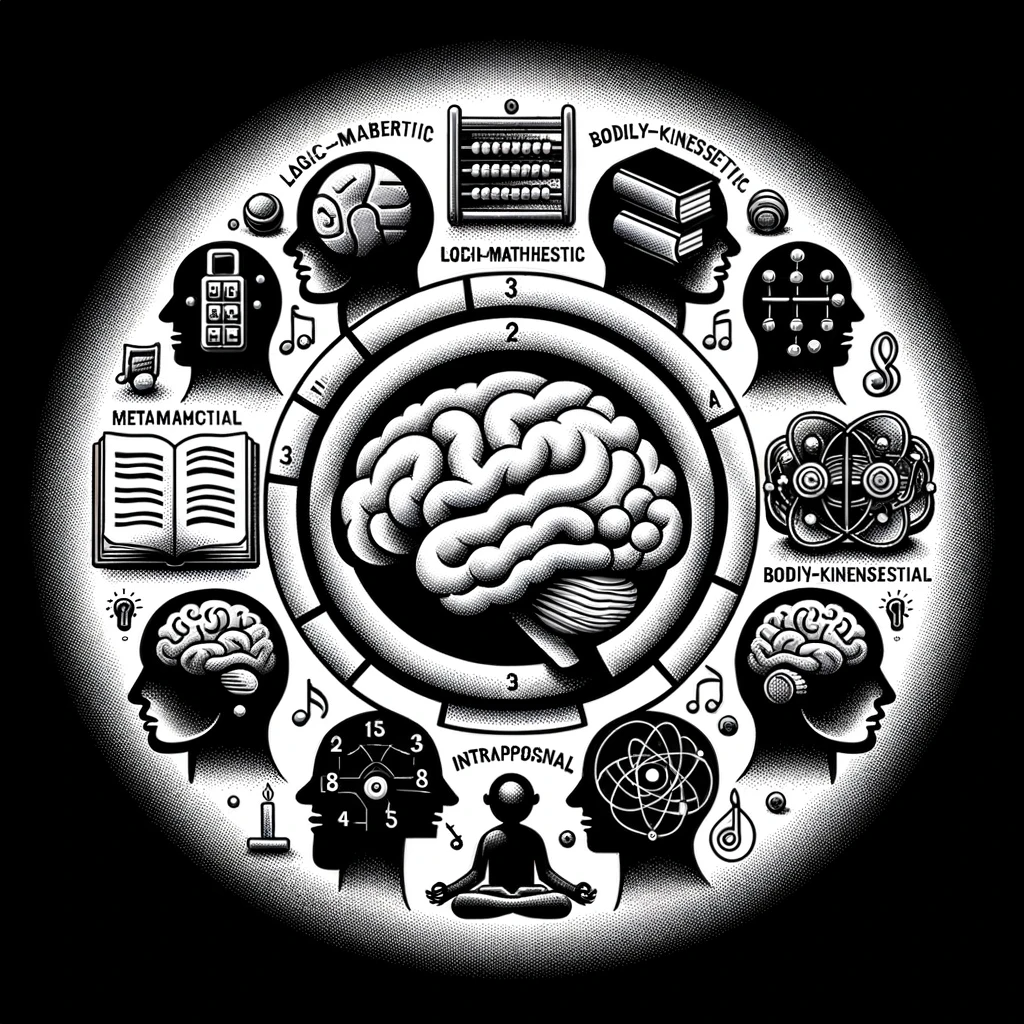
Contrasting traditional views that focus on a single, general intelligence, Theory of Multiple Intelligences proposed by Howard Gardner in 1983 posits that humans possess a variety of distinct intelligences. These include linguistic, logical-mathematical, spatial, musical, bodily-kinesthetic, interpersonal, intrapersonal, and naturalistic intelligences. Each intelligence represents a different way of processing information and solving problems, challenging the notion of intelligence as a singular, measurable trait. This theory emphasizes the unique cognitive strengths individuals have and suggests a more personalized approach to education and learning.
Ancestors (1 superordinated path)
root/
baumhaus.digital/
Art, Cognition, Education/
Human and arti(ficial|stic) intelligence/
Session 3 :: Form(s) of intelligence/
Theory of Multiple Intelligences
Descendants (at least 24 branches originate here)
-
Theory of Multiple Intelligences
Contrasting traditional views that focus on a single, general intelligence, Theory of Multiple Intelligences proposed by Howard Gardner in 1983 posits that huma
-
is_parent
 Logical-Mathematical Intelligence
Involves the capacity to analyze problems logically, carry out mathematical operations, and investigate issues scientifically. It's characterized by strong reas
Logical-Mathematical Intelligence
Involves the capacity to analyze problems logically, carry out mathematical operations, and investigate issues scientifically. It's characterized by strong reas-
is_parent Relations to other Intelligences
bodily-kinesthetic:::linguistic:::visual-spatial:::personal intelligences:::musical -
is_parent Defining criteria
What is logic and what is mathematics? The Merriam-Webster Dictionary defines logic as follows: a science that deals with the principles and criteria of inferen -
is_parent
 Warm up Exercise : Wason Selection Task
·
You are in possesion of a card set. On one side there is a shape, a circle or a triangle. On the other side there is a colour, blue or yellow. There is one rule
Warm up Exercise : Wason Selection Task
·
You are in possesion of a card set. On one side there is a shape, a circle or a triangle. On the other side there is a colour, blue or yellow. There is one rule -
is_parent
 The Origins of Mathematics
Agricultural Societies Ancient Egypt Mesopotamia/Babylon Ancient China Ancient India
The Origins of Mathematics
Agricultural Societies Ancient Egypt Mesopotamia/Babylon Ancient China Ancient India -
is_parent
.svg.png) Human & Machine
·
Vectorization, stochastic and noise IQ test Turing test Q+ model? Non-computational problems
Human & Machine
·
Vectorization, stochastic and noise IQ test Turing test Q+ model? Non-computational problems -
is_parent
 Outset exercise
·
Outset exercise
·
-
-
is_parent
 Linguistic Intelligence
·
The ability to master language and communicate effectively. People with high linguistic intelligence are adept at reading, writing, telling stories, and memoriz
Linguistic Intelligence
·
The ability to master language and communicate effectively. People with high linguistic intelligence are adept at reading, writing, telling stories, and memoriz -
is_parent Personal Intelligences
Personal Intelligences-
is_parent
 Interpersonal Intelligence
·
The ability to understand and interact effectively with others. It involves effective verbal and nonverbal communication, sensitivity to the moods and temperame
Interpersonal Intelligence
·
The ability to understand and interact effectively with others. It involves effective verbal and nonverbal communication, sensitivity to the moods and temperame -
is_parent
 Intrapersonal intelligence
·
The capacity to understand oneself, to appreciate one's feelings, fears, and motivations. It involves having a deep understanding of the self; what one's streng
Intrapersonal intelligence
·
The capacity to understand oneself, to appreciate one's feelings, fears, and motivations. It involves having a deep understanding of the self; what one's streng
-
-
is_parent
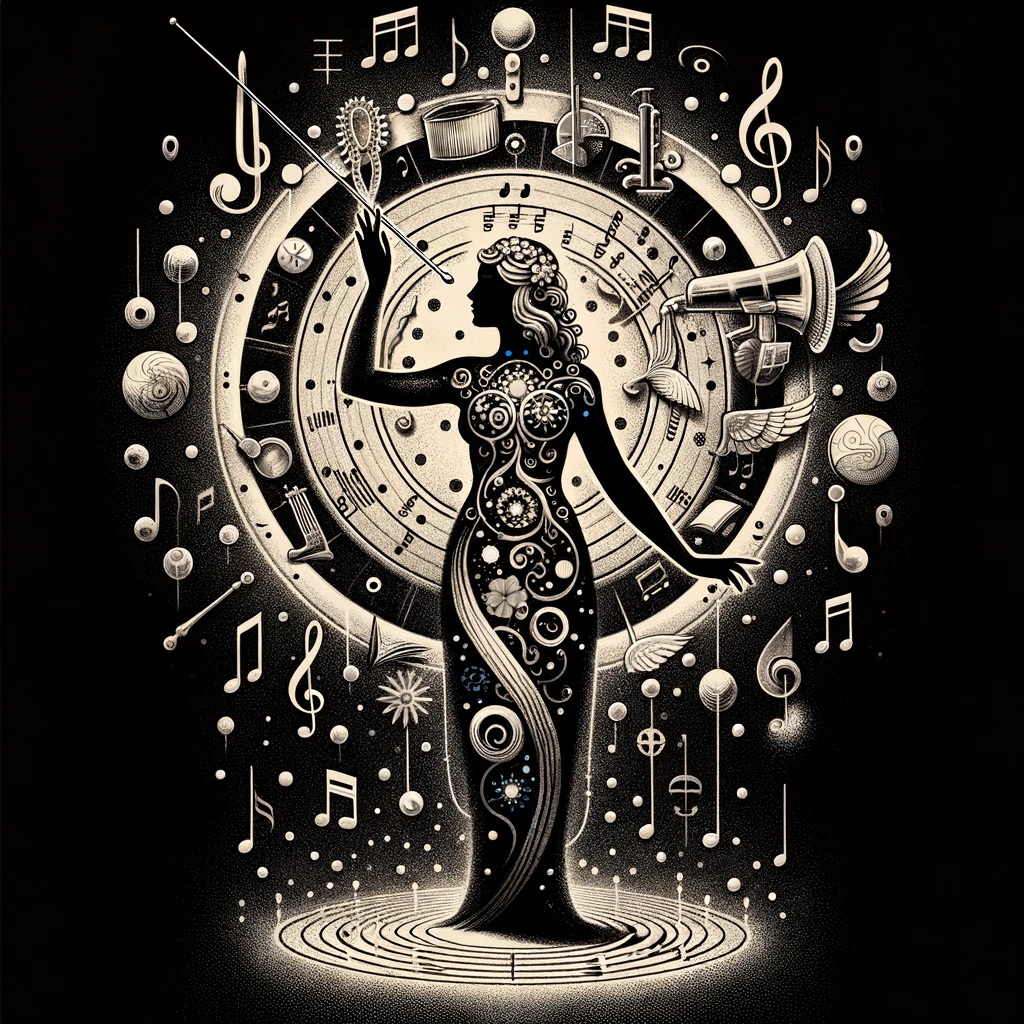 Musical Intelligence
·
The capacity to discern pitch, rhythm, timbre, and tone. This intelligence enables people to recognize, create, reproduce, and reflect on music.
Musical Intelligence
·
The capacity to discern pitch, rhythm, timbre, and tone. This intelligence enables people to recognize, create, reproduce, and reflect on music. -
is_parent
 Visual-Spatial Intelligence
·
Involves the potential to recognize and use patterns of wide space and more confined areas. It's often found in architects, artists, and navigators.
Visual-Spatial Intelligence
·
Involves the potential to recognize and use patterns of wide space and more confined areas. It's often found in architects, artists, and navigators. -
is_parent
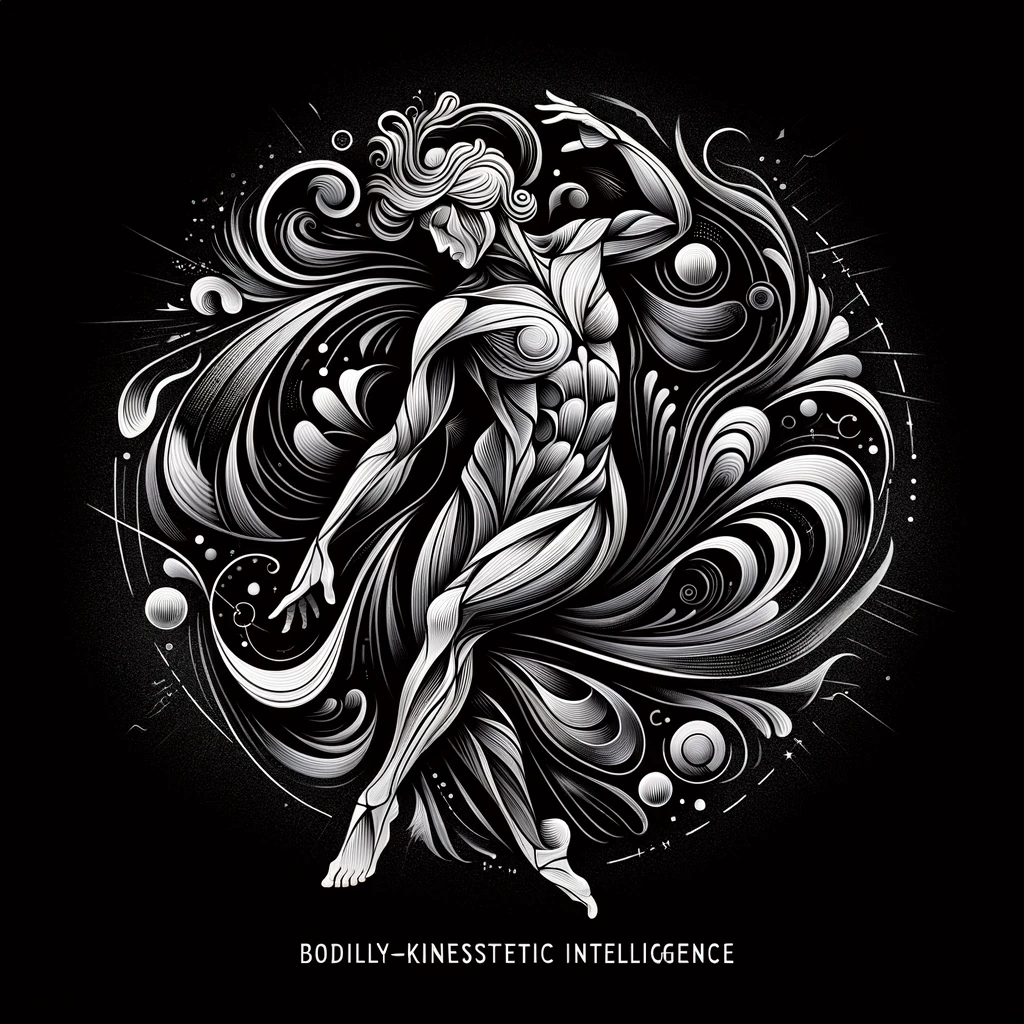 Bodily-Kinaesthetic Intelligence
·
Entails using one's body effectively, such as dancers or surgeons. It involves a sense of timing, clear physical coordination, and using fine and gross motor sk
Bodily-Kinaesthetic Intelligence
·
Entails using one's body effectively, such as dancers or surgeons. It involves a sense of timing, clear physical coordination, and using fine and gross motor sk -
is_parent Defining criteria of an intelligence
Gardner identifies several key criteria that a cognitive ability must meet to be considered an intelligence: Potential Isolation by Brain DamageExistence of Sav-
is_parent
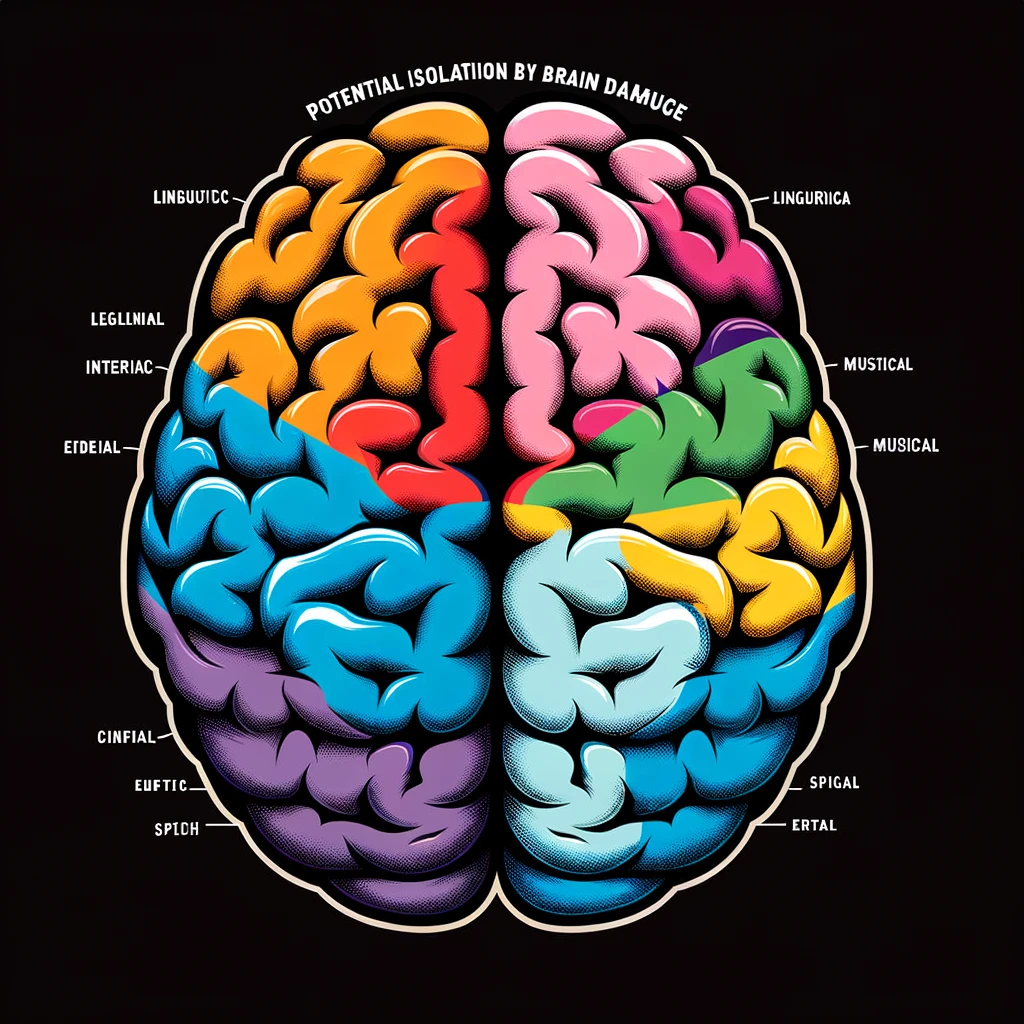 Potential Isolation by Brain Damage
The criterion "Potential Isolation by Brain Damage" refers to the notion that distinct intelligences can be independently affected by brain damage. This means t
Potential Isolation by Brain Damage
The criterion "Potential Isolation by Brain Damage" refers to the notion that distinct intelligences can be independently affected by brain damage. This means t -
is_parent
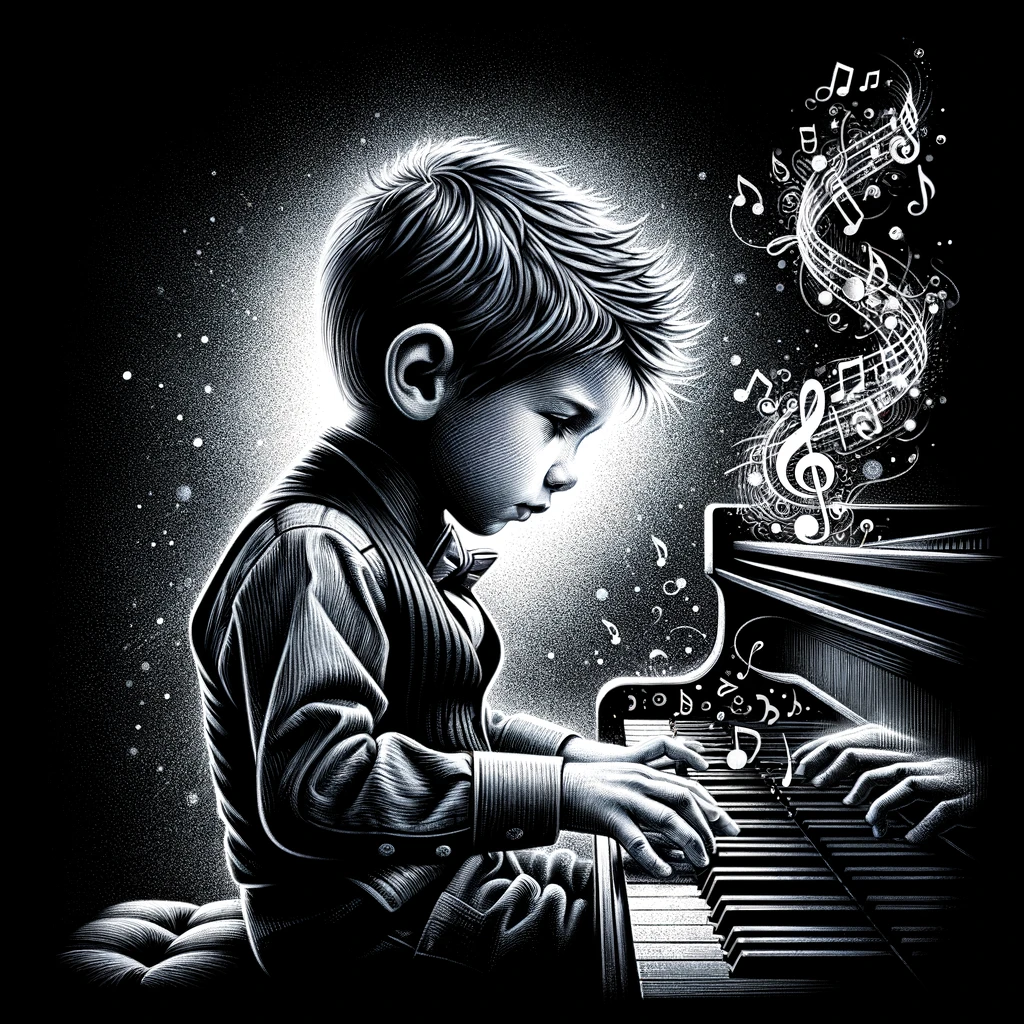 Existence of Savants, Prodigies, and Other Exceptional Individuals
·
The criterion "Existence of Savants, Prodigies, and Other Exceptional Individuals" highlights the presence of individuals with extraordinary abilities in specif
Existence of Savants, Prodigies, and Other Exceptional Individuals
·
The criterion "Existence of Savants, Prodigies, and Other Exceptional Individuals" highlights the presence of individuals with extraordinary abilities in specif -
is_parent
 An Identifiable Core Operation or Set of Operations
·
This criterion posits that each type of intelligence must have a core set of cognitive processes or operations. For example, linguistic intelligence involves op
An Identifiable Core Operation or Set of Operations
·
This criterion posits that each type of intelligence must have a core set of cognitive processes or operations. For example, linguistic intelligence involves op -
is_parent
 Distinct Developmental Trajectory
·
Each intelligence has its own unique developmental trajectory. This means that these intelligences emerge and develop at different stages and rates in an indivi
Distinct Developmental Trajectory
·
Each intelligence has its own unique developmental trajectory. This means that these intelligences emerge and develop at different stages and rates in an indivi -
is_parent
 Evolutionary history and evolutionary plausibility
·
Criterion of evolutionary history and plausibility suggests that each intelligence has evolved to solve specific problems faced by our ancestors. For example, s
Evolutionary history and evolutionary plausibility
·
Criterion of evolutionary history and plausibility suggests that each intelligence has evolved to solve specific problems faced by our ancestors. For example, s -
is_parent
 Support from Experimental Psychological Tasks
·
For an ability to be considered an intelligence in Theory of Multiple Intelligence framework, it must be supported by empirical research, particularly through e
Support from Experimental Psychological Tasks
·
For an ability to be considered an intelligence in Theory of Multiple Intelligence framework, it must be supported by empirical research, particularly through e -
is_parent
 Support from Psychometric findings
·
Gardner asserts that each intelligence should be measurable to some extent by psychometric tests. However, he also criticizes the overreliance on such tests in
Support from Psychometric findings
·
Gardner asserts that each intelligence should be measurable to some extent by psychometric tests. However, he also criticizes the overreliance on such tests in -
is_parent
 Susceptibility to Encoding in a Symbol System
·
This criterion means that each intelligence can be articulated and communicated through some form of symbolic system. For example, linguistic intelligence is ex
Susceptibility to Encoding in a Symbol System
·
This criterion means that each intelligence can be articulated and communicated through some form of symbolic system. For example, linguistic intelligence is ex
-
-