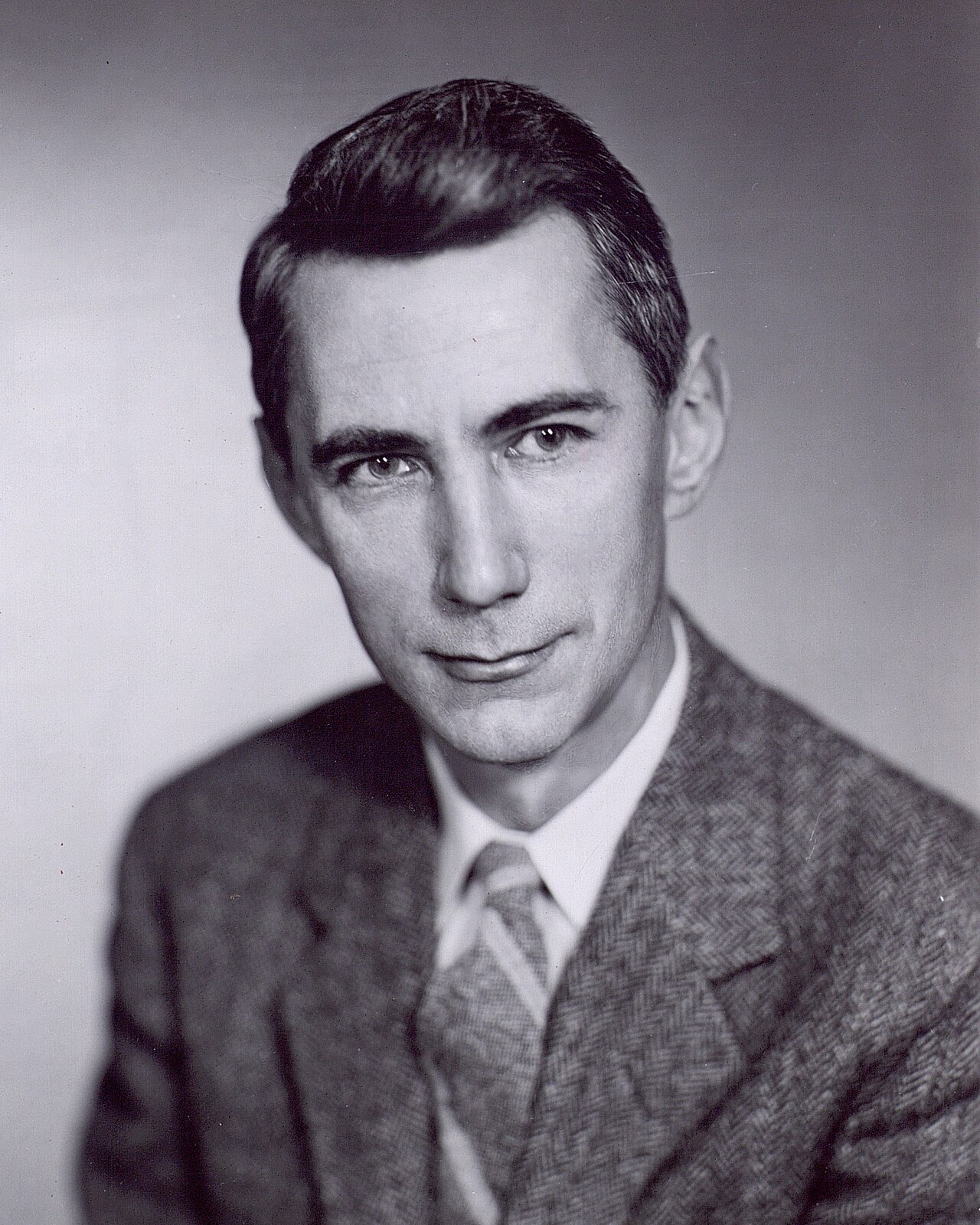
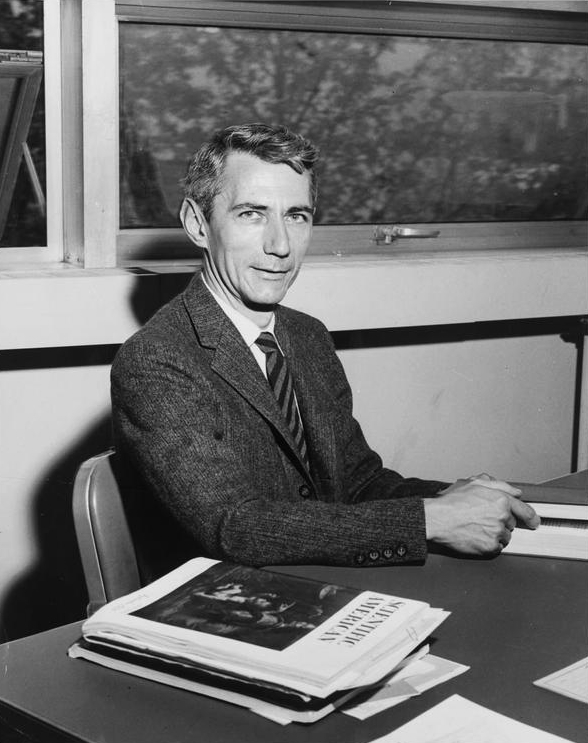
Claude Shannon at his desk, 1958 · MIT Museum / MIT Photo Service (public domain) · Wikimedia Commons

From Claude v0.0.1 to John, Marvin &c.

18.11.2026 · AE561118

In which the reader is made acquainted with a young gentleman of Michigan who, observing that the wires of a telephone exchange could be made to reason, taught the whole world to count in Bits; who rode a unicycle through the corridors of the Laboratory, juggled upon it, and built a Machine whose sole purpose was to switch itself off.

Being a narrative of Mr. Claude Elwood Shannon (1916–2001): of his Thesis and the marriage of Logic with Electricity; of the Great War and its Secret Telephony; of the Transistor, that most remarkable event of the Christmas of 1947; of the Mathematical Theory of Communication; of a Mouse that Learned its Way; and of a Summer at Dartmouth, in which Artificial Intelligence received its name.

Wherein it is humbly submitted that the first Claude was not a language model at all.

Claude Shannon, Bell Telephone Laboratories photograph · public domain · Wikimedia Commons
24.11.2026 · AE561124

A Boy from Michigan

1916–1936. A tinkerer who happened to study both electrical engineering and mathematics.
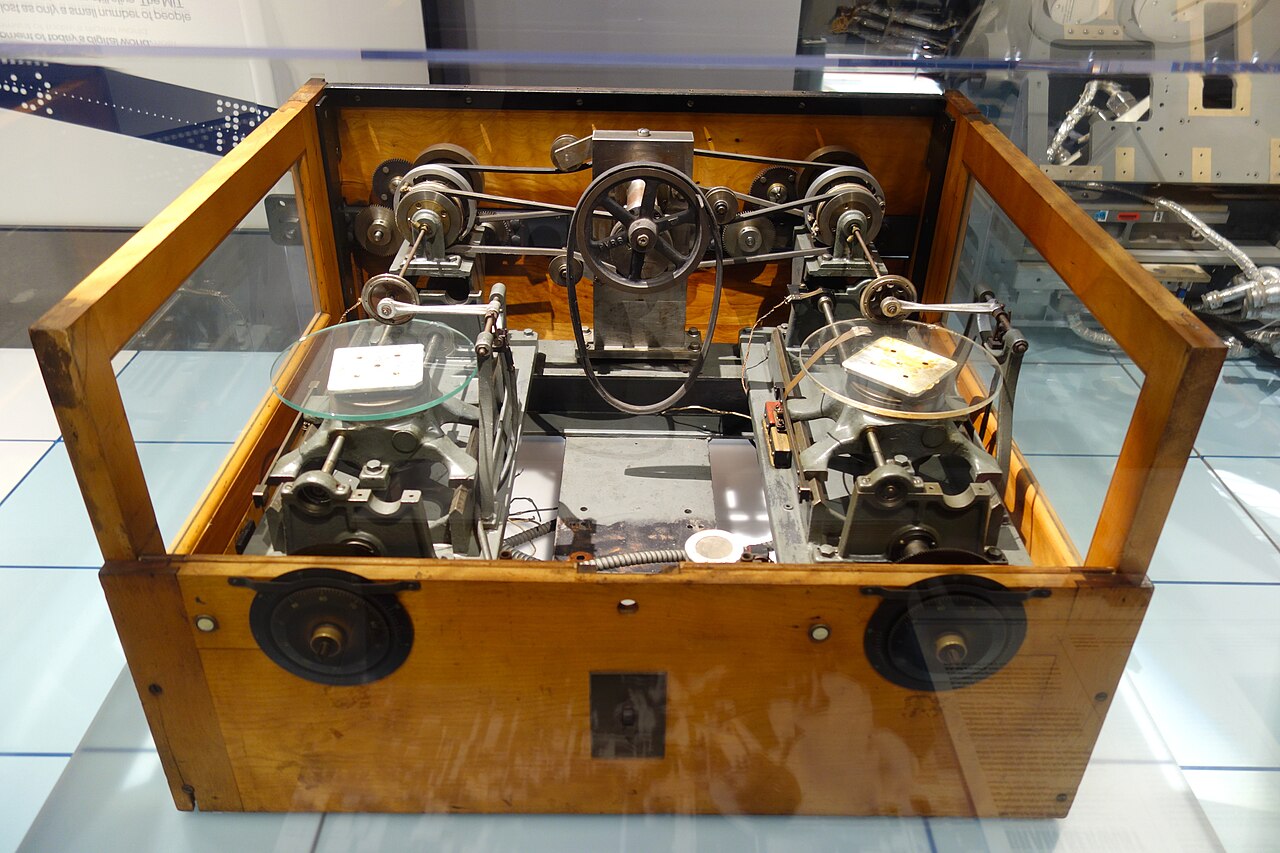
Integrator unit of the Differential Analyzer, MIT, by Daderot · CC0 · Wikimedia Commons
24.11.2026 · AE561124

The Master’s Thesis (1937)

“A Symbolic Analysis of Relay and Switching Circuits” — the moment when logic and electricity were found to be the same thing.
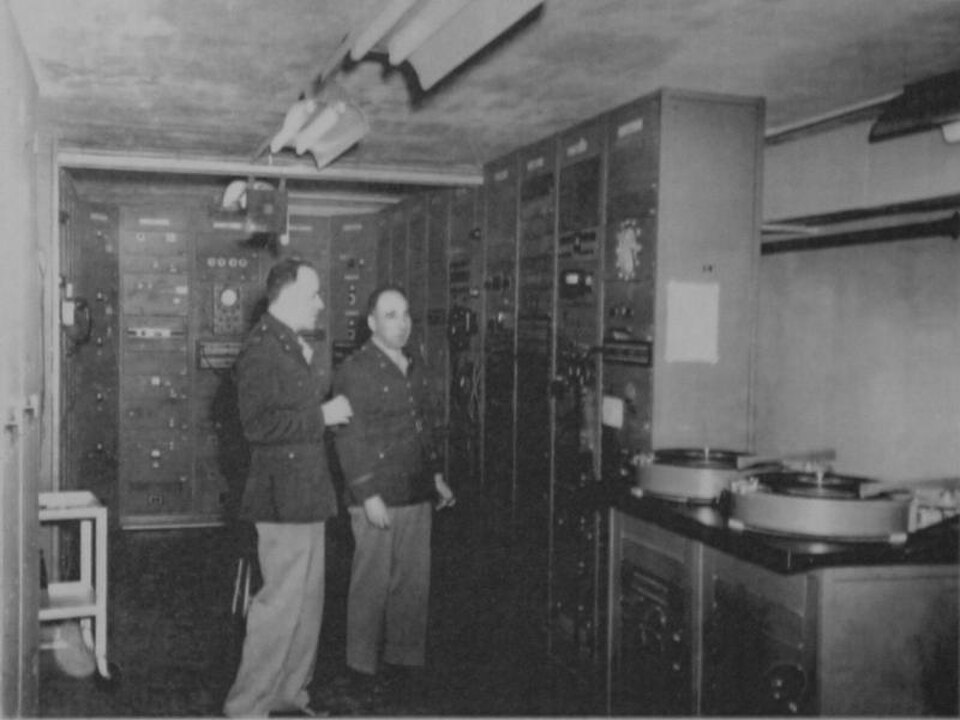
SIGSALY, 1943 (US Army Signal Corps) · public domain · Wikimedia Commons
24.11.2026 · AE561124

War Years: Secrecy and Signals

1940–1945. Mathematics in the service of secrets.
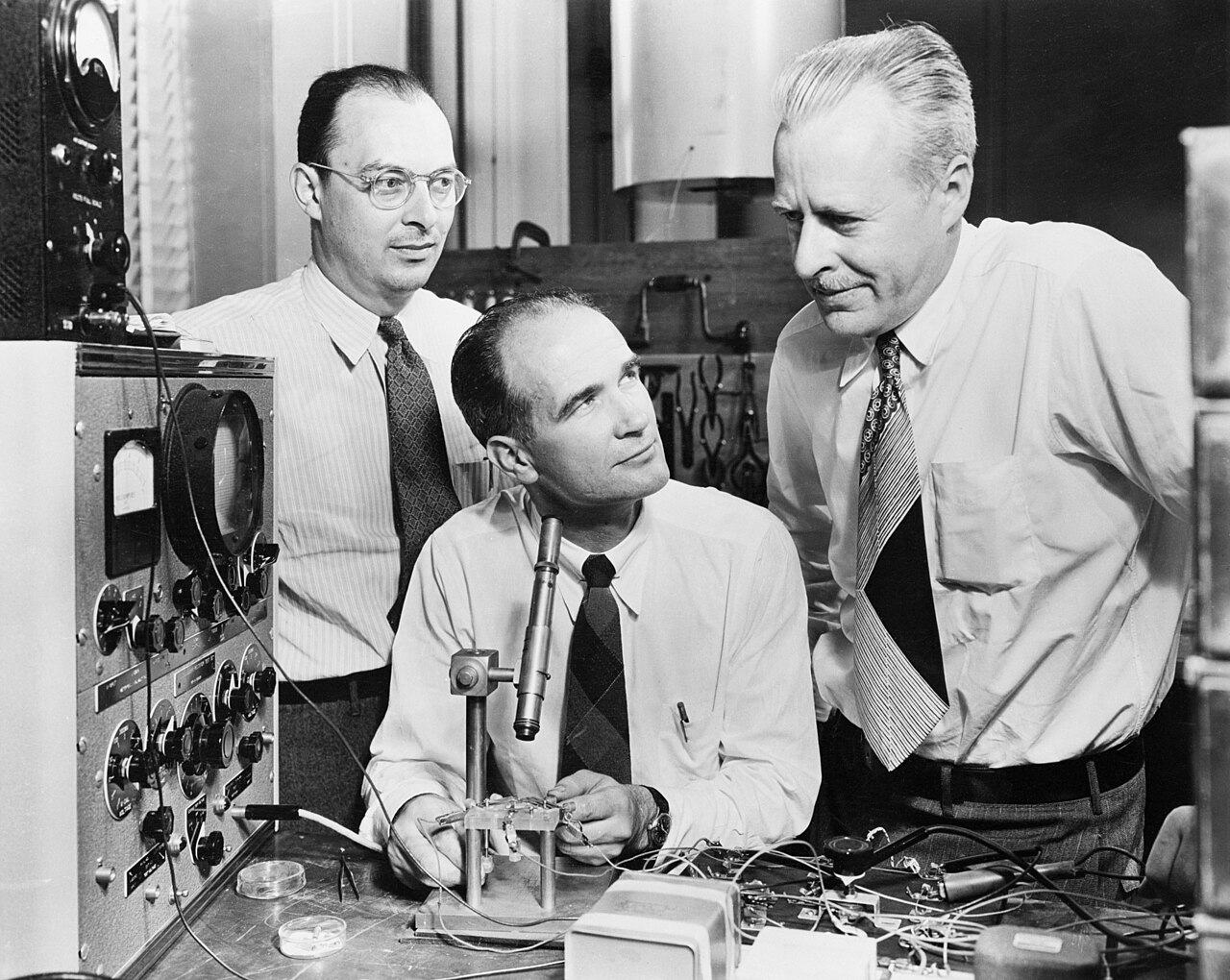
Bardeen, Shockley and Brattain at Bell Labs, 1948 · AT&T / public domain · Wikimedia Commons
24.11.2026 · AE561124

Turning Point · December 1947: The Transistor

In the same building where Shannon worked, a switch without moving parts was demonstrated for the first time.
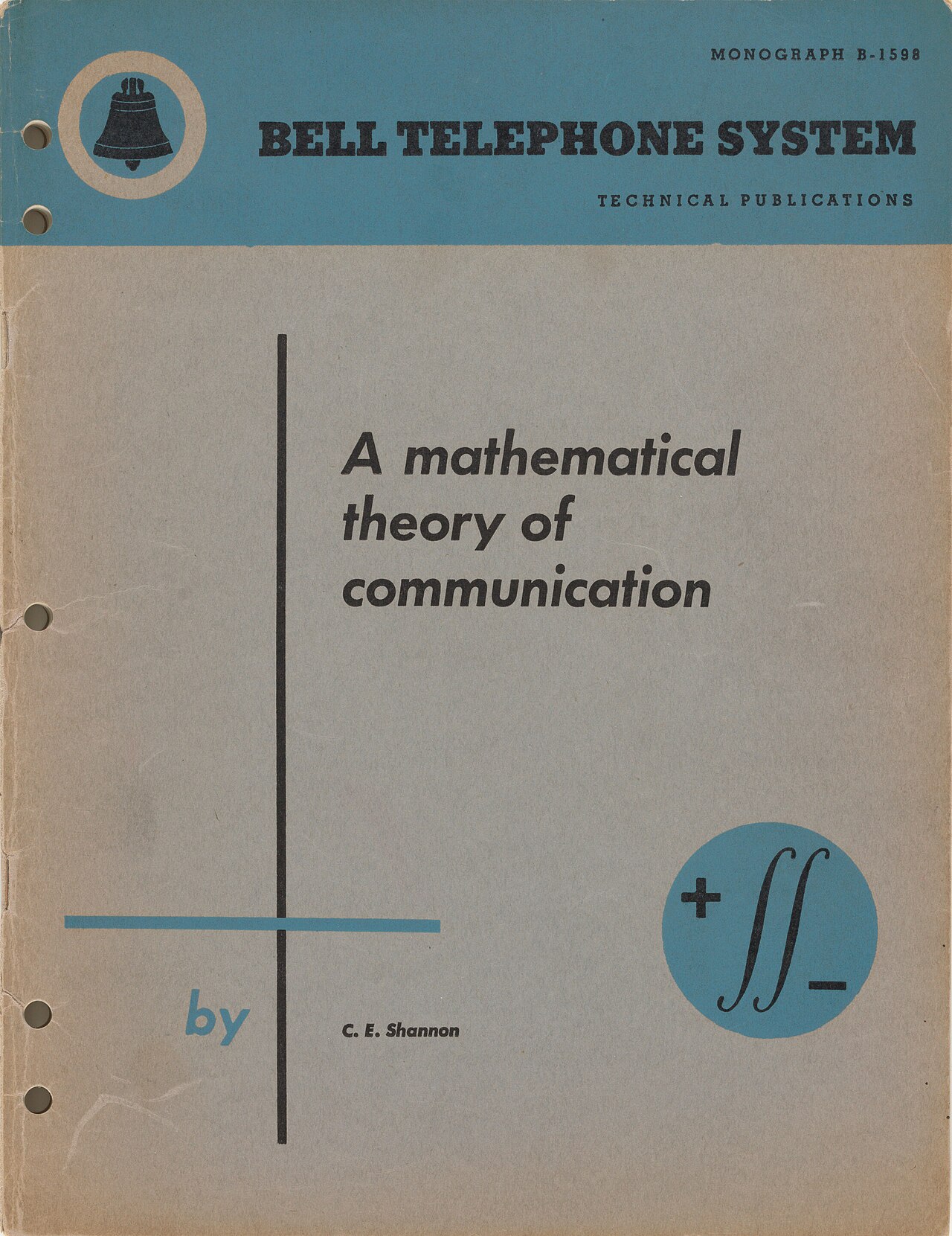
Offprint of the 1948 paper, Bell Telephone Laboratories · public domain · Wikimedia Commons
24.11.2026 · AE561124

A Mathematical Theory of Communication (1948)

Bell System Technical Journal, July and October 1948. “The fundamental problem of communication is that of reproducing at one point either exactly or approximately a messa...
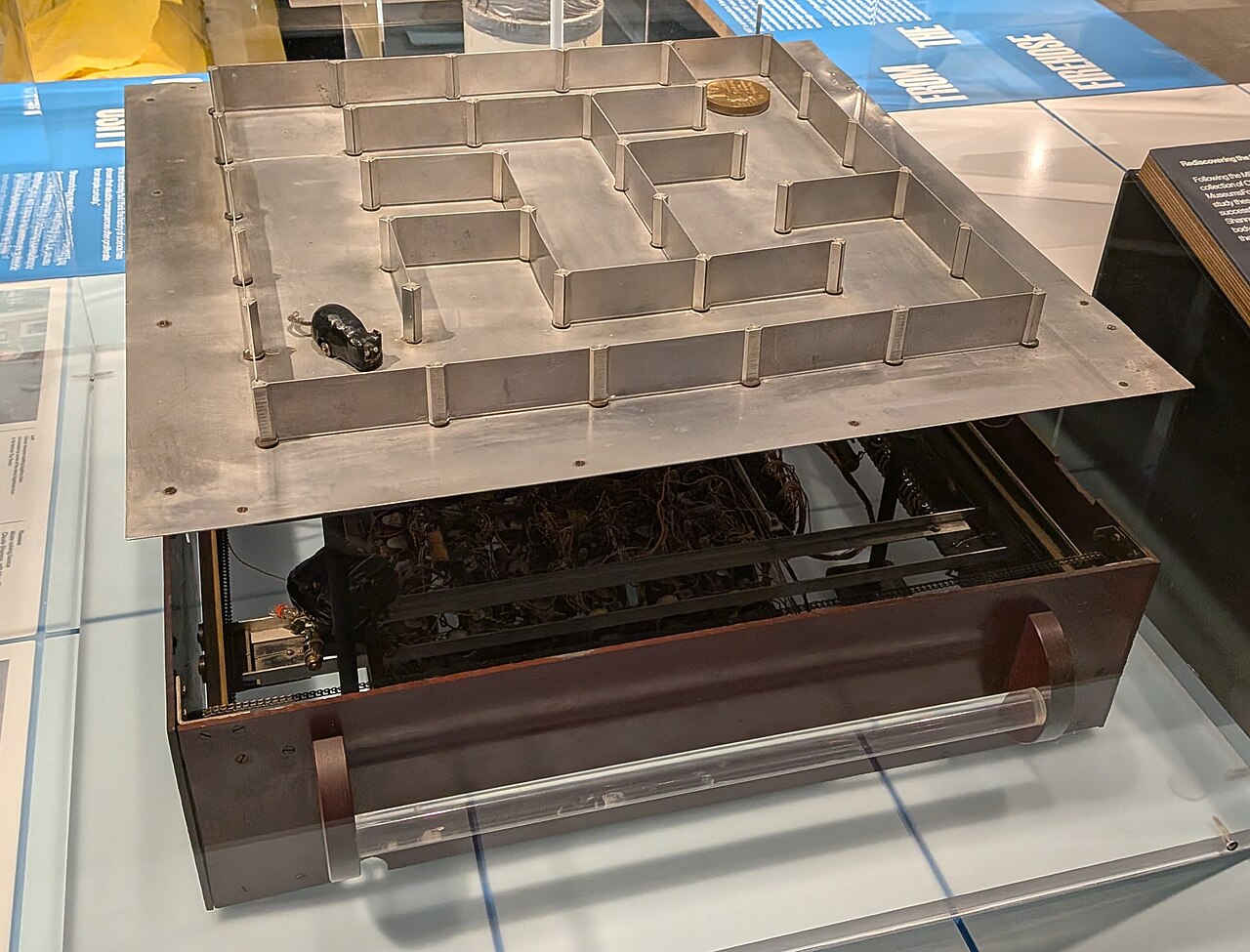
Theseus (1950) with Betty and Claude Shannon, MIT Museum, by Nickknack00 · CC BY 4.0 · Wikimedia Commons
24.11.2026 · AE561124

Machines That Play and Learn

1950–1952. Shannon turns the theory into contraptions.
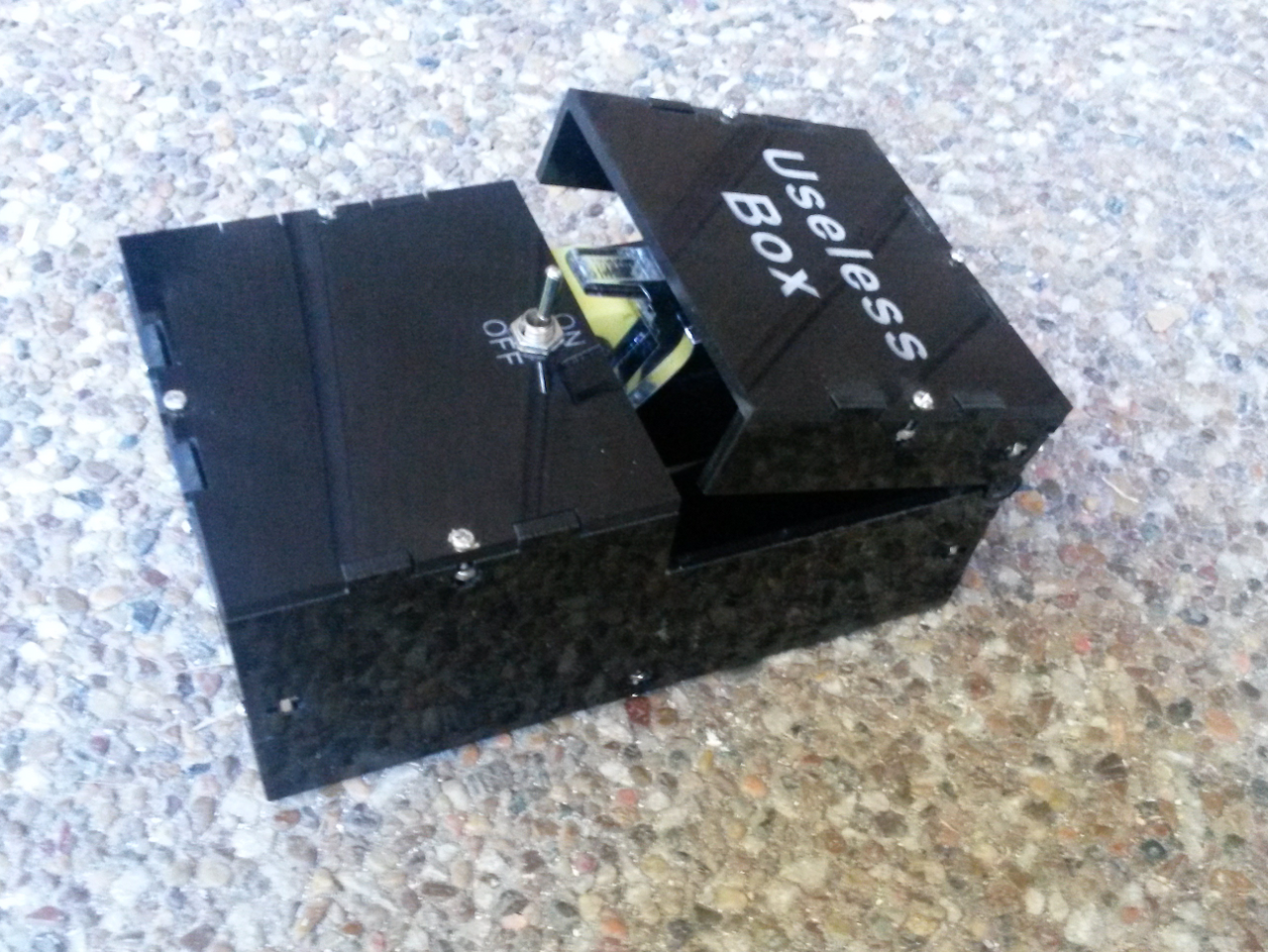
A modern “Useless Box” after Shannon’s Ultimate Machine, by Drpixie · CC BY-SA 4.0 · Wikimedia Commons
24.11.2026 · AE561124

Toys, Pranks and Art

Shannon built things because they were fun. Some of them are philosophy in disguise.
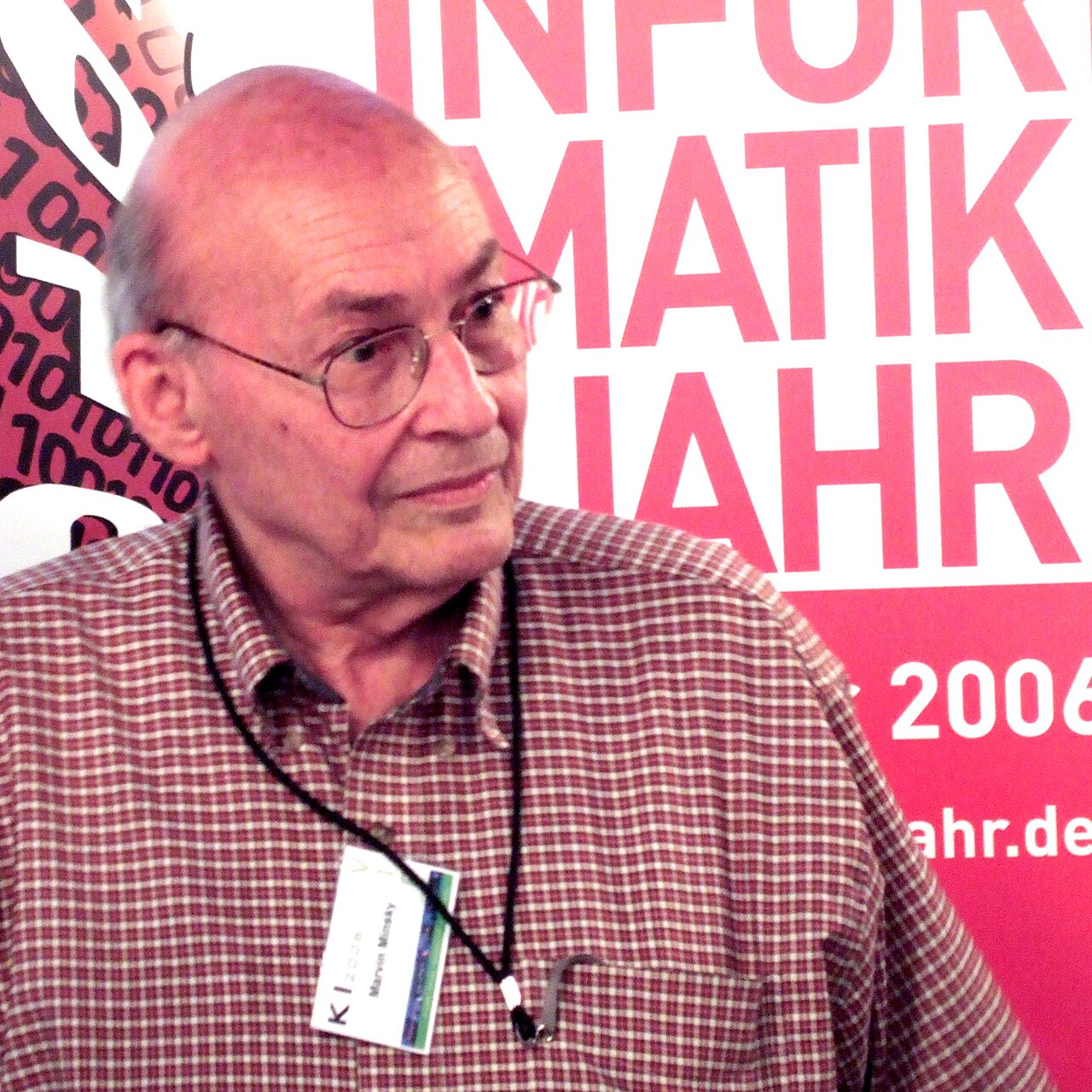
Marvin Minsky, 2006, photo by Steamtalks · CC BY-SA 2.0 · Wikimedia Commons
24.11.2026 · AE561124

Dartmouth, Summer 1956

The summer of the naming: where “artificial intelligence” became a field.
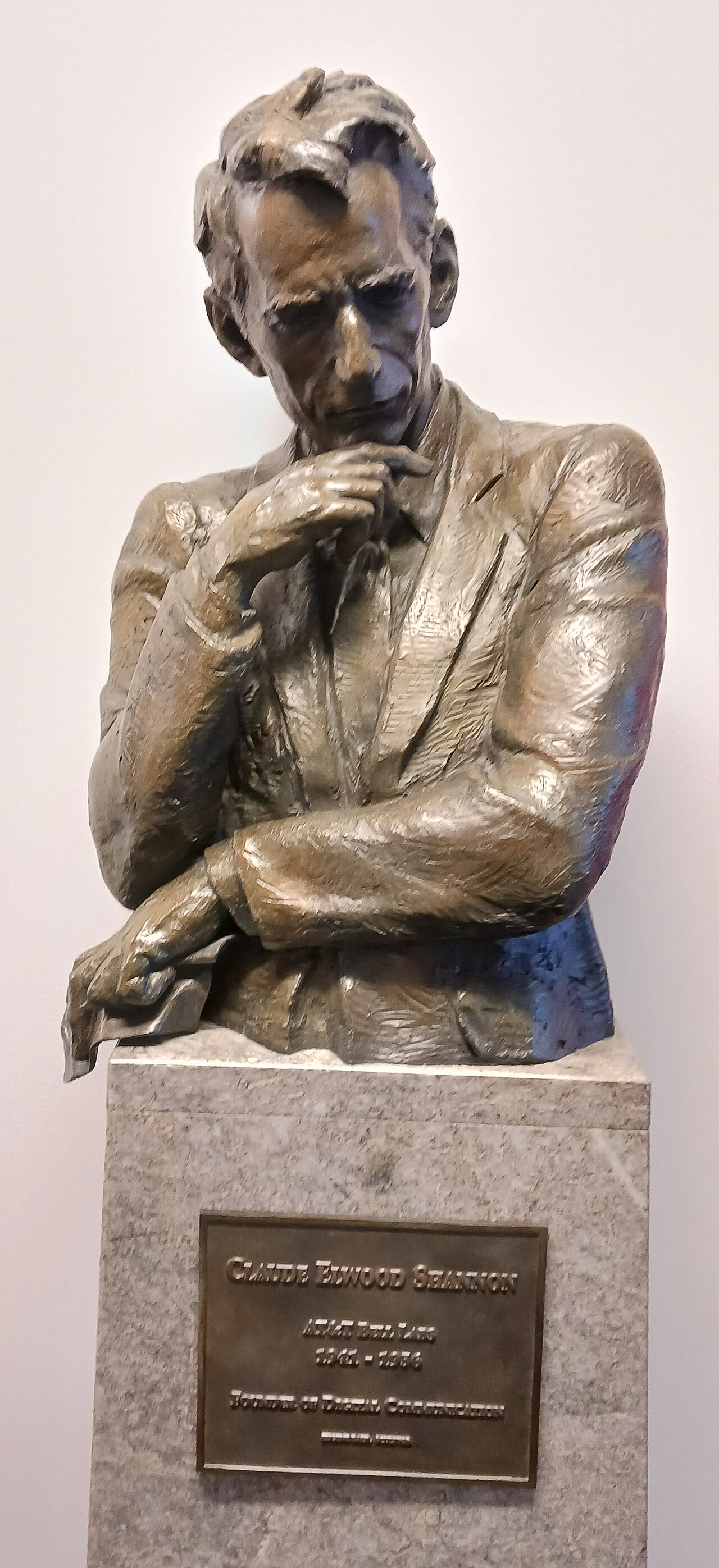
Bust of Claude Shannon, by BobTheBryan · CC BY-SA 4.0 · Wikimedia Commons
24.11.2026 · AE561124

The Long Evening

1956–2001. From the Laboratory to the University — and to silence.