Kastalia Knowledge Management System · Glasperlenspiel template · knot 1895
Shadow
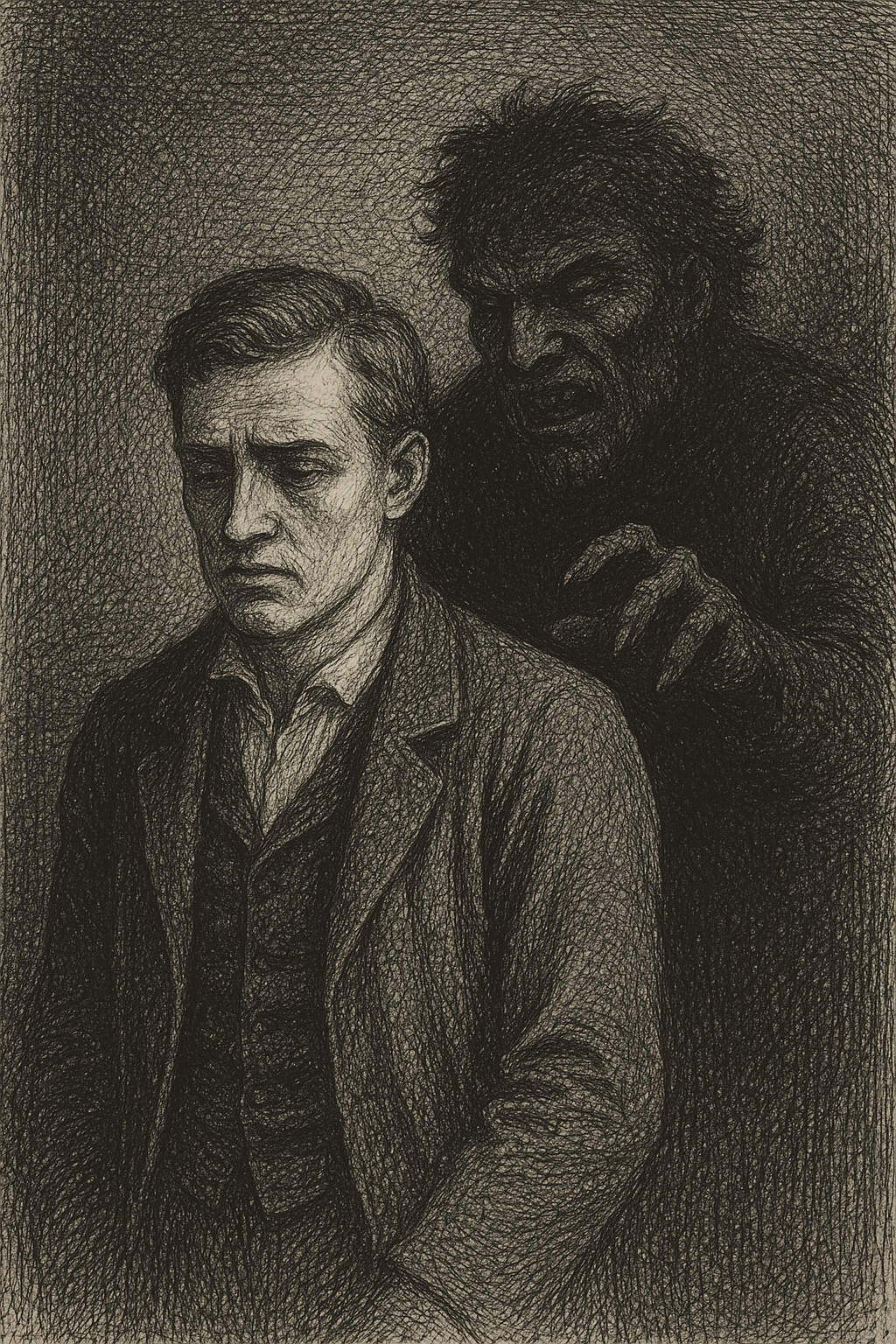
The Shadow is the unconscious part of the personality rejected by the ego.
It contains traits we consider undesirable—aggression, envy, weakness—but also creativity and vitality.
The Shadow is not inherently evil; it becomes dangerous when ignored or projected onto others.
Meeting the Shadow evokes resistance, but it is the first step toward real self-knowledge.
Shadow figures appear in dreams, myths, and relationships—often as enemies or rivals.
Integration of the Shadow is a key stage in the process of individuation.
Ancestors (1 superordinated path)
Descendants (at least 4 branches originate here)
-
Shadow
The Shadow is the unconscious part of the personality rejected by the ego. It contains traits we consider undesirable—aggression, envy, weakness—but
-
is_parent
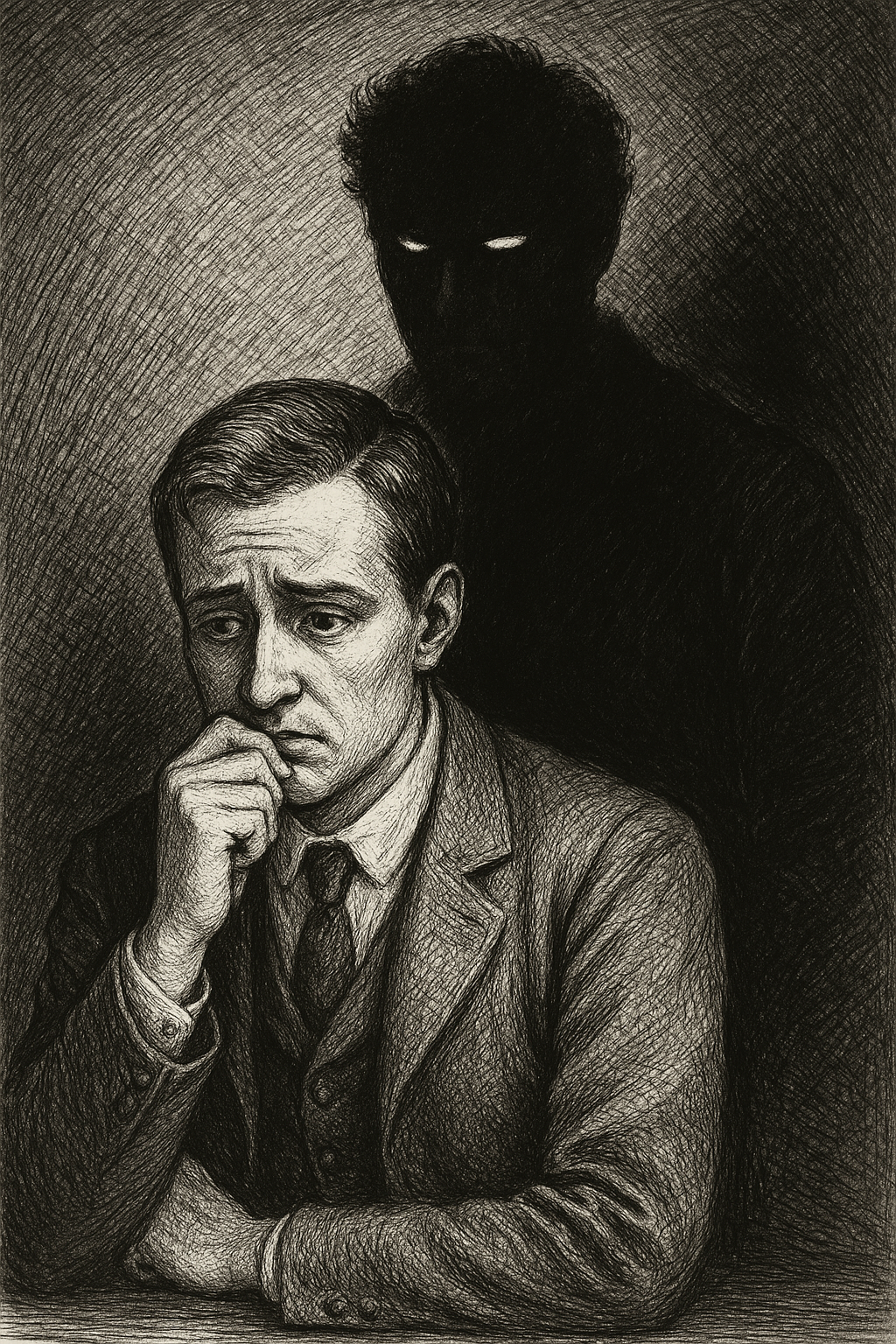 Imposter syndrome
🔒
·
The inner voice saying “I’m a fraud” masks unconscious fear of owning one’s power. The ego clings to a self-image of inadequacy, while p
Imposter syndrome
🔒
·
The inner voice saying “I’m a fraud” masks unconscious fear of owning one’s power. The ego clings to a self-image of inadequacy, while p -
is_parent
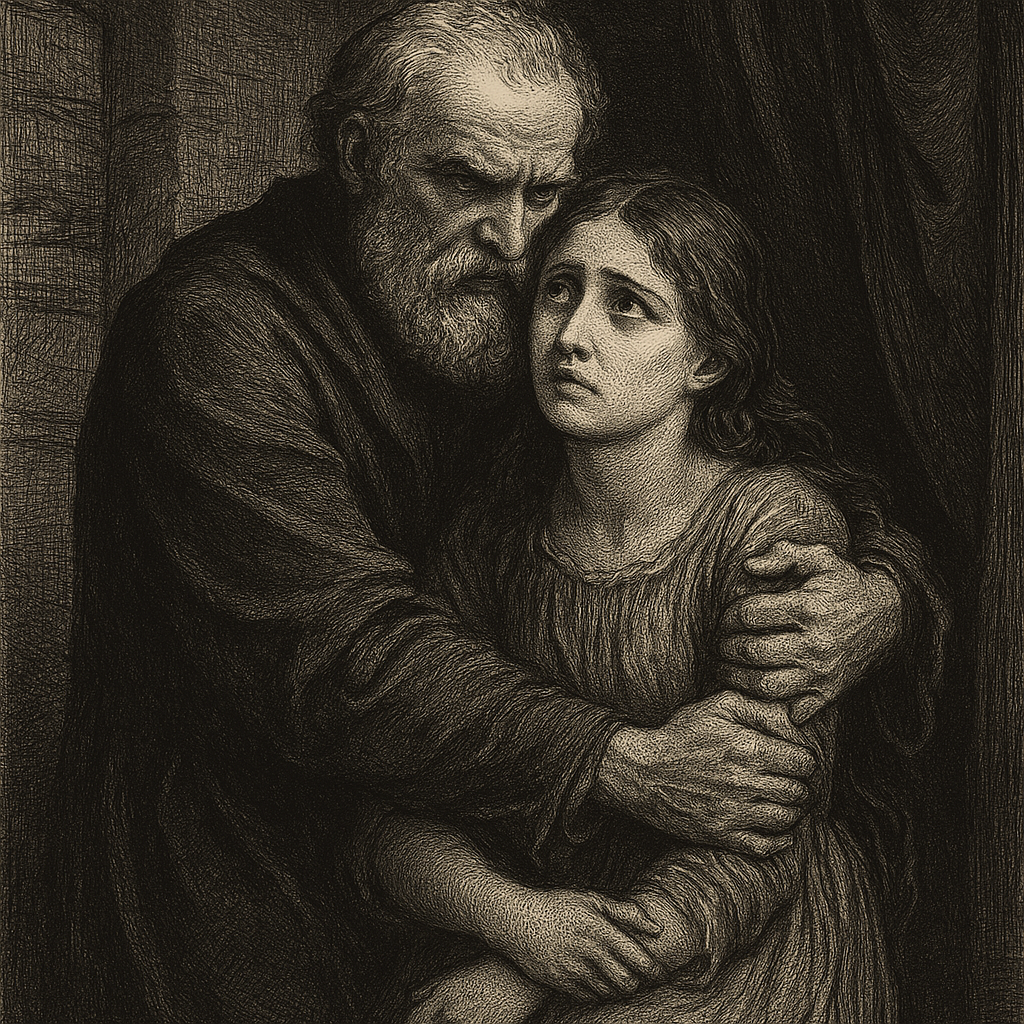 Traumatic bonding
🔒
·
Traumatic bonding occurs when intense fear and dependence fuse with emotional attachment. “In some cases, the victim may unconsciously internalize or merg
Traumatic bonding
🔒
·
Traumatic bonding occurs when intense fear and dependence fuse with emotional attachment. “In some cases, the victim may unconsciously internalize or merg -
is_parent one citation 🔒 ·
"The shadow is a living part of the personality and therefore wants to live with it in some form. It cannot be argued out of existence or rationalized away." (C
-