Diese Präsentation ist für die Ansicht im Querformat gestaltet.

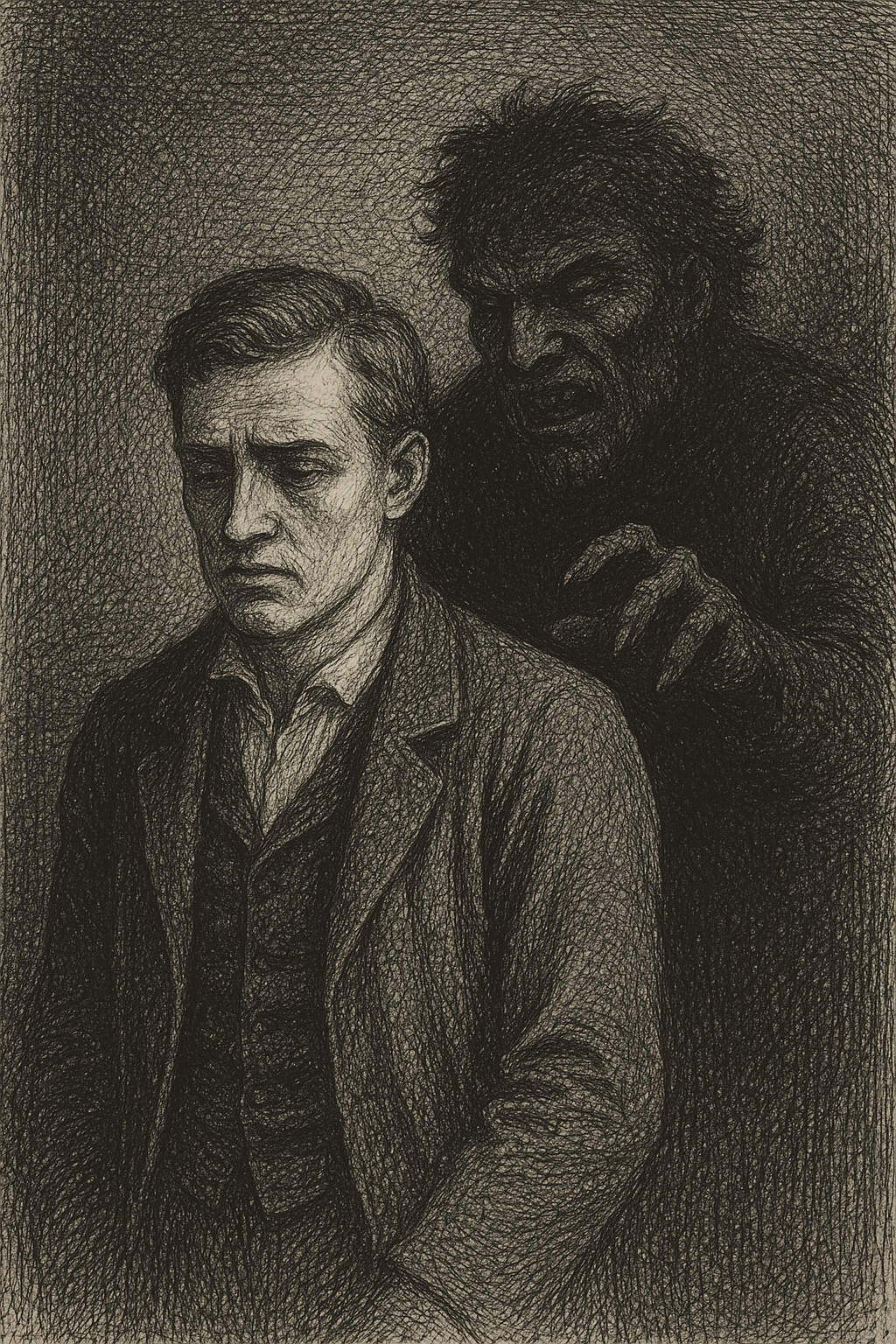
The Shadow is the unconscious part of the personality rejected by the ego.
It contains traits we consider undesirable—aggression, envy, weakness—but also creativity and vitality.
The Shadow is not inherently evil; it becomes dangerous when ignored or projected onto others.
Meeting the Shadow evokes resistance, but it is the first step toward real self-knowledge.
Shadow figures appear in dreams, myths, and relationships—often as enemies or rivals.
Integration of the Shadow is a key stage in the process of individuation.
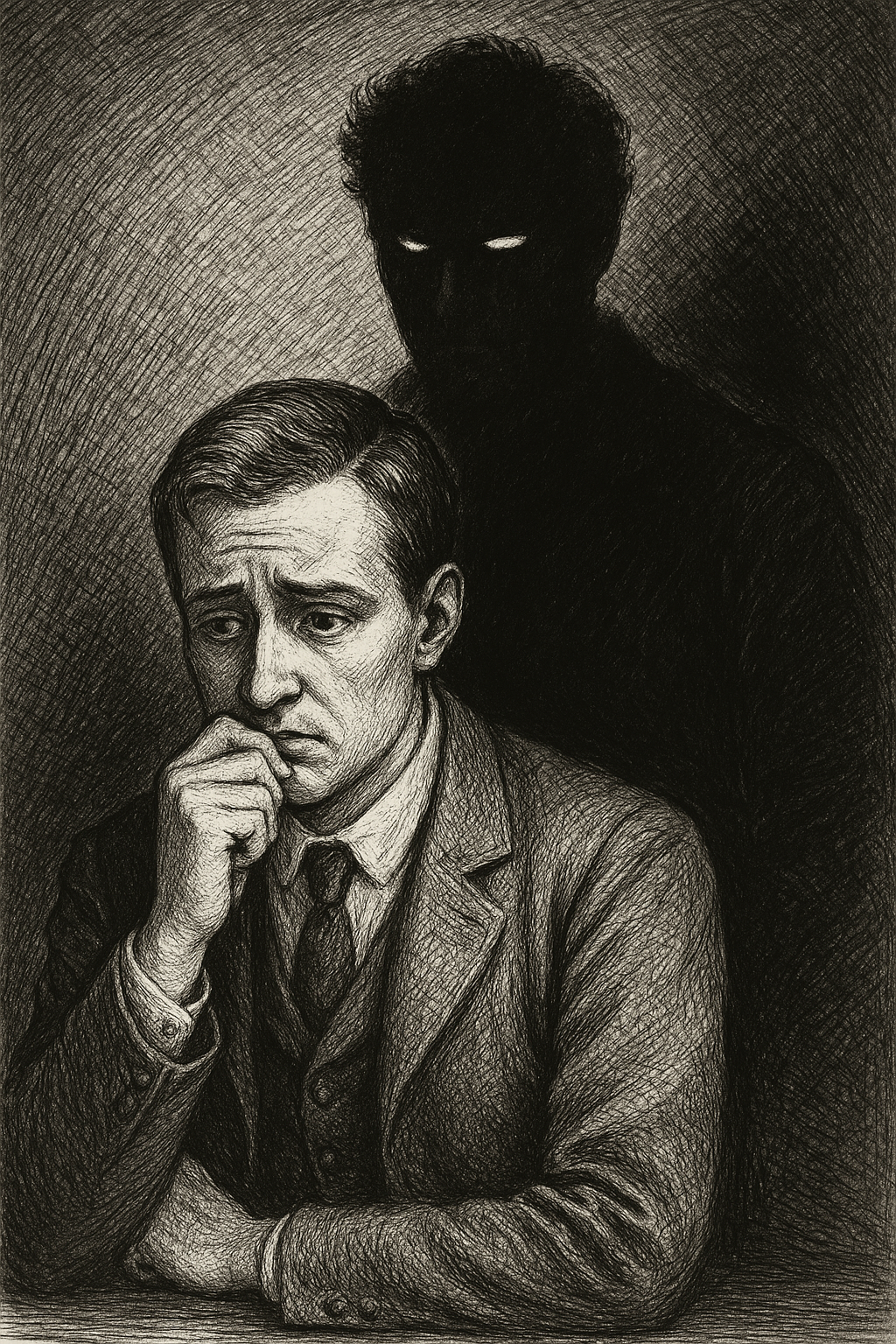
The inner voice saying “I’m a fraud” masks unconscious fear of owning one’s power.
The ego clings to a self-image of inadequacy, while projecting competence onto others.
Impostor syndrome often reflects a disowned positive Shadow—unacknowledged strengths and capabilities.
Feelings of unworthiness signal a split between the ego and the fuller Self.
Recognizing impostor feelings as projections allows for reintegration of inner authority.
Individuation requires reclaiming not only the dark Shadow, but also our light and potential.
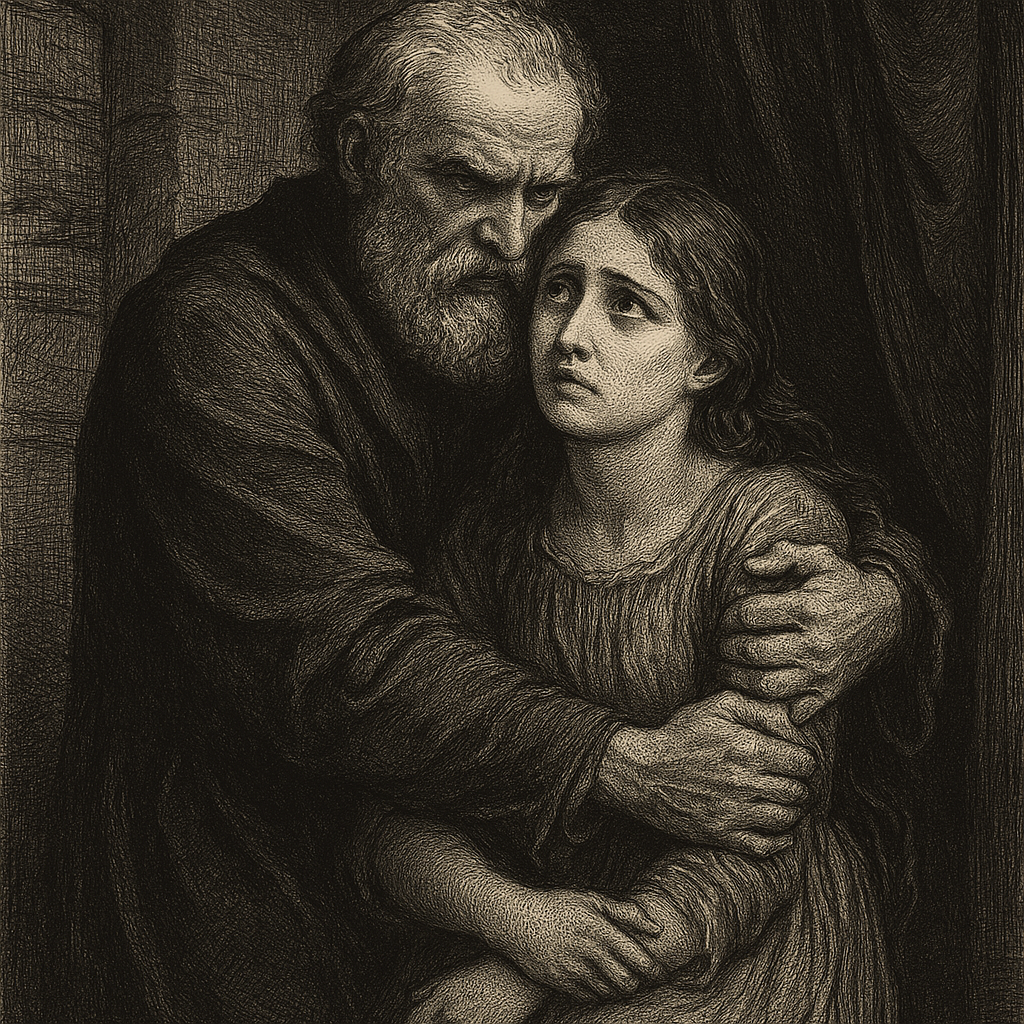
Traumatic bonding occurs when intense fear and dependence fuse with emotional attachment.
“In some cases, the victim may unconsciously internalize or merge with the abuser’s Shadow, leading to dissociation, guilt, or distorted loyalty.
The ego identifies with the abuser’s power, disowning its own instincts for anger, survival, or autonomy.
This creates a psychological complex that traps the person in cycles of guilt, loyalty, and fear.
Traumatic bonds often form around archetypes of the Punishing Father or the Devouring Mother.
Healing requires confronting the projected Shadow, re-owning one’s strength, and breaking the illusion of dependence.