Kastalia Knowledge Management System · Glasperlenspiel template · knot 1867
Archetypes
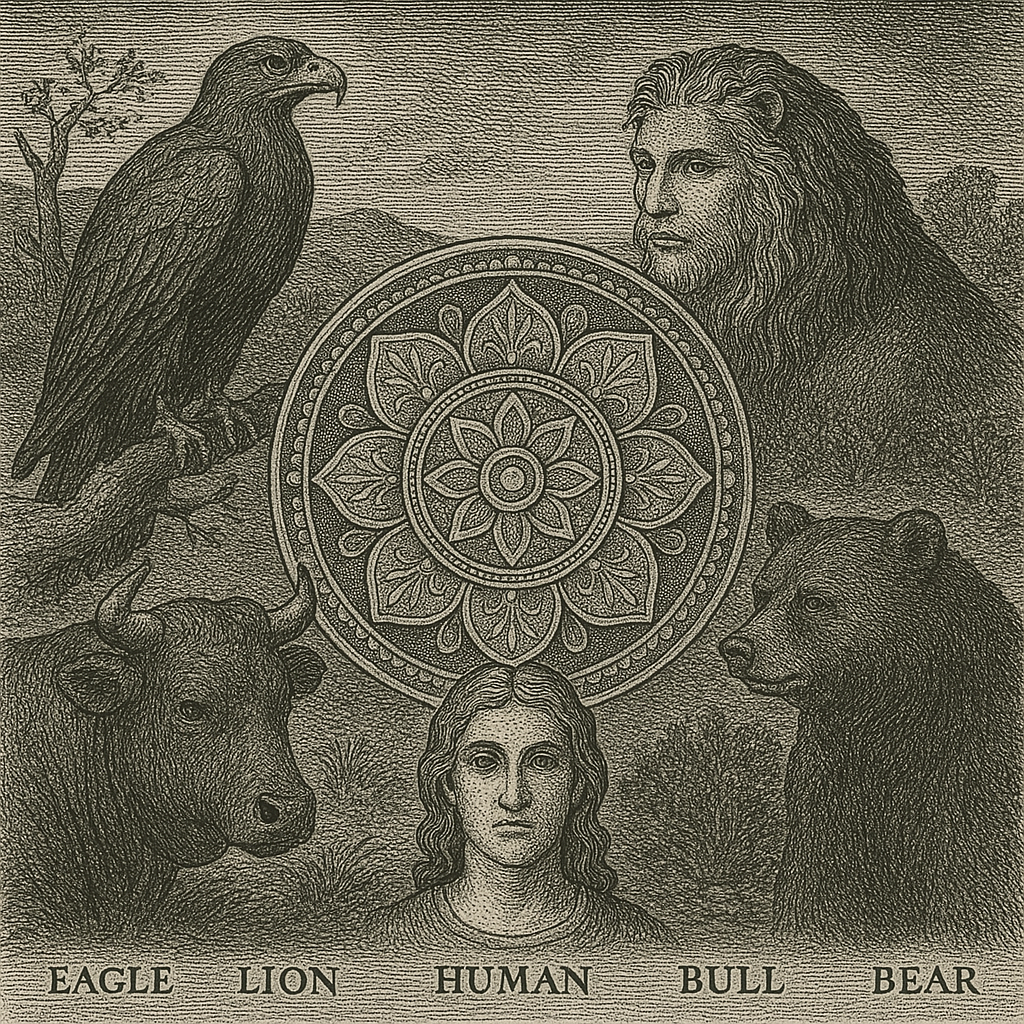
“The archetype is a tendency to form such representations of a motif—representations that can vary a great deal in detail without losing their basic pattern. They are inborn forms of ‘intuition’, they are perceptions ‘a priori’, and even though the forms are unconscious, they nonetheless behave as if they were conscious ideas in that they seem to pursue certain goals. They are, indeed, an instinctive trend, as marked as the impulse of birds to build nests, or ants to form organized colonies.” (The Archetypes and the Collective Unconscious §91)
Ancestors (2 superordinated paths)
Descendants (at least 18 branches originate here)
-
Archetypes
“The archetype is a tendency to form such representations of a motif—representations that can vary a great deal in detail without losing their basic
-
is_parent
 Shadow
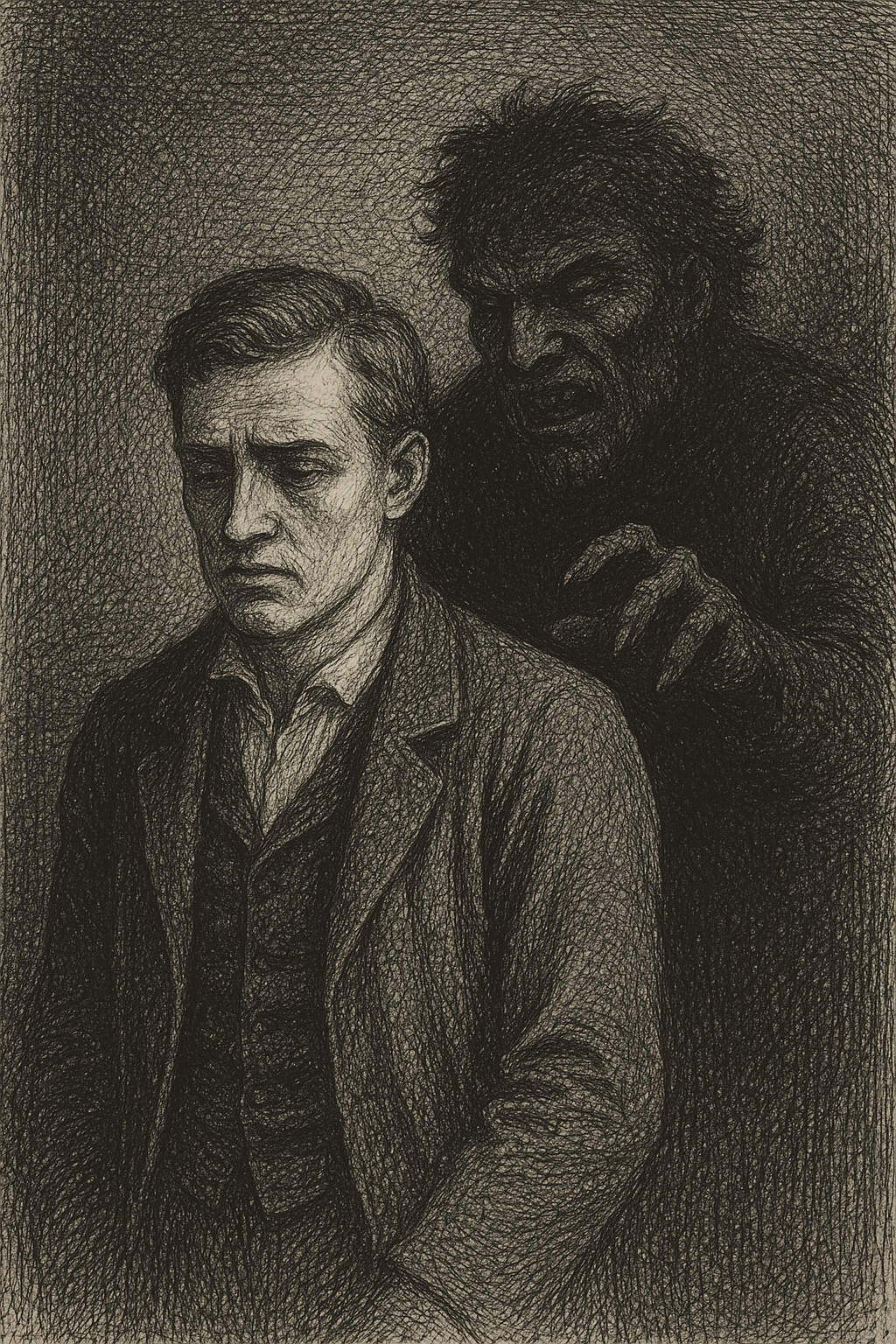
The Shadow is the unconscious part of the personality rejected by the ego. It contains traits we consider undesirable—aggression, envy, weakness—but
Shadow
The Shadow is the unconscious part of the personality rejected by the ego. It contains traits we consider undesirable—aggression, envy, weakness—but-
is_parent
 Imposter syndrome
🔒
·
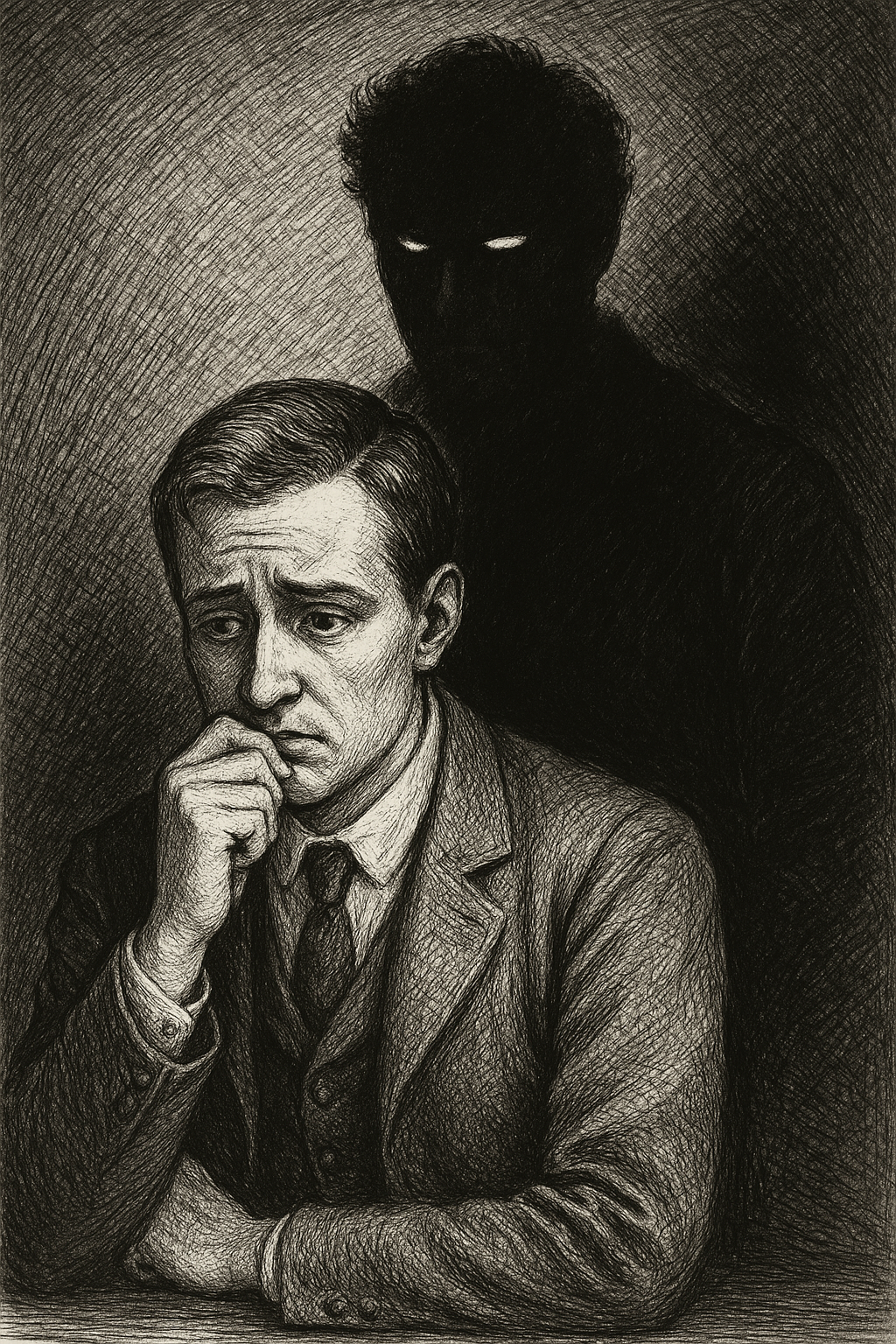
The inner voice saying “I’m a fraud” masks unconscious fear of owning one’s power. The ego clings to a self-image of inadequacy, while p
Imposter syndrome
🔒
·
The inner voice saying “I’m a fraud” masks unconscious fear of owning one’s power. The ego clings to a self-image of inadequacy, while p -
is_parent
 Traumatic bonding
🔒
·
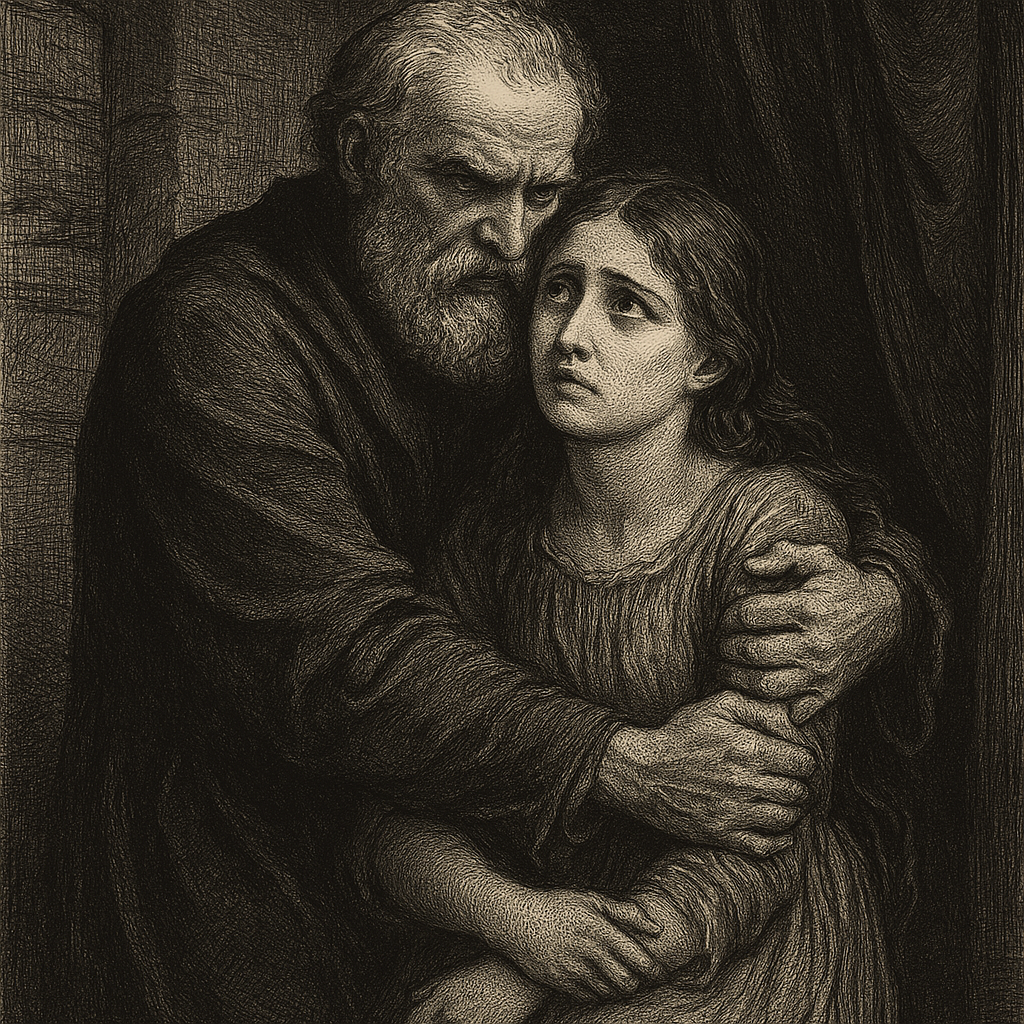
Traumatic bonding occurs when intense fear and dependence fuse with emotional attachment. “In some cases, the victim may unconsciously internalize or merg
Traumatic bonding
🔒
·
Traumatic bonding occurs when intense fear and dependence fuse with emotional attachment. “In some cases, the victim may unconsciously internalize or merg -
is_parent one citation 🔒 ·
"The shadow is a living part of the personality and therefore wants to live with it in some form. It cannot be argued out of existence or rationalized away." (C
-
-
is_parent Anima
Anima-
is_parent Mother 🔒 ·
Mother -
is_parent Wise Old Woman 🔒 ·
Wise Old Woman -
is_parent Maiden 🔒 ·
Maiden
-
-
is_parent Animus
Animus-
is_parent Hero 🔒 ·
Hero -
is_parent Father 🔒 ·
Father -
is_parent Wise Old Man 🔒 ·
Wise Old Man
-
-
is_parent
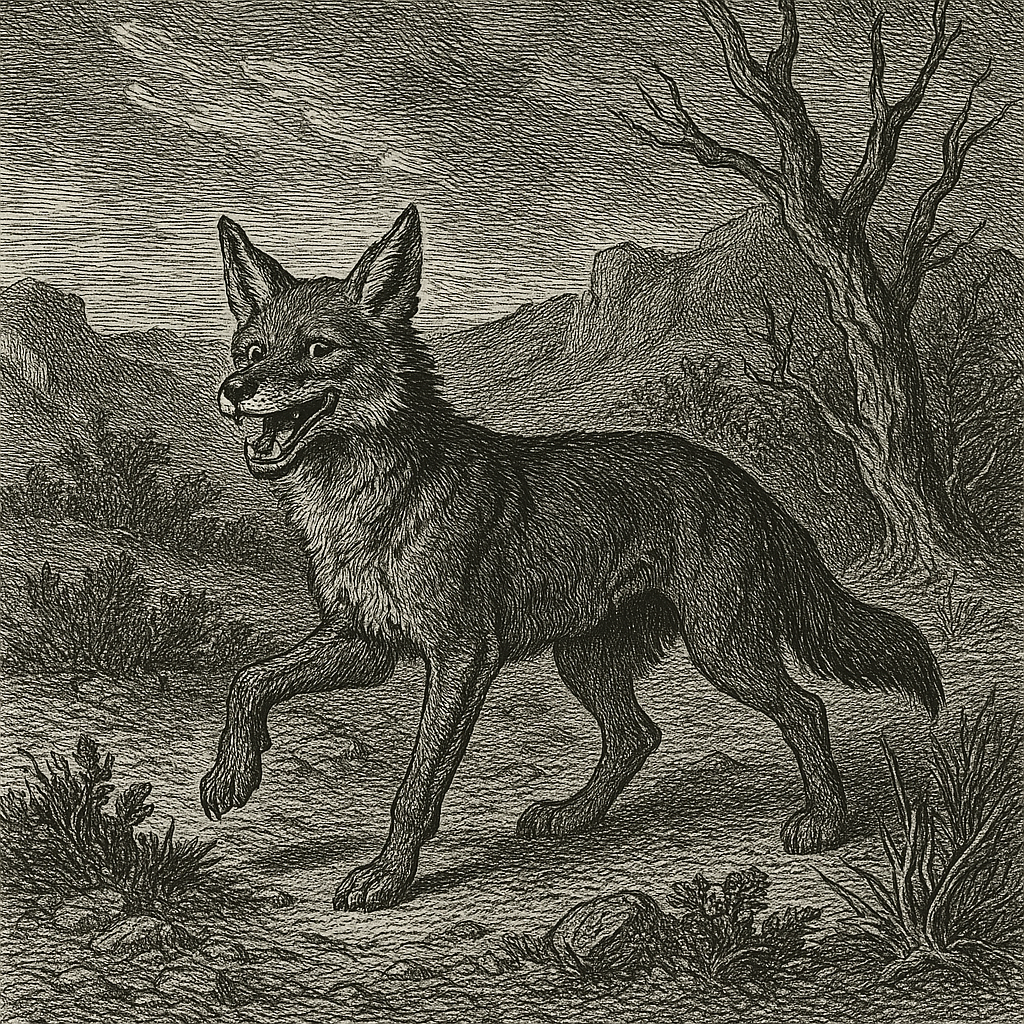 Trickster
·
The Trickster embodies the unconscious psyche in its raw, instinctual, and amoral form. In Native American mythologies, the classical Trickster figure —ch
Trickster
·
The Trickster embodies the unconscious psyche in its raw, instinctual, and amoral form. In Native American mythologies, the classical Trickster figure —ch -
is_parent Child ·
Child -
is_parent Self ·
Self -
is_parent Death ·
-
is_parent Exercise 2 ·
Create groups of three people. Choose maximum three archetypes and discuss: how do these archetypes express themselves in myth / book / movie / artpiece of You
-