Kastalia Knowledge Management System · Glasperlenspiel template · knot 1777
Introduction to Psychology: On Anima and other Archetypes
The seminar "Introduction to Psychology: On Anima and Other Archetypes" offers an interdisciplinary exploration of history of psychological thought. Beginning with mythological narratives like Amor and Psyche and philosophical texts such as Aristotle's On the Soul, the seminar aims to integrate cross-cultural perspectives—including animism, panpsychism, the Sāṅkhya concept of Ātman and Islamic / Judaic / Jungian models of "the soul".
Ancestors (1 superordinated path)
root/
baumhaus.digital/
Art, Cognition, Education/
Introduction to Psychology: On Anima and other Archetypes
Descendants (at least 149 branches originate here)
-
Introduction to Psychology: On Anima and other Archetypes 🔊
The seminar "Introduction to Psychology: On Anima and Other Archetypes" offers an interdisciplinary exploration of history of psychological thought. Beginning w-
is_parent Mythology 🔊
Science must begin with myths, and with the criticism of myths.Sir Karl Raimund Popper CH FRS FBA-
is_parent Bhagavadgita
The Bhagavad Gita (cca. 500 BC) is a philosophical dialogue between the warrior Arjuna and his mythical charioteer Krishna, set on a battlefield symbolizing th-
is_parent soul is eternal 🔒 ·
Sanskrit (Bhagavad Gita 2.20):na jāyate mriyate vā kadācinnāyaṁ bhūtvā bhavitā vā na bhūyaḥajo nityaḥ śāśvato ’yaṁ purāṇona hanyate hanyamāne śarīreTranslation: -
is_parent soul changes bodies like garments 🔒 ·
Sanskrit (Bhagavad Gita 2.22):vāsāṁsi jīrṇāni yathā vihāyanavāni gṛhṇāti naro ’parāṇitathā śarīrāṇi vihāya jīrṇānianyāni saṁyāti navāni dehīTranslation:“As a pe -
is_parent soul cannot be destroyed 🔒 ·
Sanskrit (Bhagavad Gita 2.23):nainaṁ chindanti śastrāṇinainaṁ dahati pāvakaḥna cainaṁ kledayanty āpona śoṣayati mārutaḥTranslation:“Weapons cannot cut it, fire
-
-
is_parent
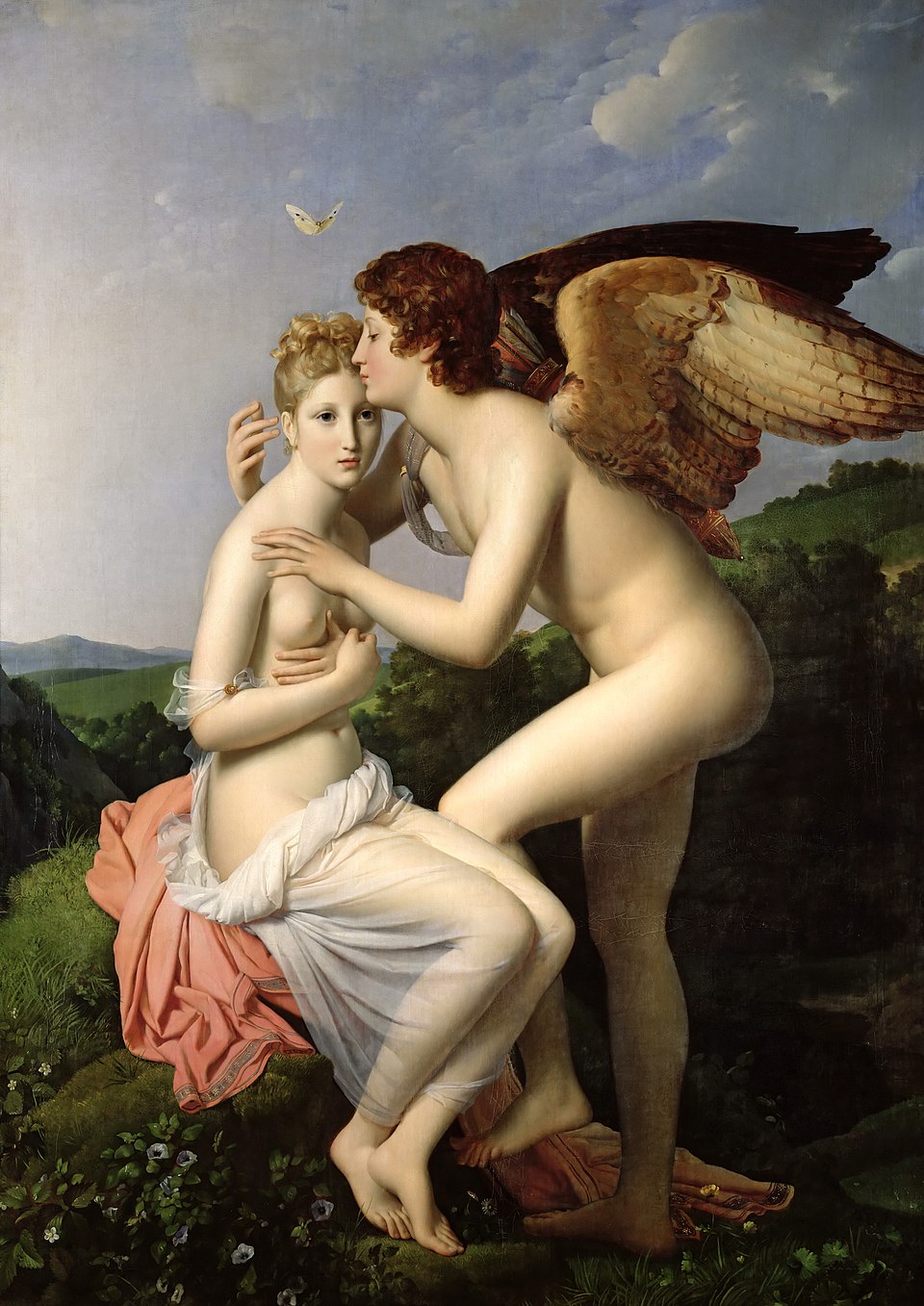 Eros and Psyche
·
Maydays assignment: Listen to the audiobook "Eros and Psyche" https://cloud.medienhaus.udk-berlin.de/library/27ec39fd-d4ce-4250-b4db-ff6eab19ee1f/Apuleui
Eros and Psyche
·
Maydays assignment: Listen to the audiobook "Eros and Psyche" https://cloud.medienhaus.udk-berlin.de/library/27ec39fd-d4ce-4250-b4db-ff6eab19ee1f/Apuleui -
is_parent
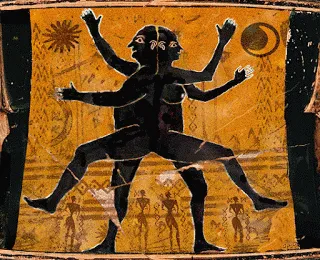 Myth of the Androgyne
And the reason is that human nature was originally one and we were a whole, and the desire and pursuit of the whole is called love. There was a time, I say, wh
Myth of the Androgyne
And the reason is that human nature was originally one and we were a whole, and the desire and pursuit of the whole is called love. There was a time, I say, wh -
is_parent Proto-psychological terms of ancient India
Vṛtti (वृत्ति) – Fluctuations of the mind (thoughts, emotions, perceptions); most dynamic and gross. Saṁskāra (संस्कार) – Latent impressions or ment-
is_parent Vrittis - Manas - Chitta 🔒 ·
Vṛttis are mental waves — thoughts, emotions, memories, and perceptions constantly rising and falling. Cognitive events (thoughts, perceptions, emotions) -
is_parent Buddhi (बुद्धि) 🔒 ·
The capacity to discriminate, reason, judge, and make decisions. It evaluates inputs from manas and chooses a response.Cognitive Science Correlates: Executive f -
is_parent Ahamkara (आहंकार) 🔒 ·
The function that identifies the pure “I” (aham) with thoughts, roles, body, emotions — forming the personal identity and ego. It says “I am this.” and "I do".C -
is_parent Aham (अहम्) 🔒 ·
Definition: The bare, pre-reflective sense of being a subject — “I am.” Not yet identifying with roles or narratives .Cognitive Science Correlates: Minimal self -
is_parent Jiva (जीव) 🔒 ·
"That which lives" or "the living being" Jīva is the individualized expression of consciousness that experiences and engages with the world as a distinct center -
is_parent Atman (आत्मन्) 🔒 ·
The deepest layer of identity — pure awareness, witness of all experiences, beyond mental content and roles. In some philosophical traditions equivalent to subs
-
-
is_parent Warmup Exercise
Create groups of five. Discuss & present to each other Your personal answers to the question "What is soul / (How) can/do You define it ?-
is_parent Group 1 🔒 ·
split - some people believe, some not, some unsure lot of questions, no answer can one have soul if You are not conscious ? the essence of something, that's wha -
is_parent Group 2 🔒 ·
housed by the body there's physicality to it (the soul) soul only exists when we believe it and feel it -
is_parent Group 3 🔒 ·
bridge between the one that sees and what is being seen the whole is the ocean, the individual is the droplet more abstract, not something You can fit into logi -
is_parent Group 4 🔒 ·
supposed to represent the Core as a metaphysical existence, something very crucial what the person "really" / "objectively" IS person's way to go beyond -
is_parent Group 5 🔒 ·
matryoshka not material ? how to materialize it ? is it soft / does it break ? soul can be (not be) influenced by experience where is the soul ? (in whole body
-
-
-
is_parent Philosophy 🔊
Main riddle of this course: Do(es) meaning(s) of the word "soul" evolve in time, or not ?-
is_parent
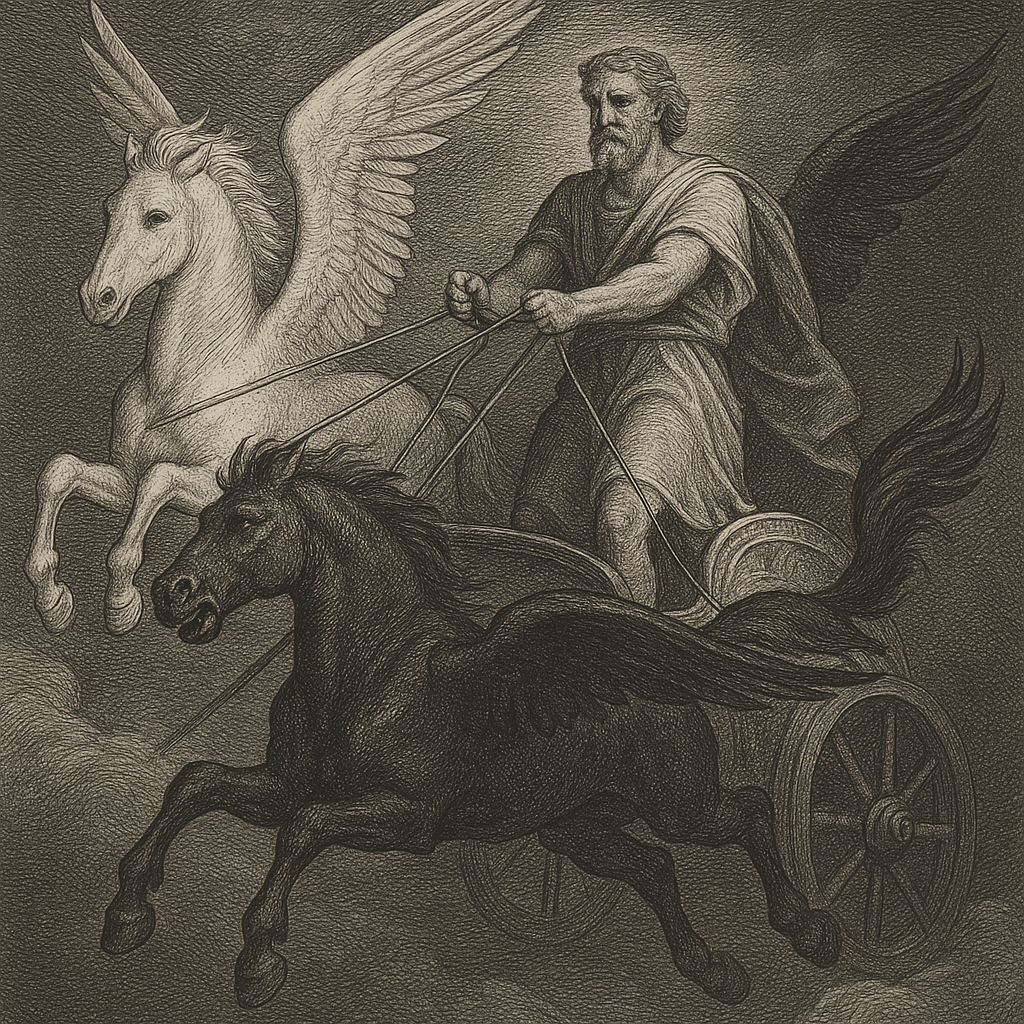 Soul as immortal charioteer
"Of the nature of the soul, though her true form be ever a theme of large and more than mortal discourse, let me speak briefly, and in a figure. And let the fig
Soul as immortal charioteer
"Of the nature of the soul, though her true form be ever a theme of large and more than mortal discourse, let me speak briefly, and in a figure. And let the fig-
is_parent
Soul as mover of the body
🔒
·
"... I will endeavour to explain to you in what way the mortal differs from the immortal creature. The soul in her totality has the care of inanimate being eve
-
-
is_parent
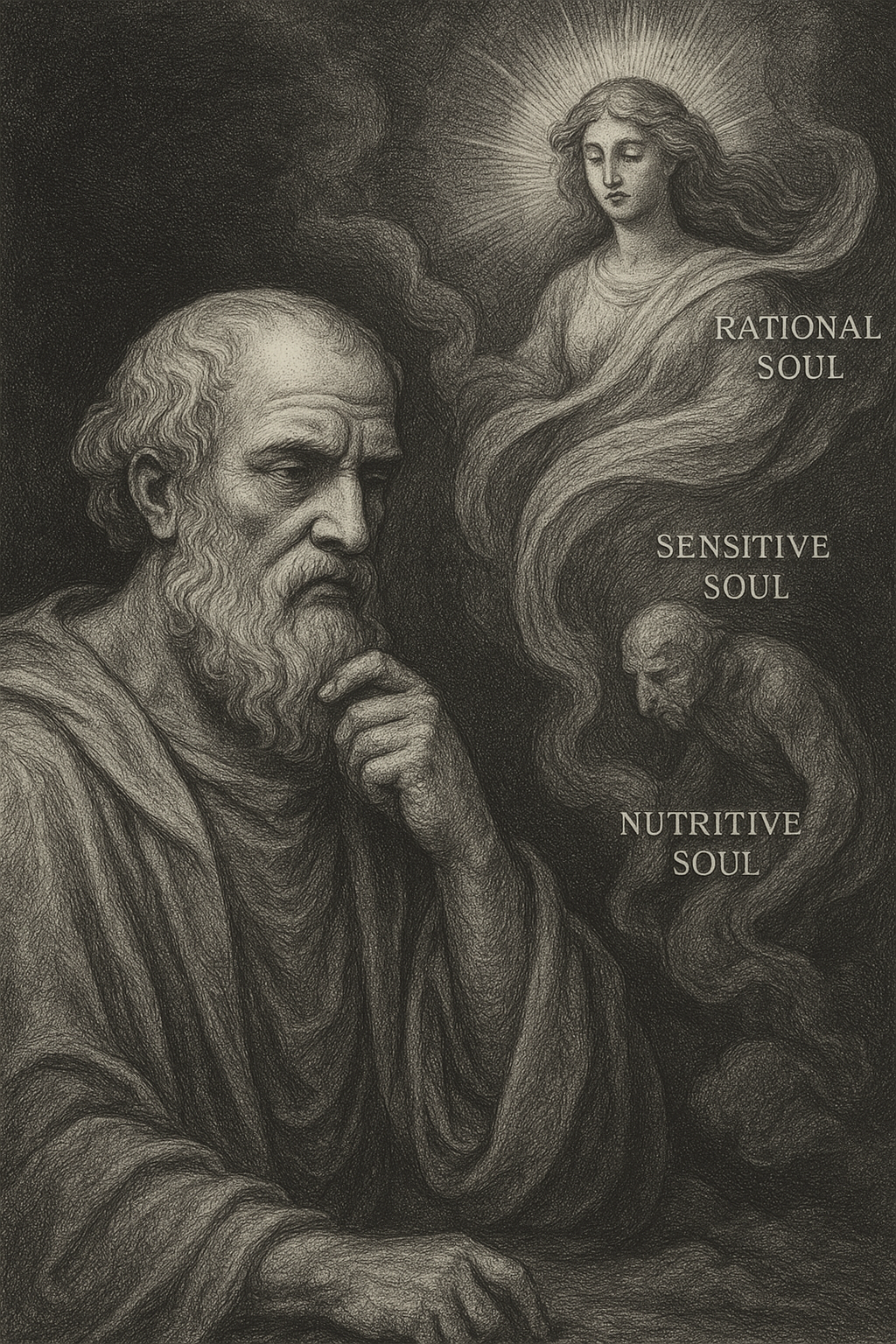 Aristotle :: Soul as form
Aristotle’s theory of soul is grounded in hylomorphism, the idea that all living beings are composites of matter (hyle) and form (morphe). The body is the matt
Aristotle :: Soul as form
Aristotle’s theory of soul is grounded in hylomorphism, the idea that all living beings are composites of matter (hyle) and form (morphe). The body is the matt-
is_parent
Hierarchical model of the soul
🔒
·
Nutritive Soul (Vegetative Soul):: Found in plants :: Nutrition / Growth / Reproduction :: most basic type of soul Found in animals. :: Includes all the capabil
-
-
is_parent
 Neoplatonism
·
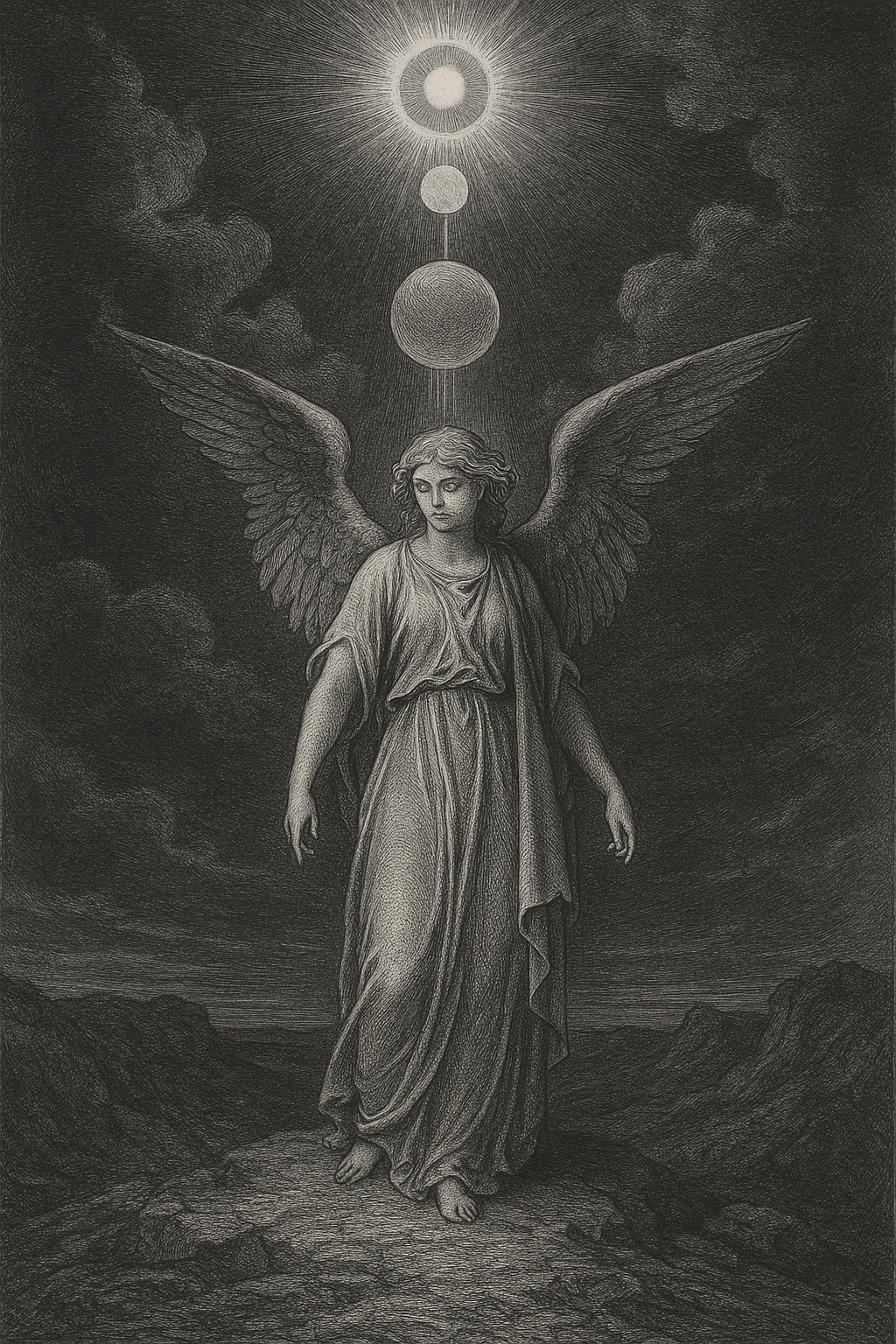
Neoplatonism is a philosophical school of late antiquity (3rd - 6th century AD). Neoplatonists position the soul in the middle of a strict metaphysical hierarc
Neoplatonism
·
Neoplatonism is a philosophical school of late antiquity (3rd - 6th century AD). Neoplatonists position the soul in the middle of a strict metaphysical hierarc -
is_parent
 Christian Theology
·
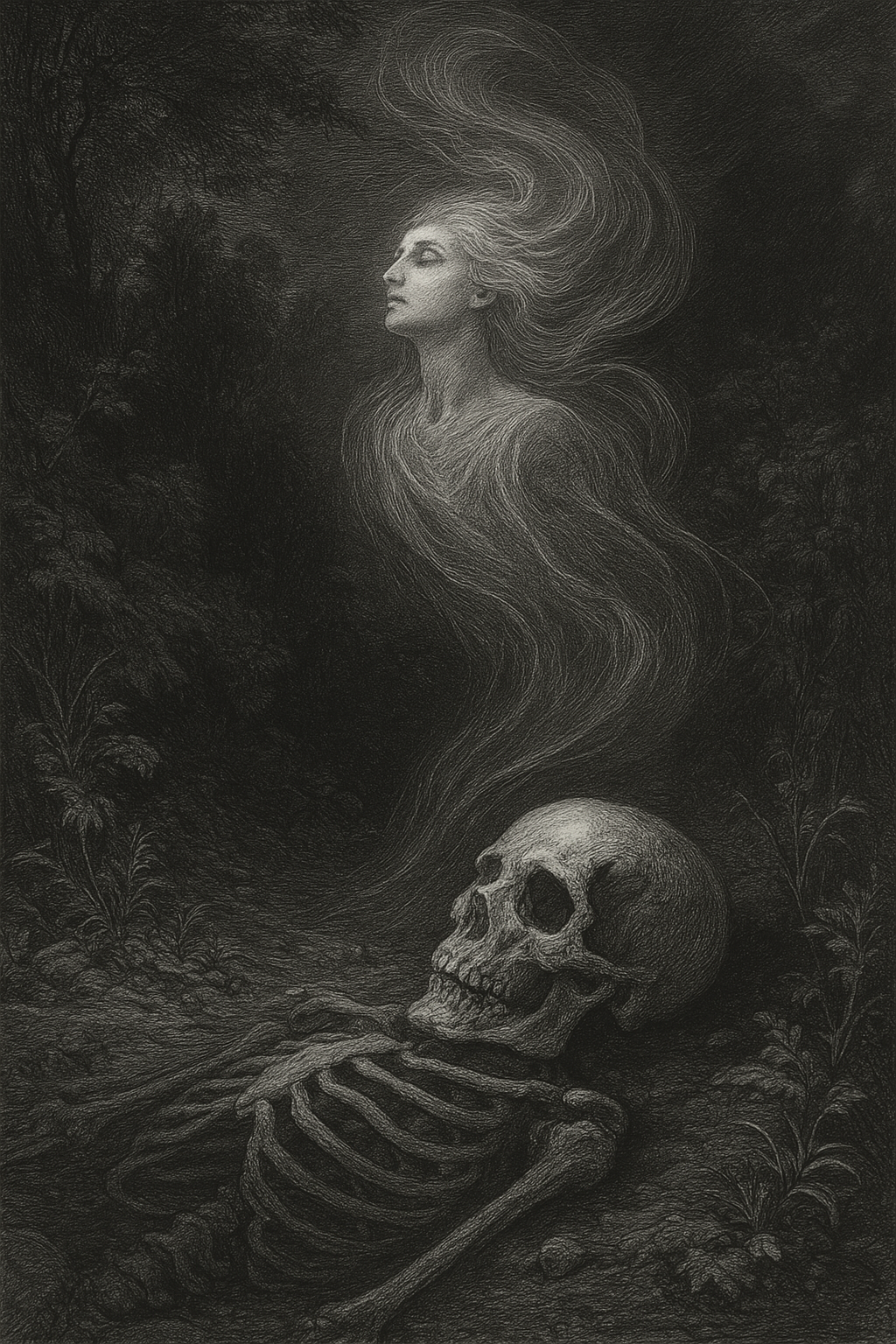
Soul is created by God and infused at conception. Augustine: soul seeks rest in God; image of God within the soul. Soul is immortal, destined for salvation or d
Christian Theology
·
Soul is created by God and infused at conception. Augustine: soul seeks rest in God; image of God within the soul. Soul is immortal, destined for salvation or d -
is_parent
 Islamic Philosophy
·
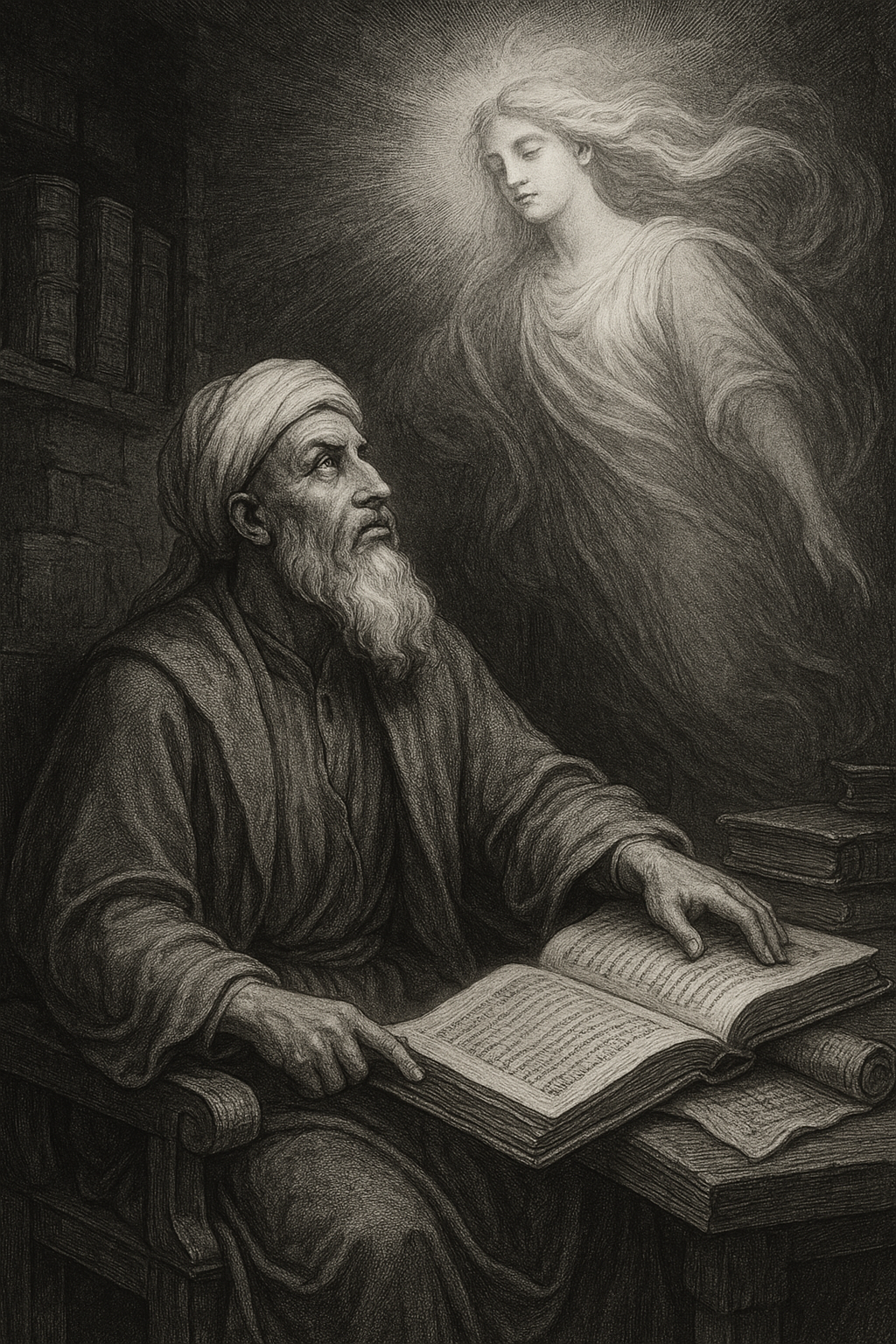
Soul (نَفْس, *nafs*) is a spiritual, immaterial substance. Influenced by Aristotle, Neoplatonism, and Qur’anic revelation. Avicenna: soul is simple, incor
Islamic Philosophy
·
Soul (نَفْس, *nafs*) is a spiritual, immaterial substance. Influenced by Aristotle, Neoplatonism, and Qur’anic revelation. Avicenna: soul is simple, incor -
is_parent
 Scholasticism
·
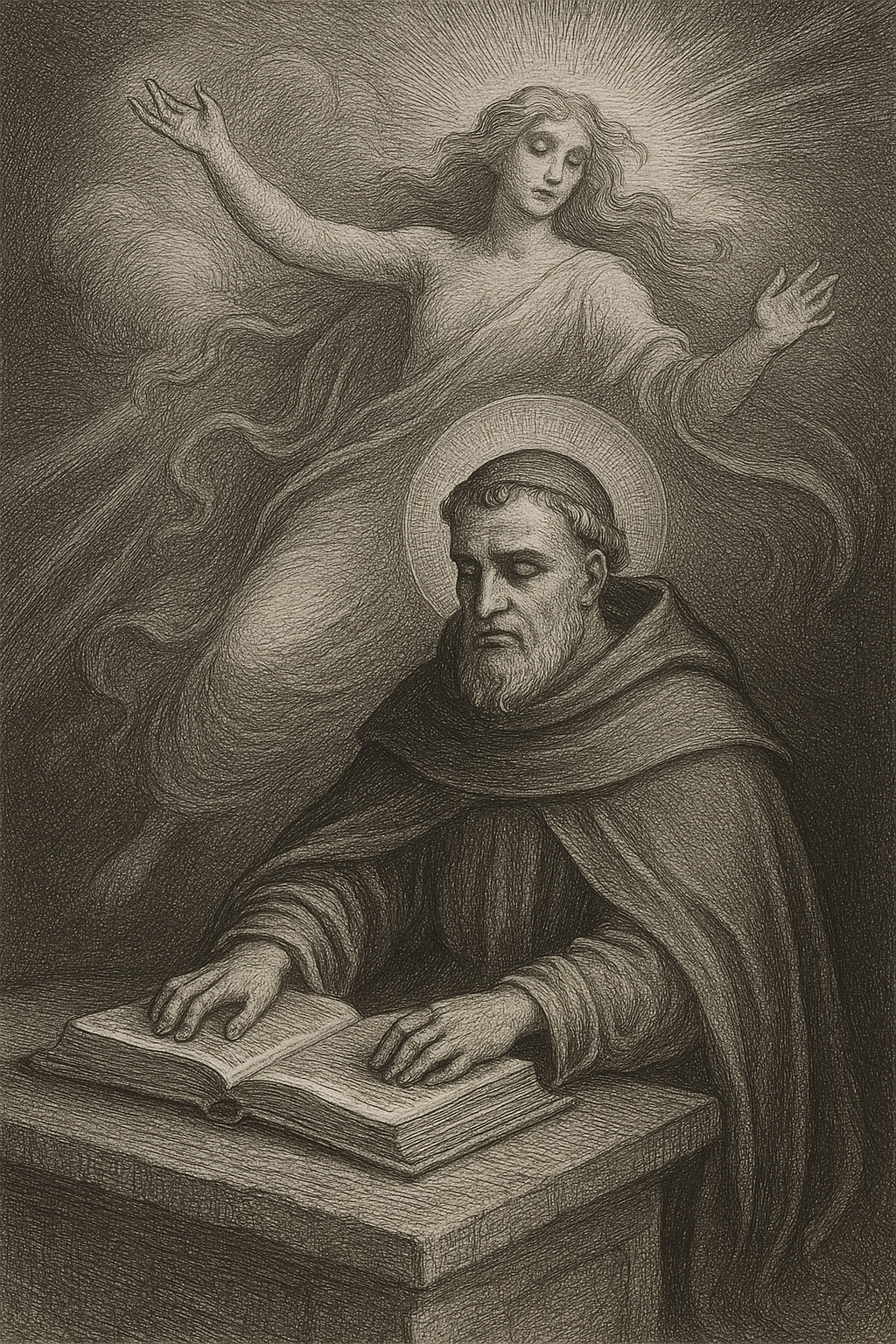
Thomas Aquinas: soul is the form of the body (via Aristotle). Soul has vegetative, sensitive, and rational powers. Immortality of the rational soul is demonstra
Scholasticism
·
Thomas Aquinas: soul is the form of the body (via Aristotle). Soul has vegetative, sensitive, and rational powers. Immortality of the rational soul is demonstra -
is_parent
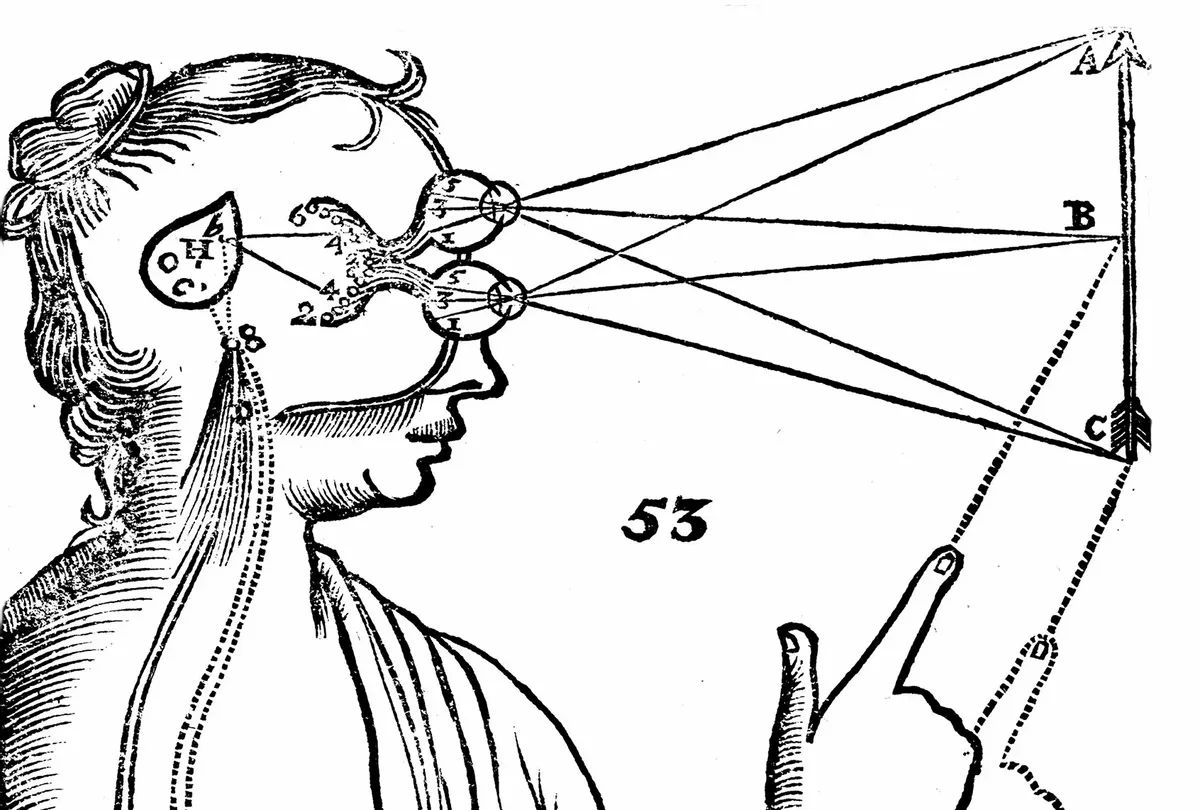 Renaissance & Early Modern
Renewed interest in Platonism and Hermetic soul cosmologies. Descartes: radical dualism—soul (res cogitans) and body (res extensa). Human soul seen as sea
Renaissance & Early Modern
Renewed interest in Platonism and Hermetic soul cosmologies. Descartes: radical dualism—soul (res cogitans) and body (res extensa). Human soul seen as sea-
is_parent
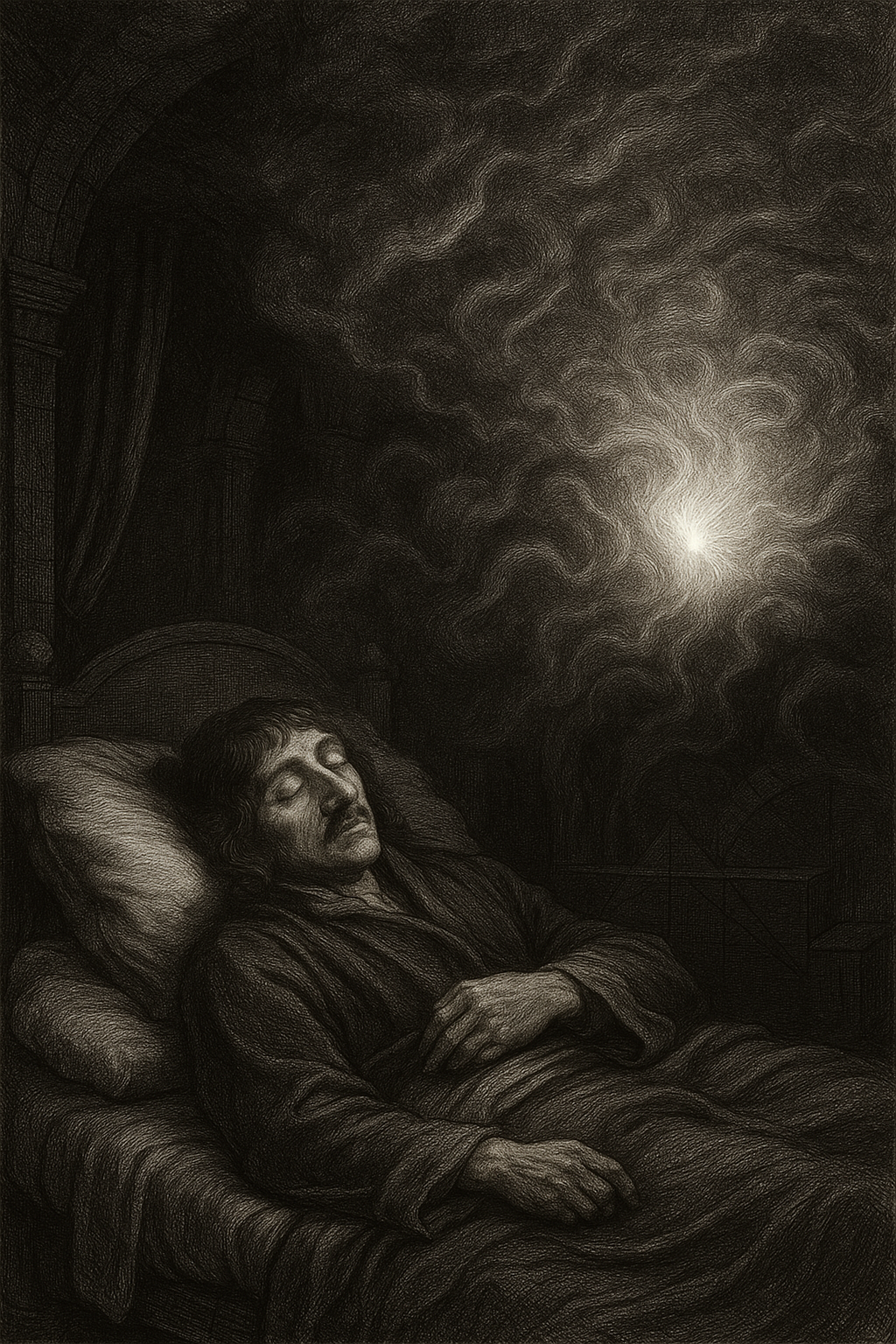 Cogito ergo sum
🔒
·
"Accordingly, seeing that our senses sometimes deceive us, I was willing to suppose that there existed nothing really such as they presented to us; And because
Cogito ergo sum
🔒
·
"Accordingly, seeing that our senses sometimes deceive us, I was willing to suppose that there existed nothing really such as they presented to us; And because -
is_parent
Cogito ergo sum
🔒
·
"Accordingly, seeing that our senses sometimes deceive us, I was willing to suppose that there existed nothing really such as they presented to us; And because
-
-
is_parent
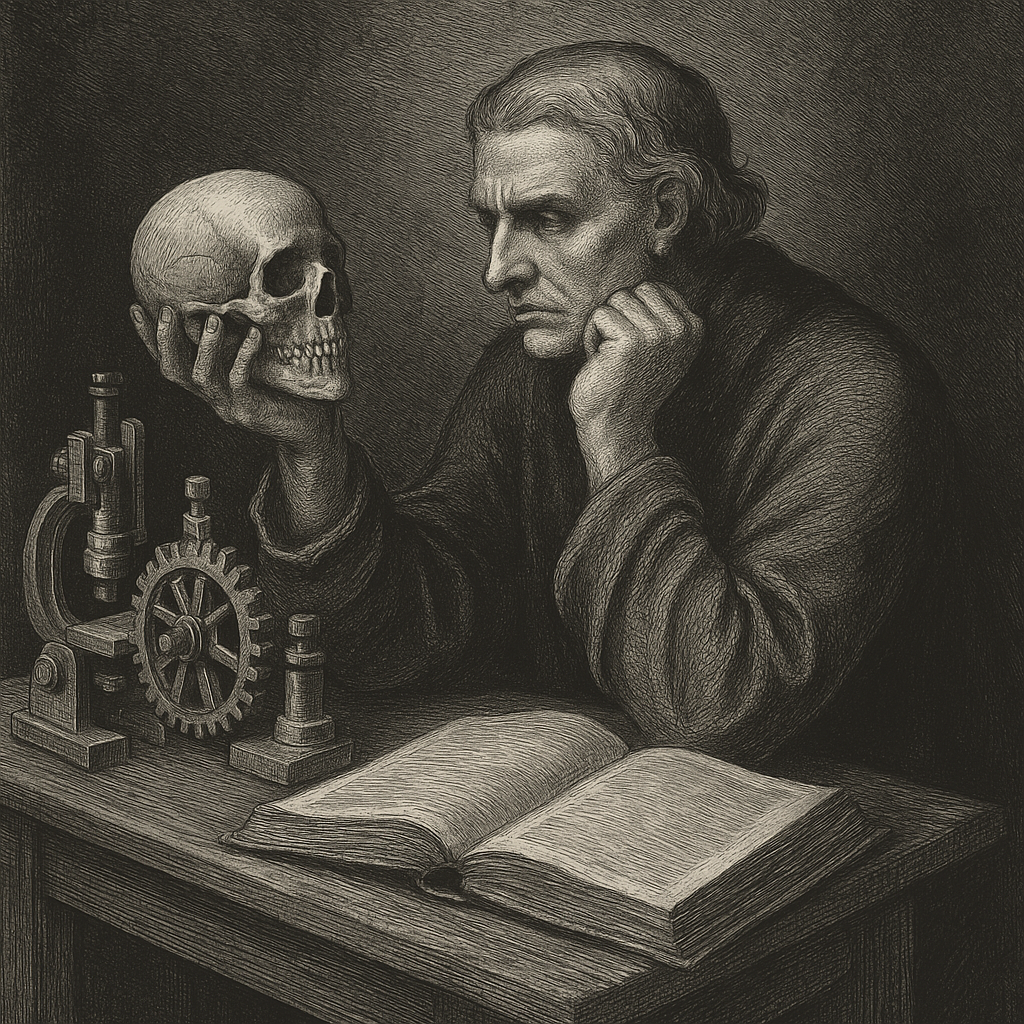 Empiricism and Materialism
Soul increasingly reduced to observable mental or bodily processes. Locke: denies innate ideas—soul as tabula rasa, a passive receiver. Start of the NATURE / N
Empiricism and Materialism
Soul increasingly reduced to observable mental or bodily processes. Locke: denies innate ideas—soul as tabula rasa, a passive receiver. Start of the NATURE / N-
is_parent Associationism 🔒 ·
Soul or mind functions through the association of ideas. David Hartley: vibrations in nerves correspond to mental associations. Mind explained through natural l -
is_parent
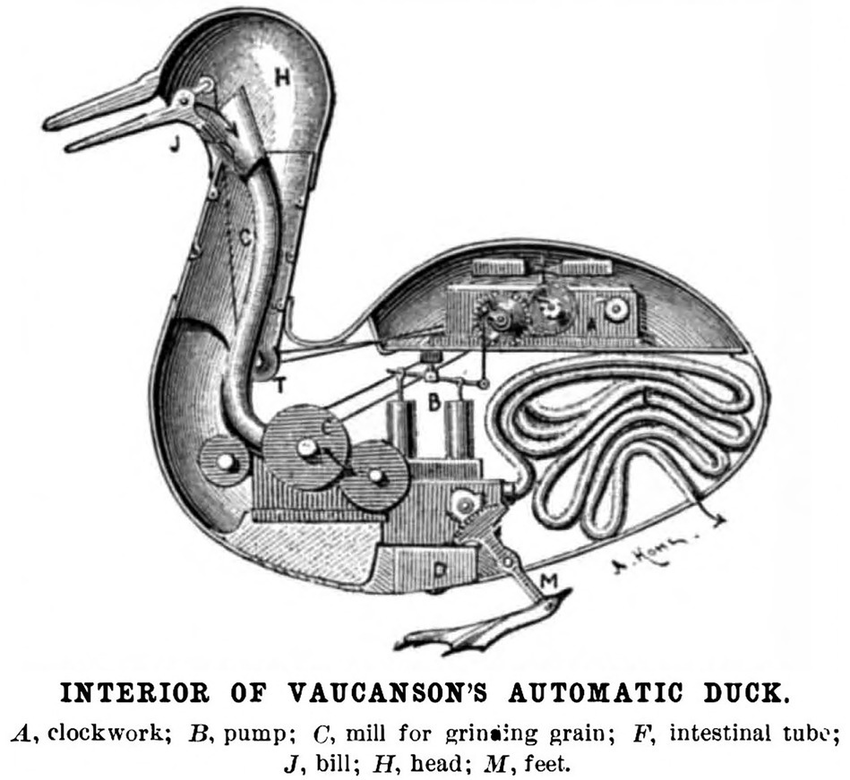 L'homme machine
🔒
·
The human body is a machine which winds its own springs. It is the living image of perpetual movement. Without food, the soul pines away, goes mad, an
L'homme machine
🔒
·
The human body is a machine which winds its own springs. It is the living image of perpetual movement. Without food, the soul pines away, goes mad, an -
is_parent Associationism 🔒 ·
Soul or mind functions through the association of ideas. David Hartley: vibrations in nerves correspond to mental associations. Mind explained through natural l -
is_parent
L'homme machine
🔒
·
The human body is a machine which winds its own springs. It is the living image of perpetual movement. Without food, the soul pines away, goes mad, an
-
-
is_parent
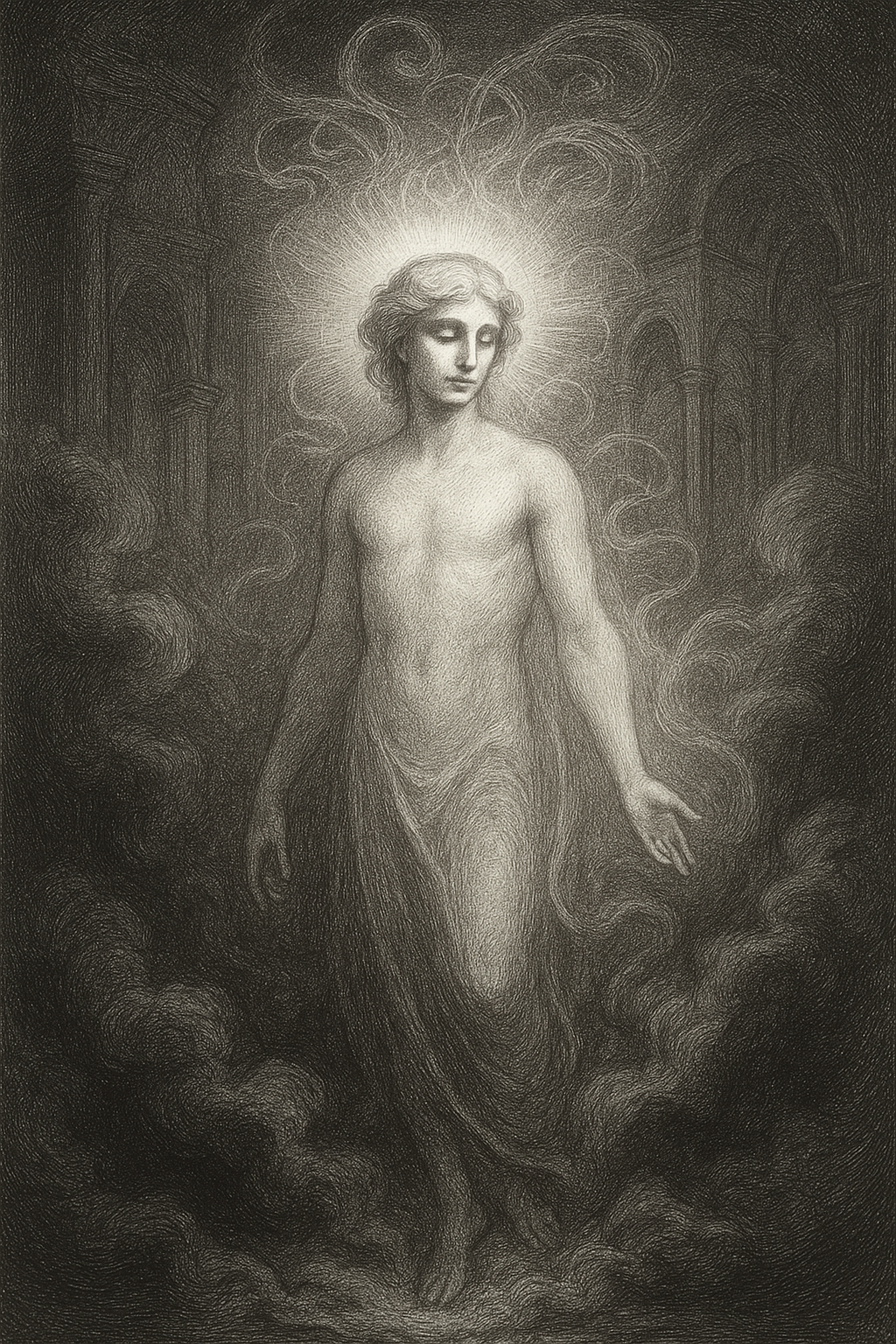 German Idealism & Romanticism
·
Soul is active, not passive—central to constructing experience. Kant: we can never know "soul" as a thing-in-itself. Fichte: ego (Ich) posits itself—soul as dy
German Idealism & Romanticism
·
Soul is active, not passive—central to constructing experience. Kant: we can never know "soul" as a thing-in-itself. Fichte: ego (Ich) posits itself—soul as dy -
is_parent
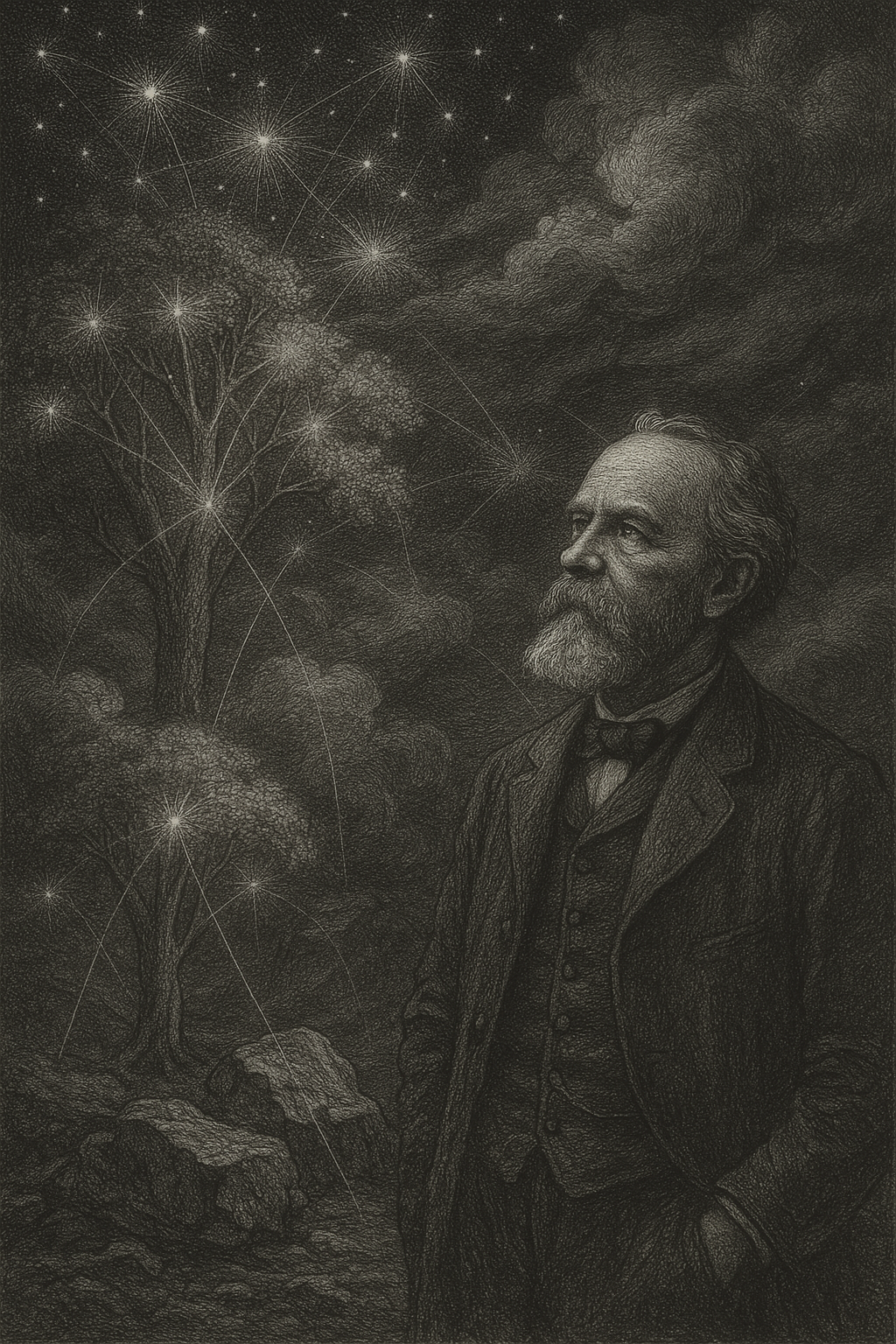 Panpsychism
·
All matter possesses some form of experience or consciousness. William James: stream of consciousness is continuous, plural, and lived. Rejects both materialism
Panpsychism
·
All matter possesses some form of experience or consciousness. William James: stream of consciousness is continuous, plural, and lived. Rejects both materialism -
is_parent
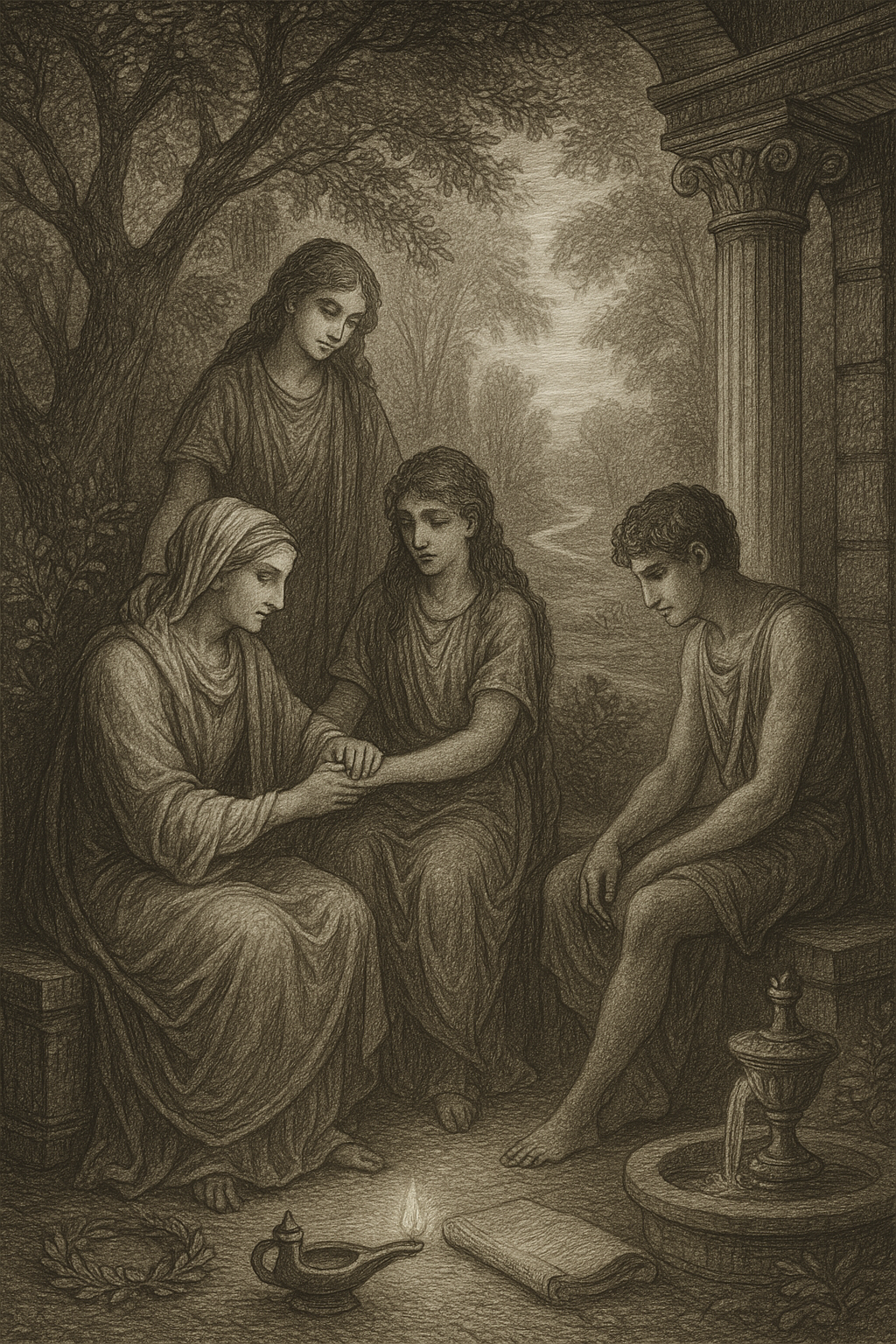 Care for the soul
·
Socrates says: ΤΟ ΕΠΙΜΕΛΕΙΣΘΑΙ ΕΑΥΤΟΥ ΕΣΤΙΝ ΕΠΙΜΕΛΕΙΣΘΑΙ ΤΗΣ ΨΥΧΗΣ / To care for oneself is to care for the soul.ΟΥ ΤΑ ΧΡΗΜΑΤΑ ΥΜΑΣ ΠΟΙΕΙΝ ΑΛΛΑ ΤΗΝ ΨΥΧΗΝ ΩΣ ΑΡ
Care for the soul
·
Socrates says: ΤΟ ΕΠΙΜΕΛΕΙΣΘΑΙ ΕΑΥΤΟΥ ΕΣΤΙΝ ΕΠΙΜΕΛΕΙΣΘΑΙ ΤΗΣ ΨΥΧΗΣ / To care for oneself is to care for the soul.ΟΥ ΤΑ ΧΡΗΜΑΤΑ ΥΜΑΣ ΠΟΙΕΙΝ ΑΛΛΑ ΤΗΝ ΨΥΧΗΝ ΩΣ ΑΡ -
is_parent
 pre-socratic
·
Soul (ψυχή) often equated with life-force or breath. "all things are full of gods" Aristotle, De Anima 411a7, quoting Thales Heraclitus: the sou
pre-socratic
·
Soul (ψυχή) often equated with life-force or breath. "all things are full of gods" Aristotle, De Anima 411a7, quoting Thales Heraclitus: the sou -
is_parent
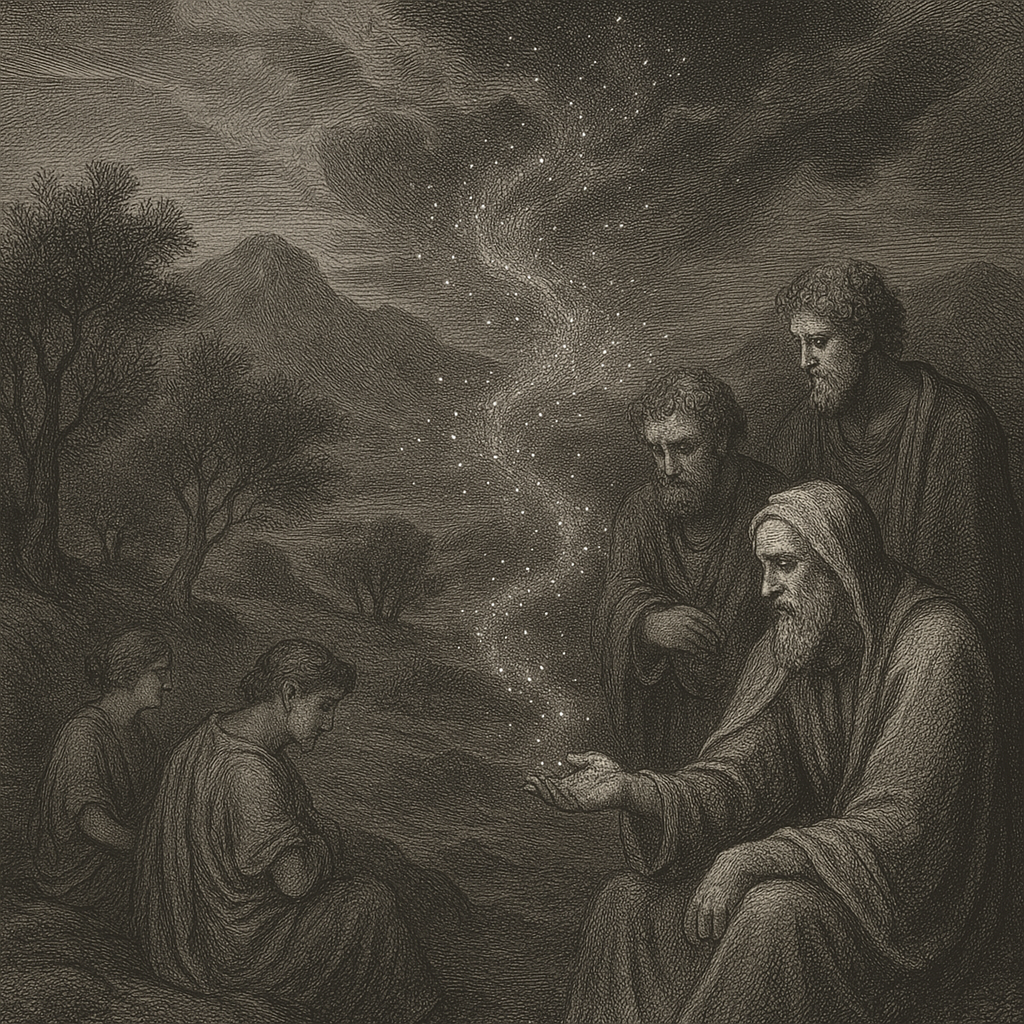 Hellenistic
·
Epicureans: soul is material, composed of fine atoms.No afterlife: soul dissolves at death—no reason to fear it.Stoics: soul is PNEUMA, a fiery breath pervadin
Hellenistic
·
Epicureans: soul is material, composed of fine atoms.No afterlife: soul dissolves at death—no reason to fear it.Stoics: soul is PNEUMA, a fiery breath pervadin
-
-
is_parent 20th century Psychology 🔊
-
is_parent Behaviorism ·
Behaviorism -
is_parent
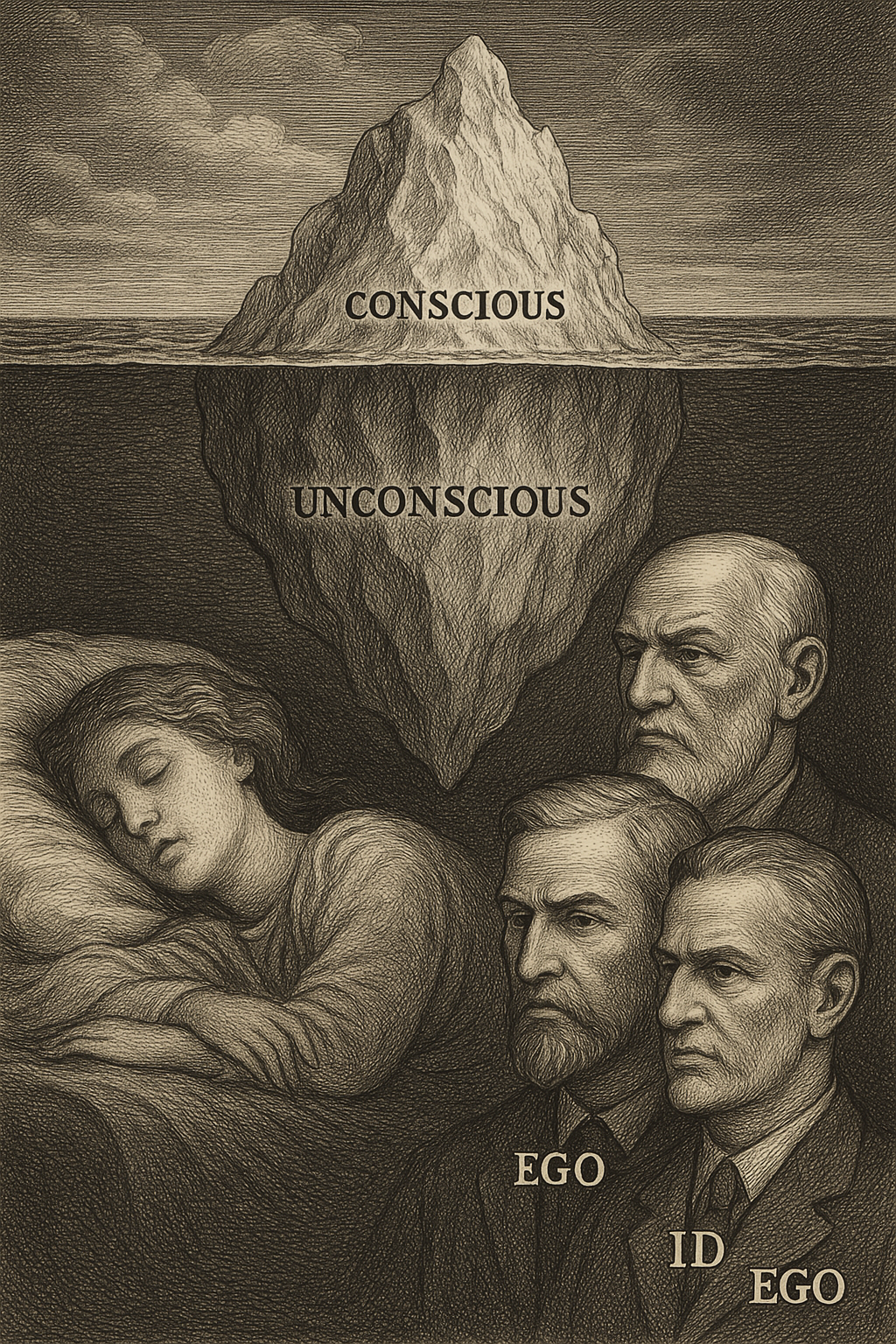 Psychoanalysis
„Das Ich ist nicht Herr im eigenen Hause.“"The ego is not master in its own house."(Siegmund Freud, 1917)
Psychoanalysis
„Das Ich ist nicht Herr im eigenen Hause.“"The ego is not master in its own house."(Siegmund Freud, 1917)-
is_parent
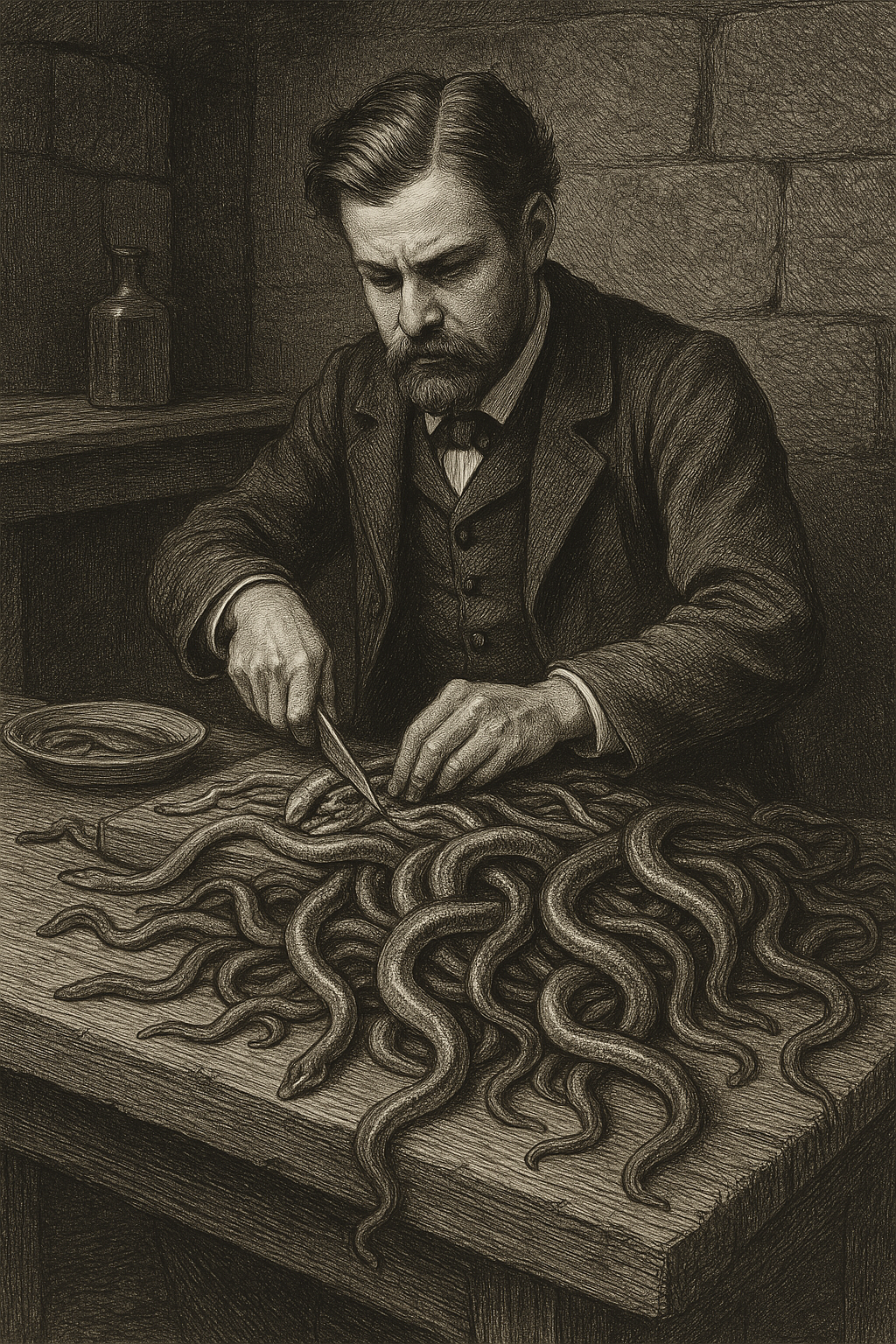 🔒
Born in 1856 in Příbor, Moravia (then part of the Austrian Empire), into a Jewish family. Moved to Vienna at age four, where he lived most of his life. Studied
🔒
Born in 1856 in Příbor, Moravia (then part of the Austrian Empire), into a Jewish family. Moved to Vienna at age four, where he lived most of his life. Studied-
is_parent
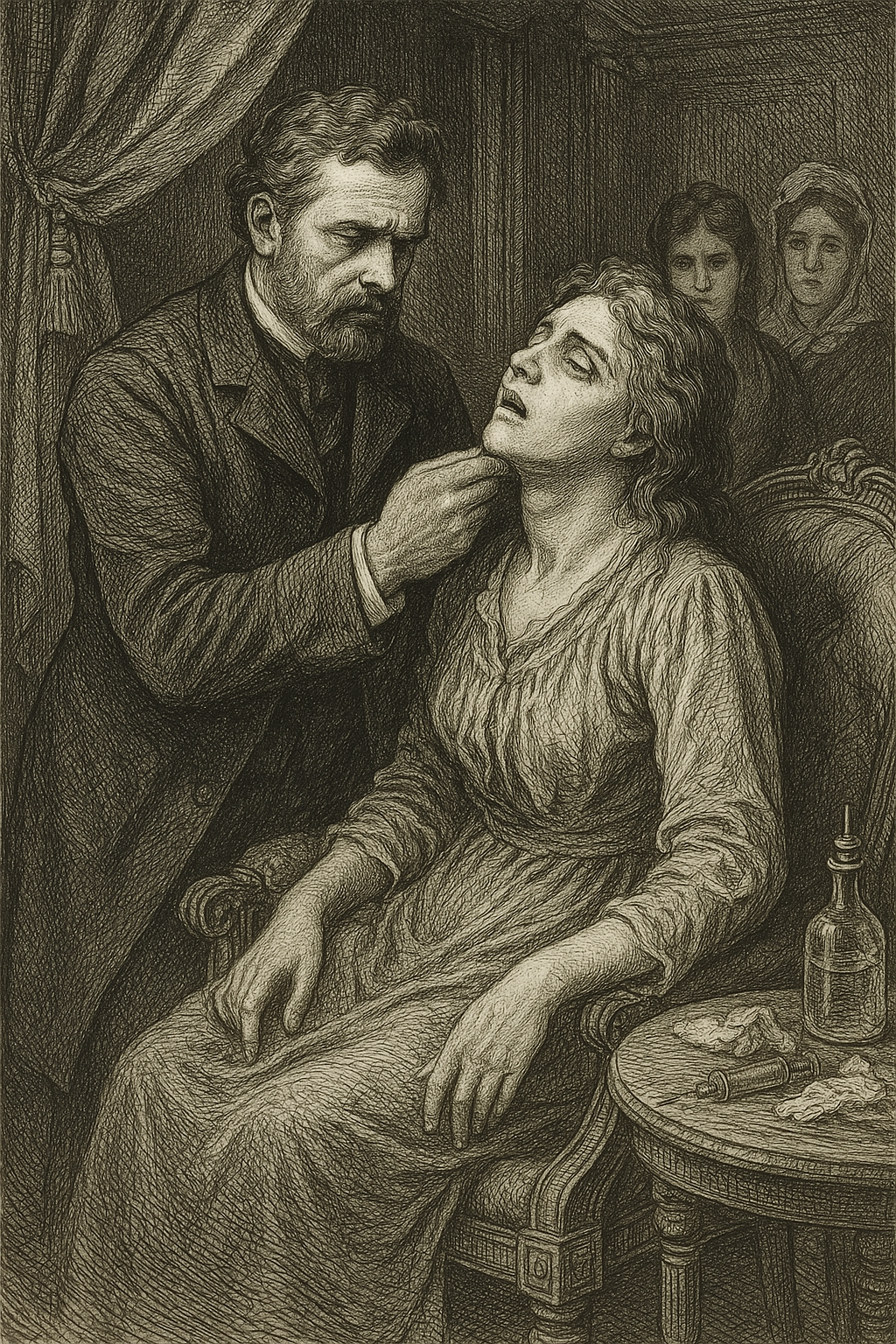 Birth of dream psychology
🔒
·
Freud’s *The Interpretation of Dreams* (DIE TRAUMDEUTUNG, 1899) revolutionized dream theory. He proposed that dreams are wish-fulfillments rooted in unconsciou
Birth of dream psychology
🔒
·
Freud’s *The Interpretation of Dreams* (DIE TRAUMDEUTUNG, 1899) revolutionized dream theory. He proposed that dreams are wish-fulfillments rooted in unconsciou -
is_parent
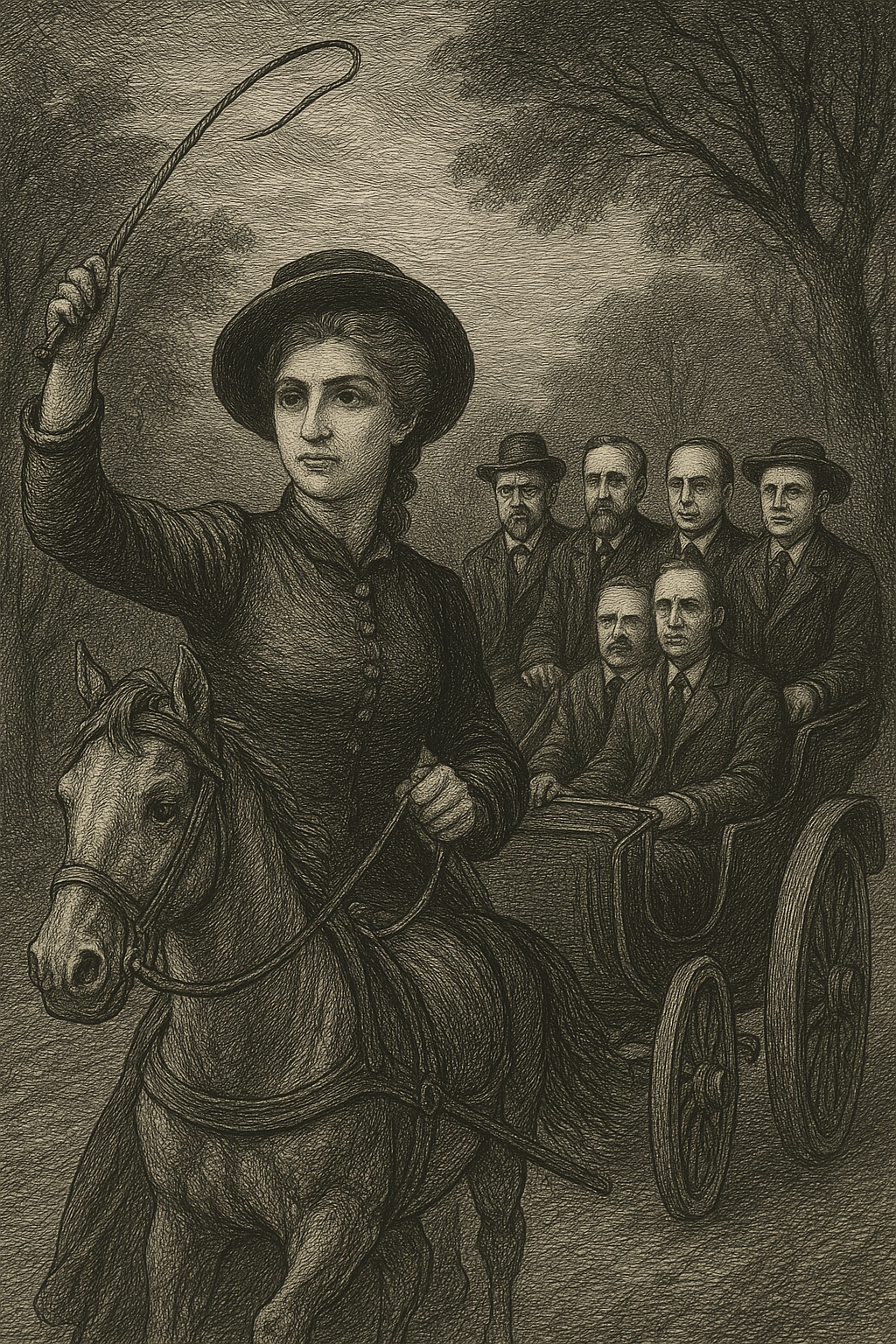 Mittwochskreis
🔒
·
In the early 1900s, Freud began hosting weekly discussions at his home — the "Wednesday Psychological Society." (evolved into the core of the **Vienna Psychoan
Mittwochskreis
🔒
·
In the early 1900s, Freud began hosting weekly discussions at his home — the "Wednesday Psychological Society." (evolved into the core of the **Vienna Psychoan -
is_parent
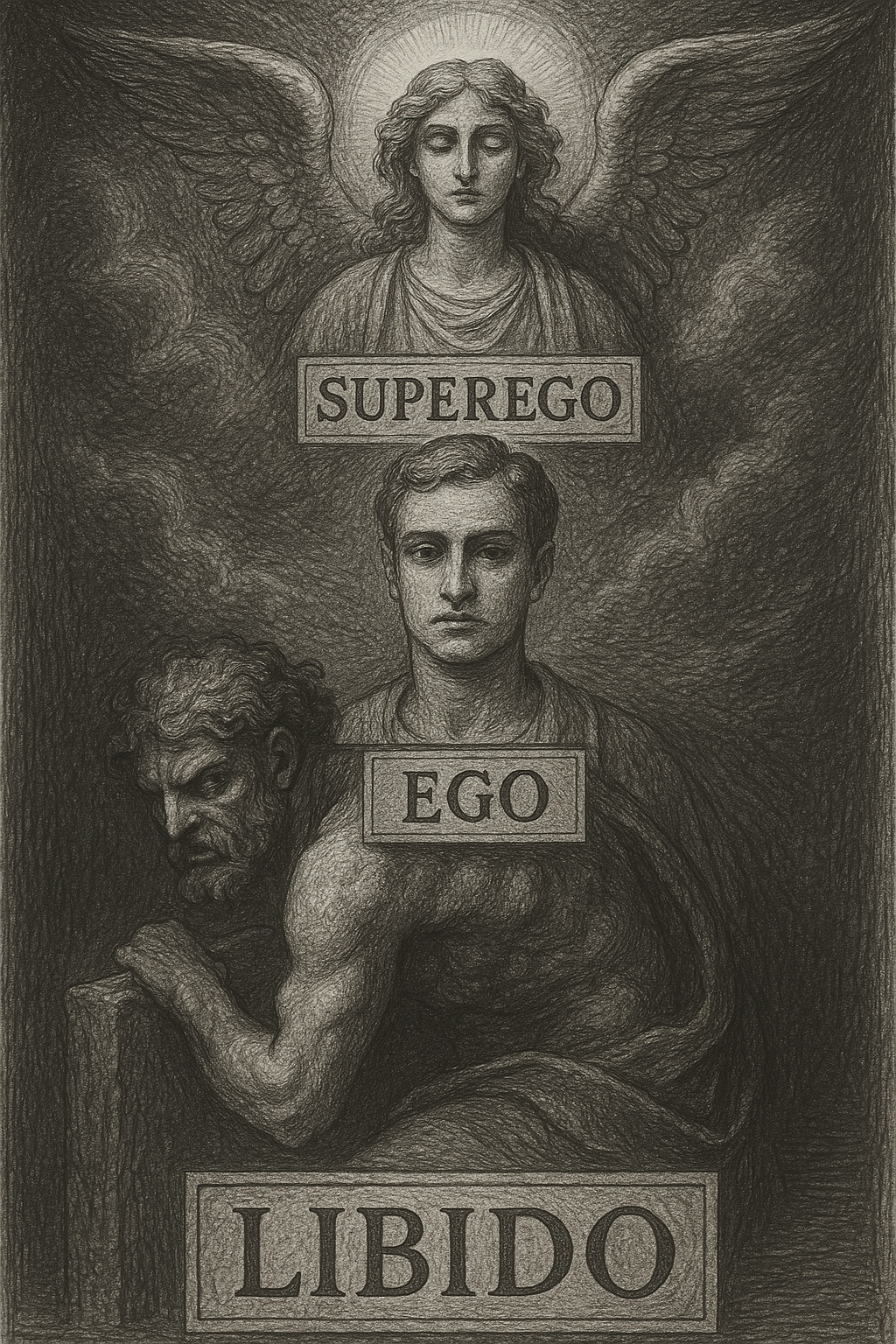 Libido, Id, Ego, Superego
🔒
·
Freud redefined *libido* as a psychic energy derived from instinctual drives — primarily sexual but also life-affirming (Eros). This energy powers the psy
Libido, Id, Ego, Superego
🔒
·
Freud redefined *libido* as a psychic energy derived from instinctual drives — primarily sexual but also life-affirming (Eros). This energy powers the psy -
is_parent
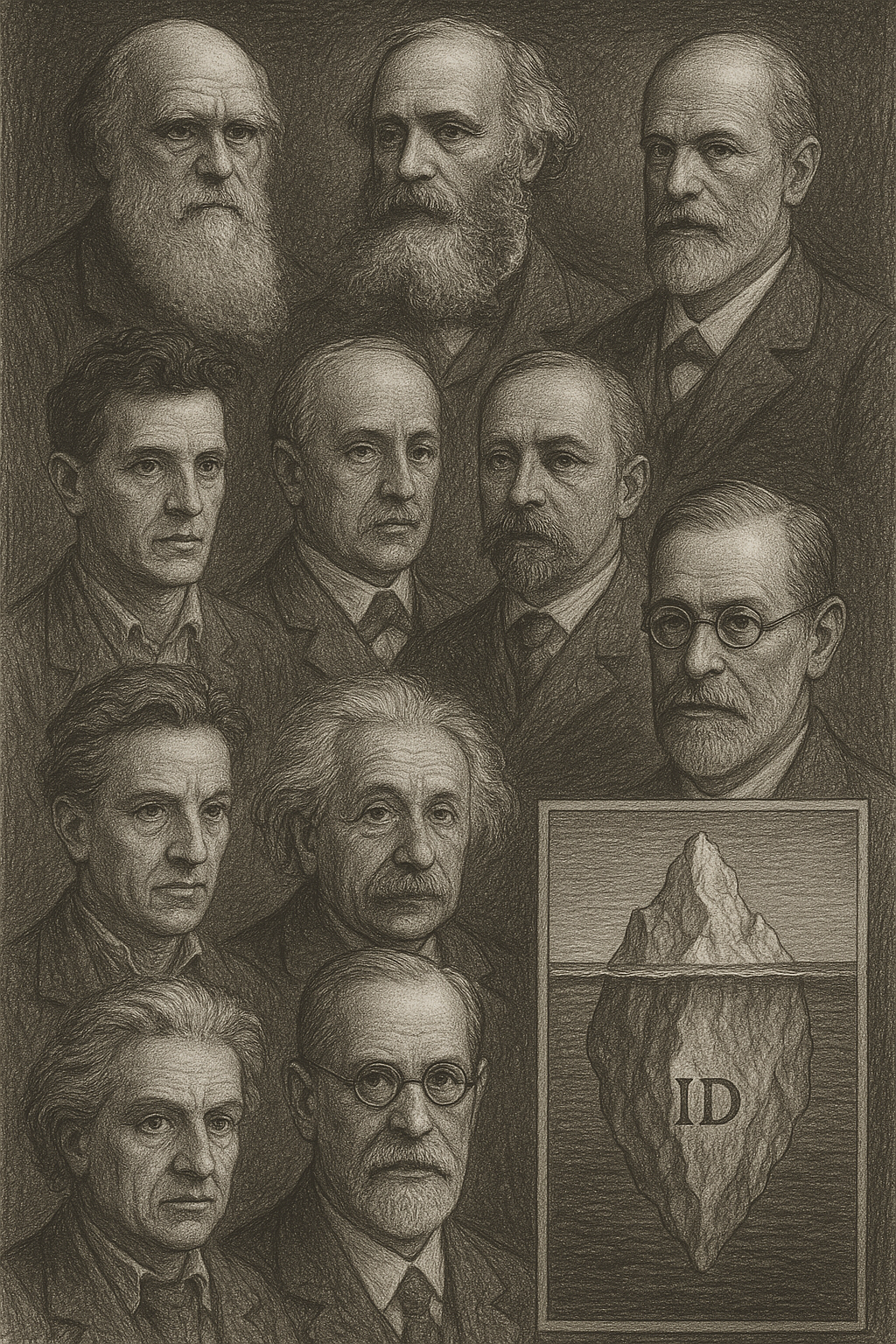 Topographic model
🔒
·
Divides mental life into three domains: the conscious, the preconscious, and the unconscious. The conscious contains immediate thoughts and perceptions —
Topographic model
🔒
·
Divides mental life into three domains: the conscious, the preconscious, and the unconscious. The conscious contains immediate thoughts and perceptions — -
is_parent
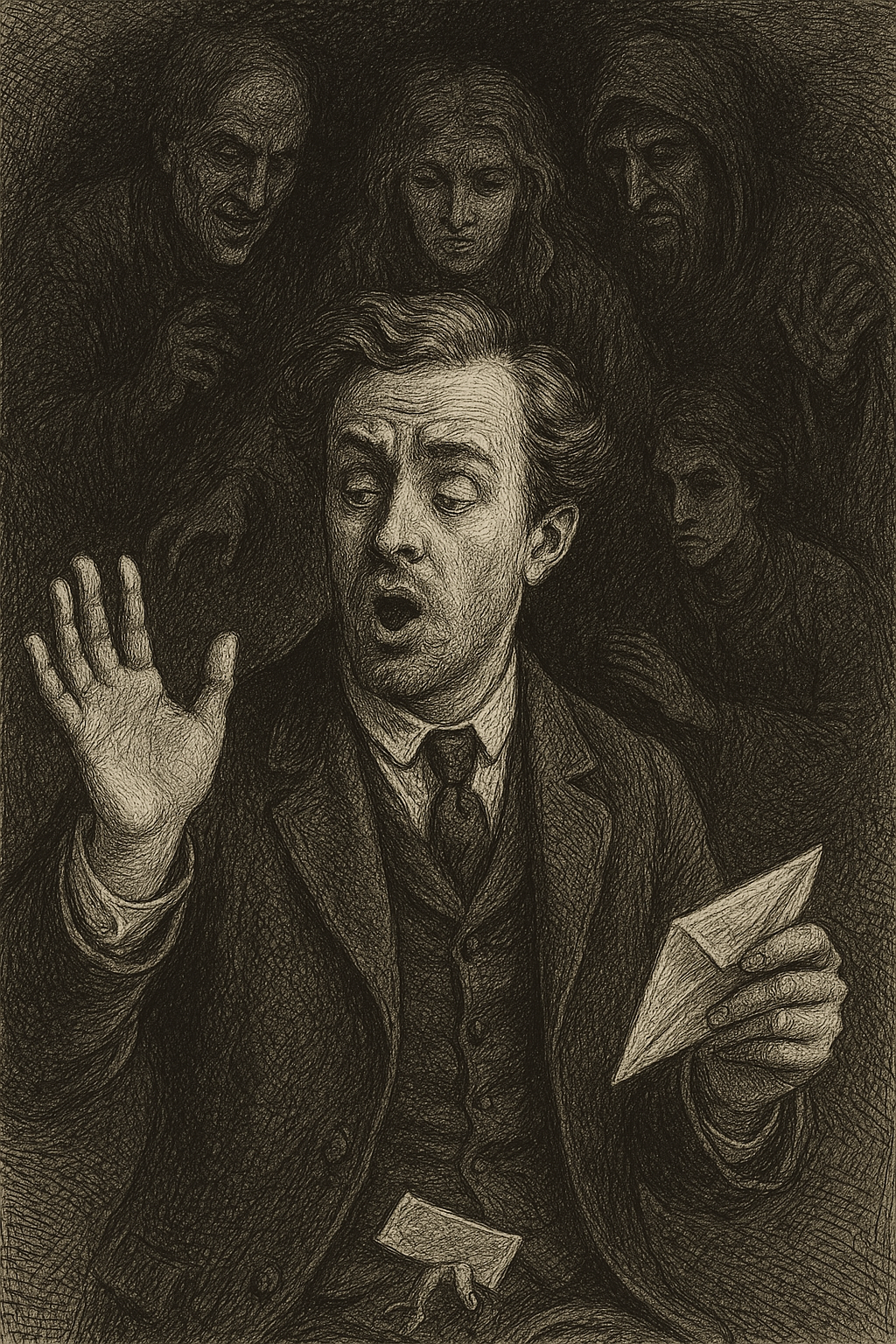 Fehlleistungen
🔒
Fehlleistungen, or parapraxes, refer to slips of the tongue, memory lapses, or unintended actions. Freud argued these “slips” reveal unconscious tho
Fehlleistungen
🔒
Fehlleistungen, or parapraxes, refer to slips of the tongue, memory lapses, or unintended actions. Freud argued these “slips” reveal unconscious tho-
is_parent Discussion & Homework 🔒 ·
Discussion : Did recently any interesting "Fehlleistung" happened to You or anyone in Your surroundings ?Homework : If You encounter any Fehlleistung, note it
-
-
-
is_parent
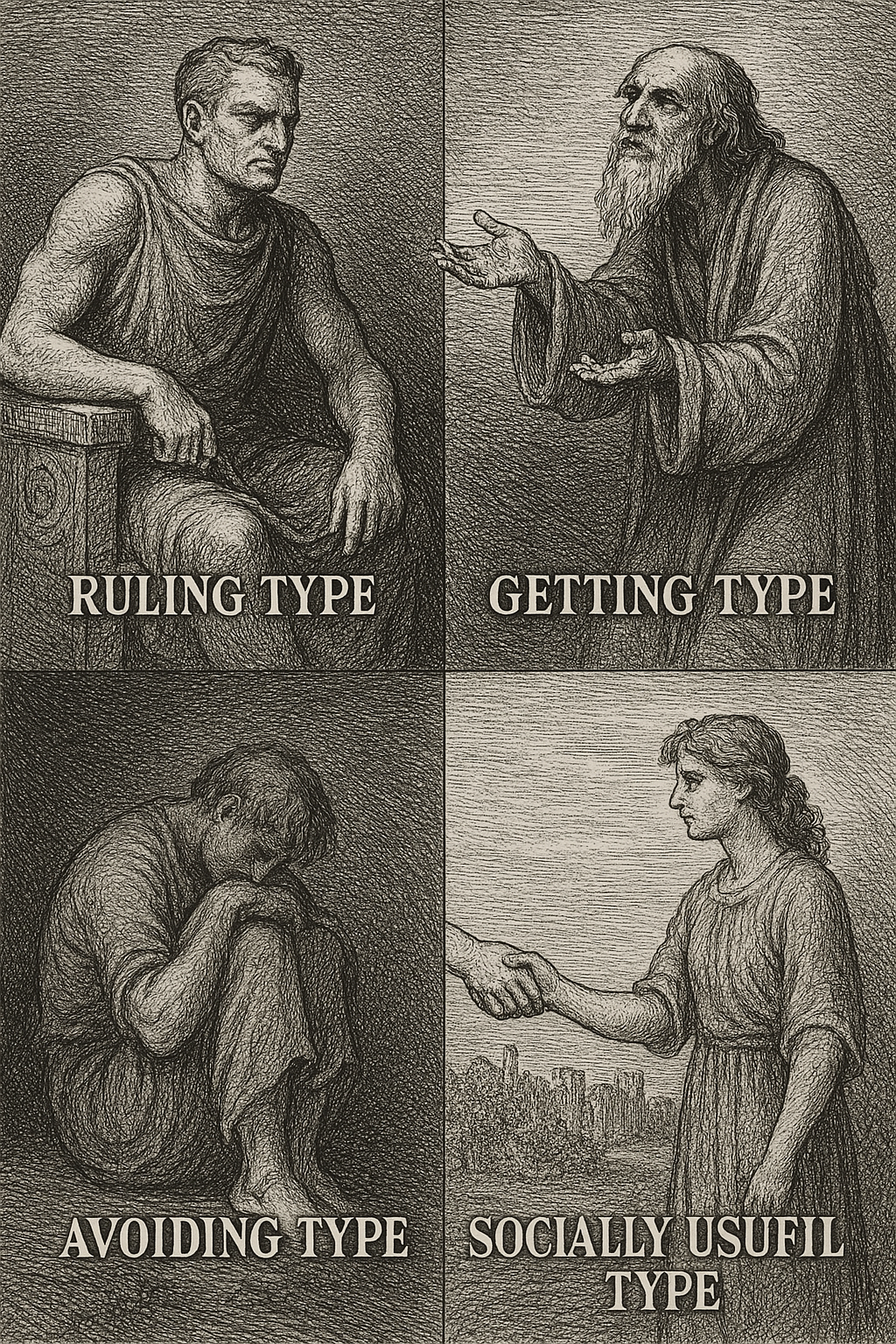 Adler
🔒
·
Alfred Adler was an early member of Freud’s psychoanalytic circle in Vienna. He initially supported Freud’s ideas but disagreed on the centrali
Adler
🔒
·
Alfred Adler was an early member of Freud’s psychoanalytic circle in Vienna. He initially supported Freud’s ideas but disagreed on the centrali -
is_parent
.png) Jung
🔒
·
Embracing Freud’s emphasis on the unconscious Carl Gustav Jung (CGJ) was initially a close collaborator and admirer of Freud. Jung proposed a broader concept:
Jung
🔒
·
Embracing Freud’s emphasis on the unconscious Carl Gustav Jung (CGJ) was initially a close collaborator and admirer of Freud. Jung proposed a broader concept:
-
-
is_parent
 Analytical Psychology
 is Carl Jung’s system for understanding the human psyche through symbols and deep unconscious processes. It distinguishes between th
Analytical Psychology
Analytical Psychology is Carl Jung’s system for understanding the human psyche through symbols and deep unconscious processes. It distinguishes between th-
is_parent
 Archetypes
“The archetype is a tendency to form such representations of a motif—representations that can vary a great deal in detail without losing their basic
Archetypes
“The archetype is a tendency to form such representations of a motif—representations that can vary a great deal in detail without losing their basic-
is_parent
 Shadow
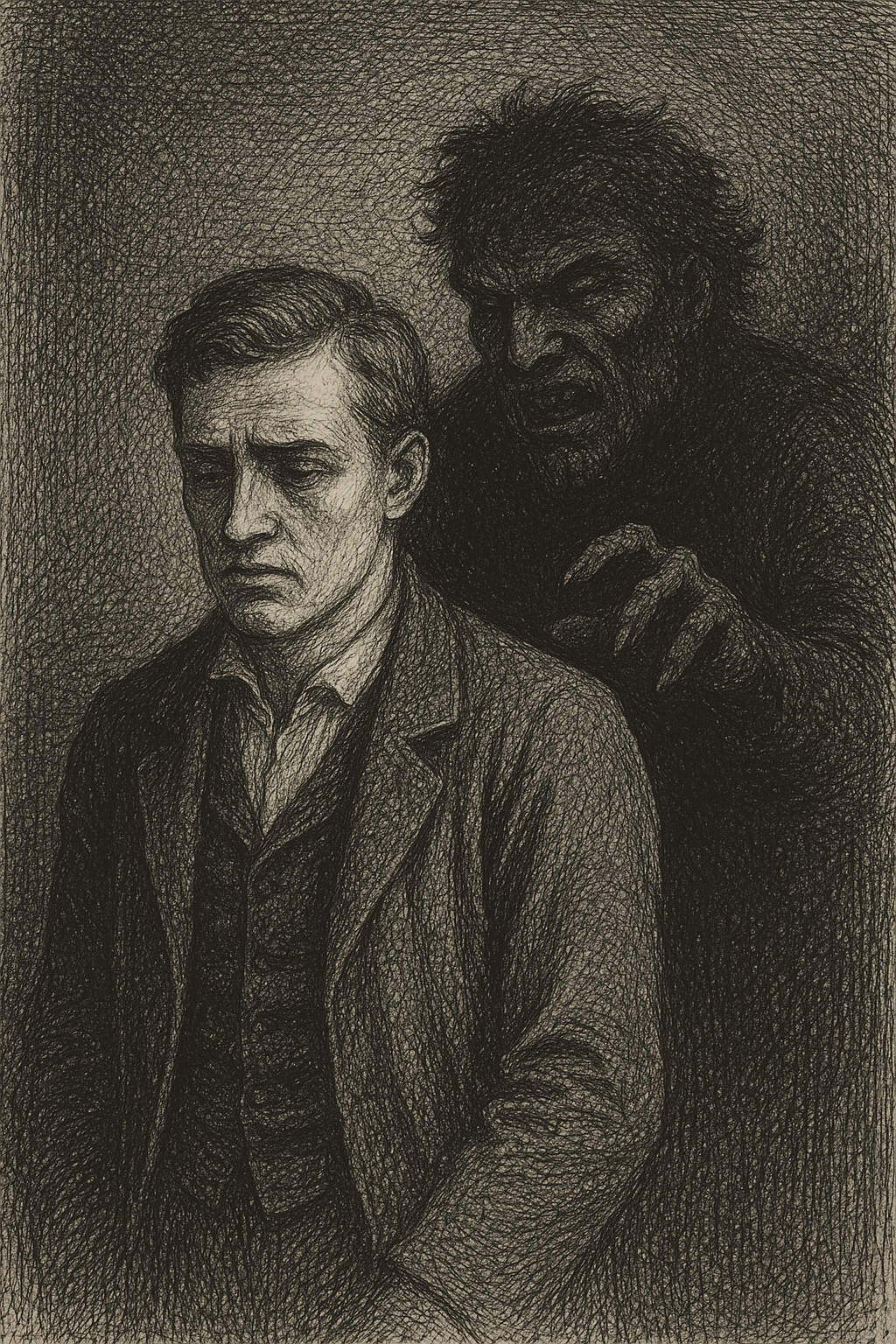
The Shadow is the unconscious part of the personality rejected by the ego. It contains traits we consider undesirable—aggression, envy, weakness—but
Shadow
The Shadow is the unconscious part of the personality rejected by the ego. It contains traits we consider undesirable—aggression, envy, weakness—but-
is_parent
 Imposter syndrome
🔒
·
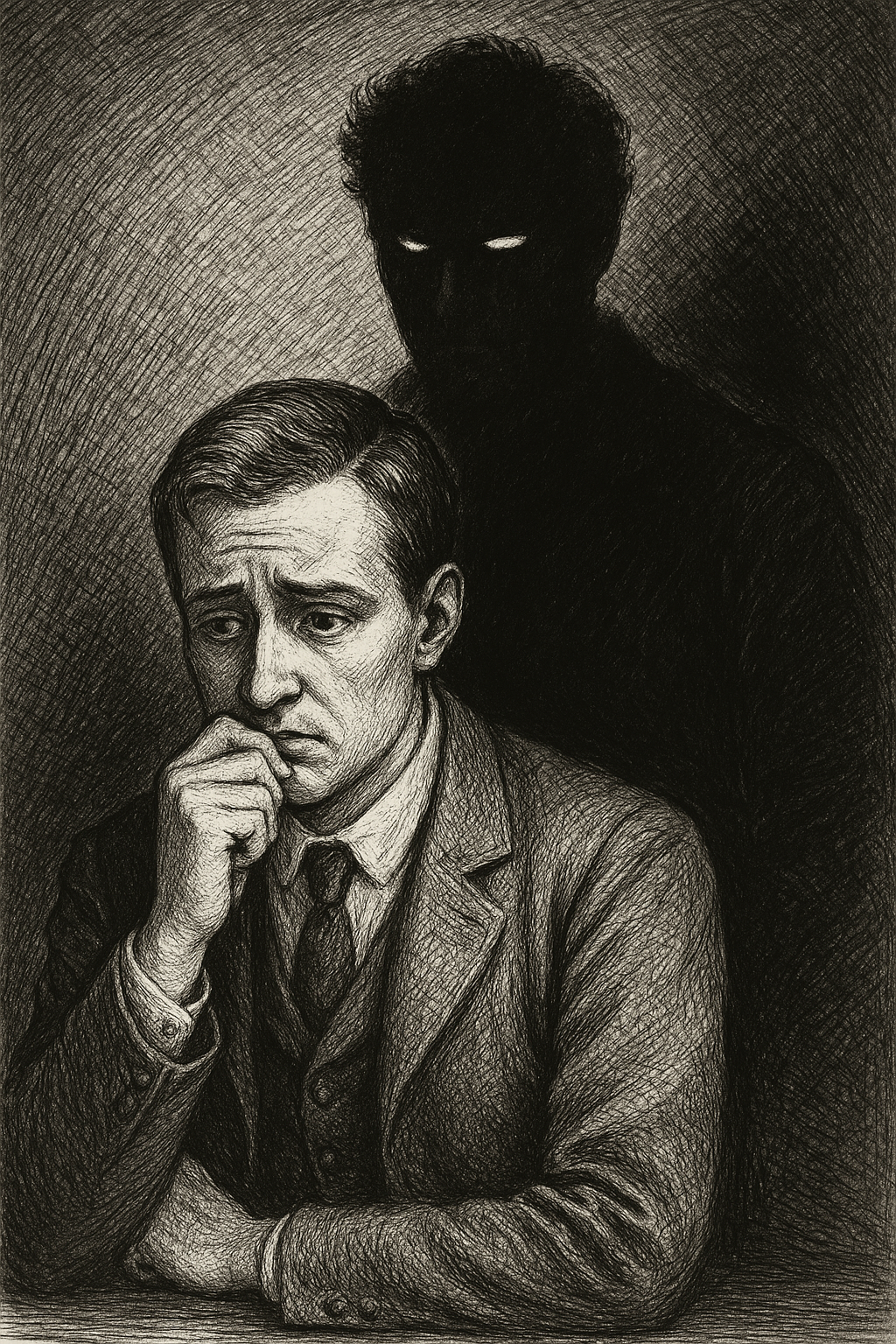
The inner voice saying “I’m a fraud” masks unconscious fear of owning one’s power. The ego clings to a self-image of inadequacy, while p
Imposter syndrome
🔒
·
The inner voice saying “I’m a fraud” masks unconscious fear of owning one’s power. The ego clings to a self-image of inadequacy, while p -
is_parent
 Traumatic bonding
🔒
·
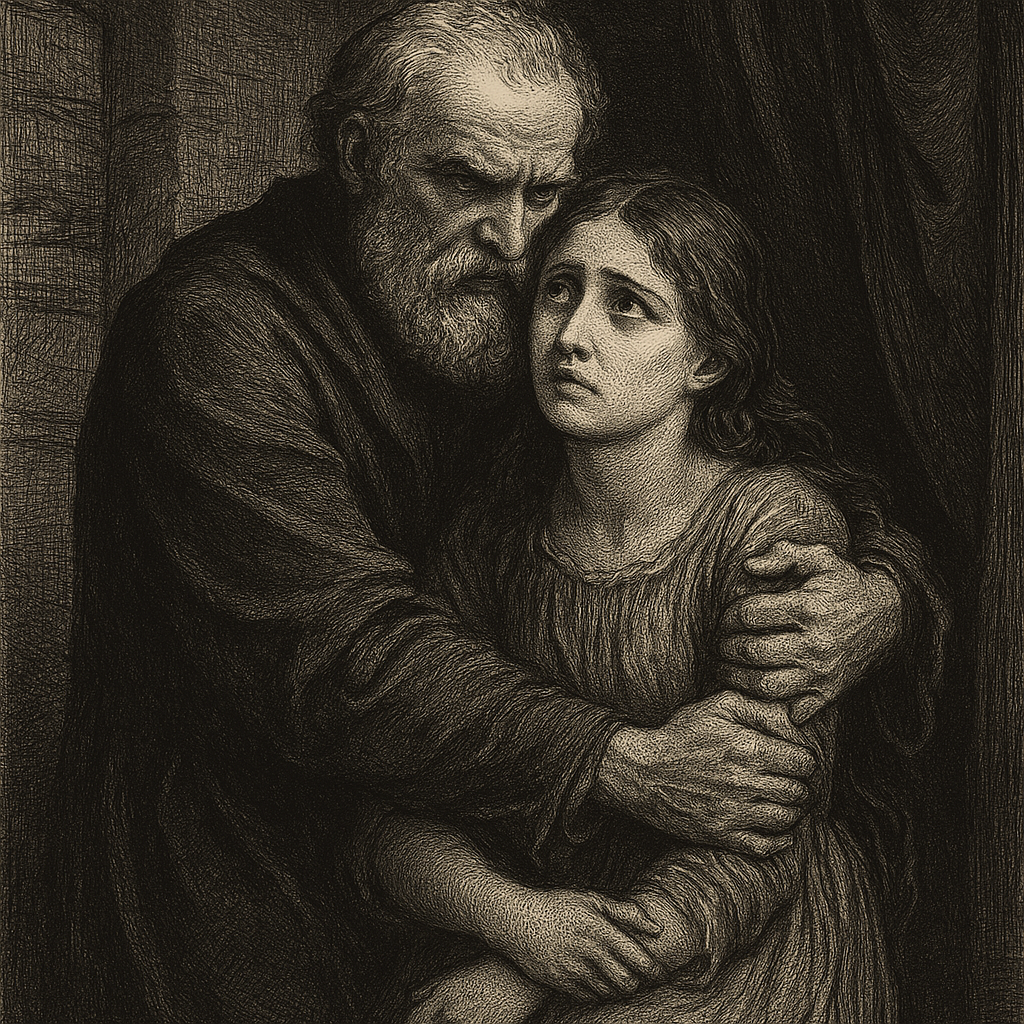
Traumatic bonding occurs when intense fear and dependence fuse with emotional attachment. “In some cases, the victim may unconsciously internalize or merg
Traumatic bonding
🔒
·
Traumatic bonding occurs when intense fear and dependence fuse with emotional attachment. “In some cases, the victim may unconsciously internalize or merg -
is_parent one citation 🔒 ·
"The shadow is a living part of the personality and therefore wants to live with it in some form. It cannot be argued out of existence or rationalized away." (C -
is_parent
Imposter syndrome
🔒
·
The inner voice saying “I’m a fraud” masks unconscious fear of owning one’s power. The ego clings to a self-image of inadequacy, while p -
is_parent
Traumatic bonding
🔒
·
Traumatic bonding occurs when intense fear and dependence fuse with emotional attachment. “In some cases, the victim may unconsciously internalize or merg -
is_parent one citation 🔒 ·
"The shadow is a living part of the personality and therefore wants to live with it in some form. It cannot be argued out of existence or rationalized away." (C
-
-
is_parent Anima
Anima-
is_parent Mother 🔒 ·
Mother -
is_parent Wise Old Woman 🔒 ·
Wise Old Woman -
is_parent Maiden 🔒 ·
Maiden -
is_parent Mother 🔒 ·
Mother -
is_parent Wise Old Woman 🔒 ·
Wise Old Woman -
is_parent Maiden 🔒 ·
Maiden
-
-
is_parent Animus
Animus-
is_parent Hero 🔒 ·
Hero -
is_parent Father 🔒 ·
Father -
is_parent Wise Old Man 🔒 ·
Wise Old Man -
is_parent Hero 🔒 ·
Hero -
is_parent Father 🔒 ·
Father -
is_parent Wise Old Man 🔒 ·
Wise Old Man
-
-
is_parent
 Trickster
·
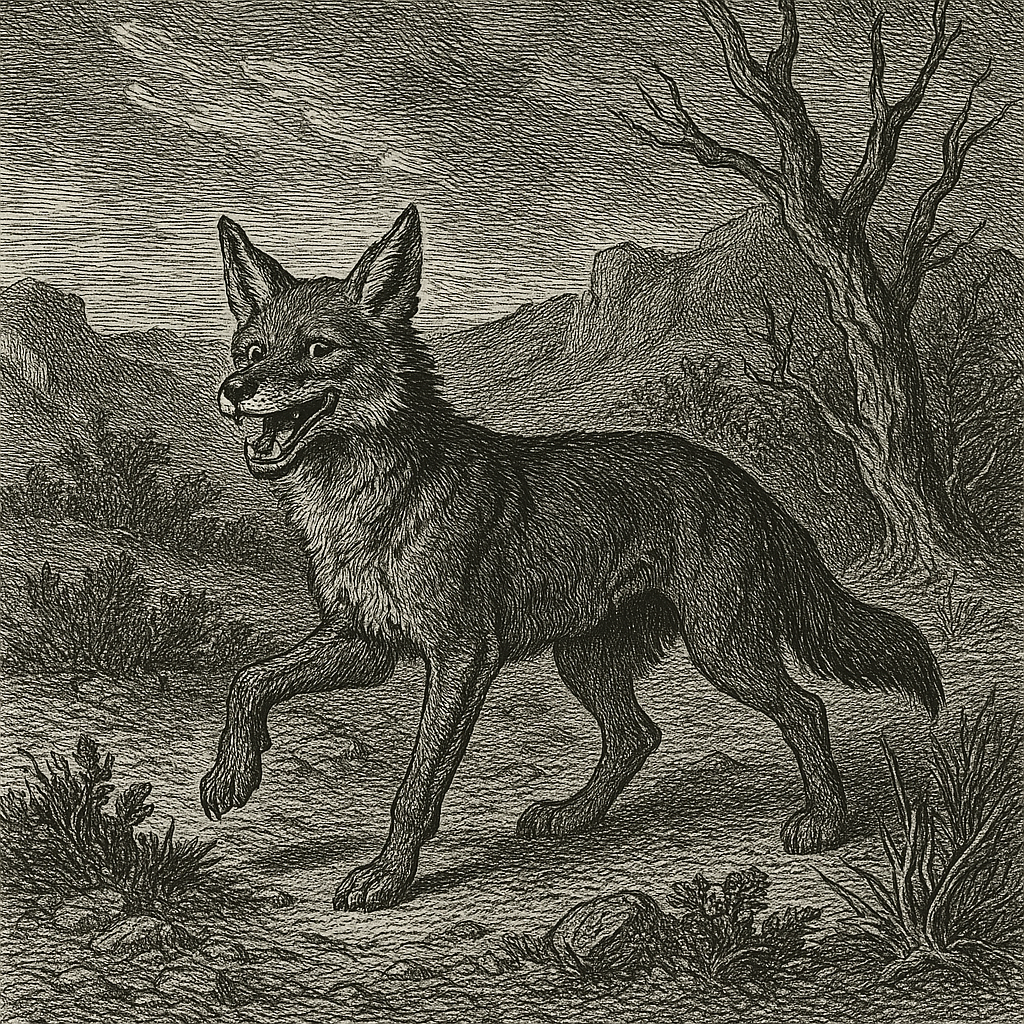
The Trickster embodies the unconscious psyche in its raw, instinctual, and amoral form. In Native American mythologies, the classical Trickster figure —ch
Trickster
·
The Trickster embodies the unconscious psyche in its raw, instinctual, and amoral form. In Native American mythologies, the classical Trickster figure —ch -
is_parent Child ·
Child -
is_parent Self ·
Self -
is_parent Death ·
-
is_parent Exercise 2 ·
Create groups of three people. Choose maximum three archetypes and discuss: how do these archetypes express themselves in myth / book / movie / artpiece of You -
is_parent
Shadow
The Shadow is the unconscious part of the personality rejected by the ego. It contains traits we consider undesirable—aggression, envy, weakness—but-
is_parent
Imposter syndrome
🔒
·
The inner voice saying “I’m a fraud” masks unconscious fear of owning one’s power. The ego clings to a self-image of inadequacy, while p -
is_parent
Traumatic bonding
🔒
·
Traumatic bonding occurs when intense fear and dependence fuse with emotional attachment. “In some cases, the victim may unconsciously internalize or merg -
is_parent one citation 🔒 ·
"The shadow is a living part of the personality and therefore wants to live with it in some form. It cannot be argued out of existence or rationalized away." (C -
is_parent
Imposter syndrome
🔒
·
The inner voice saying “I’m a fraud” masks unconscious fear of owning one’s power. The ego clings to a self-image of inadequacy, while p -
is_parent
Traumatic bonding
🔒
·
Traumatic bonding occurs when intense fear and dependence fuse with emotional attachment. “In some cases, the victim may unconsciously internalize or merg -
is_parent one citation 🔒 ·
"The shadow is a living part of the personality and therefore wants to live with it in some form. It cannot be argued out of existence or rationalized away." (C
-
-
is_parent Anima
Anima-
is_parent Mother 🔒 ·
Mother -
is_parent Wise Old Woman 🔒 ·
Wise Old Woman -
is_parent Maiden 🔒 ·
Maiden -
is_parent Mother 🔒 ·
Mother -
is_parent Wise Old Woman 🔒 ·
Wise Old Woman -
is_parent Maiden 🔒 ·
Maiden
-
-
is_parent Animus
Animus-
is_parent Hero 🔒 ·
Hero -
is_parent Father 🔒 ·
Father -
is_parent Wise Old Man 🔒 ·
Wise Old Man -
is_parent Hero 🔒 ·
Hero -
is_parent Father 🔒 ·
Father -
is_parent Wise Old Man 🔒 ·
Wise Old Man
-
-
is_parent
Trickster
·
The Trickster embodies the unconscious psyche in its raw, instinctual, and amoral form. In Native American mythologies, the classical Trickster figure —ch -
is_parent Child ·
Child -
is_parent Self ·
Self -
is_parent Death ·
-
is_parent Exercise 2 ·
Create groups of three people. Choose maximum three archetypes and discuss: how do these archetypes express themselves in myth / book / movie / artpiece of You
-
-
is_parent
,_RP-P-OB-11.705.jpg) Individuation
🔒
·
In Jungian psychology, individuation is the lifelong process of becoming one’s true self by integrating the conscious and unconscious aspects of the psych
Individuation
🔒
·
In Jungian psychology, individuation is the lifelong process of becoming one’s true self by integrating the conscious and unconscious aspects of the psych -
is_parent
 Projection
🔒
Projection is the unconscious transfer of one's inner content onto others or the outer world. It externalizes traits, desires, fears, or conflicts the ego canno
Projection
🔒
Projection is the unconscious transfer of one's inner content onto others or the outer world. It externalizes traits, desires, fears, or conflicts the ego canno-
is_parent Transference 🔒 ·
Transference is the unconscious redirection of feelings from early relationships onto a present figure.In therapy, it often surfaces as intense emotions projec
-
-
is_parent
 Active imagination
🔒
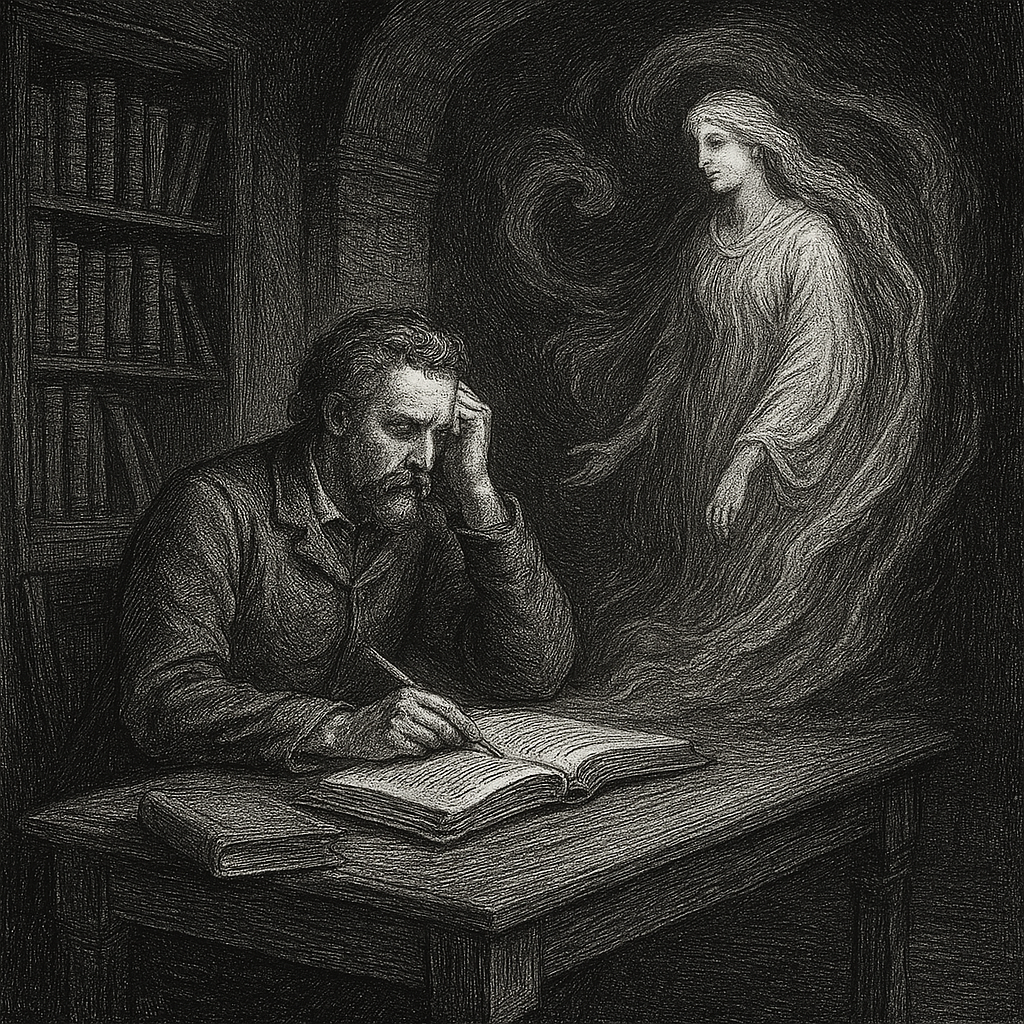
Active imagination is a conscious method of engaging with the unconscious. It begins with a dream image, fantasy, or emotion and unfolds through inner dialogue
Active imagination
🔒
Active imagination is a conscious method of engaging with the unconscious. It begins with a dream image, fantasy, or emotion and unfolds through inner dialogue-
is_parent Exercise: Meeting the Image 🔒 ·
Now starts a brief experiment in active imagination — not to ‘invent’ something, but to let an inner image speak. Don’t force it. We’re not interpreting, just
-
-
-
is_parent Humanistic Psychology ·
Humanistic Psychology -
is_parent Cognitive Psychology ·
Cognitive Psychology -
is_parent Gestalt Psychology ·
Gestalt Psychology -
is_parent Biological Psychology ·
Biological Psychology -
is_parent Evolutionary Psychology ·
Evolutionary Psychology -
is_parent Prenatal and Perinatal Psychology ·
Prenatal and Perinatal Psychology -
is_parent Developmental Psychology ·
Developmental Psychology -
is_parent Social Psychology ·
Social Psychology -
is_parent Cultural Psychology ·
Cultural Psychology -
is_parent Constructivist Psychology ·
Constructivist Psychology -
is_parent Transpersonal Psychology ·
Transpersonal Psychology -
is_parent Neuropsychology ·
Neuropsychology -
is_parent Experimental Psychology ·
-
is_parent Inidividual Psychology ·
Adler's psychology differs from the Freudian standpoint, which bases a person's psychology on sex and libido. Instead, Adler's psychology focuses on the individ -
is_parent
Leaving 19th century
·
Romantic thinkers revived interest in dreams as gateways to the soul and creativity. Inspired by positivist currents (e.g. psychophysics), some early psychologi
-
-
is_parent
Archetypes
“The archetype is a tendency to form such representations of a motif—representations that can vary a great deal in detail without losing their basic-
is_parent
Shadow
The Shadow is the unconscious part of the personality rejected by the ego. It contains traits we consider undesirable—aggression, envy, weakness—but-
is_parent
Imposter syndrome
🔒
·
The inner voice saying “I’m a fraud” masks unconscious fear of owning one’s power. The ego clings to a self-image of inadequacy, while p -
is_parent
Traumatic bonding
🔒
·
Traumatic bonding occurs when intense fear and dependence fuse with emotional attachment. “In some cases, the victim may unconsciously internalize or merg -
is_parent one citation 🔒 ·
"The shadow is a living part of the personality and therefore wants to live with it in some form. It cannot be argued out of existence or rationalized away." (C -
is_parent
Imposter syndrome
🔒
·
The inner voice saying “I’m a fraud” masks unconscious fear of owning one’s power. The ego clings to a self-image of inadequacy, while p -
is_parent
Traumatic bonding
🔒
·
Traumatic bonding occurs when intense fear and dependence fuse with emotional attachment. “In some cases, the victim may unconsciously internalize or merg -
is_parent one citation 🔒 ·
"The shadow is a living part of the personality and therefore wants to live with it in some form. It cannot be argued out of existence or rationalized away." (C
-
-
is_parent Anima
Anima-
is_parent Mother 🔒 ·
Mother -
is_parent Wise Old Woman 🔒 ·
Wise Old Woman -
is_parent Maiden 🔒 ·
Maiden -
is_parent Mother 🔒 ·
Mother -
is_parent Wise Old Woman 🔒 ·
Wise Old Woman -
is_parent Maiden 🔒 ·
Maiden
-
-
is_parent Animus
Animus-
is_parent Hero 🔒 ·
Hero -
is_parent Father 🔒 ·
Father -
is_parent Wise Old Man 🔒 ·
Wise Old Man -
is_parent Hero 🔒 ·
Hero -
is_parent Father 🔒 ·
Father -
is_parent Wise Old Man 🔒 ·
Wise Old Man
-
-
is_parent
Trickster
·
The Trickster embodies the unconscious psyche in its raw, instinctual, and amoral form. In Native American mythologies, the classical Trickster figure —ch -
is_parent Child ·
Child -
is_parent Self ·
Self -
is_parent Death ·
-
is_parent Exercise 2 ·
Create groups of three people. Choose maximum three archetypes and discuss: how do these archetypes express themselves in myth / book / movie / artpiece of You -
is_parent
Shadow
The Shadow is the unconscious part of the personality rejected by the ego. It contains traits we consider undesirable—aggression, envy, weakness—but-
is_parent
Imposter syndrome
🔒
·
The inner voice saying “I’m a fraud” masks unconscious fear of owning one’s power. The ego clings to a self-image of inadequacy, while p -
is_parent
Traumatic bonding
🔒
·
Traumatic bonding occurs when intense fear and dependence fuse with emotional attachment. “In some cases, the victim may unconsciously internalize or merg -
is_parent one citation 🔒 ·
"The shadow is a living part of the personality and therefore wants to live with it in some form. It cannot be argued out of existence or rationalized away." (C -
is_parent
Imposter syndrome
🔒
·
The inner voice saying “I’m a fraud” masks unconscious fear of owning one’s power. The ego clings to a self-image of inadequacy, while p -
is_parent
Traumatic bonding
🔒
·
Traumatic bonding occurs when intense fear and dependence fuse with emotional attachment. “In some cases, the victim may unconsciously internalize or merg -
is_parent one citation 🔒 ·
"The shadow is a living part of the personality and therefore wants to live with it in some form. It cannot be argued out of existence or rationalized away." (C
-
-
is_parent Anima
Anima-
is_parent Mother 🔒 ·
Mother -
is_parent Wise Old Woman 🔒 ·
Wise Old Woman -
is_parent Maiden 🔒 ·
Maiden -
is_parent Mother 🔒 ·
Mother -
is_parent Wise Old Woman 🔒 ·
Wise Old Woman -
is_parent Maiden 🔒 ·
Maiden
-
-
is_parent Animus
Animus-
is_parent Hero 🔒 ·
Hero -
is_parent Father 🔒 ·
Father -
is_parent Wise Old Man 🔒 ·
Wise Old Man -
is_parent Hero 🔒 ·
Hero -
is_parent Father 🔒 ·
Father -
is_parent Wise Old Man 🔒 ·
Wise Old Man
-
-
is_parent
Trickster
·
The Trickster embodies the unconscious psyche in its raw, instinctual, and amoral form. In Native American mythologies, the classical Trickster figure —ch -
is_parent Child ·
Child -
is_parent Self ·
Self -
is_parent Death ·
-
is_parent Exercise 2 ·
Create groups of three people. Choose maximum three archetypes and discuss: how do these archetypes express themselves in myth / book / movie / artpiece of You
-
-
is_parent Psychotherapy ·
Psychoanalysis ::: Analytical Psychology ::: Psychodynamic Therapy ::: Cognitive Behavioral Therapy (CBT) ::: Dialectical Behavior Therapy (DBT) ::: Humanistic -
is_parent Introduction
-
is_parent Formalities ·
who am I who are You is this a course for You ? credits (2 ECTS for >75% attendance, +1 for referat/experiment) Hausarbeit possible need help ? (tutor: a.terzi -
is_parent Matrix room ·
All those who have a UdK account, log in here *:https://medienhaus.udk-berlin.de/classroom and subsequently join the course (#edu-psyche) room: https: -
is_parent
 Context
·
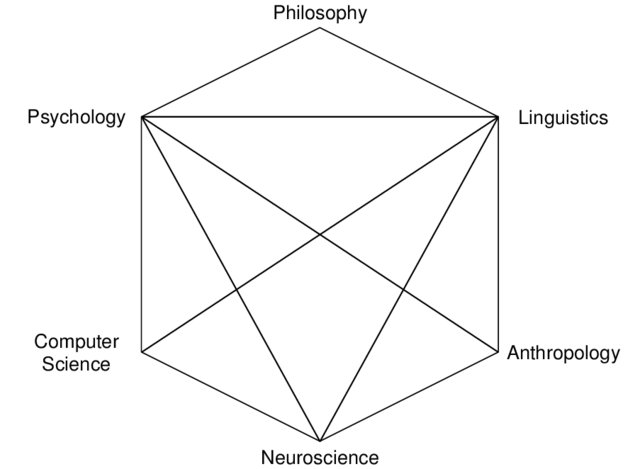
Introduction to Psychology is concluding seminar of "Art, Cognition, Education" (AEC) seminar series. The objective of AEC has been to introduce art students to
Context
·
Introduction to Psychology is concluding seminar of "Art, Cognition, Education" (AEC) seminar series. The objective of AEC has been to introduce art students to -
is_parent Goal ·
Only if the Artist understands the Soul can the Art heal her. -
is_parent Question ·
Take a pen and piece of paper (or ask Your neighbor if You can borrow it) Ask Yourself a question: "Does soul exist ?" Wait a while (cca 3-5 inhale-exhale cycle -
is_parent Glossary
Some words which will be repeated over and over and over again ...-
is_parent Soul 🔒
Homework: Answer the question "What is soul ?"Possible modalities: List of synonyms / associations; Definition; Picture; Formula; Sound-
is_parent
 [Dictionary and Etymology]
🔒
·
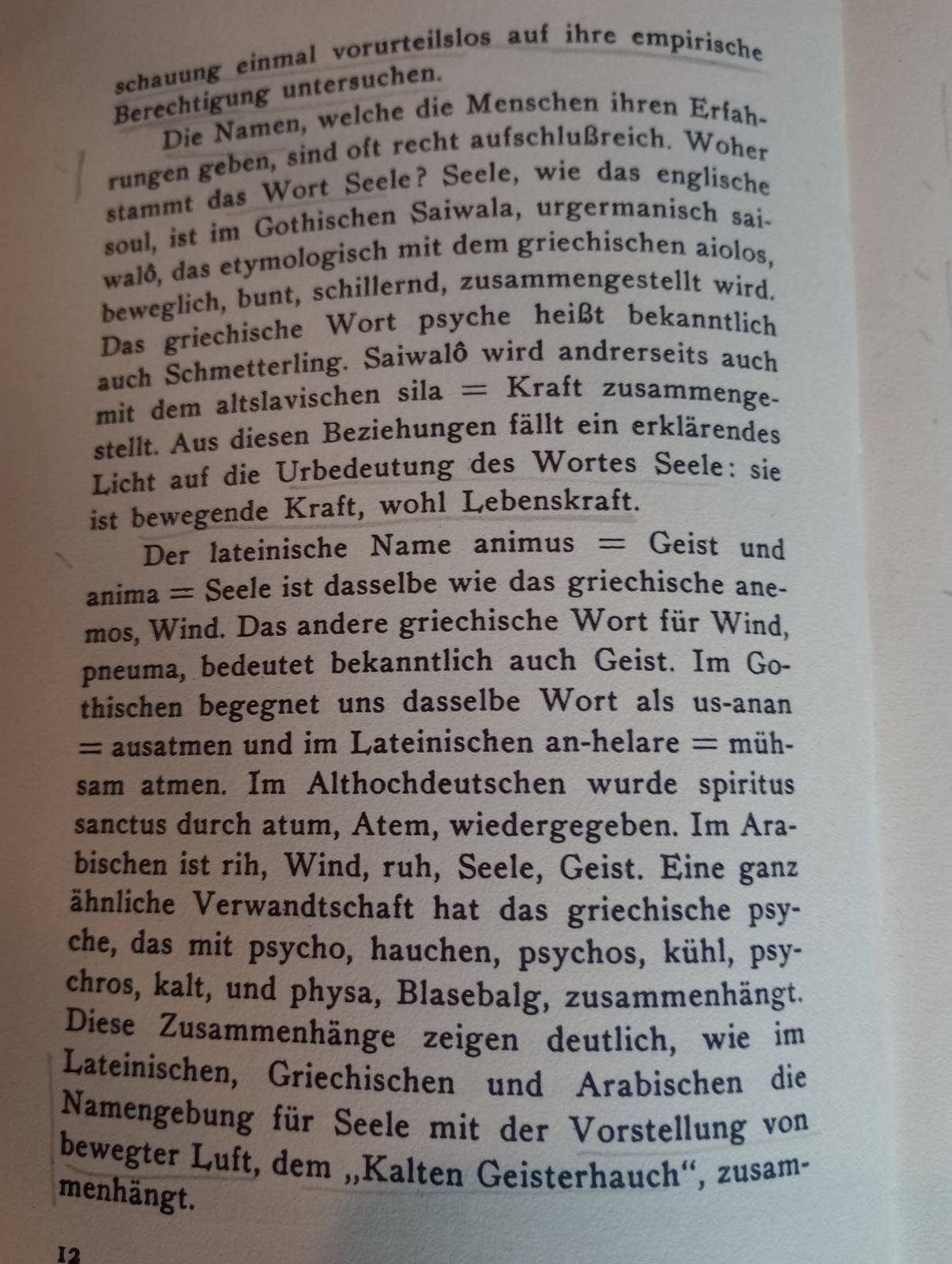
"A substantial entity believed to be that in each person which lives, feels, thinks, and wills" [Century Dictionary], Middle English soule, from Old English saw
[Dictionary and Etymology]
🔒
·
"A substantial entity believed to be that in each person which lives, feels, thinks, and wills" [Century Dictionary], Middle English soule, from Old English saw
-
-
is_parent
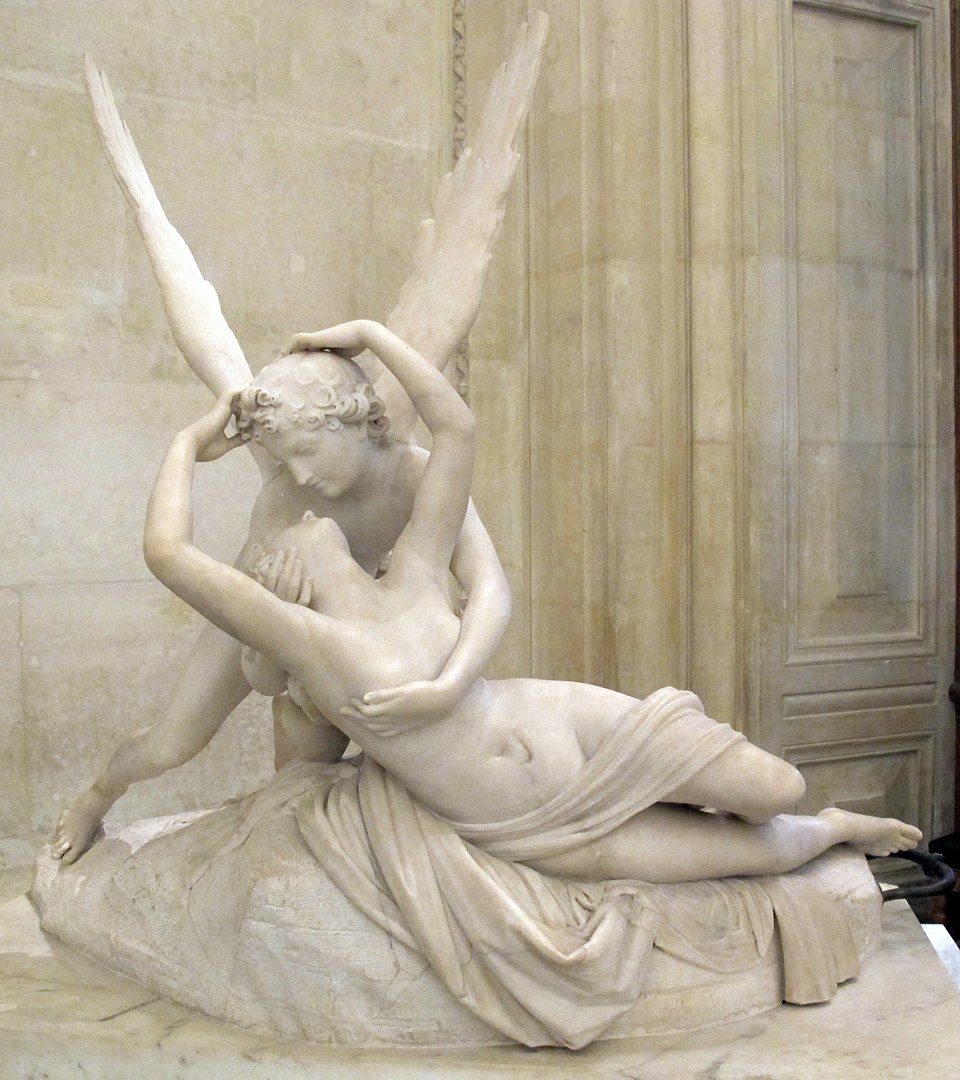 ψυχή = PSYCHE
🔒
·
Greek word meaning: life departed spirit, ghost conscious self, personality butterfly main character of epos Eros & Psyche
ψυχή = PSYCHE
🔒
·
Greek word meaning: life departed spirit, ghost conscious self, personality butterfly main character of epos Eros & Psyche -
is_parent
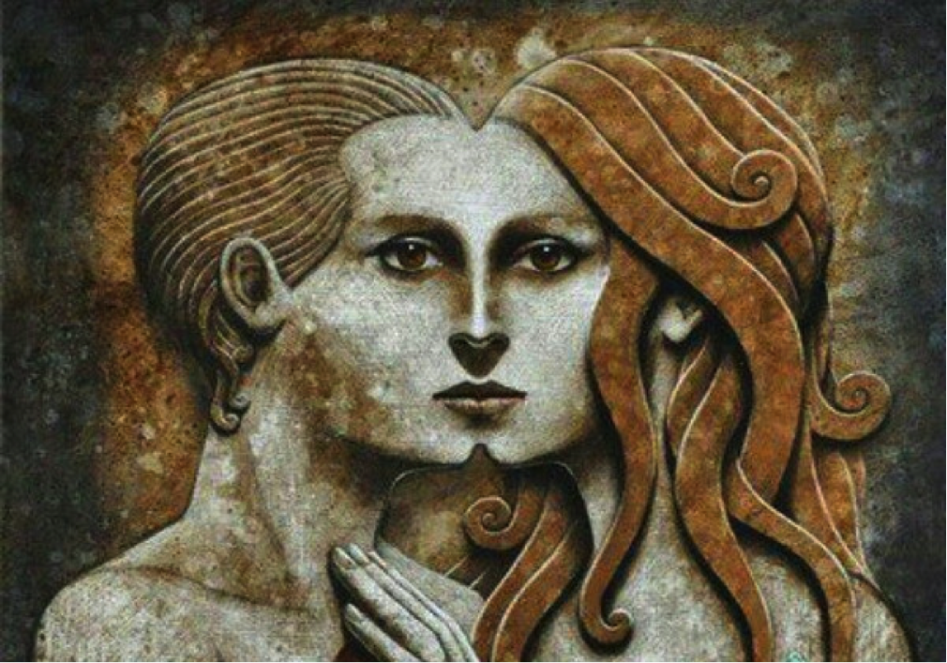 Anima
🔒
·
Borrowed from Latin anima (“a current of air, wind, air, breath, the vital principle, life, soul”), sometimes equivalent to animus (“mind&rdqu
Anima
🔒
·
Borrowed from Latin anima (“a current of air, wind, air, breath, the vital principle, life, soul”), sometimes equivalent to animus (“mind&rdqu -
is_parent
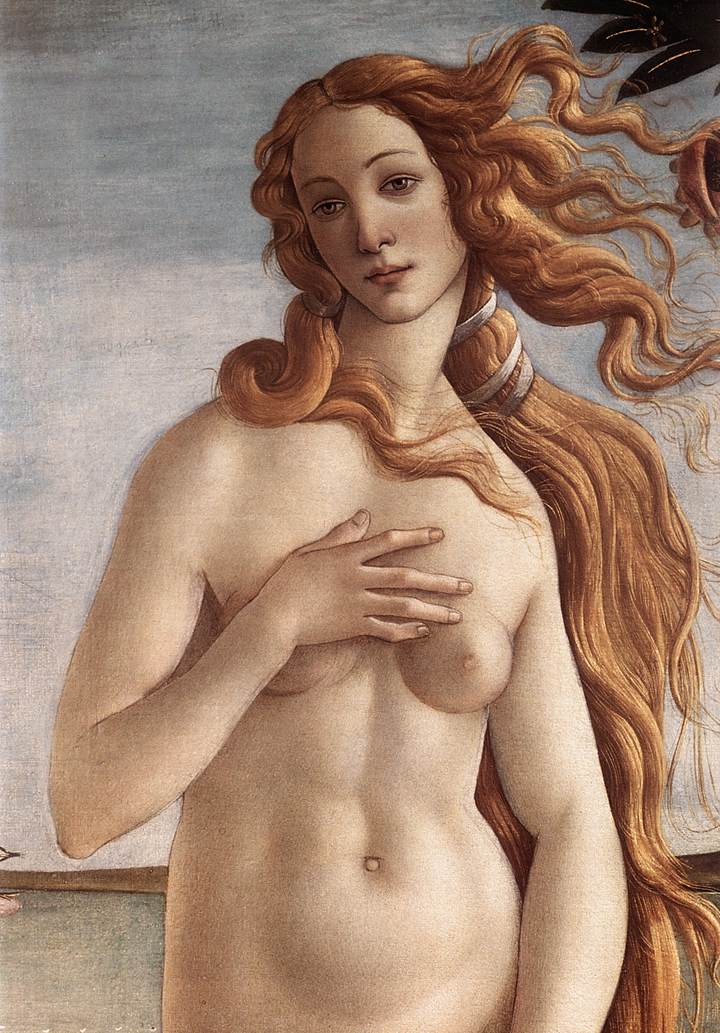 Libido
🔒
·
In Jungian psychology, libido—from Latin libīdō, meaning “desire” or “longing”—refers to the flow of psychic energy that fuels all forms of human motivation, no
Libido
🔒
·
In Jungian psychology, libido—from Latin libīdō, meaning “desire” or “longing”—refers to the flow of psychic energy that fuels all forms of human motivation, no -
is_parent
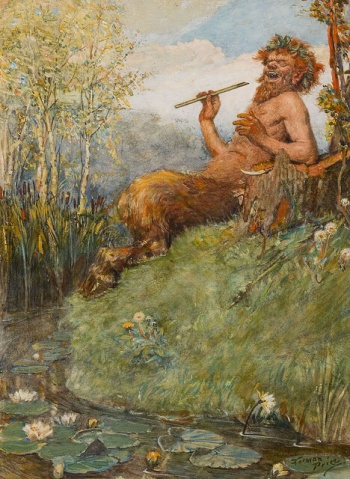 Archetype
🔒
·
An archetype is a universal, inherited pattern or image that resides in the collective unconscious and shapes human experience, thought, and behavior. Archetype
Archetype
🔒
·
An archetype is a universal, inherited pattern or image that resides in the collective unconscious and shapes human experience, thought, and behavior. Archetype -
is_parent
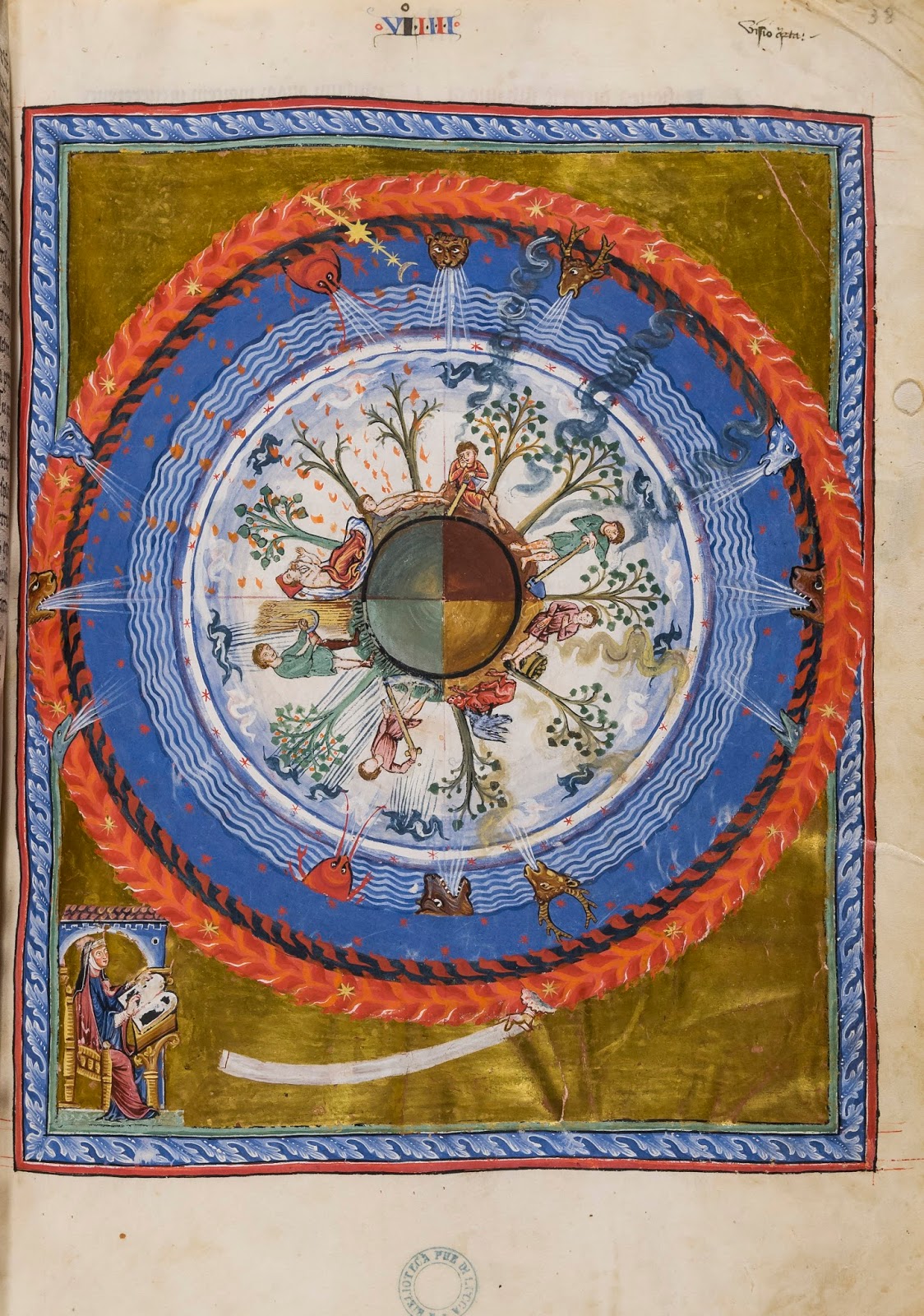 das Selbst
🔒
·
Das Selbst (the Self) is the central archetype and the totality of the psyche, uniting conscious and unconscious elements. It represents the blueprint of wholen
das Selbst
🔒
·
Das Selbst (the Self) is the central archetype and the totality of the psyche, uniting conscious and unconscious elements. It represents the blueprint of wholen -
is_parent
.jpg) das Unbewusste
🔒
·
Das Unbewusste (the unconscious) refers to the vast, hidden realm of the psyche that lies beyond conscious awareness. It includes not only repressed personal ex
das Unbewusste
🔒
·
Das Unbewusste (the unconscious) refers to the vast, hidden realm of the psyche that lies beyond conscious awareness. It includes not only repressed personal ex -
is_parent
Individuation
🔒
·
In Jungian psychology, individuation is the lifelong process of becoming one’s true self by integrating the conscious and unconscious aspects of the psych
-
-
-
is_parent Student Intervention
15 - 30 minutes-
is_parent Referats ·
Soul in judaic and islamic traditions Emma Jung - On the Nature of the Animus and the Anima & The Anima as an Elemental Being Sabina Spielrein - Destruction -
is_parent Experiments ·
Experiments
-
-
is_parent Psychologic Models and Theories
List of most important psychologic models and theories-
is_parent
Renaissance & Early Modern
Renewed interest in Platonism and Hermetic soul cosmologies. Descartes: radical dualism—soul (res cogitans) and body (res extensa). Human soul seen as sea-
is_parent
Cogito ergo sum
🔒
·
"Accordingly, seeing that our senses sometimes deceive us, I was willing to suppose that there existed nothing really such as they presented to us; And because -
is_parent
Cogito ergo sum
🔒
·
"Accordingly, seeing that our senses sometimes deceive us, I was willing to suppose that there existed nothing really such as they presented to us; And because
-
-
is_parent
Empiricism and Materialism
Soul increasingly reduced to observable mental or bodily processes. Locke: denies innate ideas—soul as tabula rasa, a passive receiver. Start of the NATURE / N-
is_parent Associationism 🔒 ·
Soul or mind functions through the association of ideas. David Hartley: vibrations in nerves correspond to mental associations. Mind explained through natural l -
is_parent
L'homme machine
🔒
·
The human body is a machine which winds its own springs. It is the living image of perpetual movement. Without food, the soul pines away, goes mad, an -
is_parent Associationism 🔒 ·
Soul or mind functions through the association of ideas. David Hartley: vibrations in nerves correspond to mental associations. Mind explained through natural l -
is_parent
L'homme machine
🔒
·
The human body is a machine which winds its own springs. It is the living image of perpetual movement. Without food, the soul pines away, goes mad, an
-
-
is_parent
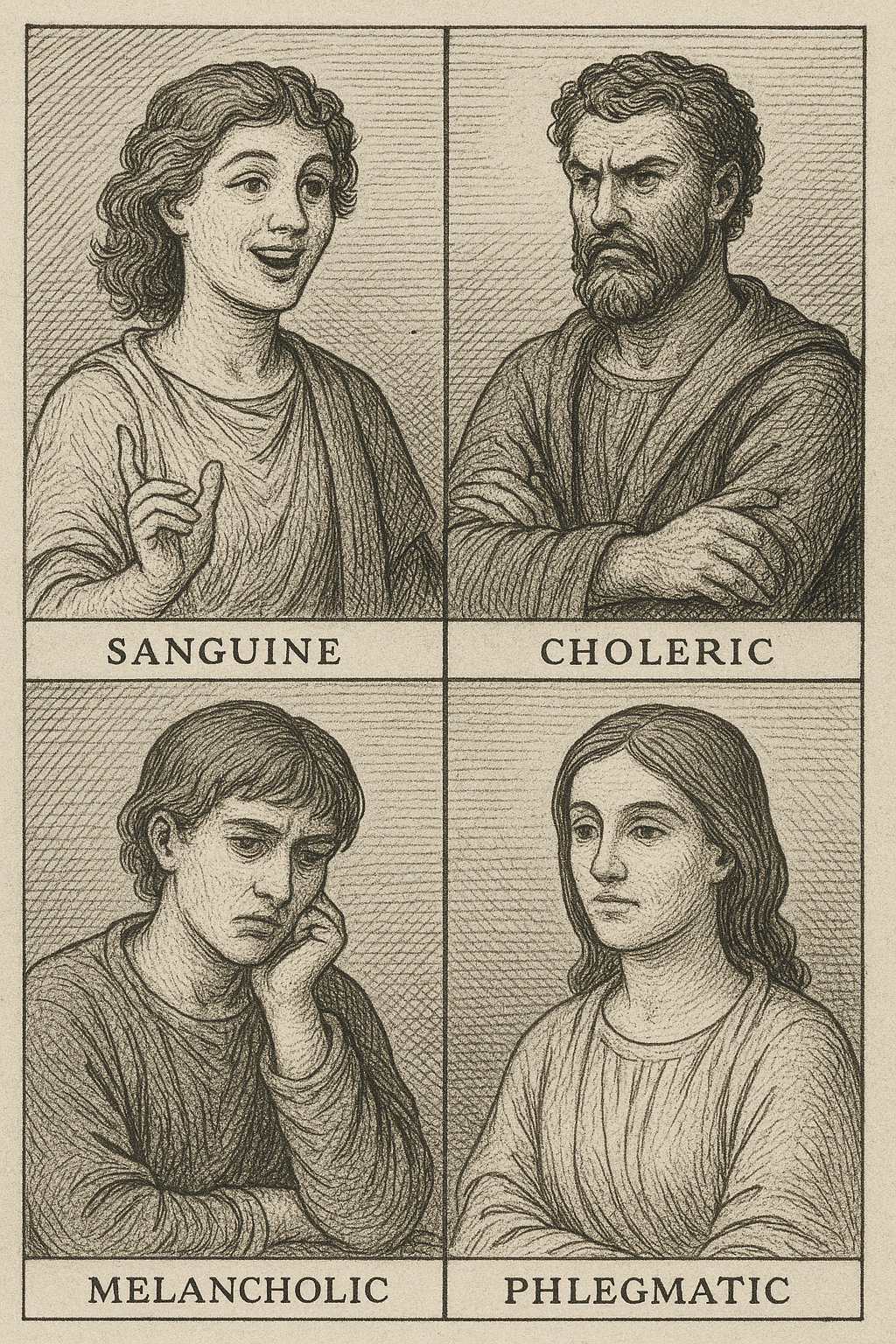 Four Temperament Theory
The four temperaments originate in Ancient Greek medicine. Hippocrates (5th century BCE) proposed that health and personality are governed by four bodily fluids
Four Temperament Theory
The four temperaments originate in Ancient Greek medicine. Hippocrates (5th century BCE) proposed that health and personality are governed by four bodily fluids-
is_parent
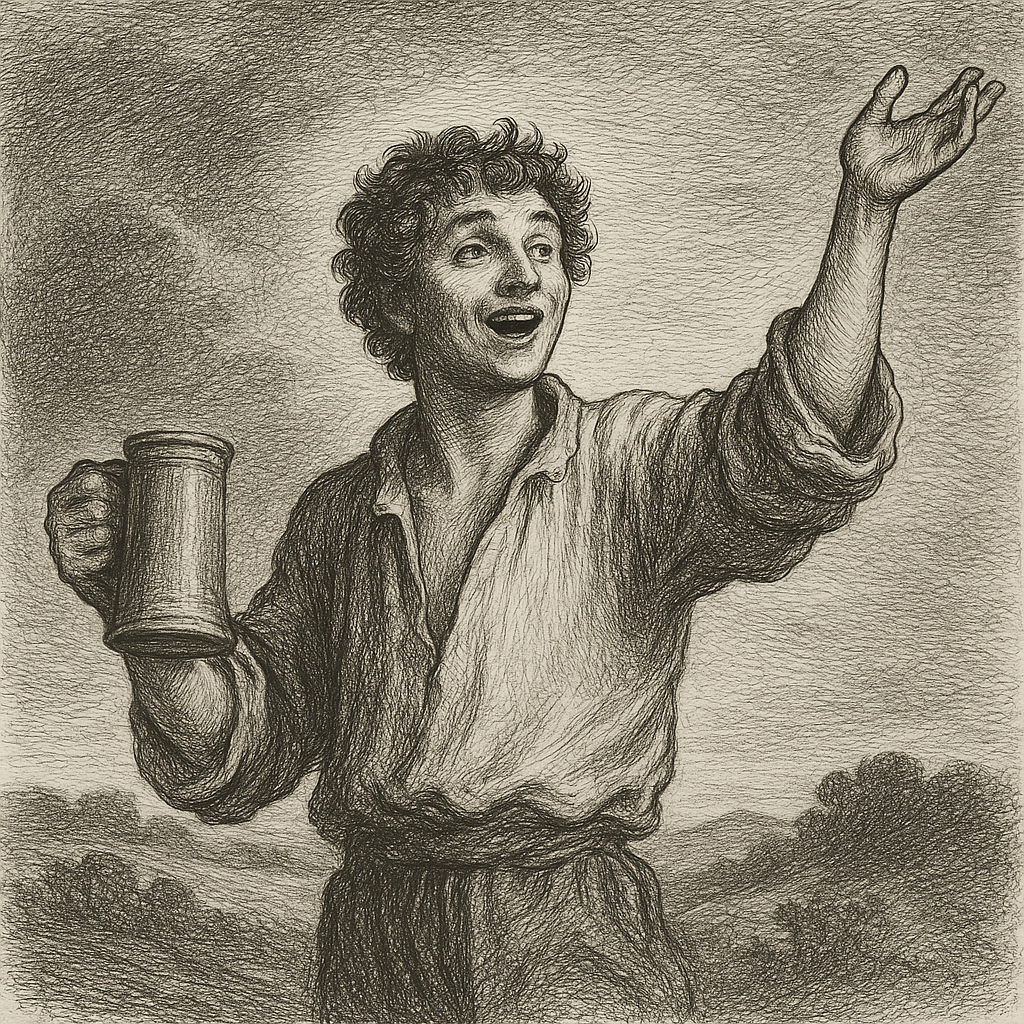 Sanguinic
🔒
·
Element: Air Qualities: Warm and moist Personality: Social, energetic, talkative, lively, optimistic Behavior: Enjoys people, easily distracted, creative, forge
Sanguinic
🔒
·
Element: Air Qualities: Warm and moist Personality: Social, energetic, talkative, lively, optimistic Behavior: Enjoys people, easily distracted, creative, forge -
is_parent
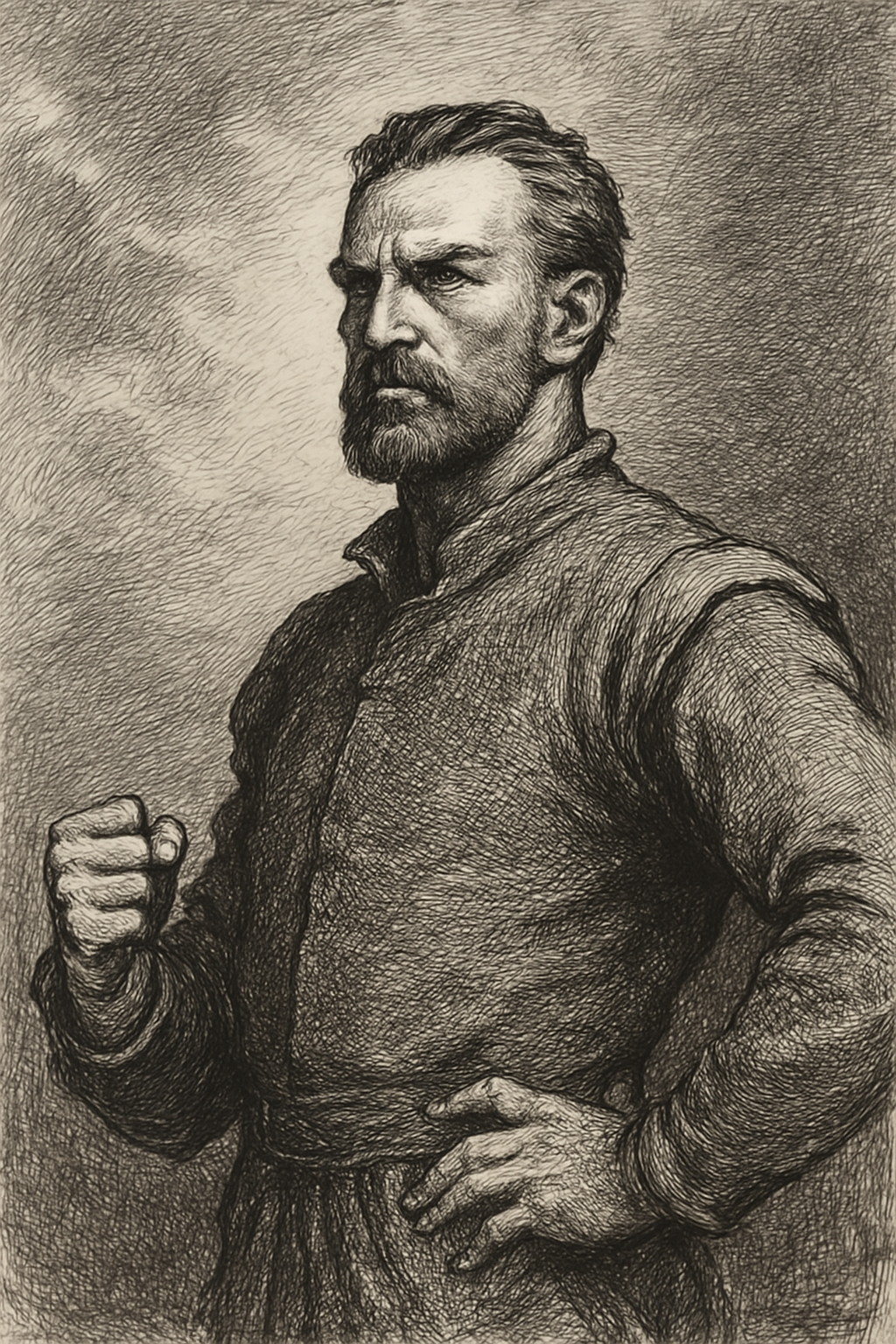 Choleric
🔒
·
Element: Fire Qualities: Warm and dry Humor: Yellow bile Personality: Ambitious, leader-like, passionate, easily angered Behavior: Goal-oriented, confident, ag
Choleric
🔒
·
Element: Fire Qualities: Warm and dry Humor: Yellow bile Personality: Ambitious, leader-like, passionate, easily angered Behavior: Goal-oriented, confident, ag -
is_parent
 Melancholic
🔒
·
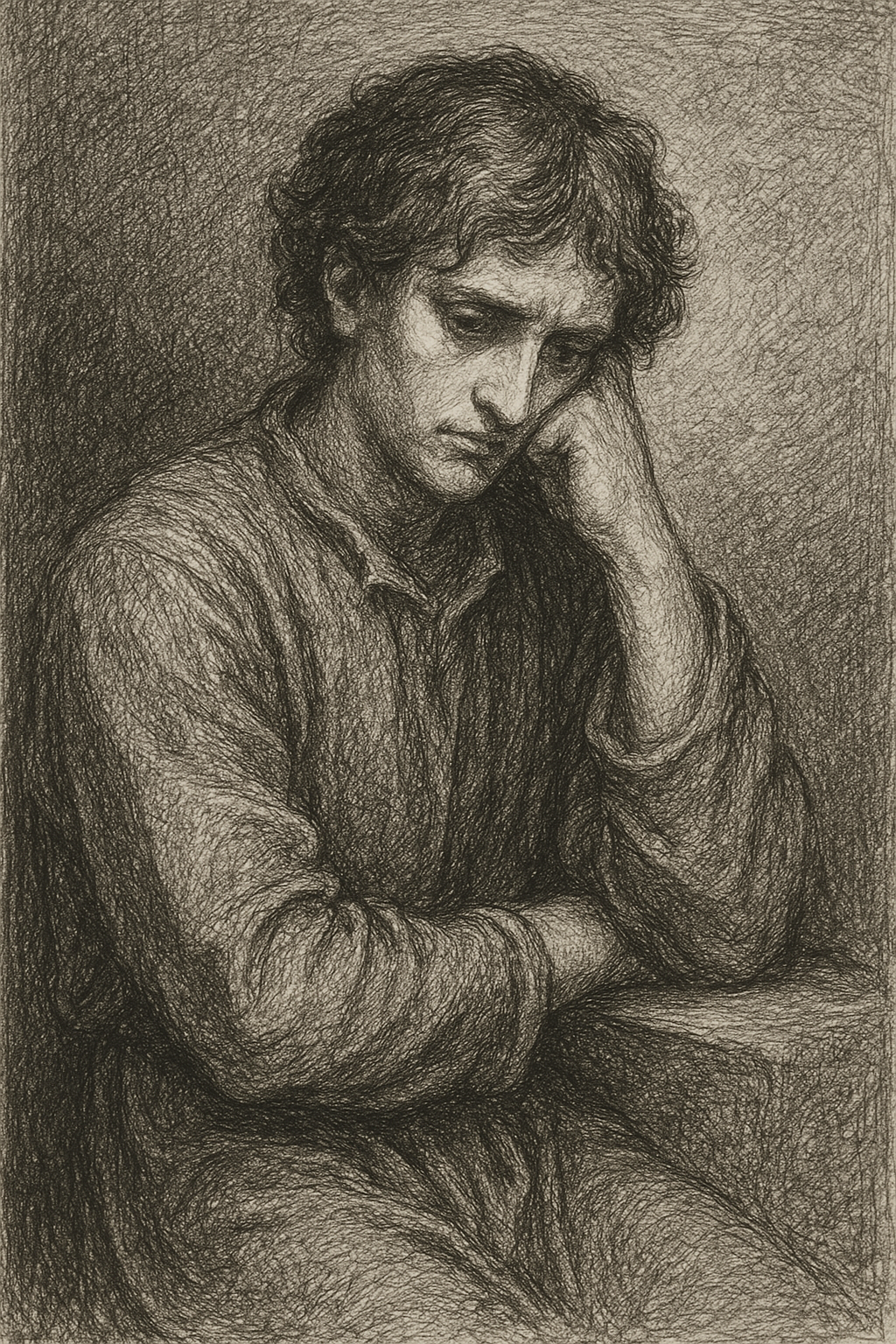
Element: Earth Qualities: Cold and dry Humor: Black bile Personality: Thoughtful, introspective, detail-oriented, serious Behavior: Prone to sadness, perfectio
Melancholic
🔒
·
Element: Earth Qualities: Cold and dry Humor: Black bile Personality: Thoughtful, introspective, detail-oriented, serious Behavior: Prone to sadness, perfectio -
is_parent
 Phlegmatic
🔒
·
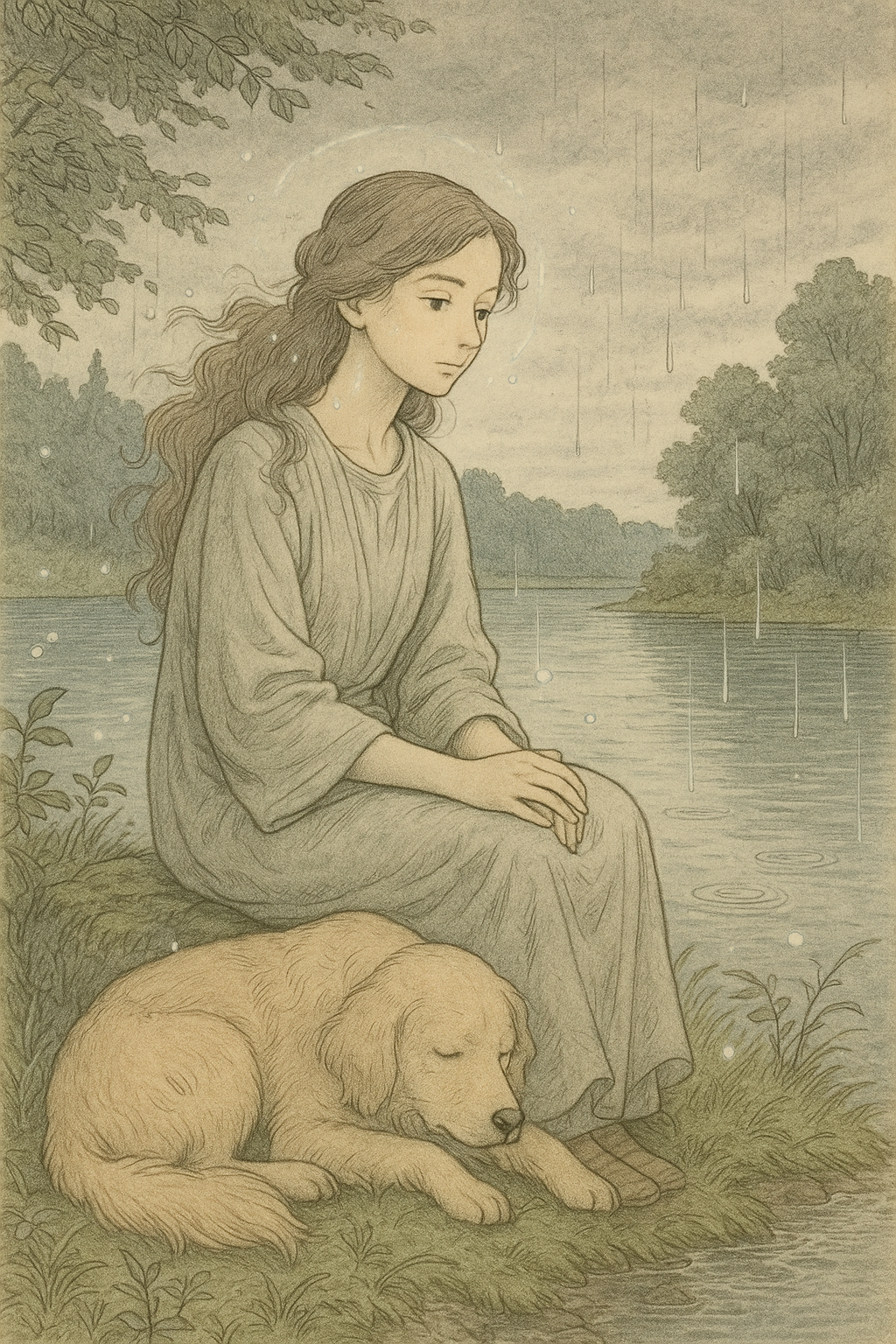
Element: Water Qualities: Cold and moist Humor: Phlegm Personality: Calm, kind, peaceful, reliable Behavior: Avoids conflict, patient, compassionate, steady, s
Phlegmatic
🔒
·
Element: Water Qualities: Cold and moist Humor: Phlegm Personality: Calm, kind, peaceful, reliable Behavior: Avoids conflict, patient, compassionate, steady, s -
is_parent Questionnaire 0 🔒
We’ll explore a simple two-question tool to reflect on your temperament. 1. Energy Direction (E or I):E = I gain energy from being active, social, or in groups-
is_parent
_illustration_Alchemic_approach_to_four_humors_in_relation_to_the_four_elements_and_zodiacal_signs.jpg) Solution
🔒
·
GPT4o maps the 2 x 2 "answer space" onto the 4-temperament space in a following manner:EF → Sanguine: Energetic, social, expressiveEA → Choleric: Driven, asser
Solution
🔒
·
GPT4o maps the 2 x 2 "answer space" onto the 4-temperament space in a following manner:EF → Sanguine: Energetic, social, expressiveEA → Choleric: Driven, asser
-
-
-
is_parent
 Phrenology
·
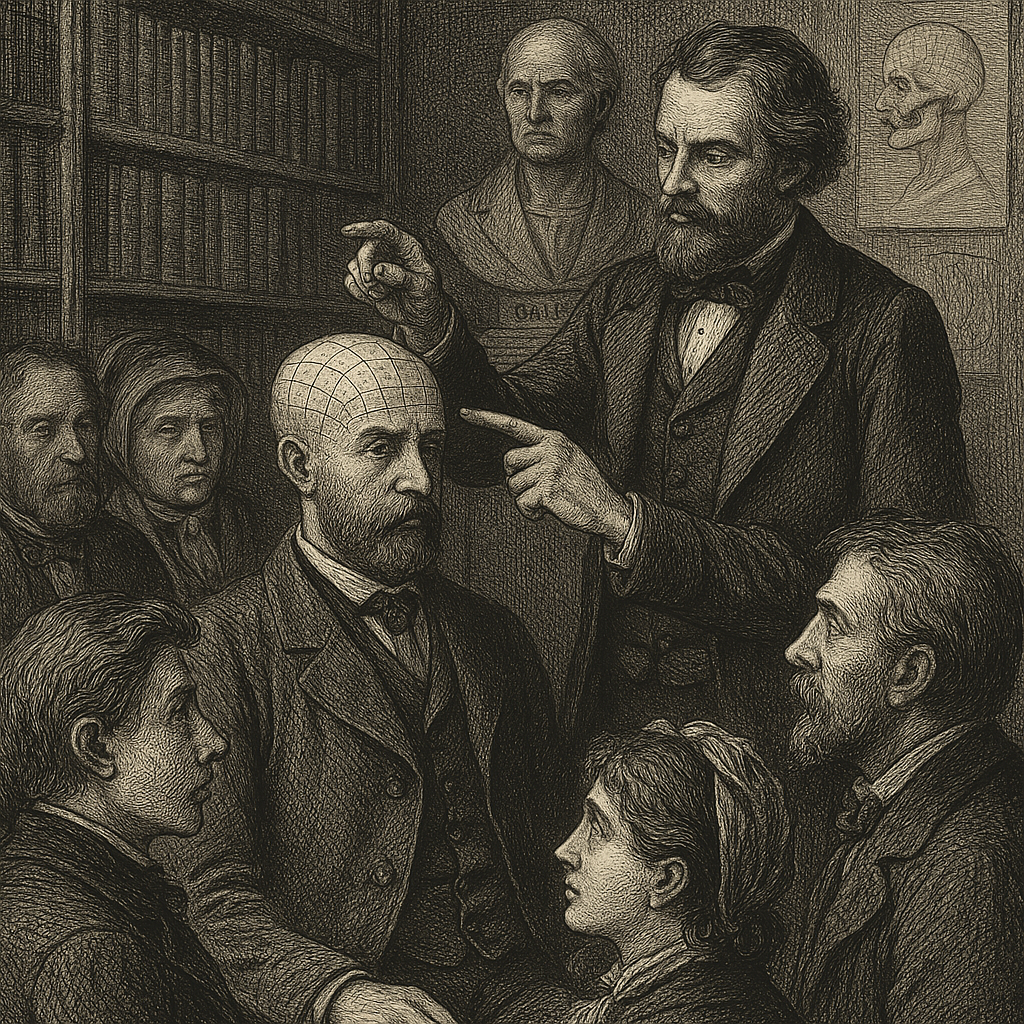
Franz Joseph Gall proposed that mental faculties were localized in the brain.Bumps on the skull supposedly indicated personality traits.Phrenology gained popul
Phrenology
·
Franz Joseph Gall proposed that mental faculties were localized in the brain.Bumps on the skull supposedly indicated personality traits.Phrenology gained popul -
is_parent
 Psychophysics
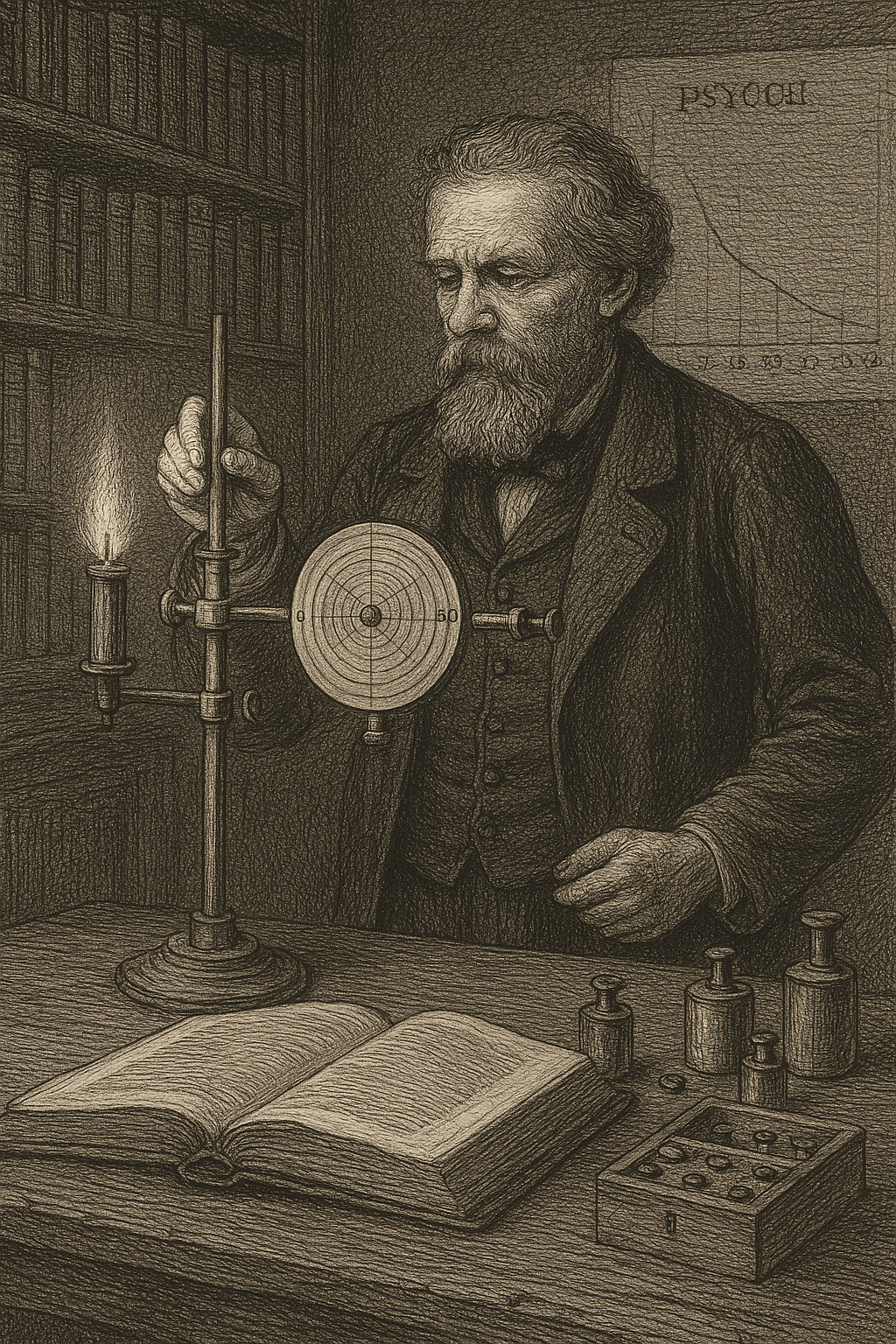
Gustav Fechner studied the quantitative relationship between stimulus and sensation. "psycho-physics is an exact doctrine of the relation of function or depende
Psychophysics
Gustav Fechner studied the quantitative relationship between stimulus and sensation. "psycho-physics is an exact doctrine of the relation of function or depende-
is_parent
 Weber-Fechner's Law
🔒
·
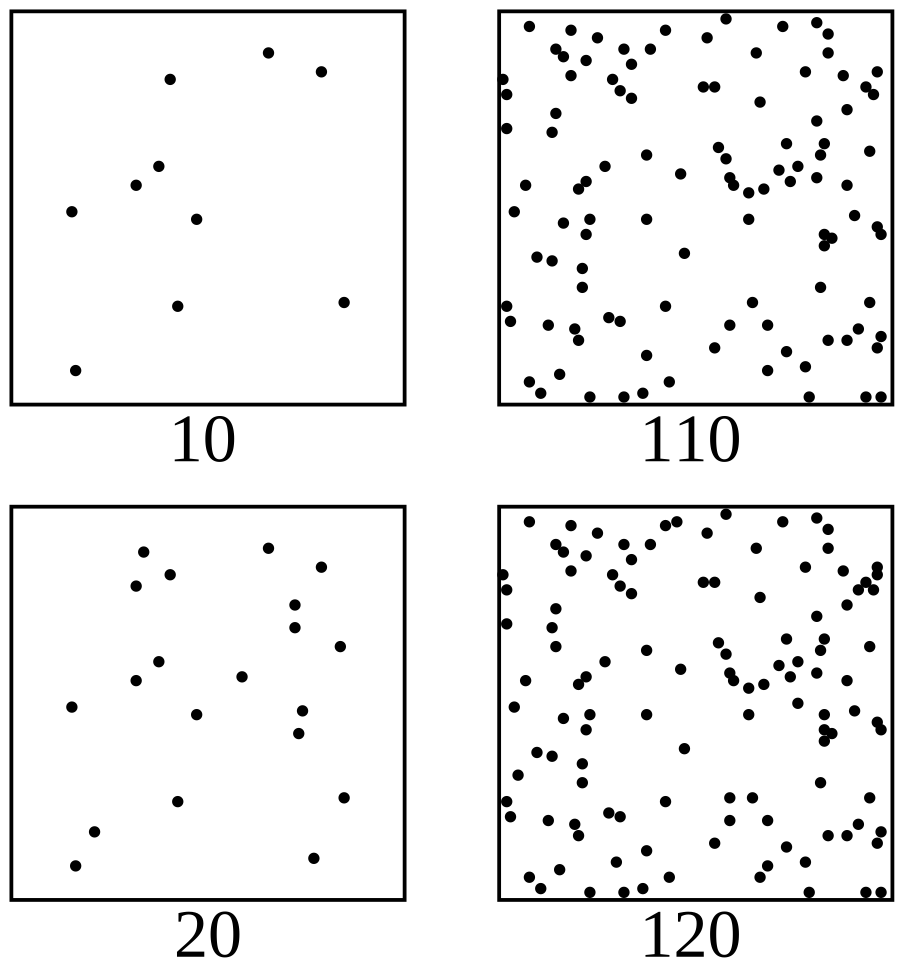
Weber's Law: The minimum increase of stimulus which will produce a perceptible increase of sensation is proportional to the pre-existent stimulus
Weber-Fechner's Law
🔒
·
Weber's Law: The minimum increase of stimulus which will produce a perceptible increase of sensation is proportional to the pre-existent stimulus
-
-
is_parent
 Experimental Memory Research
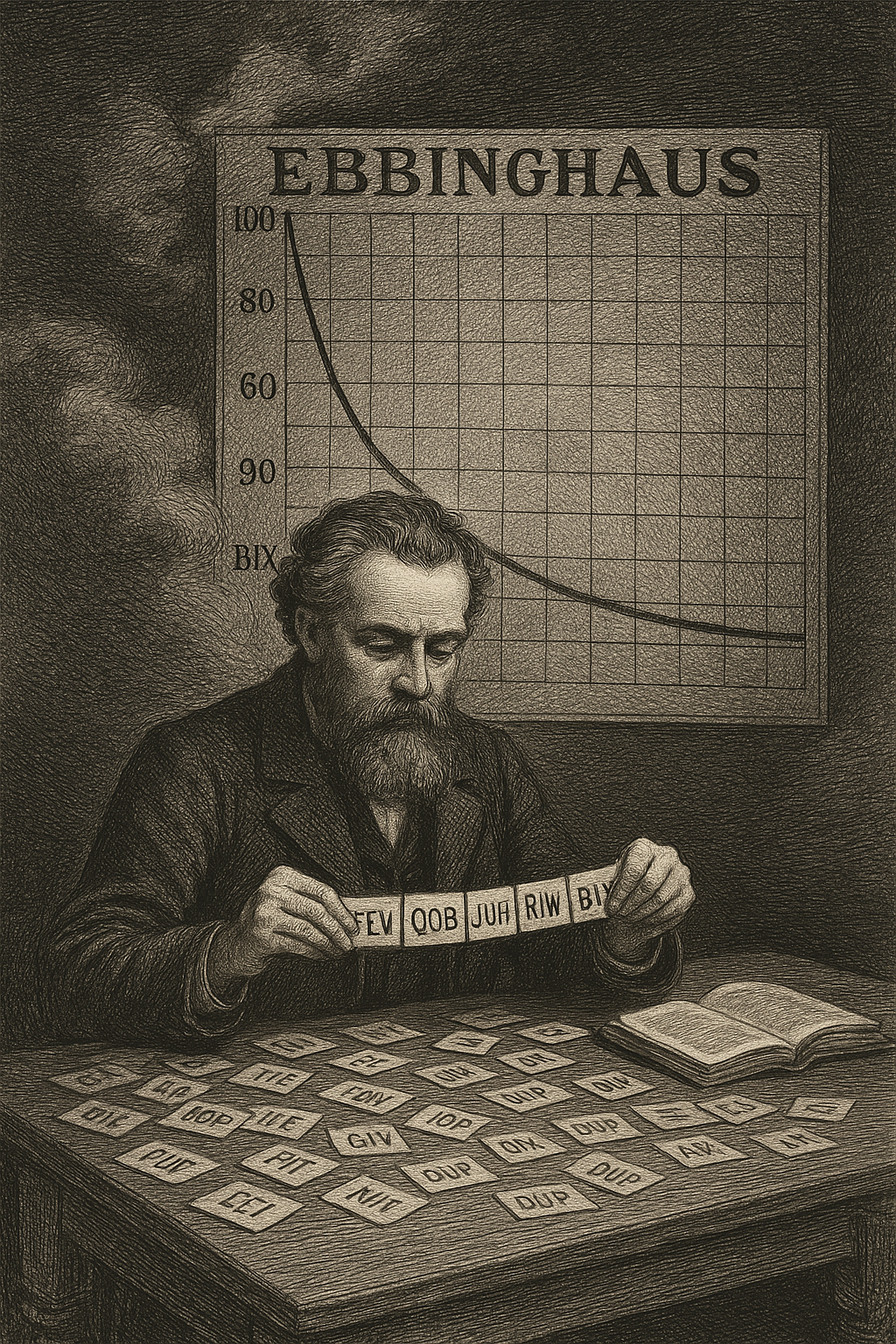
Hermann Ebbinghaus pioneered systematic study of memory.Used nonsense syllables to avoid prior associations. Identified the forgetting curve and spacing effect
Experimental Memory Research
Hermann Ebbinghaus pioneered systematic study of memory.Used nonsense syllables to avoid prior associations. Identified the forgetting curve and spacing effect-
is_parent
 Forgetting curve
🔒
·
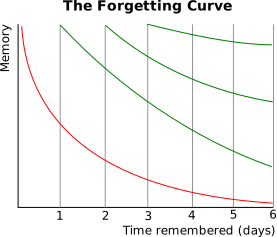
Describes how information is lost over time when there is no attempt to retain it. The curve shows a steep drop in memory shortly after learning, then a slower
Forgetting curve
🔒
·
Describes how information is lost over time when there is no attempt to retain it. The curve shows a steep drop in memory shortly after learning, then a slower -
is_parent
 Serial Position Effect
🔒
·
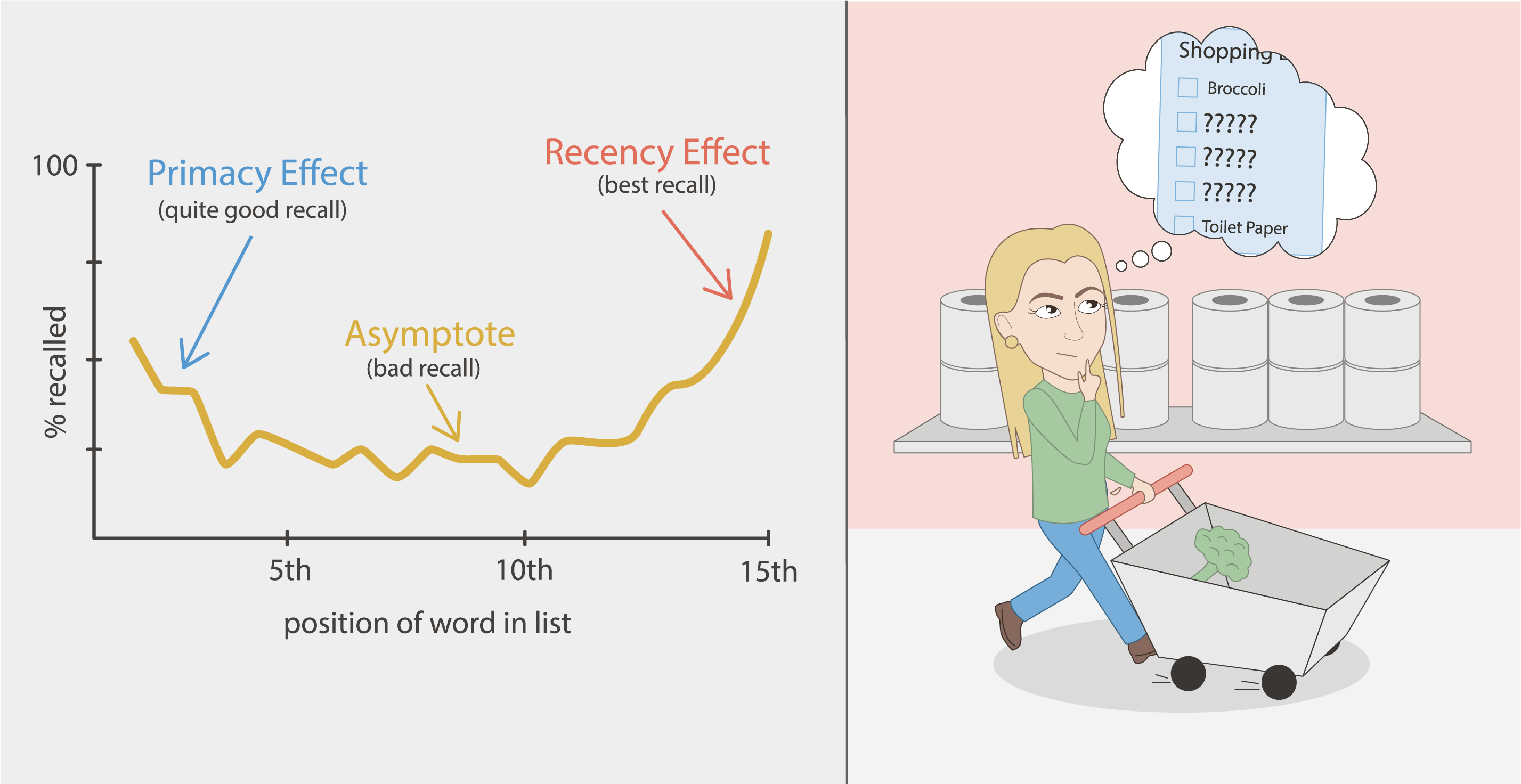
Discovered by Hermann Ebbinghaus and later formalized by modern memory researchers.Describes how the position of an item in a sequence affects its likelihood o
Serial Position Effect
🔒
·
Discovered by Hermann Ebbinghaus and later formalized by modern memory researchers.Describes how the position of an item in a sequence affects its likelihood o
-
-
-