Kastalia Knowledge Management System · Glasperlenspiel template · knot 1135
Defining criteria of an intelligence
Gardner identifies several key criteria that a cognitive ability must meet to be considered an intelligence:
Potential Isolation by Brain Damage
Existence of Savants, Prodigies, and Other Exceptional Individuals
An Identifiable Core Operation or Set of Operations
A Distinct Developmental Trajectory
An Evolutionary History and Evolutionary Plausibility
Support from Experimental Psychological Tasks
Support from Psychometric Findings
Susceptibility to Encoding in a Symbol System
Ancestors (1 superordinated path)
root/
baumhaus.digital/
Art, Cognition, Education/
Human and arti(ficial|stic) intelligence/
Session 3 :: Form(s) of intelligence/
Theory of Multiple Intelligences/
Defining criteria of an intelligence
Descendants (at least 10 branches originate here)
-
Defining criteria of an intelligence
Gardner identifies several key criteria that a cognitive ability must meet to be considered an intelligence: Potential Isolation by Brain DamageExistence of Sav-
is_parent
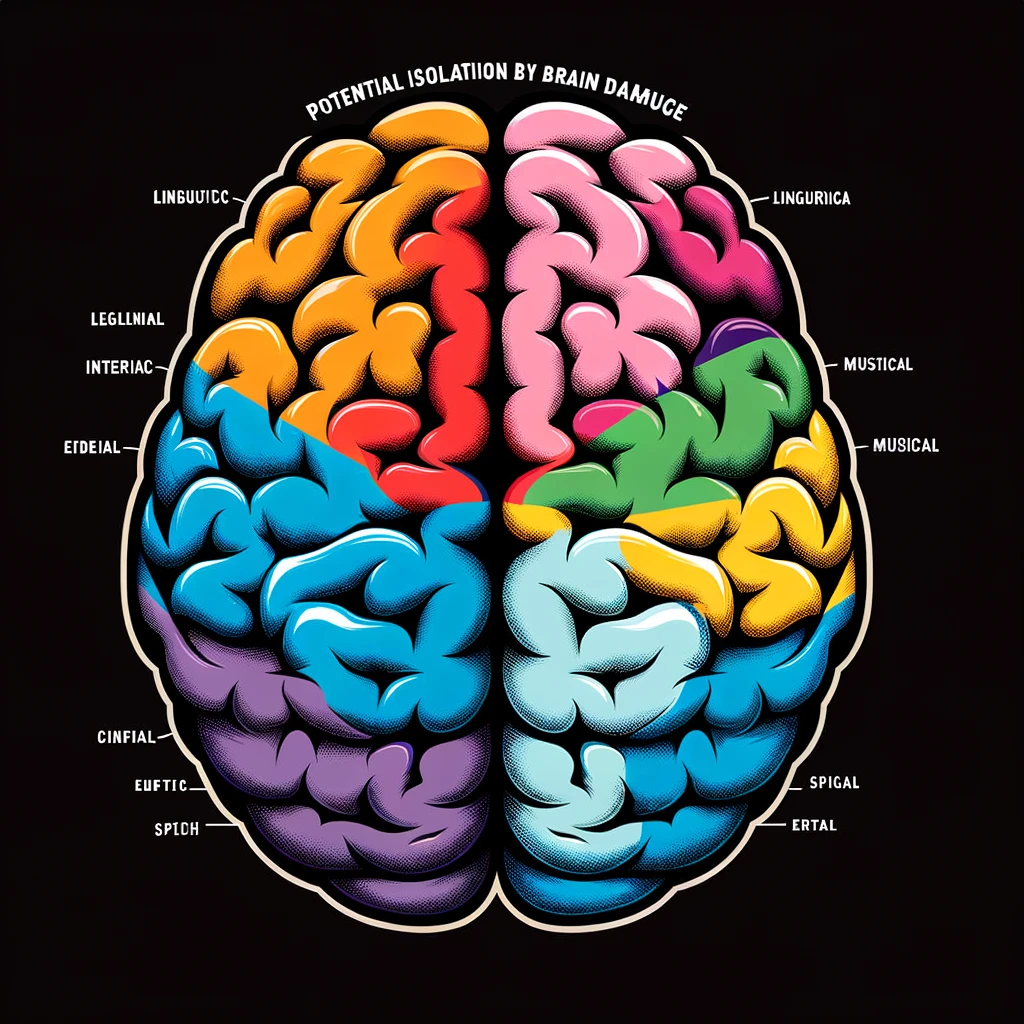 Potential Isolation by Brain Damage
The criterion "Potential Isolation by Brain Damage" refers to the notion that distinct intelligences can be independently affected by brain damage. This means t
Potential Isolation by Brain Damage
The criterion "Potential Isolation by Brain Damage" refers to the notion that distinct intelligences can be independently affected by brain damage. This means t-
is_parent The story of Phineas Gage ·
Phineas P. Gage (1823–1860) was an American railroad construction foreman remembered for his improbable survival of an accident in which a large iron rod was dr
-
-
is_parent
 Existence of Savants, Prodigies, and Other Exceptional Individuals
·
The criterion "Existence of Savants, Prodigies, and Other Exceptional Individuals" highlights the presence of individuals with extraordinary abilities in specif
Existence of Savants, Prodigies, and Other Exceptional Individuals
·
The criterion "Existence of Savants, Prodigies, and Other Exceptional Individuals" highlights the presence of individuals with extraordinary abilities in specif -
is_parent
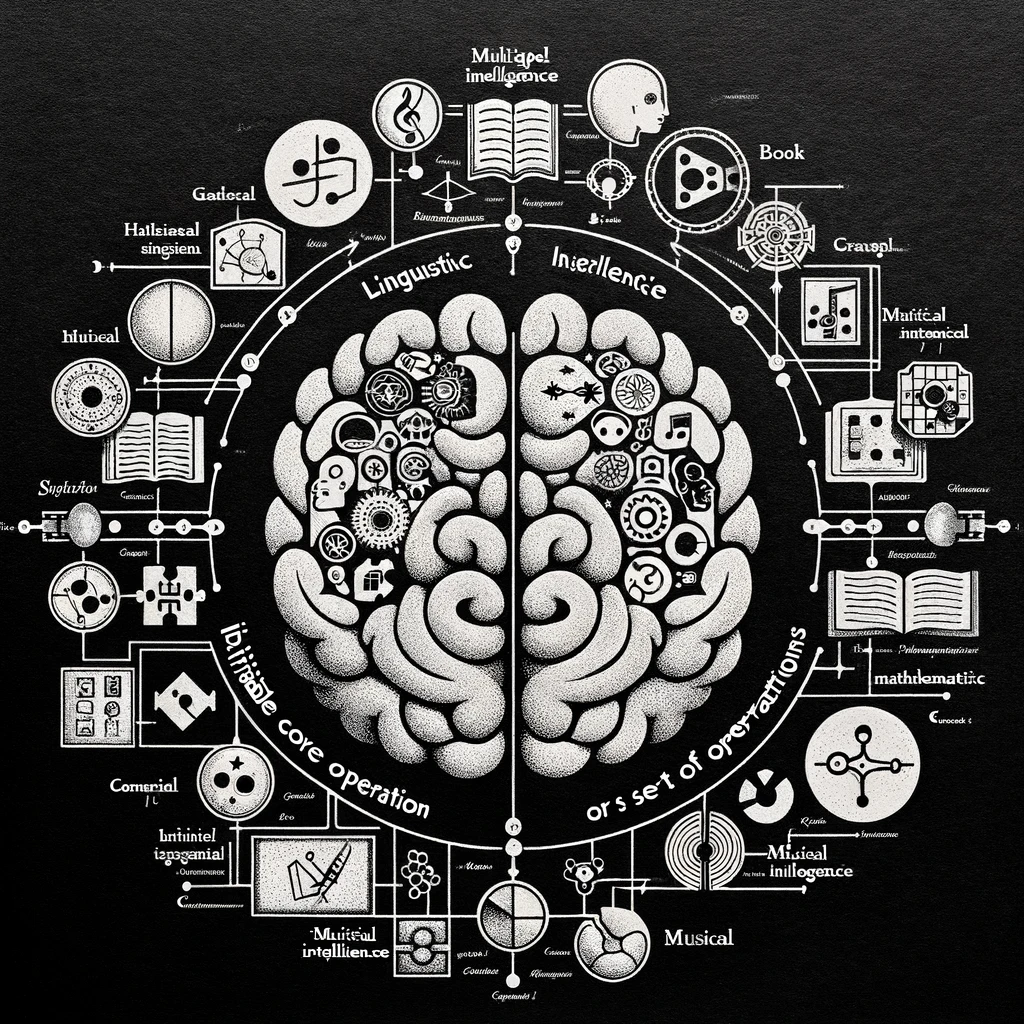 An Identifiable Core Operation or Set of Operations
·
This criterion posits that each type of intelligence must have a core set of cognitive processes or operations. For example, linguistic intelligence involves op
An Identifiable Core Operation or Set of Operations
·
This criterion posits that each type of intelligence must have a core set of cognitive processes or operations. For example, linguistic intelligence involves op -
is_parent
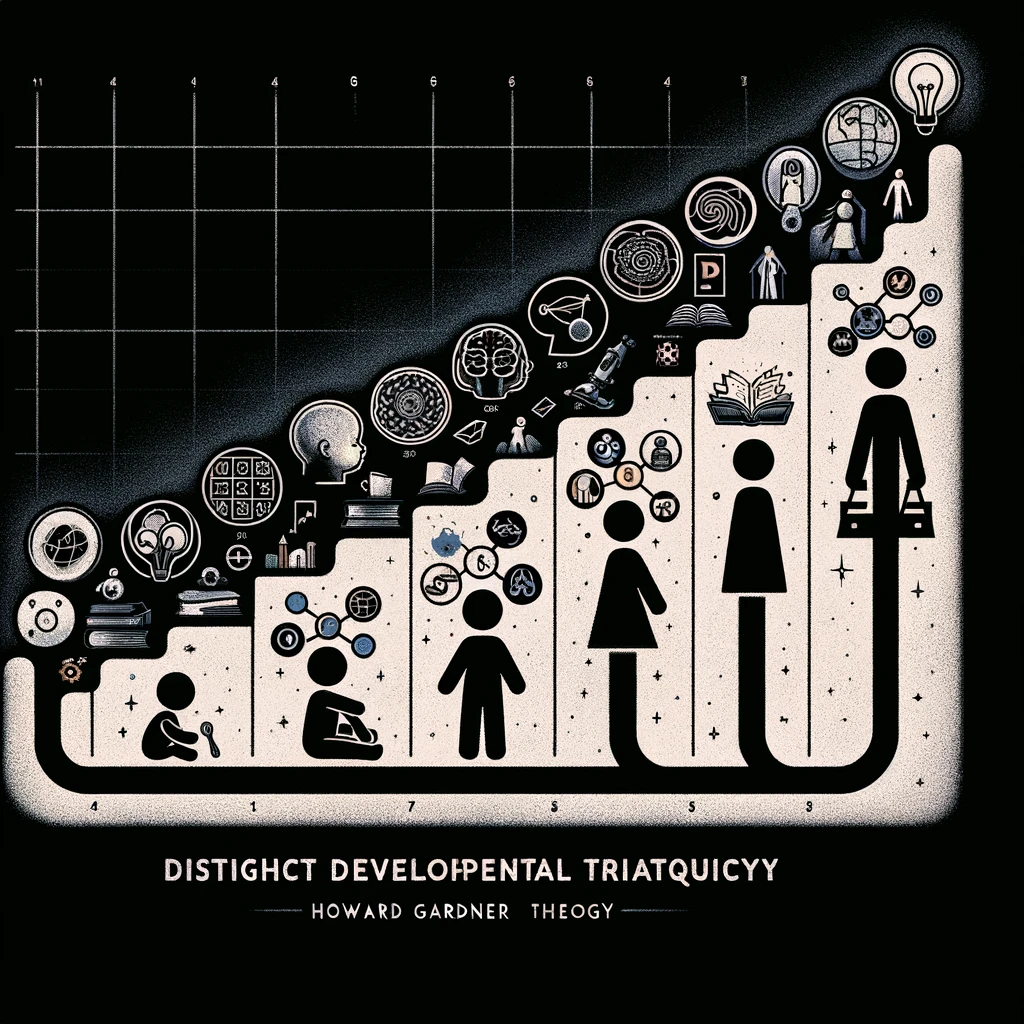 Distinct Developmental Trajectory
·
Each intelligence has its own unique developmental trajectory. This means that these intelligences emerge and develop at different stages and rates in an indivi
Distinct Developmental Trajectory
·
Each intelligence has its own unique developmental trajectory. This means that these intelligences emerge and develop at different stages and rates in an indivi -
is_parent
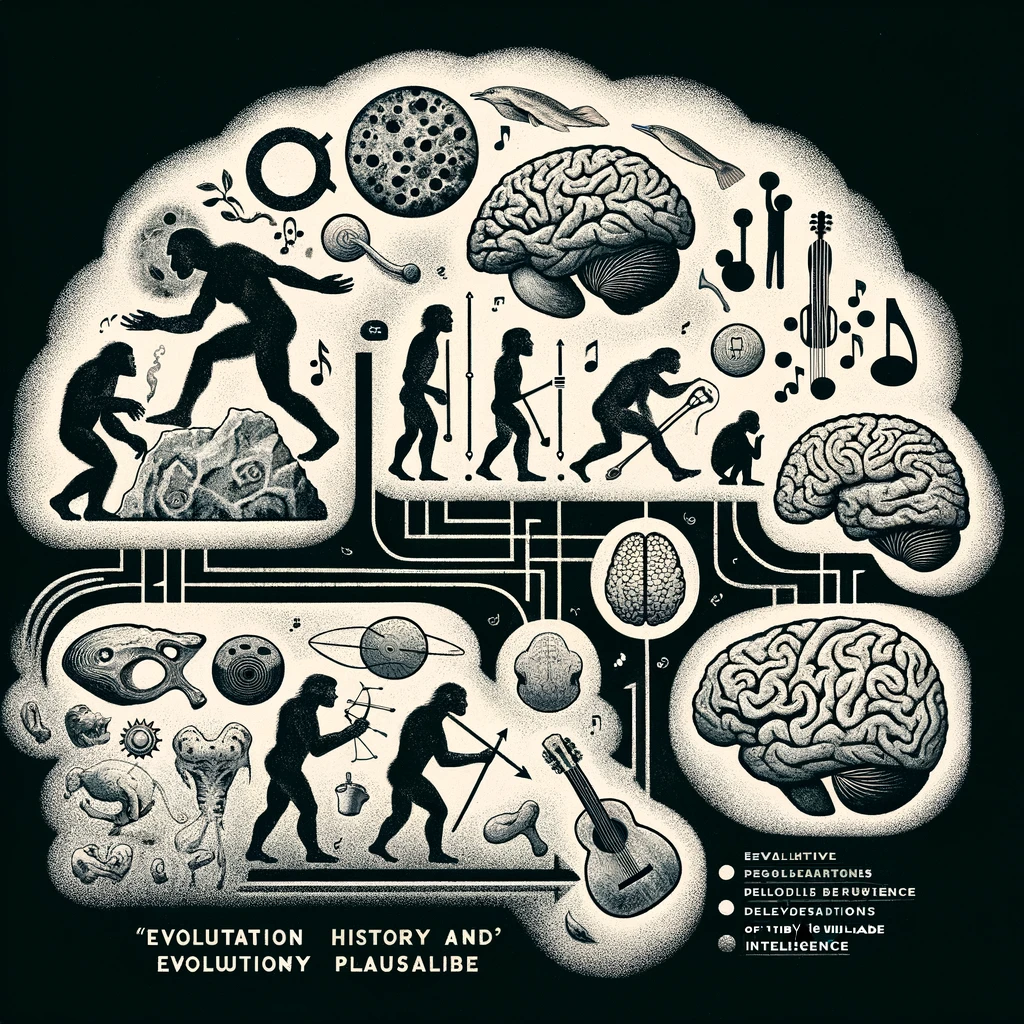 Evolutionary history and evolutionary plausibility
·
Criterion of evolutionary history and plausibility suggests that each intelligence has evolved to solve specific problems faced by our ancestors. For example, s
Evolutionary history and evolutionary plausibility
·
Criterion of evolutionary history and plausibility suggests that each intelligence has evolved to solve specific problems faced by our ancestors. For example, s -
is_parent
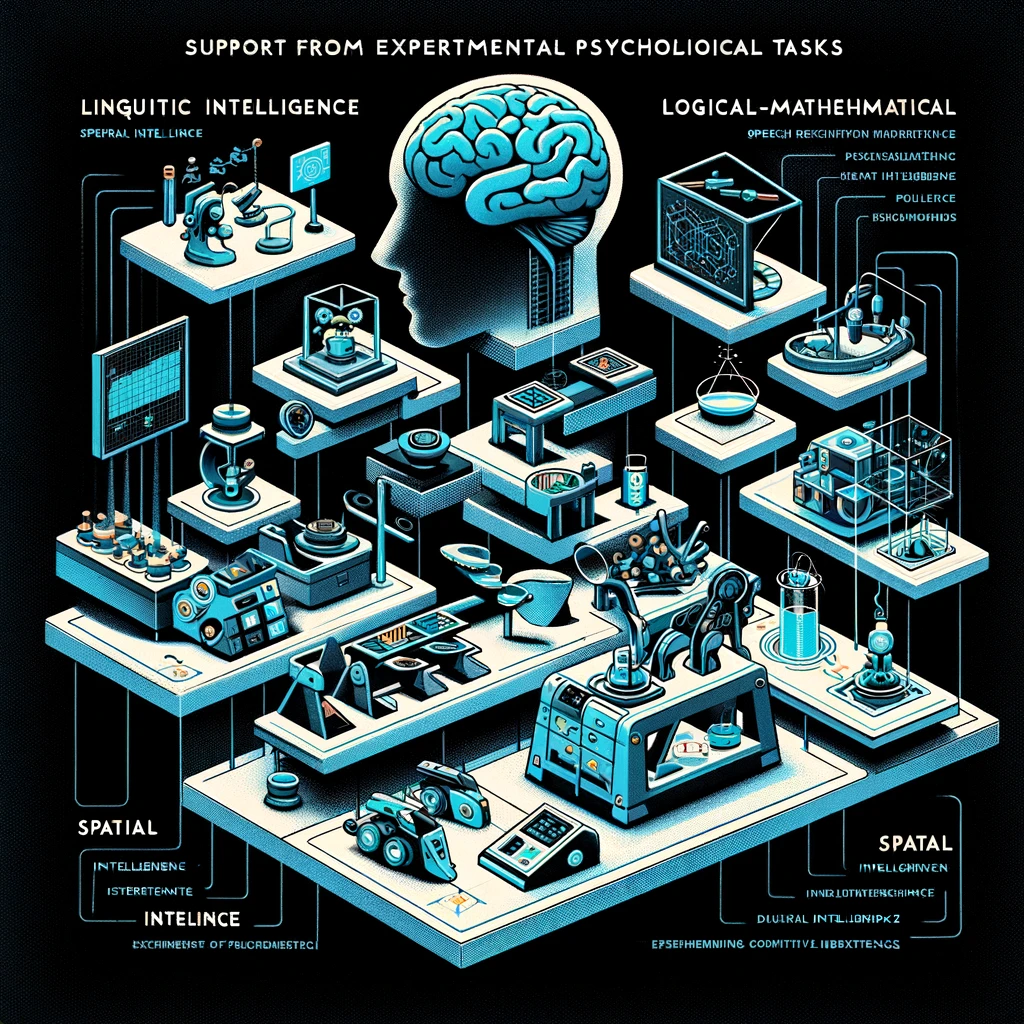 Support from Experimental Psychological Tasks
·
For an ability to be considered an intelligence in Theory of Multiple Intelligence framework, it must be supported by empirical research, particularly through e
Support from Experimental Psychological Tasks
·
For an ability to be considered an intelligence in Theory of Multiple Intelligence framework, it must be supported by empirical research, particularly through e -
is_parent
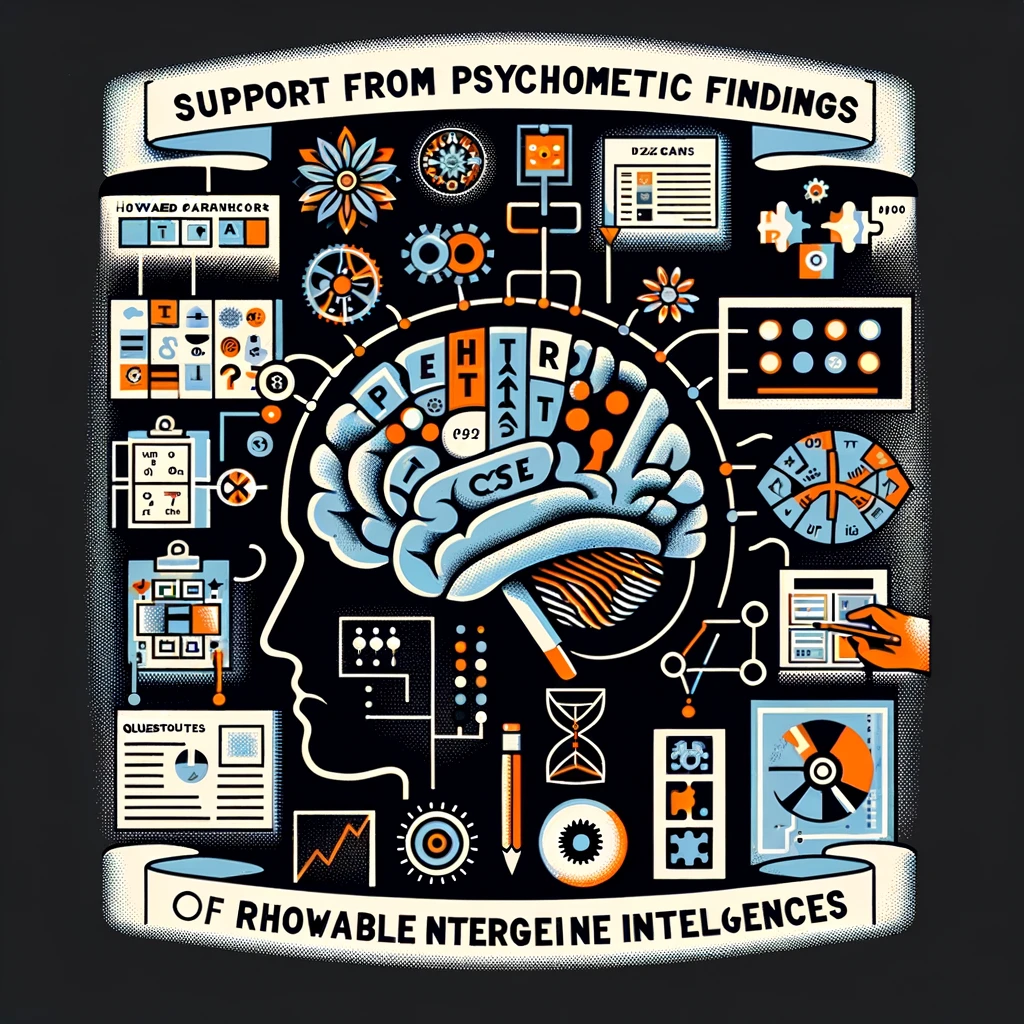 Support from Psychometric findings
·
Gardner asserts that each intelligence should be measurable to some extent by psychometric tests. However, he also criticizes the overreliance on such tests in
Support from Psychometric findings
·
Gardner asserts that each intelligence should be measurable to some extent by psychometric tests. However, he also criticizes the overreliance on such tests in -
is_parent
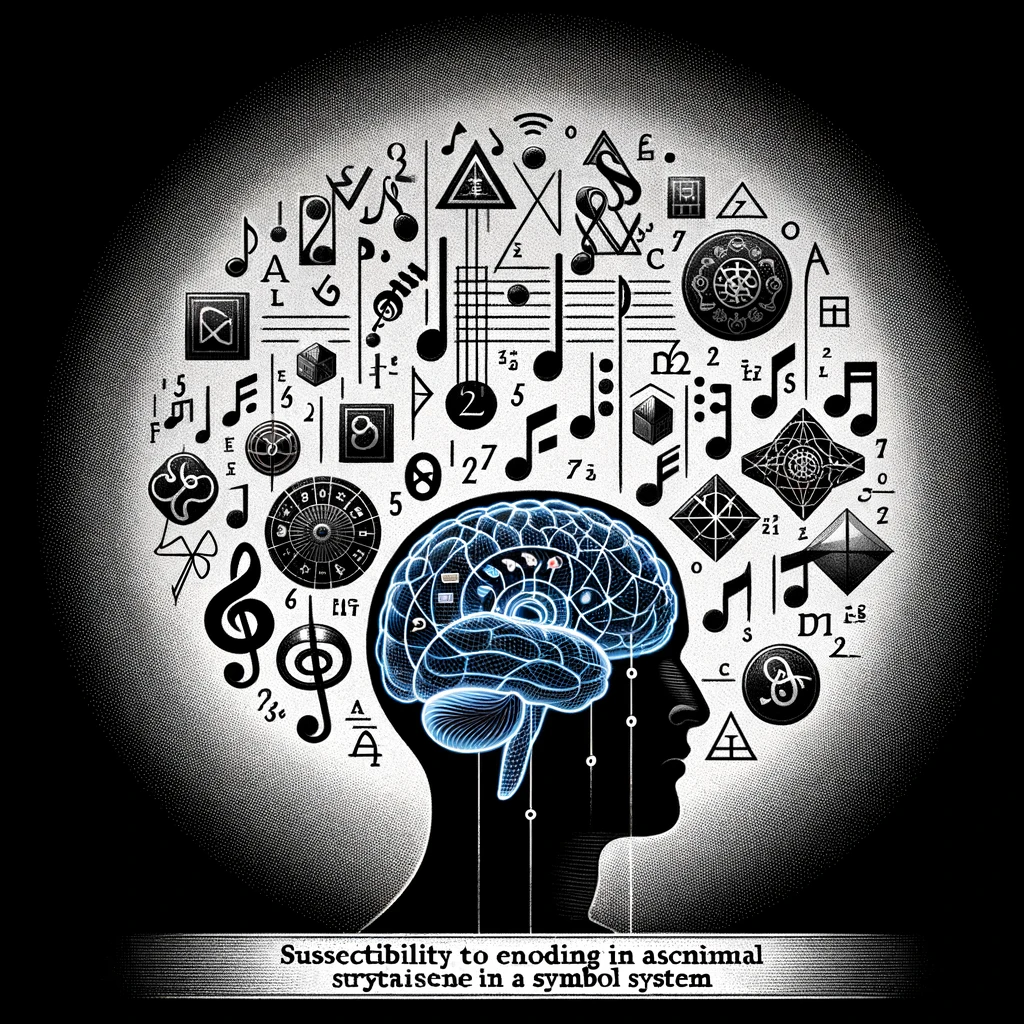 Susceptibility to Encoding in a Symbol System
·
This criterion means that each intelligence can be articulated and communicated through some form of symbolic system. For example, linguistic intelligence is ex
Susceptibility to Encoding in a Symbol System
·
This criterion means that each intelligence can be articulated and communicated through some form of symbolic system. For example, linguistic intelligence is ex
-