i
Defining criteria of an intelligence DDH ()


Defining criteria of an intelligence

Gardner identifies several key criteria that a cognitive ability must meet to be considered an intelligence:

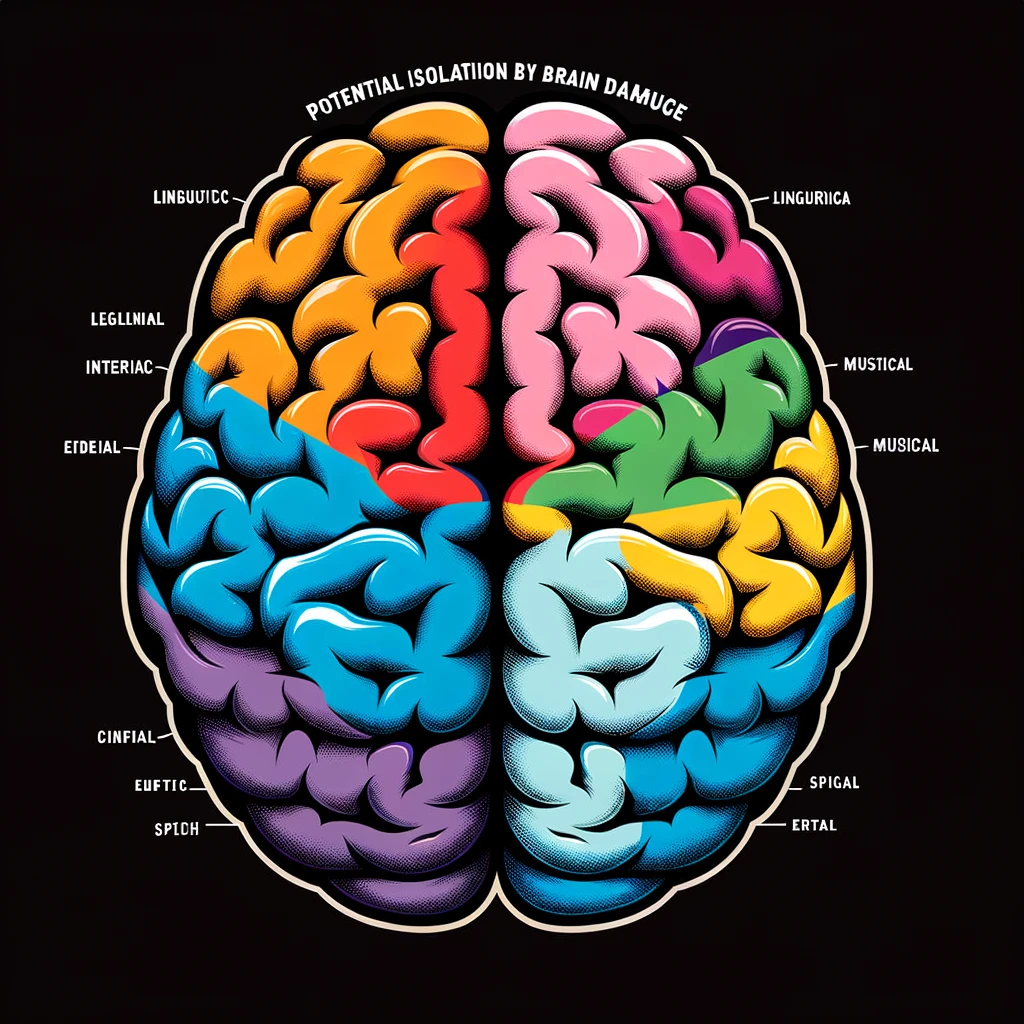
Potential Isolation by Brain Damage

Existence of Savants, Prodigies, and Other Exceptional Individuals

An Identifiable Core Operation or Set of Operations

A Distinct Developmental Trajectory

An Evolutionary History and Evolutionary Plausibility

Support from Experimental Psychological Tasks

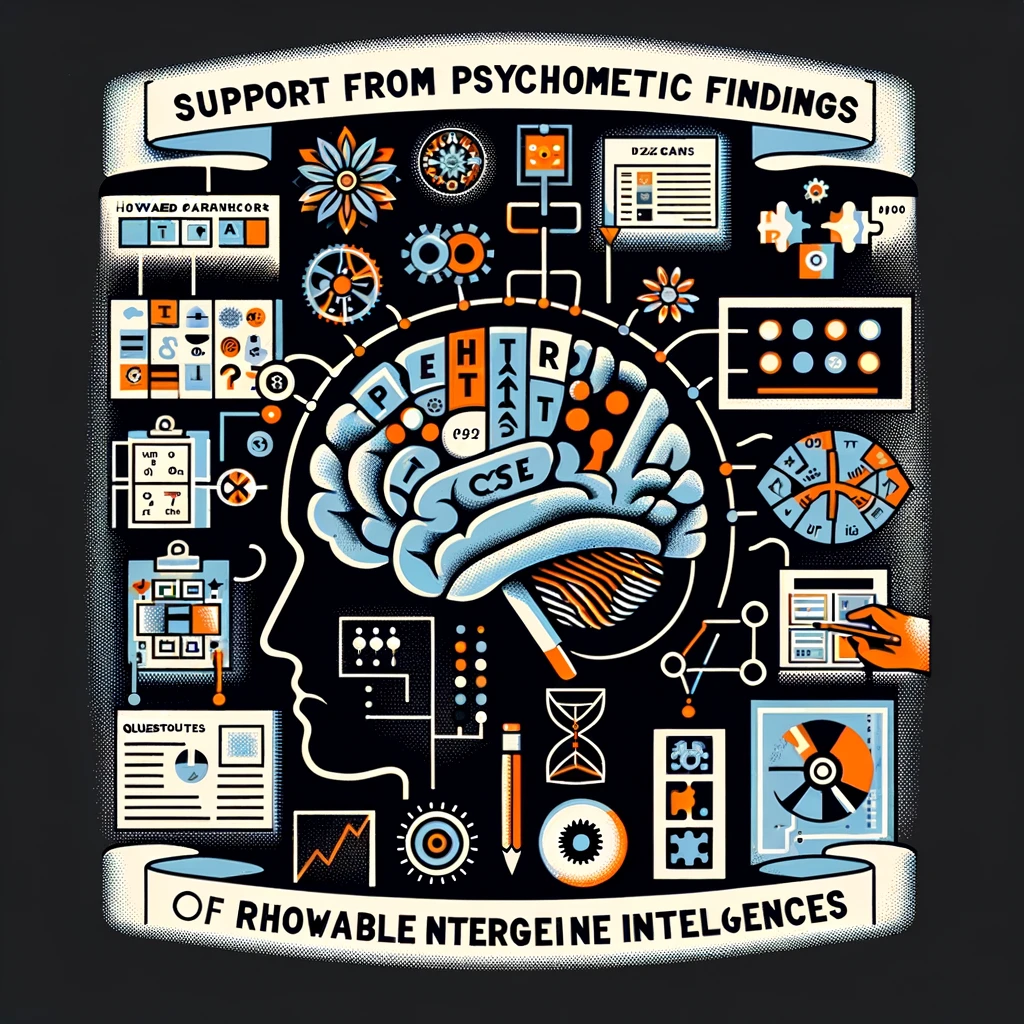
Support from Psychometric Findings

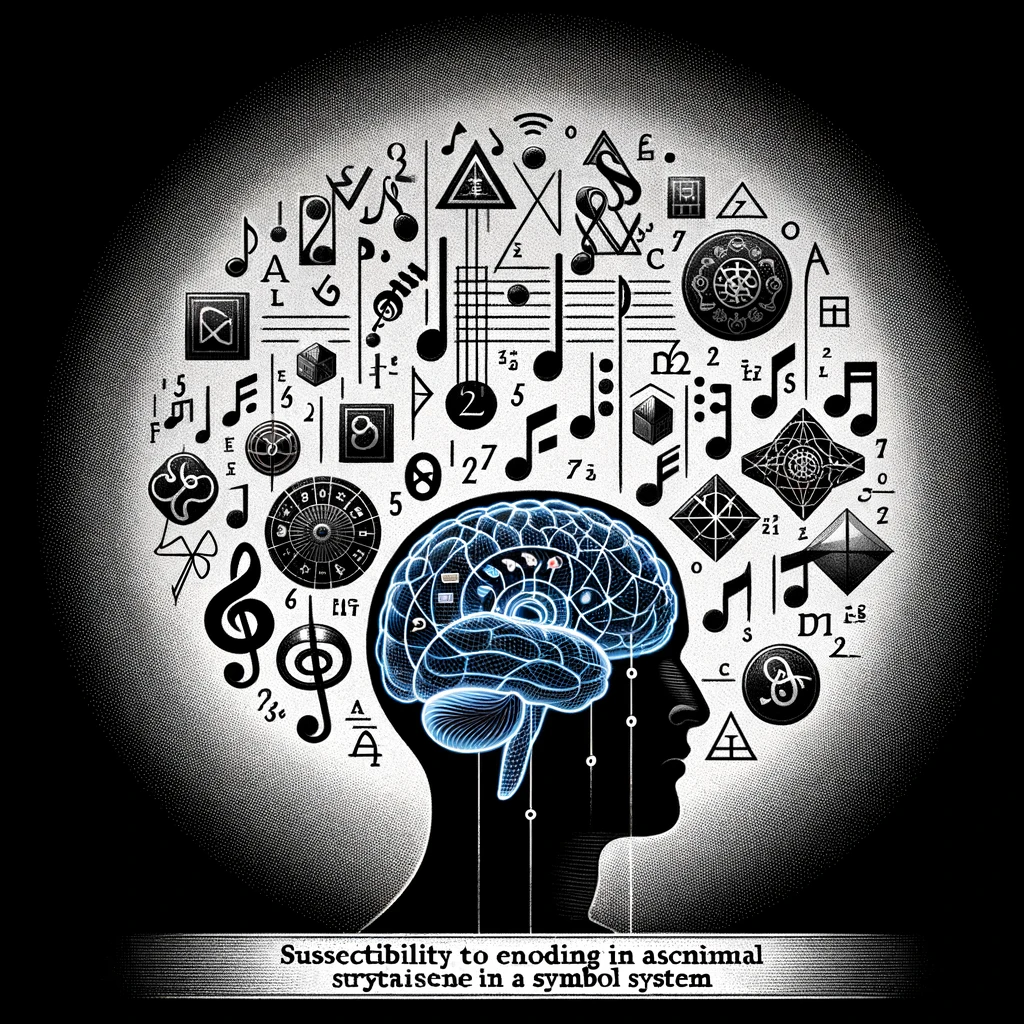
Susceptibility to Encoding in a Symbol System
Potential Isolation by Brain Damage

It%20seems%20like%20AI-generated%20content%20also%20have%20potential%20to%20cause%20brain%20damage.

It seems like AI-generated content also have potential to cause brain damage.
The criterion "Potential Isolation by Brain Damage" refers to the notion that distinct intelligences can be independently affected by brain damage. This means that a specific type of intelligence can be impaired or lost while others remain intact, indicating its unique neurological basis. For instance, a person might suffer damage to a part of the brain responsible for linguistic abilities, losing their capacity to use language, while their mathematical or musical abilities remain unaffected. This criterion supports Gardner's idea that multiple intelligences are separate from each other, each residing in different areas of the brain.

The story of Phineas Gage

Phineas P. Gage (1823–1860) was an American railroad construction foreman remembered for his improbable  survival of an accident in which a large iron rod was driven completely through his head, destroying much of his brain's left frontal lobe, and for that injury's reported effects on his personality and behavior over the remaining 12 years of his life‍—‌effects sufficiently profound that friends saw him (for a time at least) as "no longer Gage".

Existence of Savants, Prodigies, and Other Exceptional Individuals

The criterion "Existence of Savants, Prodigies, and Other Exceptional Individuals" highlights the presence of individuals with extraordinary abilities in specific cognitive domains as evidence of distinct intelligences. Savants and prodigies often display remarkable skills in areas like music, mathematics, or art, despite potential deficits in other cognitive functions. This extraordinary proficiency in a particular area suggests that intelligences are modular and independent.

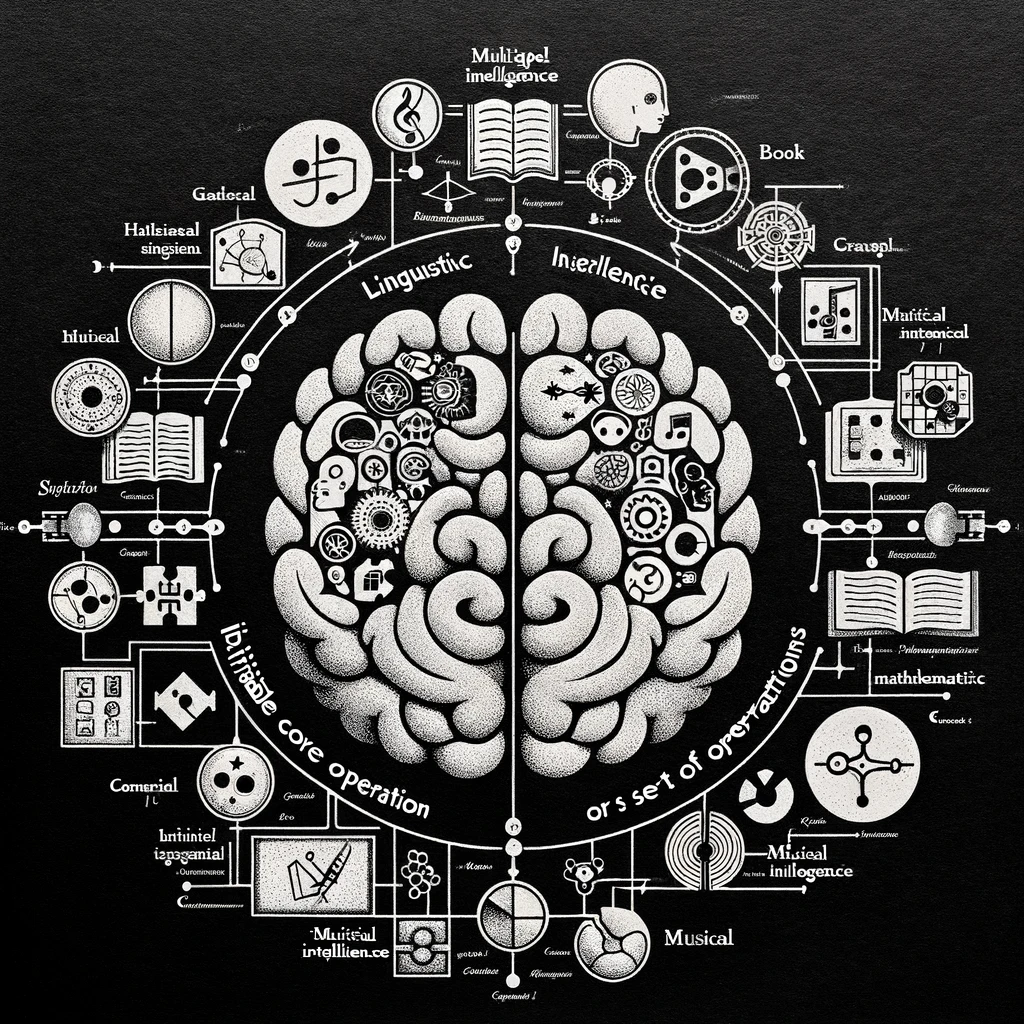
An Identifiable Core Operation or Set of Operations

This criterion posits that each type of intelligence must have a core set of cognitive processes or operations. For example, linguistic intelligence involves operations like the ability to use language for expression and comprehension, while logical-mathematical intelligence includes the capacity for deductive reasoning and problem-solving with numbers. The distinct operations characterize each intelligence, making them identifiable and unique. This aspect is crucial as it provides a concrete basis for differentiating between the various intelligences, emphasizing that each is not just a skill but a distinct cognitive domain.

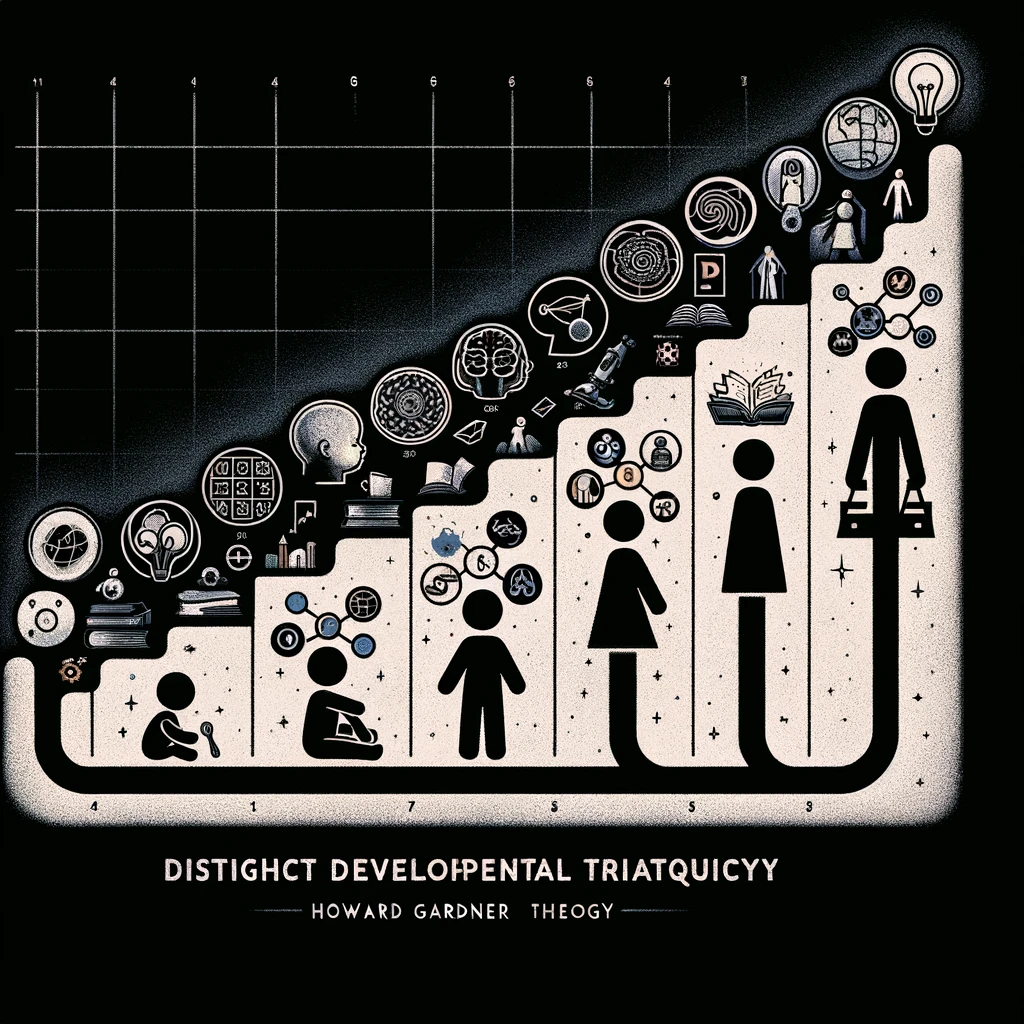
Distinct Developmental Trajectory

Each intelligence has its own unique developmental trajectory. This means that these intelligences emerge and develop at different stages and rates in an individual's life. For instance, linguistic intelligence develops rapidly in early childhood, while interpersonal intelligence might evolve more significantly during later childhood or adolescence. This criterion underscores the belief that intelligences are not static but evolve with age and experience. The distinct developmental paths of each intelligence imply that educational strategies should be tailored to the maturity level of each intelligence in an individual.

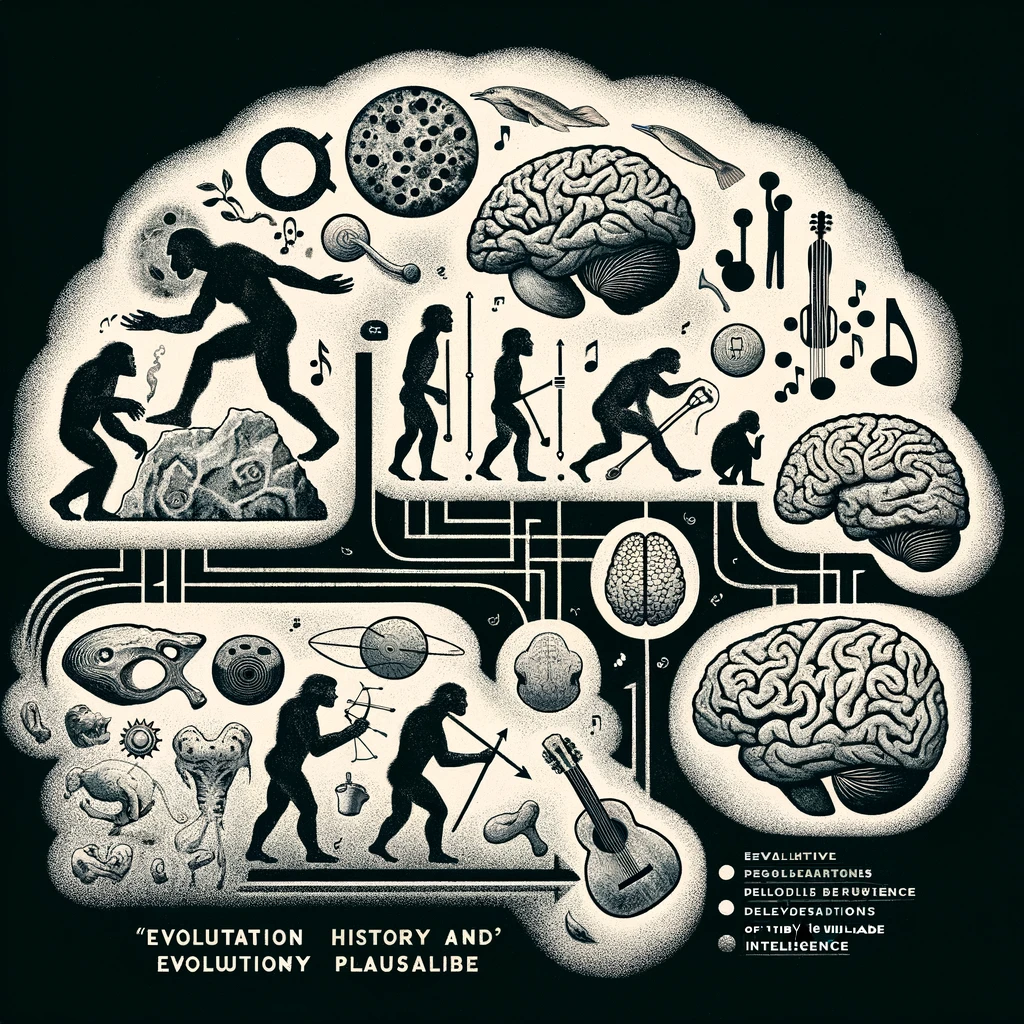
Evolutionary history and evolutionary plausibility

Criterion of evolutionary history and plausibility suggests that each intelligence has evolved to solve specific problems faced by our ancestors. For example, spatial intelligence helped in navigation and understanding the physical environment, while interpersonal intelligence was crucial for social communication and cooperation. This evolutionary perspective implies that these intelligences are rooted in human survival and adaptation needs. It gives the theory an evolutionary framework, suggesting that these intelligences are not arbitrary but have developed in response to real-world demands.

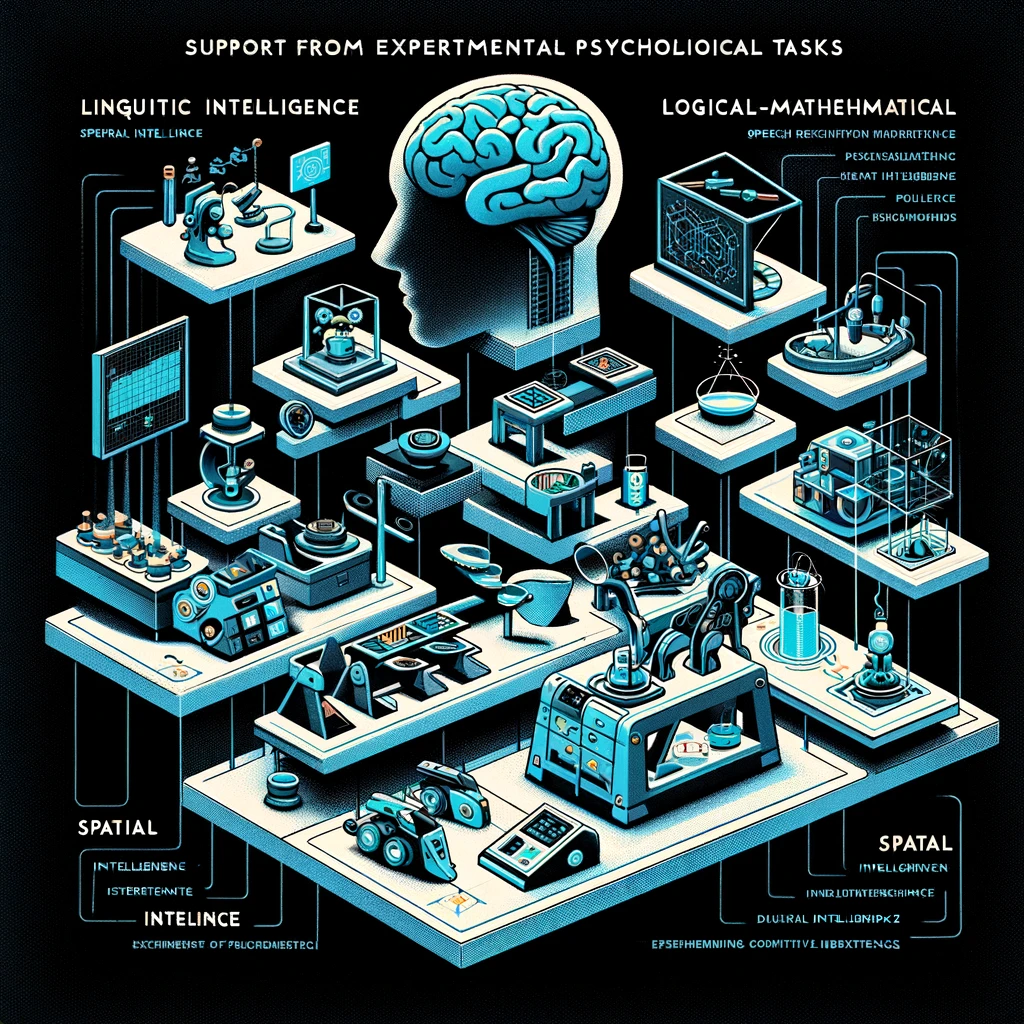
Support from Experimental Psychological Tasks

For an ability to be considered an intelligence in Theory of Multiple Intelligence framework, it must be supported by empirical research, particularly through experimental psychological tasks. These tasks should demonstrate the operations and capabilities of the intelligence in question. For instance, tests of musical intelligence might involve discerning pitch or rhythm, while spatial intelligence could be evaluated through tasks involving mental rotation or spatial judgment. The ability to measure and observe these intelligences in controlled experimental settings lends scientific credibility to the concept of multiple intelligences.

Support from Psychometric findings

Gardner asserts that each intelligence should be measurable to some extent by psychometric tests. However, he also criticizes the overreliance on such tests in traditional intelligence testing. Psychometric support means that standardized tests should be able to reliably measure and differentiate between the various intelligences. This criterion is important for validating the theory within the scientific community and for practical applications, like educational assessments. It ensures that the concept of multiple intelligences is not just theoretical but has practical, measurable implications.

Susceptibility to Encoding in a Symbol System

This criterion means that each intelligence can be articulated and communicated through some form of symbolic system. For example, linguistic intelligence is expressed through language, musical intelligence through musical notation, and logical-mathematical intelligence through mathematical symbols. The ability to encode these intelligences in symbolic forms allows for communication, teaching, and further development of these skills. It underscores the human capacity to abstractly represent and transmit complex cognitive abilities, making them accessible and teachable. This aspect is key to understanding how different intelligences are manifested and utilized in cultural and educational contexts.