i
Repetitio DDH ()


Repetitio

Repetitio mater studiorum.

Session 0 :: Introduction

Hello world, formalities, recommended literature, means of communication etc.

Formalities

who am I

who are You

is this a course for You ?

credits (2 ECTS for >75% attendance, +1 for referat/experiment)

Hausarbeit possible

need help ? (tutor: a.terzieva@udk-berlin.de)

Leistungsnachweis

signature-related issues

Smartphone & Feedback box

Recommended literature

You are cordially invited to read one or more of these book(s):

Howard Gardner :: Frames of Mind / The Theory of Multiple Intelligences

David Goleman :: Emotional Intelligence : Why it can matter more than IQ

Singer et al. :: A Piaget Primer: How a Child Thinks

Murray & Herrnstein :: The Bell Curve: Intelligence and Class Structure in American Life (Achtung! Controversy)

Nick Bostrom :: Superintelligenz

Carlo M. Cipolla: The Basic Laws of Human Stupidity

Referat(s) welcome, Hausarbeit (5 SWS) possible. Note: Lecture of one of these books is mandatory for all those whose attendance will be between 1/2 and 2/3.

Matrix room

All those who have a UdK account, log in here *:

https://medienhaus.udk-berlin.de/classroom
 
and subsequently join the course (#edu-psyche) room:
 
https://medienhaus.udk-berlin.de/classroom/#/room/#edu-psyche:medienhaus.udk-berlin.de

(or install matrix client apps like Element or Fluffychat and put "medienhaus.udk-berlin.de" as homeserver)

Course materials

All course materials (folios, exercises, handouts) presented during live sessions are archived at

baumhaus.digital/intelligence

Note: baumhaus presentations in different sessions are synchronized with my actions, i.e. when I change a folio in my browser, it will automagically change a folio in Your browser as well, click on "Session 2" and experience it for Yourself

Other referat || intervention topics

Greek muses

fostering of intelligence

evaluation of intelligence

Flynn effect

stupidity

udk.ai

Let me know if You would like to host Your AI-related project at sub-domain *.udk.ai (e.g. aoede.udk.ai , turing.udk.ai etc.)

GPT4's answer

Intelligence is a multifaceted concept that's difficult to define comprehensively, but it generally refers to the ability to learn from experience, understand and adapt to new situations, solve problems, and use knowledge to manipulate one’s environment. Here are several facets of intelligence:

Learning and Adaptation

Reasoning & Problem Solving

Memory & Knowledge

Perception

Emotional Intelligence

Creativity

It's important to note that intelligence is still a topic of debate among psychologists and neuroscientists. Traditionally, intelligence was often measured using IQ (intelligence quotient) tests, but many experts now believe that IQ tests capture only a narrow slice of what constitutes human intelligence. Moreover, various cultures might emphasize different abilities or qualities when defining or valuing intelligence, so the concept can be both culturally and contextually relative.

Perception

The%20Muse%20of%20Perception

The Muse of Perception

The process by which information from the environment is received and interpreted. This includes recognizing patterns, faces, and nuances in language or music.

Memory

The%20Muse%20of%20Memory

The Muse of Memory

The ability to store and retrieve information over time. This involves both short-term (working) memory and long-term memory.

Reasoning

The%20Muse%20of%20Reasoning

The Muse of Reasoning

The capacity to solve problems using logic. This can be deductive reasoning, where conclusions are drawn from given information, or inductive reasoning, where conclusions are drawn from observations.

Learning & Adaptation

The%20Muse%20of%20Learning%20%26%20Adaptation

The Muse of Learning & Adaptation

The ability to acquire new knowledge and skills and apply them in various contexts. It also refers to the capacity to change one's behavior based on experience.

Knowledge

The accumulation of facts, concepts, and methods. While knowledge itself is not intelligence, intelligence often involves the effective use and application of knowledge.

Problem Solving

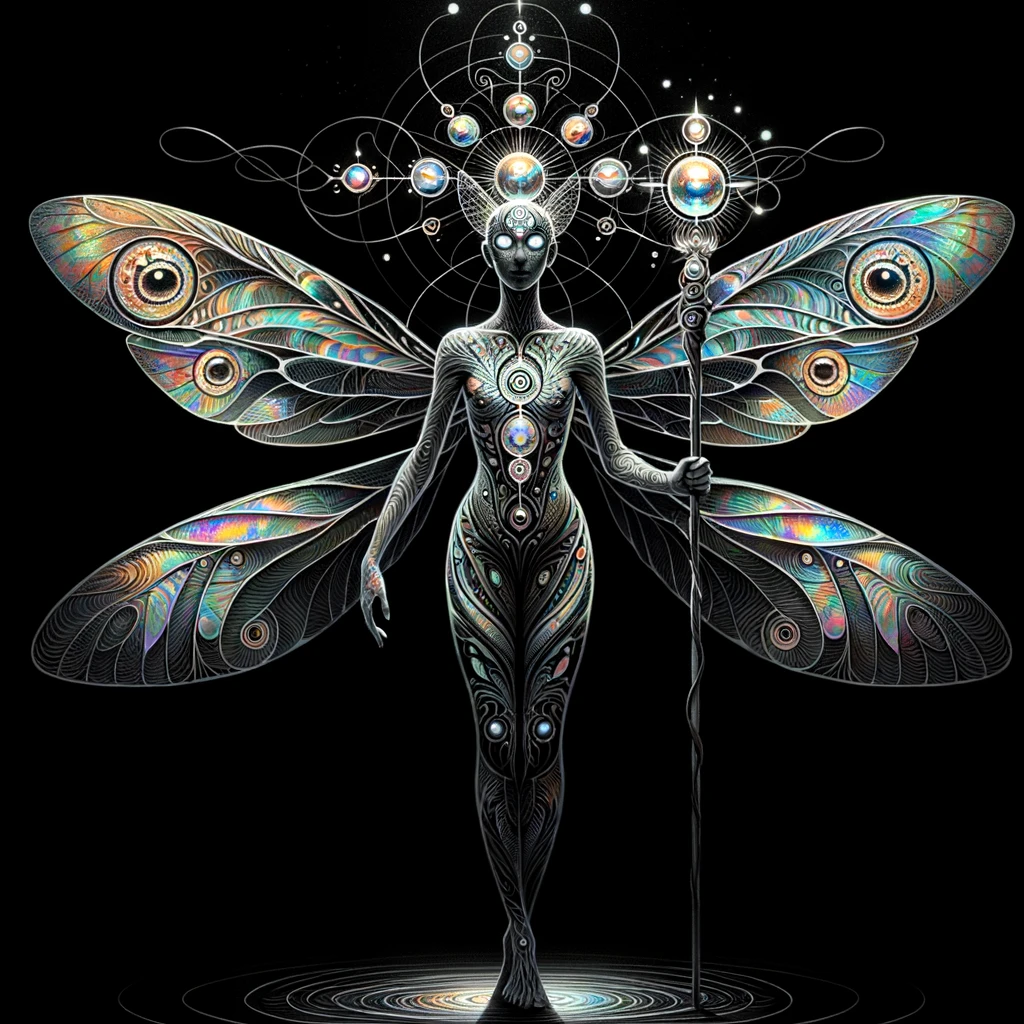
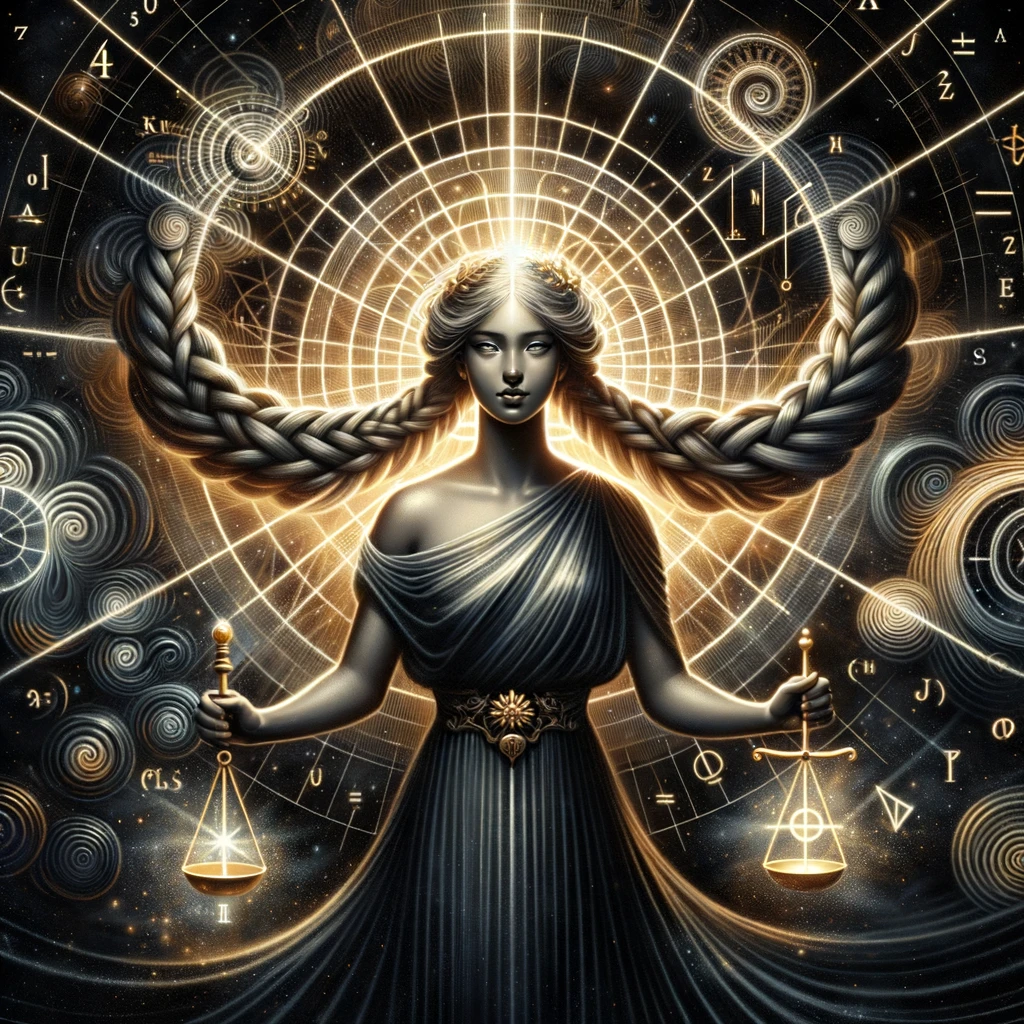
Two%20proposed%20Muses%20of%20Problem%20Solving.%20Help%20me%20to%20choose%20one.

Two proposed Muses of Problem Solving. Help me to choose one.

The ability to identify a problem and find a solution, which might involve creativity, critical thinking, and the application of knowledge.

Creativity

The%20Muse%20of%20Creativity

The Muse of Creativity

The capacity to come up with novel and useful ideas or solutions to problems. It's related to, but not the same as, intelligence.

Emotional Intelligence

The%20Muse%20of%20Emotional%20Intelligence

The Muse of Emotional Intelligence

The ability to recognize, understand, manage, and use emotions effectively in oneself and others. This includes empathy, self-awareness, and social skills.