Kastalia Knowledge Management System · Glasperlenspiel template · knot 1024
GPT4's answer
Intelligence is a multifaceted concept that's difficult to define comprehensively, but it generally refers to the ability to learn from experience, understand and adapt to new situations, solve problems, and use knowledge to manipulate one’s environment. Here are several facets of intelligence:
Learning and Adaptation
Reasoning & Problem Solving
Memory & Knowledge
Perception
Emotional Intelligence
Creativity
It's important to note that intelligence is still a topic of debate among psychologists and neuroscientists. Traditionally, intelligence was often measured using IQ (intelligence quotient) tests, but many experts now believe that IQ tests capture only a narrow slice of what constitutes human intelligence. Moreover, various cultures might emphasize different abilities or qualities when defining or valuing intelligence, so the concept can be both culturally and contextually relative.Ancestors (2 superordinated paths)
Descendants (at least 11 branches originate here)
-
GPT4's answer
Intelligence is a multifaceted concept that's difficult to define comprehensively, but it generally refers to the ability to learn from experience, understand a-
is_parent
 Learning & Adaptation
·
The ability to acquire new knowledge and skills and apply them in various contexts. It also refers to the capacity to change one's behavior based on experience.
Learning & Adaptation
·
The ability to acquire new knowledge and skills and apply them in various contexts. It also refers to the capacity to change one's behavior based on experience. -
is_parent
 Reasoning
·
The capacity to solve problems using logic. This can be deductive reasoning, where conclusions are drawn from given information, or inductive reasoning, where c
Reasoning
·
The capacity to solve problems using logic. This can be deductive reasoning, where conclusions are drawn from given information, or inductive reasoning, where c -
is_parent
 Memory
·
The ability to store and retrieve information over time. This involves both short-term (working) memory and long-term memory.
Memory
·
The ability to store and retrieve information over time. This involves both short-term (working) memory and long-term memory. -
is_parent
.png) Problem Solving
·
The ability to identify a problem and find a solution, which might involve creativity, critical thinking, and the application of knowledge.
Problem Solving
·
The ability to identify a problem and find a solution, which might involve creativity, critical thinking, and the application of knowledge. -
is_parent
 Perception
The process by which information from the environment is received and interpreted. This includes recognizing patterns, faces, and nuances in language or music.
Perception
The process by which information from the environment is received and interpreted. This includes recognizing patterns, faces, and nuances in language or music.-
is_parent Human sensorics ·
sight, hearing, smell, taste Tactition (Touch): pressure, vibration, thermoception (temperature) Nociception (Pain): This is the sense of detecting harmful stim -
is_parent Proprioception exercise ·
Everyone is asked to find his place within this space, ideally at least 2-3 meters away from Your nearest colleague.We will now listen to excerpts from Michael
-
-
is_parent
 Emotional Intelligence
·
The ability to recognize, understand, manage, and use emotions effectively in oneself and others. This includes empathy, self-awareness, and social skills.
Emotional Intelligence
·
The ability to recognize, understand, manage, and use emotions effectively in oneself and others. This includes empathy, self-awareness, and social skills. -
is_parent
 Creativity
·
The capacity to come up with novel and useful ideas or solutions to problems. It's related to, but not the same as, intelligence.
Creativity
·
The capacity to come up with novel and useful ideas or solutions to problems. It's related to, but not the same as, intelligence. -
is_parent
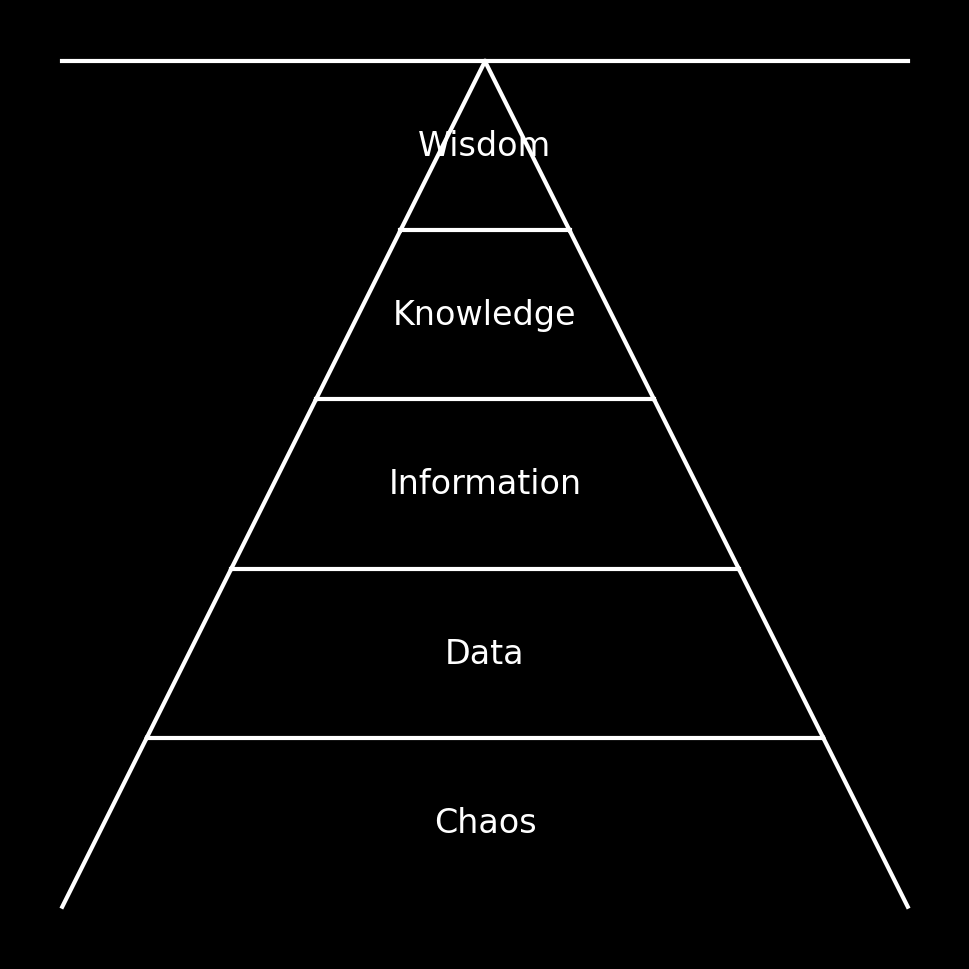 Knowledge
·
The accumulation of facts, concepts, and methods. While knowledge itself is not intelligence, intelligence often involves the effective use and application of k
Knowledge
·
The accumulation of facts, concepts, and methods. While knowledge itself is not intelligence, intelligence often involves the effective use and application of k
-