Kastalia Knowledge Management System · Glasperlenspiel template · knot 2338
From Golden Age to the New Wave
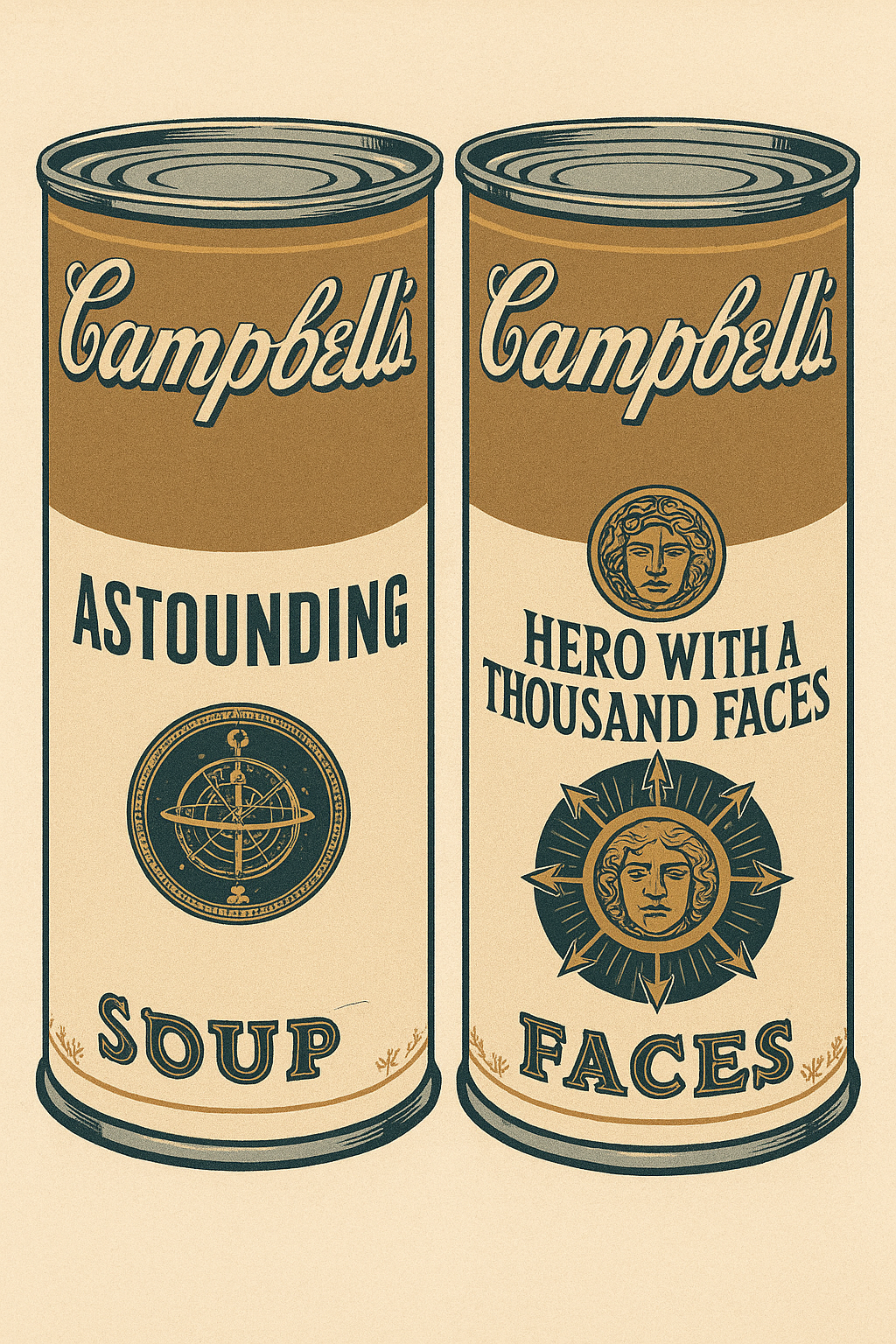
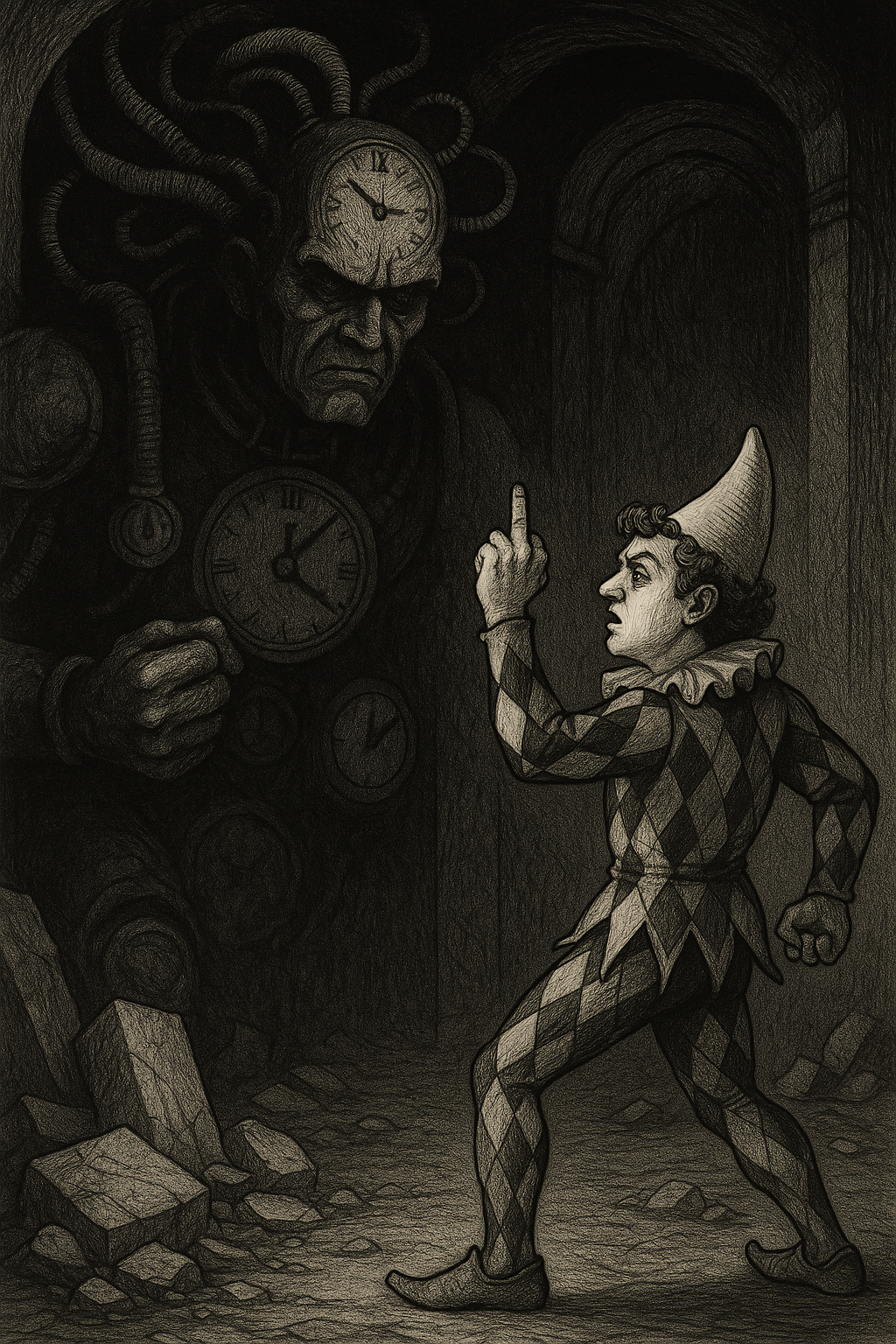
John "Ticktockman" W. Campbell vs. Harlan "Harlequin" Ellison and Horselover "nicht-alle-Tassen-im-Schrank" Fat
Ancestors (1 superordinated path)
root/
baumhaus.digital/
Studium Generale/
Mythologies of possible futures: Between Science Fiction and Reality/
From Golden Age to the New Wave
Descendants (at least 14 branches originate here)
-
From Golden Age to the New Wave
🔊
John "Ticktockman" W. Campbell vs. Harlan "Harlequin" Ellison and Horselover "nicht-alle-Tassen-im-Schrank" Fat
-
is_parent
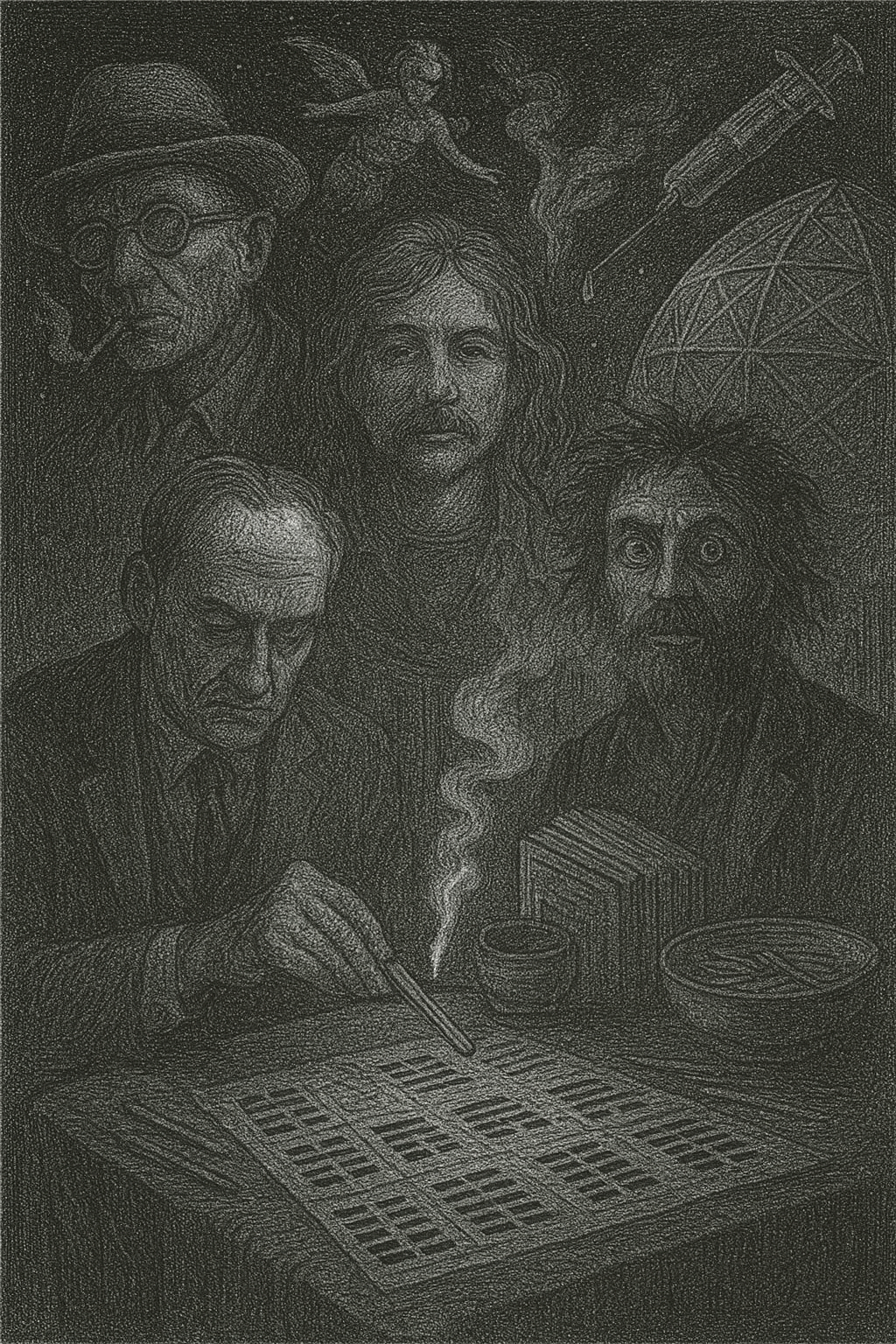 The New Wave
 (mid-1960s to late 1970s) was a literary movement that rejected Golden Age rationalism in favor of experimentation, psychology, and stylistic innov
The New Wave
The New Wave (mid-1960s to late 1970s) was a literary movement that rejected Golden Age rationalism in favor of experimentation, psychology, and stylistic innov-
is_parent
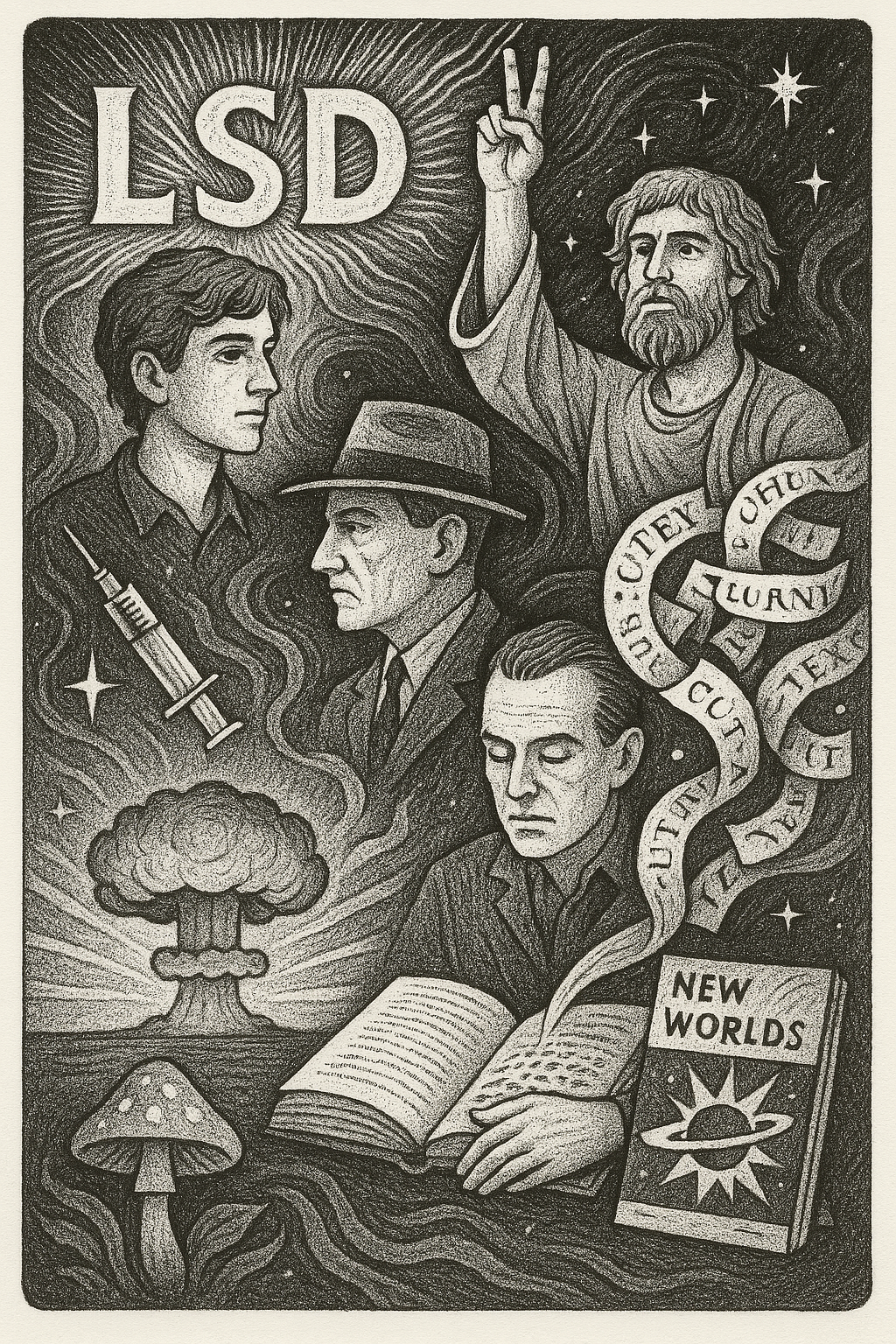 Context & Precursors
🔒
·
**1950s–60s counterculture:** rise of youth rebellion, anti-establishment politics, and experimentation with altered consciousness. **LSD (discovered 1943, pop
Context & Precursors
🔒
·
**1950s–60s counterculture:** rise of youth rebellion, anti-establishment politics, and experimentation with altered consciousness. **LSD (discovered 1943, pop -
is_parent
 Dangerous Visions
🔒
·
"Dangeours Visions" is a title of short-fiction anthology published in 1967. Edited by Harlan Ellison, DV assembled 33 brand-new stories — many pushing bo
Dangerous Visions
🔒
·
"Dangeours Visions" is a title of short-fiction anthology published in 1967. Edited by Harlan Ellison, DV assembled 33 brand-new stories — many pushing bo -
is_parent
 Harlan Ellisson (1934-2018)
🔒
·
"Sci-Fi's Most Controversial Figure" bipolar disorder quite decorated: 8 Hugo Awards, 4 Nebula Awards, 5 Bram Stoker Awards, SFWA Grand Master anthologies: Dang
Harlan Ellisson (1934-2018)
🔒
·
"Sci-Fi's Most Controversial Figure" bipolar disorder quite decorated: 8 Hugo Awards, 4 Nebula Awards, 5 Bram Stoker Awards, SFWA Grand Master anthologies: Dang -
is_parent Occupation: Conscience 🔒 ·
"My work is foursquare for chaos. I spend my life personally, and my work professionally, keeping the soup boiling. Gadfly is what they call you when you are no
-
-
is_parent The Golden Age 🔒
The Golden Age of Science Fiction (roughly late 1930s to mid-1950s) was a period defined by technological optimism, clear rational problem-solving, and the beli-
is_parent
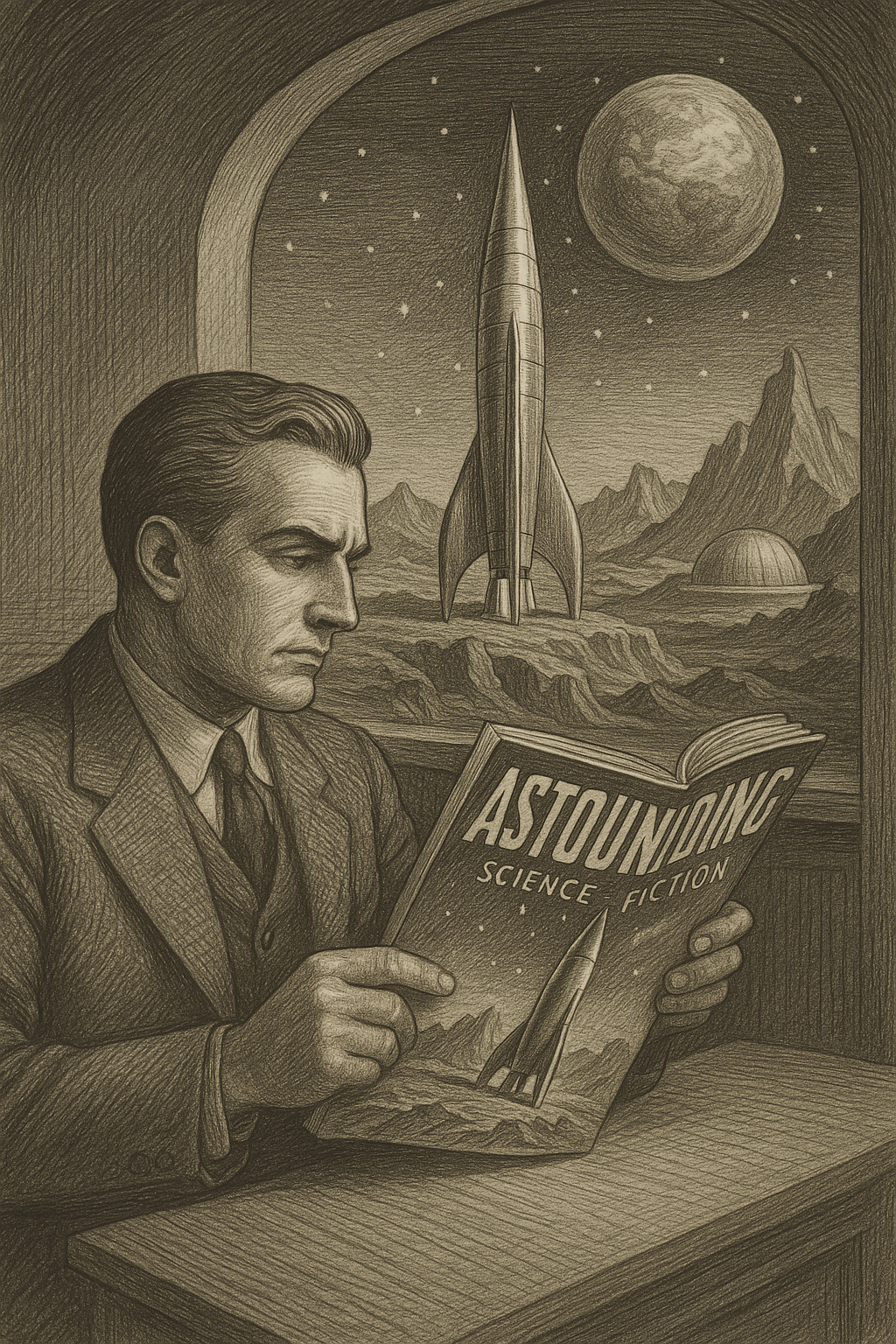 Astounding
🔒
·
**1926:** Hugo Gernsback launches *Amazing Stories*, defining “Sci-Fi” and creating the market. **1930:** *Astounding Stories* debuts under Clayton
Astounding
🔒
·
**1926:** Hugo Gernsback launches *Amazing Stories*, defining “Sci-Fi” and creating the market. **1930:** *Astounding Stories* debuts under Clayton -
is_parent
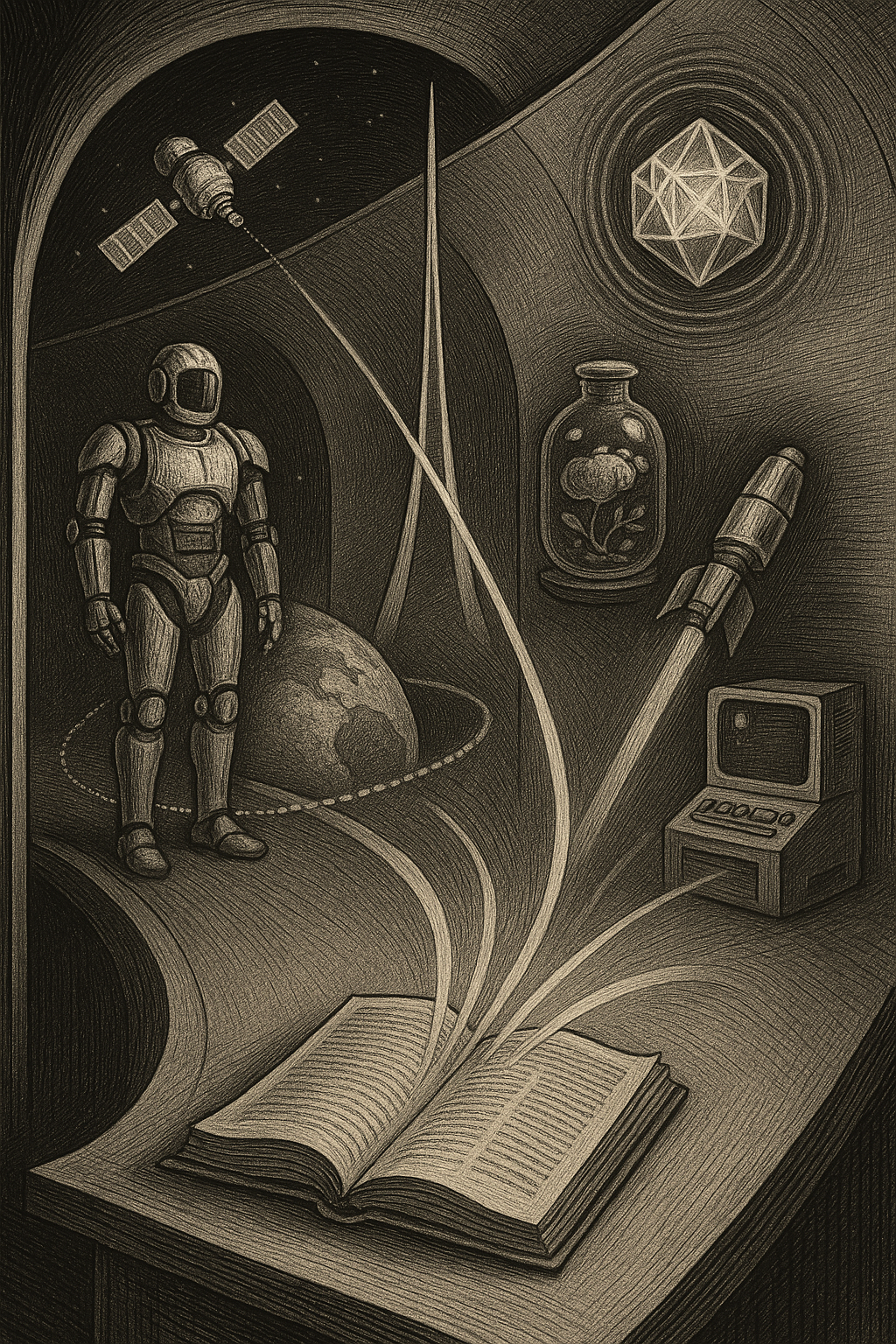 Speculative Technologies
🔒
·
Heinlein’s **powered exoskeletons** in *“Waldo”* (1942) → modern robotic exosuits. Clarke’s **geostationary communication satellite
Speculative Technologies
🔒
·
Heinlein’s **powered exoskeletons** in *“Waldo”* (1942) → modern robotic exosuits. Clarke’s **geostationary communication satellite -
is_parent
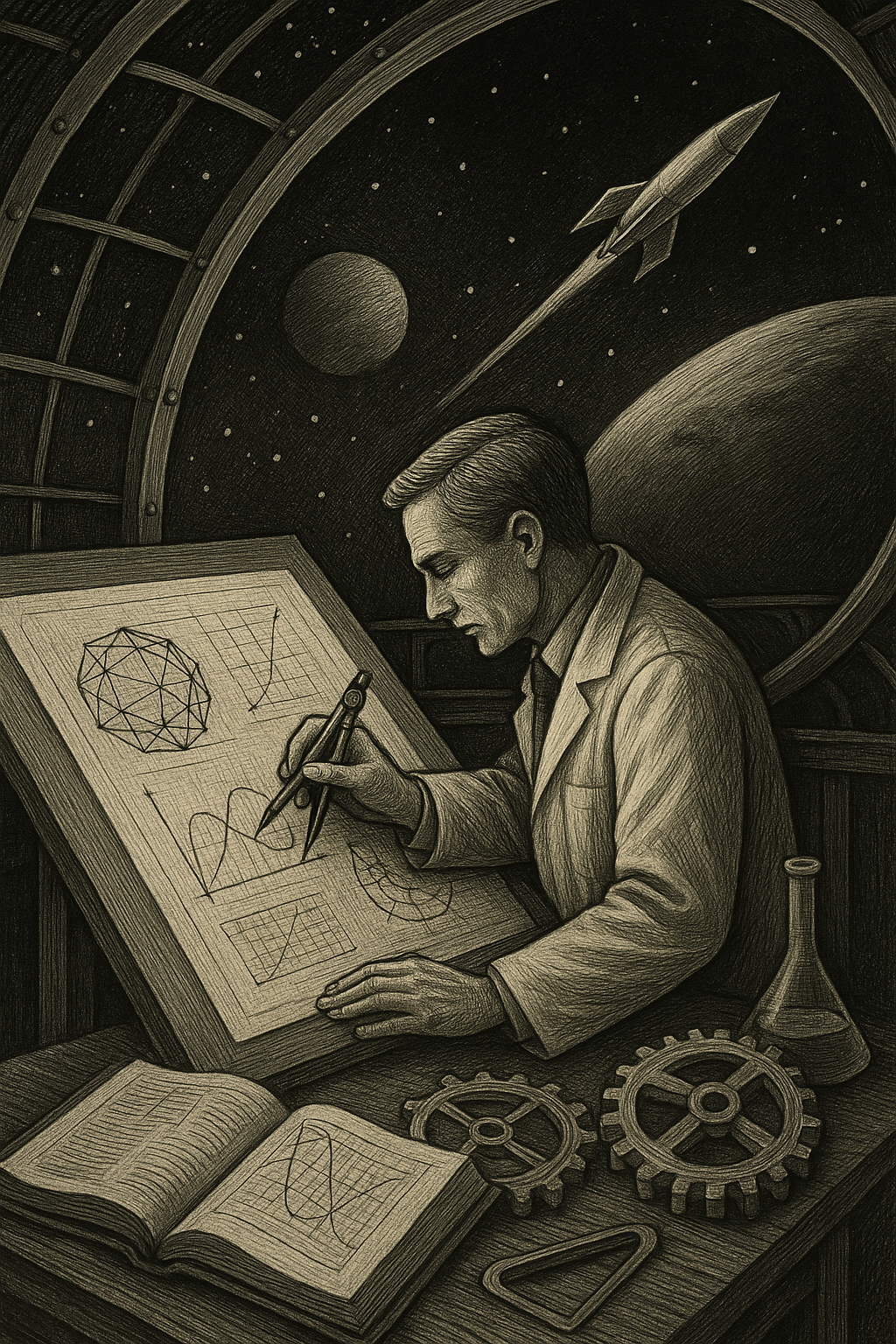 Hard Science Fiction
🔒
·
Hard science fiction is a mode of SF that prioritizes scientific accuracy, technological plausibility, and logical coherence. Its stories are built around const
Hard Science Fiction
🔒
·
Hard science fiction is a mode of SF that prioritizes scientific accuracy, technological plausibility, and logical coherence. Its stories are built around const
-
-
is_parent
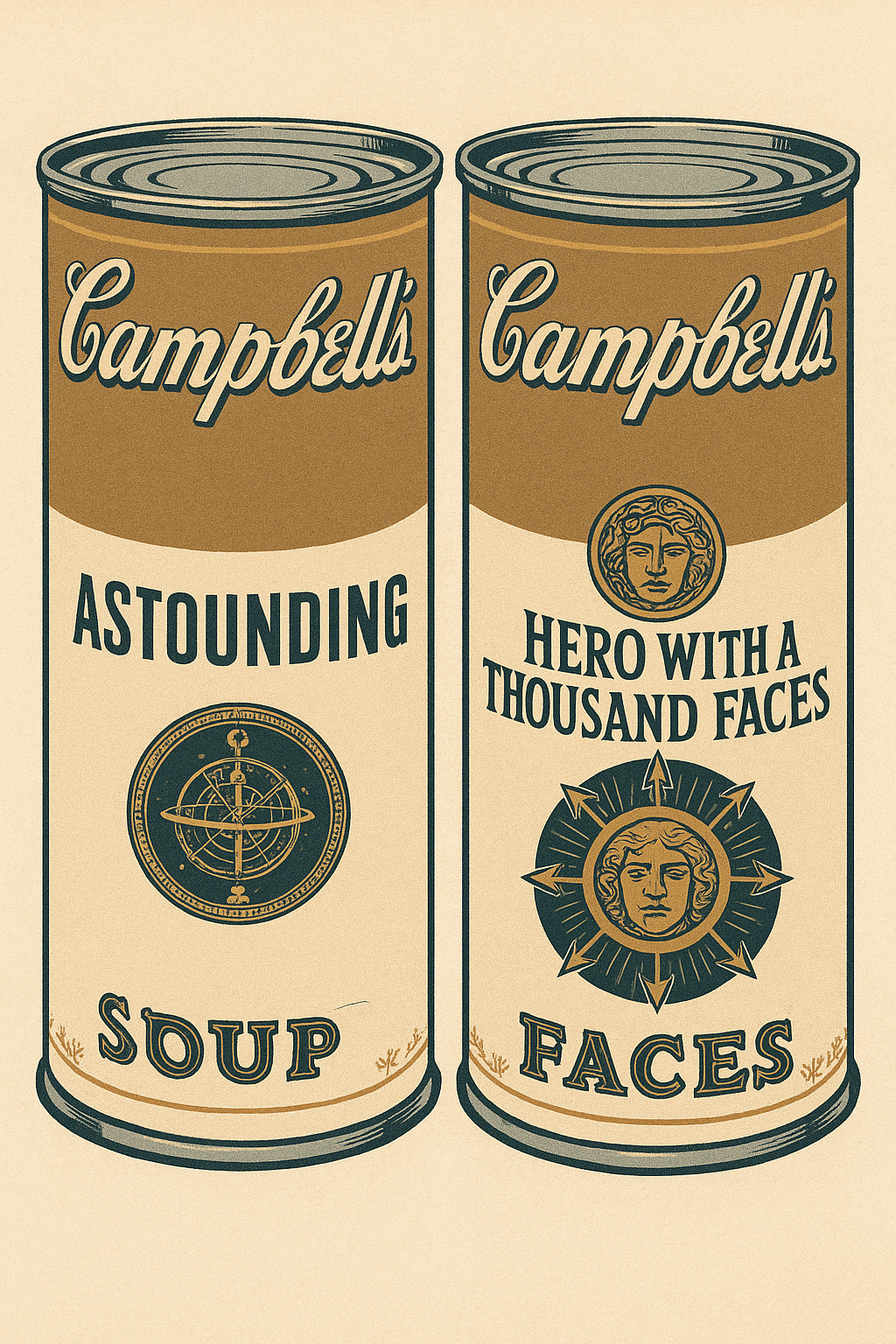 The Story with 1000 camp-bells
🔒
·
Joseph Campbell (1904 - 1987) mythographer who argued that all stories follow a shared “monomyth” of departure, initiation, return. His main work "T
The Story with 1000 camp-bells
🔒
·
Joseph Campbell (1904 - 1987) mythographer who argued that all stories follow a shared “monomyth” of departure, initiation, return. His main work "T -
is_parent
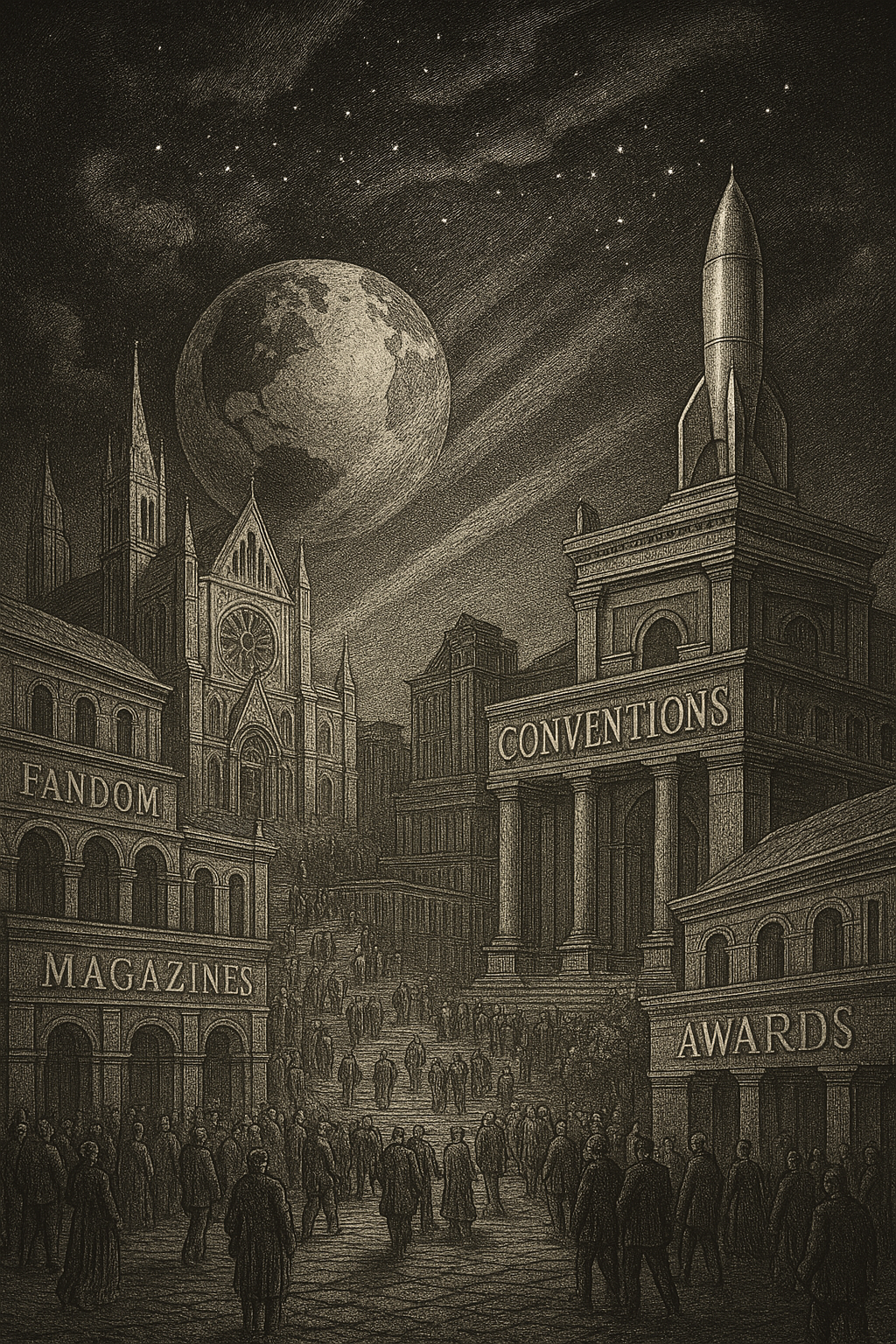 Sci-Fi Community
🔒
·
**Awards:** Hugos (since **1953**, fan-voted), Nebulas (**1965**, writer-voted), Locus (**1971**), BSFA (**1970**), Clarke Award (**1987**)—markers of global S
Sci-Fi Community
🔒
·
**Awards:** Hugos (since **1953**, fan-voted), Nebulas (**1965**, writer-voted), Locus (**1971**), BSFA (**1970**), Clarke Award (**1987**)—markers of global S -
is_parent IOTD: Cryptica Scriptura 🔒 ·
One Mind there is; but under it two principles contend. The Mind lets in the light, then the dark, in interaction; so time is generated. At the end Mind awards -
is_parent Fazit 🔒 ·
Hard SF solves the universe; New Wave doubts the solver.
-