Kastalia Knowledge Management System · Glasperlenspiel template · knot 2150
The New Wave
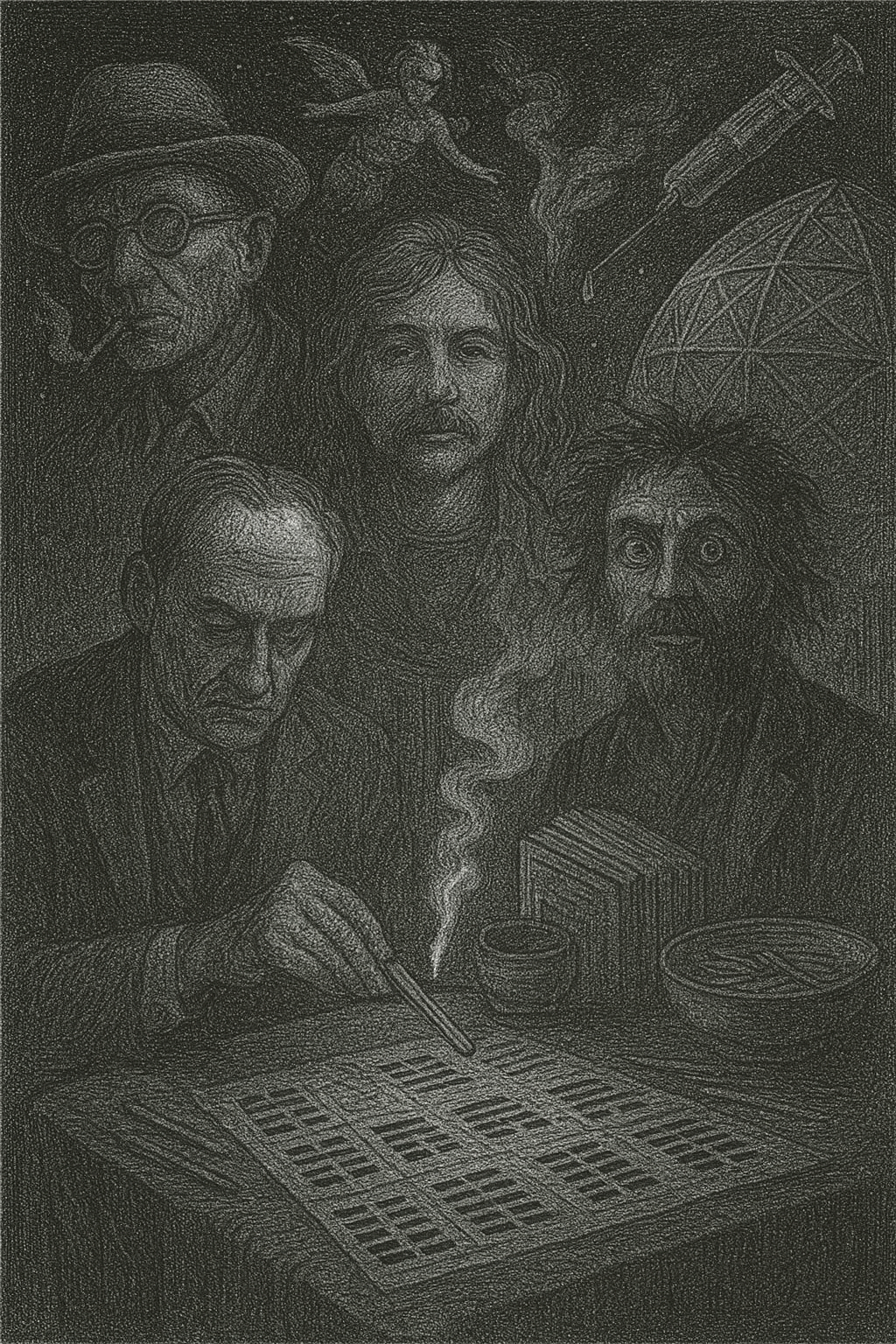
The New Wave (mid-1960s to late 1970s) was a literary movement that rejected Golden Age rationalism in favor of experimentation, psychology, and stylistic innovation. Influenced by modernism, counterculture, and emerging social critique, New Wave authors emphasized subjectivity, inner states, taboo themes, and linguistic play.
Ancestors (1 superordinated path)
Descendants (at least 5 branches originate here)
-
The New Wave
The New Wave (mid-1960s to late 1970s) was a literary movement that rejected Golden Age rationalism in favor of experimentation, psychology, and stylistic innov
-
is_parent
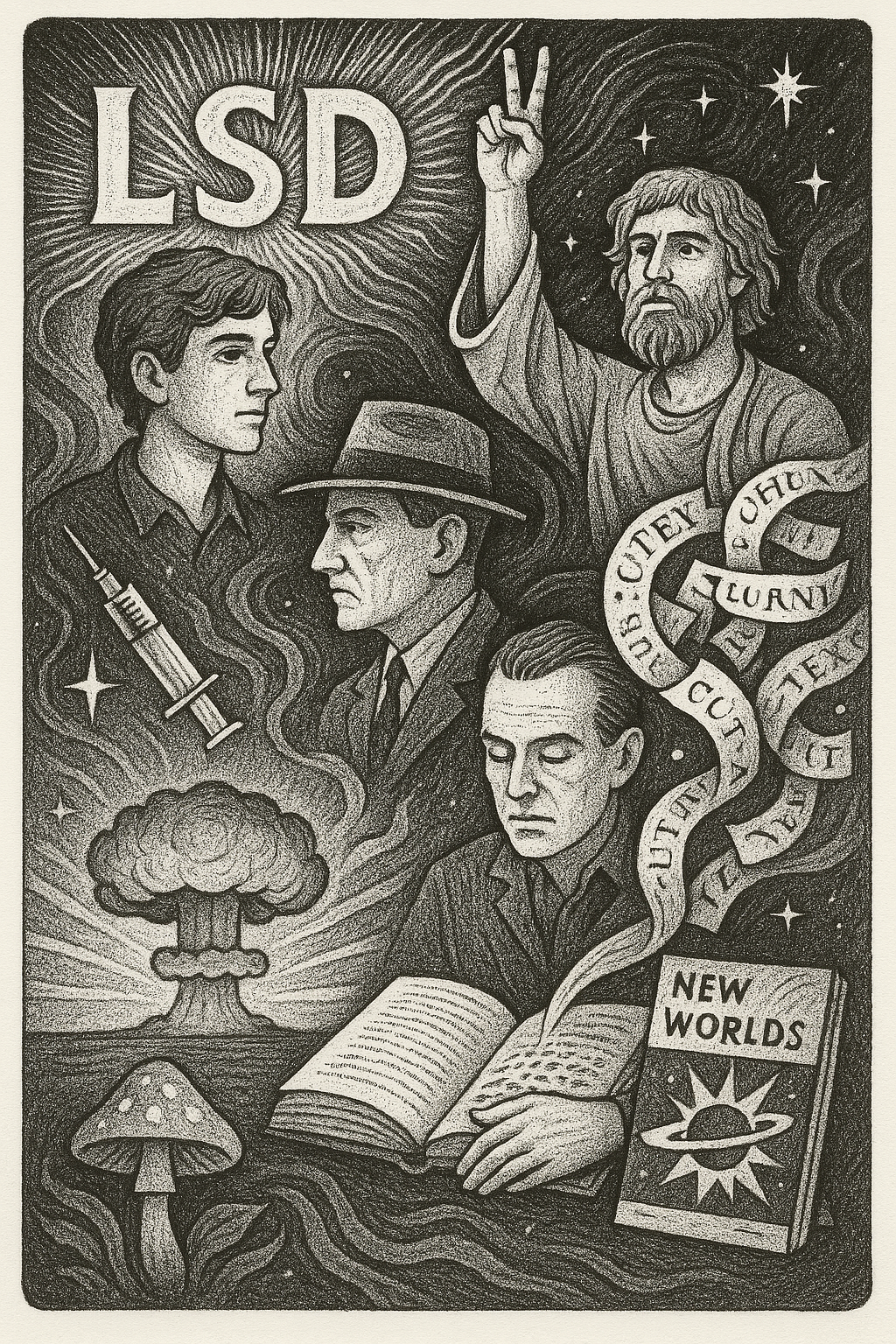 Context & Precursors
🔒
·
**1950s–60s counterculture:** rise of youth rebellion, anti-establishment politics, and experimentation with altered consciousness. **LSD (discovered 1943, pop
Context & Precursors
🔒
·
**1950s–60s counterculture:** rise of youth rebellion, anti-establishment politics, and experimentation with altered consciousness. **LSD (discovered 1943, pop -
is_parent
 Dangerous Visions
🔒
·
"Dangeours Visions" is a title of short-fiction anthology published in 1967. Edited by Harlan Ellison, DV assembled 33 brand-new stories — many pushing bo
Dangerous Visions
🔒
·
"Dangeours Visions" is a title of short-fiction anthology published in 1967. Edited by Harlan Ellison, DV assembled 33 brand-new stories — many pushing bo -
is_parent
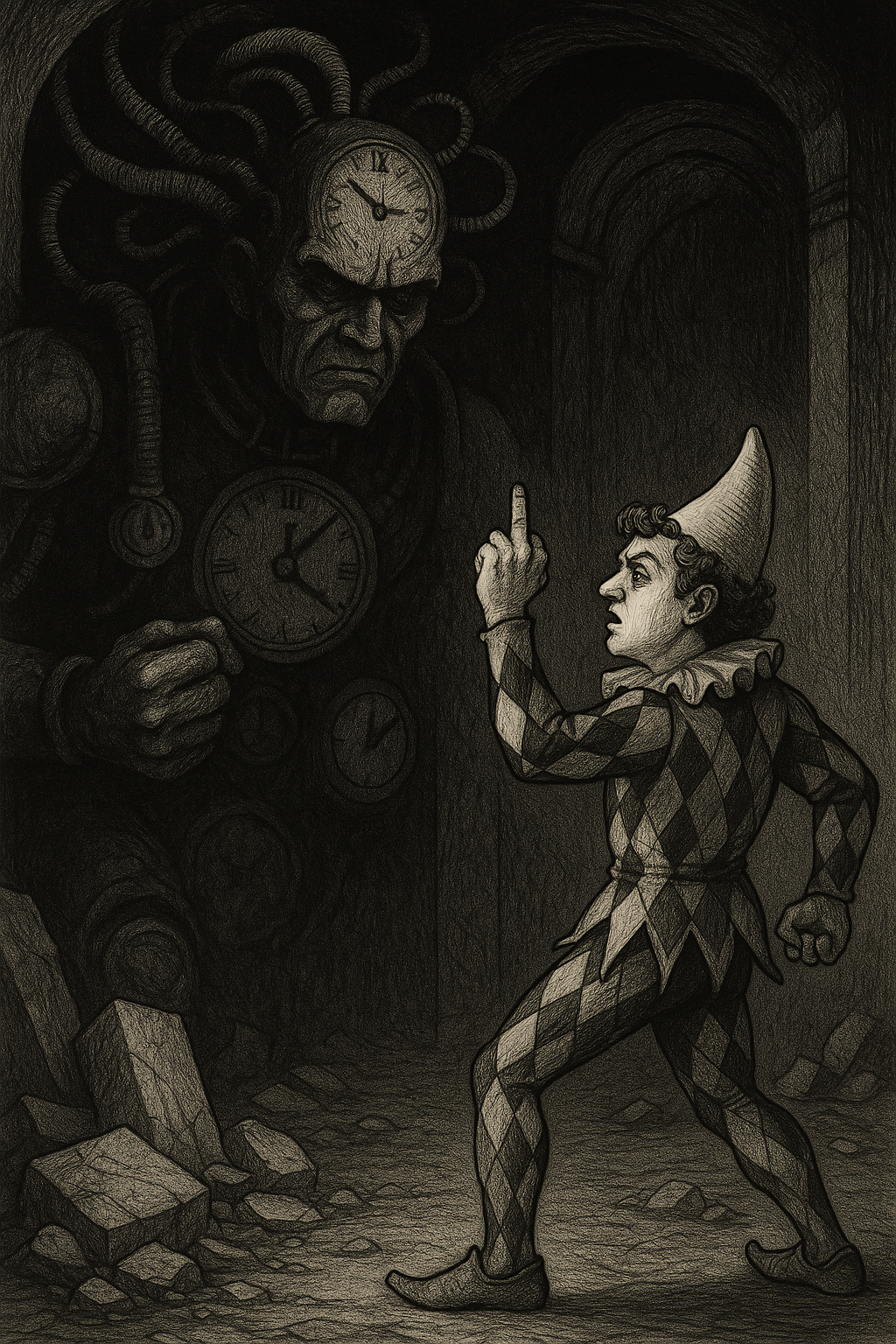 Harlan Ellisson (1934-2018)
🔒
·
"Sci-Fi's Most Controversial Figure" bipolar disorder quite decorated: 8 Hugo Awards, 4 Nebula Awards, 5 Bram Stoker Awards, SFWA Grand Master anthologies: Dang
Harlan Ellisson (1934-2018)
🔒
·
"Sci-Fi's Most Controversial Figure" bipolar disorder quite decorated: 8 Hugo Awards, 4 Nebula Awards, 5 Bram Stoker Awards, SFWA Grand Master anthologies: Dang -
is_parent Occupation: Conscience 🔒 ·
"My work is foursquare for chaos. I spend my life personally, and my work professionally, keeping the soup boiling. Gadfly is what they call you when you are no
-