i
The New Wave DDH ()


The New Wave

The New Wave (mid-1960s to late 1970s) was a literary movement that rejected Golden Age rationalism in favor of experimentation, psychology, and stylistic innovation. Influenced by modernism, counterculture, and emerging social critique, New Wave authors emphasized subjectivity, inner states, taboo themes, and linguistic play.

Context & Precursors

**1950s–60s counterculture:** rise of youth rebellion, anti-establishment politics, and experimentation with altered consciousness.

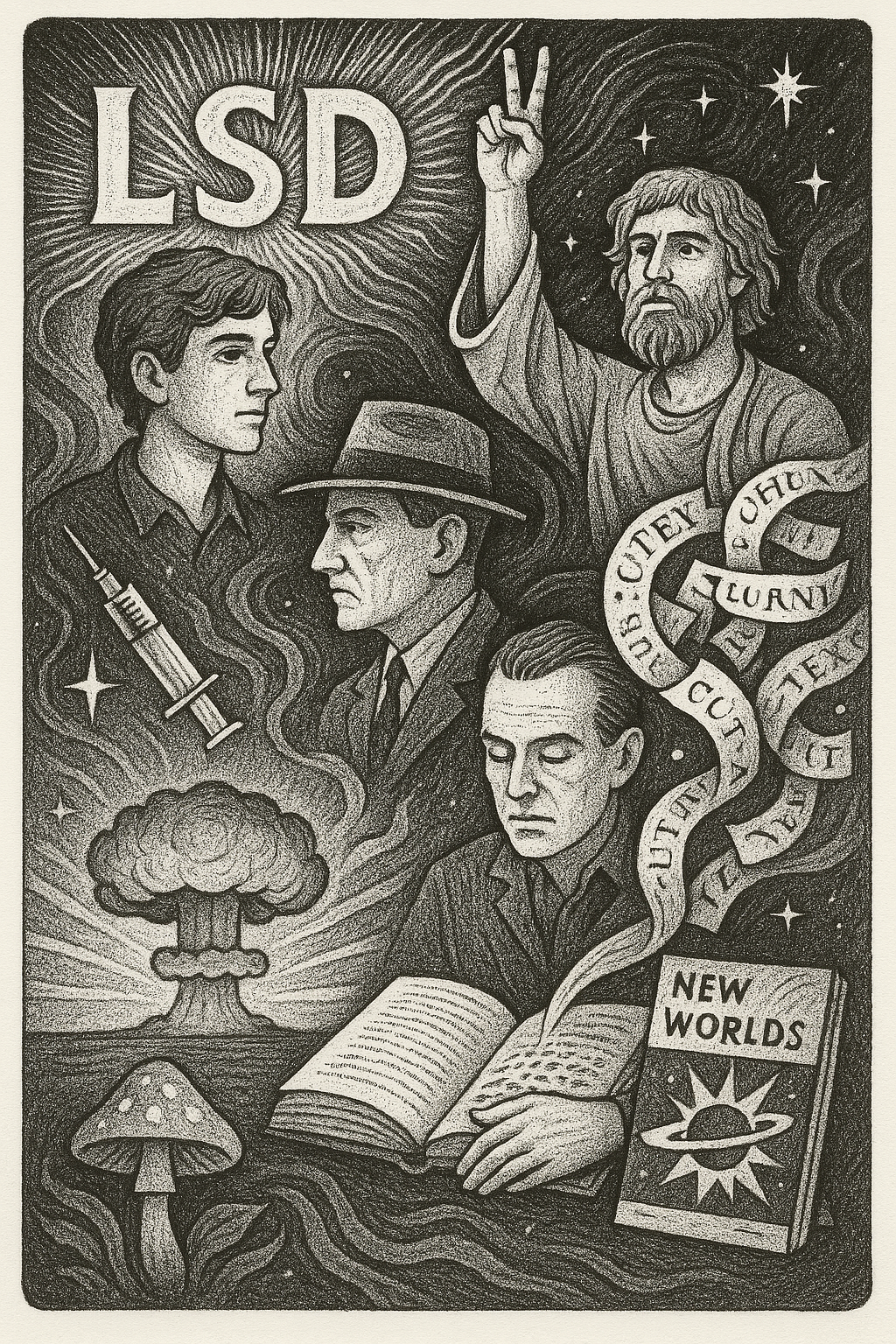
**LSD (discovered 1943, popularized 1960s):** reshaped cultural interest in perception, identity, and inner realities.

**William S. Burroughs:** cut-up techniques and surreal, transgressive prose became a stylistic blueprint for New Wave experimentation.

**Beat Generation:** Kerouac, Ginsberg, Ferlinghetti—subjectivity, fragmentation, and personal mythmaking enter SF’s toolbox.

**Modernist and postmodernist literature:** Joyce, Kafka, Pynchon, Borges—models for narrative play, ambiguity, and psychological depth.

**Cold War anxiety:** paranoia, nuclear threat, and bureaucratic control themes anticipate New Wave dystopias.

**Shift in magazines:** *New Worlds* under Michael Moorcock becomes the laboratory for radical, literary SF.

Dangerous Visions

"Dangeours Visions" is a title of short-fiction anthology published in 1967. Edited by Harlan Ellison, DV assembled 33 brand-new stories — many pushing boundaries of style, politics, sexuality — and helped define the literary shift known as the New Wave science fiction. 

Contributing Authors: Lester del Rey; Robert Silverberg; Frederik Pohl; Philip José Farmer; Miriam Allen deFord; Robert Bloch; Harlan Ellison; Brian W. Aldiss; Howard Rodman; Philip K. Dick; Larry Niven; Fritz Leiber; Joe L. Hensley; Poul Anderson; David R. Bunch; James Cross; Carol Emshwiller; Damon Knight; Theodore Sturgeon; Larry Eisenberg; Henry Slesar; Sonya Dorman; John T. Sladek; Jonathan Brand; Kris Neville; R. A. Lafferty; J. G. Ballard; John Brunner; Keith Laumer; Norman Spinrad; Roger Zelazny; Samuel R. Delany.

Harlan Ellisson (1934-2018)

"Sci-Fi's Most Controversial Figure"

bipolar disorder

quite decorated: 8 Hugo Awards, 4 Nebula Awards, 5 Bram Stoker Awards, SFWA Grand Master

anthologies: Dangerous Visions (1967); Again, Dangerous Visions (1972); Last Dangerous Visions (2018)

Star Trek ("The City on the Edge of Forever"); Disney (well, not really); I, Robot (well, not really)

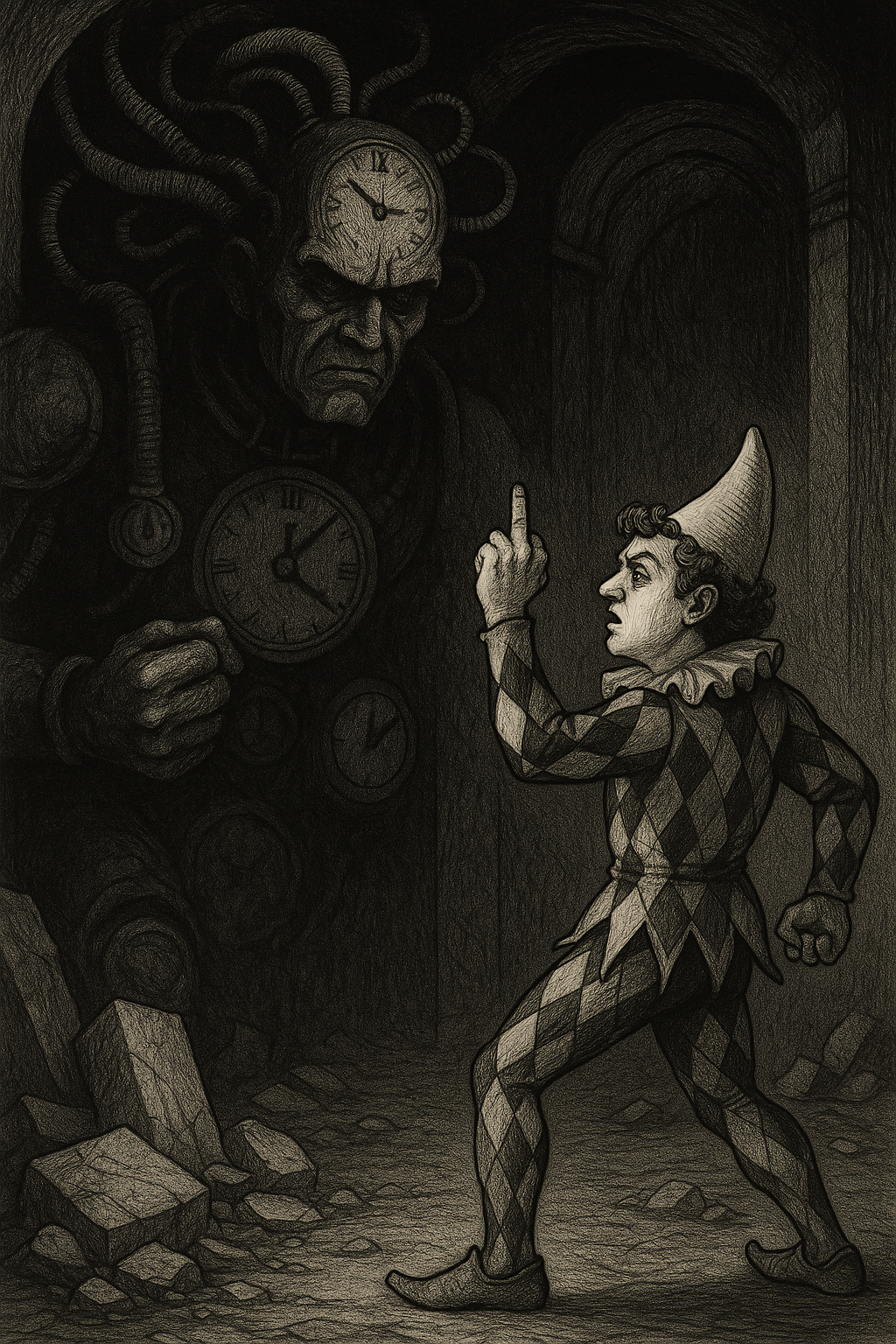
"Repent, Harlequin ! The Ticktockman said" (1965); I have no mouth and I must scream (1967); A boy and his dog (1967)

Occupation: Conscience

"My work is foursquare for chaos. I spend my life personally, and my work professionally, keeping the soup boiling. Gadfly is what they call you when you are no longer dangerous; I much prefer troublemaker, malcontent, desperado. I see myself as a combination of Zorro and Jiminy Cricket. My stories go out from here and raise hell. From time to time some denigrator or critic with umbrage will say of my work, 'He only wrote that to shock.' I smile and nod. Precisely."