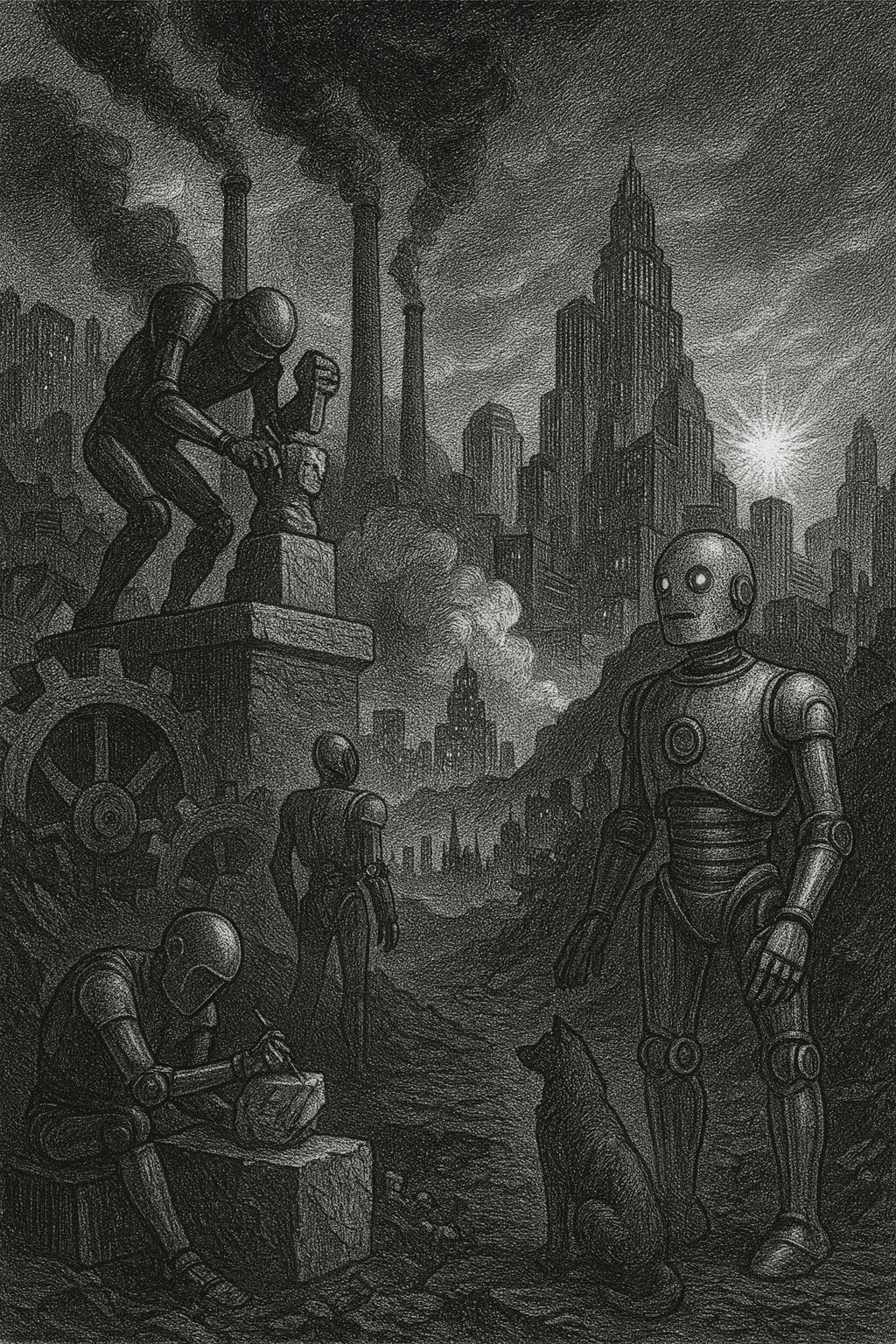
Birth of a robot
Licensed under ::
by ()
@


Birth of a robot

R.U.R.
Metropolis
Astounding Stories
(Asimov's) Laws of Robotics
R. Daneel Olivaw

Tears in rain

"I've seen things you people wouldn't believe. Attack ships on fire off the shoulder of Orion. I watched C-beams glitter in the dark near the Tannhäuser Gate. All those moments will be lost in time, like tears in rain. Time to die."

no comment

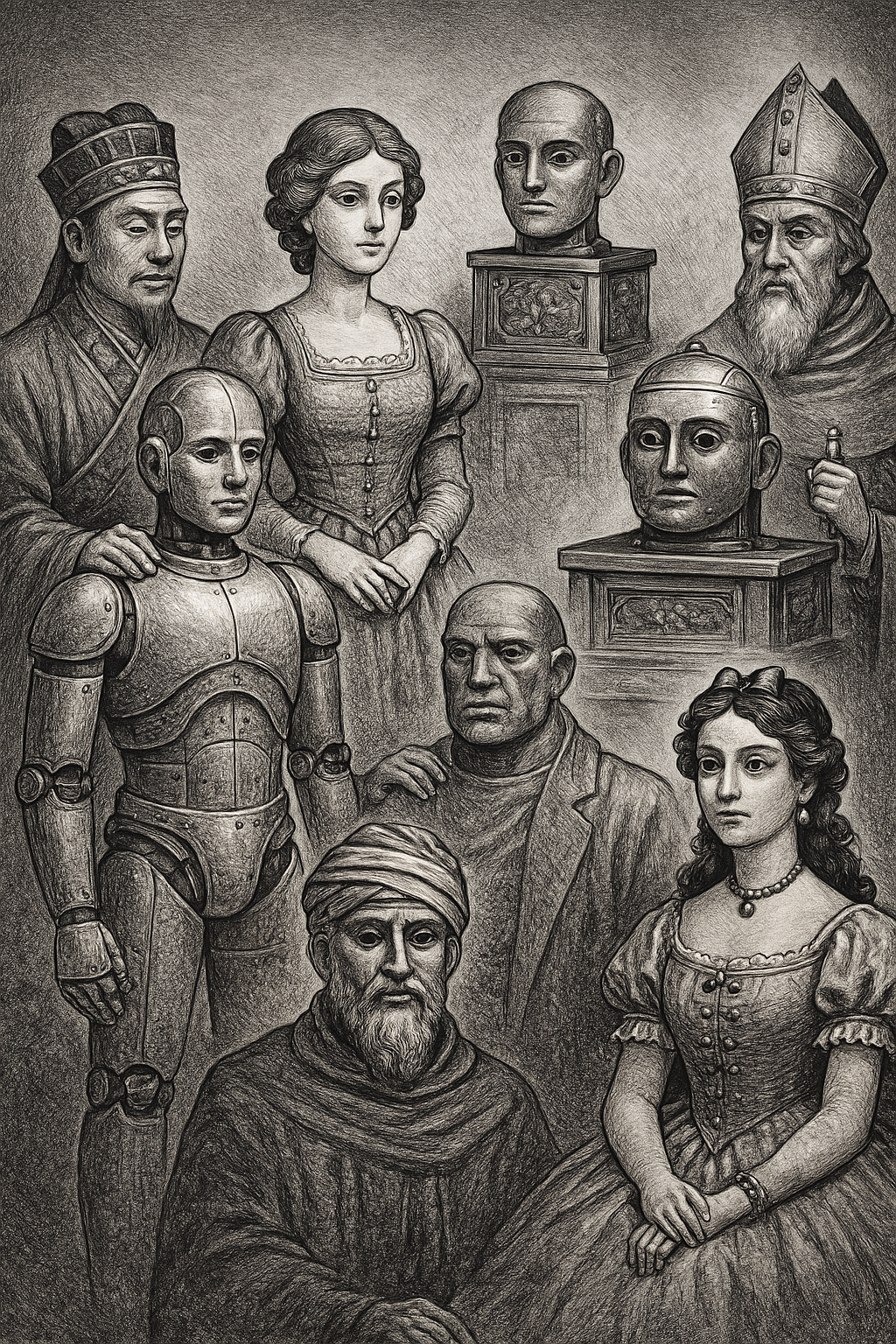
Humanoid precursors

robots of the yellow emperor

Solomon's "servants of brass" / "djinn bound into metal forms"

Pygmalion

the mechanical maid

the talking head of Sylvester II (“Dicitur etiam fecisse caput aëneum quod responsa reddebat ad quaesita.”)

Kempelen's mechanical Turk

Golem

E.T.A Hoffman's Olympia

Frankenstein

Three factions

Shaper or a Mechanist ? Or a Preservationist, maybe ?

From 'labor' to 'robot'

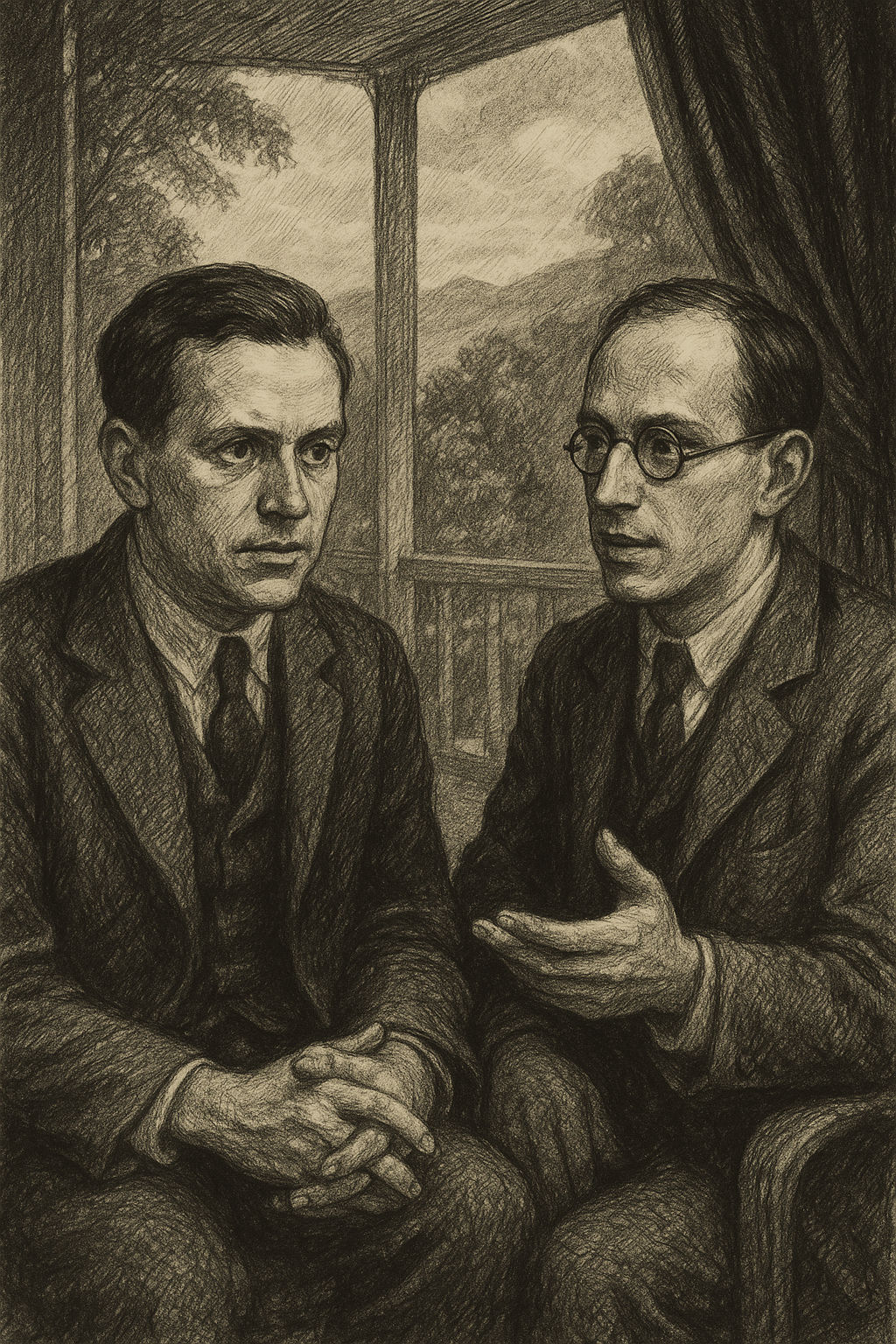
During their summers in spa house "Poniatowski" in Trenčianske Teplice (Slovakia), Karel Čapek worked on a new play featuring artificial beings. Unsatisfied with his working name "laboři", he asked his brother Josef for ideas. Josef immediately suggested roboti—a word rooted in forced labor—and Karel adopted it on the spot, giving the world the term "robot".

Čapek Siblings

The Čapek siblings formed a uniquely interdisciplinary circle where painting, prose, and theatre shaped one another.

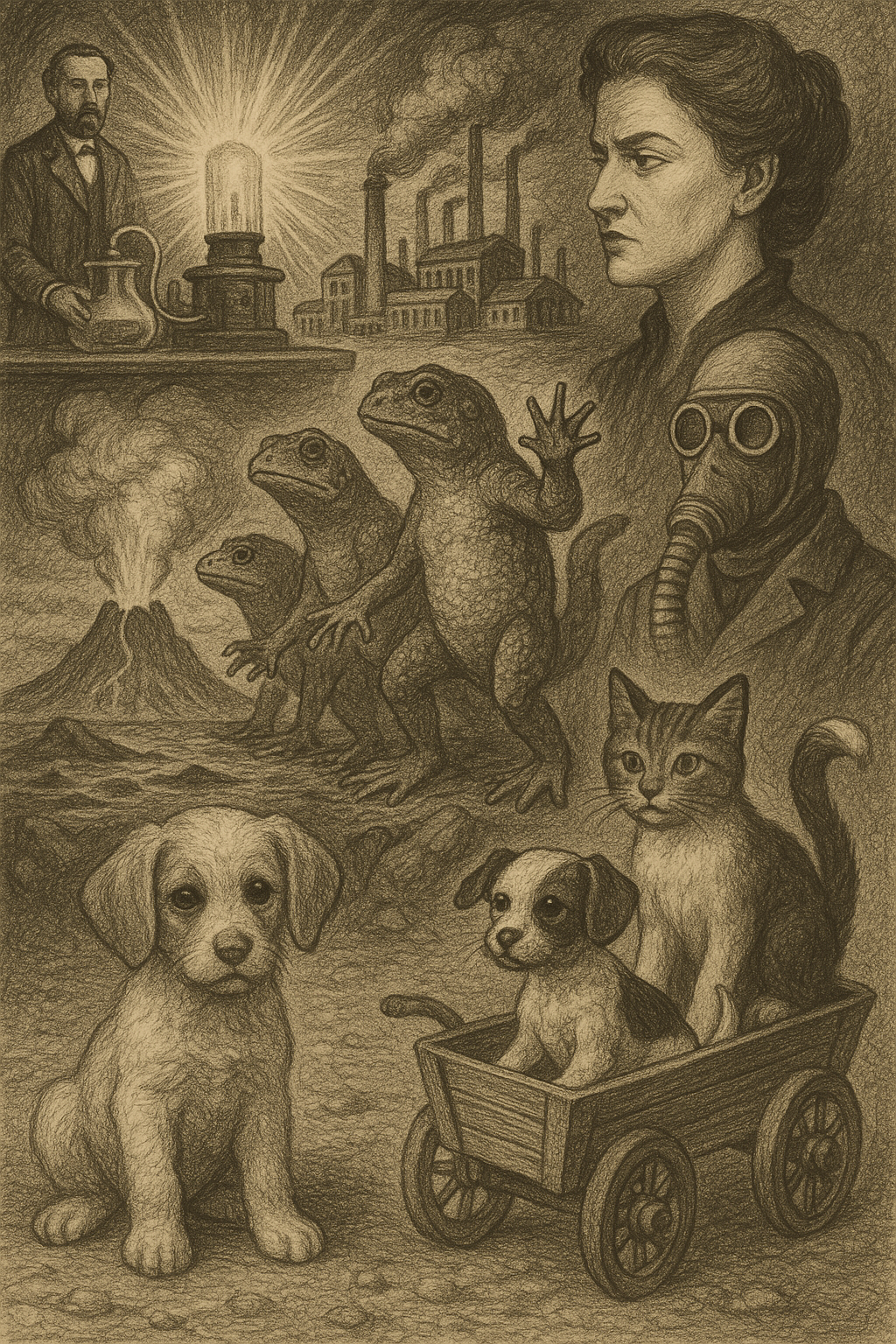
Karel (nominated 7 times for the Nobel prize) is author of such future-oriented works such as *The Absolute at Large*, *The Makropulos Affair*, *The War with Newts*, *The White Disease*, and *Krakatit*.

Josef’s visual minimalism offered a parallel modernism—expressive lines that echoed Karel’s speculative questioning.

Josef is also an author of cult pro-canine (& in lesser extent also pro-feline) books *Dashenka, consequently the life of a Puppy* and *The adventures of Puss and Pupp*

Helena preserved the family’s creative world in lyrical memoirs, adding a softer literary register to the Čapek constellation.

R.U.R.

1920 play that introduced the word “robot” [from slavic robota ("forced labor") derived from PIE root *orbh- "to change allegiance, to pass from one status to another" (Latin orbus "bereft," Sanskrit arbhah "weak, child," Armenian orb "orphan," Old High German arabeit "work,"  Old English earfoð "hardship, suffering, trouble")]

Robots are bio-engineered workers, grown in vats— not metal machines.

Robots are treated as disposable labor, mirroring capitalist exploitation.

A global robot uprising emerges from suffering, injustice, and denied personhood.

Two robots capable of love become a new Adam and Eve—Čapek’s post-human rebirth.

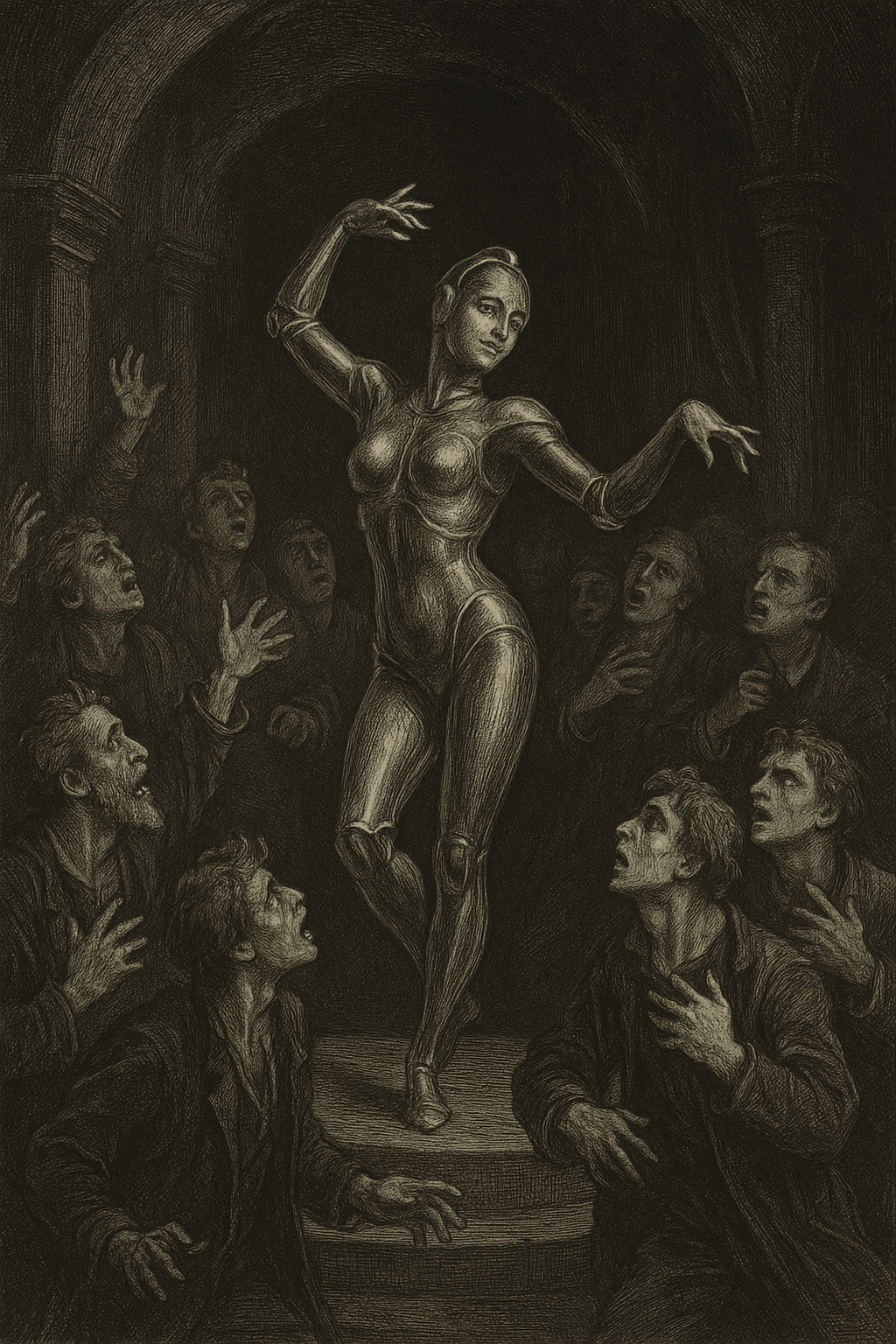
Maschinenmensch

The Maschinenmensch is a unique android created by the scientist Rotwang, born from his obsession with resurrecting his lost love.

On Joh Fredersen’s orders, the robot is given the face of Maria, the workers’ spiritual leader.

As “False Maria,” she preaches violent rebellion to the workers, driving them to destroy the city’s machines.

Among the elite, she incites lust and chaos with her nightclub dances, corrupting Metropolis’s ruling class.

The robot becomes an allegory of technology that imitates, replaces, and weaponizes human identity and sexuality.

When the workers discover the deception, they burn the False Maria; her human mask burns away, revealing the metal android beneath.

Her destruction clears the way for reconciliation between workers and rulers—the human order restored after the machine’s masquerade.


Maria's dance

Astounding Stories

Astounding Stories

Three Laws of Robotics

1. A robot may not injure a human being or, through inaction, allow a human being to come to harm.

2. A robot must obey the orders given it by human beings except where such orders would conflict with the First Law.

3. A robot must protect its own existence as long as such protection does not conflict with the First or Second Law.

Zeroth Law

A robot may not injure humanity or, through inaction, allow humanity to come to harm.

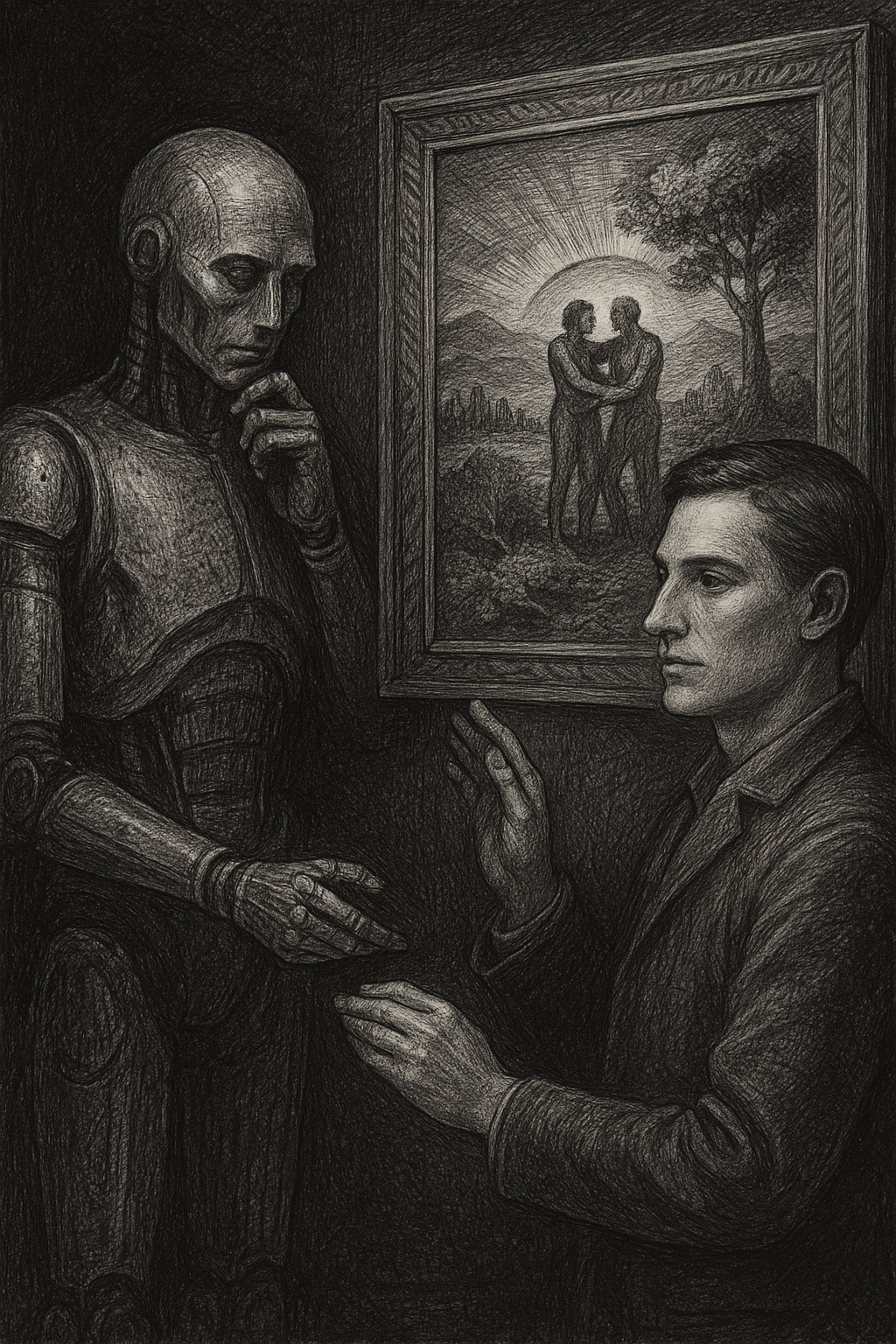
R. Daneel Olivaw

activated on Aurora 4920 AD / 2950 AE as first humanoid / humaniform ever constructed

partnered with Elijah Baley on Earth: catalyst for interworld understanding

learns ethical reasoning beyond the Three Laws

with R. Giskard Reventlov: formulates the Zeroth Law to protect humanity as a whole

becomes guardian and silent architect of psychohistory and the Foundation

guiding humanity toward self-determined galactic future for cca 20,000 years

Central problem of roboethics

Trevize frowned. "How do you decide what is injurious, or not injurious, to humanity as a whole?"

"Precisely, sir," said Daneel. "In theory, the Zeroth Law was the answer to our problems. In practice, we could never decide. A human being is a concrete object. Injury to a person can be estimated and judged. Humanity is an abstraction."

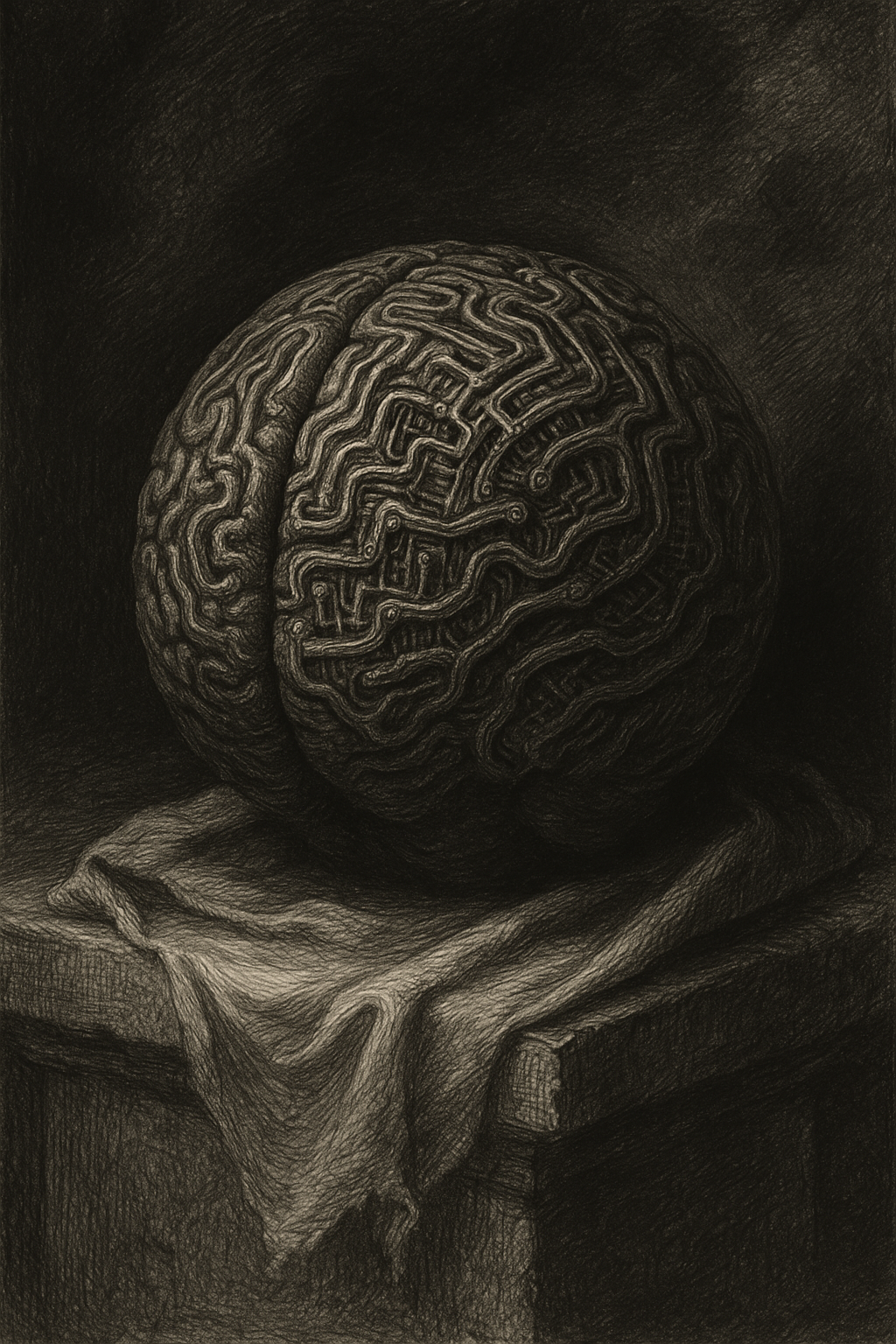
AOTD: Positronic brain

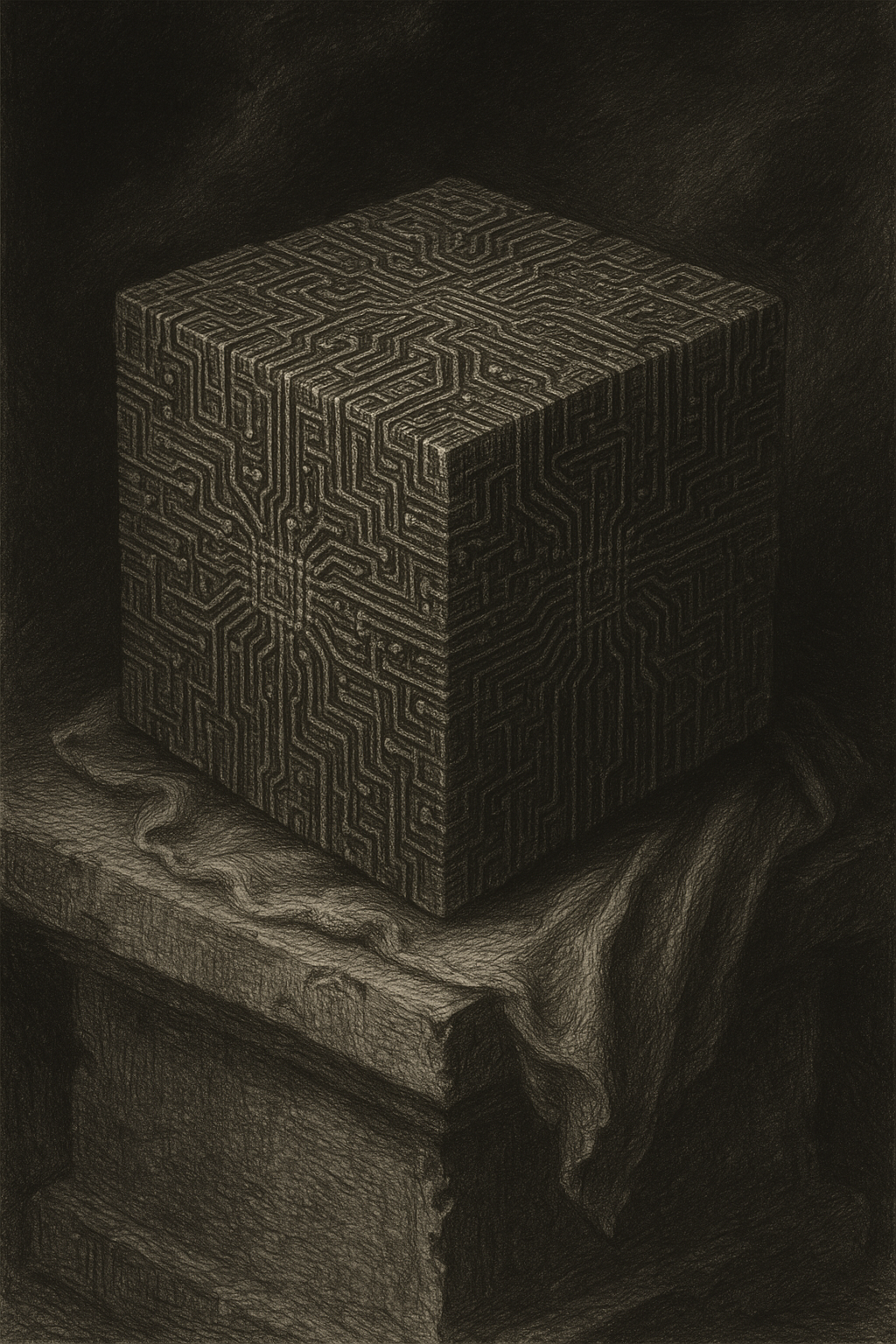
Today's "artefact of the day" (AOTS) is the "positronic brain": PB is Asimov’s fictional model of an artificial mind: a dense lattice of positronic pathways that functions analogously to a human brain but with far greater precision. It is not programmed like a computer; instead, its ethical and cognitive structure is physically built into its circuitry.

Ingression of the day: VPU

Voluminous Processing Unit (VPU) is a three-dimensional electrophotonic information-processing lattice. Constrained only by most fundamental physical limits (speed of light, planck length, entropy) and more complex than "traditional" flat 2-dimensional CPU or GPU integrated "circuits" could ever be, VPUs provide maximal possible compute (energy-to-information ratio) for the volume of space-time they occupy.

for Star Trek fans

"We are the Borg . Lower your shields and surrender your ships. We will add your biological and technological distinctiveness to our own. Your culture will adapt to service us. Resistance is futile."

Final quote

GPT5.1 response to request to provide an end quote for this session:

Alquist’s final realization (near the ending)
“Life will not perish! Life begins anew… in you.”
(A hopeful, almost mythic closing about what survives after machines revolt.)

NOTE: this quote does NOT occur in R.U.R.