Kastalia Knowledge Management System · Glasperlenspiel template · knot 2147
Dystopias and Utopias
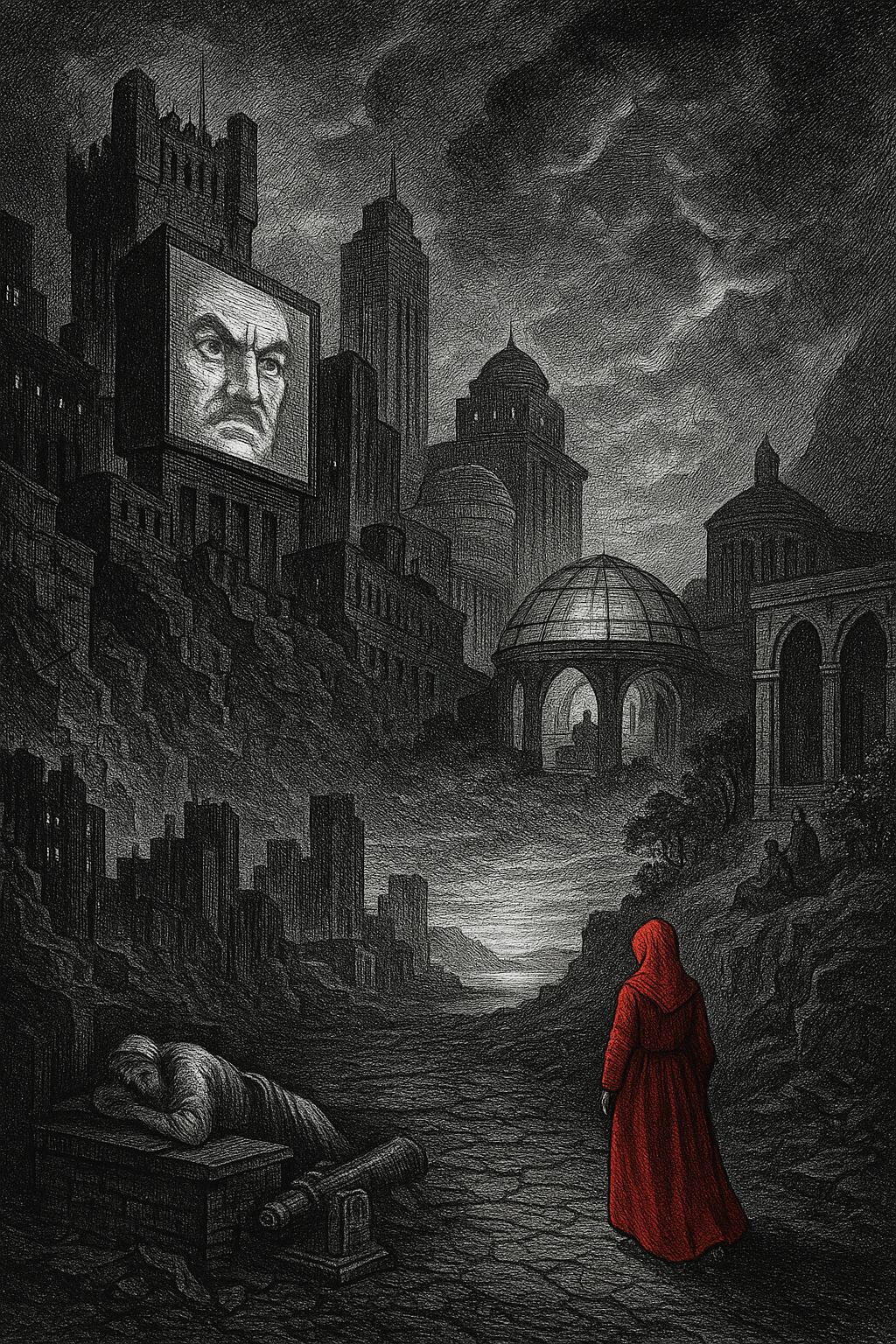
1984
Brave New World
Island
Glasperlenspiel
Handmaid's Tale
Ancestors (1 superordinated path)
root/
baumhaus.digital/
Studium Generale/
Mythologies of possible futures: Between Science Fiction and Reality/
Dystopias and Utopias
Descendants (at least 15 branches originate here)
-
Dystopias and Utopias
🔊
1984Brave New WorldIslandGlasperlenspielHandmaid's Tale
-
is_parent
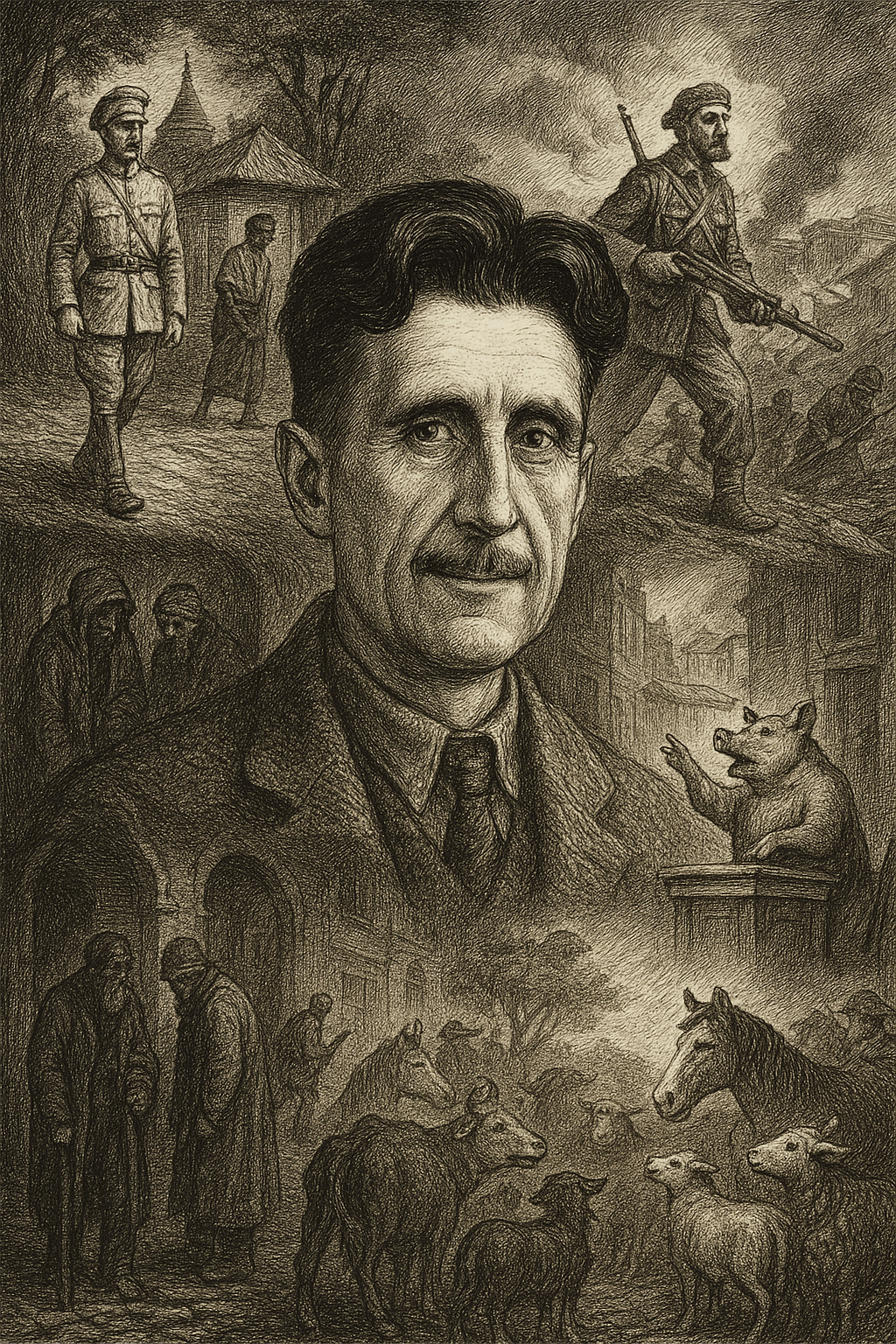 George Orwell (1903-1950)
George Orwell / Eric Arthur Blair born in British India, grew up in England, from 1922–1927 served in the Indian Imperial Police in Burma (Myanmar),
George Orwell (1903-1950)
George Orwell / Eric Arthur Blair born in British India, grew up in England, from 1922–1927 served in the Indian Imperial Police in Burma (Myanmar),-
is_parent
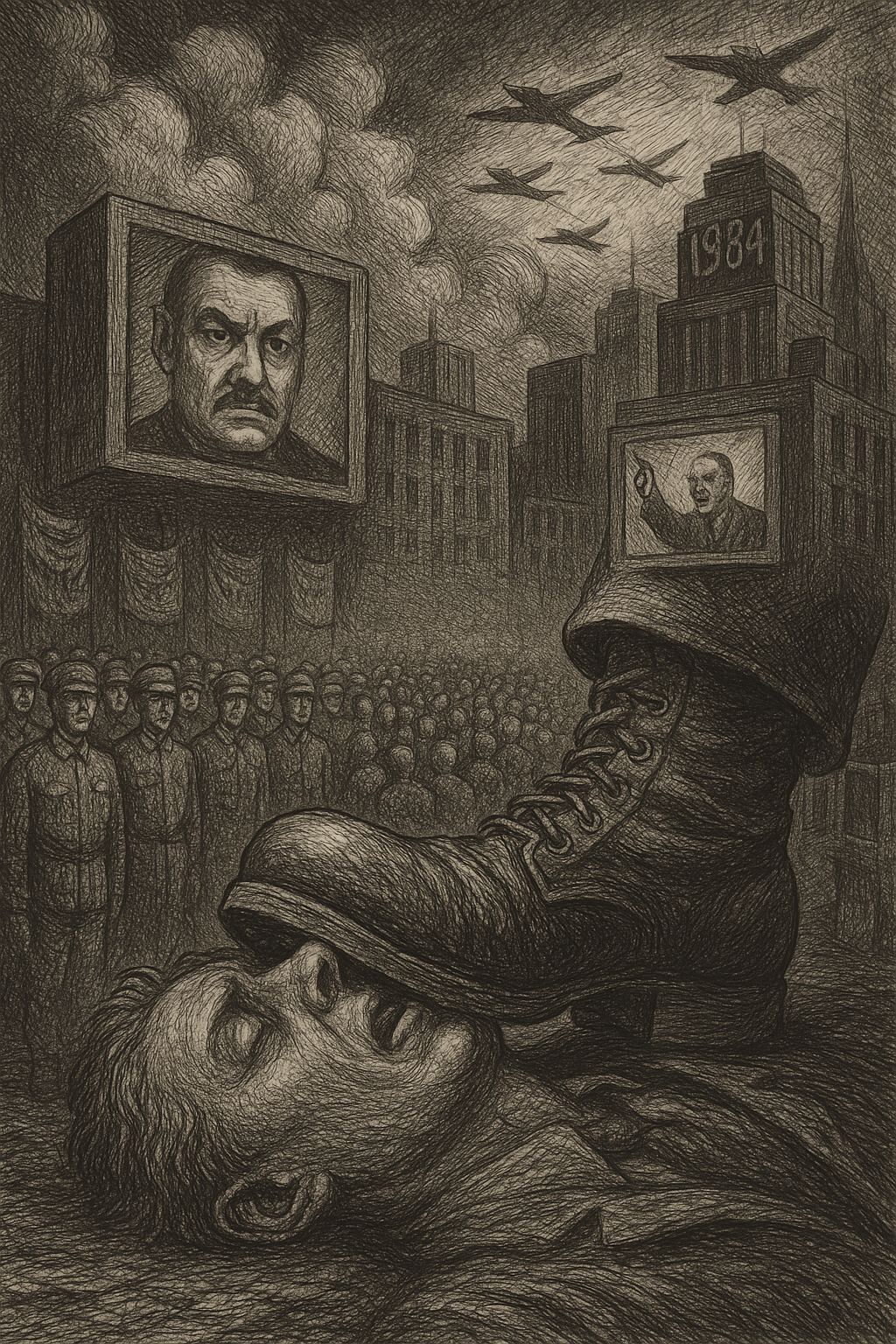 1984 (1948)
🔒
Nineteen Eighty-Four depicts a totalitarian state where the Party controls reality itself through surveillance, propaganda, and engineered language. Oceania, E
1984 (1948)
🔒
Nineteen Eighty-Four depicts a totalitarian state where the Party controls reality itself through surveillance, propaganda, and engineered language. Oceania, E
-
-
is_parent
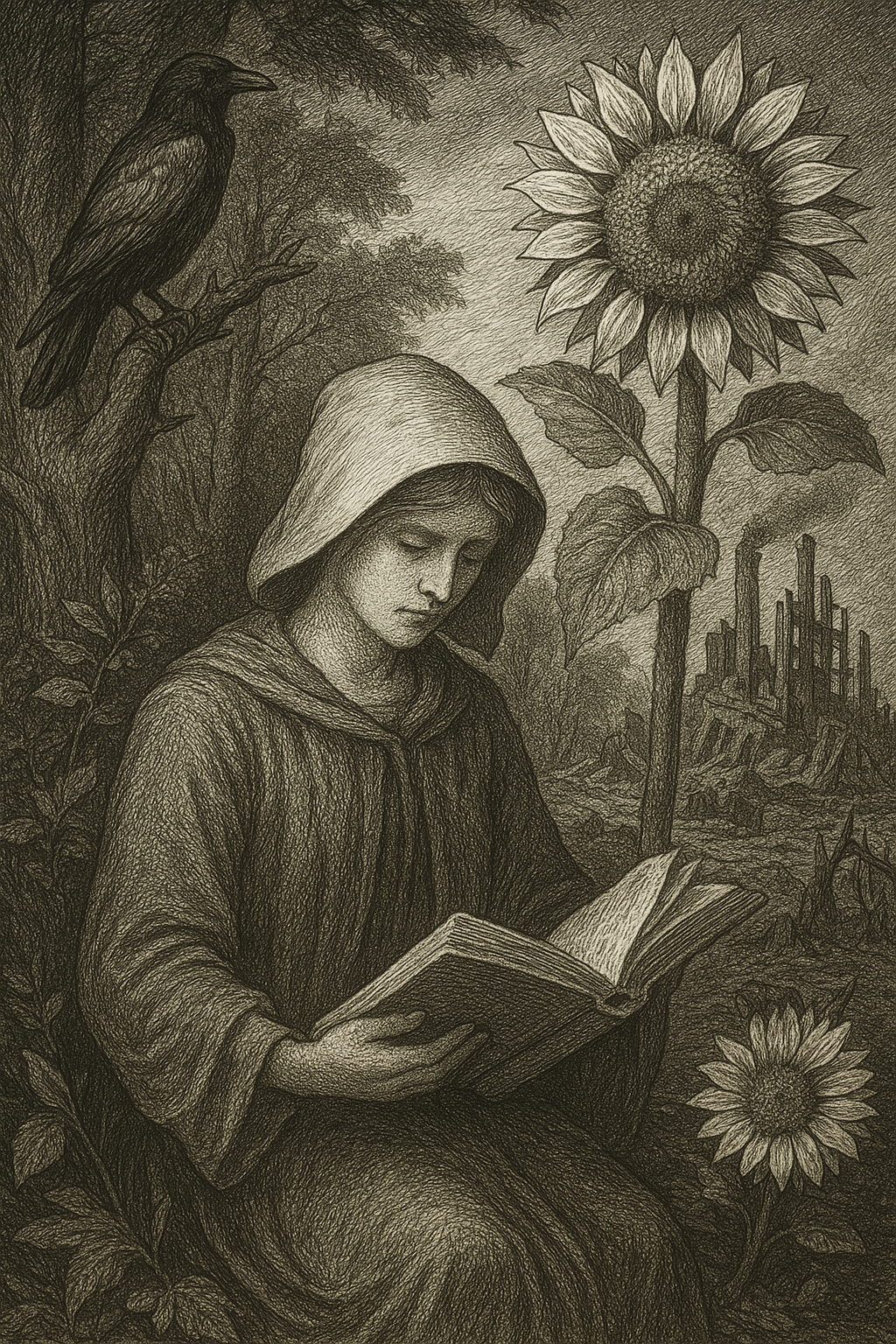 Margaret Atwood (1939)
Margaret Atwood is a Canadian novelist, poet, and critic whose work blends fiction, feminism, ecology, and political satire. She prefers the term “speculative
Margaret Atwood (1939)
Margaret Atwood is a Canadian novelist, poet, and critic whose work blends fiction, feminism, ecology, and political satire. She prefers the term “speculative-
is_parent
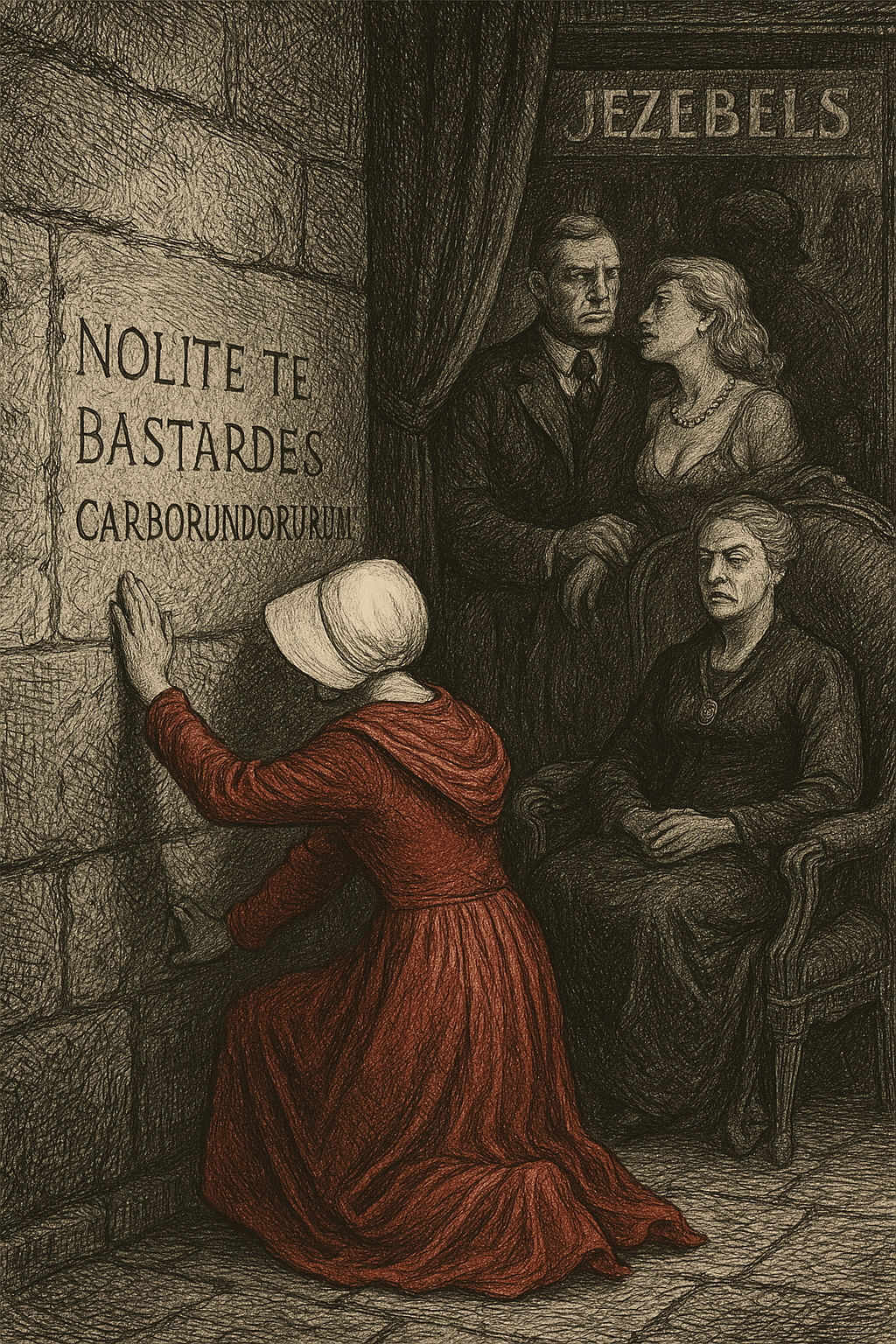 Handmaid's Tale (1985)
🔒
The story when εὐαγγέλιον got seriously wrong, again.
Handmaid's Tale (1985)
🔒
The story when εὐαγγέλιον got seriously wrong, again. -
is_parent did anyone expect ... 🔒 ·
the Spanish Inquisition ??? -
is_parent
 Gilead
🔒
·
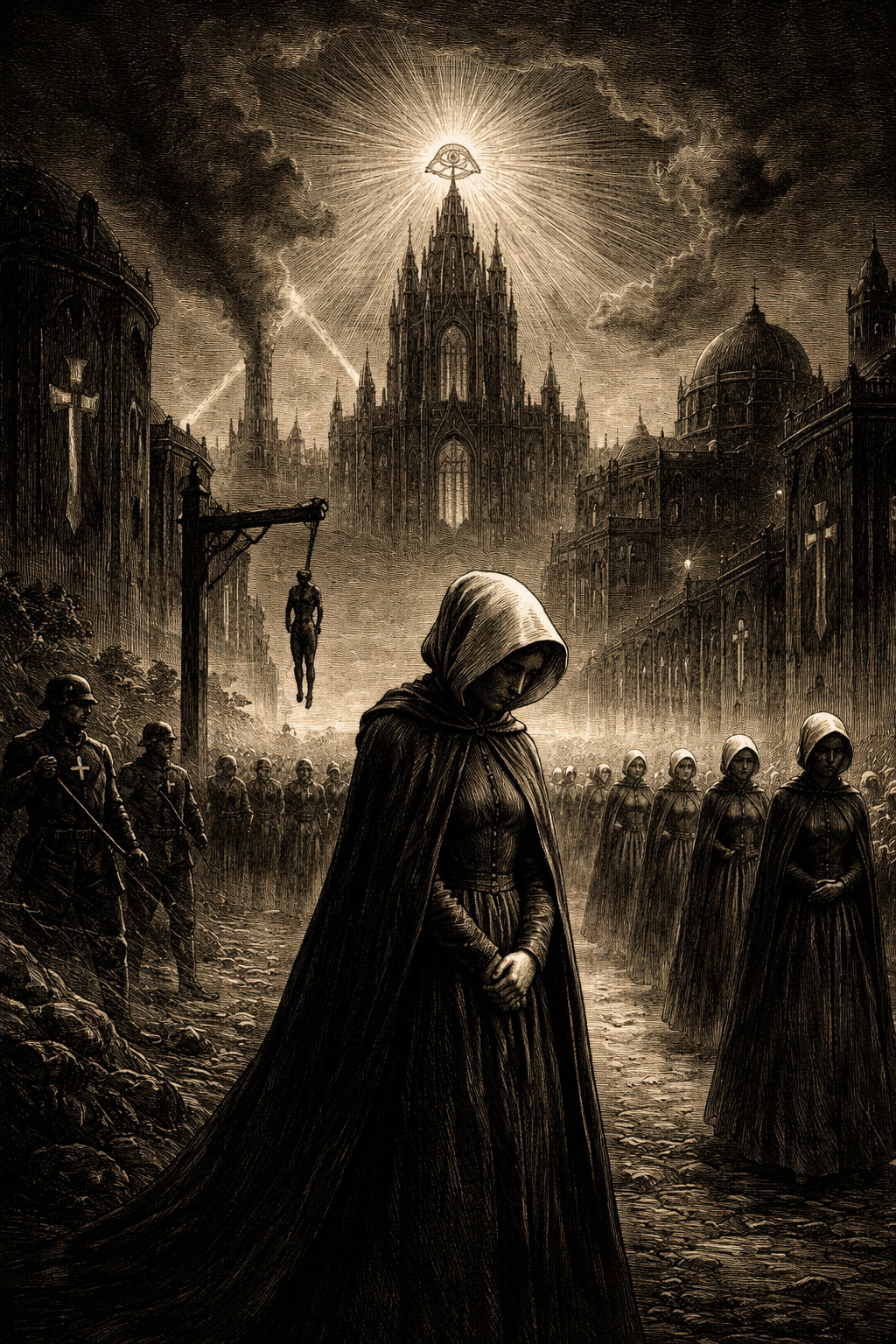
Gilead is a totalitarian theonomocracy built on fear, infertility, rigid control and necrotic inversion of Eros / Libido. After environmental collapse and decli
Gilead
🔒
·
Gilead is a totalitarian theonomocracy built on fear, infertility, rigid control and necrotic inversion of Eros / Libido. After environmental collapse and decli
-
-
is_parent
 Aldous Huxley (1894 - 1963)
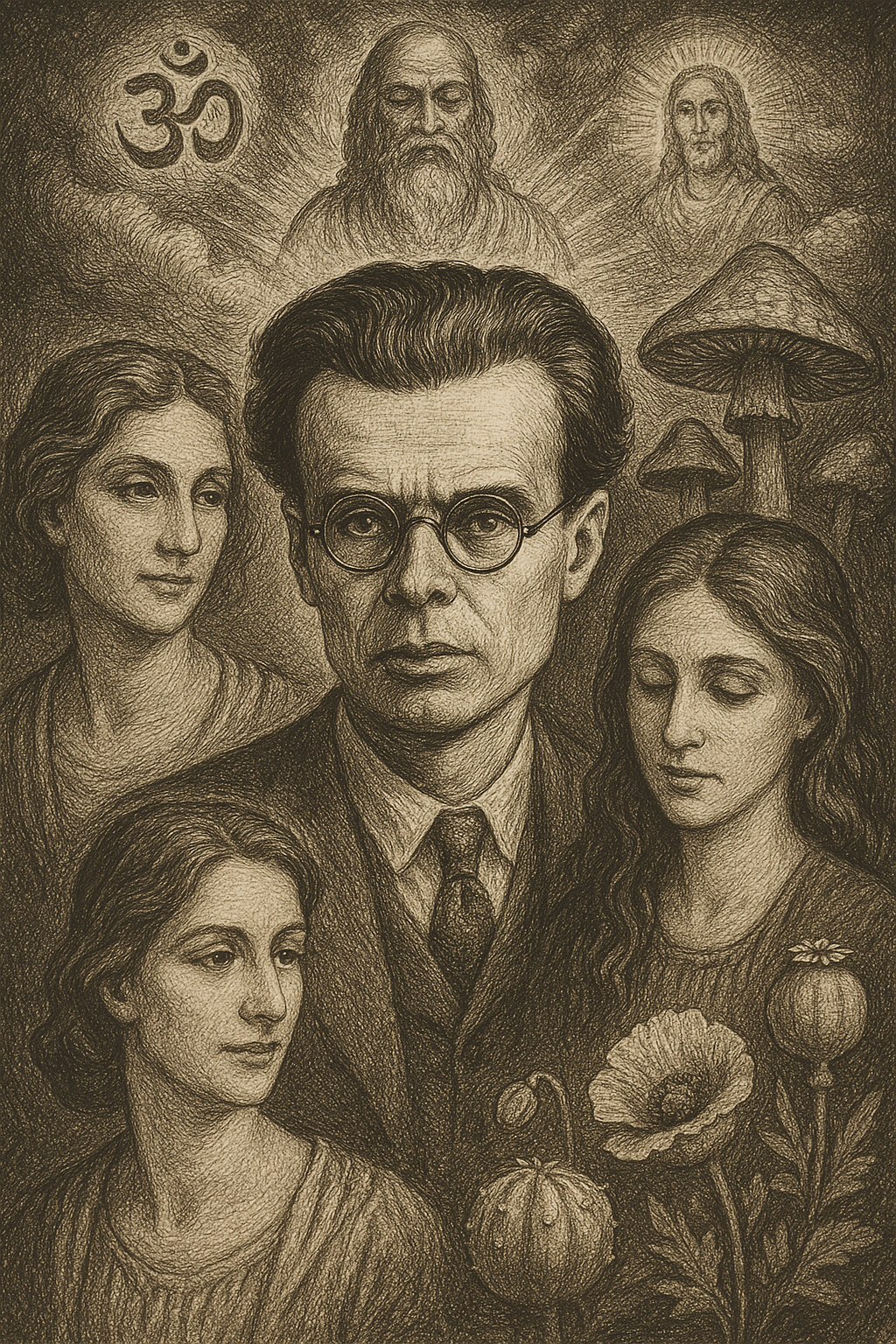
one of the most important anglosaxxon intellectuals of 1st half of 20th century first schooling by his own mother Julia (departure letter: "Judge not too much
Aldous Huxley (1894 - 1963)
one of the most important anglosaxxon intellectuals of 1st half of 20th century first schooling by his own mother Julia (departure letter: "Judge not too much-
is_parent
 Brave New World (1932)
🔒
·
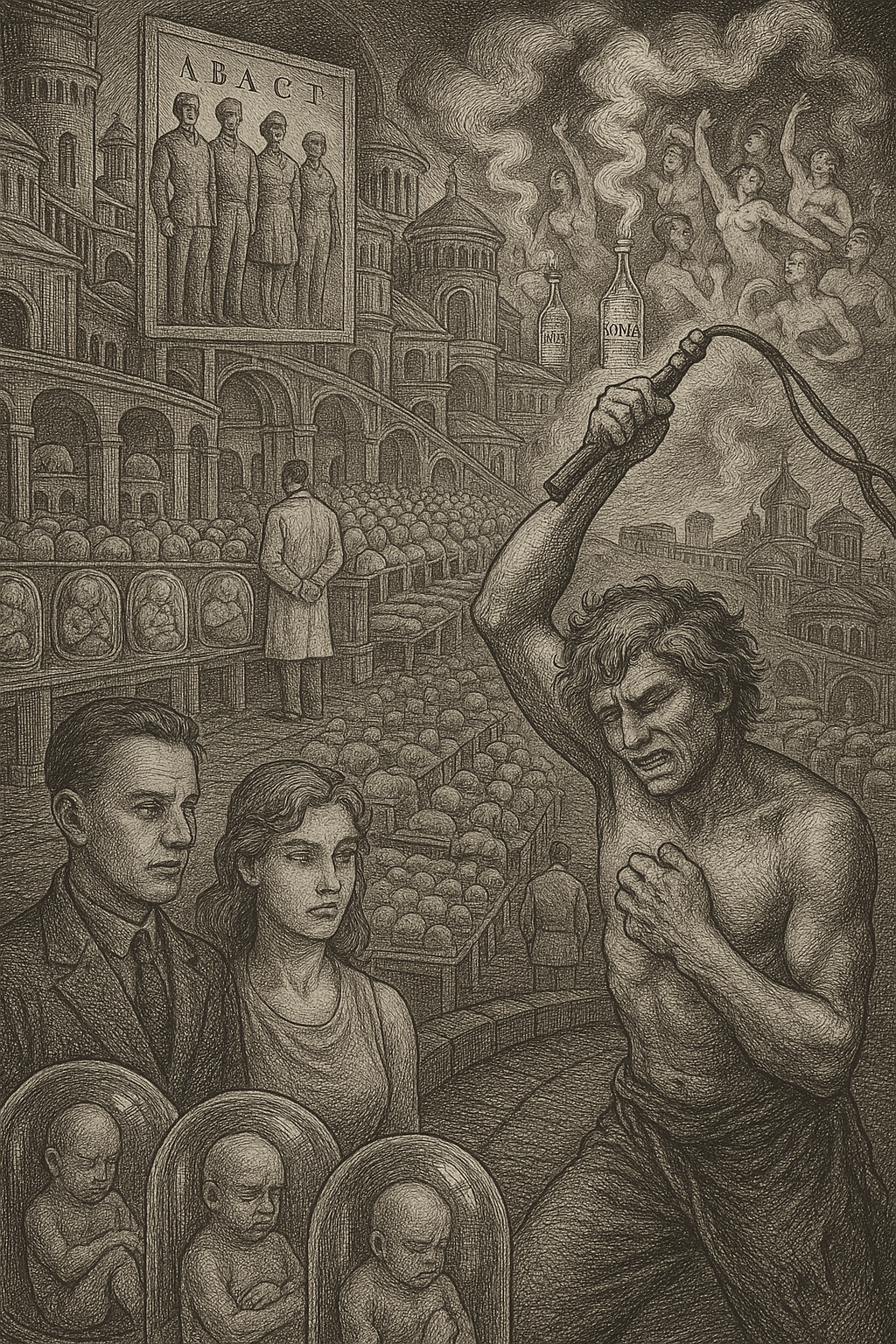
BNW: biologically and psychologically engineered society built on stability, consumption & "happiness". Humans are mass-produced and conditioned from infancy.
Brave New World (1932)
🔒
·
BNW: biologically and psychologically engineered society built on stability, consumption & "happiness". Humans are mass-produced and conditioned from infancy. -
is_parent
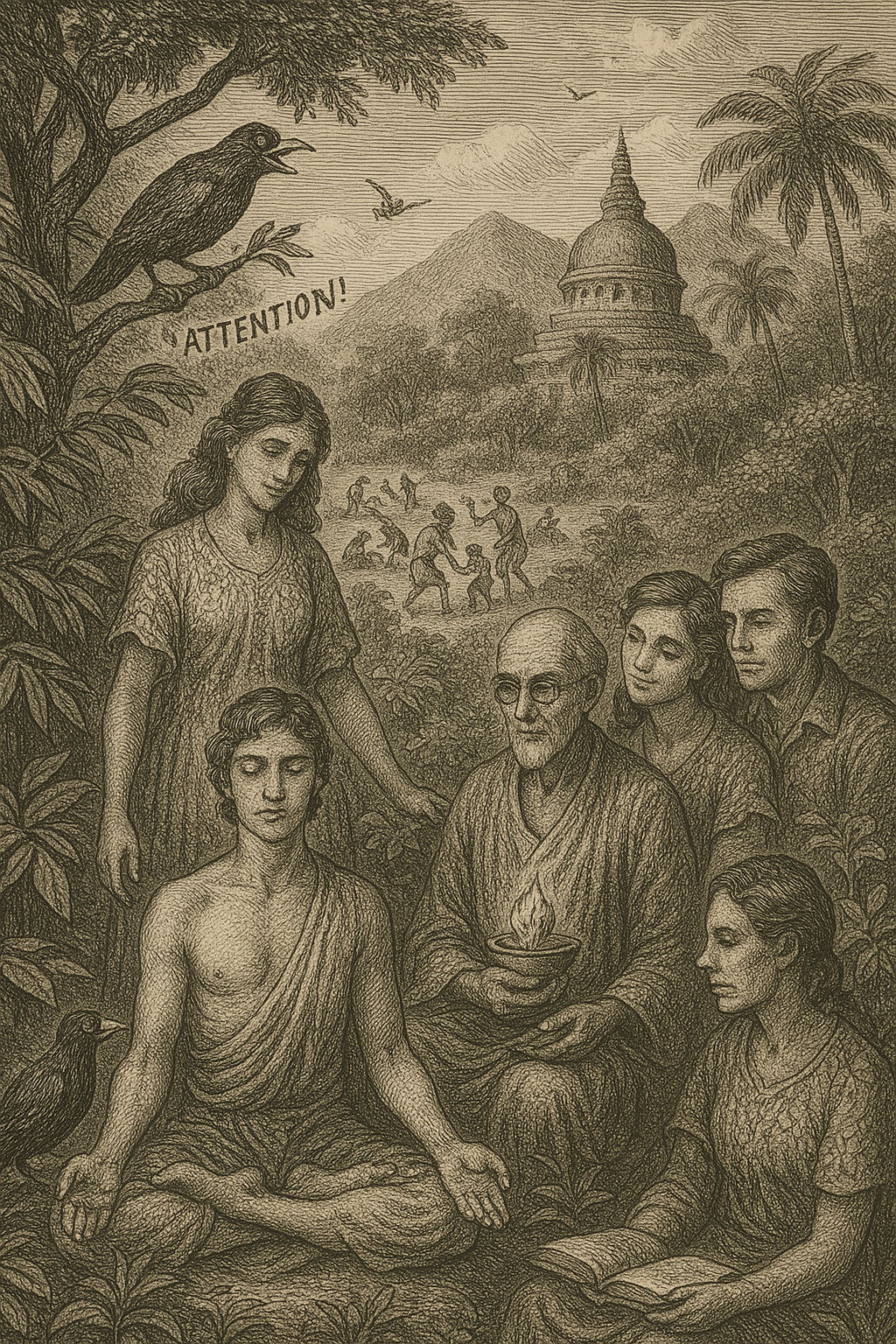 Island (1962)
🔒
·
Island Pala is a psycho-spiritual utopia blending Buddhist mindfulness, Western science & ecological balance. Education as core institution: cultivating awaren
Island (1962)
🔒
·
Island Pala is a psycho-spiritual utopia blending Buddhist mindfulness, Western science & ecological balance. Education as core institution: cultivating awaren
-
-
is_parent The Game with Glass Beads (1948) ·
nihil adeo necesse est ante hominum oculos proponere ut certas quasdam res, quas esse neque demonstrari neque probari potest, quae contra eo ipso, quod pii dili -
is_parent
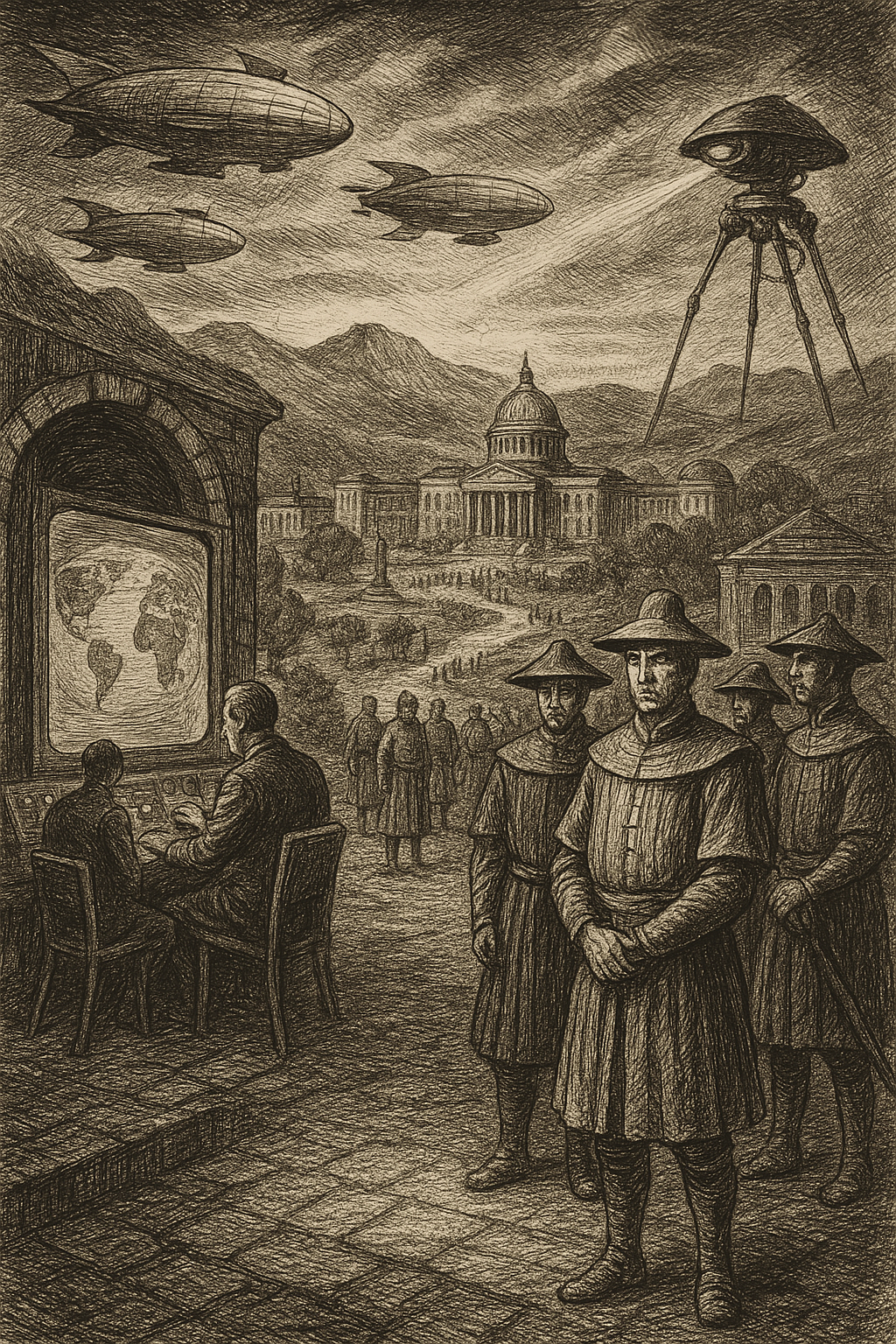 H.G.Wells (1866 - 1846)
🔒
asides Shelley, Verne and Gernsback considered to be one of 19th parents of "science-fiction" genre a “social scientist in fiction”: stories as thought experim
H.G.Wells (1866 - 1846)
🔒
asides Shelley, Verne and Gernsback considered to be one of 19th parents of "science-fiction" genre a “social scientist in fiction”: stories as thought experim-
is_parent
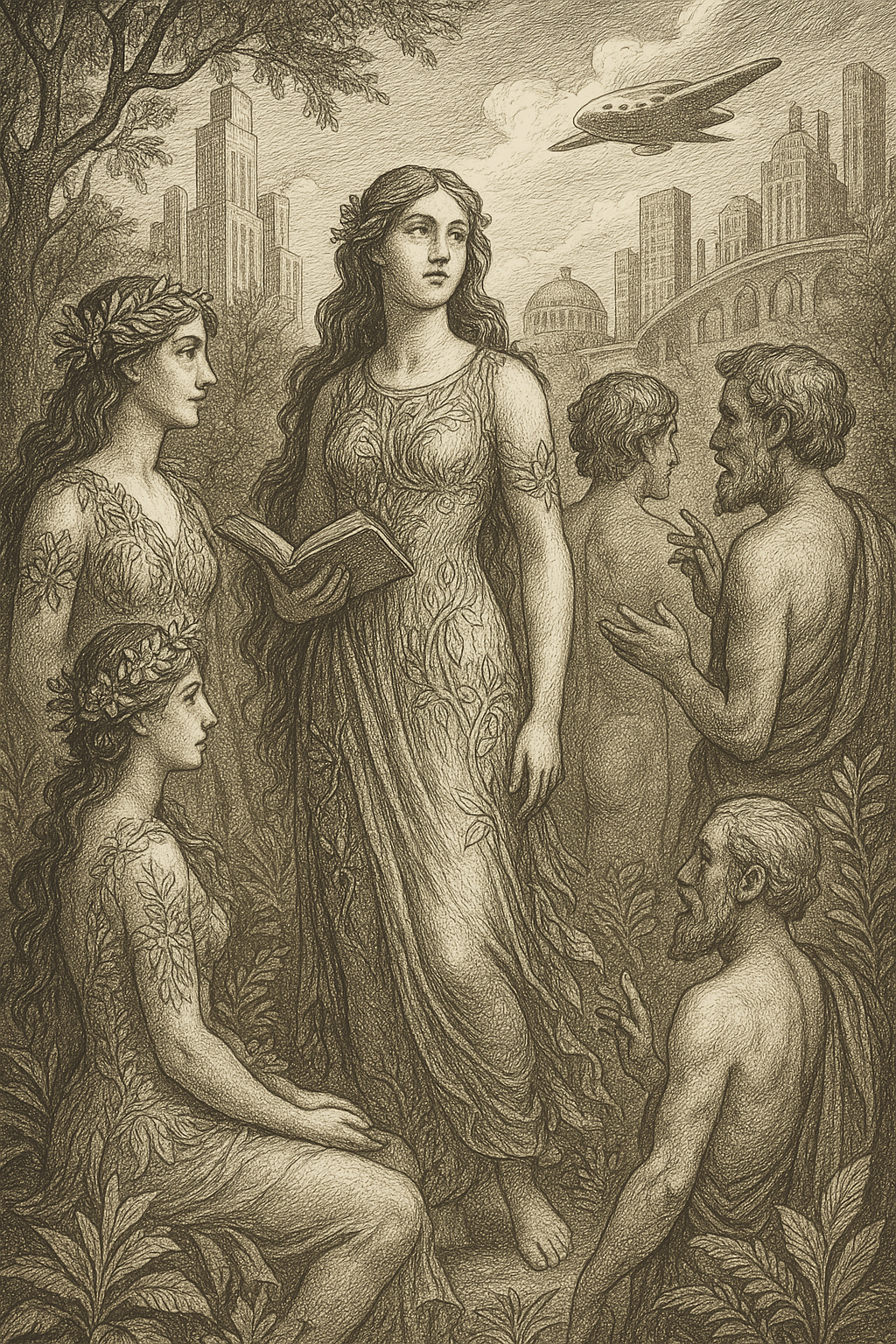 Five Principles of Liberty
🔒
·
Listed in Wells' Utopia "Men like Gods" (1923) as follows: privacy free movement unlimited knowledge truthfulness free discussion
Five Principles of Liberty
🔒
·
Listed in Wells' Utopia "Men like Gods" (1923) as follows: privacy free movement unlimited knowledge truthfulness free discussion
-
-
is_parent Huxley's quote on Illusion and Reality 🔒 ·
... The world is an illusion, but it is an illusion that we must take seriously, because it is as real as it goes, and in those aspects of reality which we are -
is_parent
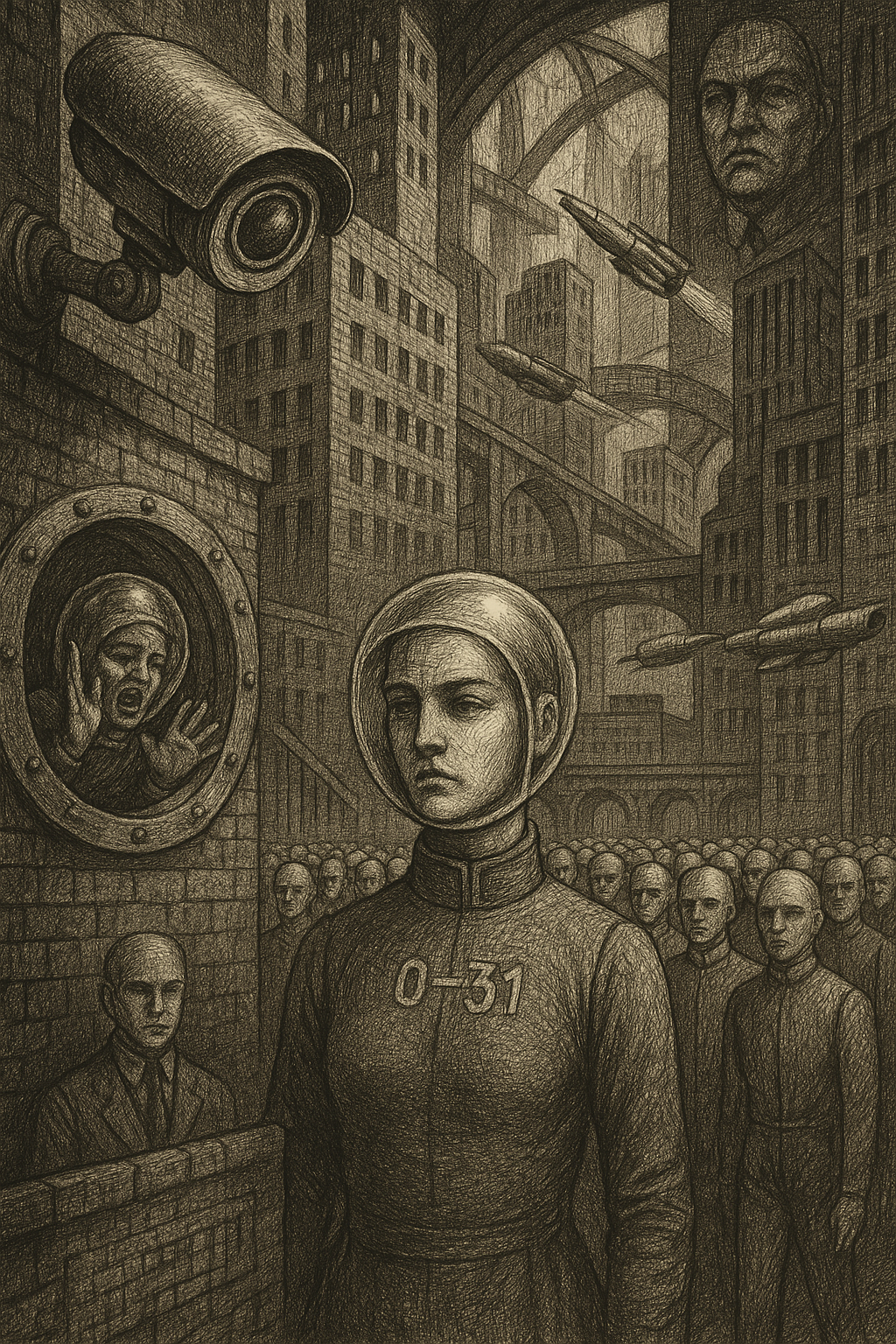 Мы (1921)
🔒
·
Anyone willing to refer at the Congress about the "mother of dystopias", the novel "We" by a Russian writer Yevgeny Zamyatin ?
Мы (1921)
🔒
·
Anyone willing to refer at the Congress about the "mother of dystopias", the novel "We" by a Russian writer Yevgeny Zamyatin ?
-