Dystopias and Utopias
Licensed under ::
by ()
@


Dystopias and Utopias

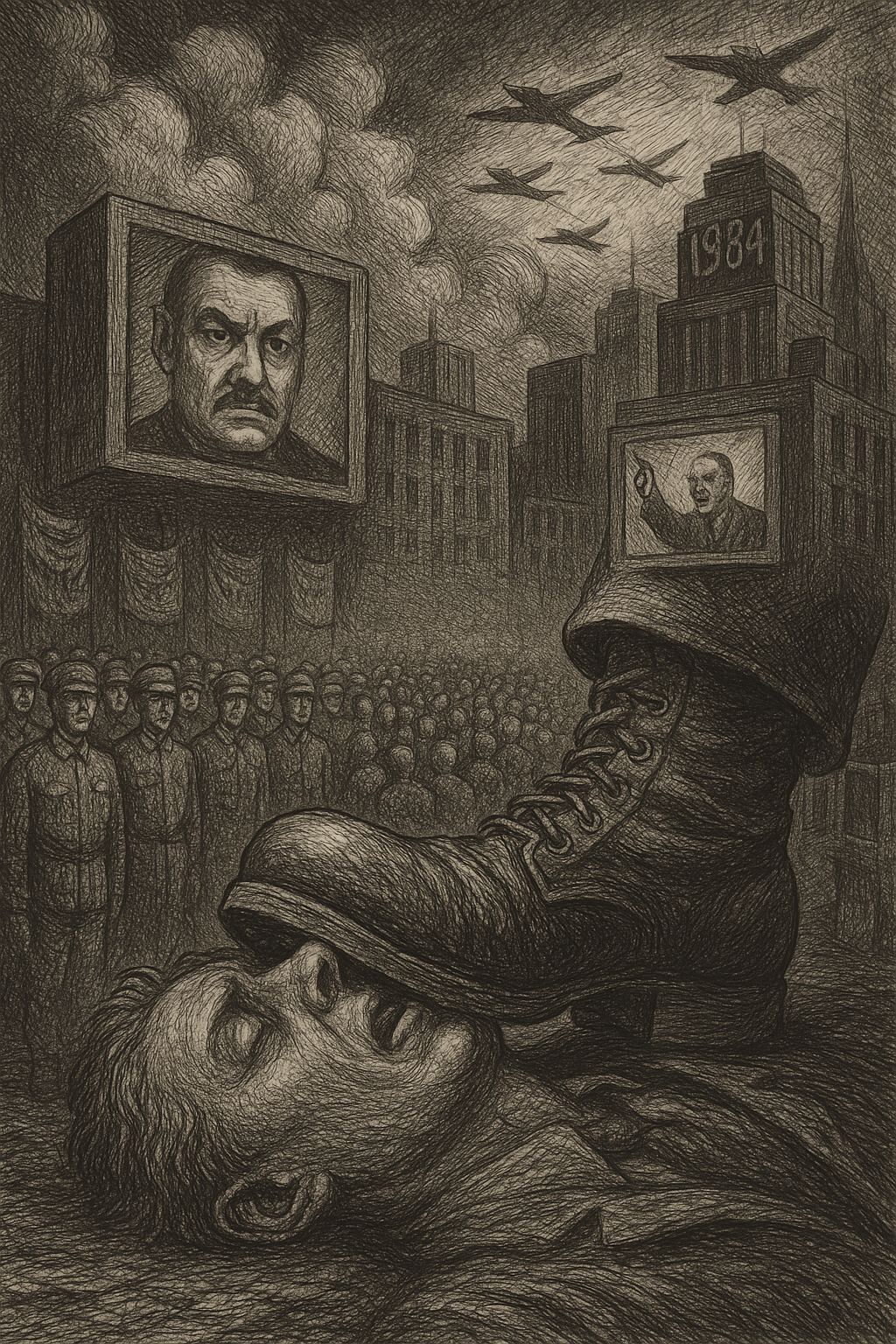
1984
Brave New World
Island
Glasperlenspiel
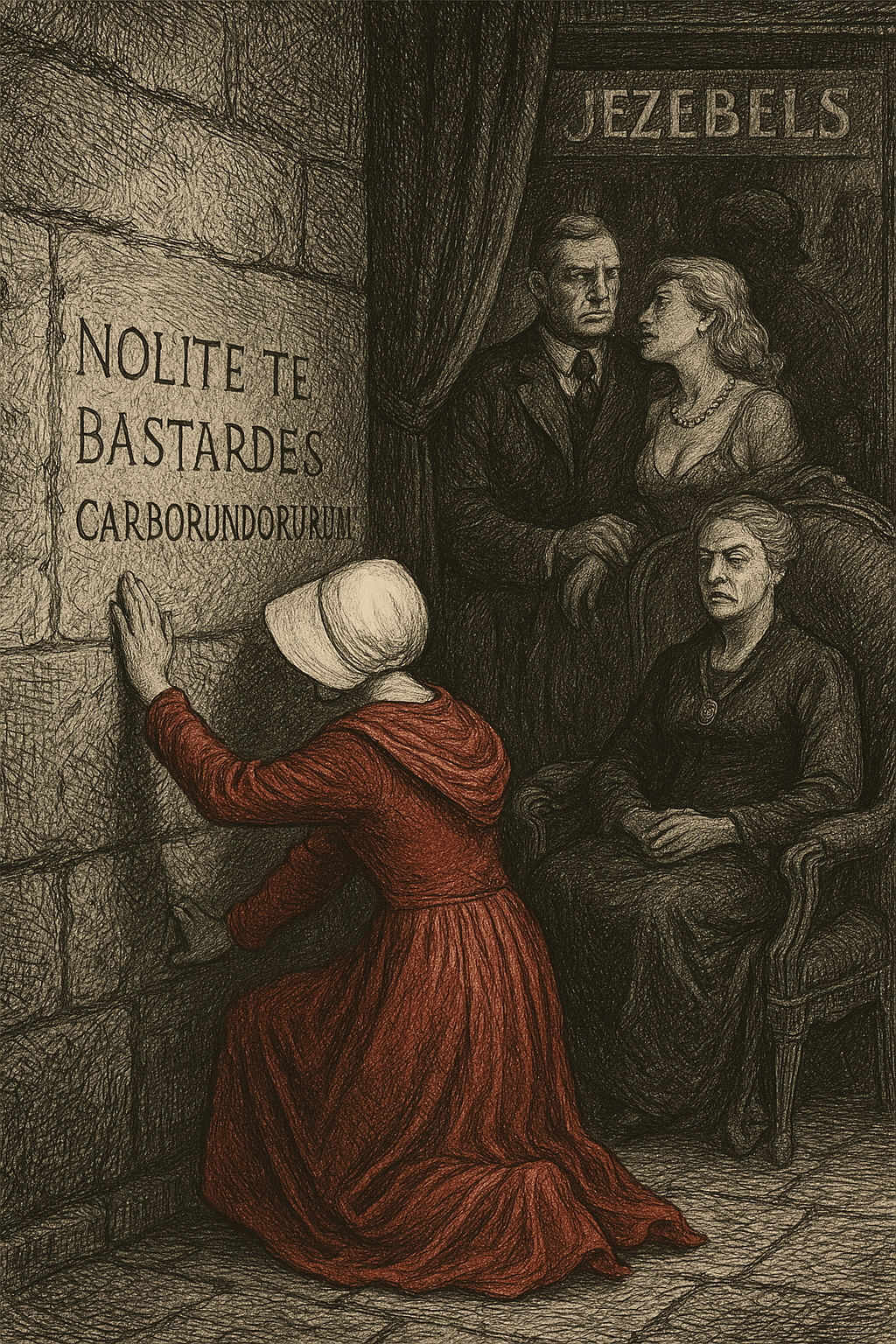
Handmaid's Tale

H.G.Wells (1866 - 1846)

asides Shelley, Verne and Gernsback considered to be one of 19th parents of "science-fiction" genre

a “social scientist in fiction”: stories as thought experiments about planned futures and world government.

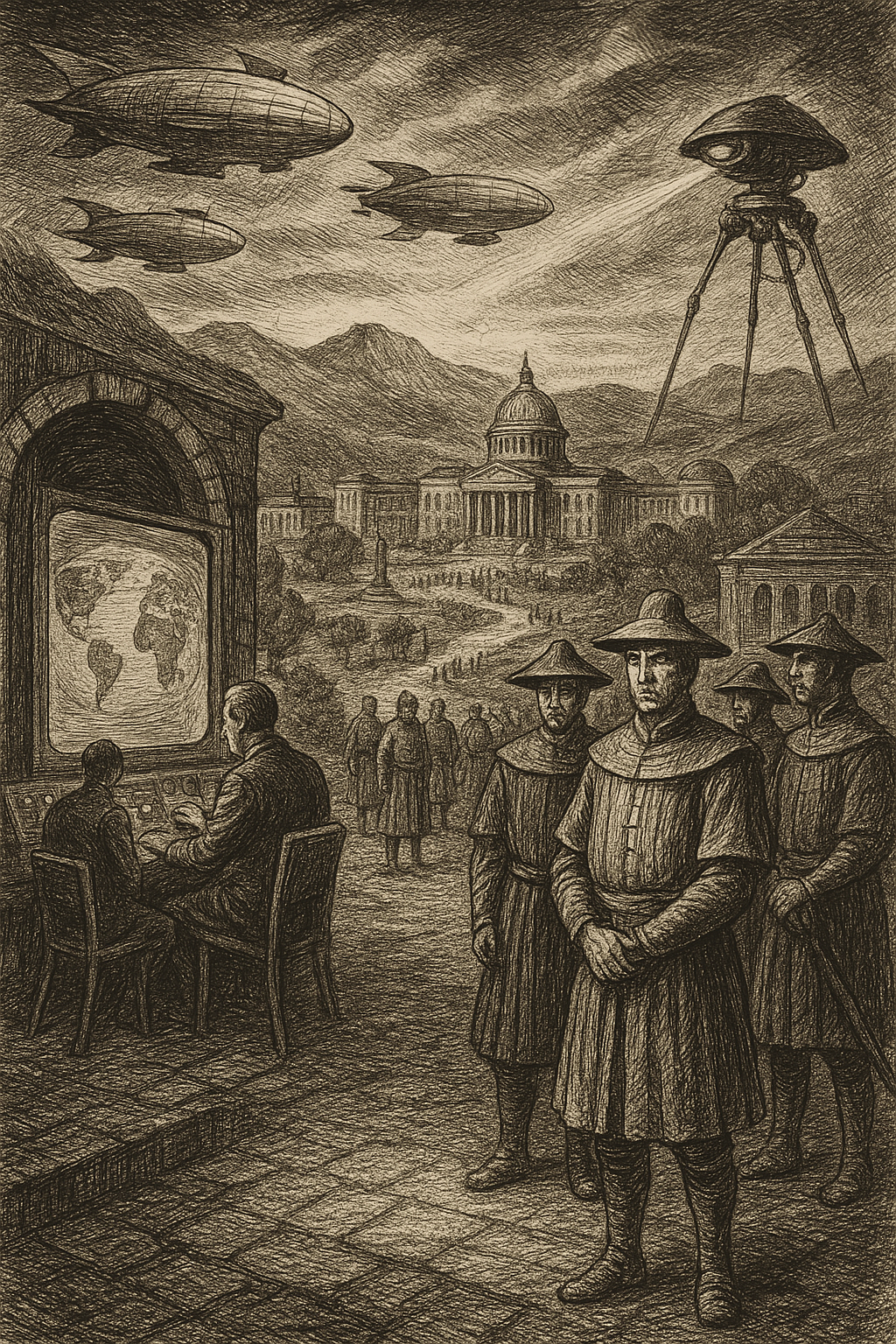
A Modern Utopia (1905): a parallel Earth with a liberal World State, free movement, “Order of Samurai” ...

The Shape of Things to Come (1933): “history from the future” where global war leads to a technocratic “Air Dictatorship” unifying the planet.

1938 CBS inscenation of "War of the Worlds" causes panic

Ambivalence: Wells’ utopias blend emancipation (education, science, world peace) with problematic ideas (eugenics, paternalism, colonialism, dog-free societies).

Legacy: Wells’ world-state imaginaries anticipate later notions of the UN, technocracy, the “world brain,” and global planning.


Five Principles of Liberty

Listed in Wells' Utopia "Men like Gods" (1923) as follows:

privacy

free movement

unlimited knowledge

truthfulness

free discussion

Мы (1921)

Anyone willing to refer at the Congress about the "mother of dystopias", the novel "We" by a Russian writer Yevgeny Zamyatin ?

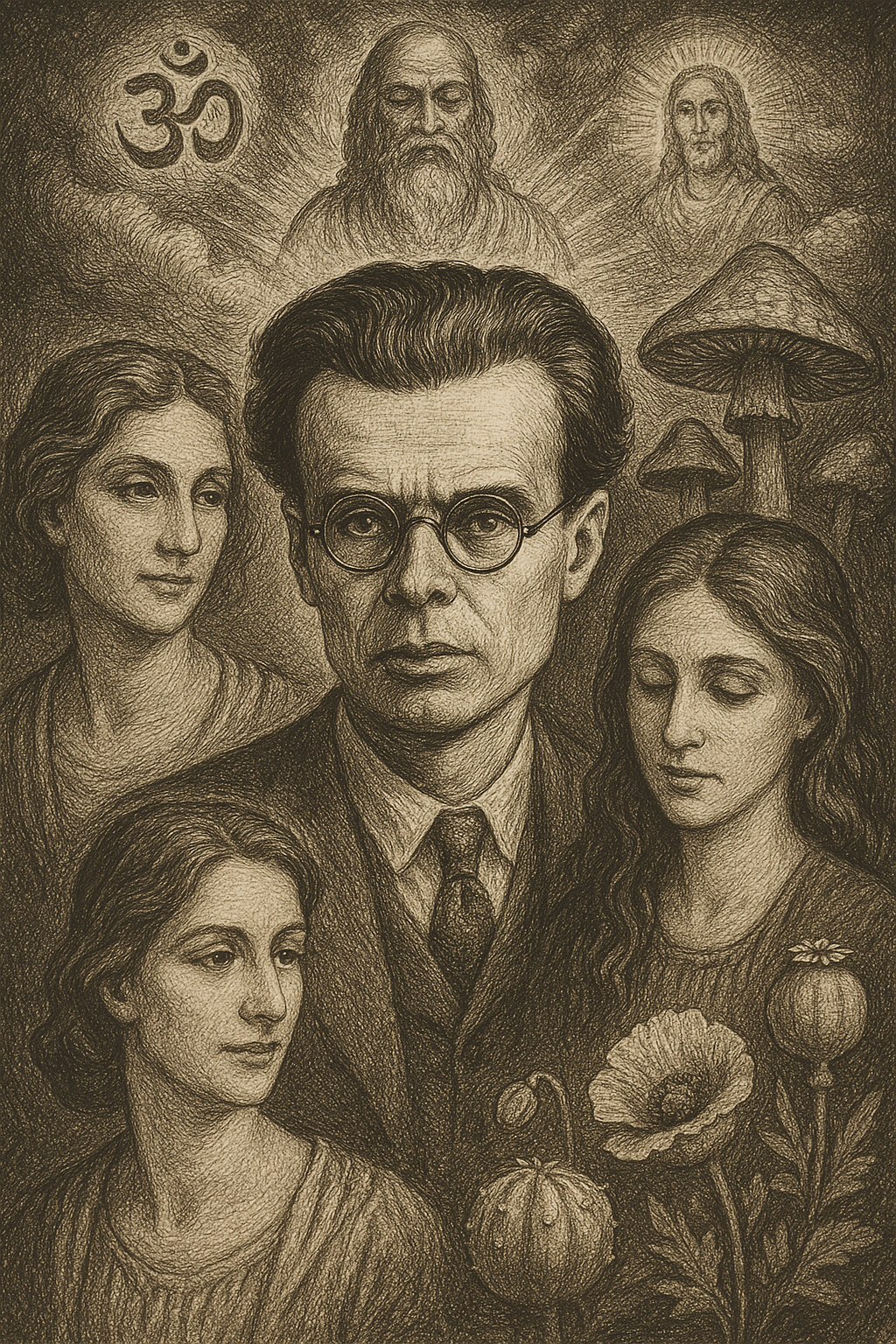
Aldous Huxley (1894 - 1963)

one of the most important anglosaxxon intellectuals of 1st half of 20th century

first schooling by his own mother Julia (departure letter: "Judge not too much and love more"), later Eton, Oxford etc.

first very much empiricist & rationalist (grandson of Thomas Huxley, influence of Lord Russell & Whitehead)

later turn towards spirituality, mysticism (influence of Vedanta - Ramakrishna & Krishmamurti lineages)

in last decade of his life one of the biggest proponents of usage of entheogenic & psychedelic substances for welfare of mankind

died on the same day as JFK and C.S.Lewis; last instruction to his 2nd wife Laura: "LSD 100µg intramuscular.”

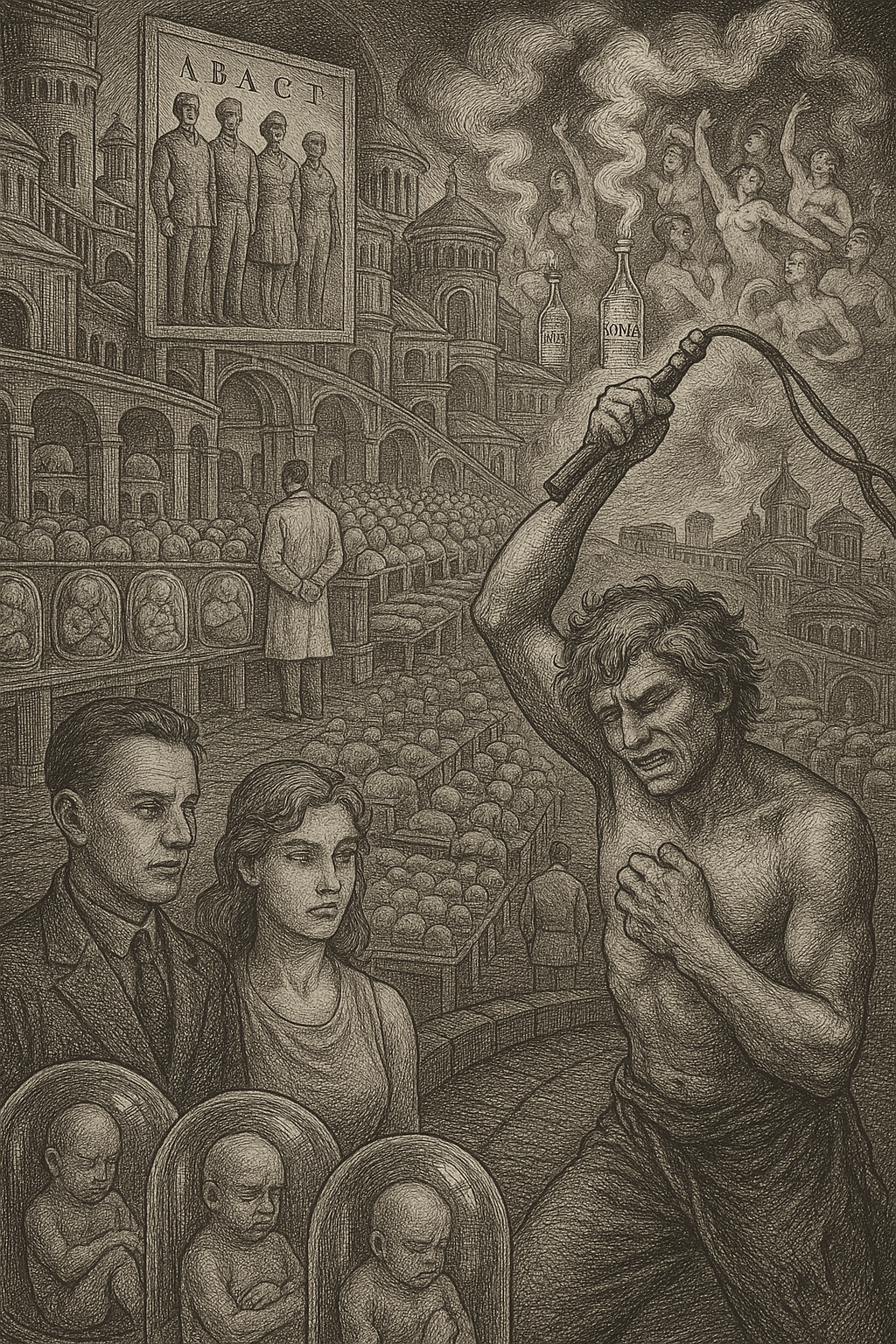
Brave New World (1932)

BNW: biologically and psychologically engineered society built on stability, consumption & "happiness".

Humans are mass-produced and conditioned from infancy.

Social order is maintained through caste hierarchy (Alpha to Epsilon), hypnopædia (sleep-learning), sexual promiscuity and the pleasure-drug soma.

Art, science, and religion survive only in sterilized forms.

Characters like Bernard Marx, Lenina Crowne, and especially John “the Savage” dramatize the clash between engineered contentment and the desire for authenticity.

Huxley warns that soft power—comfort, entertainment, and conditioning—can be more effective at ending human freedom than overt repression.

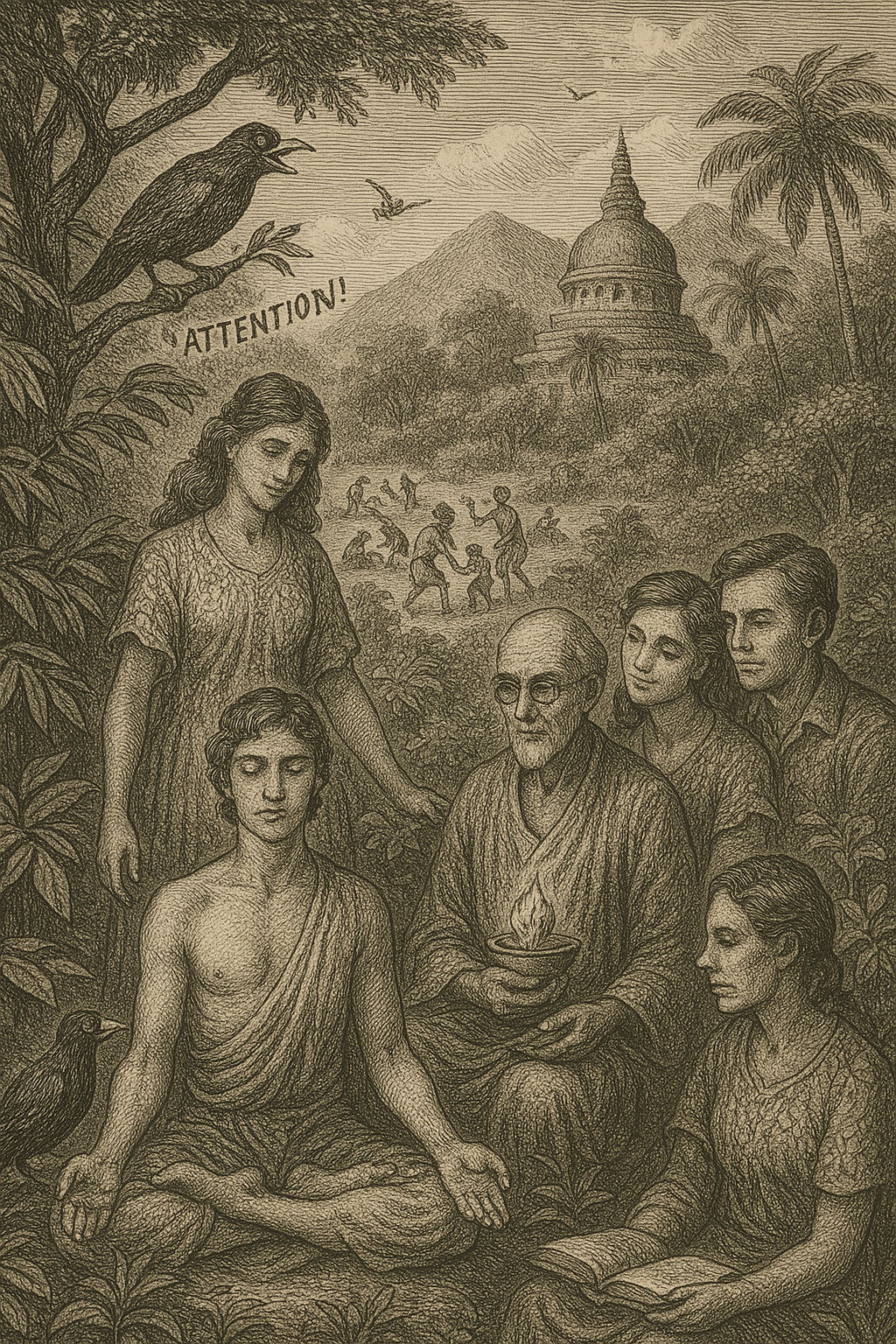
Island (1962)

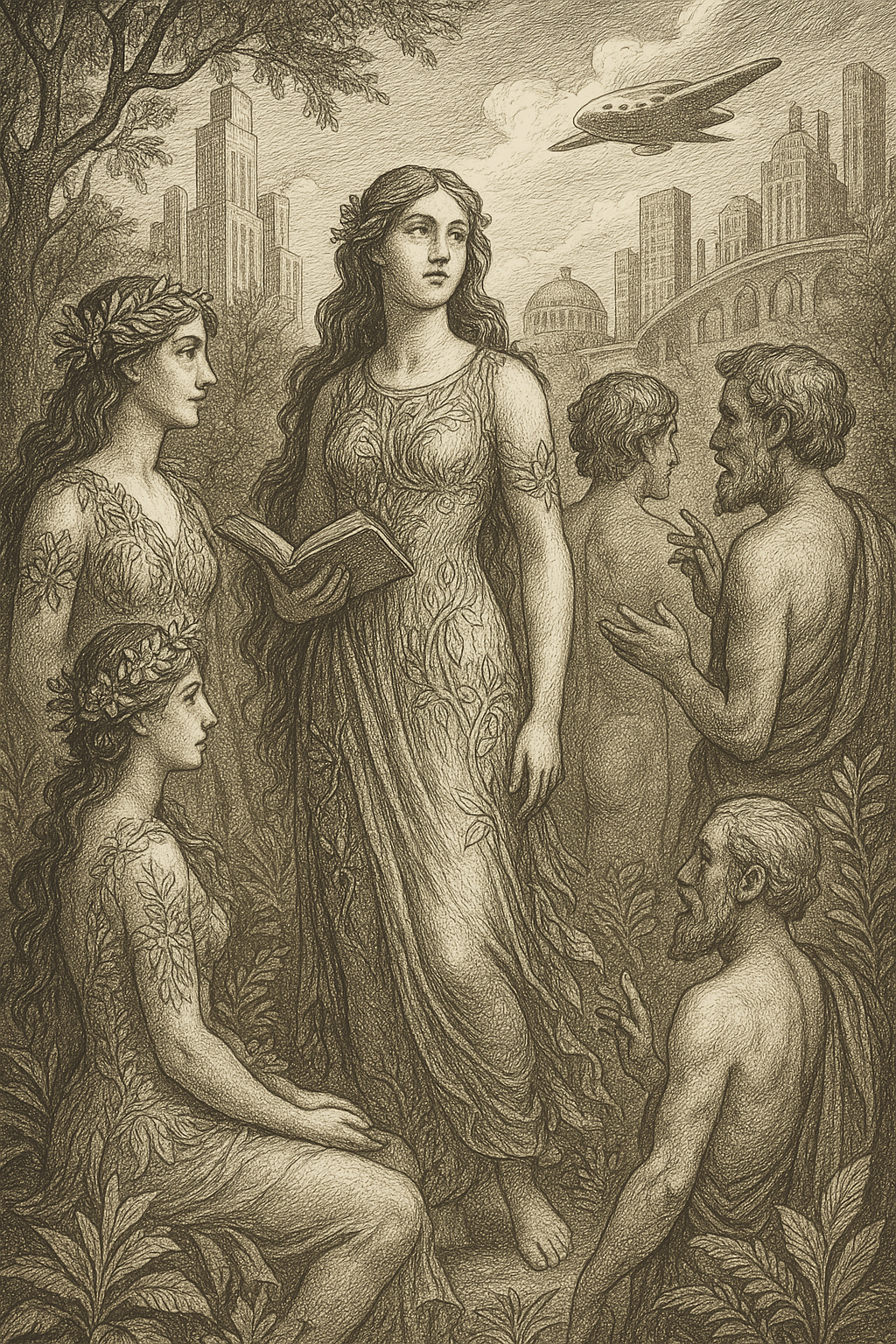
Island Pala is a psycho-spiritual utopia blending Buddhist mindfulness, Western science & ecological balance.

Education as core institution: cultivating awareness through cooperative play, self-observation, "reminder birds".

“Mutual Adoption Clubs” as communal parenting structures designed to prevent authoritarian family dynamics.

use of psychedelic “moksha-medicine” for guided insight

Decentralized, small-scale, non-exploitative economy.

Characters like Dr. Robert, Susila, and Will Farnaby embody the tension between enlightened practice and real-world pressures from imperialist neighbors and oil interests.

Huxley’s last novel is a Contrapunct (sic!) to Brave New World: instead of comfort as control, Pala models conscious freedom — yet remains fragile against global power.

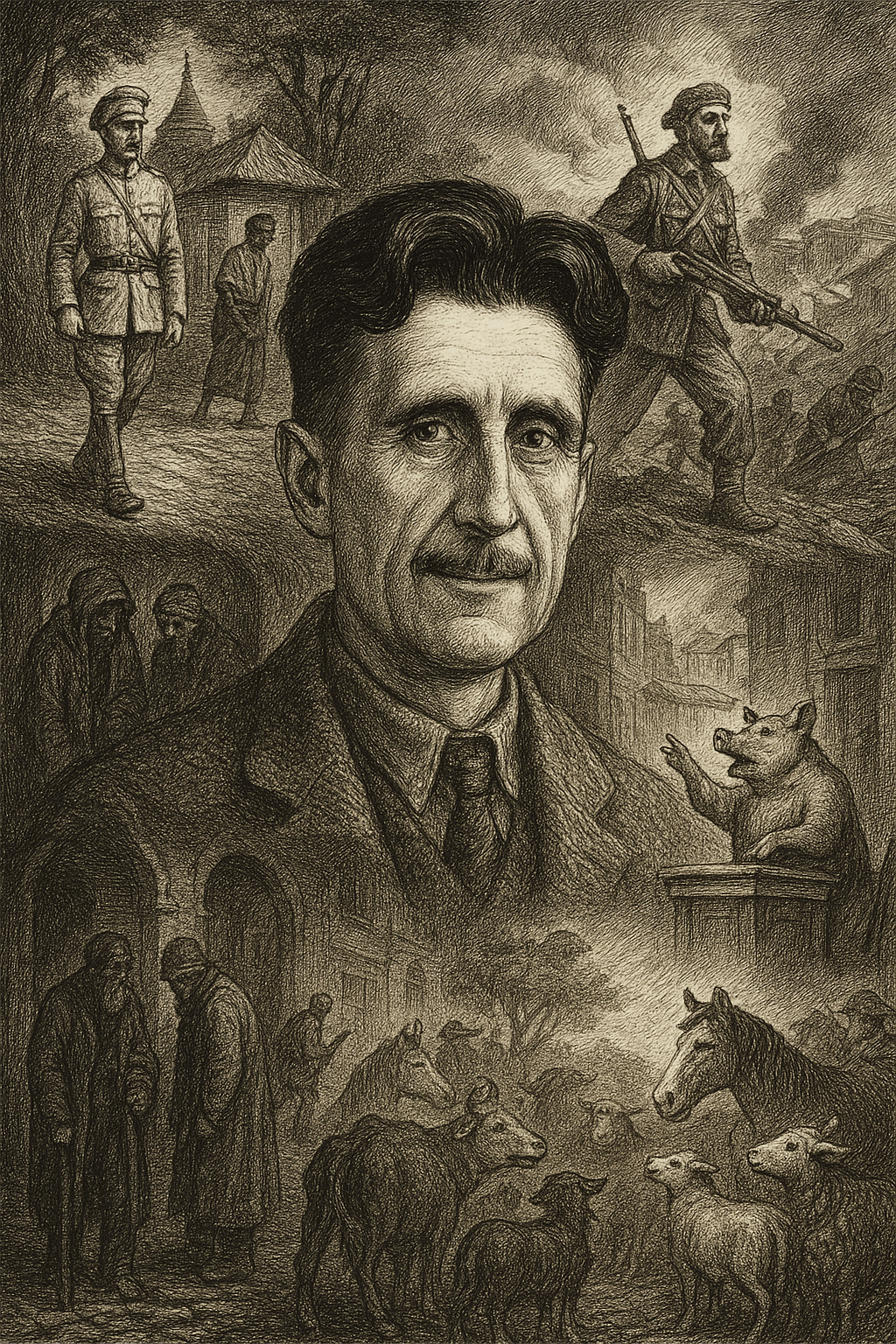
George Orwell (1903-1950)

George Orwell / Eric Arthur Blair born in British India, grew up in England, from 1922–1927 served in the Indian Imperial Police in Burma (Myanmar), an experience that filled him with guilt and disgust for colonial repression

lived among the poor in London and Paris, documenting homelessness and low-wage labor

fought in the Spanish Civil War with the POUM militia; being hunted by Stalinist forces radicalized his anti-totalitarian worldview

During WWII he worked for the BBC Eastern Service; not an MI5 agent but provided opinions about suspected communists to the Information Research Department

Animal Farm (1945) - an allegory of Soviet Union: a fable where revolutionary ideals decay into tyranny under the pigs’ rule

1984 (1948)

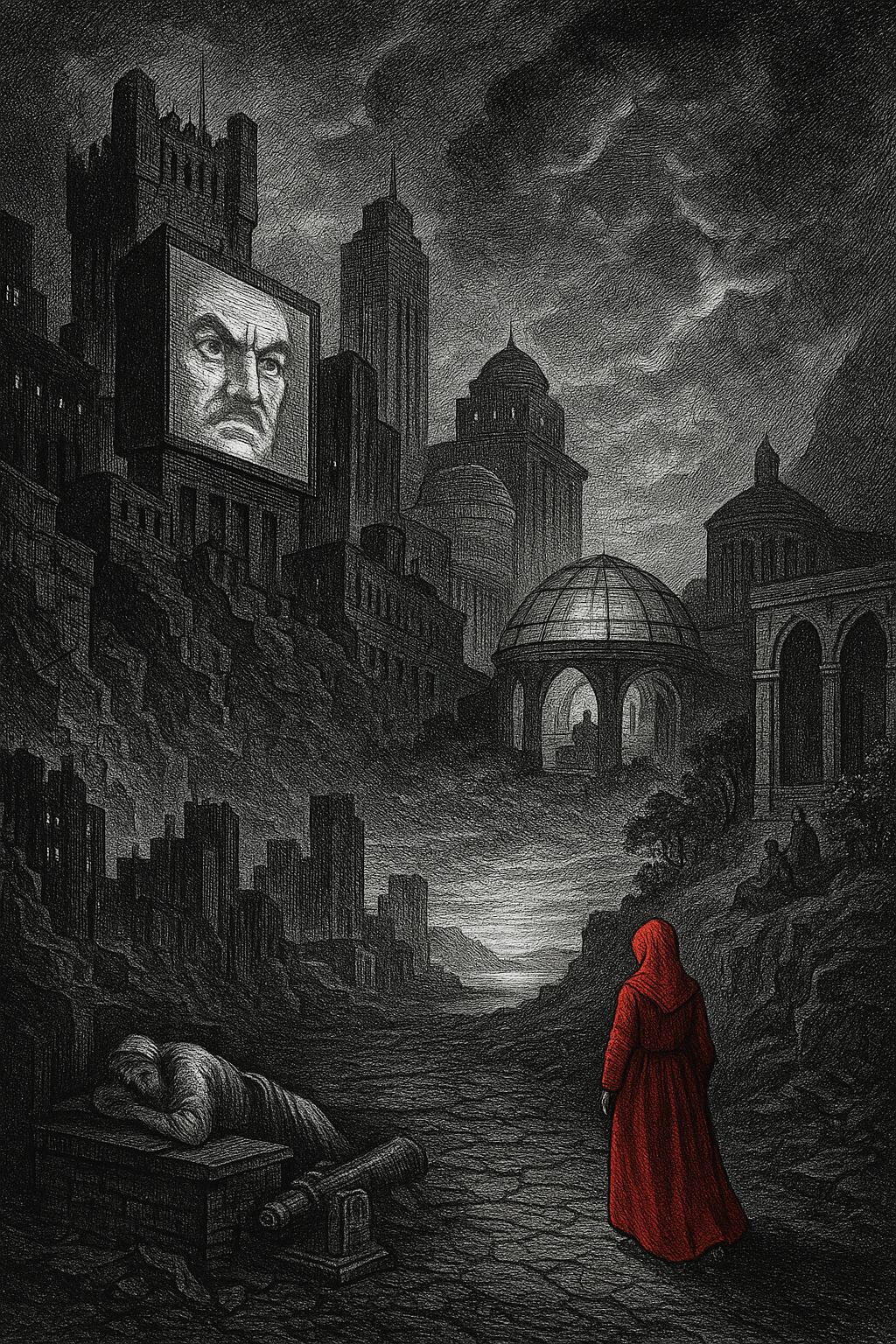
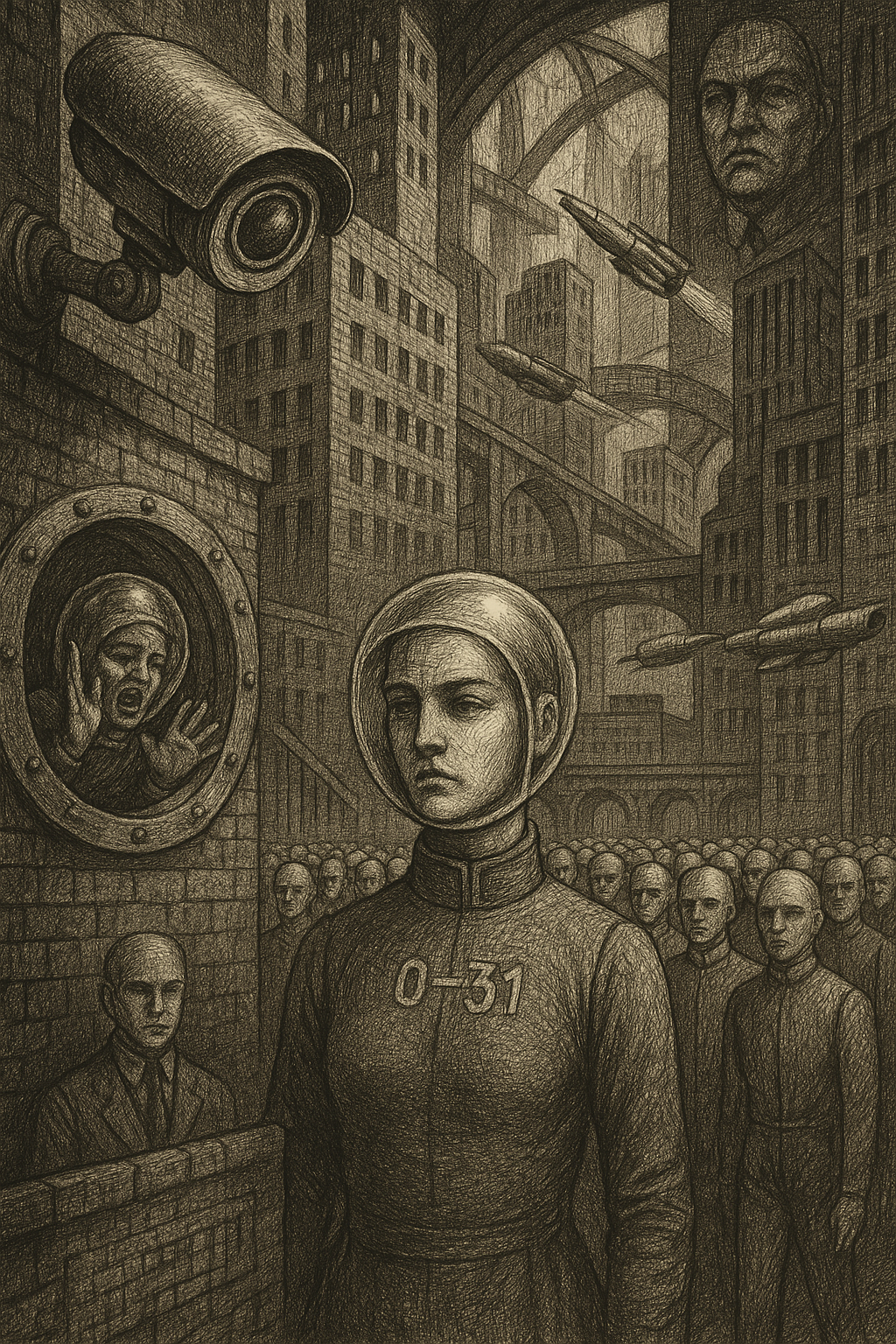
Nineteen Eighty-Four depicts a totalitarian state where the Party controls reality itself through surveillance, propaganda, and engineered language.

Oceania, Eurasia and Eastasia in state of "perpetual war"; history is rewritten on-the-fly

Telescreens combine television and camera: omnipresent devices that both broadcast propaganda and watch citizens continuously

Doublethink is the mental discipline of holding two contradictory beliefs simultaneously

The System embodies inversion: Peace (war), Love (torture), Plenty (rationing), Truth (lies). Truth is whatever the Party declares as true

The 2 minutes Hate & mass rallies channel collective emotion, transforming fear and frustration into ritualized obedience

The Game with Glass Beads (1948)

nihil adeo necesse est ante hominum oculos proponere ut certas quasdam res, quas esse neque demonstrari neque probari potest, quae contra eo ipso, quod pii diligentesque viri illas quasi ut entia tractant, enti nascendique facultati paululum appropinquant

Nothing is harder, yet nothing is more necessary, than to speak of certain things whose existence is neither demonstrable nor probable. The very fact that serious and conscientious men treat them as existing things brings them a step closer to existence and to the possibility of being born.

Margaret Atwood (1939)

Margaret Atwood is a Canadian novelist, poet, and critic whose work blends fiction, feminism, ecology, and political satire.

She prefers the term “speculative fiction,” emphasizing that her inventions  are extrapolations of existing technologies and social trends.

Atwood’s fiction often features archivists, witnesses, and survivors — characters who record or reinterpret the collapse of social orders.

Recurring themes: power, surveillance, reproductive rights, environmental destruction, mythmaking, and the blurred line between utopia and dystopia.

Atwood is also an inventor and activist, engaging with climate issues, civil liberties, and the politics of storytelling itself.

Handmaid's Tale (1985)

The story when εὐαγγέλιον got seriously wrong, again.

did anyone expect ...

the Spanish Inquisition ???

Gilead

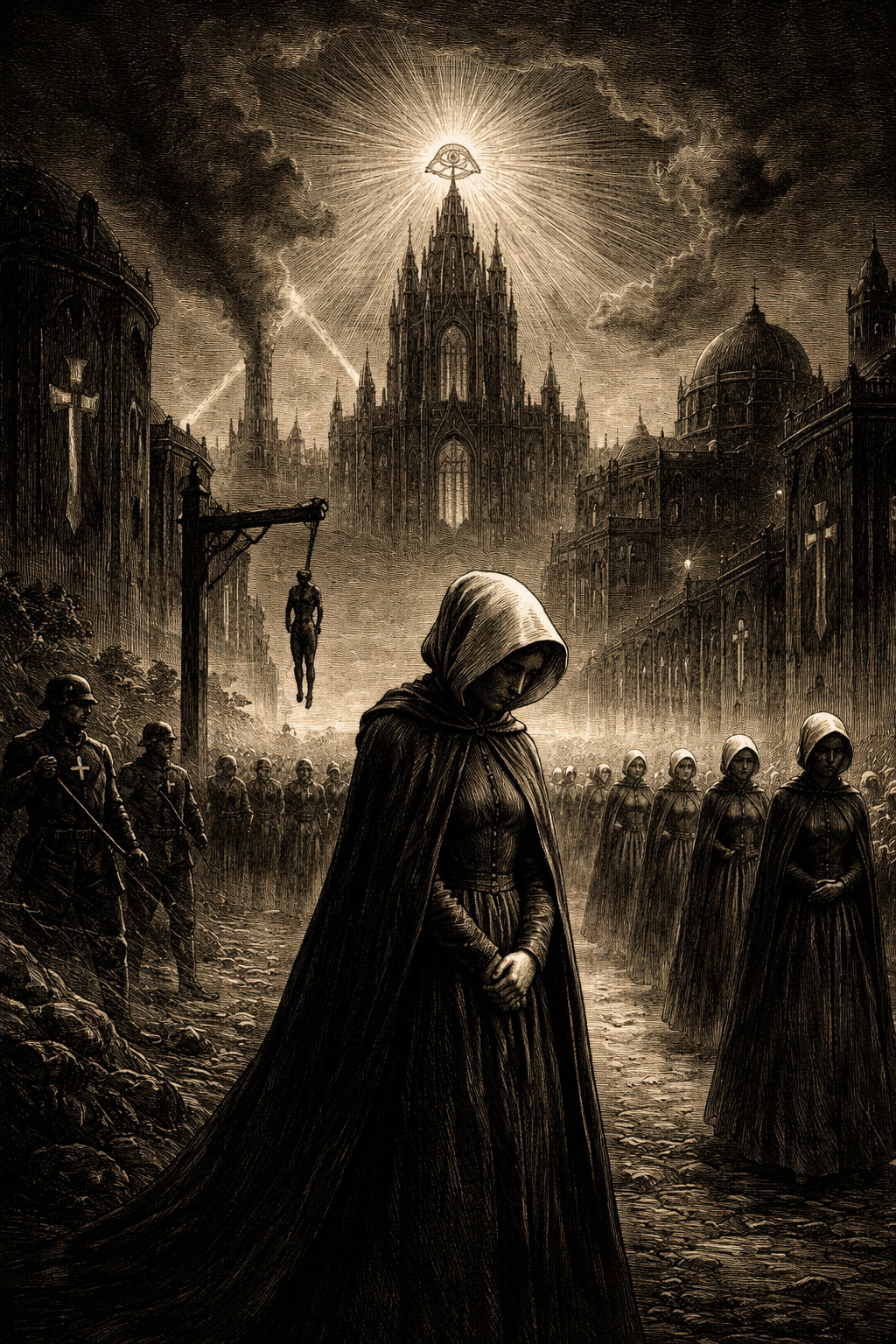
Gilead is a totalitarian theonomocracy built on fear, infertility, rigid control and necrotic inversion of Eros / Libido. After environmental collapse and declining birth rates, the state reorganizes society by biblical literalism, stripping women of money, rights and reducing them to fixed roles—Wives, Handmaids, Marthas. Language, dress, and movement are regulated; surveillance and ritualized violence enforce obedience. Power is justified as moral restoration but functions through repression and coercion. Gilead presents itself as orderly and pious, yet is sustained by hypocrisy, cruelty, and the systematic erasure of individuality.

Huxley's quote on Illusion and Reality

... The world is an illusion, but it is an illusion that we must take seriously, because it is as real as it goes, and in those aspects of reality which we are capable of apprehending. Our business is to wake up. We have to find ways in which to detect the whole of reality in the one illusory part which our self-centered consciousness permits us to see. We must not live thoughtlessly, taking our illusion for the complete reality, but at the same time we must not live too thoughtfully in the sense of trying to escape from the dream state. We must continually be on our watch for ways in which we may enlarge our consciousness. We must not attempt to live outside the world, which is given to us, but we must somehow learn how to transform it and transfigure it. Too much 'wisdom' is as bad as too little wisdom, and there must be no magic tricks. We must learn to come to reality without the enchanter's wand and his book of the words...