Kastalia Knowledge Management System · Glasperlenspiel template · knot 2019
Experimental Memory Research
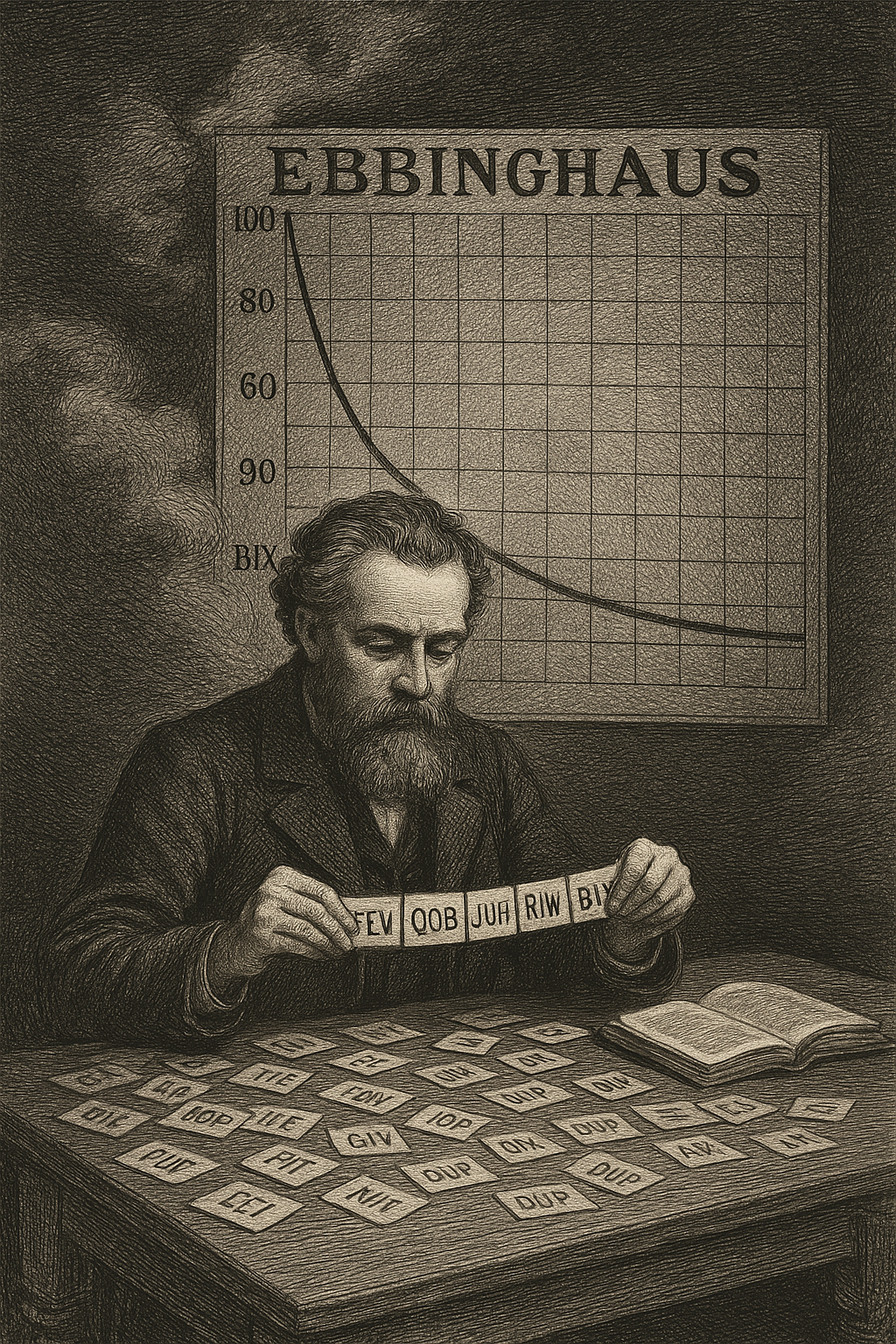
Hermann Ebbinghaus pioneered systematic study of memory.
Used nonsense syllables to avoid prior associations.
Identified the forgetting curve and spacing effect.
Demonstrated that memory could be studied experimentally and quantitatively.
His methods set standards for future cognitive research.
Ancestors (1 superordinated path)
root/
baumhaus.digital/
Art, Cognition, Education/
Introduction to Psychology: On Anima and other Archetypes/
Psychologic Models and Theories/
Experimental Memory Research
Descendants (at least 3 branches originate here)
-
Experimental Memory Research
Hermann Ebbinghaus pioneered systematic study of memory.Used nonsense syllables to avoid prior associations. Identified the forgetting curve and spacing effect
-
is_parent
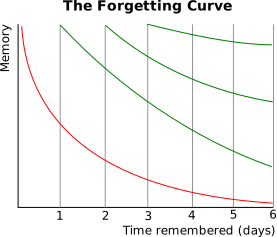 Forgetting curve
🔒
·
Describes how information is lost over time when there is no attempt to retain it. The curve shows a steep drop in memory shortly after learning, then a slower
Forgetting curve
🔒
·
Describes how information is lost over time when there is no attempt to retain it. The curve shows a steep drop in memory shortly after learning, then a slower -
is_parent
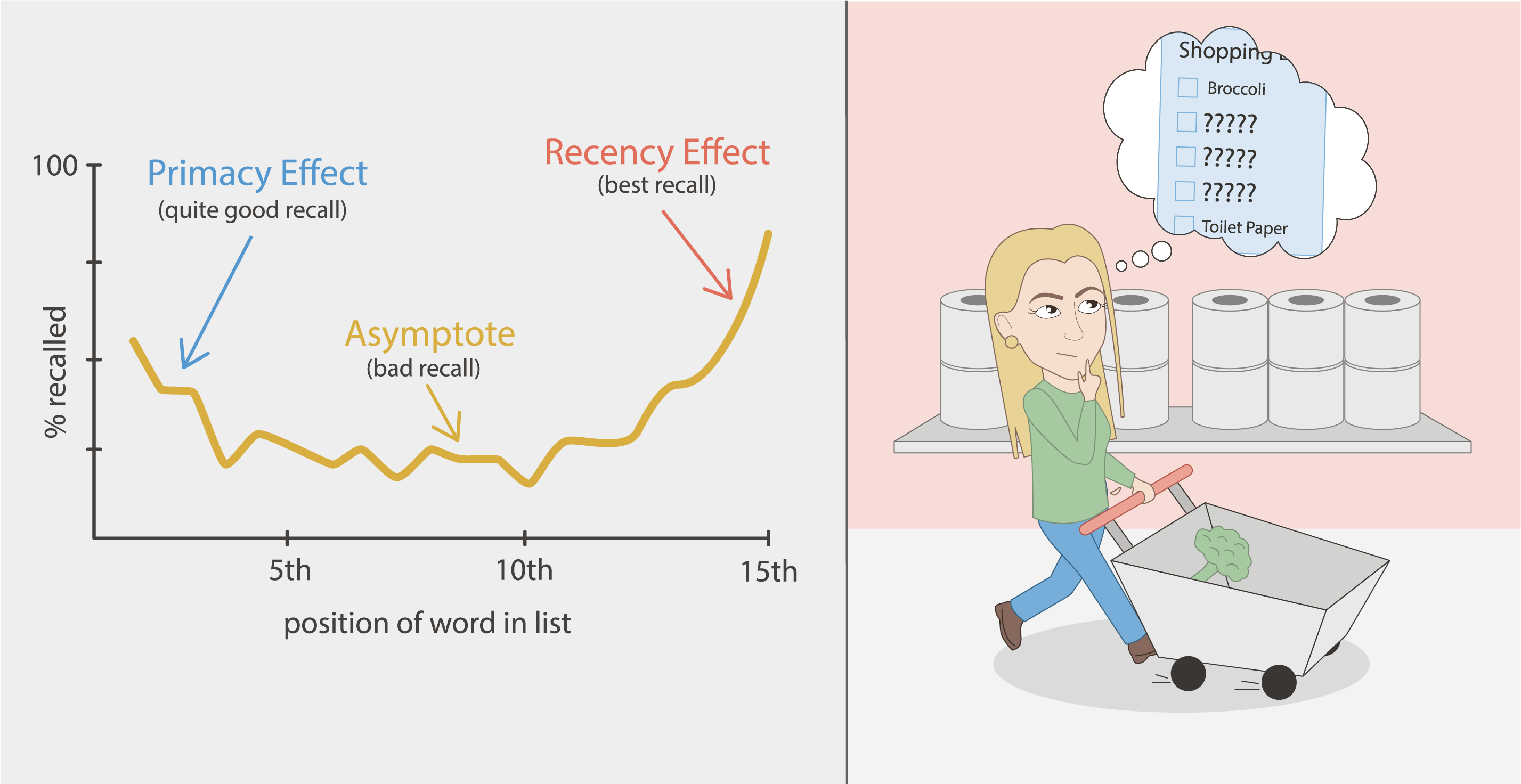 Serial Position Effect
🔒
·
Discovered by Hermann Ebbinghaus and later formalized by modern memory researchers.Describes how the position of an item in a sequence affects its likelihood o
Serial Position Effect
🔒
·
Discovered by Hermann Ebbinghaus and later formalized by modern memory researchers.Describes how the position of an item in a sequence affects its likelihood o
-