i
Analytical Psychology DDH ()


Analytical Psychology

Analytical Psychology is Carl Jung’s system for understanding the human psyche through symbols and deep unconscious processes.

It distinguishes between the personal unconscious and the collective unconscious, the latter being shared across humanity.

Core concepts include Individuation, Projection, archetypes (Shadow, Anima/Animus, the Self), Psychological types (introvert/extrovert) and functions (sensation, intuition, thinking, feeling) and Synchronicity.

Analytical Psychology values dream interpretation, active imagination, and symbolic amplification as tools for self-realization.

Individuation

Albrecht%20D%C3%BCrer%E2%80%99s%20%22Melencolia%20I%22%20(1514)

Albrecht Dürer’s "Melencolia I" (1514)

In Jungian psychology, individuation is the lifelong process of becoming one’s true self by integrating the conscious and unconscious aspects of the psyche. It involves confronting inner conflicts, embracing shadow elements, and recognizing archetypal patterns to move toward psychological wholeness.

Note: Individuation is not isolation but differentiation—developing a unique identity while remaining connected to and with the collective.

Projection

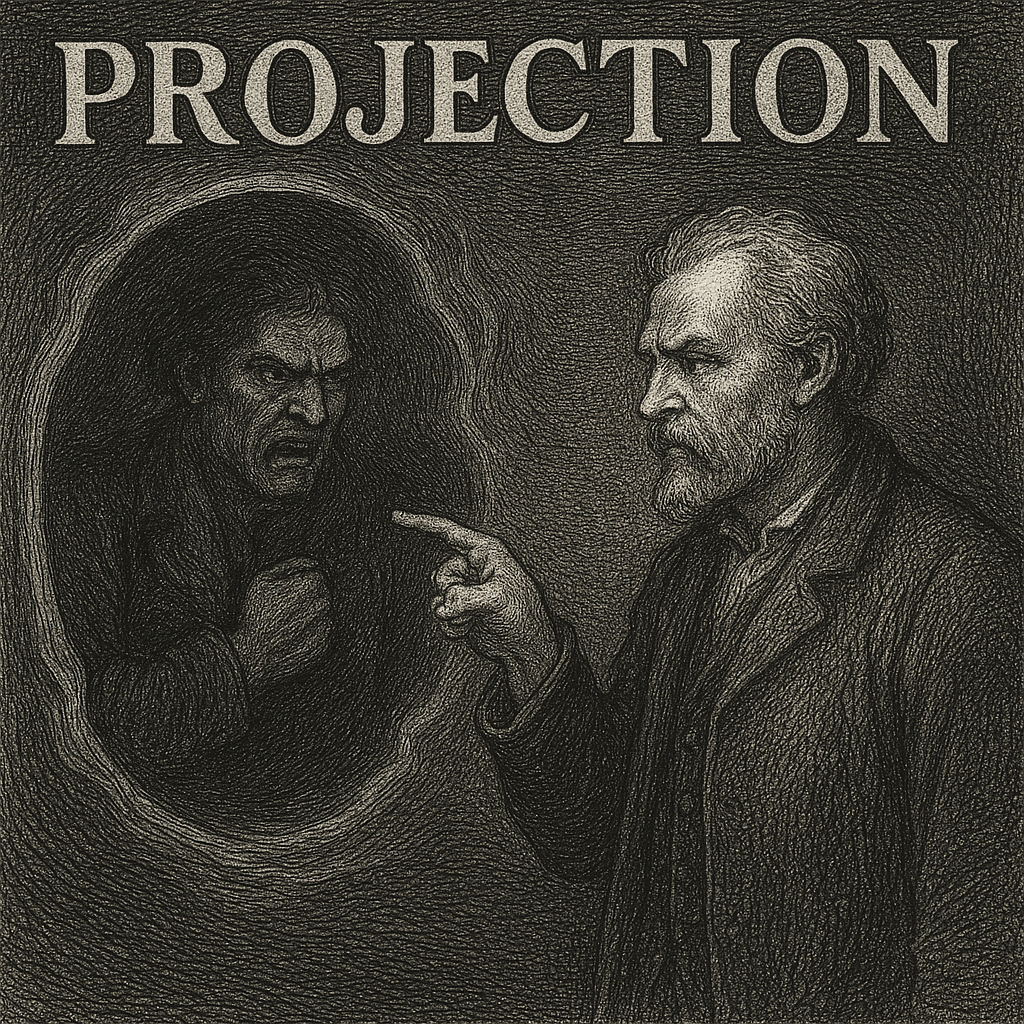
Projection is the unconscious transfer of one's inner content onto others or the outer world.

It externalizes traits, desires, fears, or conflicts the ego cannot accept.

Common targets include partners, politicians, enemies, spiritual figures, and social groups.

Projection shapes relationships, perceptions, and emotional reactions without conscious awareness.

Withdrawing projections is key to individuation—becoming more whole and self-aware.

“Everything that is unconscious in ourselves we discover in our neighbor.” — C.G. Jung

Transference

Transference is the unconscious redirection of feelings from early relationships onto a present figure.

In therapy, it often surfaces as intense emotions projected onto the analyst.

Jung saw transference not only as distortion, but as meaningful symbolic expression.

It may involve archetypes like the Parent, Anima/Animus, or the Self.

Exploring transference helps reveal unconscious complexes and relational patterns.

Handled consciously, it becomes a vehicle for transformation and individuation.

Active imagination

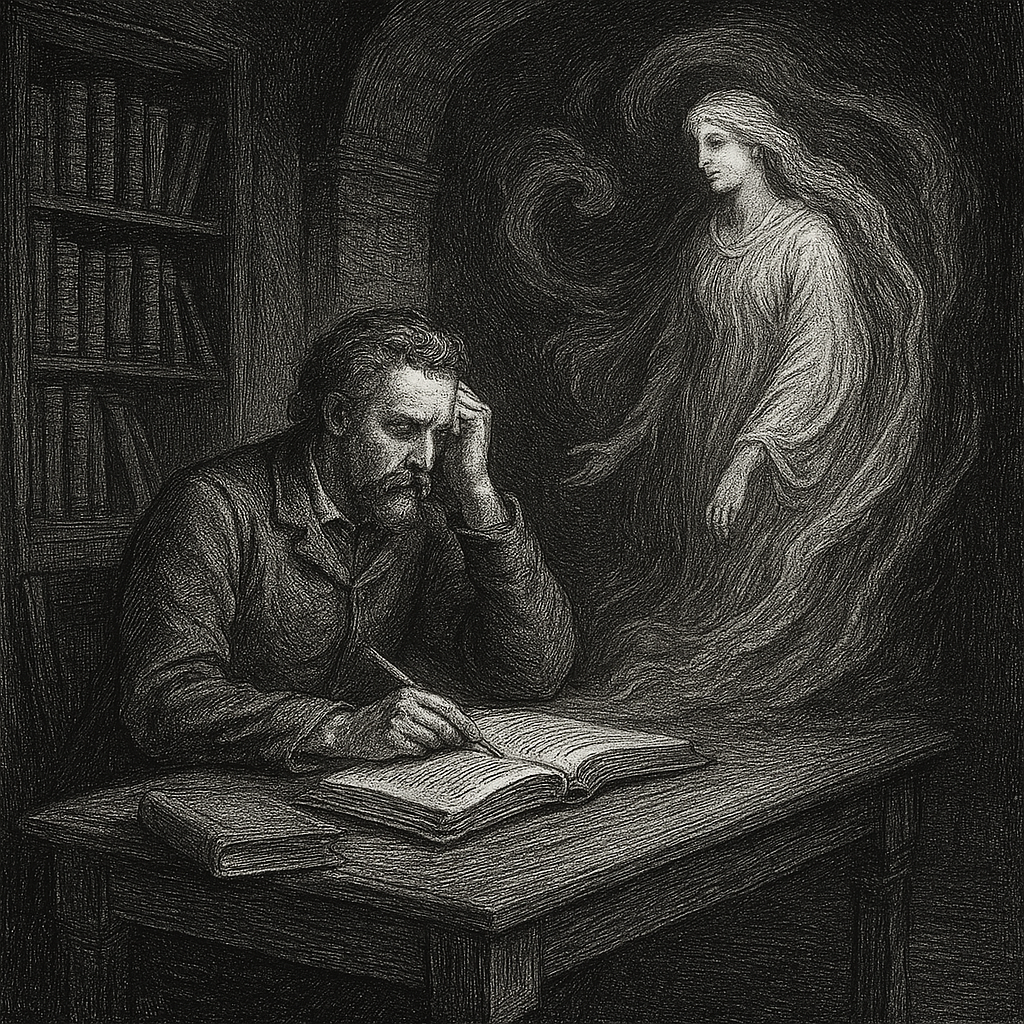
Active imagination is a conscious method of engaging with the unconscious.

It begins with a dream image, fantasy, or emotion and unfolds through inner dialogue or creative expression.

The ego participates without controlling—allowing unconscious figures to speak for themselves.

This process can take the form of writing, drawing, movement, or visualization.

It deepens self-knowledge and integrates Shadow, Anima/Animus, or Self aspects.

Jung called it a “confrontation with the unconscious” and practiced it extensively in his Red Book.

Exercise: Meeting the Image

Now starts a brief experiment in active imagination — not to ‘invent’ something, but to let an inner image speak. Don’t force it. We’re not interpreting, just meeting the unconscious with curiosity.. Sit comfortably and close Your eyes (or soften Your gaze)....

Now take your sketchbook, journal, or tablet — and respond from the image, not about it. You can sketch what appeared, write a phrase it spoke, draw the emotion, or, abstract form or color...

Archetypes

“The archetype is a tendency to form such representations of a motif—representations that can vary a great deal in detail without losing their basic pattern. They are inborn forms of ‘intuition’, they are perceptions ‘a priori’, and even though the forms are unconscious, they nonetheless behave as if they were conscious ideas in that they seem to pursue certain goals. They are, indeed, an instinctive trend, as marked as the impulse of birds to build nests, or ants to form organized colonies.” (The Archetypes and the Collective Unconscious §91)

Anima

Anima

Animus

Animus

Shadow

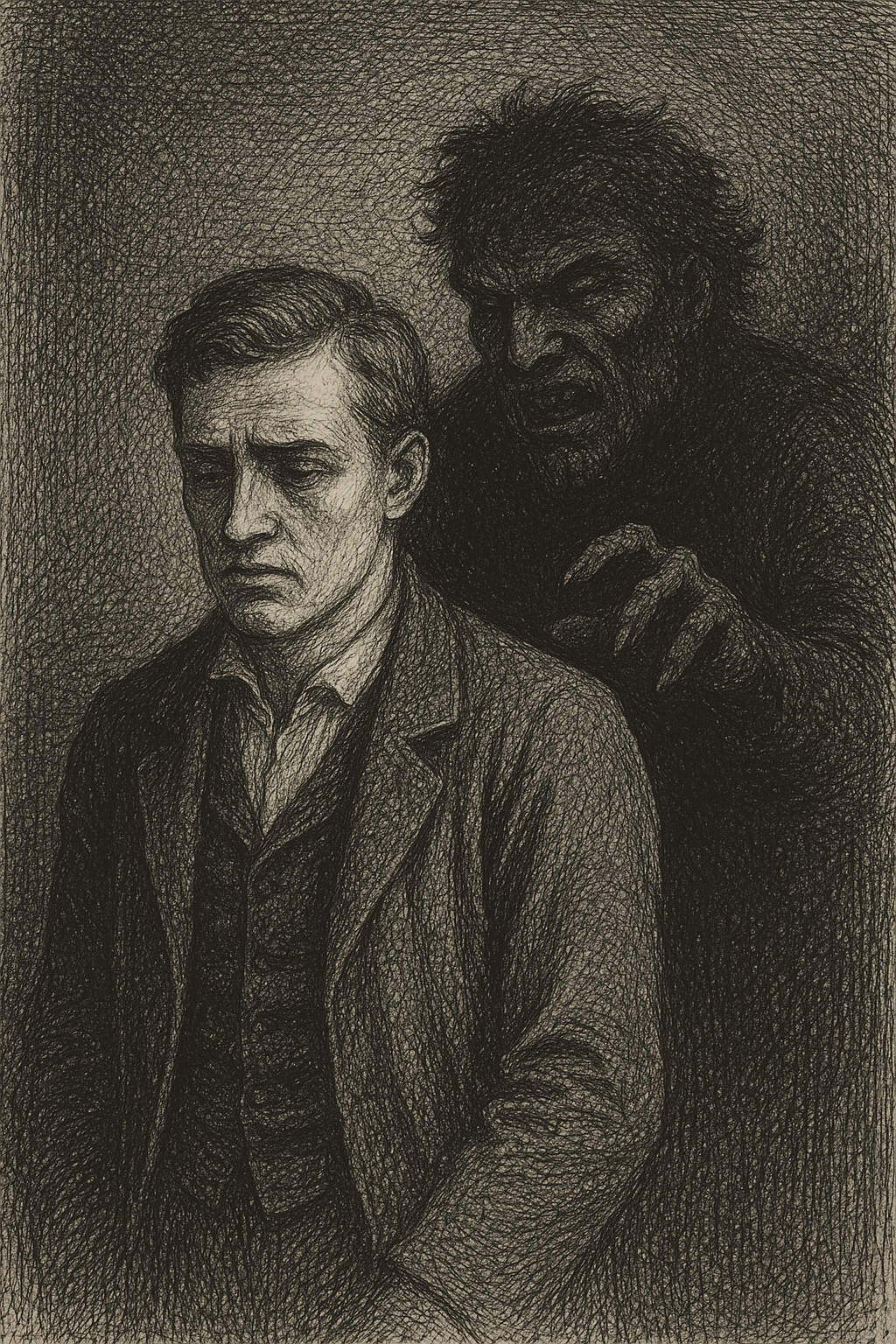
The Shadow is the unconscious part of the personality rejected by the ego.

It contains traits we consider undesirable—aggression, envy, weakness—but also creativity and vitality.

The Shadow is not inherently evil; it becomes dangerous when ignored or projected onto others.

Meeting the Shadow evokes resistance, but it is the first step toward real self-knowledge.

Shadow figures appear in dreams, myths, and relationships—often as enemies or rivals.

Integration of the Shadow is a key stage in the process of individuation.

Trickster

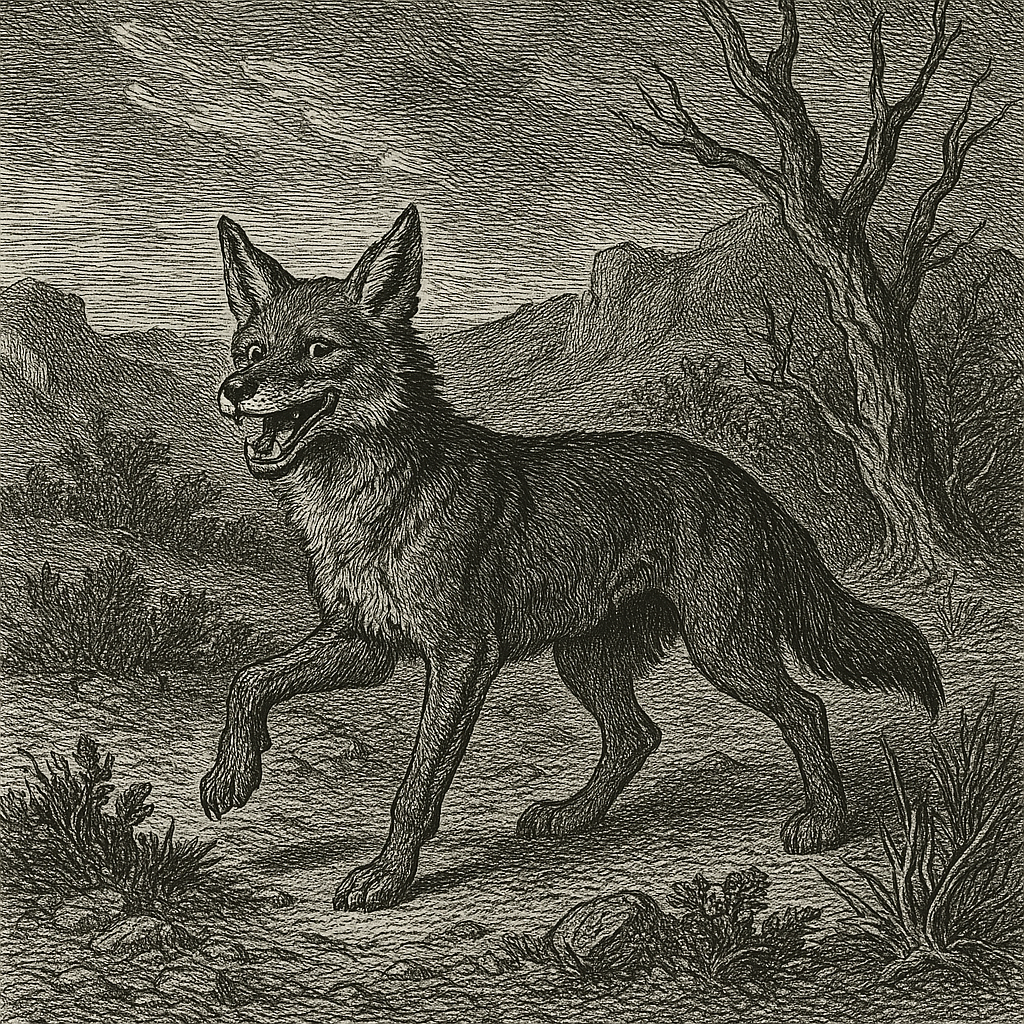
The Trickster embodies the unconscious psyche in its raw, instinctual, and amoral form.

In Native American mythologies, the classical Trickster figure —chaotic, clever, and contradictory - is the Coyote.

He breaks rules, lies, mocks the gods, and often causes trouble—even when trying to help. He reveals what culture hides—our shadow, our hunger, our foolishness, our creativity...

Though destructive, he is also a culture-bringer, shaping the world through mistake and improvisation.

In Jungian terms, the Trickster is an archetype of transformation—a prefiguration of the Self in primitive form.


Child

Child

Death


Self

Self

Exercise 2

Create groups of three people. Choose maximum three archetypes and discuss:

how do these archetypes express themselves in myth / book / movie / artpiece of Your choice ?

is/are these archetypes somehow relevant to image encountered during the active imagination exercise ?