Kastalia Knowledge Management System · Glasperlenspiel template · knot 1907
Psychoanalysis
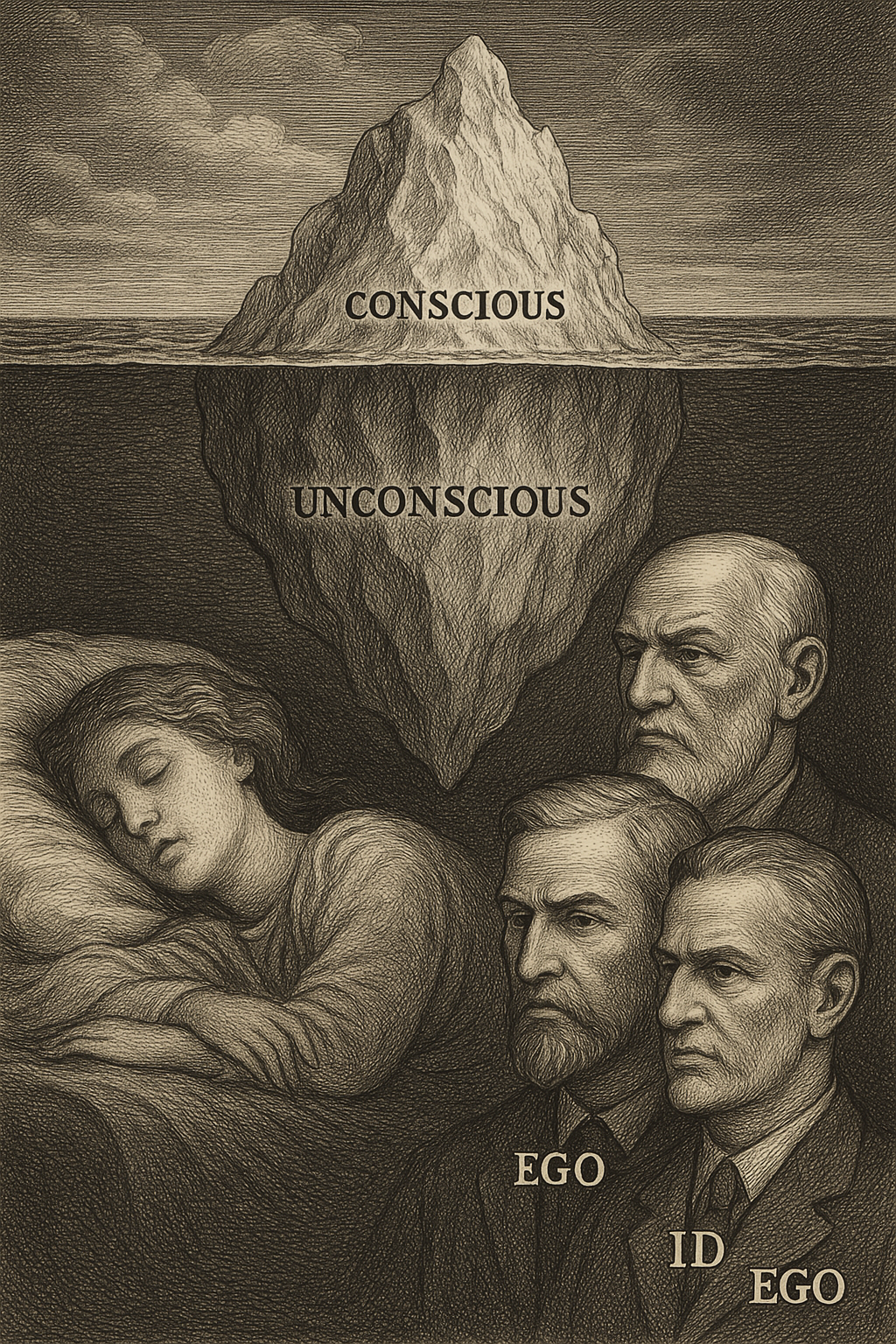
„Das Ich ist nicht Herr im eigenen Hause.“
"The ego is not master in its own house."
(Siegmund Freud, 1917)
Ancestors (1 superordinated path)
Descendants (at least 9 branches originate here)
-
Psychoanalysis
„Das Ich ist nicht Herr im eigenen Hause.“"The ego is not master in its own house."(Siegmund Freud, 1917)
-
is_parent
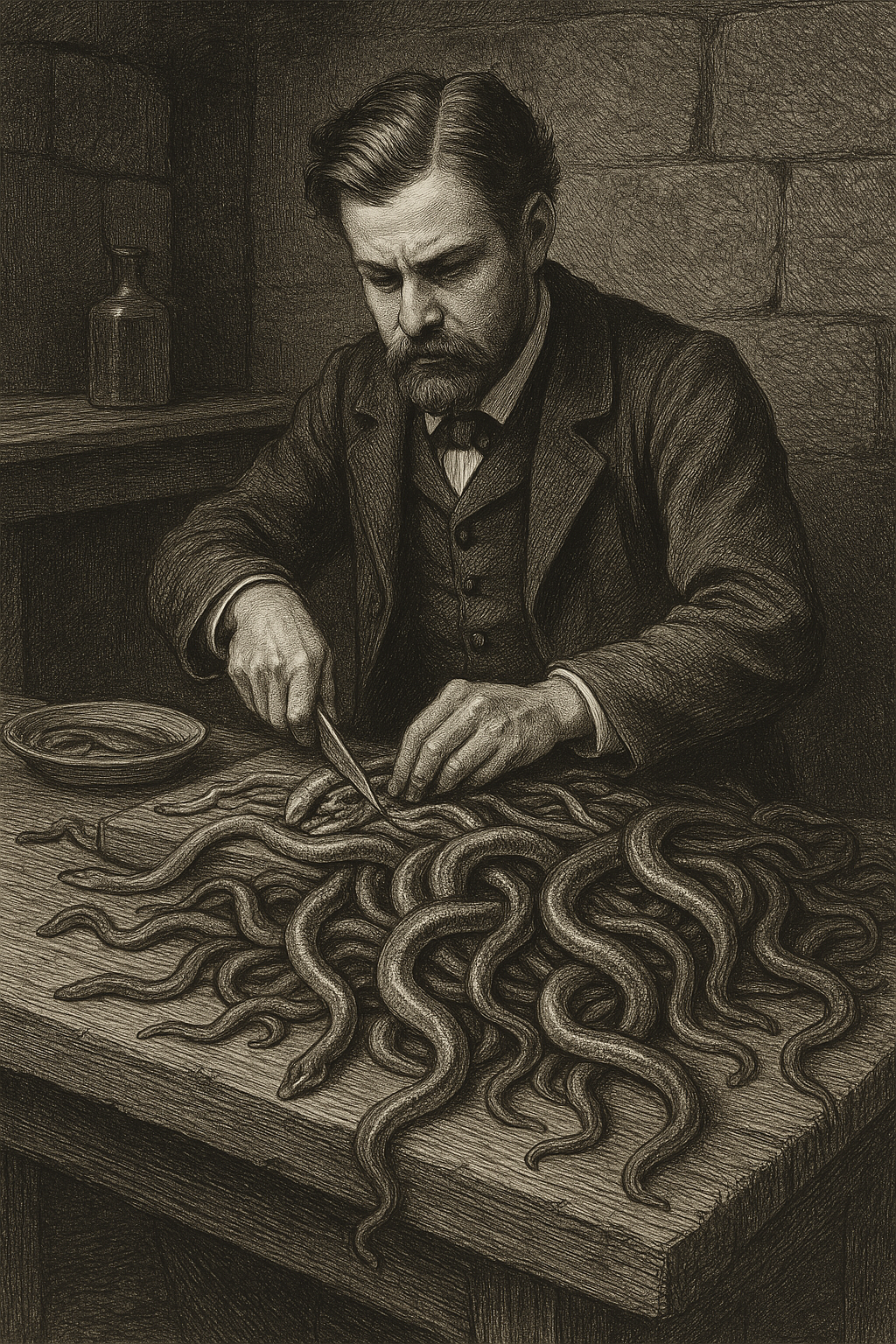 🔒
Born in 1856 in Příbor, Moravia (then part of the Austrian Empire), into a Jewish family. Moved to Vienna at age four, where he lived most of his life. Studied
🔒
Born in 1856 in Příbor, Moravia (then part of the Austrian Empire), into a Jewish family. Moved to Vienna at age four, where he lived most of his life. Studied-
is_parent
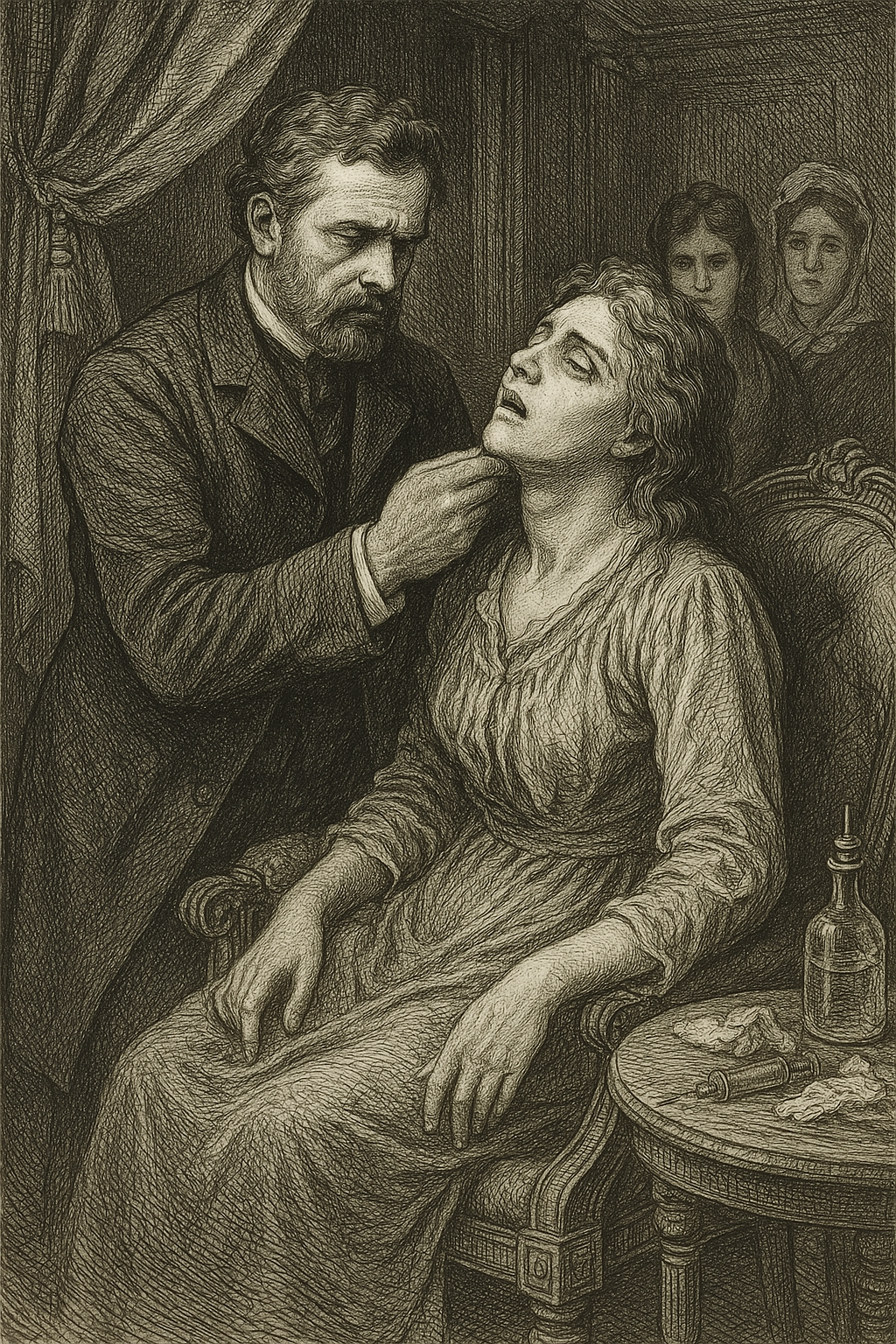 Birth of dream psychology
🔒
·
Freud’s *The Interpretation of Dreams* (DIE TRAUMDEUTUNG, 1899) revolutionized dream theory. He proposed that dreams are wish-fulfillments rooted in unconsciou
Birth of dream psychology
🔒
·
Freud’s *The Interpretation of Dreams* (DIE TRAUMDEUTUNG, 1899) revolutionized dream theory. He proposed that dreams are wish-fulfillments rooted in unconsciou -
is_parent
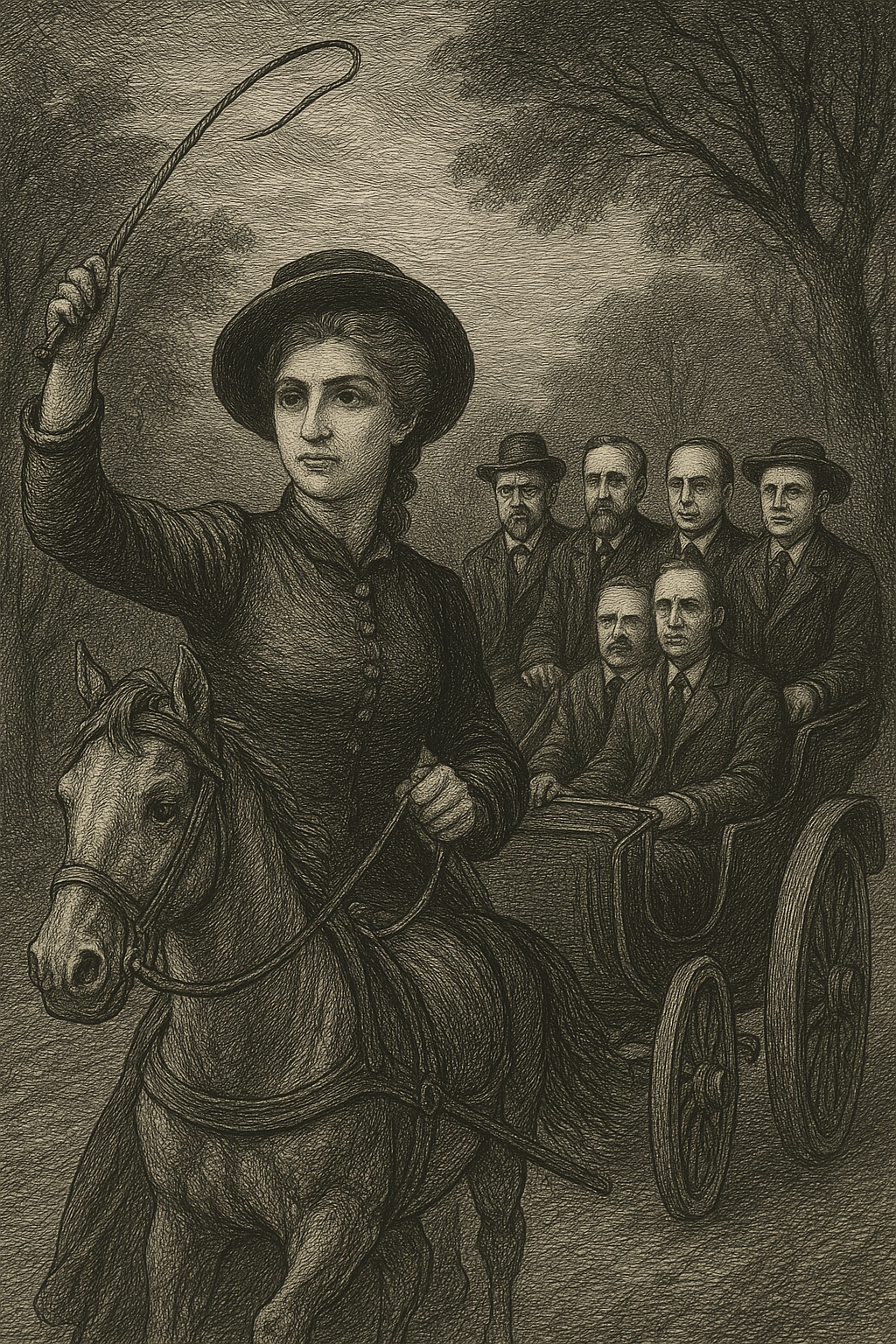 Mittwochskreis
🔒
·
In the early 1900s, Freud began hosting weekly discussions at his home — the "Wednesday Psychological Society." (evolved into the core of the **Vienna Psychoan
Mittwochskreis
🔒
·
In the early 1900s, Freud began hosting weekly discussions at his home — the "Wednesday Psychological Society." (evolved into the core of the **Vienna Psychoan -
is_parent
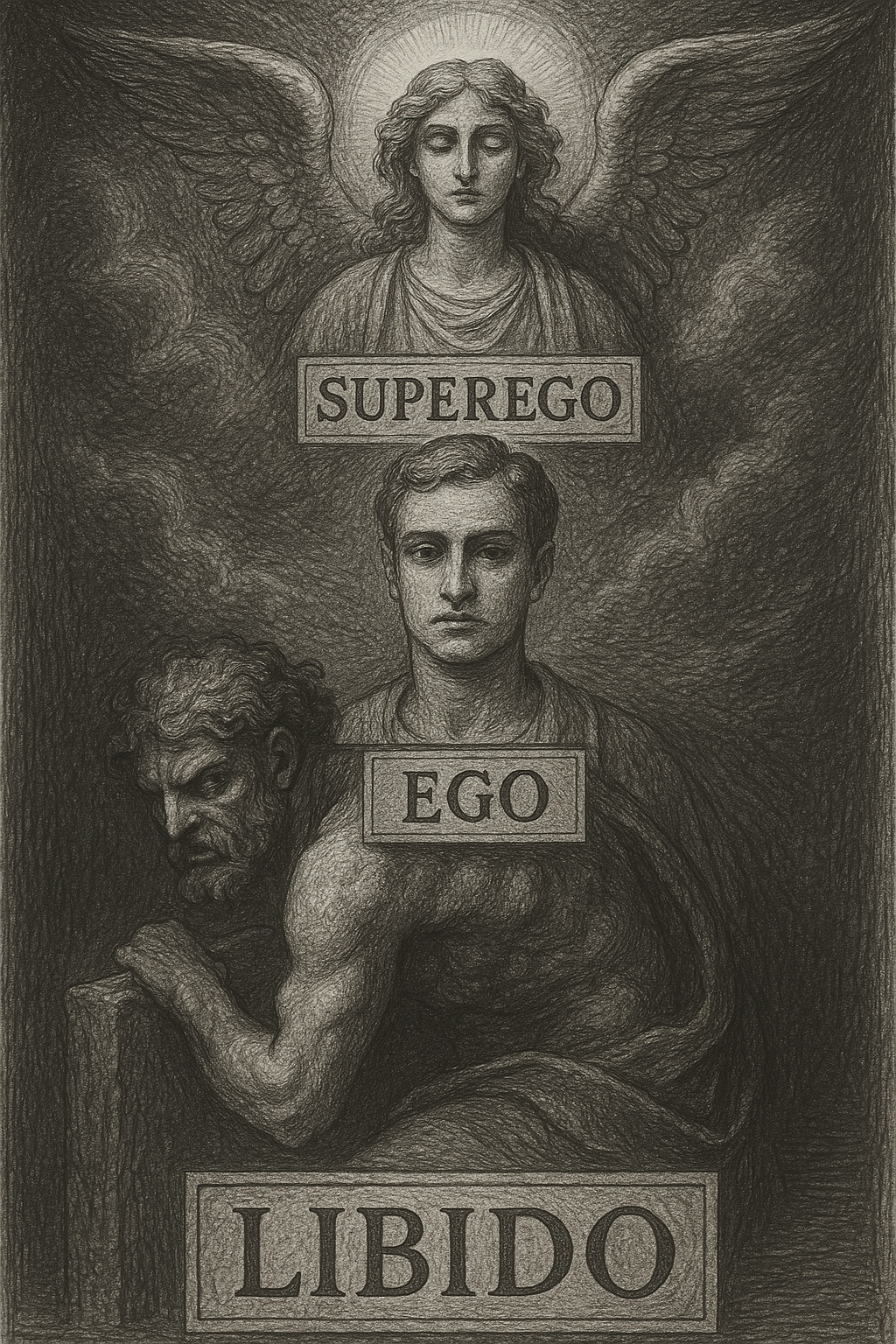 Libido, Id, Ego, Superego
🔒
·
Freud redefined *libido* as a psychic energy derived from instinctual drives — primarily sexual but also life-affirming (Eros). This energy powers the psy
Libido, Id, Ego, Superego
🔒
·
Freud redefined *libido* as a psychic energy derived from instinctual drives — primarily sexual but also life-affirming (Eros). This energy powers the psy -
is_parent
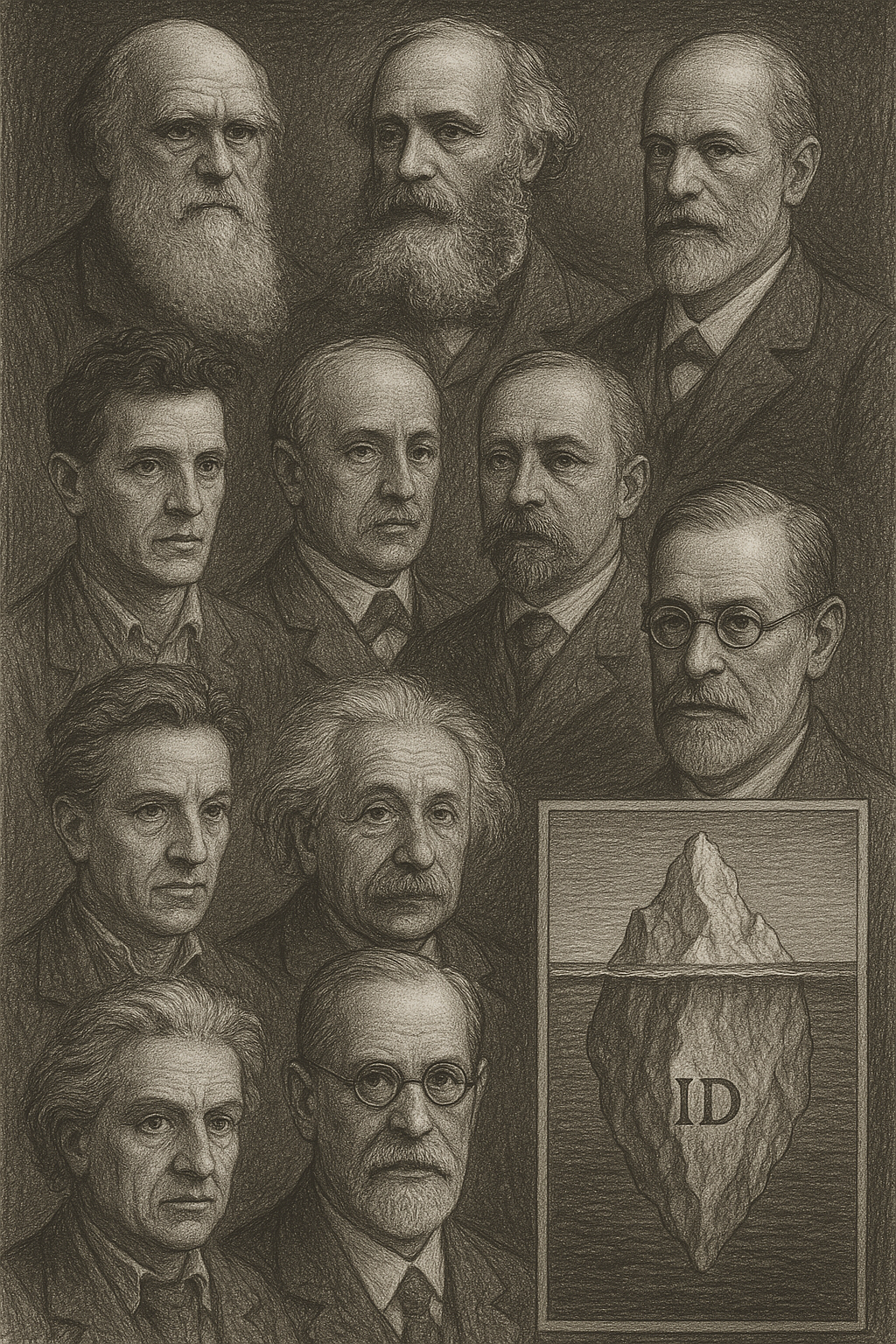 Topographic model
🔒
·
Divides mental life into three domains: the conscious, the preconscious, and the unconscious. The conscious contains immediate thoughts and perceptions —
Topographic model
🔒
·
Divides mental life into three domains: the conscious, the preconscious, and the unconscious. The conscious contains immediate thoughts and perceptions — -
is_parent
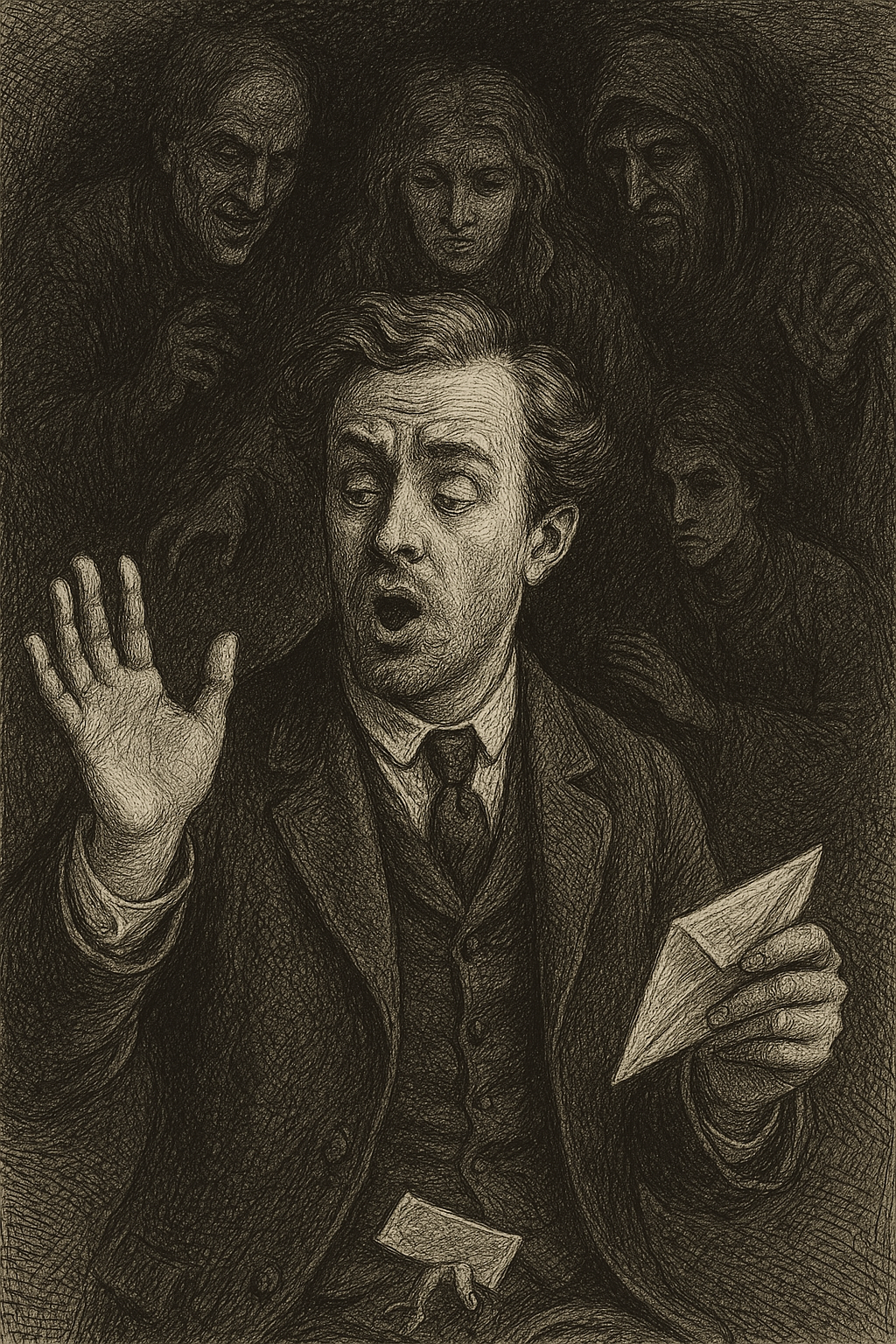 Fehlleistungen
🔒
Fehlleistungen, or parapraxes, refer to slips of the tongue, memory lapses, or unintended actions. Freud argued these “slips” reveal unconscious tho
Fehlleistungen
🔒
Fehlleistungen, or parapraxes, refer to slips of the tongue, memory lapses, or unintended actions. Freud argued these “slips” reveal unconscious tho
-
-
is_parent
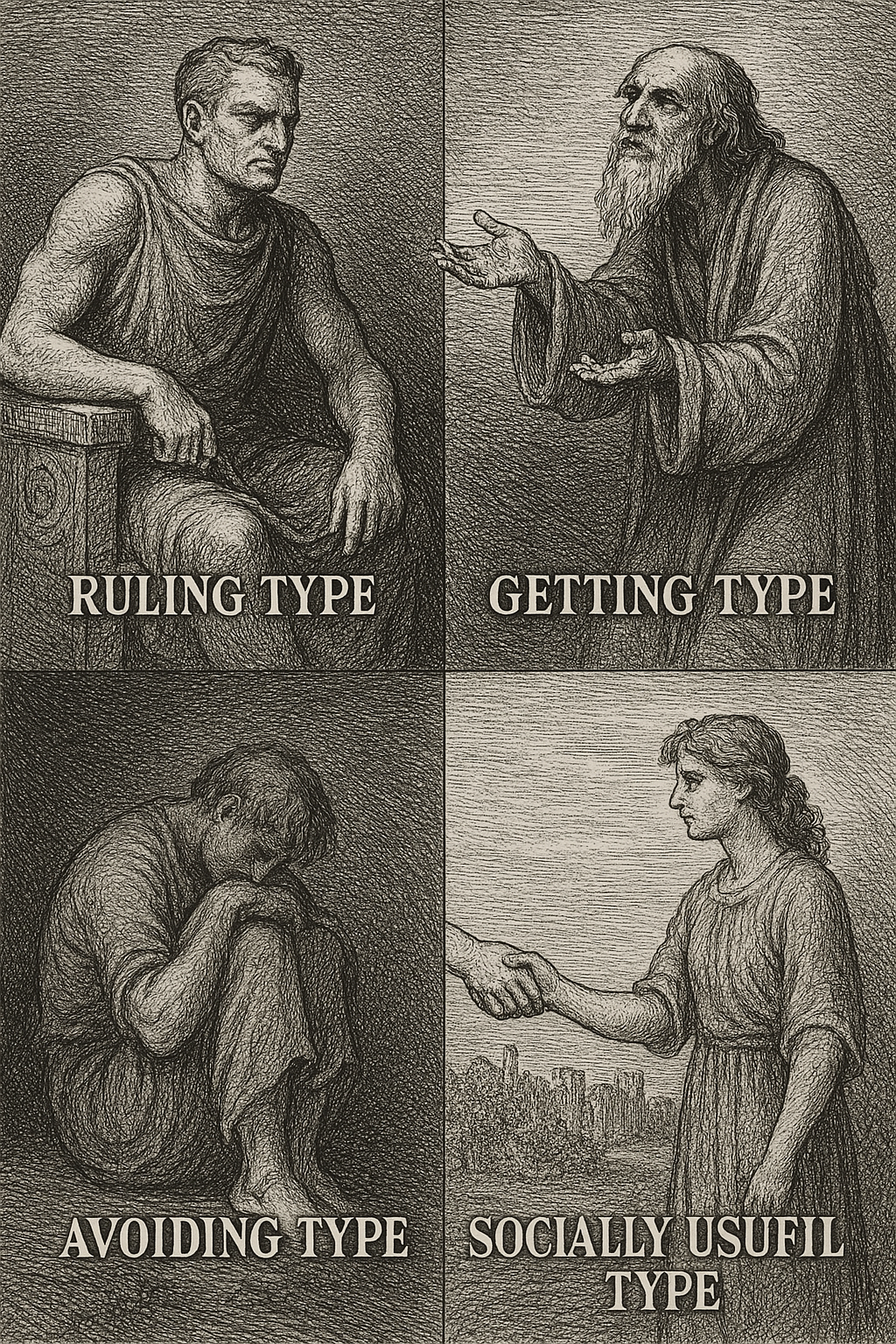 Adler
🔒
·
Alfred Adler was an early member of Freud’s psychoanalytic circle in Vienna. He initially supported Freud’s ideas but disagreed on the centrali
Adler
🔒
·
Alfred Adler was an early member of Freud’s psychoanalytic circle in Vienna. He initially supported Freud’s ideas but disagreed on the centrali -
is_parent
.png) Jung
🔒
·
Embracing Freud’s emphasis on the unconscious Carl Gustav Jung (CGJ) was initially a close collaborator and admirer of Freud. Jung proposed a broader concept:
Jung
🔒
·
Embracing Freud’s emphasis on the unconscious Carl Gustav Jung (CGJ) was initially a close collaborator and admirer of Freud. Jung proposed a broader concept:
-