Kastalia Knowledge Management System · Glasperlenspiel template · knot 1548
Imitation
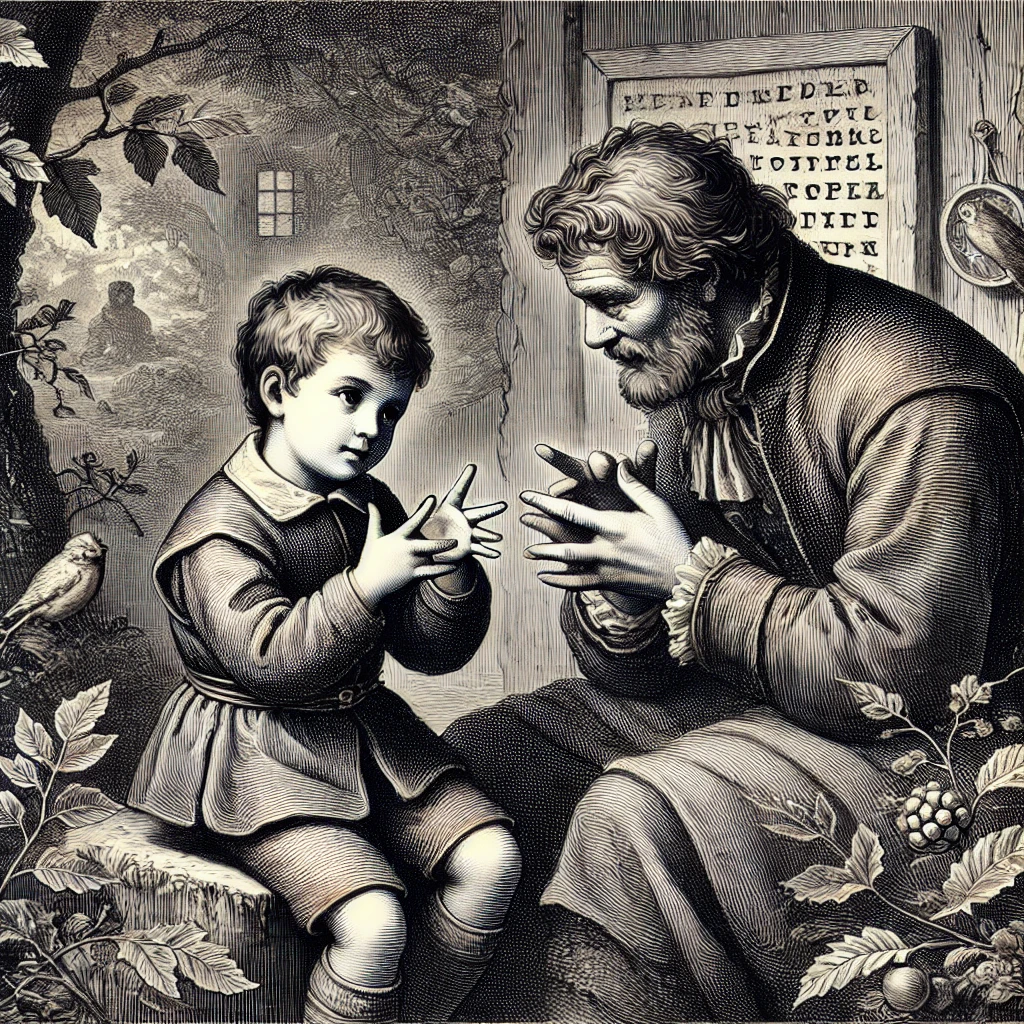
Imitation in humans, especially in children, is the process of learning by observing and replicating the actions, behaviors, or expressions of others. It is a fundamental mechanism for acquiring social, cognitive, and motor skills, allowing children to mimic gestures, language, or problem-solving techniques. Through imitation, children learn cultural norms, communication patterns, and even complex tasks without explicit instruction. It is crucial for early development, as it helps children integrate into their social environment and build understanding by modeling behaviors they see in parents, peers, and others.
Ancestors (1 superordinated path)
Descendants (at least 3 branches originate here)
-
Imitation
Imitation in humans, especially in children, is the process of learning by observing and replicating the actions, behaviors, or expressions of others. It is a f
-
is_parent
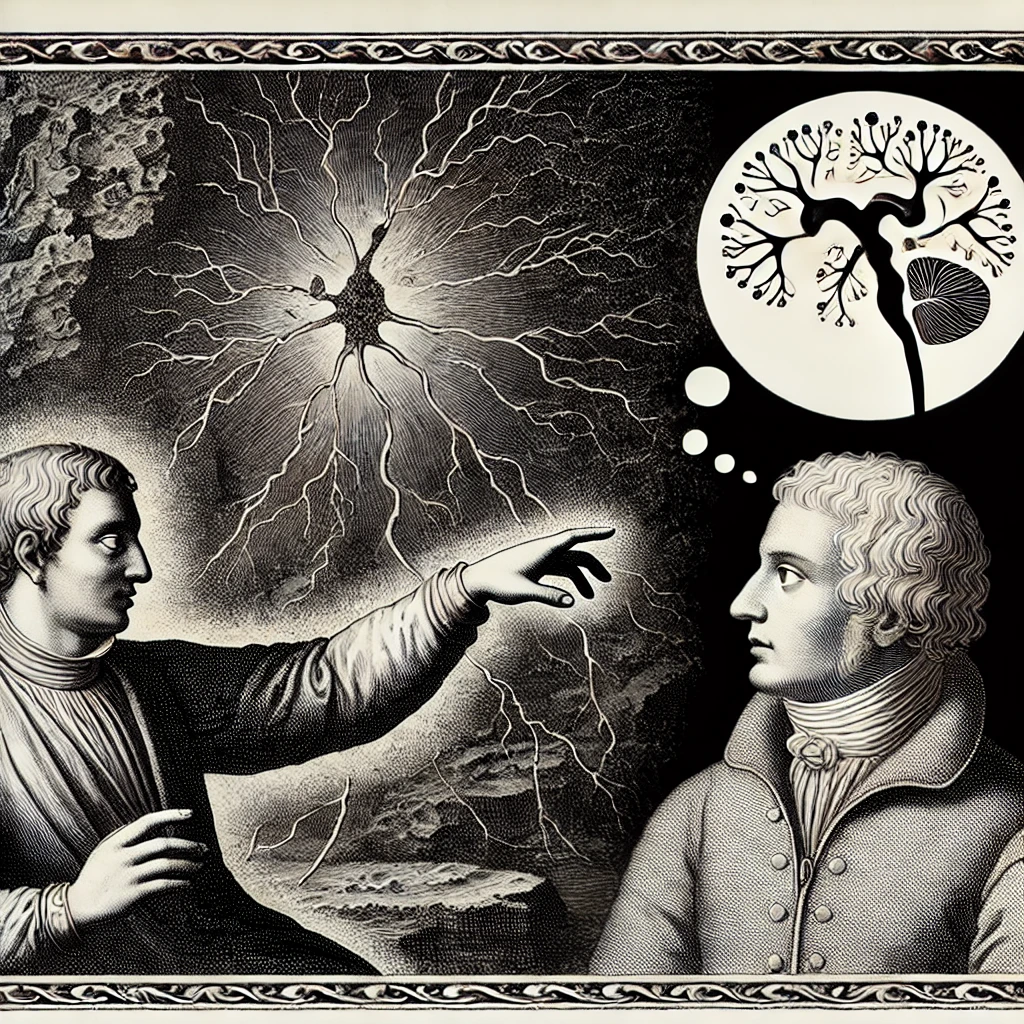 Mirror neurons
 are specialized brain cells that activate both when an individual performs an action and when they observe someone else performing the same actio
Mirror neurons
Mirror neurons are specialized brain cells that activate both when an individual performs an action and when they observe someone else performing the same actio-
is_parent Mirror neurons video ·
-
-