i
Imitation DDH ()


Imitation

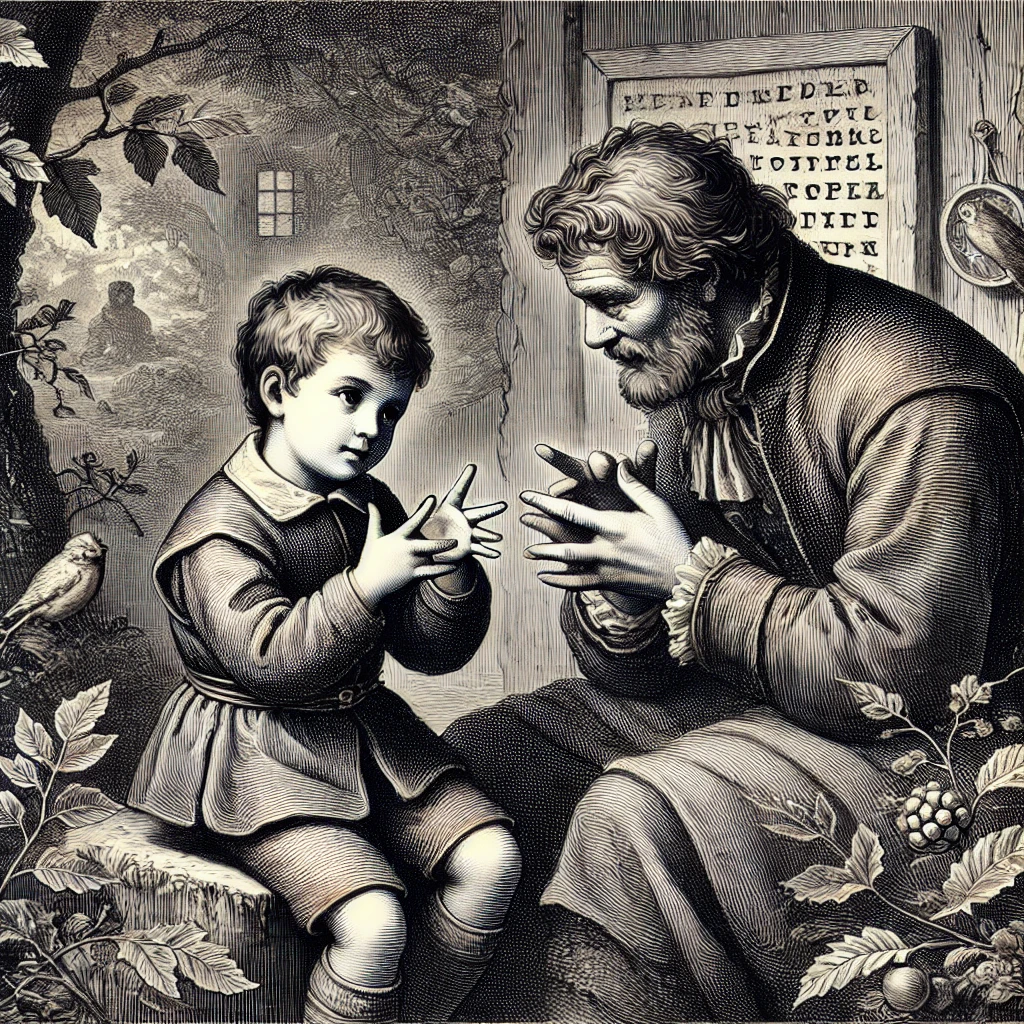
Imitation in humans, especially in children, is the process of learning by observing and replicating the actions, behaviors, or expressions of others. It is a fundamental mechanism for acquiring social, cognitive, and motor skills, allowing children to mimic gestures, language, or problem-solving techniques. Through imitation, children learn cultural norms, communication patterns, and even complex tasks without explicit instruction. It is crucial for early development, as it helps children integrate into their social environment and build understanding by modeling behaviors they see in parents, peers, and others.


Mirror neurons

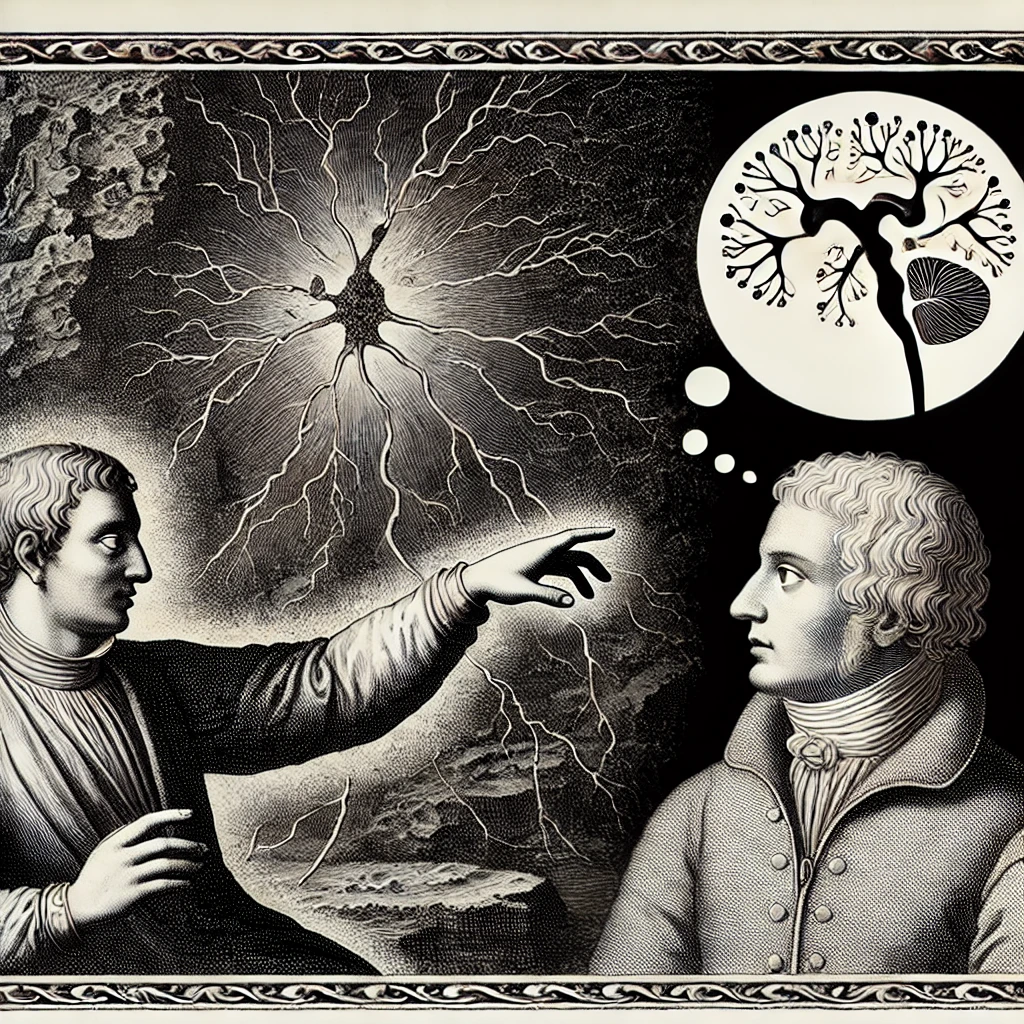
Mirror neurons are specialized brain cells that activate both when an individual performs an action and when they observe someone else performing the same action. These neurons were first discovered in primates and are thought to play a key role in understanding the actions and intentions of others, as well as in processes like imitation, learning, and empathy. In humans, mirror neurons are believed to be involved in social cognition, allowing us to simulate and internalize the experiences of others, thus facilitating learning through observation and emotional connection.

Mirror neurons video