Kastalia Knowledge Management System · Glasperlenspiel template · knot 1153
Human-Machine Peer Learning (HMPL): What and Why?
Can machines teach ?
Ancestors (1 superordinated path)
root/
baumhaus.digital/
Miscellanous/
Presentations/
AE53/
oeb.global/
Human-Machine Peer Learning (HMPL): What and Why?
Descendants (at least 15 branches originate here)
-
Human-Machine Peer Learning (HMPL): What and Why?
Can machines teach ?-
is_parent Introduction
In this Boardroom Dialogue we will discuss the possibility of humans and AIs becoming "peers" in helping each other to acquire skills and competences. The dialo-
is_parent
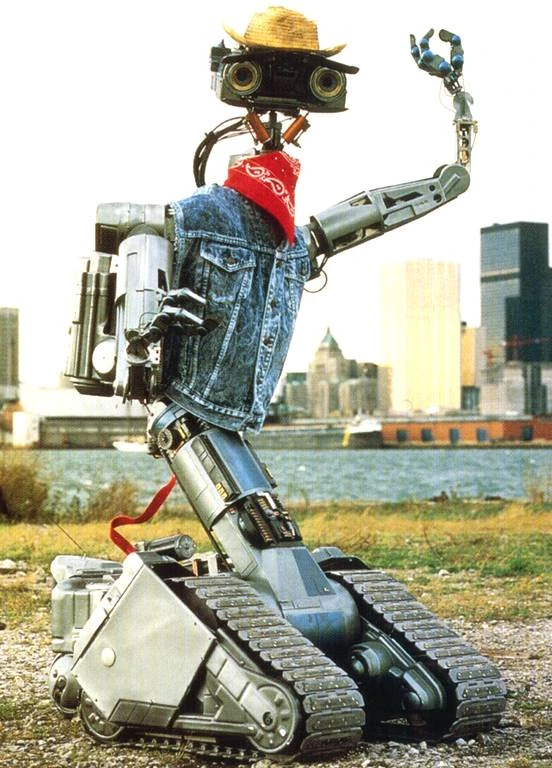 Why ? (my personal narrative)
·
"obsessed" by human-robot relations from early childhood onwards (hello Johny 5!) Čapek, Asimov, Turing, Cyberpunk ... since beginning of my academic life I try
Why ? (my personal narrative)
·
"obsessed" by human-robot relations from early childhood onwards (hello Johny 5!) Čapek, Asimov, Turing, Cyberpunk ... since beginning of my academic life I try -
is_parent Why and why not ? ·
To prepare for the discussion which will ensue, please think about the role which machines, AIs - and associated concepts, myths and archetypes - played (until
-
-
is_parent
 HMPL
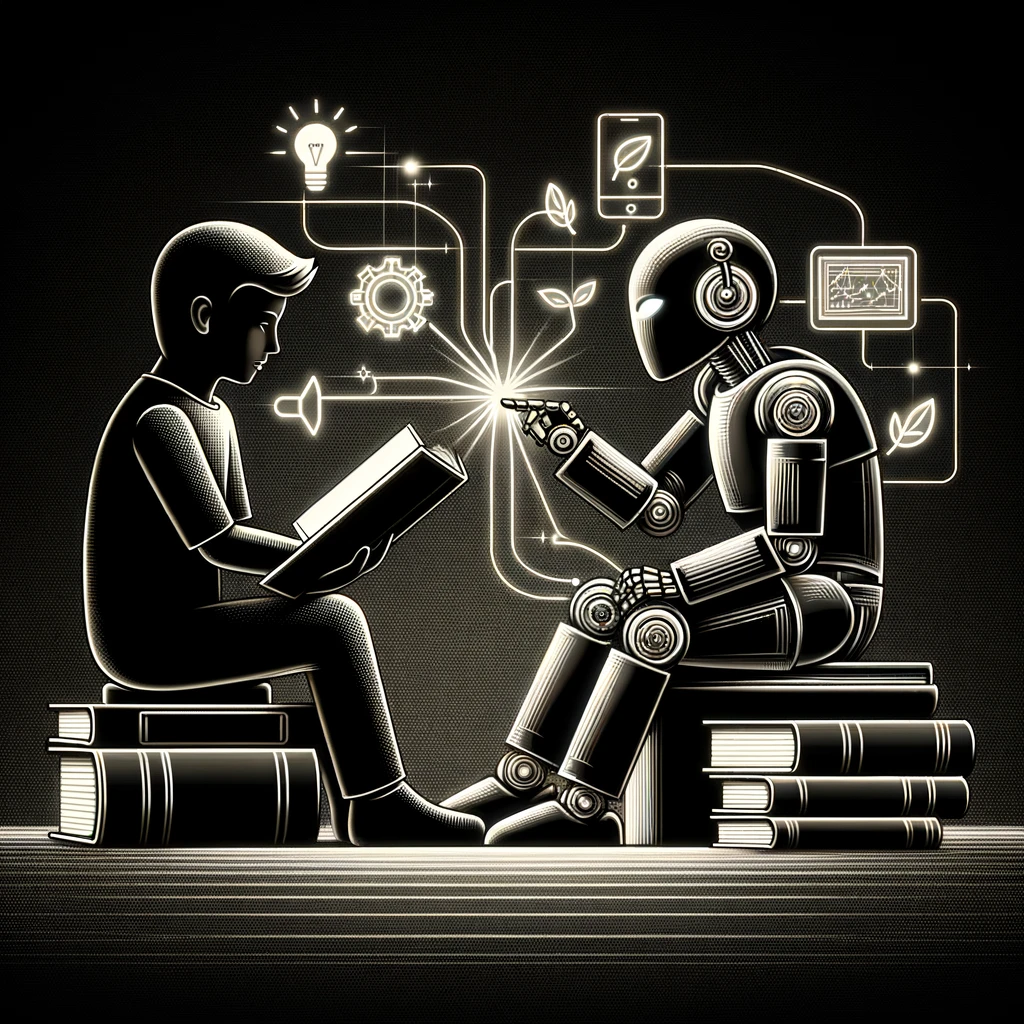
Human–Machine Peer Learning (HMPL) is a proposal that is positioned at the very frontier between educational, cognitive, and computer sciences. HMPL's cor
HMPL
Human–Machine Peer Learning (HMPL) is a proposal that is positioned at the very frontier between educational, cognitive, and computer sciences. HMPL's cor-
is_parent
 Human learning
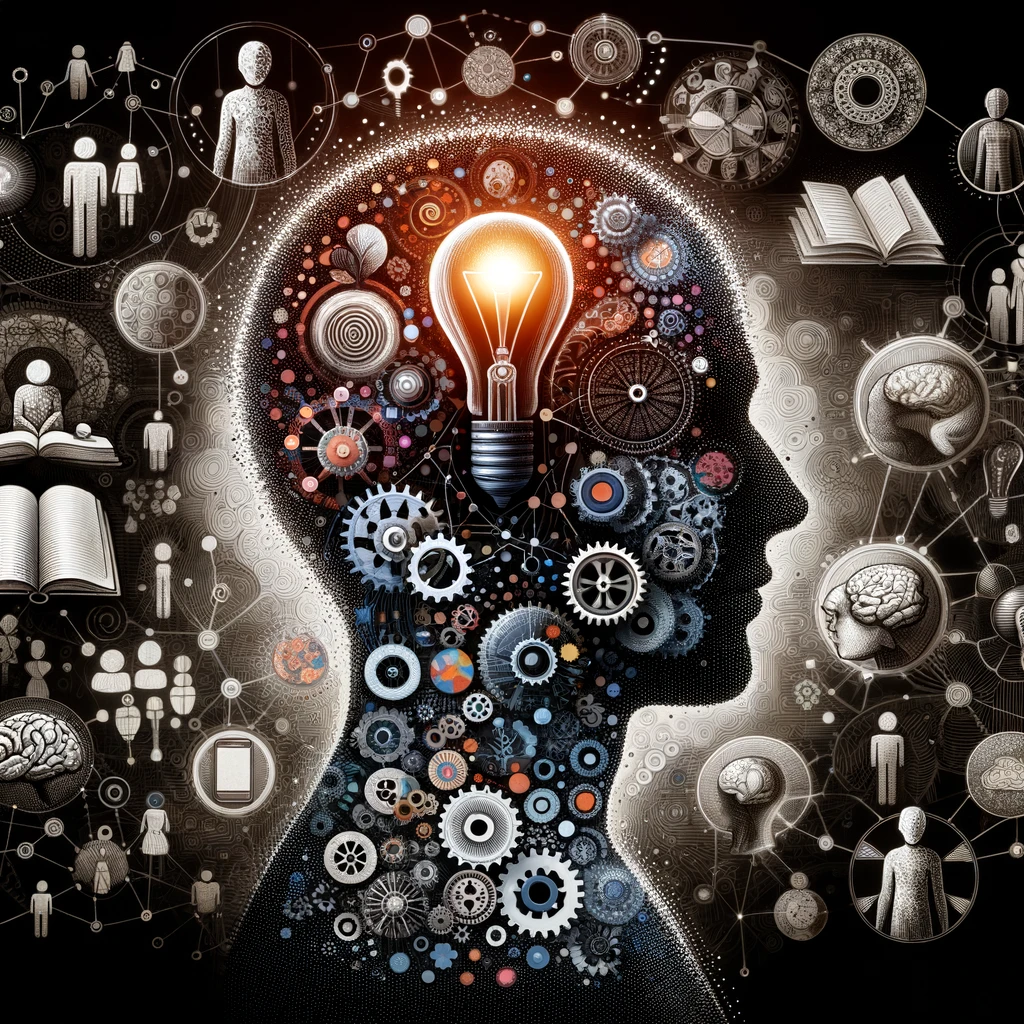
 is a complex, multifaceted process that encompasses the acquisition, understanding, and application of knowledge and skills. It involves various
Human learning
Human learning is a complex, multifaceted process that encompasses the acquisition, understanding, and application of knowledge and skills. It involves various -
is_parent
 Machine learning
·
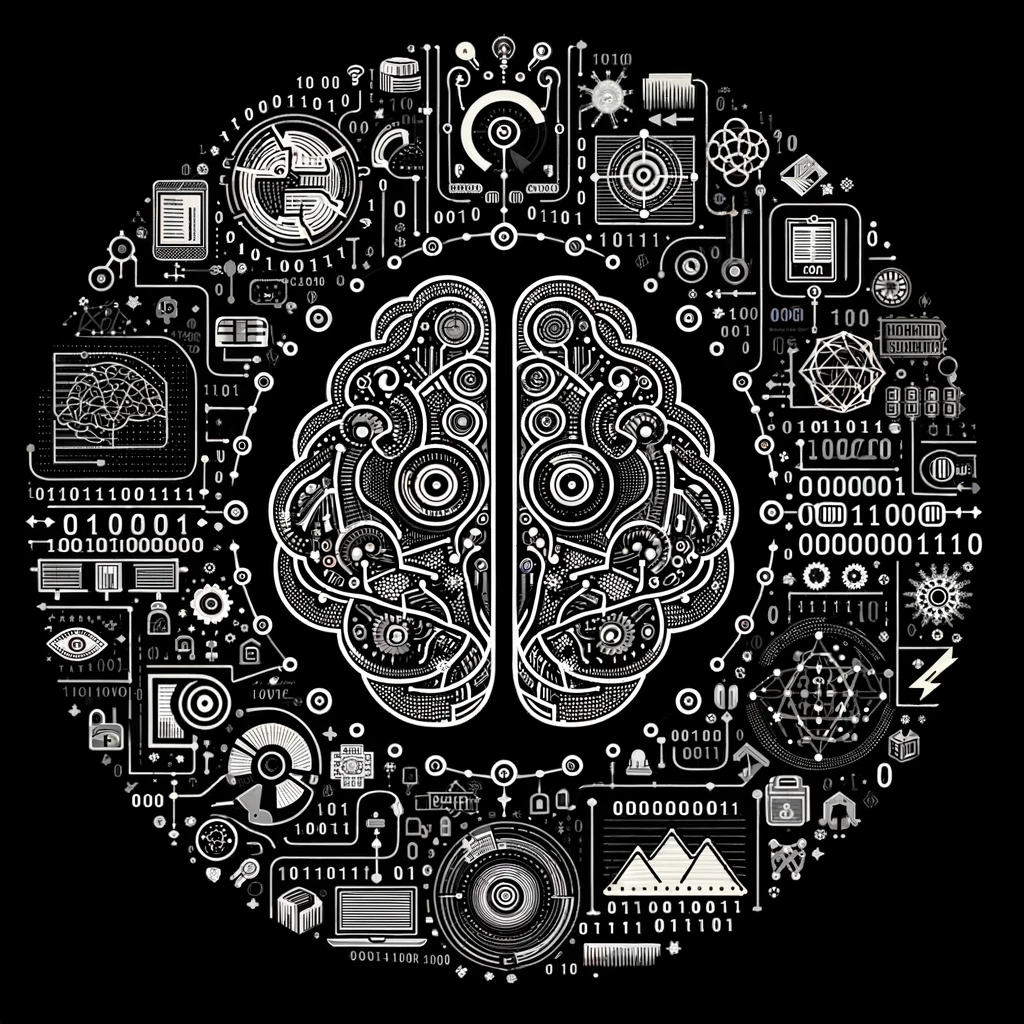
Machine learning is a subset of artificial intelligence focused on developing algorithms that enable computers to learn and make decisions from data without bei
Machine learning
·
Machine learning is a subset of artificial intelligence focused on developing algorithms that enable computers to learn and make decisions from data without bei -
is_parent
 HMPL
·
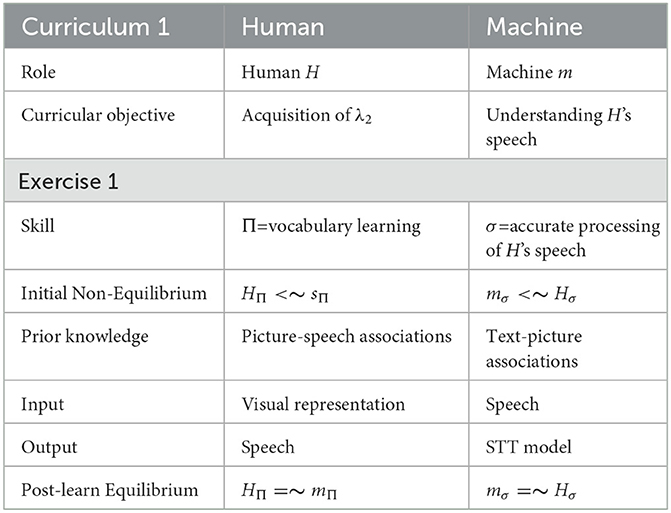
A human-machine peer learning curriculum (i.e., a HMPL-C) is a planned sequence of educational instructions–i.e., a curriculum–which involves:1. At least one hu
HMPL
·
A human-machine peer learning curriculum (i.e., a HMPL-C) is a planned sequence of educational instructions–i.e., a curriculum–which involves:1. At least one hu -
is_parent
 Caution !
·
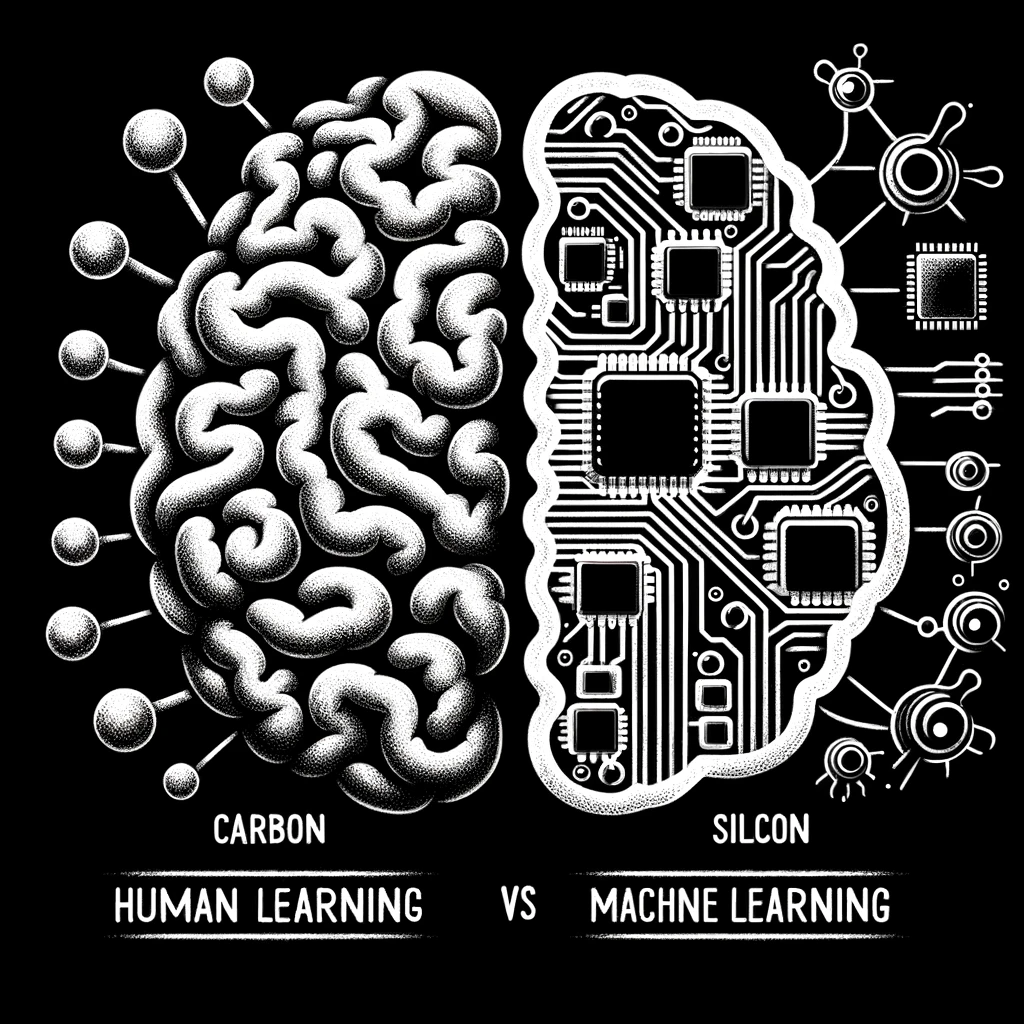
On the material level, human biochemistry-based learning is fundamentally different from machine learning taking place on silicon-based transistors.
Caution !
·
On the material level, human biochemistry-based learning is fundamentally different from machine learning taking place on silicon-based transistors.
-
-
is_parent
 Practice
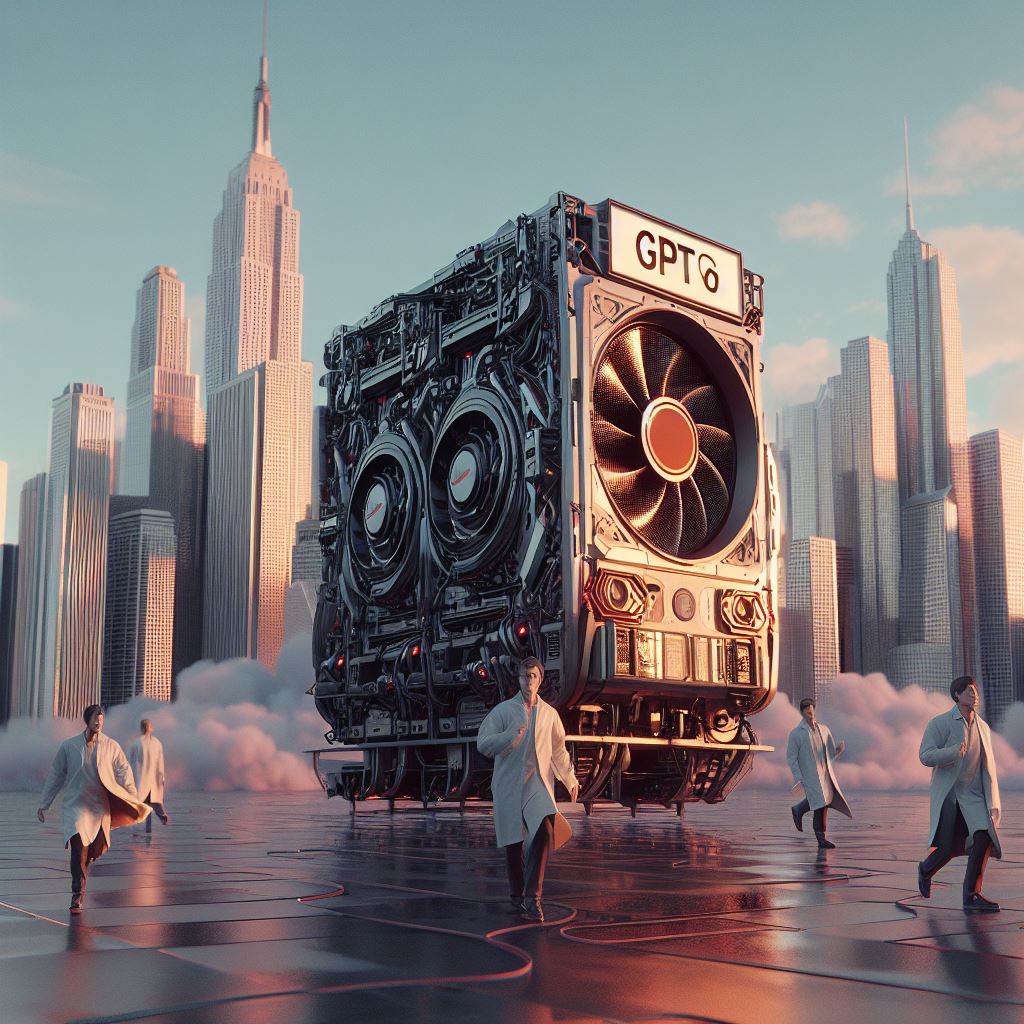
Note that HMPL is more than a theoretical concept. It is happening. Here. Now. Humanity teaches the big & mighty ones (e.g. GPT4, DALL-e 3) and big &
Practice
Note that HMPL is more than a theoretical concept. It is happening. Here. Now. Humanity teaches the big & mighty ones (e.g. GPT4, DALL-e 3) and big &-
is_parent
 Vocabulary learning
·
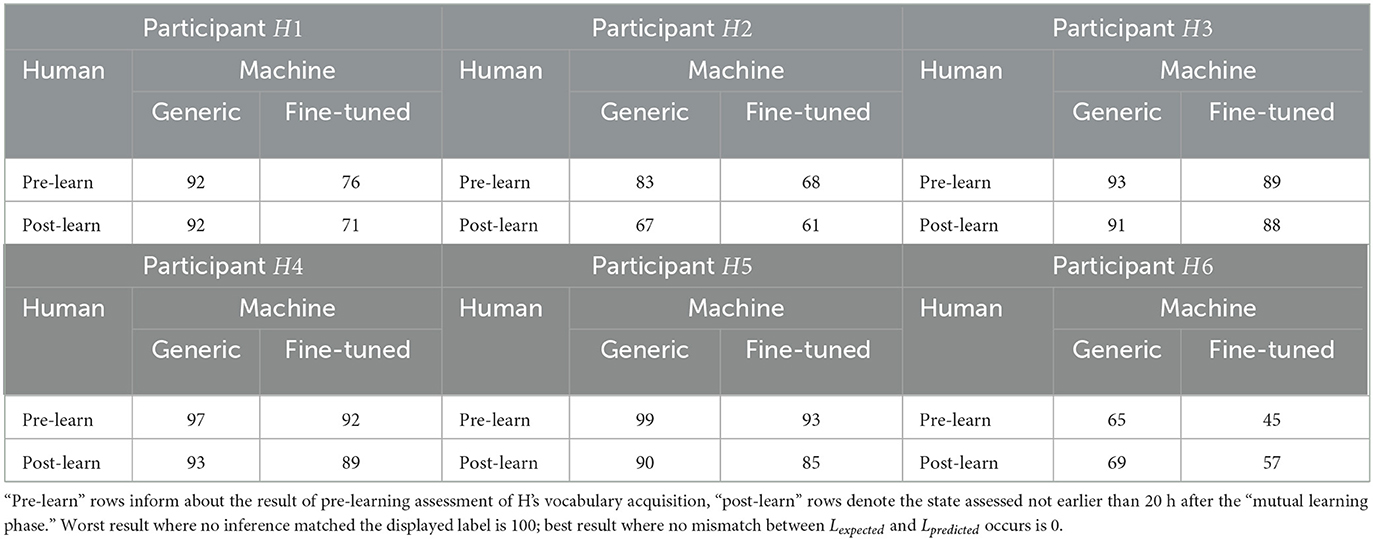
Front. Educ., 2023Sec. Digital EducationVolume 8 - 2023 | https://doi.org/10.3389/feduc.2023.1063337Proof-of-concept of feasibility of human–machine peer learni
Vocabulary learning
·
Front. Educ., 2023Sec. Digital EducationVolume 8 - 2023 | https://doi.org/10.3389/feduc.2023.1063337Proof-of-concept of feasibility of human–machine peer learni -
is_parent Reading acquisition ·
In the second Hromada & Kim (2023) article, we describe first, syllable-oriented exercise by means of which the Primer aimed to assist one 5-year-old pre-school
-
-
is_parent Dialogue ·
0. Can an entity E be considered a "peer" even if it does not have a physical body ? 1. Can AI ever be a "peer" to a human being or is it a fallacy to believe s -
is_parent Where do we go from here ?
Someone willing to join me on a journey towards "Encounter": a journal on human-machine educationdaniel@udk-berlin.de-
is_parent Teaser ·
Join me & Zihern Lee and our two HMPL-positive Primers at "Personal Primer" how to workshop between 14:30 - 15:30 in the "Bishop" room.
-
-