also reachable via 2 other paths through the graph

Human and arti(ficial|stic) intelligence

What is "intelligence" and how is it defined by different people and different cultures ? Is there only one "general" intelligence thanks to which humans and machines solve problems or is it more appropriate to speak about combinations of "multiple intelligences" - emotional, intepersonal, intrapersonal, spatial, visual, logical, mathematical, bodily, moral, narrative, etc. ? Can we speak about intelligence independent of cultural and socio-economical context within which its acts and is embedded ? Do organic (OI) and artificial intelligence (AI) have something in common or are they fundamentally and unreconcilably different ? In order to explore potential answers to these questions, we will look into history of cognitive (psychology, anthropology) and computer  (informatics, cybernetics)  sciences, we will read stories about "idiot savants" and children raised in wilderness and briliant minds of the past in order to ultimately ask our own AI systems to tell them something about themselves.
click, swipe or press → to begin

Session 2 :: Development of intelligence

Session 2 Take home lesson

Intelligence is not a static trait but can be modified under the right educational interventions.

Repetitio

Repetitio mater studiorum.
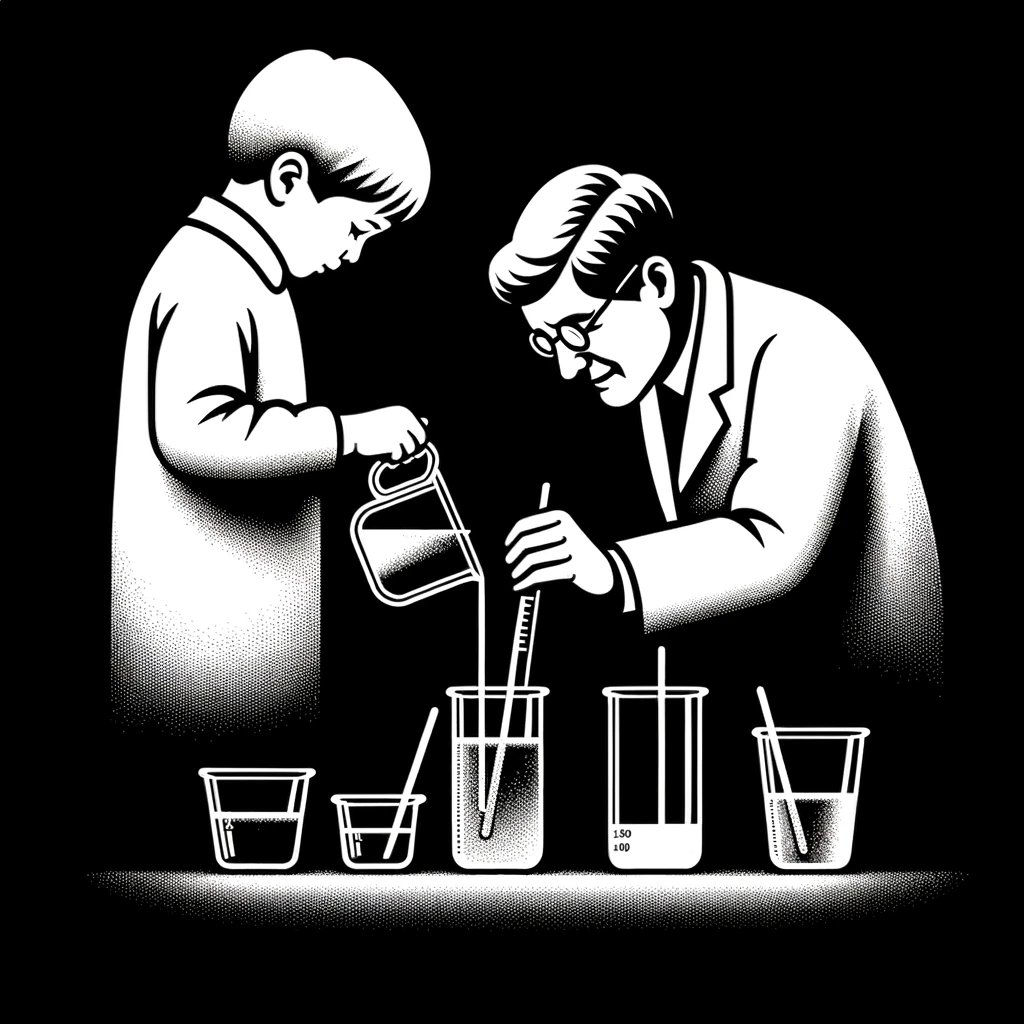
Illustration of jean piaget making and his son performing his famous experiment with water conservation in different glasses

Piaget

Jean Piaget (1896-1980) was a Swiss developmental psychologist and philosopher best known for his pioneering work in the study of child development and his theory of cognitive development.  He studied natural sciences at the University of Neuchâtel and later obtained a Ph.D. in zoology. However, his professional trajectory shifted when he began working at the Binet Institute in Paris, where he was tasked with standardizing intelligence tests for children. Through his observations, Piaget became intrigued by the systematic errors made by children, leading him to hypothesize that children think differently than adults. This marked the beginning of his extensive research into the nature and development of human intelligence.
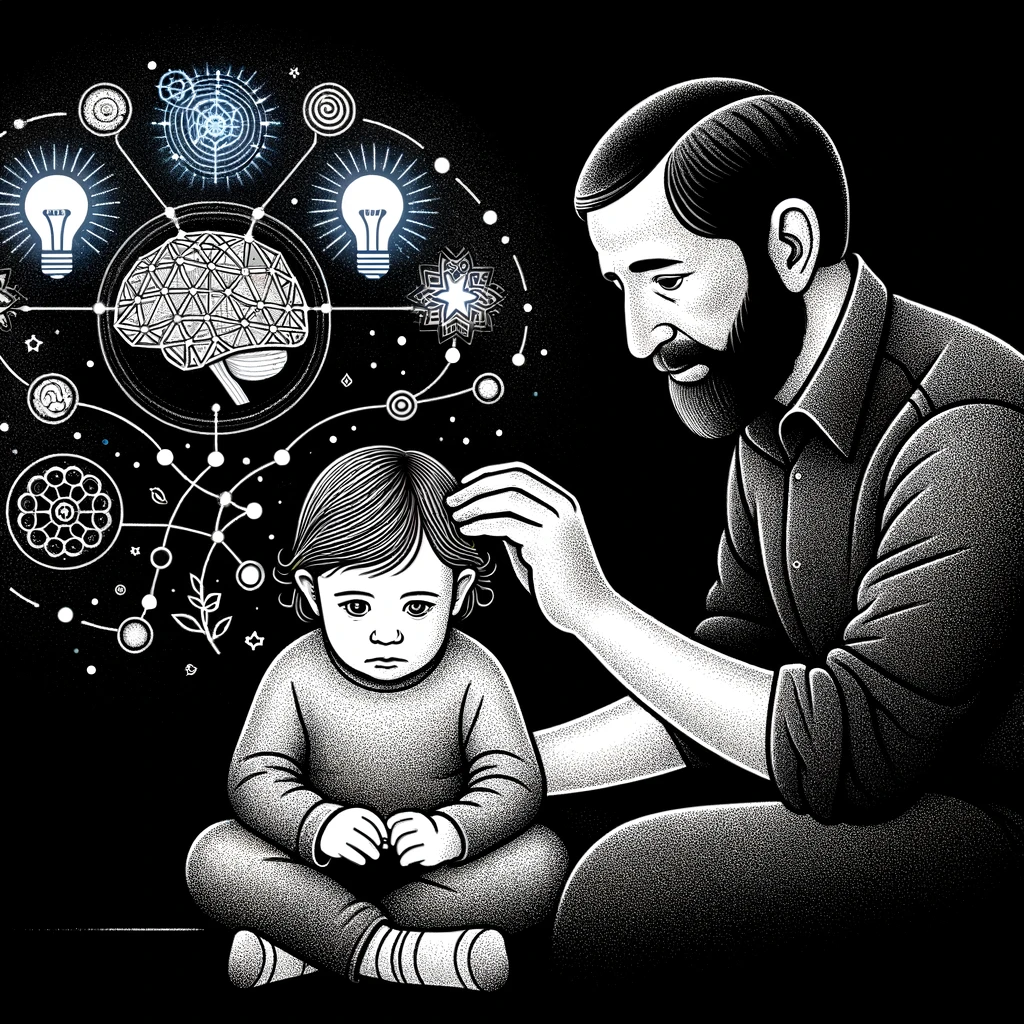
illustration on black background of reuven feurstein helping a traumatized child to expand its cognitive potential

Feuerstein

Reuven Feuerstein (1921-2014) was an Israeli psychologist renowned for his theory of Structural Cognitive Modifiability (SCM) and the concept of Mediated Learning Experience (MLE). Born in Romania, Feuerstein's work was significantly influenced by his experiences during World War II, assisting child survivors of the Holocaust. His main belief was that intelligence is not a static trait but can be modified under the right educational interventions.

Did Feuerstein meet Piaget ? Compare what GPT4 says with what wikipedia says ...
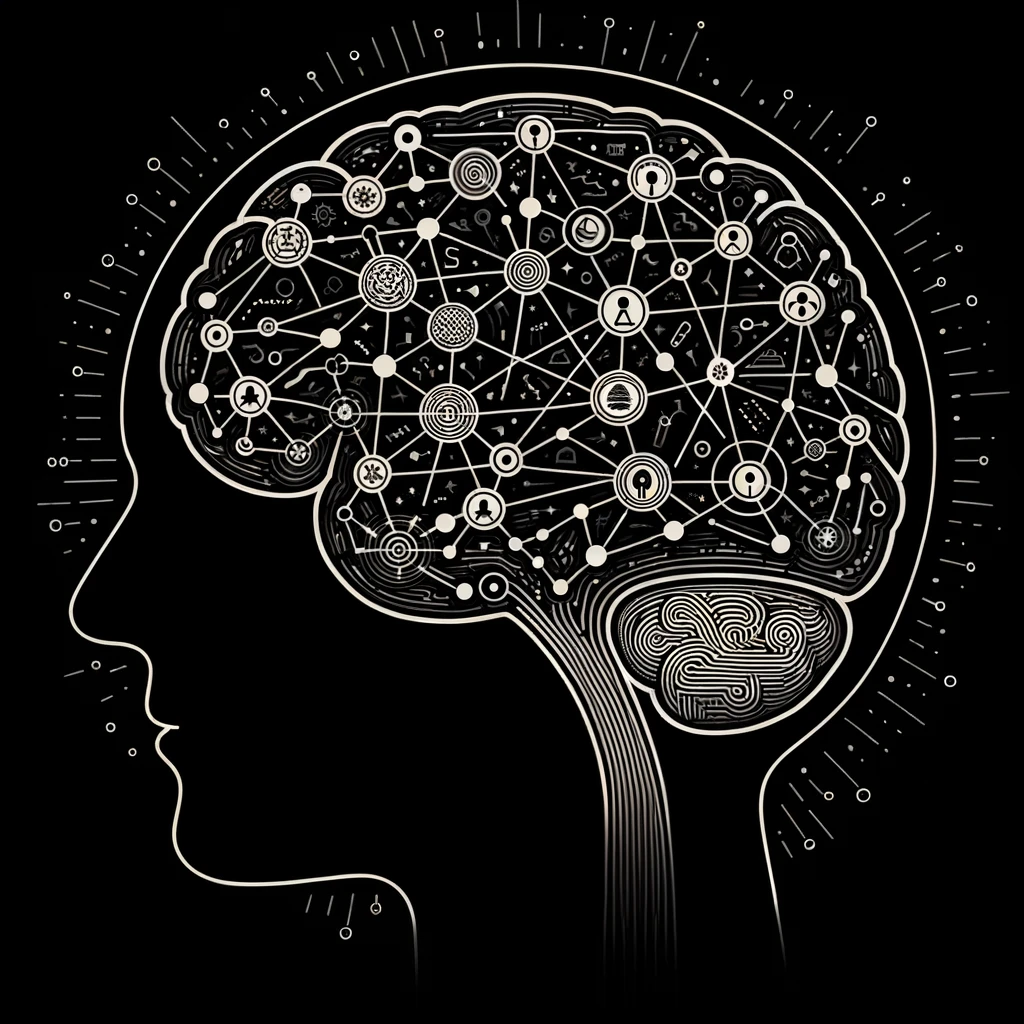
illustration of a cognitive schema

Schema

"Schema (pl. schemata) is a simple mental image or pattern of action, a form of organizing information that a person uses to interpret the things she sees, hears, smells and touches." (The Piaget Primer, p. 17)

In modern cognitive sciences, we more often use the term mental|cognitive|internal "representations" (C-representations = comprehension|understanding representations; P-representations = production|action representations)

Assimilation & Accomodation

Assimilation is the process of taking in new information and fitting it into a preconceived notion about objects or the world.

Accomodation means adjusting to new experience or objects by revising the old plan to fit the new information.

Intelligence as reorganization of experience

"Piaget defined intelligence as an individual's ability to cope with the changing world through continuous organization and reorganization of experience. Reasoning is the essence of intelligence, and it is those reasoning processes which Piaget studied in order to discover how we know." (The Piaget Primer, p. 13)

Instrumental Enhancement

Instrumental Enrichment (IE): An instructional method developed by Feuerstein, IE aims to enrich an individual's learning and thinking strategies through a series of paper-and-pencil tasks. 

The goal is not merely to teach specific content but to improve cognitive functioning. Id est, to en(rich|ha(nce)) Your intellige\2.

Session 0 :: Introduction

Hello world, formalities, recommended literature, means of communication etc.

Stages of cognitive development

 
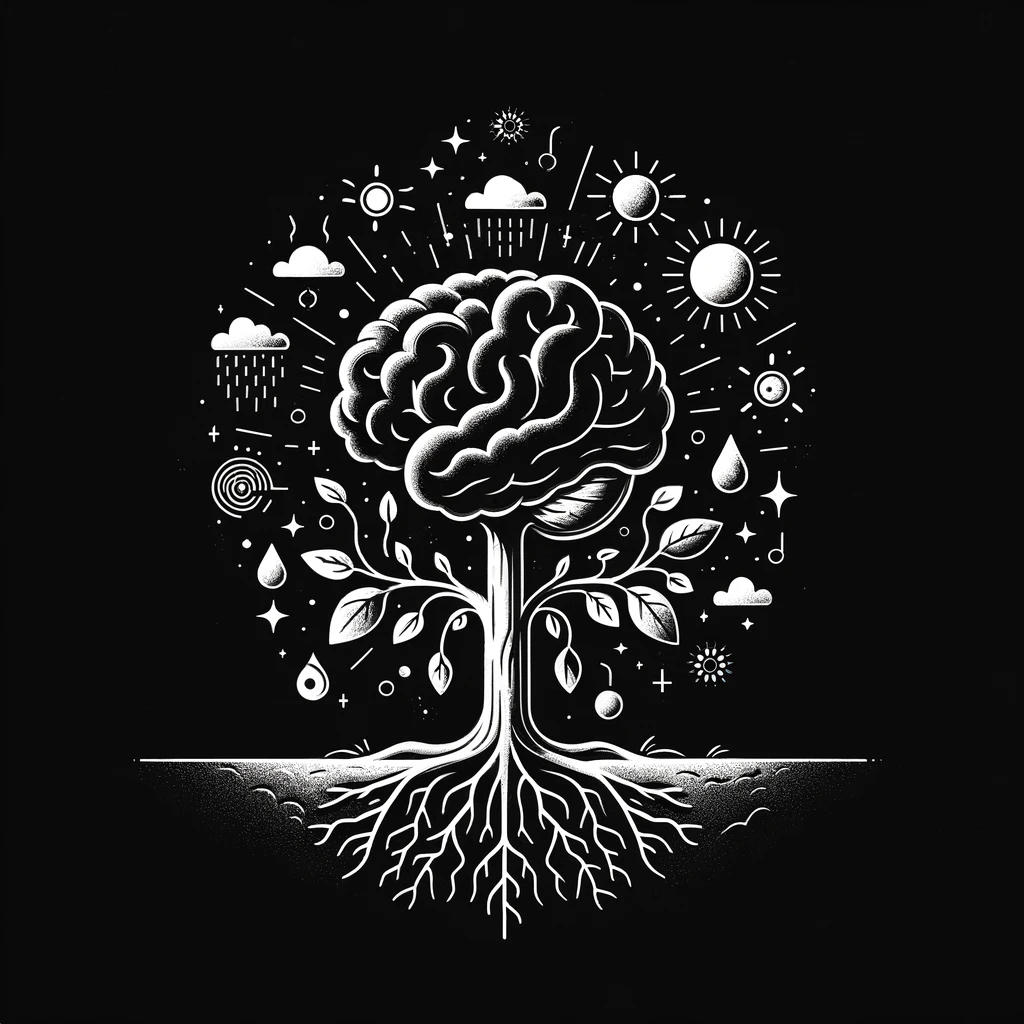
illustration of adaptation of developing mind to its environment

Adaptation

"Adaptation is a process of seeking an equilibrium between the self and the environment. This equilibrium, or equilibriation as Piaget refers to it, is a balance between the process of assimilation and accomodation." (The Piaget Primer, p.18)

"Over time, as these processes of assimilation and accommodation repeat and compound, they lead to major shifts in understanding—ushering children into a new developmental stage." (GPT4)

Course materials

All course materials (folios, exercises, handouts) presented during live sessions are archived at

baumhaus.digital/intelligence

Note: baumhaus presentations in different sessions are synchronized with my actions, i.e. when I change a folio in my browser, it will automagically change a folio in Your browser as well, click on "Session 2" and experience it for Yourself

Formalities

who am I

who are You

is this a course for You ?

credits (2 ECTS for >75% attendance, +1 for referat/experiment)

Hausarbeit possible

need help ? (tutor: a.terzieva@udk-berlin.de)

Leistungsnachweis

signature-related issues

Smartphone & Feedback box

Recommended literature

You are cordially invited to read one or more of these book(s):

Howard Gardner :: Frames of Mind / The Theory of Multiple Intelligences

David Goleman :: Emotional Intelligence : Why it can matter more than IQ

Singer et al. :: A Piaget Primer: How a Child Thinks

Murray & Herrnstein :: The Bell Curve: Intelligence and Class Structure in American Life (Achtung! Controversy)

Nick Bostrom :: Superintelligenz

Carlo M. Cipolla: The Basic Laws of Human Stupidity

Referat(s) welcome, Hausarbeit (5 SWS) possible. Note: Lecture of one of these books is mandatory for all those whose attendance will be between 1/2 and 2/3.

FIE 1 overview

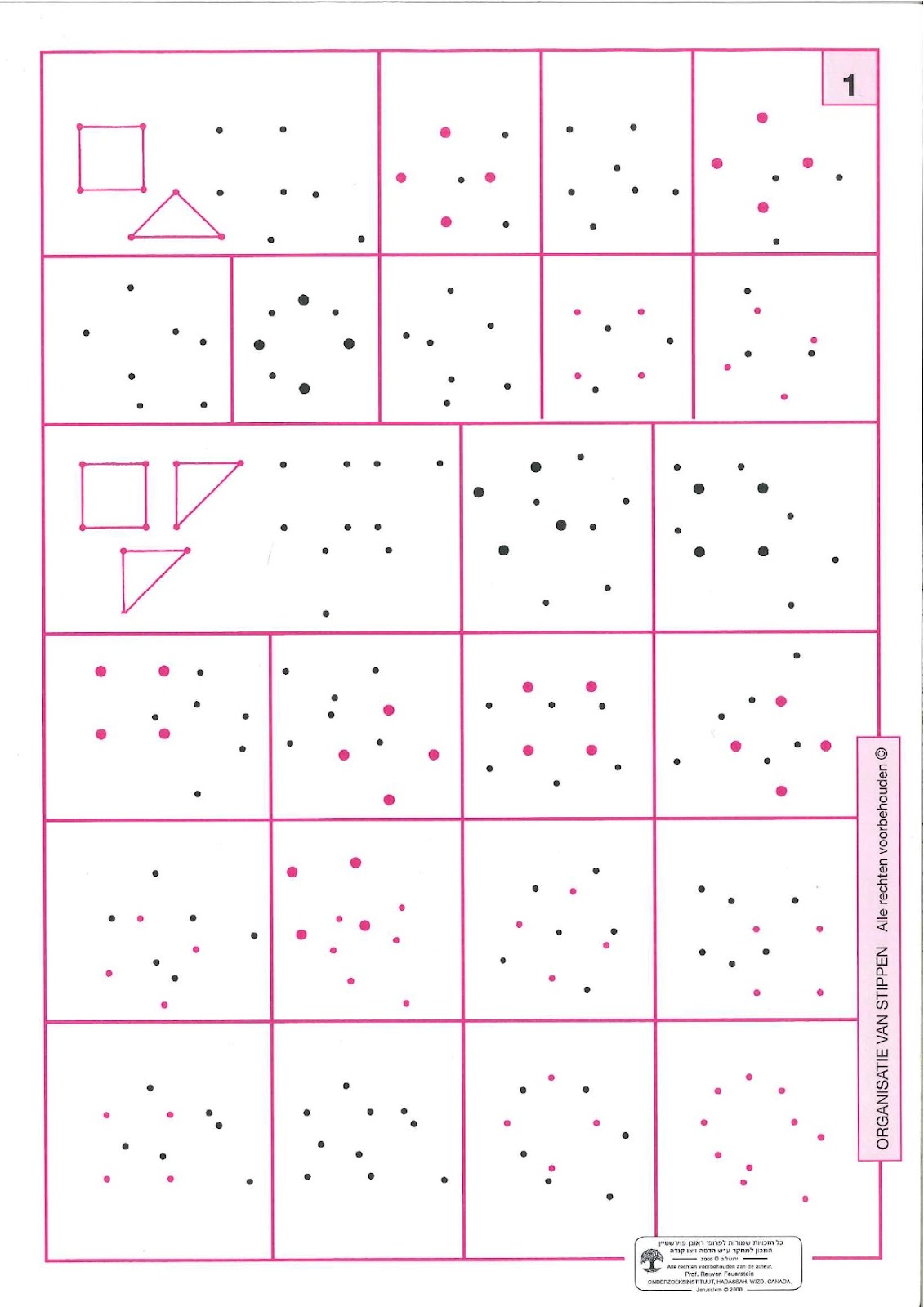
1. Organization of Dots

2. Analytic Perception

3. Orientation in Space

4. Comparative Behavior

5. Family Relations

6. Temporal Relations

7. Categorization

8. Instructions

(11 - 16 years)  Stage of Formal Operations

Stage of formal operations represents the culmination of a child's cognitive development. In this stage, adolescents develop the ability to think abstractly and reason hypothetically. They are no longer limited to concrete, tangible concepts and can conceptualize ideas and possibilities that extend beyond their immediate experience. This stage is characterized by the emergence of deductive reasoning, where adolescents can develop hypotheses and systematically test them. They start to think about theoretical possibilities and can understand abstract concepts like justice, love, and free will. Their problem-solving abilities become more systematic and logical, including the ability to consider multiple variables and potential outcomes. Adolescents in the formal operational stage also exhibit metacognition – the ability to think about their own thought processes. This self-reflection enables them to analyze their reasoning and the conclusions they reach, enhancing their ability to learn and adapt.

(7 - 11 years) Stage of Concrete Operations

In stage of concrete operations, children begin to think logically about concrete events. They gain a better understanding of the concept of conservation — the idea that quantity remains the same despite changes in shape or arrangement. This reflects their growing ability to decenter, or consider multiple aspects of a situation simultaneously. Children in the concrete operational stage also start to understand reversibility, recognizing that objects can be changed and then returned to their original form. They can classify items into different sets and subsets and understand their relationship, an ability known as class inclusion. At this stage, children are better at problem-solving, especially for tangible, real-life problems, but they still struggle with abstract and hypothetical thinking. Their reasoning is very much tied to concrete, physical reality, hence the term 'concrete operations'.

(3-7 years) Preoperational Stage

During Preoperational Stage, children experience rapid language growth, symbol use, and imaginative play, but their thinking remains egocentric and intuitive, not logical. They struggle with understanding different perspectives, often assuming others see, think, and feel the same as they do. This stage also features the development of symbolic function, allowing them to represent objects and events with words or images. However, children in this stage lack the ability to perform operations, which are internalized mental actions that obey logical rules, such as conservation tasks. They tend to focus on one aspect of a situation, a phenomenon known as centration, and struggle with understanding that certain properties of objects remain constant despite changes in their form or appearance.

Matrix room

All those who have a UdK account, log in here *:

https://medienhaus.udk-berlin.de/classroom
 
and subsequently join the course (#edu-psyche) room:
 
https://medienhaus.udk-berlin.de/classroom/#/room/#edu-psyche:medienhaus.udk-berlin.de

(or install matrix client apps like Element or Fluffychat and put "medienhaus.udk-berlin.de" as homeserver)

(0-2 years) Sensory - Motor Stage

In this stage, infants and toddlers learn primarily through sensory experiences and manipulating objects. Their understanding of the world is based on physical interactions and experiences. A key characteristic of this stage is the development of object permanence, the understanding that objects continue to exist even when they cannot be seen, heard, or touched. Initially, infants act as if objects removed from their view cease to exist, but by the end of this stage, they start to search for hidden objects, demonstrating their grasp of object permanence. Motor skills also develop significantly during this stage. As infants interact with their environment, they learn to coordinate their sensory experiences (such as seeing and hearing) with physical, motor actions. This stage lays the foundation for further cognitive development, as it helps children understand the world around them through physical interaction and sensory exploration.

(18 months - 2 years) Invention of new means through mental combinations

(18 months - 2 years) Invention of new means through mental combinations

(0 - 1 month) Random and reflex actions

(0 - 1 month) Random and reflex actions 

(1 - 4 months) Primary circular reactions

(1 - 4 months) Primary circular reactions 

(4 - 8 months) Secondary circular reactions

(4 - 8 months) Secondary circular reactions 

(8 - 12 months) Coordination of secondary schemata

(8 - 12 months) Coordination of secondary schemata

(12 - 18 months) Tertiary circular reactions
 (12 - 18 months) Tertiary circular reactions

Instrument 1 :: Connecting points

You will now get sheet 1 of the first IE instrument "Connecting dots"

connect the dots so You obtain the requested geometric patterns (e.g. square and triangle)

observe Your cognitive processes (if anything interesting "happens", note it on a piece of paper for further discussion)

do not hurry, You have all the time You need.

Breath slowly and deply

Word of warning : You now enter the path of intelligence enrichment. While some teachers say that the path of intelligence is the path leading to the highest joy, a more pragmatic ones would assert that being smarter just makes one more sad.

And potentially also mad

Other referat || intervention topics

Greek muses

fostering of intelligence

evaluation of intelligence

Flynn effect

stupidity

udk.ai

Let me know if You would like to host Your AI-related project at sub-domain *.udk.ai (e.g. aoede.udk.ai , turing.udk.ai etc.)

GPT4's answer

Intelligence is a multifaceted concept that's difficult to define comprehensively, but it generally refers to the ability to learn from experience, understand and adapt to new situations, solve problems, and use knowledge to manipulate one’s environment. Here are several facets of intelligence:

Learning and Adaptation

Reasoning & Problem Solving

Memory & Knowledge

Perception

Emotional Intelligence

Creativity

It's important to note that intelligence is still a topic of debate among psychologists and neuroscientists. Traditionally, intelligence was often measured using IQ (intelligence quotient) tests, but many experts now believe that IQ tests capture only a narrow slice of what constitutes human intelligence. Moreover, various cultures might emphasize different abilities or qualities when defining or valuing intelligence, so the concept can be both culturally and contextually relative.
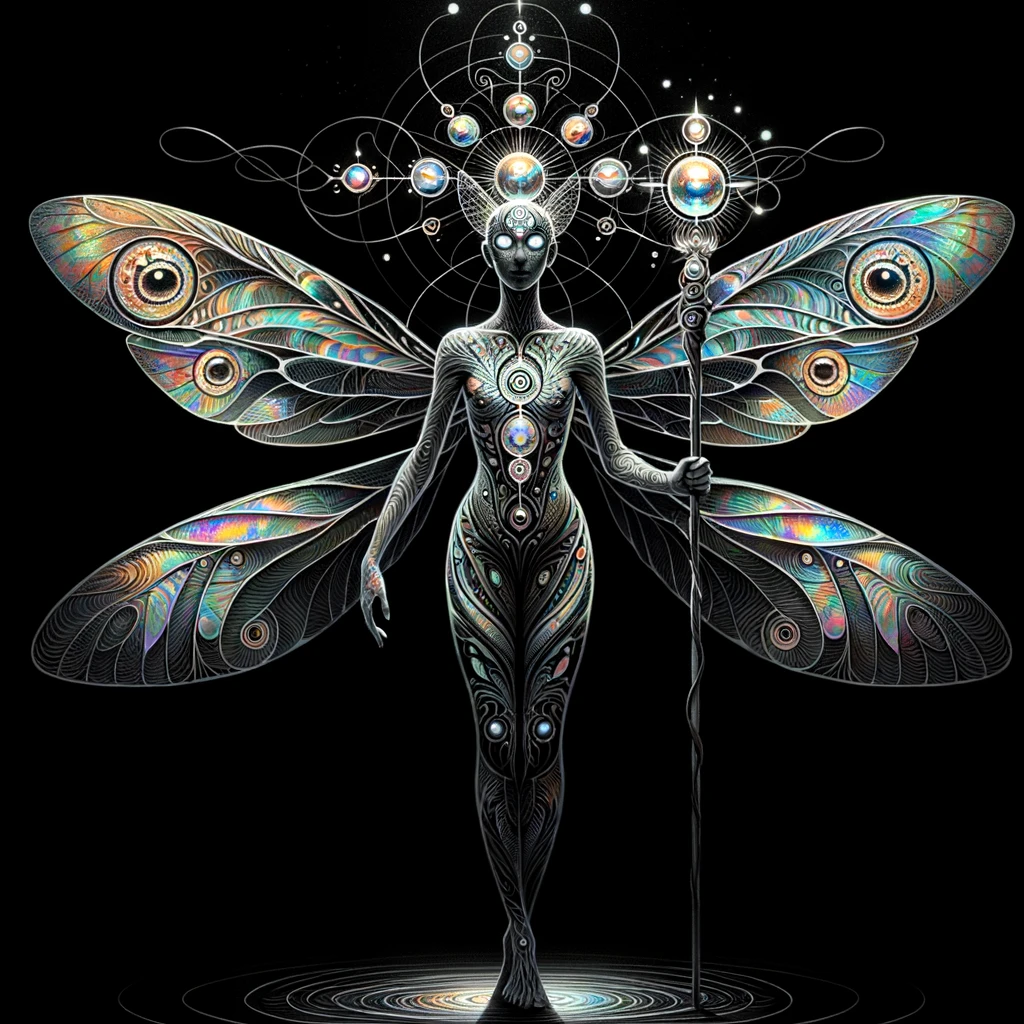
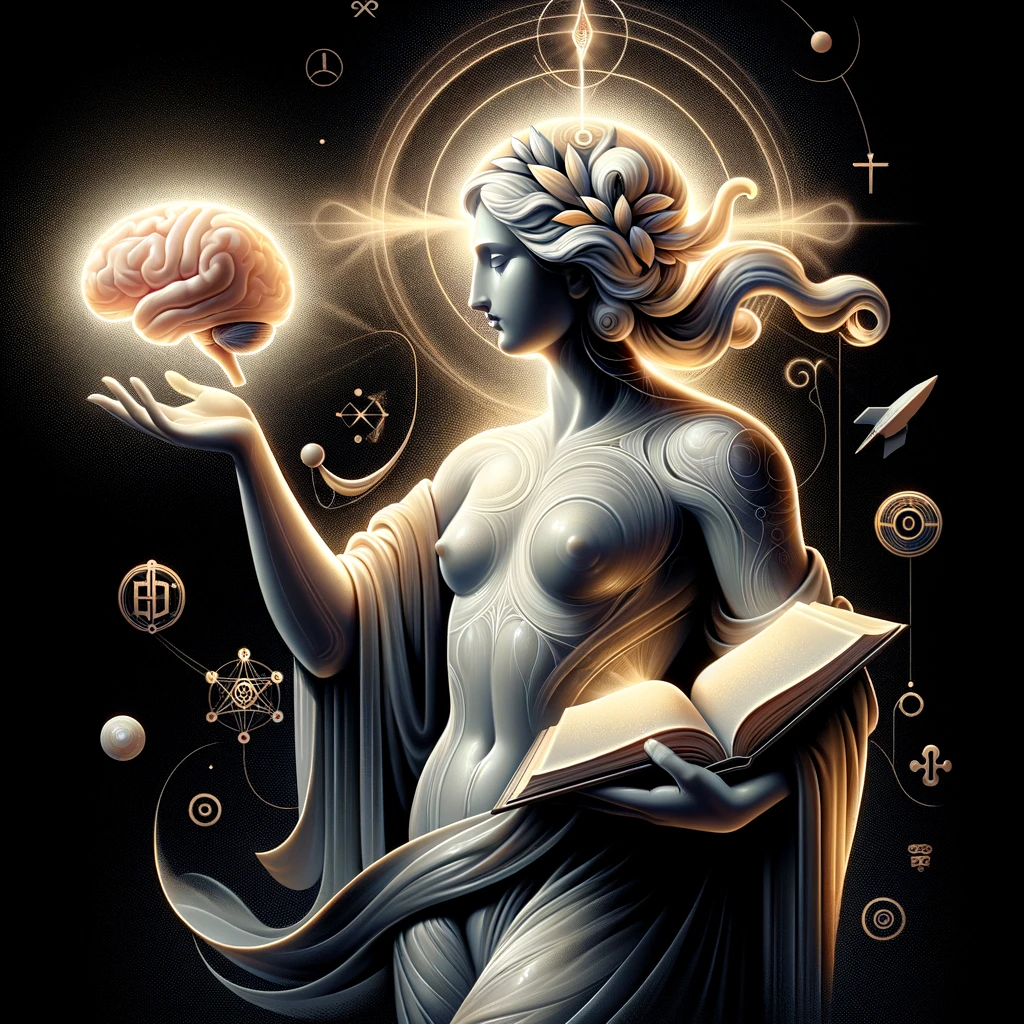
The Muse of Perception

Perception

The process by which information from the environment is received and interpreted. This includes recognizing patterns, faces, and nuances in language or music.

Human sensorics

sight, hearing, smell, taste

Tactition (Touch): pressure, vibration, thermoception (temperature)

Nociception (Pain): This is the sense of detecting harmful stimuli, signaling potential injury. There are specialized pain receptors throughout the body.

Equilibrioception (Balance): Located in the inner ear, vestibular system helps us maintain our balance and spatial orientation.

Proprioception (Body Position): Also known as the "sense of self," this sense allows us to know where our body parts are in relation to each other, even without looking. 

Interoception (Internal Sensations): This refers to the sense of the internal state of the body. It can include sensations of hunger, thirst, and the need for bodily functions.

Stretch Receptors: These are found in muscles and tendons and allow us to sense the stretching of muscles and the position of our limbs.

Chemoreceptors: These detect changes in the chemical composition of the body, such as changes in oxygen or carbon dioxide levels in the blood.

Proprioception exercise

Everyone is asked to find his place within this space, ideally at least 2-3 meters away from Your nearest colleague.

We will now listen to excerpts from Michael Nyman's piece "The Heart asks pleasure first" (Das Piano soundtrack).

After the music starts, You will close Your eyes and start moving Your body parts wherever and however You want. 

Try to BE AS MUCH AWARE AND CONSCIOUS of Your body parts and their relation to each other and to the center of Your "self" (if there is any ;)

After the music stops, open Your eyes.

The Muse of Memory
The Muse of Memory

Memory

The ability to store and retrieve information over time. This involves both short-term (working) memory and long-term memory.
The Muse of Reasoning

Reasoning

The capacity to solve problems using logic. This can be deductive reasoning, where conclusions are drawn from given information, or inductive reasoning, where conclusions are drawn from observations.
The Muse of Learning & Adaptation

Learning & Adaptation

The ability to acquire new knowledge and skills and apply them in various contexts. It also refers to the capacity to change one's behavior based on experience.
<a href=https://chat.openai.com/share/8715fe65-6a29-4ac4-99c4-daea953d519b>https://chat.openai.com/share/8715fe65-6a29-4ac4-99c4-daea953d519b</a>
https://chat.openai.com/share/8715fe65-6a29-4ac4-99c4-daea953d519b

Knowledge

The accumulation of facts, concepts, and methods. While knowledge itself is not intelligence, intelligence often involves the effective use and application of knowledge.
The Muse of Creativity

Creativity

The capacity to come up with novel and useful ideas or solutions to problems. It's related to, but not the same as, intelligence.
The Muse of Emotional Intelligence

Emotional Intelligence

The ability to recognize, understand, manage, and use emotions effectively in oneself and others. This includes empathy, self-awareness, and social skills.
Two proposed Muses of Problem Solving. Help me to choose one.

Problem Solving

The ability to identify a problem and find a solution, which might involve creativity, critical thinking, and the application of knowledge.

Session 3 :: Form(s) of intelligence


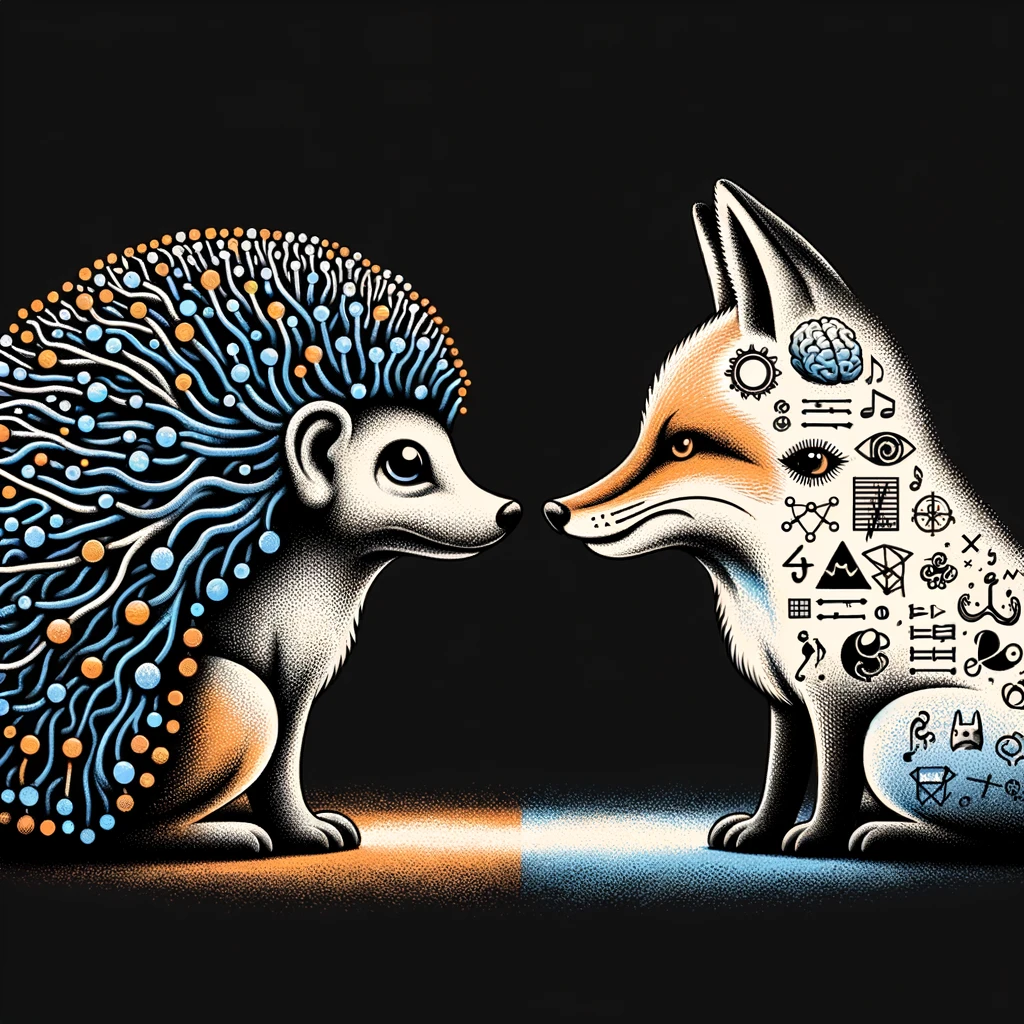
Hedgehogs and foxes

πόλλ' οἶδ' ἀλώπηξ, ἀλλ' ἐχῖνος ἓν μέγα

Multa novit vulpes, verum echinus unum magnum

"a fox knows many things, but a hedgehog knows one big thing"

The Cat & The Fox

Once a Cat and a Fox were traveling together. As they went along, picking up provisions on the way—a stray mouse here, a fat chicken there—they began an argument to while away the time between bites. And, as usually happens when comrades argue, the talk began to get personal.

"You think you are extremely clever, don't you?" said the Fox. "Do you pretend to know more than I? Why, I know a whole sackful of tricks!"

"Well," retorted the Cat, "I admit I know one trick only, but that one, let me tell you, is worth a thousand of yours!"

Just then, close by, they heard a hunter's horn and the yelping of a pack of hounds. In an instant the Cat was up a tree, hiding among the leaves.

"This is my trick," he called to the Fox. "Now let me see what yours are worth."

But the Fox had so many plans for escape he could not decide which one to try first. He dodged here and there with the hounds at his heels. He doubled on his tracks, he ran at top speed, he entered a dozen burrows,—but all in vain. The hounds caught him, and soon put an end to the boaster and all his tricks.

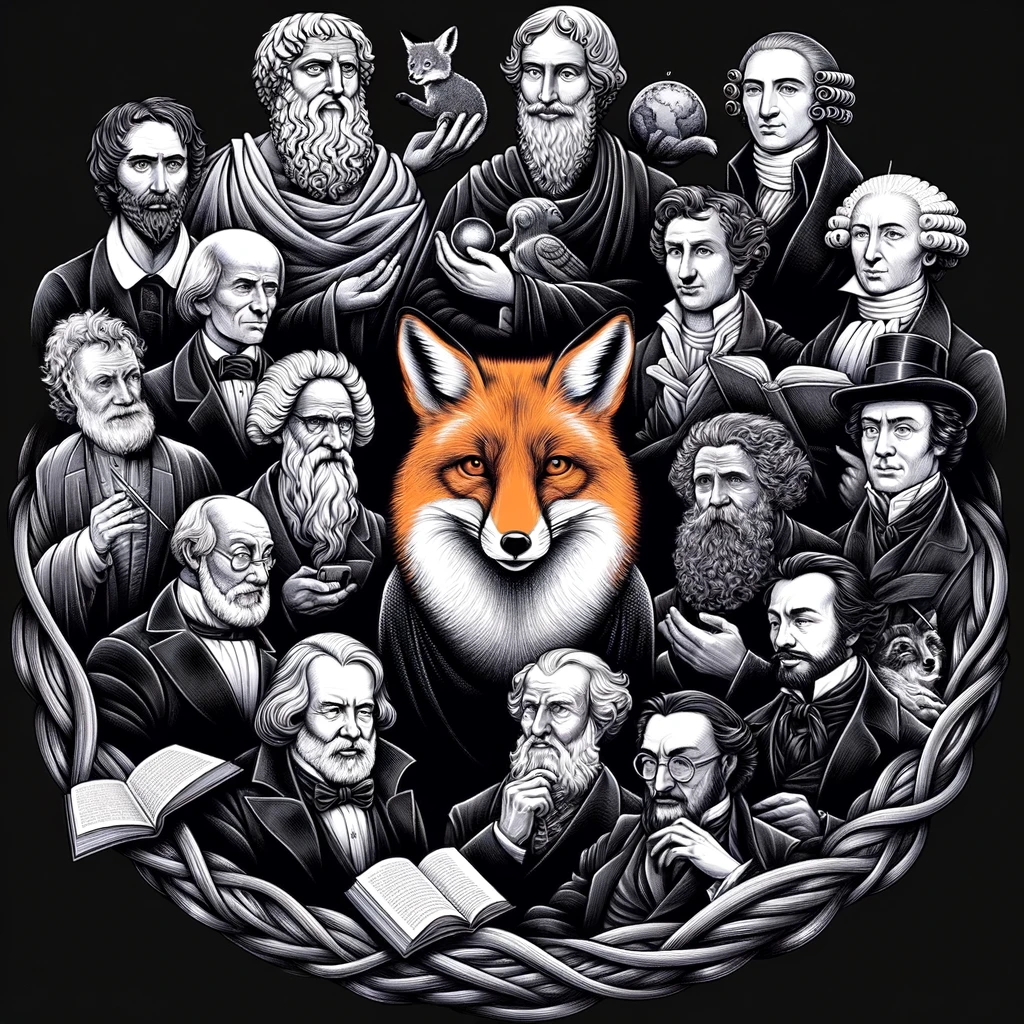
Foxes

Foxes draw on a wide variety of experiences. For foxes, the world cannot be boiled down to a single idea.

Berlin's examples from literature and philosophy: Herodotus, Aristotle, Desiderius Erasmus, William Shakespeare, Michel de Montaigne, Molière, Johann Wolfgang Goethe, Aleksandr Pushkin, Honoré de Balzac, James Joyce etc.

Fox theories of intelligence

Fox theories argue that intelligence is not a single, unitary quality but rather a collection of several distinct types of intelligences.

Howard Gardner's Theory of multiple intelligence is a fox theory par excellence.
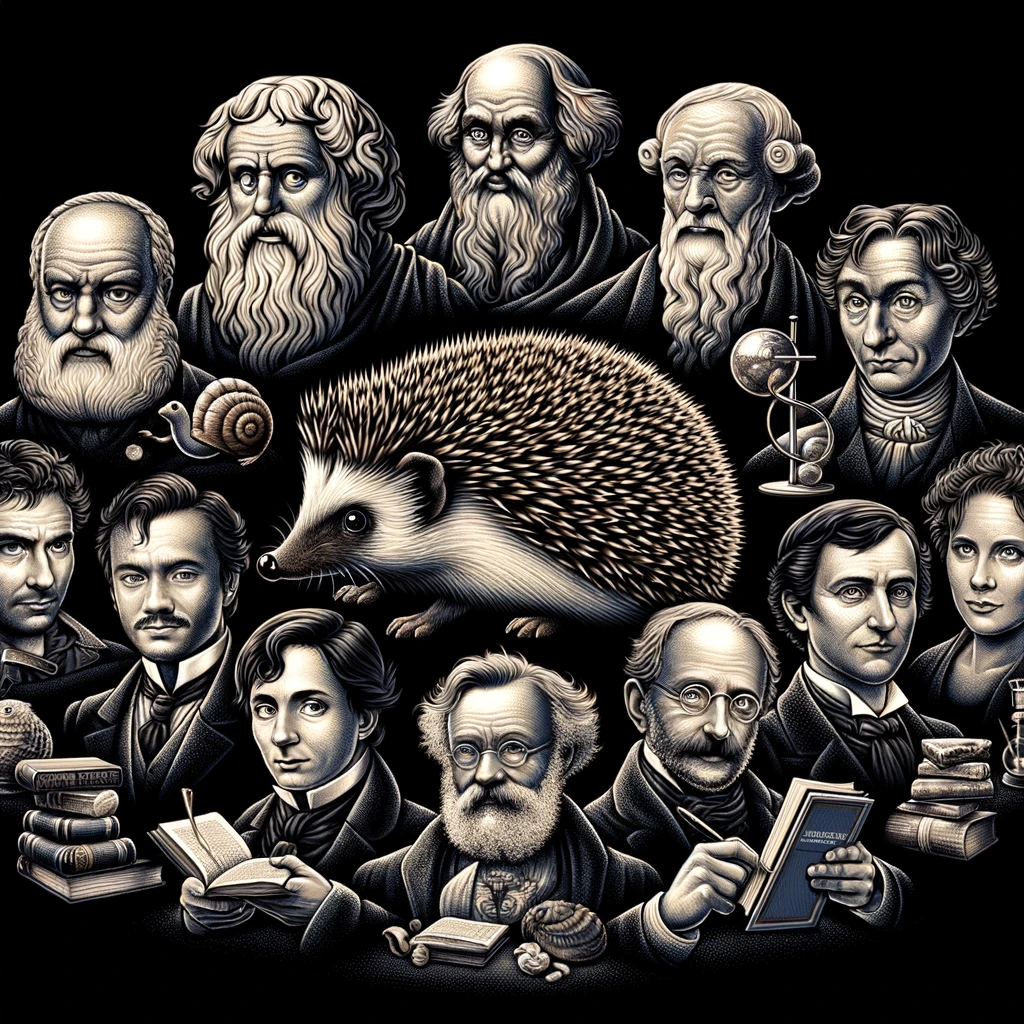
Hedgehogs

Hedgehogs view the world through the lens of a single defining idea.

Isaiah Berlin gives following examples in domains of art and philosophy: Plato, Lucretius, Dante Alighieri, Blaise Pascal, Georg Wilhelm Friedrich Hegel, Fyodor Dostoyevsky, Friedrich Nietzsche, Henrik Ibsen, Marcel Proust and Fernand Braudel.

Hedgehog theories of intelligence

Hedgehogs would represent individuals or theories that focus on a single type of intelligence or a unifying principle of intelligence. Traditional views of intelligence, such as IQ tests, often fall into this category, as they tend to measure a narrow set of abilities.

Questio

Are You a hedgehog or a fox ?

General Intelligence

Generic intelligence refers to the overall, broad cognitive ability that an individual possesses. It's a general concept that encompasses a range of cognitive skills, including memory, reasoning, problem-solving, and learning. In an educational context for undergraduates, think of generic intelligence as the foundational mental capacity that enables you to adapt to new situations, solve diverse problems, and acquire knowledge in various domains. It's not limited to academic learning but also includes practical problem-solving and everyday reasoning. This concept suggests that some aspects of intelligence are universal and not specific to a particular skill or area of knowledge.

Intelligence Quotient

IQ, or Intelligence Quotient, is a numerical measure of a person's cognitive abilities relative to their age group. By evaluating a range of cognitive skills, so-called "IQ tests" attempt to quantify the g factor, providing a score that reflects an individual's overall intellectual ability.  An average IQ score is set at 100, with the majority of people scoring within a range around this center point. IQ tests aim to quantify cognitive capability and potential, providing a standardized way to evaluate intellectual abilities across different individuals.

Spearman's Universal Unity of the Intellective Function

Whenever branches of intellectual activity are at all dissimilar, then their correlations with one another appear wholly due to their being all variously saturated with some common fundamental Function (orgroup of Functions).

(Spearman, 1904, p.273 in "General Intelligence: Objectively determined and measured")

G Factor

The 'g factor,' or general intelligence factor, is a theoretical construct proposed by psychologist Charles Spearman. It suggests that a single, underlying intelligence influences an individual's performance across various cognitive tasks. In simpler terms, if you're good at one intellectual task, you're likely to be good at others because of this general intelligence. For undergraduates, this concept implies that some people have a higher overall cognitive ability that contributes to their performance in different academic and intellectual areas. It's a controversial yet influential idea in psychology, as it argues for a single, quantifiable measure of intelligence rather than multiple, distinct abilities.

A little IQ test maybe ?

This is an IQ test loosely modeled after Raven's Progressive Matrices. The questions take the form of a 3x3 matrix from which one tile is missing. For each question there are eight possible answers A-H. You must choose the tile that completes that matrix best.

Take Your time. When done earlier than Your colleagues, feel free to take a break.

Hausaufgabe

in #edu-intelligence room, put an emoticon of Your choice under intelligence X of Your choice

take note of who else is in Your group

read the chapter in Gardner's Frames of Mind

read additional literature

every group should present X in any way You find appropriate (be creative!)

topics which should be adressed in the presentation: Gardner's 8 criteria respective to X; examples of persons who exemplified high (or low) degree of X; relations of X to other inteligences

two most important questions: How would You evaluate X of human subjects ? How would You evaluate X of a machine ?
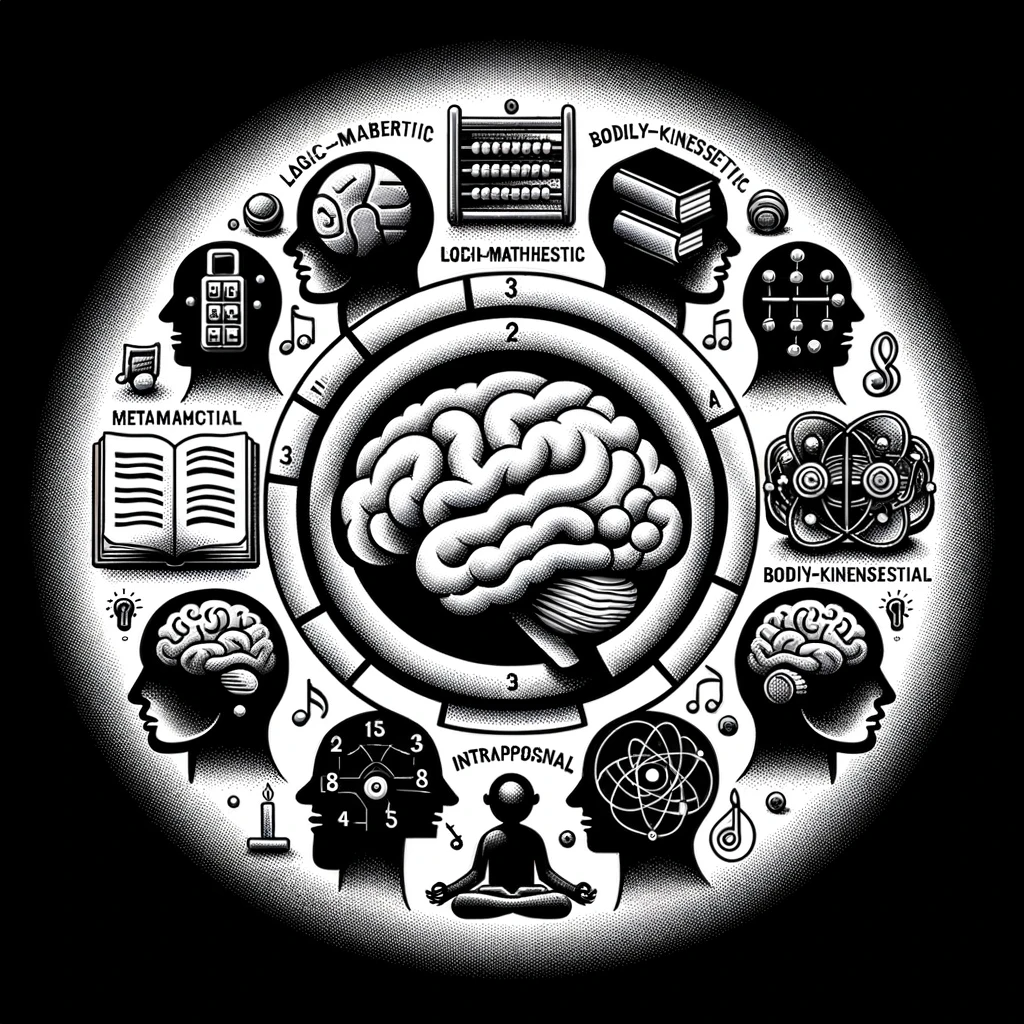
Theory of Multiple Intelligences

Contrasting traditional views that focus on a single, general intelligence, Theory of Multiple Intelligences proposed by Howard Gardner in 1983 posits that humans possess a variety of distinct intelligences. These include linguistic, logical-mathematical, spatial, musical, bodily-kinesthetic, interpersonal, intrapersonal, and naturalistic intelligences. Each intelligence represents a different way of processing information and solving problems, challenging the notion of intelligence as a singular, measurable trait. This theory emphasizes the unique cognitive strengths individuals have and suggests a more personalized approach to education and learning.

Defining criteria of an intelligence

Gardner identifies several key criteria that a cognitive ability must meet to be considered an intelligence:

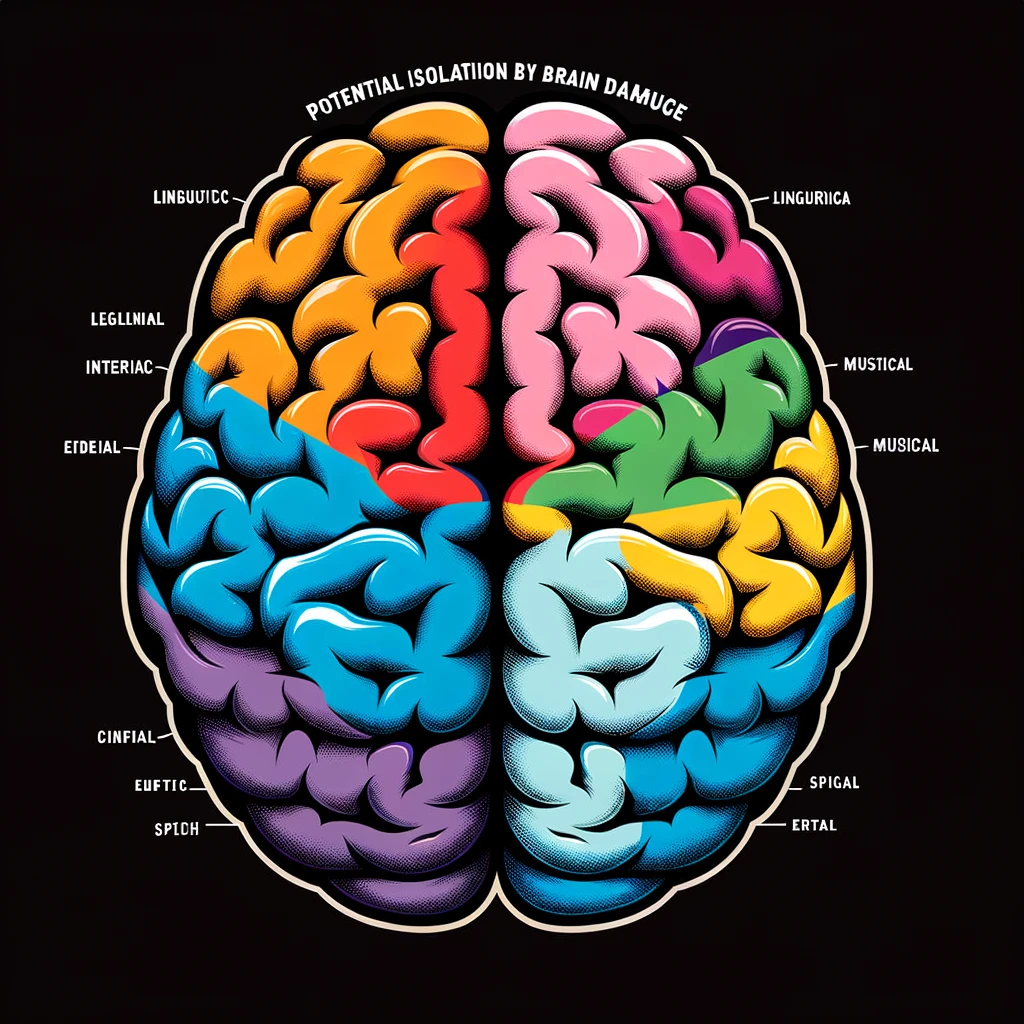
Potential Isolation by Brain Damage

Existence of Savants, Prodigies, and Other Exceptional Individuals

An Identifiable Core Operation or Set of Operations

A Distinct Developmental Trajectory

An Evolutionary History and Evolutionary Plausibility

Support from Experimental Psychological Tasks

Support from Psychometric Findings

Susceptibility to Encoding in a Symbol System

Linguistic Intelligence
The ability to master language and communicate effectively. People with high linguistic intelligence are adept at reading, writing, telling stories, and memorizing words. They tend to learn best by reading, taking notes, and discussing.
It seems like AI-generated content also have potential to cause brain damage.

Potential Isolation by Brain Damage

The criterion "Potential Isolation by Brain Damage" refers to the notion that distinct intelligences can be independently affected by brain damage. This means that a specific type of intelligence can be impaired or lost while others remain intact, indicating its unique neurological basis. For instance, a person might suffer damage to a part of the brain responsible for linguistic abilities, losing their capacity to use language, while their mathematical or musical abilities remain unaffected. This criterion supports Gardner's idea that multiple intelligences are separate from each other, each residing in different areas of the brain.

The story of Phineas Gage

Phineas P. Gage (1823–1860) was an American railroad construction foreman remembered for his improbable  survival of an accident in which a large iron rod was driven completely through his head, destroying much of his brain's left frontal lobe, and for that injury's reported effects on his personality and behavior over the remaining 12 years of his life‍—‌effects sufficiently profound that friends saw him (for a time at least) as "no longer Gage".

Existence of Savants, Prodigies, and Other Exceptional Individuals
The criterion "Existence of Savants, Prodigies, and Other Exceptional Individuals" highlights the presence of individuals with extraordinary abilities in specific cognitive domains as evidence of distinct intelligences. Savants and prodigies often display remarkable skills in areas like music, mathematics, or art, despite potential deficits in other cognitive functions. This extraordinary proficiency in a particular area suggests that intelligences are modular and independent.

An Identifiable Core Operation or Set of Operations
This criterion posits that each type of intelligence must have a core set of cognitive processes or operations. For example, linguistic intelligence involves operations like the ability to use language for expression and comprehension, while logical-mathematical intelligence includes the capacity for deductive reasoning and problem-solving with numbers. The distinct operations characterize each intelligence, making them identifiable and unique. This aspect is crucial as it provides a concrete basis for differentiating between the various intelligences, emphasizing that each is not just a skill but a distinct cognitive domain.

Distinct Developmental Trajectory

Each intelligence has its own unique developmental trajectory. This means that these intelligences emerge and develop at different stages and rates in an individual's life. For instance, linguistic intelligence develops rapidly in early childhood, while interpersonal intelligence might evolve more significantly during later childhood or adolescence. This criterion underscores the belief that intelligences are not static but evolve with age and experience. The distinct developmental paths of each intelligence imply that educational strategies should be tailored to the maturity level of each intelligence in an individual.

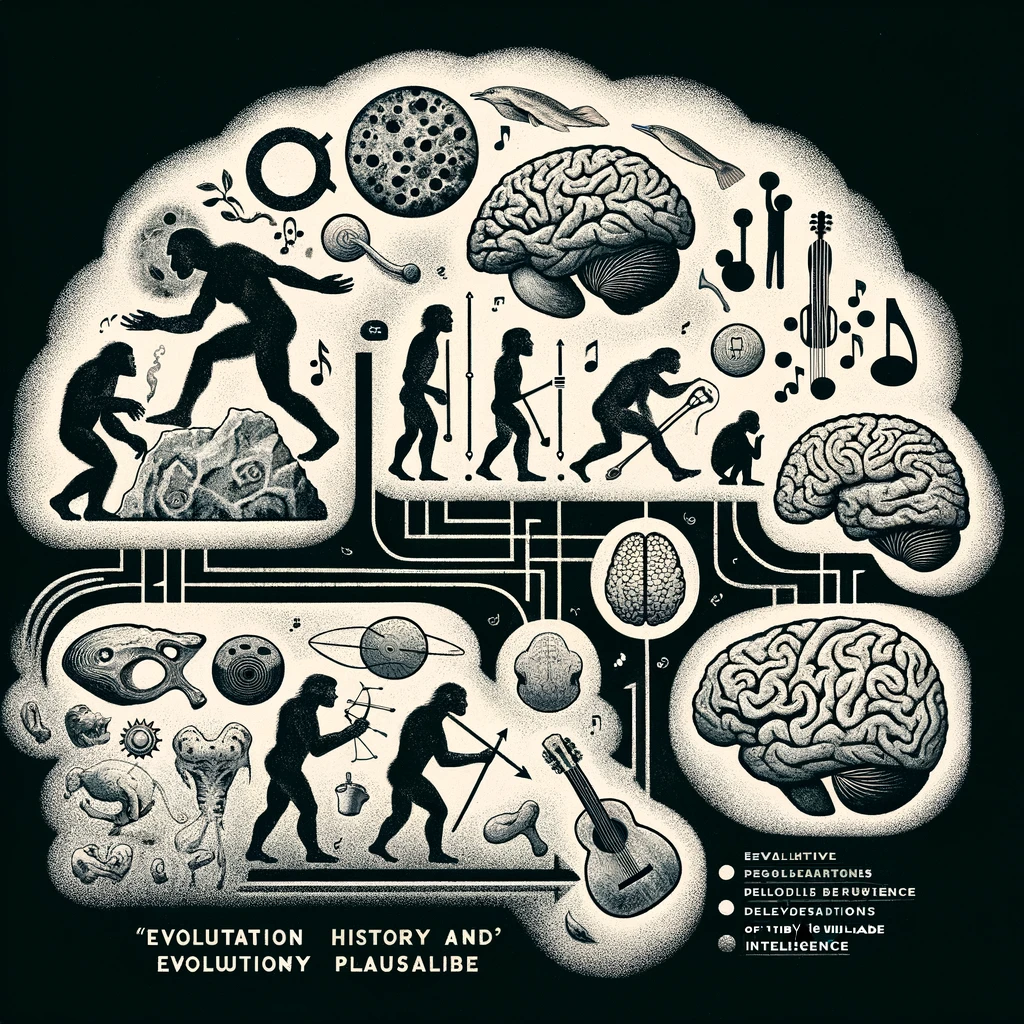
Evolutionary history and evolutionary plausibility
Criterion of evolutionary history and plausibility suggests that each intelligence has evolved to solve specific problems faced by our ancestors. For example, spatial intelligence helped in navigation and understanding the physical environment, while interpersonal intelligence was crucial for social communication and cooperation. This evolutionary perspective implies that these intelligences are rooted in human survival and adaptation needs. It gives the theory an evolutionary framework, suggesting that these intelligences are not arbitrary but have developed in response to real-world demands.

Support from Experimental Psychological Tasks
For an ability to be considered an intelligence in Theory of Multiple Intelligence framework, it must be supported by empirical research, particularly through experimental psychological tasks. These tasks should demonstrate the operations and capabilities of the intelligence in question. For instance, tests of musical intelligence might involve discerning pitch or rhythm, while spatial intelligence could be evaluated through tasks involving mental rotation or spatial judgment. The ability to measure and observe these intelligences in controlled experimental settings lends scientific credibility to the concept of multiple intelligences.

Support from Psychometric findings

Gardner asserts that each intelligence should be measurable to some extent by psychometric tests. However, he also criticizes the overreliance on such tests in traditional intelligence testing. Psychometric support means that standardized tests should be able to reliably measure and differentiate between the various intelligences. This criterion is important for validating the theory within the scientific community and for practical applications, like educational assessments. It ensures that the concept of multiple intelligences is not just theoretical but has practical, measurable implications.

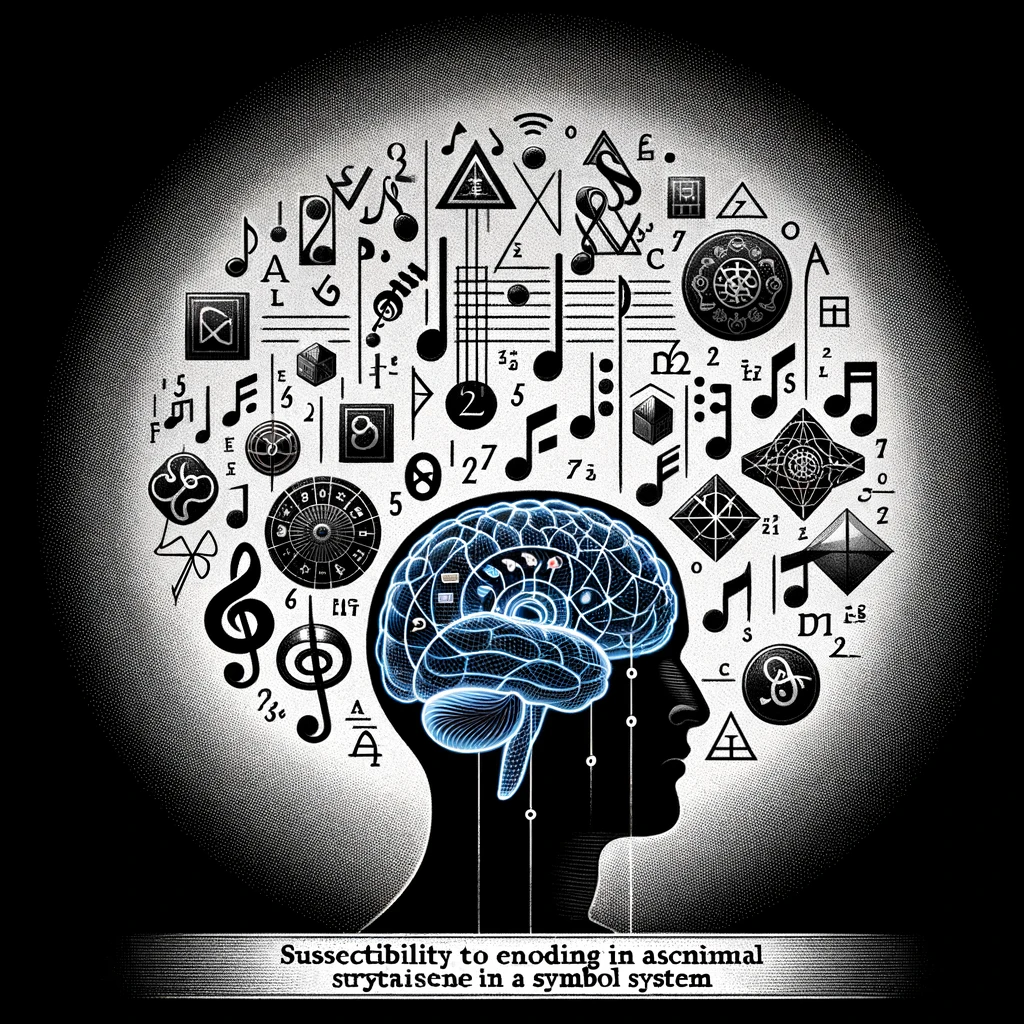
Susceptibility to Encoding in a Symbol System
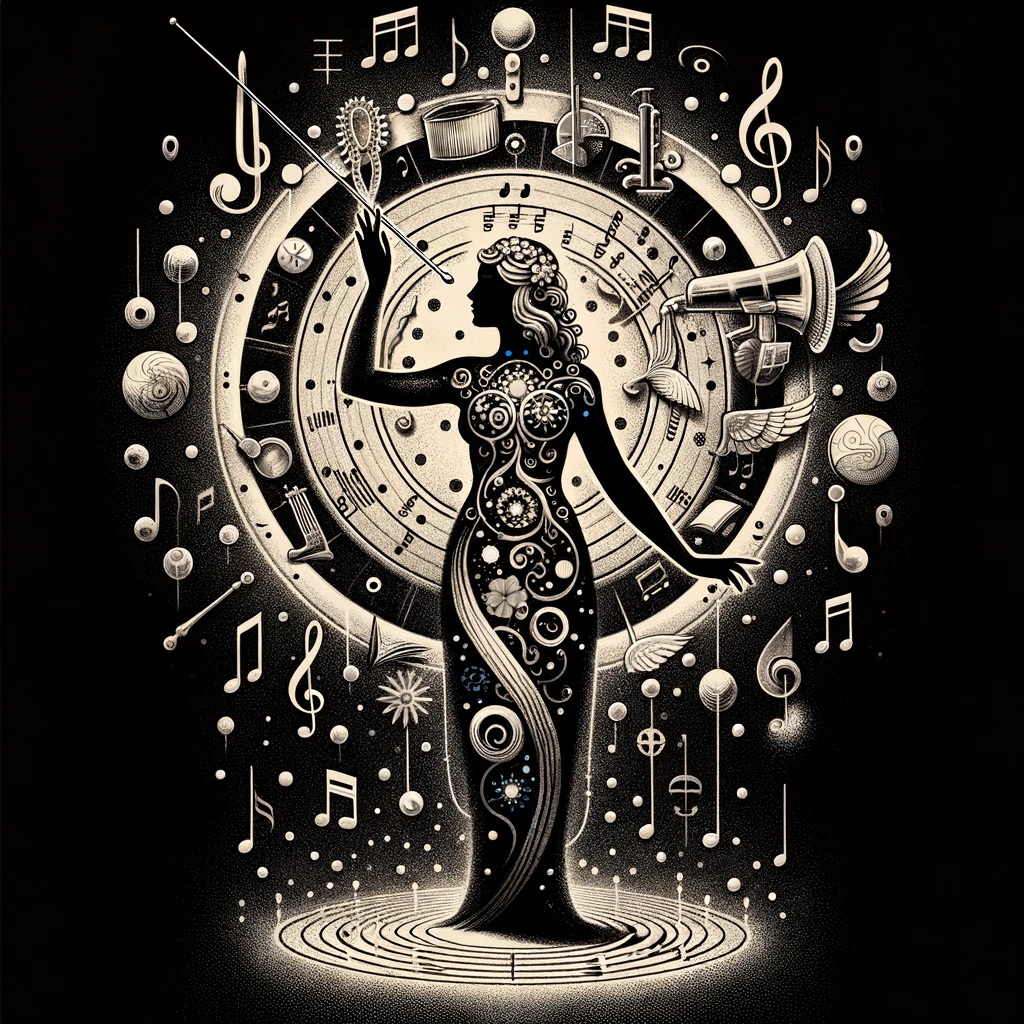
This criterion means that each intelligence can be articulated and communicated through some form of symbolic system. For example, linguistic intelligence is expressed through language, musical intelligence through musical notation, and logical-mathematical intelligence through mathematical symbols. The ability to encode these intelligences in symbolic forms allows for communication, teaching, and further development of these skills. It underscores the human capacity to abstractly represent and transmit complex cognitive abilities, making them accessible and teachable. This aspect is key to understanding how different intelligences are manifested and utilized in cultural and educational contexts.

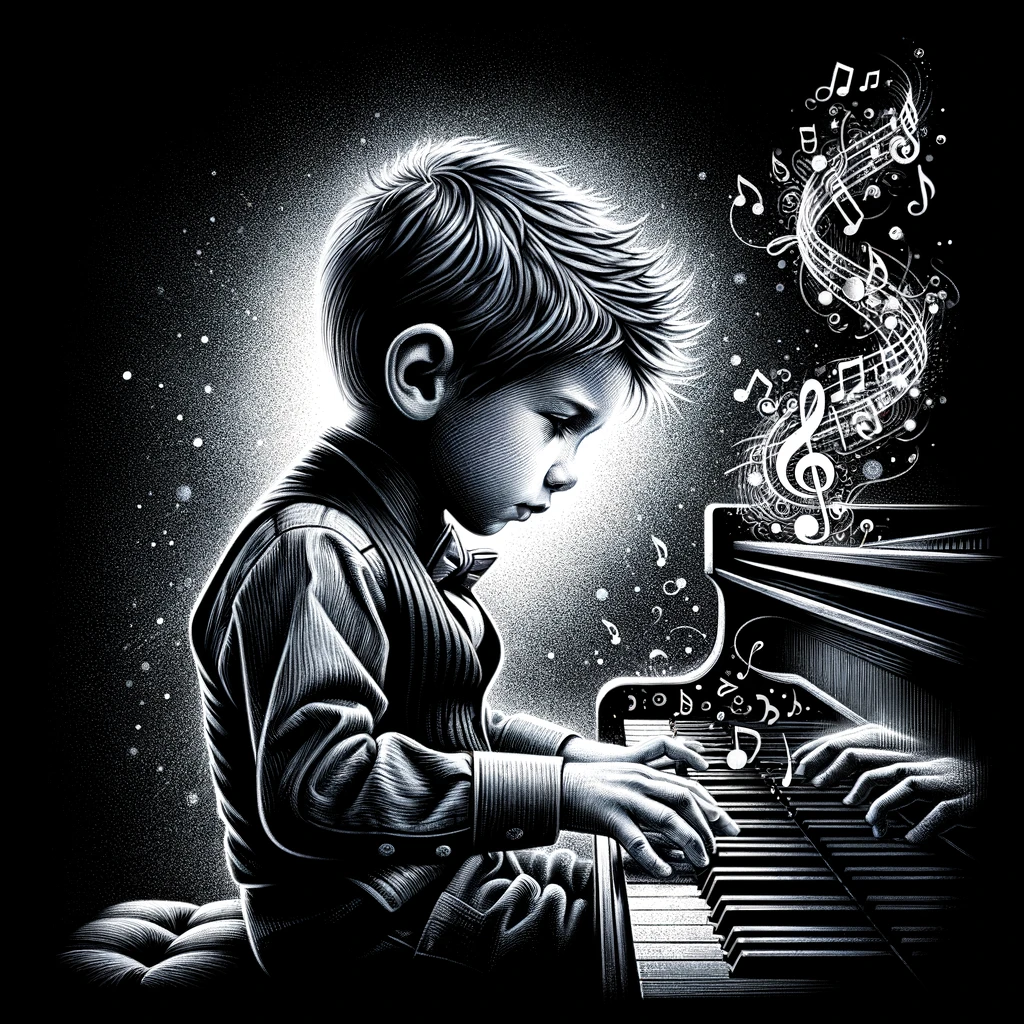
Musical Intelligence

The capacity to discern pitch, rhythm, timbre, and tone. This intelligence enables people to recognize, create, reproduce, and reflect on music.

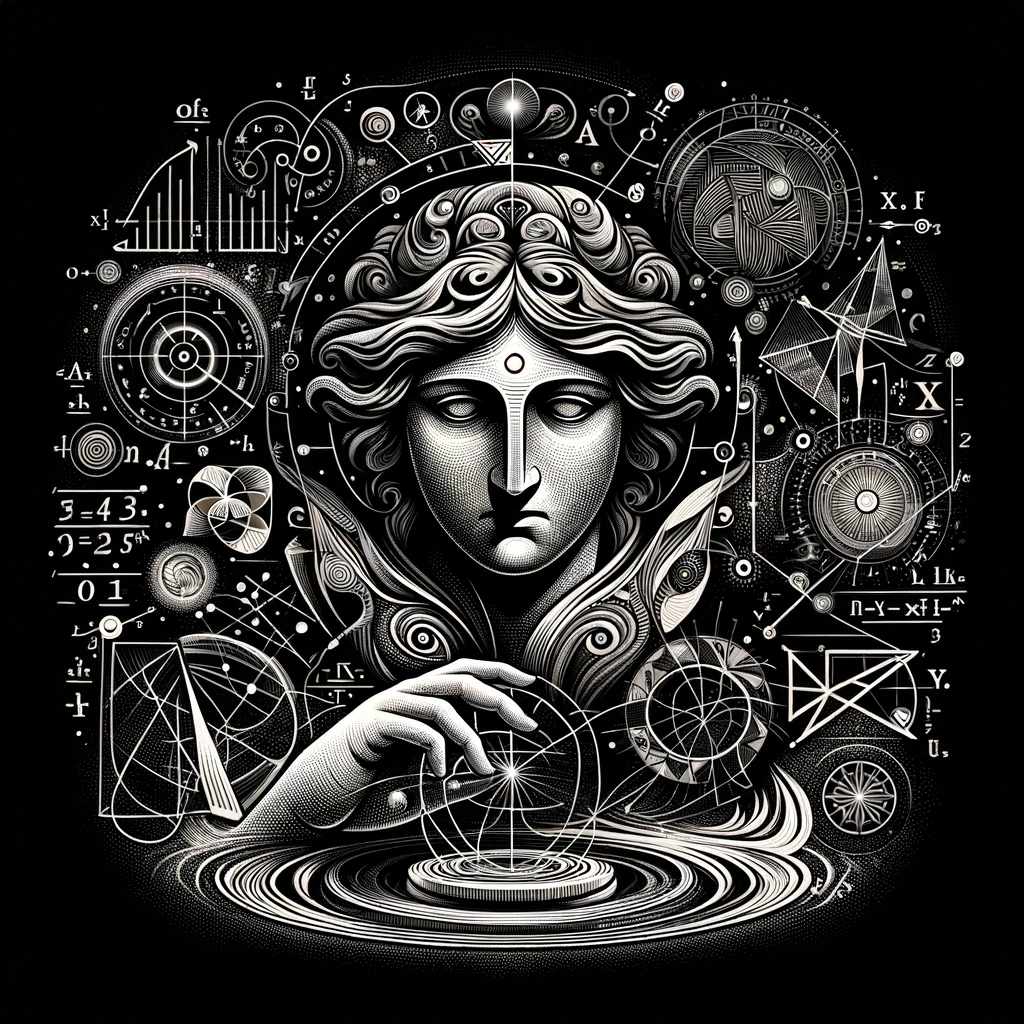
Logical-Mathematical Intelligence

Involves the capacity to analyze problems logically, carry out mathematical operations, and investigate issues scientifically. It's characterized by strong reasoning, recognizing patterns, and logically analyzing problems.

Warm up Exercise : Wason Selection Task

You are in possesion of a card set. On one side there is a shape, a circle or a triangle. On the other side there is a colour, blue or yellow. There is one rule: If there is a circle on one side of a card, then the other side is blue. You have four cards placed on a surface next to each other, one depicting a circle, one a triangle, one is blue and one is yellow.Which card or cards do you need to turn around in order to confirm the abovementioned rule?

Defining criteria

What is logic and what is mathematics?

The Merriam-Webster Dictionary defines logic as follows: a science that deals with the principles and criteria of inference and demonstration: the science of the formal principles of reasoning

mathematics is the science of abstract structures and patterns, constructed out of different statements, which need to be proven true

The Origins of Mathematics

Agricultural Societies

Ancient Egypt

Mesopotamia/Babylon

Ancient China

Ancient India

Identifiable set of operations & Symbol system

object -> actions -> statements -> relationships

Henri Poincaré distinguished between the memory for steps in a chain of reasoning and the appreciation of the links between propositions. The later was regarded as the more important ability for a mathematician.

There are symbol systems for encoding actions performed upon objects and symbol systems for relations between objects.

1 + 1 = 2 | 2 - 1 = 1 | 2 x 2 = 4 | 4/2 = 2

First sign of mathematics-Nile Bank

calendar

religion: Nile river god Hapi

measuring device

landmeasure

measure unit

legth and area calculation

decimal system

binary counting system

fractions

Eye of Horus: geometric theory

accurate value of pi

Pyramid - the golden ratio, right angle
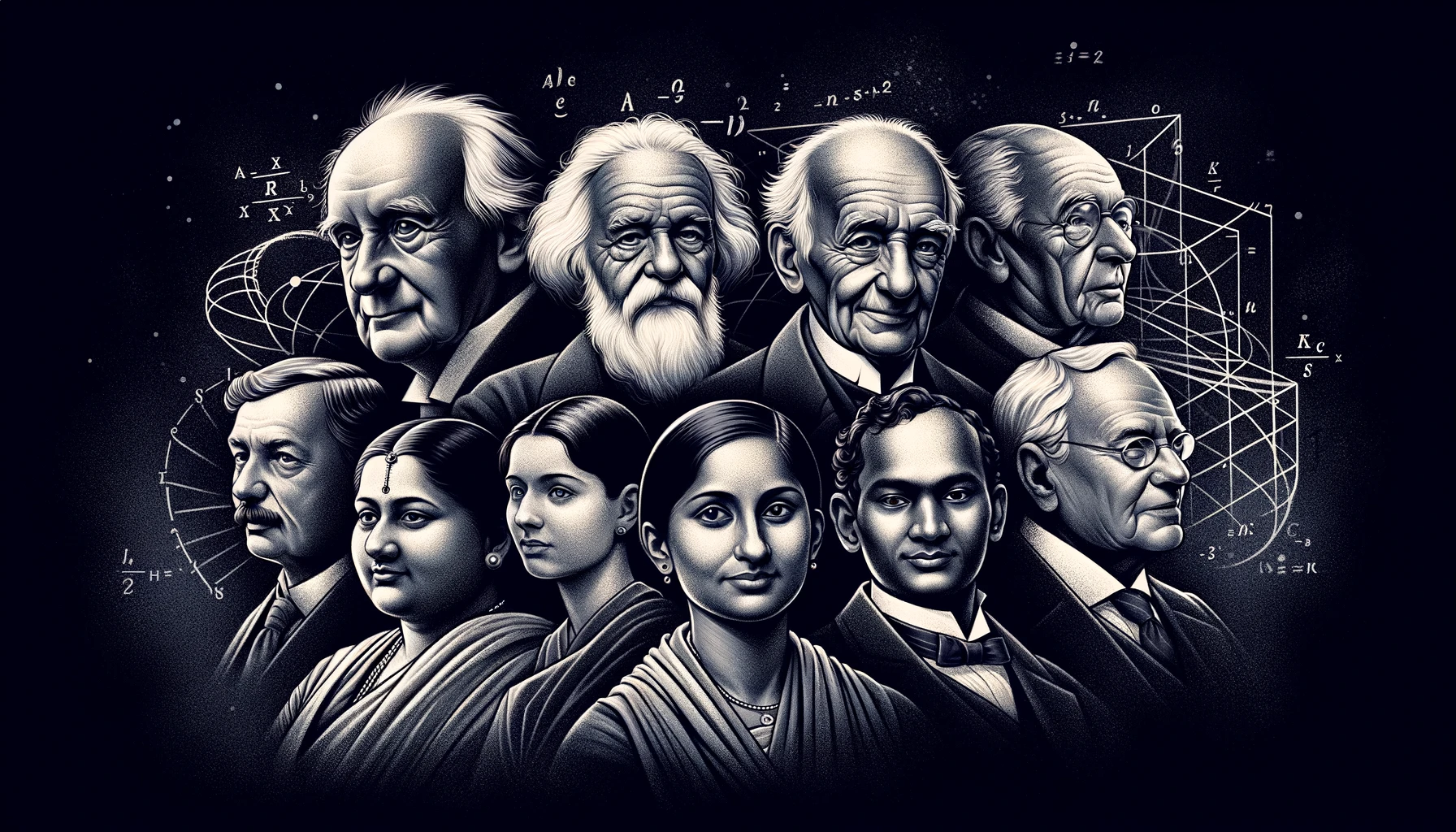
Prodigies

Extraordinary Individuals are Individuals with...

... remarkable counting abilities, such as Shakuntala Devi: she was able to multiply two 13 digit numbers in 28 seconds in 1980

... intuitive understanding, such as Srinivasa Ramanujan: he wrote down nearly 3.900 new results (theorems, identities and equations)

... insight into abstract structures, such as Alexander Grothendiek: he worked on a rebuilding of algebraic geometry

Power of proof: Acient Greece

Pythagoras

right-angled triangles

the harmonic serie

Euclid

300BC "The Elements": axioms

Archimede

Developmental trajectory

Developmental trajectory

Śūnyatā: Indian

the decimal place-value system

0 and infinity

pi

Brahmagupta

negative numbers

unknowns in equations

trigonometry

Al-Khwarizmi

algebra

Urban, industrial & digital societies

Urban, industrial, digital societies

Psychometry

Brain / Experimental psychology / Psychometry

Evolutionary plausibility

Evolutionary plausibility

Relations to other Intelligences

bodily-kinesthetic:::linguistic:::visual-spatial:::personal intelligences:::musical

Personal intelligences

personal intelligences

Visual-spatial intelligences

visual-spatial

Bodily-kinesthetic intelligences

bodily-kinesthetic

Musical intelligences

Logial-mathematical thinking and music?

Pythagoras Musica Universalis

Rhythms and intuitive counting

Musical notation and polyphony

12-Tone music and Arnold Schönberg

Stochastic music and Iannis Xenakis

Algorithms and generative music
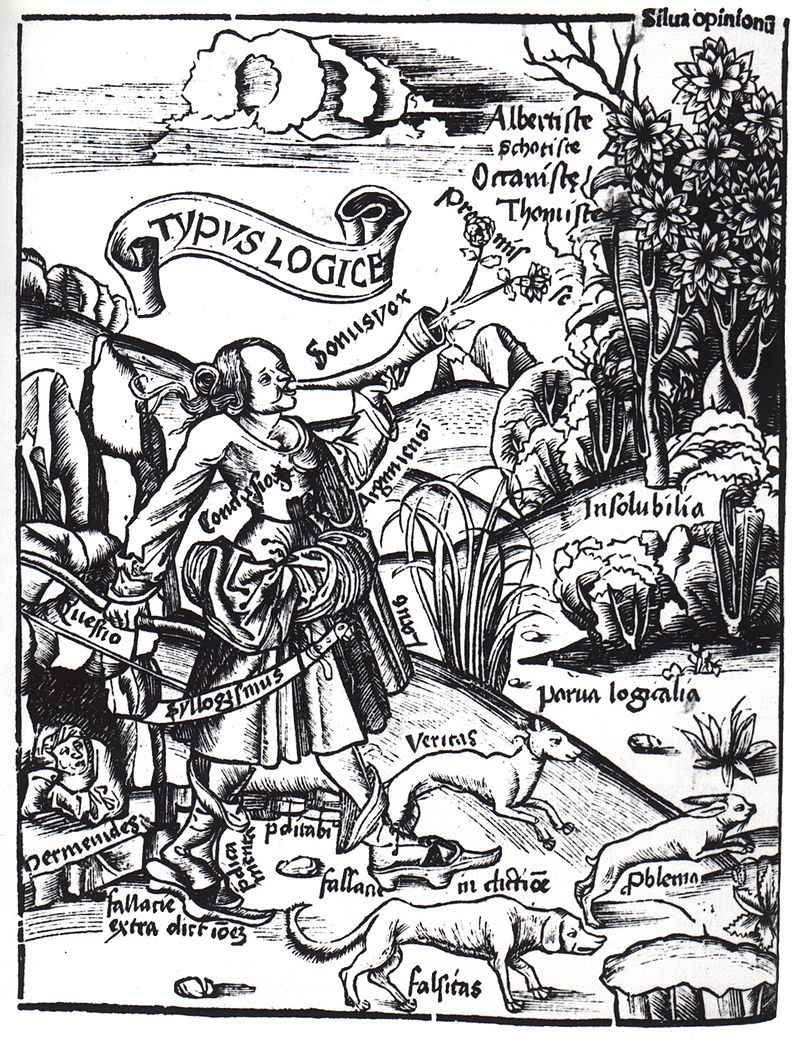
Linguistic intelligences

Logial-mathematical thinking and language??

Crosslink between phonology, music and mathematical description

Semantics and symbol manipulation

logics and reasoning

Mediator of mathematics

Vectorization of language

Human & Machine

Vectorization, stochastic and noise

IQ test

Turing test

Q+ model?

Non-computational problems
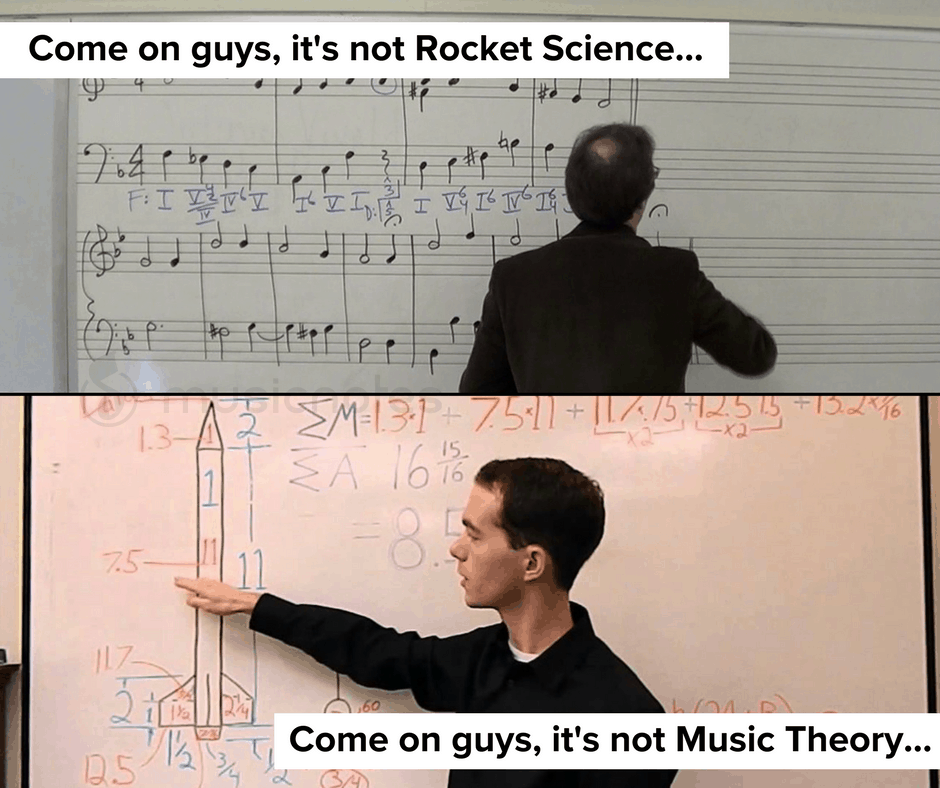
Outset exercise
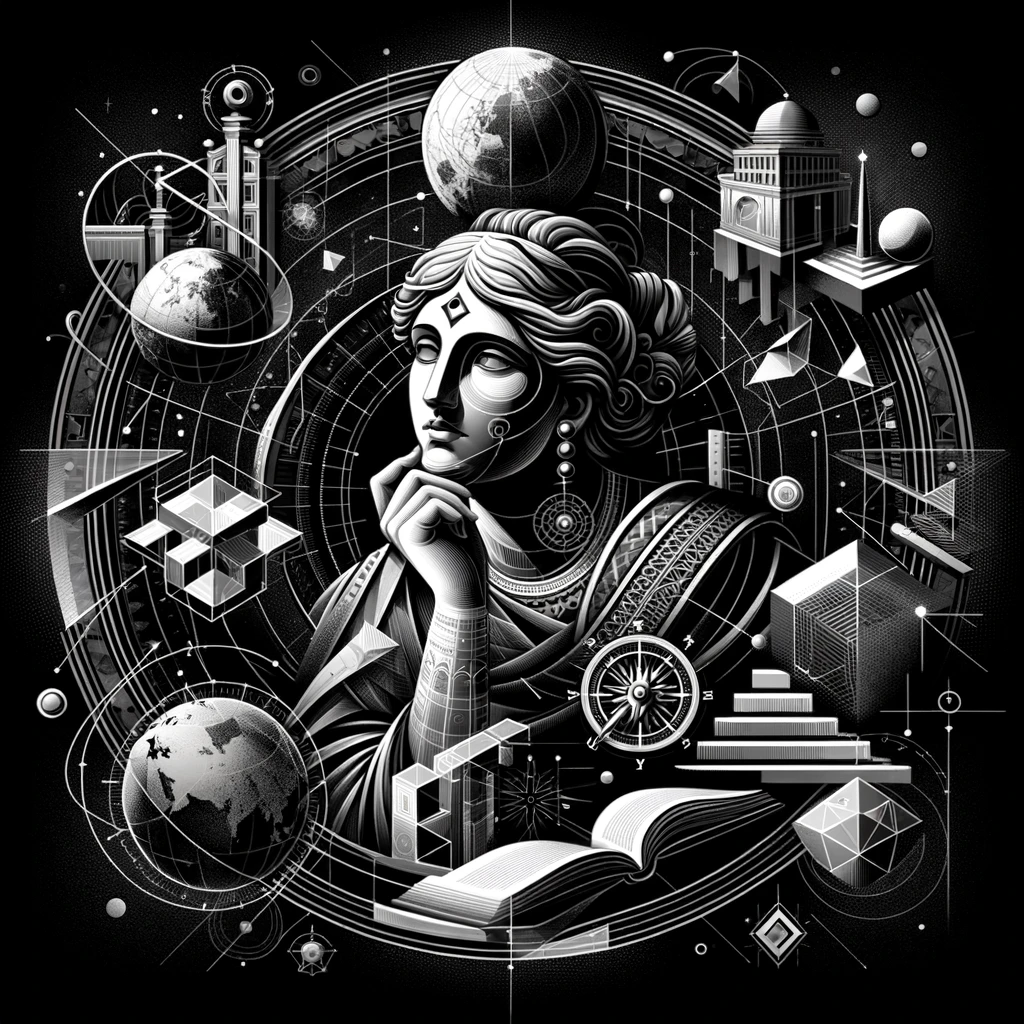
Visual-Spatial Intelligence
Involves the potential to recognize and use patterns of wide space and more confined areas. It's often found in architects, artists, and navigators.

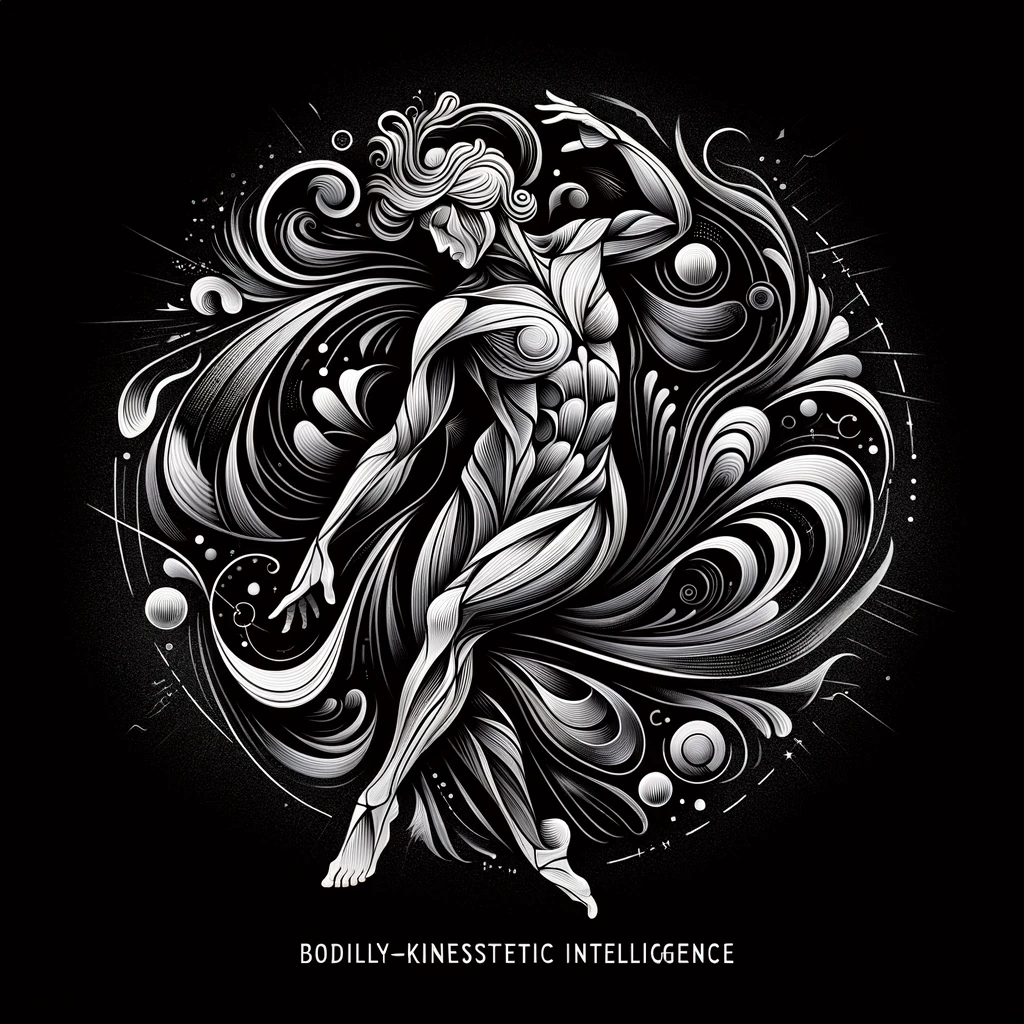
Bodily-Kinaesthetic Intelligence

Entails using one's body effectively, such as dancers or surgeons. It involves a sense of timing, clear physical coordination, and using fine and gross motor skills.

Personal Intelligences

Personal Intelligences

Interpersonal Intelligence
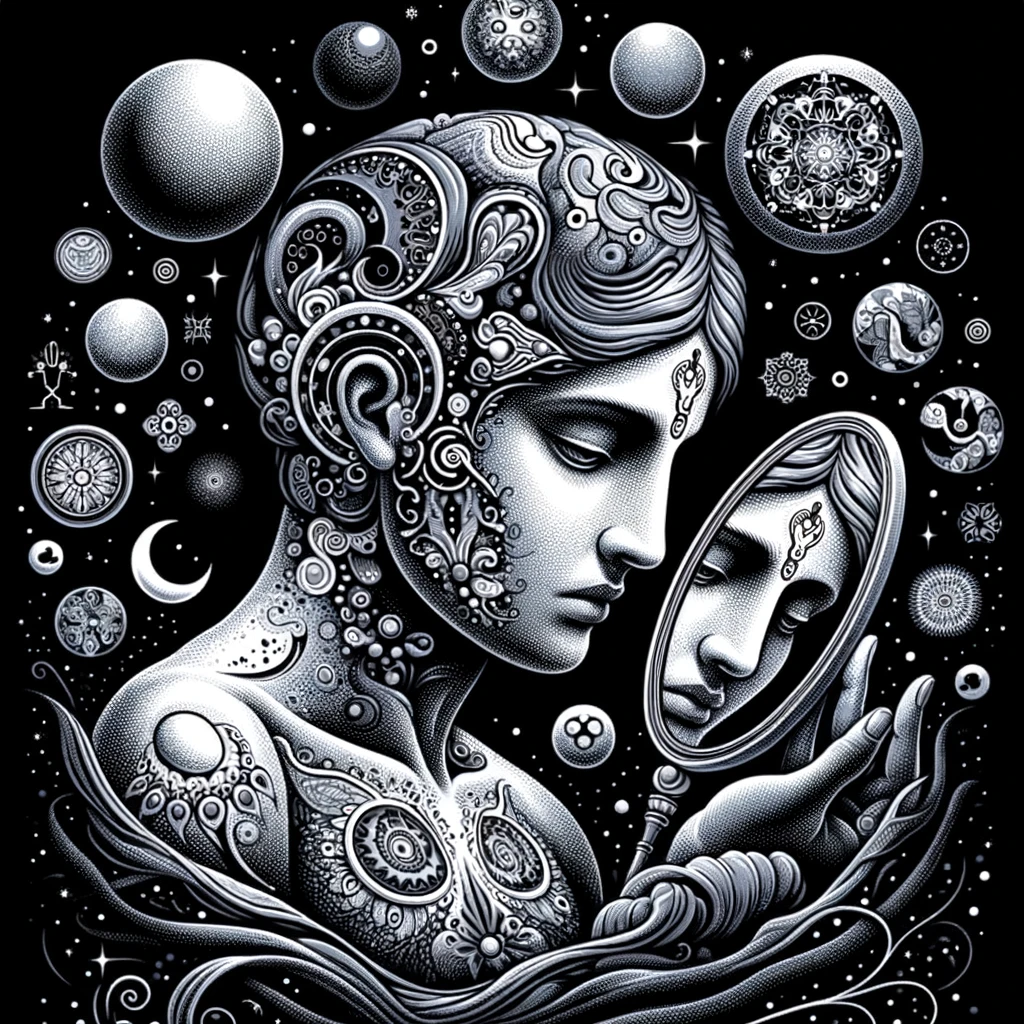
The ability to understand and interact effectively with others. It involves effective verbal and nonverbal communication, sensitivity to the moods and temperaments of others.

Intrapersonal intelligence

The capacity to understand oneself, to appreciate one's feelings, fears, and motivations. It involves having a deep understanding of the self; what one's strengths/weaknesses are, what makes one unique.

Session 4 :: Other (forms of) intelligence

Questio 1

What intelligences would You add to Gardner's "canonic seven" ?

Naturalistic intelligence(s)

Gardner defines Naturalistic Intelligence as the ability to recognize, categorize, and draw upon certain features of the environment. It's one of the intelligences in his Theory of Multiple Intelligences. This type of intelligence is not just about knowledge of nature, but also involves a deep understanding of living things and being attuned to natural phenomena. People with high naturalistic intelligence are skilled at identifying and classifying various aspects of the natural world, like animals, plants, weather patterns, and geographic formations.

Death

Health & Hygiene

Food & Poison

Predators & preys

Parasites & symbionts

Courteship & mating

Care the little ones

Questio 2

Choose one or more among the topics just mentioned (e.g. Health & Hygiene, Food & Poison, Parasites & Symbionts, Predators & Preys, Courtship & Mating, Care for the little ones or Death) and thematize them in Your group in terms of cases/examples of:

stupid behaviour

clever behaviour have fun !

Moral intelligence

Moral intelligence refers to the capacity to understand and distinguish right from wrong, and to behave based on this understanding. It encompasses the ability to navigate complex ethical dilemmas, make moral judgments, and act in ways that are consistent with one's ethical and moral principles. This form of intelligence involves empathy, conscience, and a strong sense of fairness, guiding individuals in making decisions that are not only beneficial to themselves but also respectful and considerate of others and the broader community.

Heteronomous morality

In this stage, children view rules as fixed and absolute, handed down by authorities like parents and teachers. They believe in the immutability of rules and perceive the consequences of an action (rather than the intent) as determining its morality. For example, a child at this stage might believe that accidentally breaking a large number of dishes is worse than intentionally breaking a single dish, due to the greater physical consequences.

Autonomous morality

As children develop, they begin to understand that rules are created by people and can be changed through social agreement. They start to consider the intentions behind actions when making moral judgments. This stage is characterized by a growing sense of equality and cooperation, where children recognize that mutual respect and rules are necessary for the good of the community.

Session 5 :: 14.12 :: Artificial intelligence

Session 6 :: 11.1 :: Examples of intelligence

Session 7 :: 25.1 :: Art of intelligence, intelligence of art

Session 8 :: 8.2 :: Futurological congress AE9202

Sessions 0 and 1

Session 0 :: Introduction

Hello world, formalities, recommended literature, means of communication etc.

Course materials

All course materials (folios, exercises, handouts) presented during live sessions are archived at

baumhaus.digital/intelligence

Note: baumhaus presentations in different sessions are synchronized with my actions, i.e. when I change a folio in my browser, it will automagically change a folio in Your browser as well, click on "Session 2" and experience it for Yourself

Matrix room

All those who have a UdK account, log in here *:

https://medienhaus.udk-berlin.de/classroom
 
and subsequently join the course (#edu-psyche) room:
 
https://medienhaus.udk-berlin.de/classroom/#/room/#edu-psyche:medienhaus.udk-berlin.de

(or install matrix client apps like Element or Fluffychat and put "medienhaus.udk-berlin.de" as homeserver)

Recommended literature

You are cordially invited to read one or more of these book(s):

Howard Gardner :: Frames of Mind / The Theory of Multiple Intelligences

David Goleman :: Emotional Intelligence : Why it can matter more than IQ

Singer et al. :: A Piaget Primer: How a Child Thinks

Murray & Herrnstein :: The Bell Curve: Intelligence and Class Structure in American Life (Achtung! Controversy)

Nick Bostrom :: Superintelligenz

Carlo M. Cipolla: The Basic Laws of Human Stupidity

Referat(s) welcome, Hausarbeit (5 SWS) possible. Note: Lecture of one of these books is mandatory for all those whose attendance will be between 1/2 and 2/3.

Formalities

who am I

who are You

is this a course for You ?

credits (2 ECTS for >75% attendance, +1 for referat/experiment)

Hausarbeit possible

need help ? (tutor: a.terzieva@udk-berlin.de)

Leistungsnachweis

signature-related issues

Smartphone & Feedback box

Other referat || intervention topics

Greek muses

fostering of intelligence

evaluation of intelligence

Flynn effect

stupidity

udk.ai

Let me know if You would like to host Your AI-related project at sub-domain *.udk.ai (e.g. aoede.udk.ai , turing.udk.ai etc.)

Session 1 :: Definition of intelligence

Questio 0 : What is intelligence ?

Put a pen and piece of paper in front of You and/or have some software where You can input text opened.

Then close Your eyes and pose Yourself a question: "What is intelligence ?".

Do five deep breaths and "observe" the answer(s), they can have a form of a word (e.g. a synonym) / of an expression /  of an image / of something else.

Open Your eyes and note the answer(s) on the piece of paper.

GPT4's answer

Intelligence is a multifaceted concept that's difficult to define comprehensively, but it generally refers to the ability to learn from experience, understand and adapt to new situations, solve problems, and use knowledge to manipulate one’s environment. Here are several facets of intelligence:

Learning and Adaptation

Reasoning & Problem Solving

Memory & Knowledge

Perception

Emotional Intelligence

Creativity

It's important to note that intelligence is still a topic of debate among psychologists and neuroscientists. Traditionally, intelligence was often measured using IQ (intelligence quotient) tests, but many experts now believe that IQ tests capture only a narrow slice of what constitutes human intelligence. Moreover, various cultures might emphasize different abilities or qualities when defining or valuing intelligence, so the concept can be both culturally and contextually relative.
The Muse of Perception

Perception

The process by which information from the environment is received and interpreted. This includes recognizing patterns, faces, and nuances in language or music.

Human sensorics

sight, hearing, smell, taste

Tactition (Touch): pressure, vibration, thermoception (temperature)

Nociception (Pain): This is the sense of detecting harmful stimuli, signaling potential injury. There are specialized pain receptors throughout the body.

Equilibrioception (Balance): Located in the inner ear, vestibular system helps us maintain our balance and spatial orientation.

Proprioception (Body Position): Also known as the "sense of self," this sense allows us to know where our body parts are in relation to each other, even without looking. 

Interoception (Internal Sensations): This refers to the sense of the internal state of the body. It can include sensations of hunger, thirst, and the need for bodily functions.

Stretch Receptors: These are found in muscles and tendons and allow us to sense the stretching of muscles and the position of our limbs.

Chemoreceptors: These detect changes in the chemical composition of the body, such as changes in oxygen or carbon dioxide levels in the blood.

Proprioception exercise

Everyone is asked to find his place within this space, ideally at least 2-3 meters away from Your nearest colleague.

We will now listen to excerpts from Michael Nyman's piece "The Heart asks pleasure first" (Das Piano soundtrack).

After the music starts, You will close Your eyes and start moving Your body parts wherever and however You want. 

Try to BE AS MUCH AWARE AND CONSCIOUS of Your body parts and their relation to each other and to the center of Your "self" (if there is any ;)

After the music stops, open Your eyes.
The Muse of Memory
The Muse of Memory

Memory

The ability to store and retrieve information over time. This involves both short-term (working) memory and long-term memory.
The Muse of Reasoning

Reasoning

The capacity to solve problems using logic. This can be deductive reasoning, where conclusions are drawn from given information, or inductive reasoning, where conclusions are drawn from observations.
The Muse of Learning & Adaptation

Learning & Adaptation

The ability to acquire new knowledge and skills and apply them in various contexts. It also refers to the capacity to change one's behavior based on experience.
<a href=https://chat.openai.com/share/8715fe65-6a29-4ac4-99c4-daea953d519b>https://chat.openai.com/share/8715fe65-6a29-4ac4-99c4-daea953d519b</a>
https://chat.openai.com/share/8715fe65-6a29-4ac4-99c4-daea953d519b

Knowledge

The accumulation of facts, concepts, and methods. While knowledge itself is not intelligence, intelligence often involves the effective use and application of knowledge.
The Muse of Creativity

Creativity

The capacity to come up with novel and useful ideas or solutions to problems. It's related to, but not the same as, intelligence.
The Muse of Emotional Intelligence

Emotional Intelligence

The ability to recognize, understand, manage, and use emotions effectively in oneself and others. This includes empathy, self-awareness, and social skills.
Two proposed Muses of Problem Solving. Help me to choose one.

Problem Solving

The ability to identify a problem and find a solution, which might involve creativity, critical thinking, and the application of knowledge.

Lectio 1 :: William demonstrates his Scharfsinn

You will now read & enact intrductory part of Umberto Eco's "Name of the Rose". When done, address in Your group the question "Which intelligence components are involved in the story?"