i
Precursors DDH ()


Precursors

पाणि

Pāṇini (Devanagari: पाणिनि, pronounced [paːɳɪnɪ]) was a Sanskrit philologist, grammarian, and revered scholar in ancient India variously dated between the 6th and 4th century BCE. Since the discovery and publication of his work Aṣṭādhyāyī by European scholars in the nineteenth century, Pāṇini has been considered the "first descriptive linguist", and even labelled as “the father of linguistics”.

Eat this: पाणिनि's brain encoded Mind whose grammar-induction faculties preceded faculties of all other minds which followed in upcoming 2500 years.

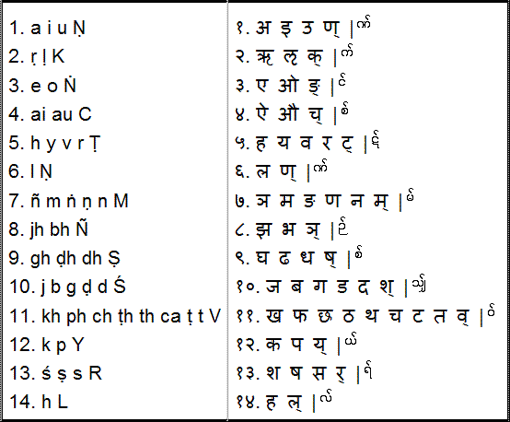
Shiva sutra

Shiva sutras contain potentially the most concise, easily learnable definition  of basic morphophonologically-relevant equivalence classes (e.g. aL -> class of all sounds; aC -> class of all vowels) of vedic sanskrit.

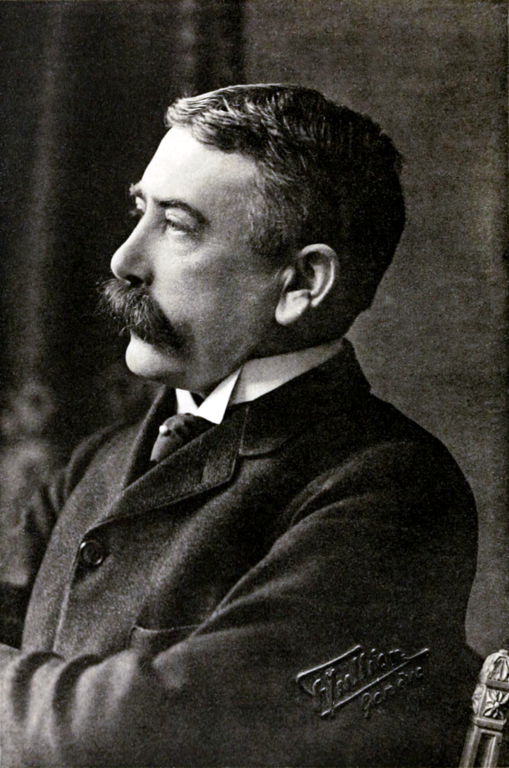
[fɛʁdinɑ̃ də sosyʁ]

Ferdinand de Saussure (26 November 1857 – 22 February 1913) was a Swiss linguist, semiotician and philosopher. His ideas laid a foundation for many significant developments in both linguistics and semiotics in the 20th century.He is widely considered one of the founders of 20th-century linguistics and one of two major founders (together with Charles Sanders Peirce) of semiotics, or semiology, as Saussure called it. 

One of his translators, Roy Harris, summarized Saussure's contribution to linguistics and the study of "the whole range of human sciences. It is particularly marked in linguistics, philosophy, psychoanalysis, psychology, sociology and anthropology."


Noam Chomsky

Chomsky

Leonard Bloomfield

Bloomfield

Michael Tomasello

Tomasello