i
Bildung Biodigitale DDH ()


Bildung Biodigitale

Welcome to the Bildung Biodigitale repository activated at baumhaus.digital on 18th April 2023 (AE530418)
 

What is Bildung Biodigitale ?

Old definition: BB is an educational curriculum integrating paradigms of computer-oriented sciences (e.g. informatics, cybernetics, AI etc.) and nature-oriented sciences (e.g. biology, ecology, botanics etc.) into a life-centered didactic package. Instead of being composed of dry indoor frontal teaching lectures, BB seminars mostly take place outdoor, some of them are peripatetic –i.e. walking– and apart from „aesthetic“ and „theoretical“ components always include a „survival“ component.

New definition: Bildung Biodigitale is a seminar cycle which deploys eco-artificial education within University context.

What is eco-artificial education ?

``Ecoartificial education (EAE) integrates those forms of pedagogical and didactic practice where artificially intelligent systems are being deployed for the purpose of increase of Wuman’s knowledge and respect of the surrounding biosphere.''

EAE is about cultivating what Charles Darwin called ``the most noble attribute of man''

The most noble attribute

The love for all living creatures is the most noble attribute of man.

Games

Animal Guessing Game

We will play a game: "What kind of animal am I ?". 

I will think of an animal and You will try to guess the species of animal I think about.

You can also ask yes / no question and if they are meaningful and relevant I will always truthfully answer them with "yes" or "no" or "I don't know".

You can also ask "are You X ?" where X means the most plausible animal You think I am. But You can only ask three such "Are You X" questions, if You ask three such questions wrong, You lost.

The goal is to guess what animal I am with as few questions as possible. You can now ask first question.

Papers

Ecoartificial Education

Dog-Centric view

Degrowth ??? NOW !!!

Exploited, Earth is dying in front of our eyes and we - artists, researchers, professors - are only rarely part of the solution. Most of the time, we are part of the problem. 

Mislead by ambiguity of terms like "Nachhaltigkeit"; corrupted by lobbyist promises on one hand and our own fears of uncertain future on the other, we are unable to do the only thing that counts: change our habits...

Who am I ?

Narren hasten, Kluge warten, Weise gehen in den Garten...

Axiom

Infinite material growth on a finite planet is neither logically possible nor sustainable.

Observations & Aphorisms

Some symptoms describing the current crisis.

Few proposals

Few proposals how to get UdK through the current crisis.

Related links

Some older presentations:

* Medienhaus IT-vivisection (2018) https://kastalia.medienhaus.udk-berlin.de/5668/
* Klasse Klima (2019) talk https://kastalia.medienhaus.udk-berlin.de/5668/
* Carbon-Neutrality and a digital school: can we align them ? (2019) https://kastalia.medienhaus.udk-berlin.de/6118


Some older papers:

* Circadian and eutark reduction of the energy trace of a digital school
* teacher. js: A low-bandwidth Digital Tool for Outdoor Online Teaching
* Power Consumption of Diverse Speech Command Classification Methods on the Raspberry Pi Zero

This talk: https://gardens.digital

UdK2300: On Teaching and Telling

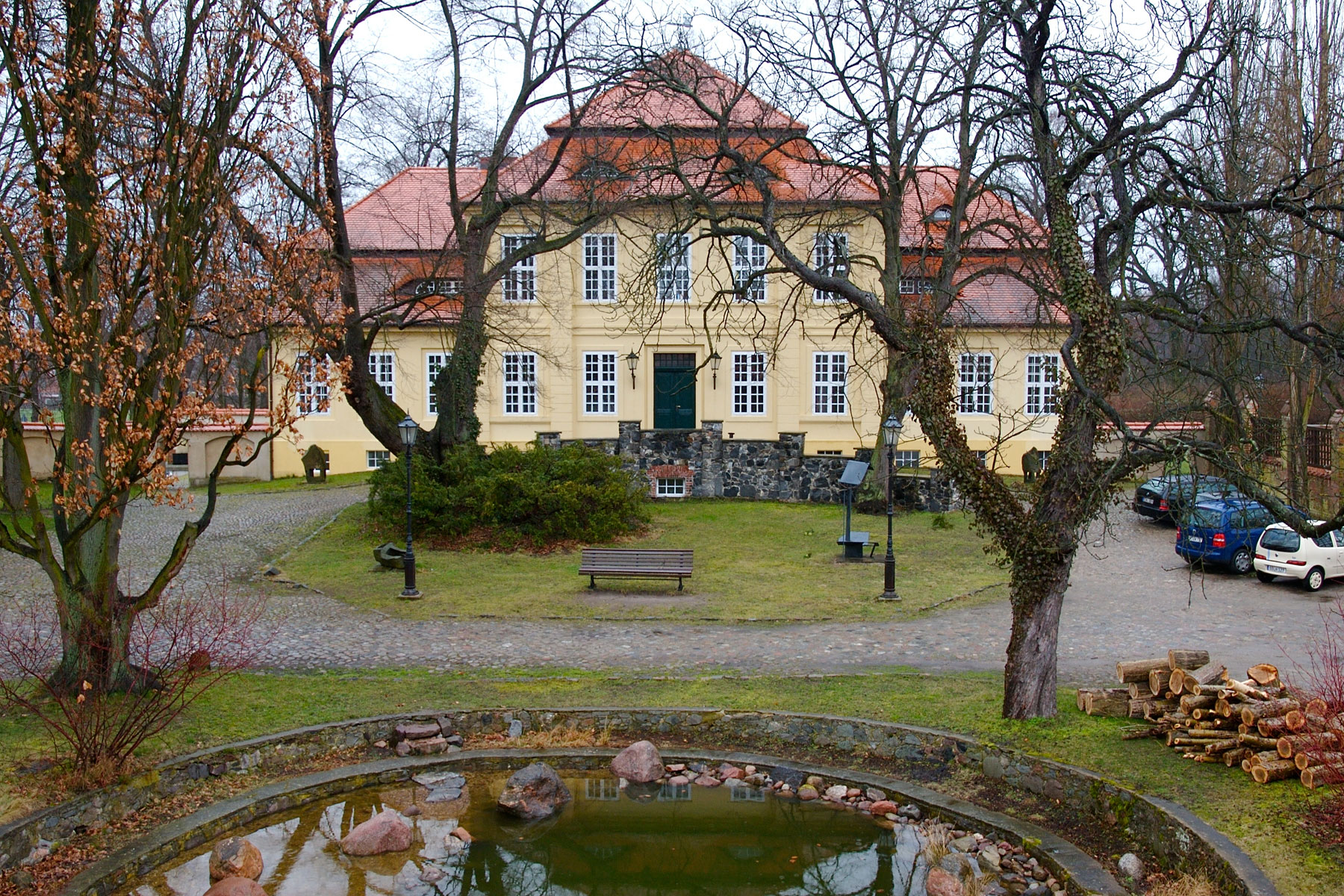
Humans are story-telling animals. In the peri(patetic|cycletic) SoSe2026 seminar at Gutshof Sauen, we shall reflect upon history of story-telling as it has been, since times immemorial, practiced in different cultures and different contexts (artistic, educational, political etc.). We will ask questions like: "How will story-telling look like in the future ? What methods, instruments and media will be used to-tell-the-story in year 2300 ? Will AIs and corporations be the principal story-tellers or are they just temporary actors reminding us how important it is that humanity should protect its "narrative sovereignity" ? What stories will be told, by whom, and to whom ?". But first and foremost: we will practice. Outdoor and indoor; by a fireplace and in Extended Reality, we - You, me, us - will be telling stories. And, hopefully, also learning in the process.

Questiae

How will (story-)telling look like in the future ?

What methods, instruments and media will be used to-tell(-the-story) in year 2300 ?

Links

https://udk.ai/sauen (main course information)

#udk2300:medienhaus.udk-berlin.de Matrix room(if You install Matrix client (e.g. Element) App on Your device use "medienhaus.udk-berlin.de" as the homeserver)

0th Meeting (16.4)

Foreword(s)

Literature

Texts You will go through with Daniel

Ursula leGuin: the Telling

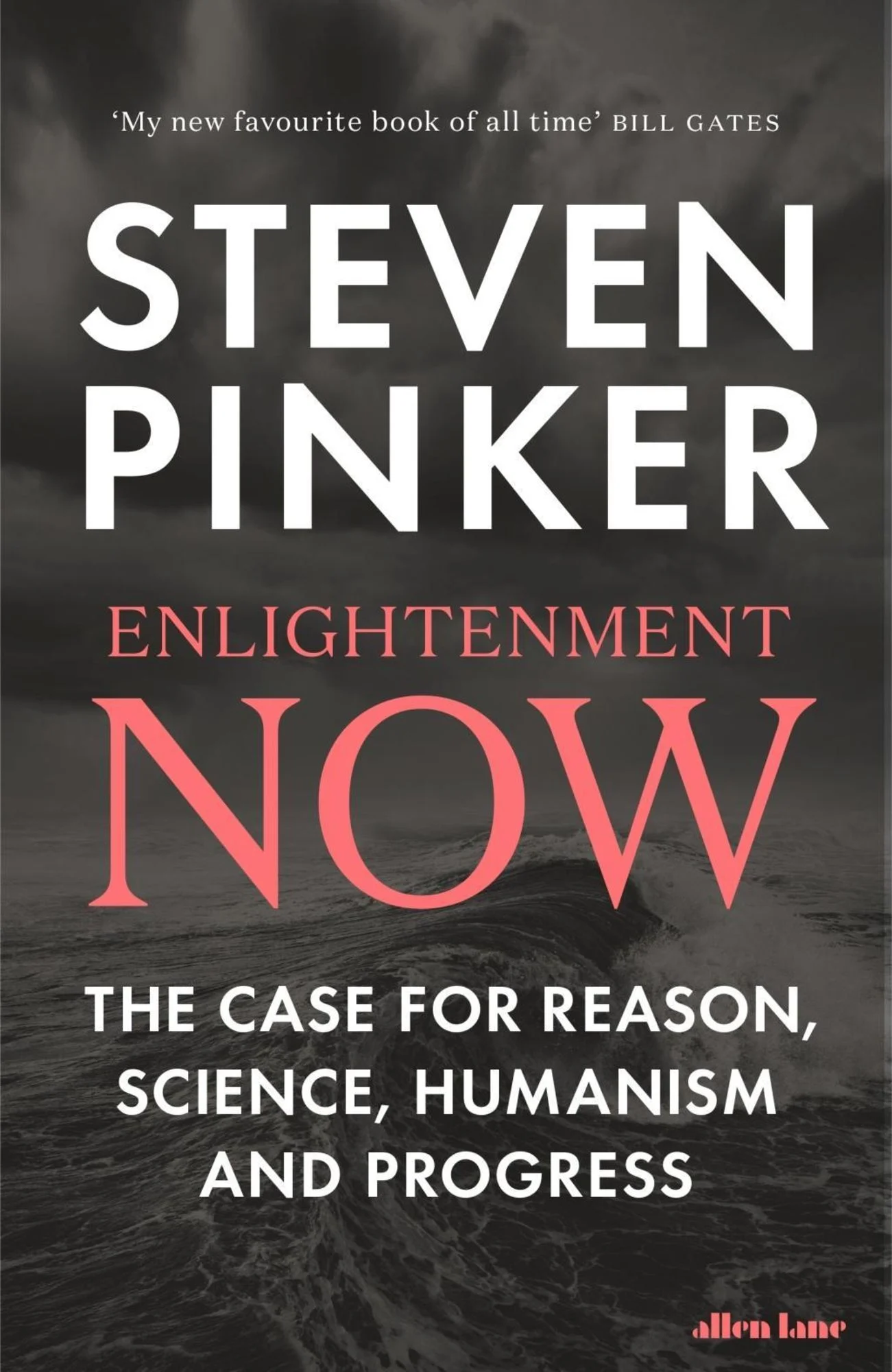
William Storr: The science of story-telling

Joseph Campbell: The hero with the thousand faces

Paul Ricoeur: Introduction to the Structural Analysis of Narratives

Texts You will go through with Rinah

Ingold, Tim: Lines (threads and Traces:p 39-53)

Trinh T. Minh-Ha: The Story began long time ago..(intro, 2 pages) 125-151 (Stories and their tellers)

Flusser, Vilem: Crisis of Linearity

Flusser, Vilem: Gestures

Suarez, Lavender: Transcendent Waves: How Listening Shapes Our Creative Lives.

Prologue (23.4)

Today we dive into the theoretical framework of the course. 

Daniel: anthropological & cognitive aspects of narration, linguistics / rhetorics, relation to narrations and mythology, scouting

Rinah: embodiment, relation(ship), linearity

If the weather is nice, we will go outdoors (e.g. Medienhaus Terrace, Medienhaus Garden or Kleistpark)

Sauen

The main narrative

Epilogue (7.5)

Reflecting on what happened. 

Preparing for Rundgang.

Evaluation (21.5)

Epilogue

Animals

We eat them, kill them, crush them, exploit them, misunderstand them and in some lucky cases also love and venerate them. Being so different and so similar, they fascinate us, inspire us and scare us in the same time. They are us: animals.

Practicalities

physical courses take place every 2 weeks on Thursday between 16:00 - 19:00

location/venue for next course will be precised at the end of the previous course

however, due to weather conditions or other unpredictable circumstances, it may also be the case that the outdoor session will need to be canceled or special measures (umbrella, rainjacket) will need to

magnifying glass or telescope can also be useful for certain sessions

should the session get canceled, You will be informed about that no later than at noon (12:00) in seminar's asynchronous matrix seminar room

/join #bio-animals:m3x.baumhaus.digital

2. Egg

Birding walk through Tiergarten on a Mayday evening.

session content

search & hunt; observation &  contemplation

stories & aphorisms

species identification (install Merlin Bird App) & interaction

human-generated texts, images & videos

AI-generated texts, images & videos

discussions

concepts

biographies & historical examples

algorithm

homeworks

games

Caroli Linnaei Regnum Animale

„Animalia corpora organisata, viva et sentientia, sponteque se moventia“

„Tiere: organisierte Körper, lebend und empfindend, sich spontan bewegend“

„Animals enjoy sensation by means of a living organization, animated by a medullary substance; perception by nerves; and motion by the exertion of the will. They have members for the different purposes of life; organs for their different senses; and faculties (or powers) for the application of their different perceptions. They all originate from an egg. Their external and internal structure; their comparative anatomy, habits, instincts, and various relations to each other, are detailed in authors who professedly treat on their subjects“

3. Backbone

0. Zygote

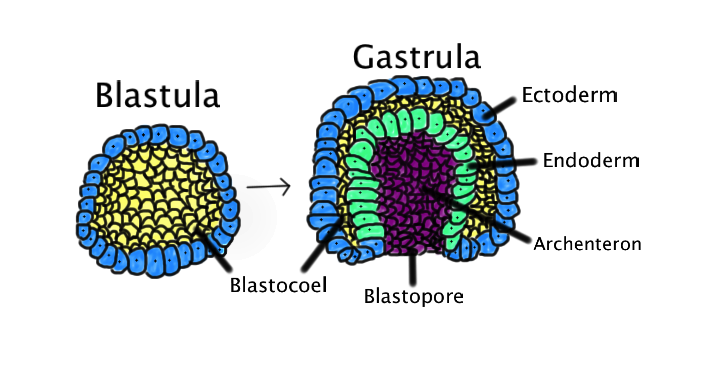
1. Gastrula

``The terms "gastrula" and "gastrulation" were coined by Ernst Haeckel, in his 1872 work "Biology of Calcareous Sponges". Lewis Wolpert, pioneering developmental biologist in the field, has been credited for noting that "It is not birth, marriage, or death, but gastrulation which is truly the most important time in your life."''

4. Hochzeit

5. Death

Monkeys & Angels