How it replicates & spreads
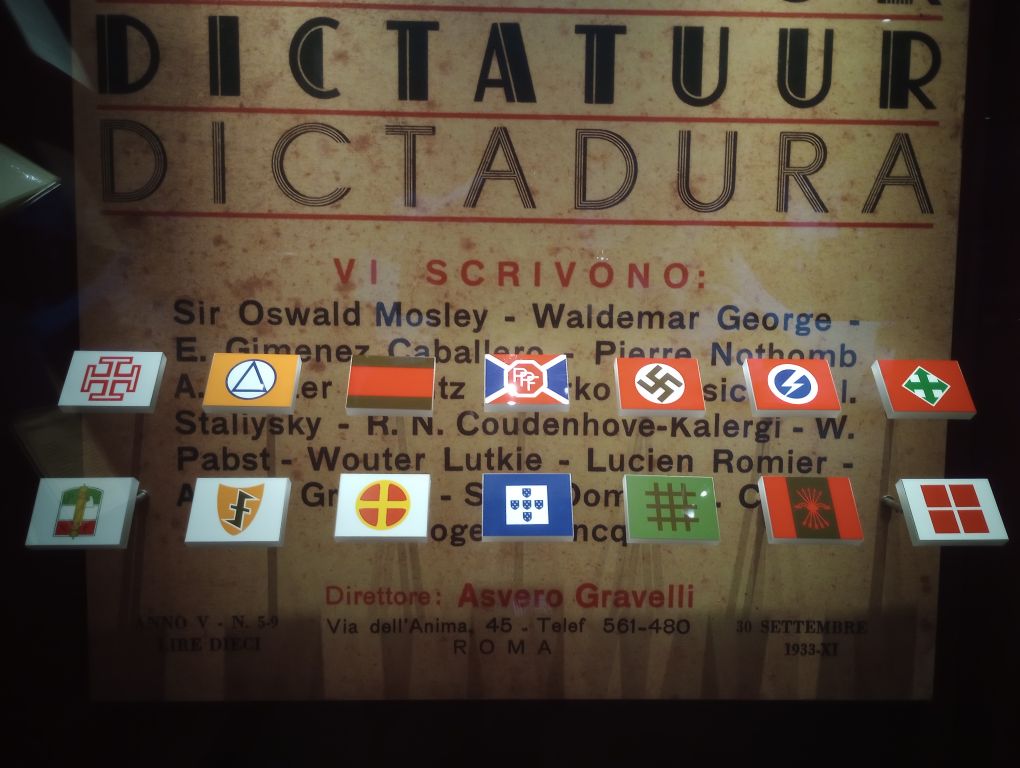
Symbols
A symbol is a meme small enough to fit on an armband.
Look first not at what the signs mean, but at how they are made.
Form is not guilt: the swastika is thousands of years older than the Nazis. But form is what lets a sign be copied, massed and obeyed.
Few lines, hard edges
Straight lines. Right angles. Nothing soft.
The Nazi swastika: four equal arms bent at 90°, tilted on its tip. The SS runes: two sharp lightning zigzags. The Hungarian Arrow Cross: an equal-armed cross ending in points.
Reduced to a few strokes, a sign can be drawn by anyone, in seconds, on any wall. Copyability is fitness.
-
⇄ Maluma or takete?
Maluma or takete?
Scan. Choose. Don’t think. Which one is maluma?
-
⇄ What your gut knew
What your gut knew
Sounds have shapes. Shapes have moods. Köhler (1929, 1947) and Ramachandran & Hubbard (2001): almost everyone calls the round form maluma / bouba, the spiky one takete ...
Maluma or takete?
Scan. Choose. Don’t think.
Which one is maluma?
-
⇄ Few lines, hard edges
Few lines, hard edges
Straight lines. Right angles. Nothing soft. The Nazi swastika: four equal arms bent at 90°, tilted on its tip. The SS runes: two sharp lightning zigzags. The Hungarian Arrow...
-
⇄ What your gut knew
What your gut knew
Sounds have shapes. Shapes have moods. Köhler (1929, 1947) and Ramachandran & Hubbard (2001): almost everyone calls the round form maluma / bouba, the spiky one takete ...
What your gut knew
Sounds have shapes. Shapes have moods.
Köhler (1929, 1947) and Ramachandran & Hubbard (2001): almost everyone calls the round form maluma / bouba, the spiky one takete / kiki.
Bar & Neta (2006): people prefer curved objects over sharp-angled ones — sharp contours read as threat.
Fascist forms use the spike on purpose: hard edges signal power before any word is read.
-
⇄ Few lines, hard edges
Few lines, hard edges
Straight lines. Right angles. Nothing soft. The Nazi swastika: four equal arms bent at 90°, tilted on its tip. The SS runes: two sharp lightning zigzags. The Hungarian Arrow...
-
⇄ Maluma or takete?
Maluma or takete?
Scan. Choose. Don’t think. Which one is maluma?
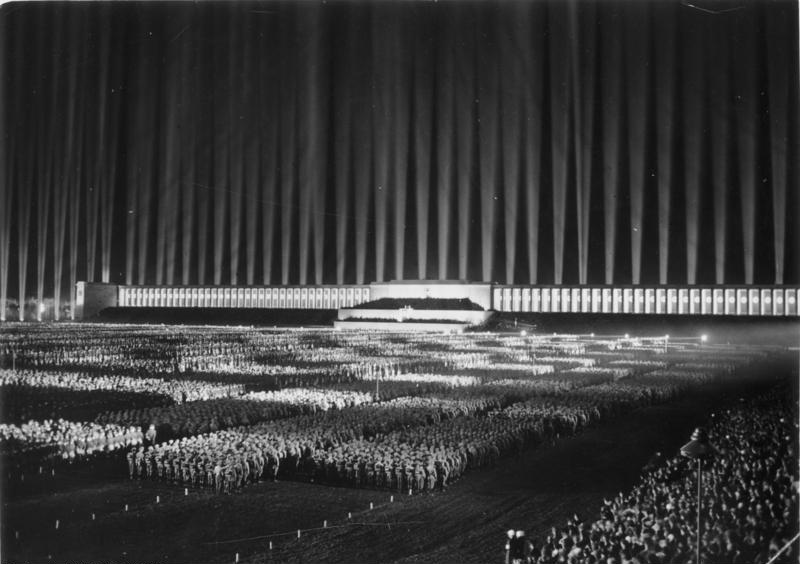
Symmetry, rotation, repetition
One module. Repeated until the individual disappears.
The swastika turns: four-fold rotational symmetry, a built-in motion. The fasces is a vertical bundle of identical rods.
Mass ornament: ranks of identical bodies, rows of banners, and at Nuremberg a hall of vertical searchlight beams. The crowd becomes the pattern.
Red, white, black
Three colours. Maximum contrast.
Red field, white disc, black sign: readable from far away, on cloth, on stone, in a photograph. A target shape: the eye is pulled to the centre.
Hitler himself explained each colour as a message — the design was a deliberate piece of propaganda.
The aestheticization of politics
Walter Benjamin, 1935: fascism gives the masses not rights, but a chance to express themselves.
Politics as spectacle: flags, uniforms, torches, light, visible body movements.
Ask: when you feel the pull of an image, what is it asking you to do?
Words
Fascist words come in two sets: order for us, vermin for them.
| for “us” | for “them” |
|---|---|
| Ordnung — order Reinheit — purity Volksgesundheit — the nation’s health Blut und Boden — blood and soil Wiedergeburt — rebirth | Ungeziefer — vermin Volksschädling — “pest of the people” (Nazi legal term, 1939) Ratten — rats inyenzi — cockroaches (Rwanda, 1994) “spit them out like a gnat” (Putin, 2022) |
Purity words make us clean. Pest words make them disgusting — and violence against them feel like pest control.
Mechanism: disgust, moral purity, dehumanisation
-
⇄ Parasites of human nature
Parasites of human nature
Fascism is a memeplex whose components parasitize our inborn propensities.Father & family → kinship. Leader → dominance hierarchy. Nation → tribe. Enemy &rarr...
α-chimps, narcissism and psychological projection
Under every uniform, a primate counting its rank.
Four ingredients: belonging, rank, a grandiose leader, and projection of what we cannot bear in ourselves.
Humans are social 🐒
Belonging is a need. Fascism sells it.
Baumeister & Leary (1995): the need to belong is a fundamental human motivation.
Eisenberger et al. (2003): social exclusion activates brain regions also involved in physical pain.
Fascism offers belonging — paid for with someone else’s exclusion.
-
⇄ Unity Above Individuality
Unity Above Individuality
The collective comes first; dissent weakens us and may constitute betrayal. Mechanism: Conformity, social pressure, suppression of disagreement
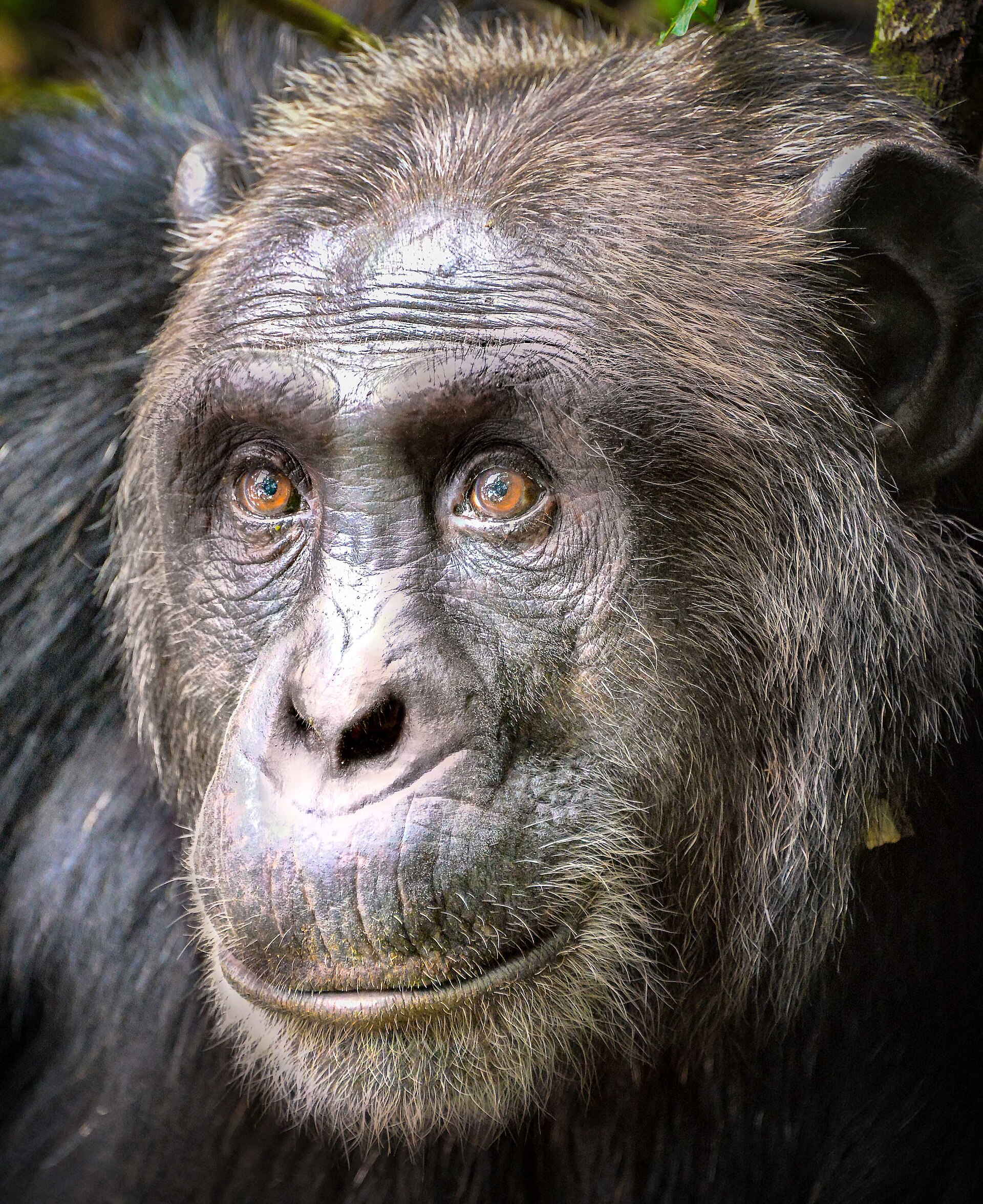
Alpha-male
Rank is the oldest story the herd knows.
Frans de Waal, Chimpanzee Politics (1982): a chimpanzee alpha rules through coalitions, favours and peacekeeping — not by brute force alone.
The popular “alpha wolf” comes from captive, unrelated wolves; in the wild a pack is mostly a family (L. D. Mech).
“Alpha” is partly a story we tell. Fascism offers the human edition: a dominance hierarchy with a flag.
-
⇄ The Great Leader
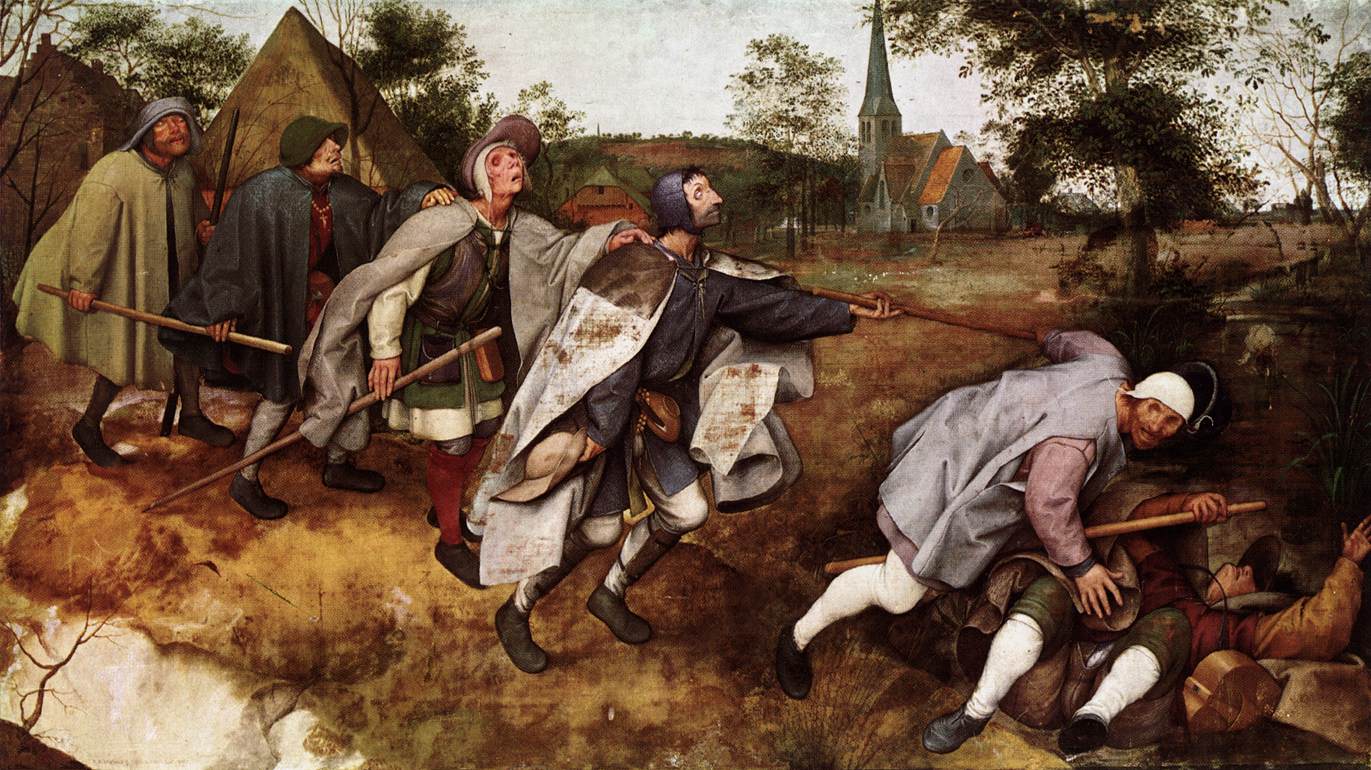 The Great Leader
Only an exceptional leader can save us and restore our greatness. Mechanism: Authority bias, identification, charismatic attachment
-
⇄ Parasites of human nature
Parasites of human nature
Fascism is a memeplex whose components parasitize our inborn propensities.Father & family → kinship. Leader → dominance hierarchy. Nation → tribe. Enemy &rarr...
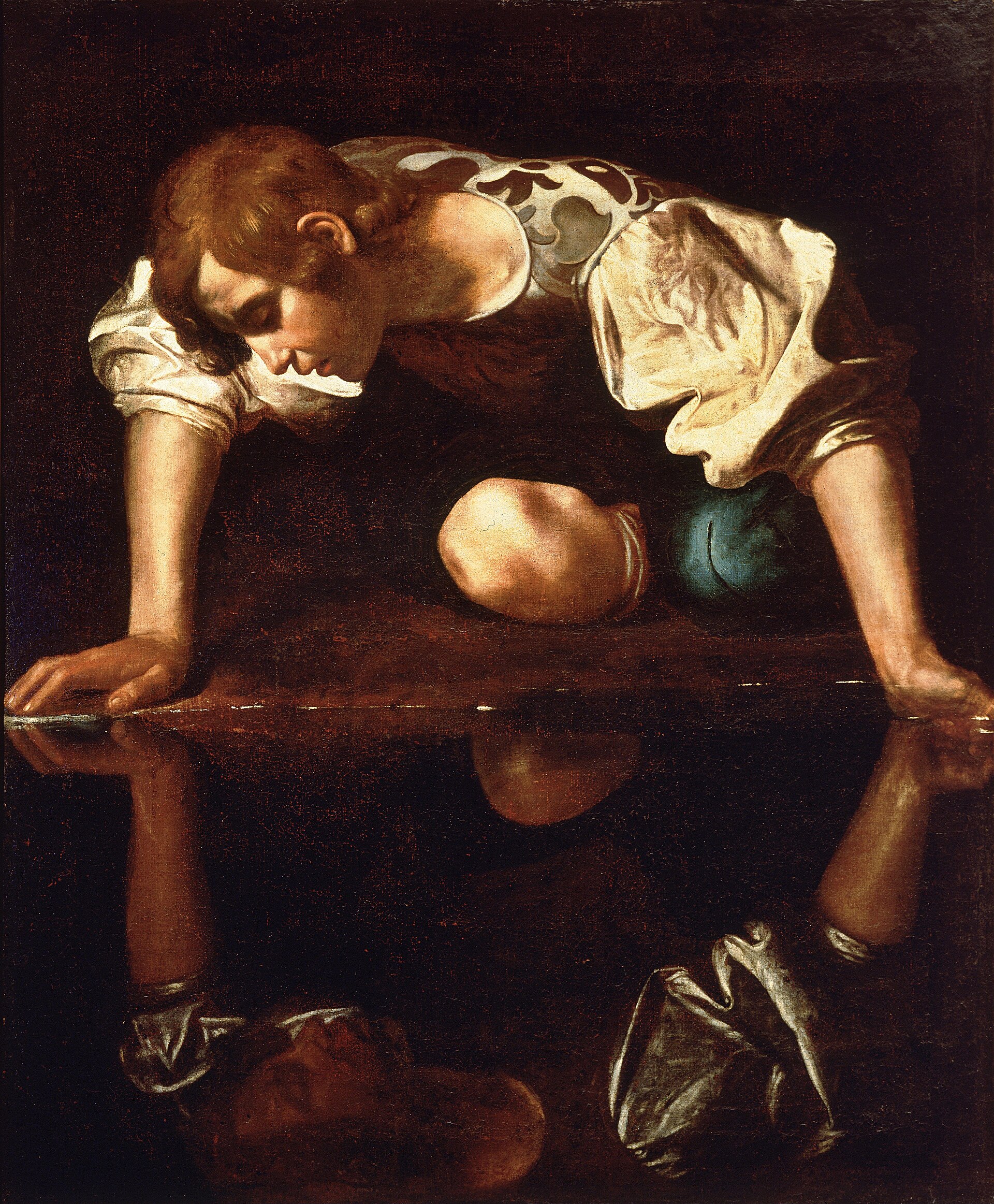
Narcistic Personality Disorder
The leader’s grandiosity needs a crowd to be real.
DSM-5 (APA, 2013): “a pervasive pattern of grandiosity (in fantasy or behavior), need for admiration, and lack of empathy” — five or more of nine criteria.
grandiosity · fantasies of unlimited success · “special” · craves admiration · entitlement · exploits others · no empathy · envy · arrogance (paraphrased)
ICD-11 (WHO) has no separate NPD category. A diagnosis needs a clinician, not a newspaper (the “Goldwater rule”).
What we can study in groups: collective narcissism (Golec de Zavala et al., 2009).
-
⇄ The Chosen People
The Chosen People
We are one exceptional people, united by blood, culture, or historical destiny. Mechanism: Social identification, in-group cohesion, collective narcissism
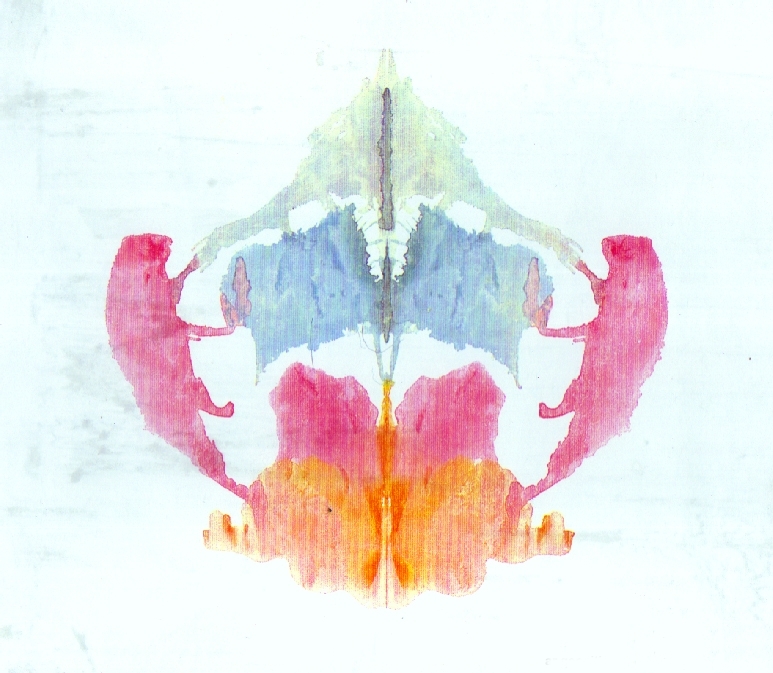
Psychological projection
What I cannot bear in myself, I find in you.
Projection (Freud; Anna Freud, 1936): a defence mechanism — attributing one’s own unacceptable impulses or traits to others.
Collectively: the nation is pure; the impurity is theirs. The Enemy Within is a mirror.
Hence: “Ukrainian fascists” (see Misuse).
-
⇄ Misuse
Misuse
Fascists love to label other people as fascists (e.g. Russians labeling "Ukrainian fascists"), the principle of inhibited projection
-
⇄ The Enemy Within
The Enemy Within
The broken world is caused by enemies, traitors, parasites, secret societies, alien influences &c. We suffer because THEY are among US. Mechanism: Scapegoating, out-group hostil...
-
⇄ Verdict: ten of ten
Verdict: ten of ten
Ten of ten. And the final touch: the accusation of fascism hurled at the victim — projection. The Soviet victory over fascism became the host symbol that hides the genome.
