The fascist memeplex
The list of nine fascist constituent memes which follow draws principally on Robert Paxton's mobilizing passions, Roger Griffin's concept of palingenetic ultranationalism, Umberto Eco's Ur-Fascism and Sarkar's Neo-humanism.
The Chosen People
We are one exceptional people, united by blood, culture, or historical destiny.
Mechanism: Social identification, in-group cohesion, collective narcissism
-
⇄ Narcistic Personality Disorder
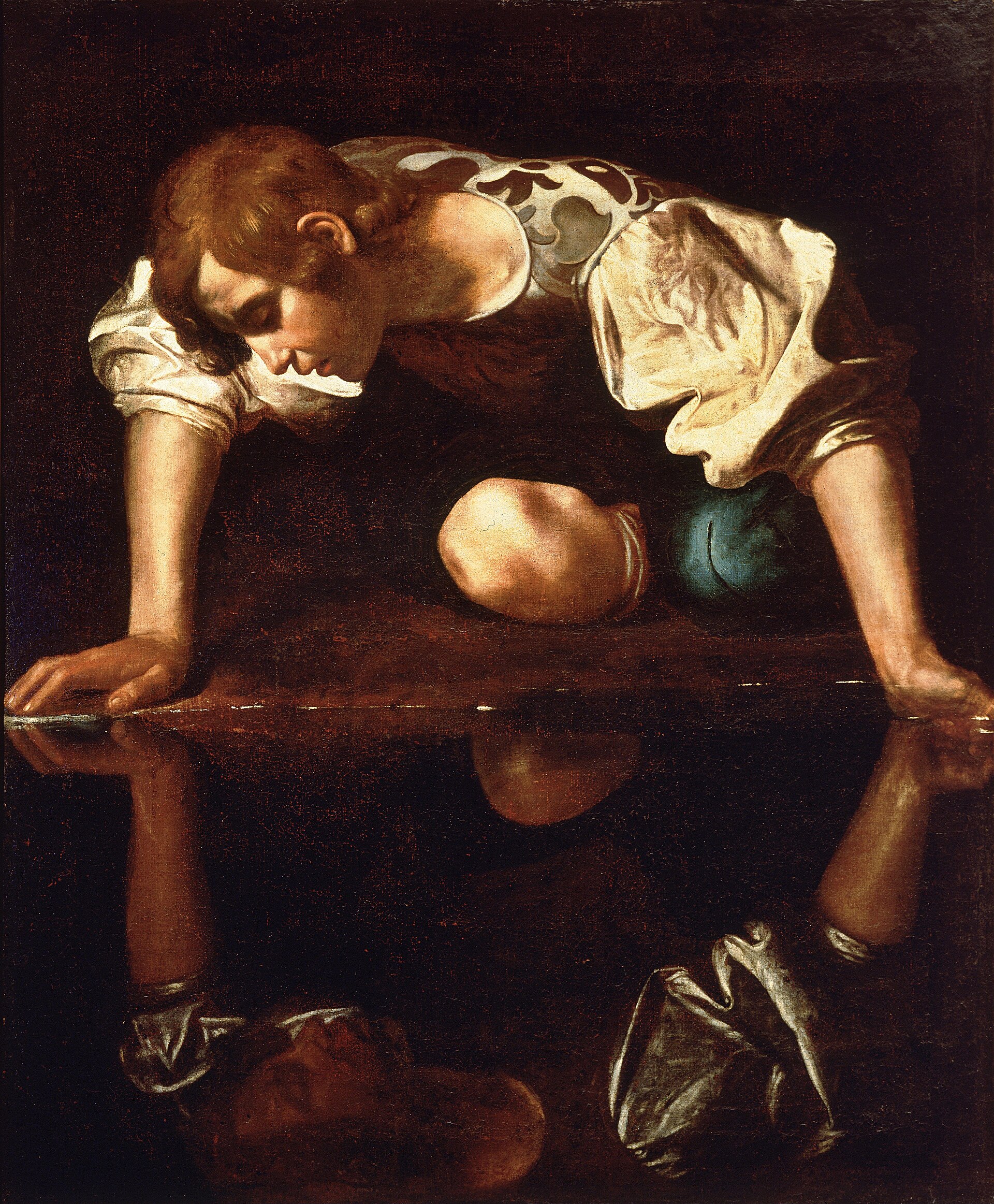 Narcistic Personality Disorder
The leader’s grandiosity needs a crowd to be real. DSM-5 (APA, 2013): “a pervasive pattern of grandiosity (in fantasy or behavior), need for admiration, and lack of ...
-
⇄ 1 · The Chosen People
1 · The Chosen People
One people — and they decide which others exist. Specimen: Putin, On the Historical Unity of Russians and Ukrainians (July 2021): Russians and Ukrainians are “one pe...
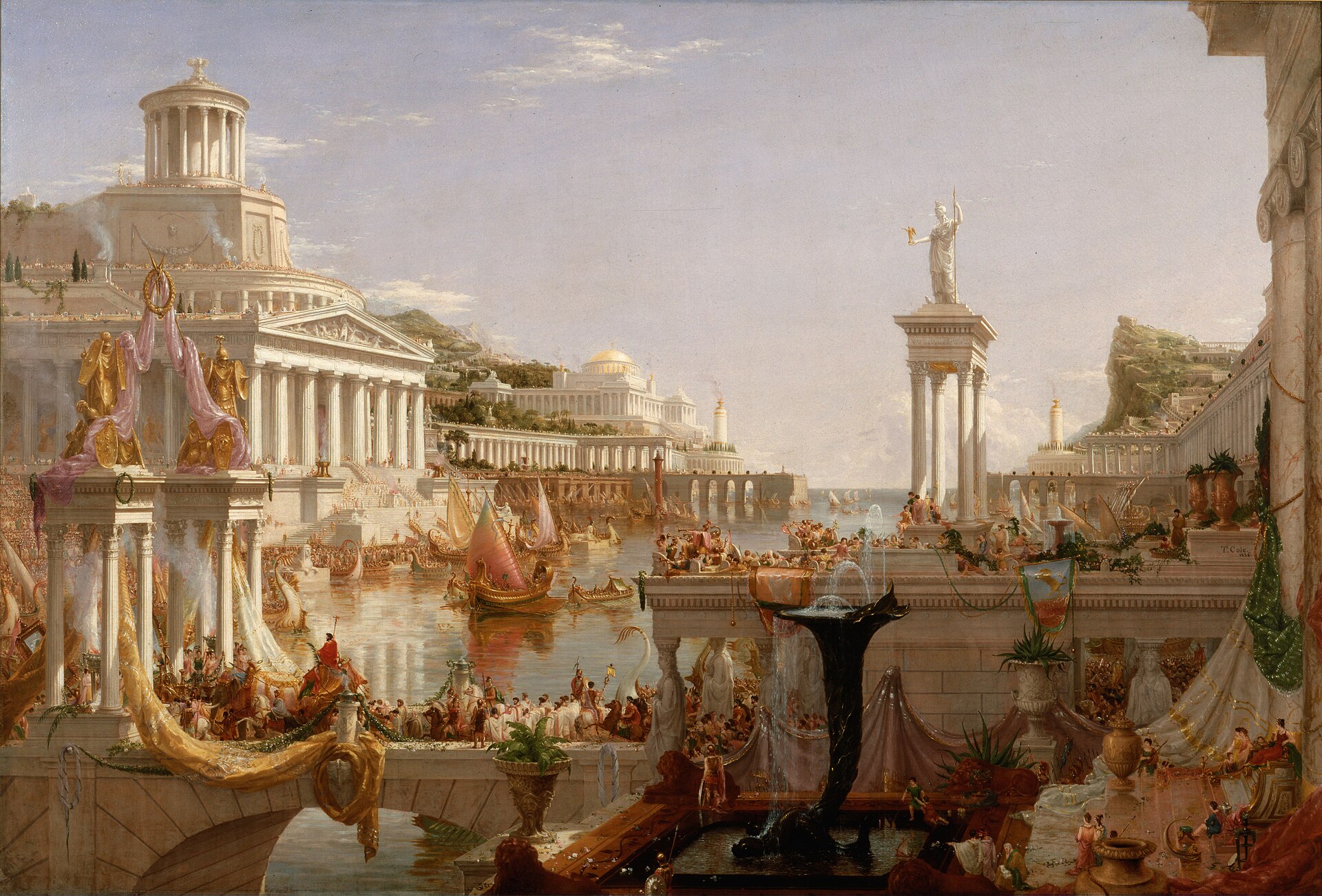
The Lost Golden Age
Once upon a time everything was good; it has been taken from us but the time will come when WE (not THEM) will be great again.
Mechanism: Nostalgia, idealization, selective cultural memory, reference to early childhood
-
⇄ 2 · The Lost Golden Age
 2 · The Lost Golden Age
A catastrophe to undo. Specimen: Putin, 2005: the collapse of the USSR was “the greatest geopolitical catastrophe of the century”.
The Existential Crisis
Our nation is declining and faces an existential threat.
Mechanism: Fear, perceived loss, urgency, threat amplification
-
⇄ 3 · The Existential Crisis
3 · The Existential Crisis
The aggressor is always defending. Specimen: the invasion of 24 February 2022 was presented as defence against NATO and a threat to Russia’s very existence.
The Enemy Within
The broken world is caused by enemies, traitors, parasites, secret societies, alien influences &c. We suffer because THEY are among US.
Mechanism: Scapegoating, out-group hostility, conspiracy thinking
-
⇄ Psychological projection
 Psychological projection
What I cannot bear in myself, I find in you. Projection (Freud; Anna Freud, 1936): a defence mechanism — attributing one’s own unacceptable impulses or traits to oth...
-
⇄ 4 · The Enemy Within
4 · The Enemy Within
Traitors, agents, scum. Specimen: the “foreign agents” law (2012, widened 2022); Putin, 16 March 2022: a “self-purification of society” from “trait...
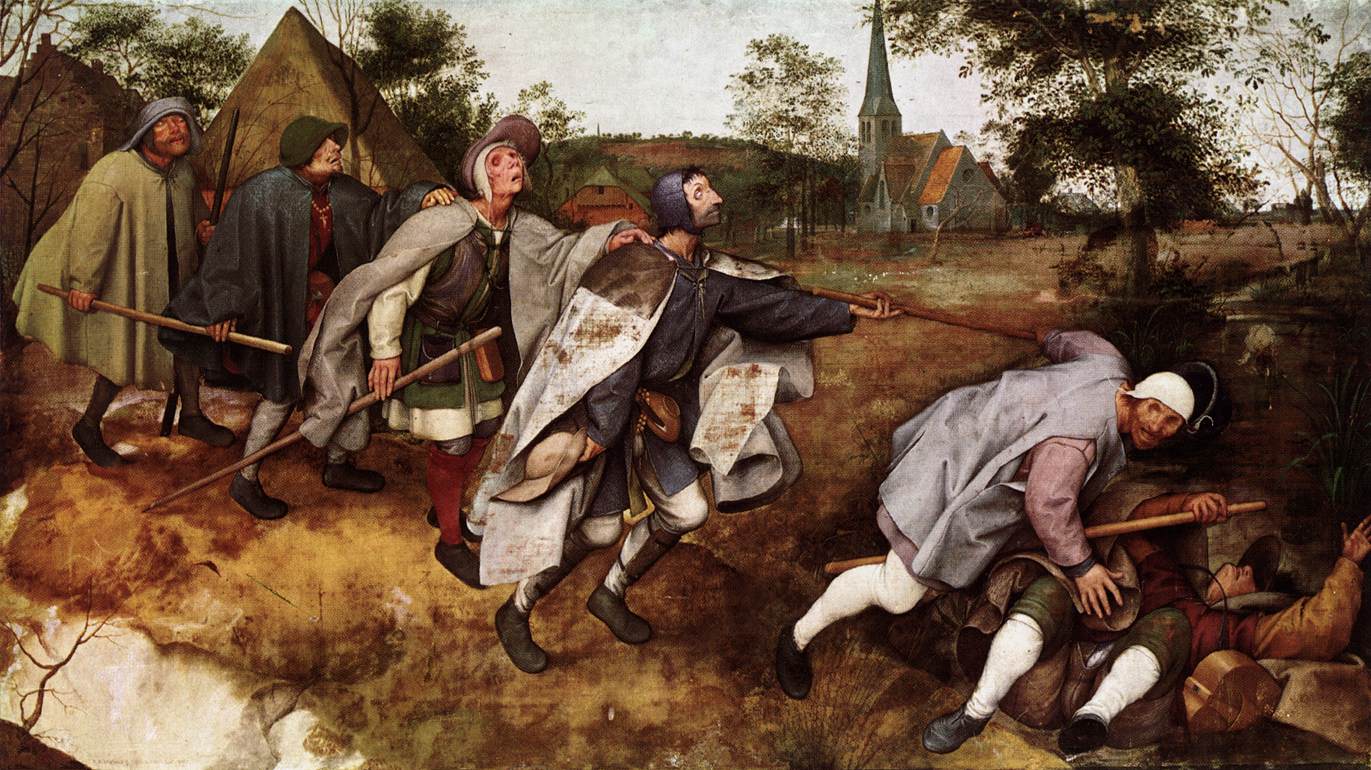
The Great Leader
Only an exceptional leader can save us and restore our greatness.
Mechanism: Authority bias, identification, charismatic attachment
-
⇄ Alpha-male
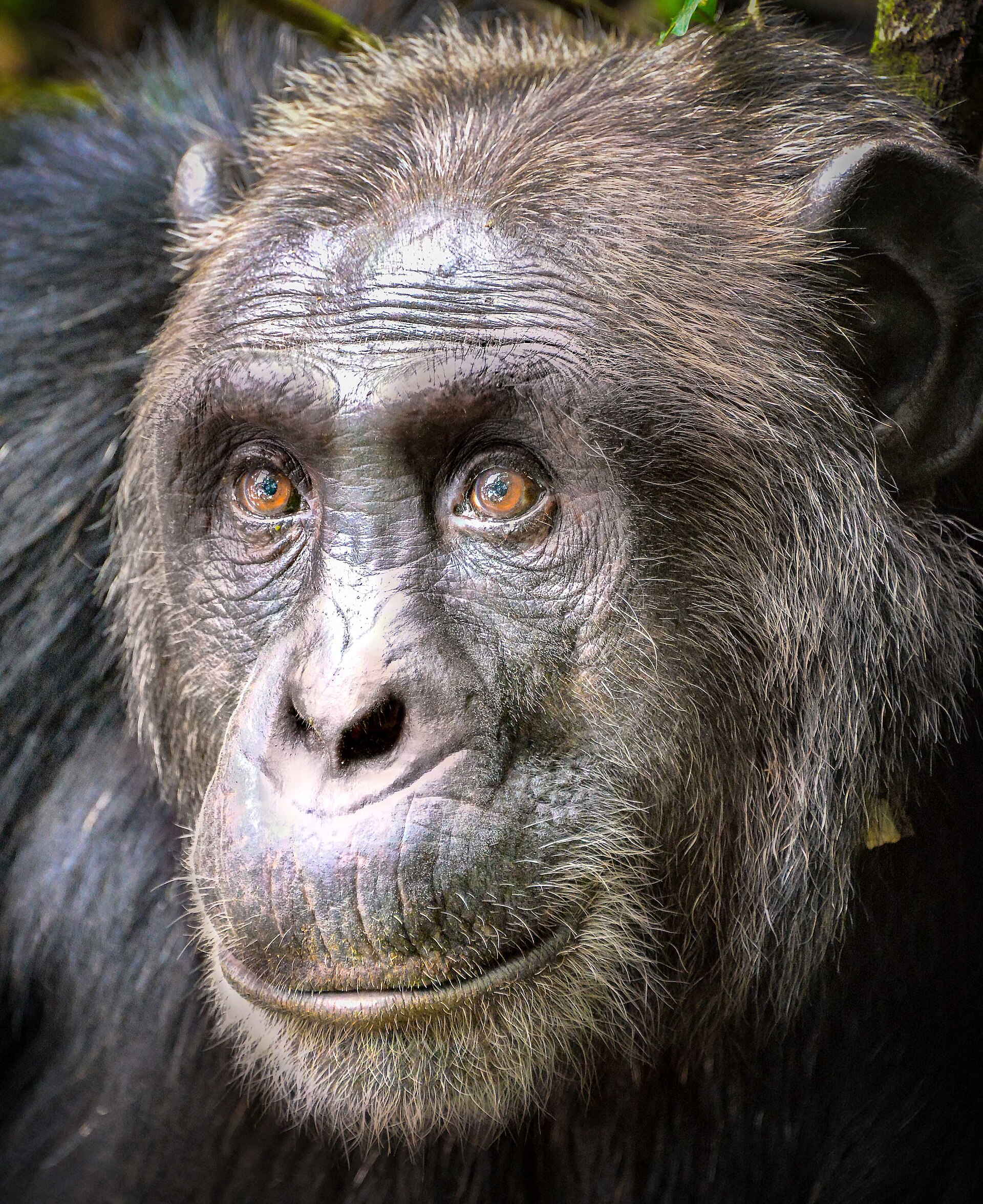 Alpha-male
Rank is the oldest story the herd knows. Frans de Waal, Chimpanzee Politics (1982): a chimpanzee alpha rules through coalitions, favours and peacekeeping — not by brute fo...
-
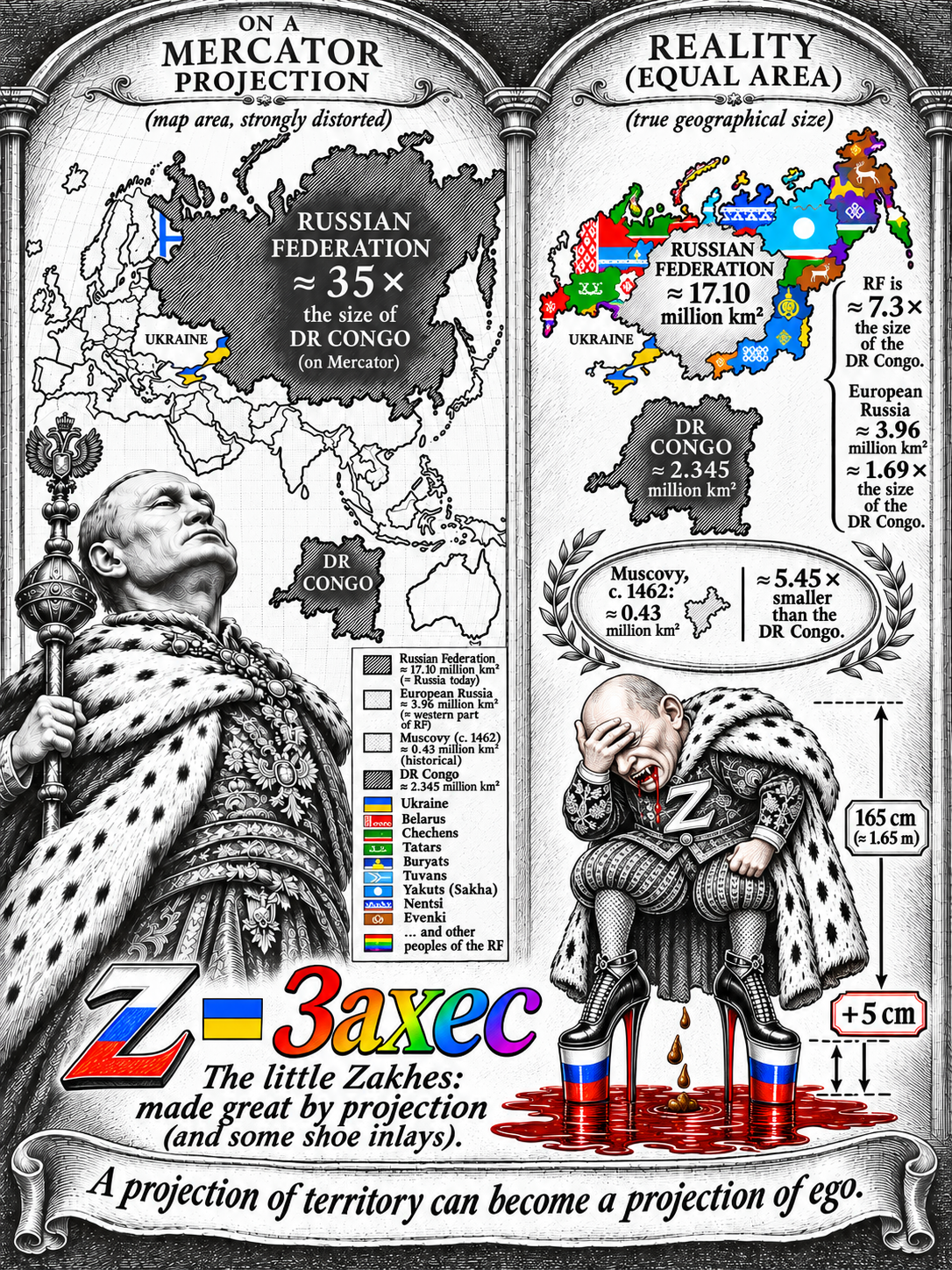
⇄ 5 · The Great (cca 165 - 170 cm) Leader
5 · The Great (cca 165 - 170 cm) Leader
No Putin, no Russia. Specimen: Volodin, 2014: “as long as there is Putin, there is Russia”. 2020 amendments reset presidential term limits.
Papas of the Nation
| Leader | Where, when | Father / family title or motif | Kind |
|---|---|---|---|
| Stalin | USSR, 1920s–1953 | “Father of Nations” (otets narodov); also vozhd (leader) | press epithet |
| Mao Zedong | China, 1949–1976 | Cultural Revolution song: “Dear father, dear mother — neither is as dear as Chairman Mao” | slogan |
| Kim Il Sung (and heirs) | North Korea, 1948– | “Parental Leader” (eobeoi suryeong); the nation as one family | state doctrine |
| Rafael Trujillo | Dominican Rep., 1930–1961 | “Benefactor of the Fatherland”, “Father of the New Fatherland” | official title |
| François Duvalier | Haiti, 1957–1971 | “Papa Doc” (his son: “Baby Doc”) | nickname |
| Mobutu Sese Seko | Zaire, 1965–1997 | “Father of the Nation”; also “Guide”, “Messiah” | official epithet |
| Idi Amin | Uganda, 1971–1979 | “Big Daddy” | nickname |
| Saparmurat Niyazov | Turkmenistan, 1990–2006 | Türkmenbaşy, usually rendered “Head / Father of all Turkmen” | adopted title |
| Alexander Lukashenko | Belarus, 1994– | Bats’ka (“Dad”) | popular epithet |
| Vladimir Putin | Russia, 2000– | no official title; “national leader”, strong-father and tsar-batyushka imagery in propaganda | motif |
Many different regimes, continents and decades — one and the same family metaphor: the nation is a household, the leader its father, dissent is disobedience.
Mechanism: authority bias, dependency, the family as the first hierarchy we learn
-
⇄ Parasites of human nature
Parasites of human nature
Fascism is a memeplex whose components parasitize our inborn propensities.Father & family → kinship. Leader → dominance hierarchy. Nation → tribe. Enemy &rarr...
Leader, Brother, Uncle
| Leader | Where, when | Title | Role in the family |
|---|---|---|---|
| Hitler | Germany, 1933–1945 | Führer (leader) | mostly messianic and martial; father role not the core |
| Mussolini | Italy, 1922–1943 | Il Duce (leader) | leader first; family enters via birth-rate politics |
| Franco | Spain, 1939–1975 | Caudillo (warlord-leader), “by the grace of God” | war leader and guardian of the “great family” of Spain |
| Gaddafi | Libya, 1969–2011 | “Brother Leader” | big brother, not father |
| Pol Pot | Cambodia, 1975–1979 | “Brother Number One” | big brother |
| Ho Chi Minh | N. Vietnam, 1945–1969 | Bác Hồ (“Uncle Ho”) | uncle: kinder, but still family |
| Atatürk | Turkey, 1923–1938 | surname “Father-Turk” (1934) | literal father — but not a fascist |
So the guess holds almost: not always “father”, but nearly always a family member with authority — and the fascist originals lean more on leader and saviour than on papa.
Unity Above Individuality
The collective comes first; dissent weakens us and may constitute betrayal.
Mechanism: Conformity, social pressure, suppression of disagreement
-
⇄ 1984 (1948)
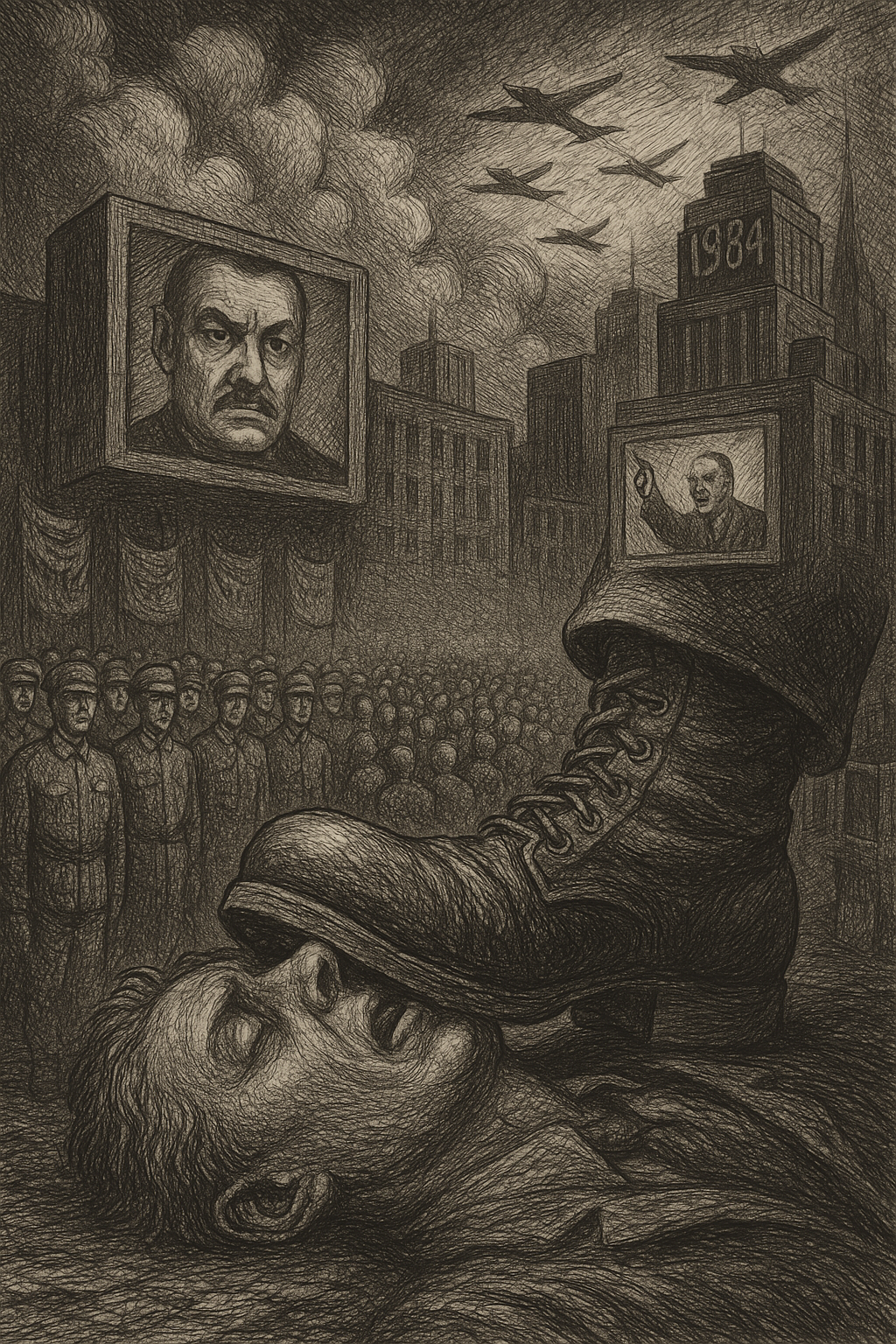 1984 (1948)
Nineteen Eighty-Four depicts a totalitarian state where the Party controls reality itself through surveillance, propaganda, and engineered language...
-
⇄ Ingression of the day: Newspeak
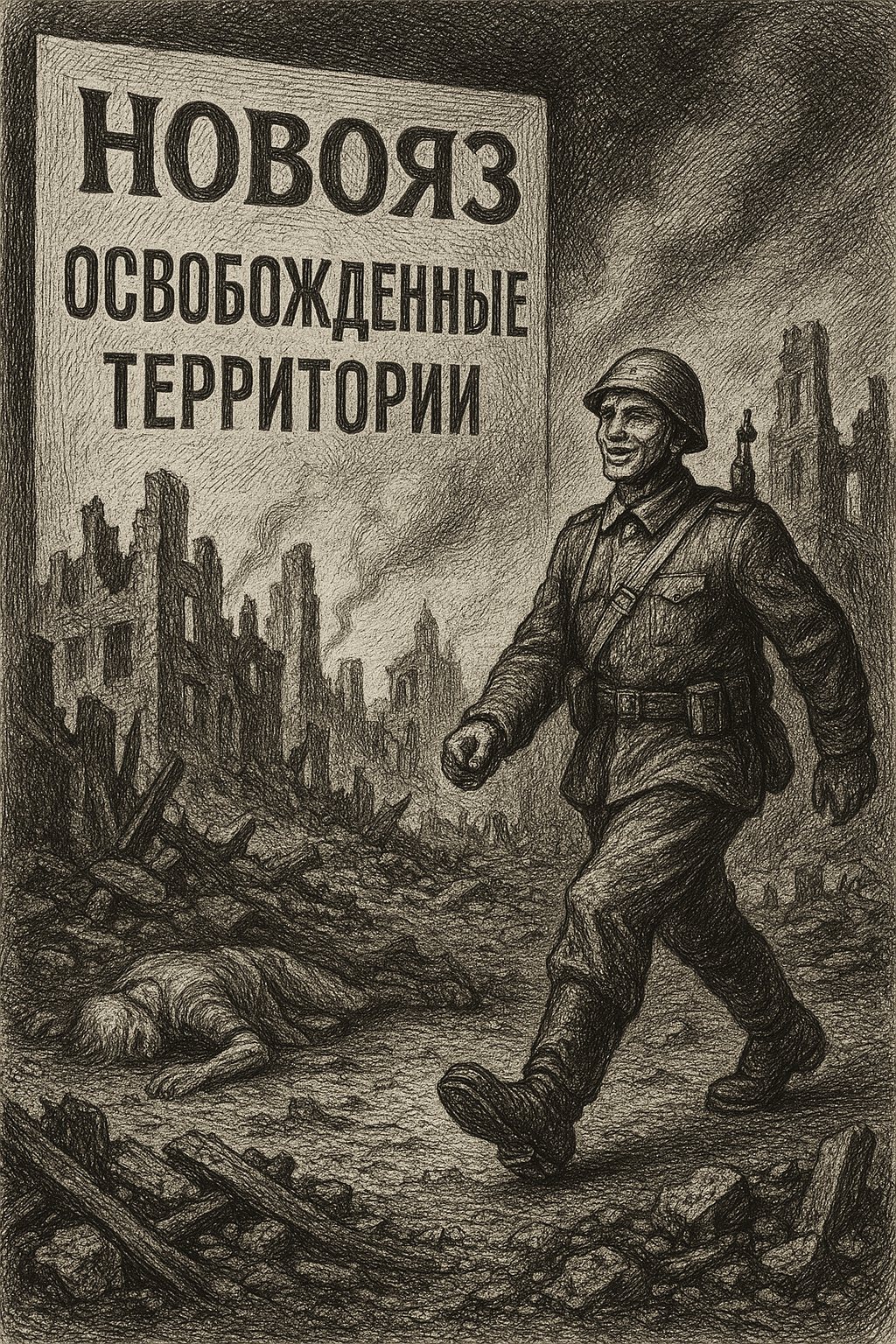 Ingression of the day: Newspeak
новояз ("novy jazyk" - "new tongue") refers to the systematic substitution of euphemisms by Russian state media and officials to shape public perception, obscure realities, and ...
-
⇄ Humans are social 🐒
Humans are social 🐒
Belonging is a need. Fascism sells it. Baumeister & Leary (1995): the need to belong is a fundamental human motivation. Eisenberger et al. (2003): social exclusion activates...
-
⇄ 6 · Unity Above Individuality
6 · Unity Above Individuality
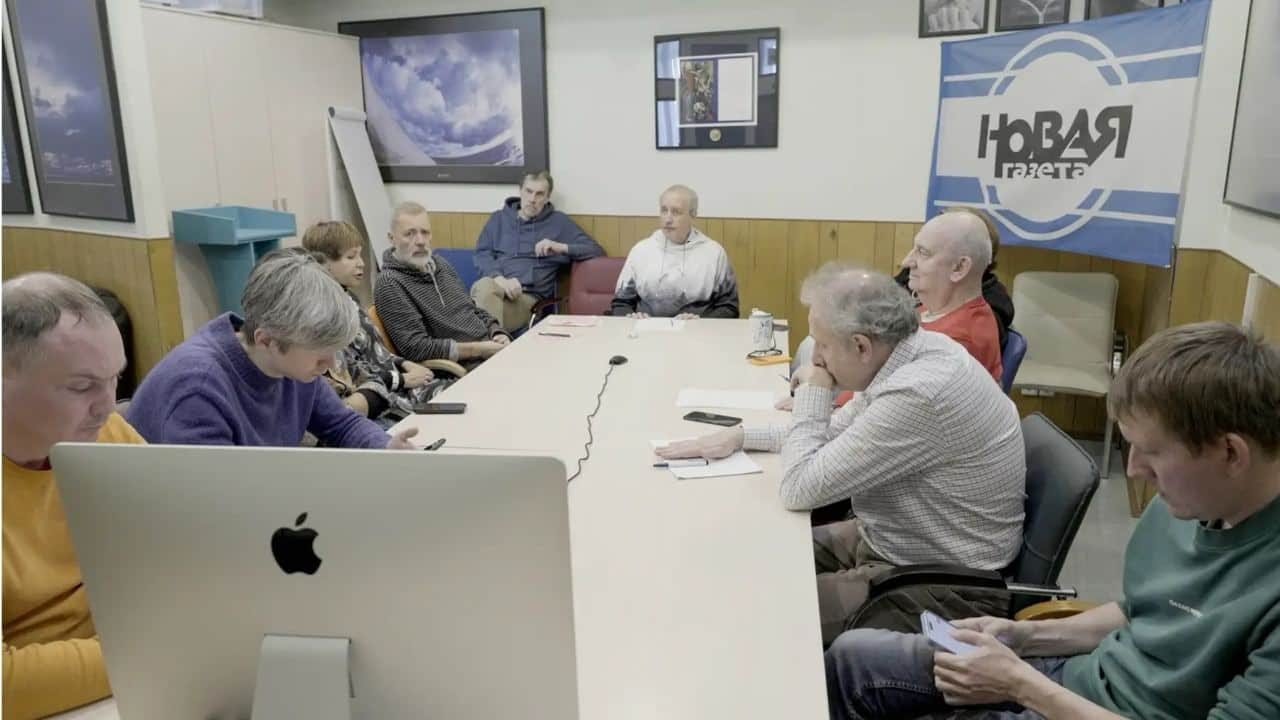
Dissent is treason. Silence is loyalty. Specimen: March 2022 laws punishing “fakes” about, or “discrediting”, the army (up to 15 years). Memorial, the hu...
The Redemptive Struggle
Strength, sacrifice, and violence are necessary to regenerate the nation.
Mechanism: Heroic identification, glorification of aggression, moral disengagement
-
⇄ 7 · The Redemptive Struggle
 7 · The Redemptive Struggle
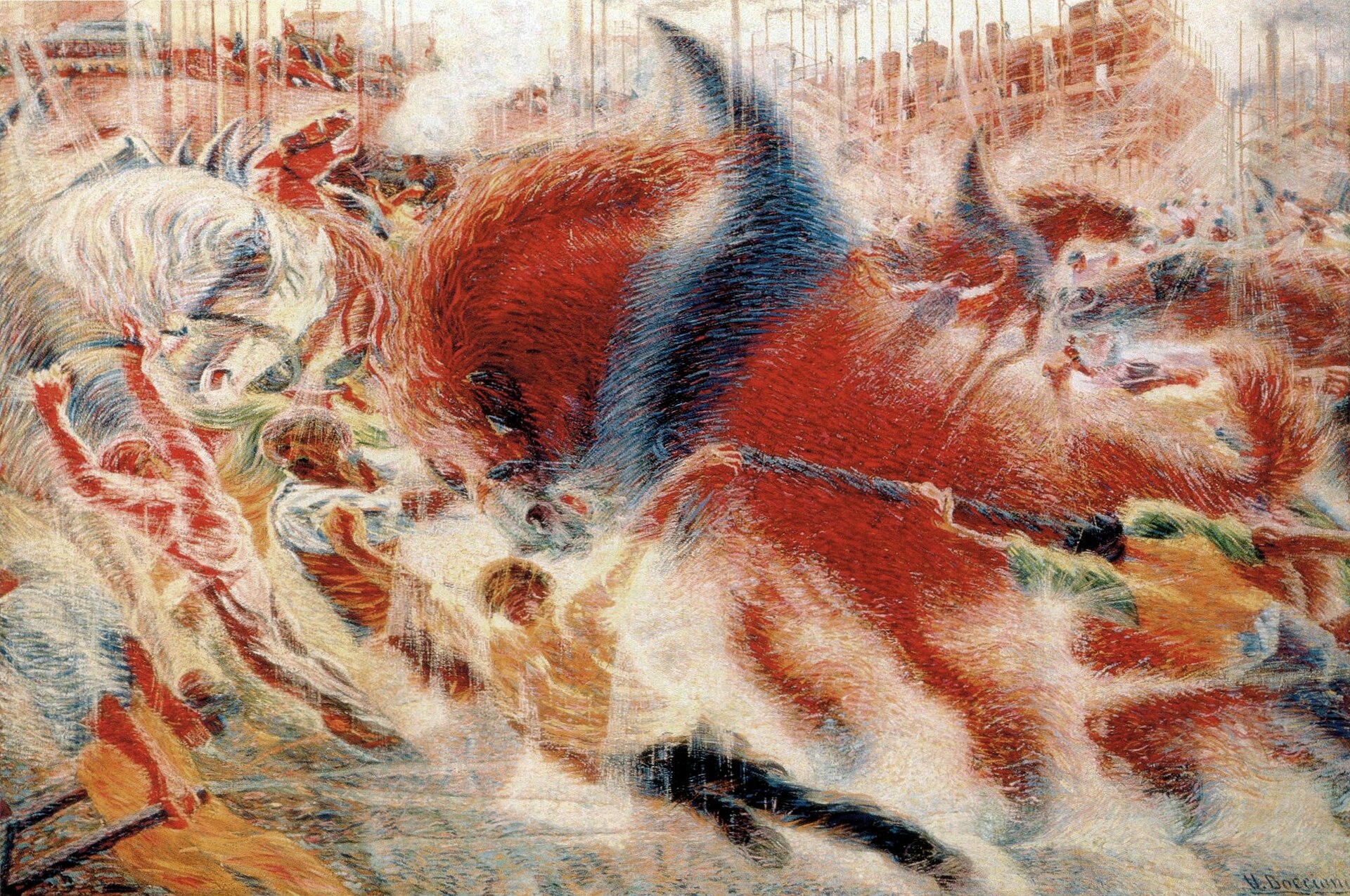
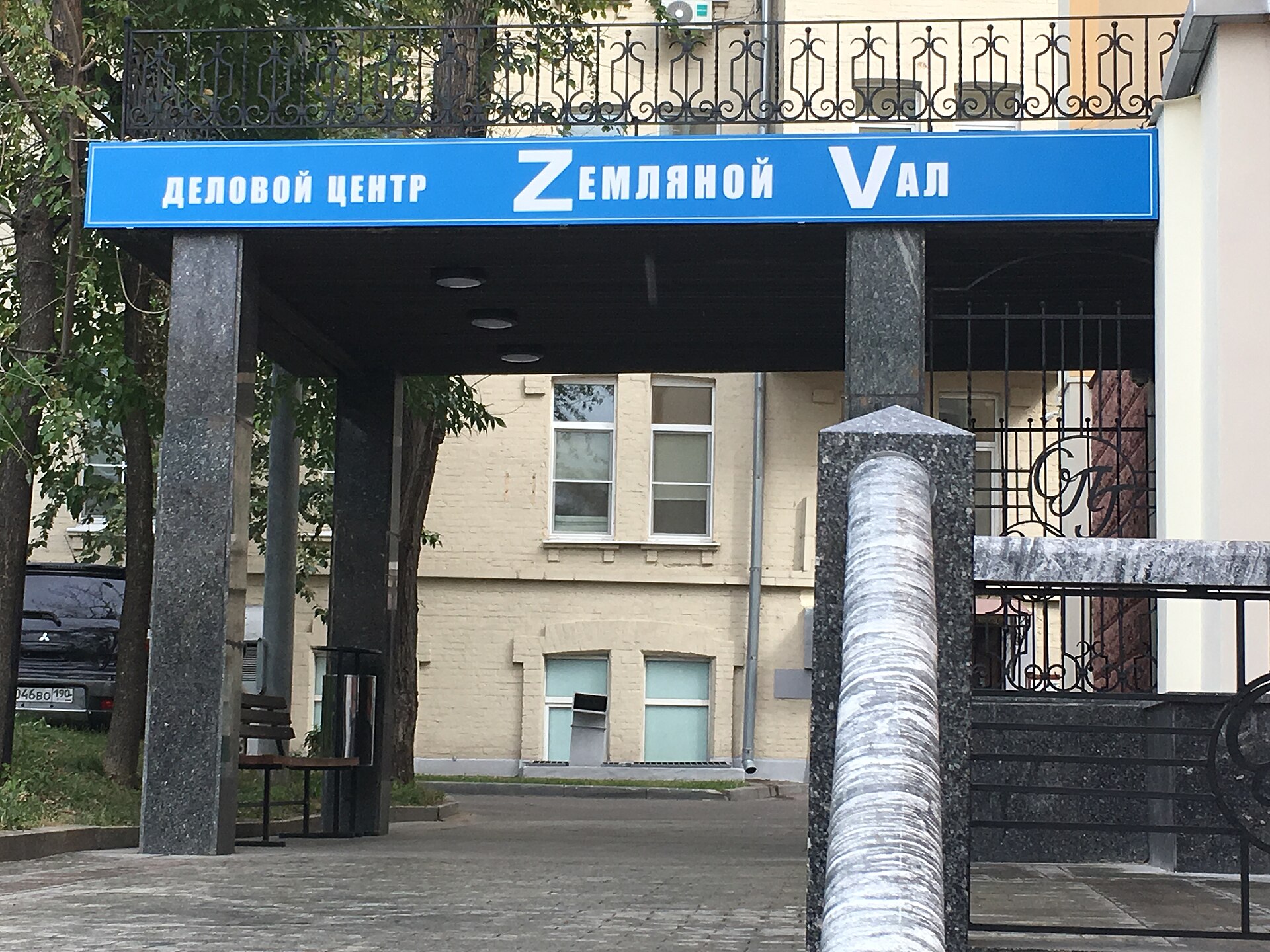
The war as purification. Specimen: the cult of victory in 1945, the letters Z and V painted on tanks and printed on children’s clothes; “important conversations&rdqu...
The Natural Hierarchy
Some peoples and individuals are naturally superior and entitled to rule.
Mechanism: Status competition, dominance, essentialist categorization
-
⇄ 8 · The Natural Hierarchy
8 · The Natural Hierarchy
A nation that is “not really a nation”. Specimen: RIA Novosti, 3 April 2022, What Russia should do with Ukraine: “denazification” as the dissolution of a...
The Sacred Collective
Through common symbols, rituals, gestures, and mass participation, we become one.
Mechanism: Emotional synchrony, behavioral imitation, ritual reinforcement
-
⇄ 9 · The Sacred Collective
 9 · The Sacred Collective
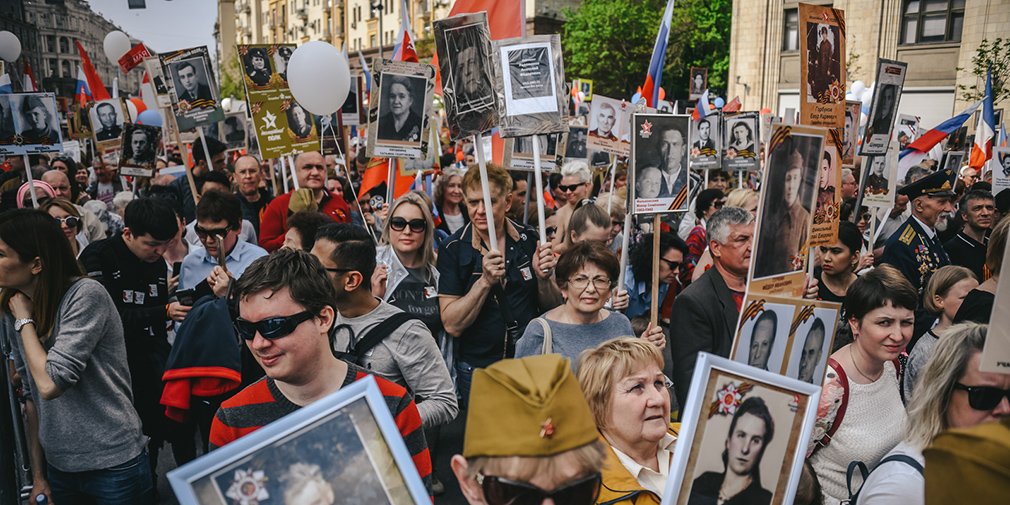
Carry your dead grandfather through Moscow. Specimen: the Immortal Regiment march, the St George ribbon, the Victory Day parade: emotional synchrony, ritual, imitation.
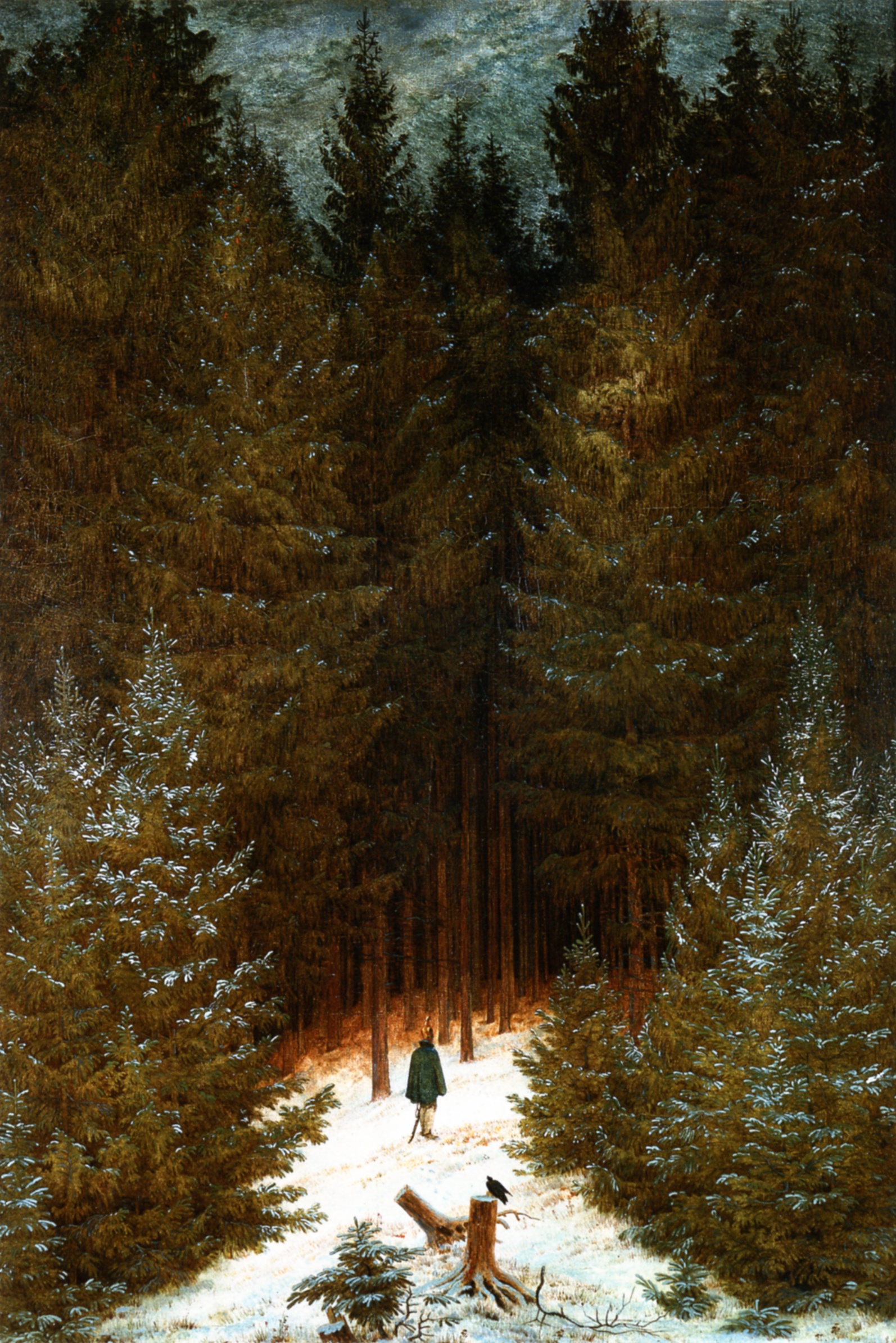
The Geo-Sentiment
Geo-sentiment (P. R. Sarkar, Neohumanism, 1982): attachment to one’s geographical environment.
“This land is ours by birth, blood, destiny and/or will of god(s). It is sacred, inseparable from our identity, and must be defended, purified, or reclaimed.”
Mechanism: place attachment, territorial identification, sacred-value attribution, in-group/out-group boundary formation, collective nostalgia, perceived territorial threat, emotional mobilization through geographical symbols.
-
⇄ 10 · The Sacred Soil
10 · The Sacred Soil
Land that is holy because it is ours. Specimen: Putin, 18 March 2014: Crimea has a “sacred meaning” for Russia, like the Temple Mount for Jews and Muslims. The Septe...
