Here is the thread we will follow: a number can be written down in many different ways — and the way you write it changes what you can do with it.That was true for Roman n...
Rome counted like this: I, V, X, L, C, D, M.No zero. No place value — the position of a symbol barely matters, only which symbols appear and in what combination.Try multip...
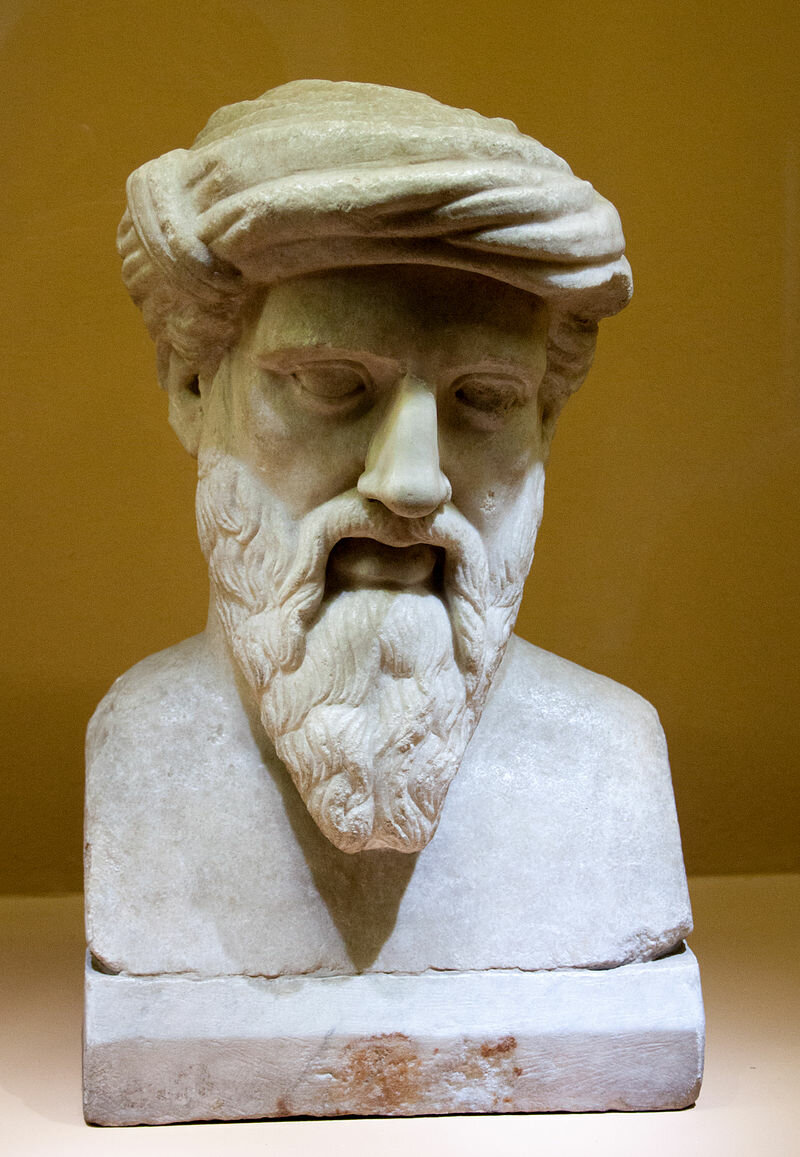
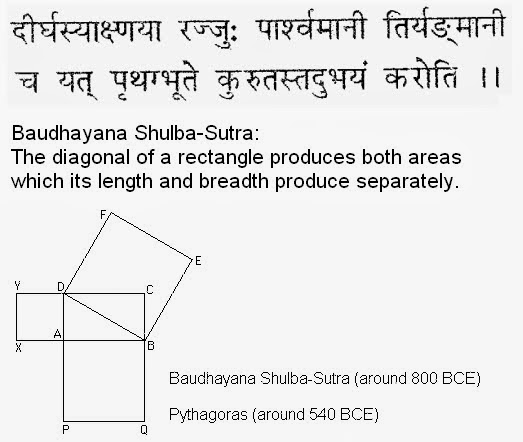
Centuries before Pythagoras, the Baudhayana Sulba Sutra (India, c. 800 BCE) already states the same relationship between the sides of a right triangle.The mathematics was not a ...
Every numeral system so far shares the same gap: no symbol for nothing.Without a zero, there is no clean way to write a number as a position-dependent code — and without p...
Zero emerges independently more than once: among the Maya of Mesoamerica, and in India, where the mathematician Brahmagupta (7th century CE) is the first to give it formal rules...
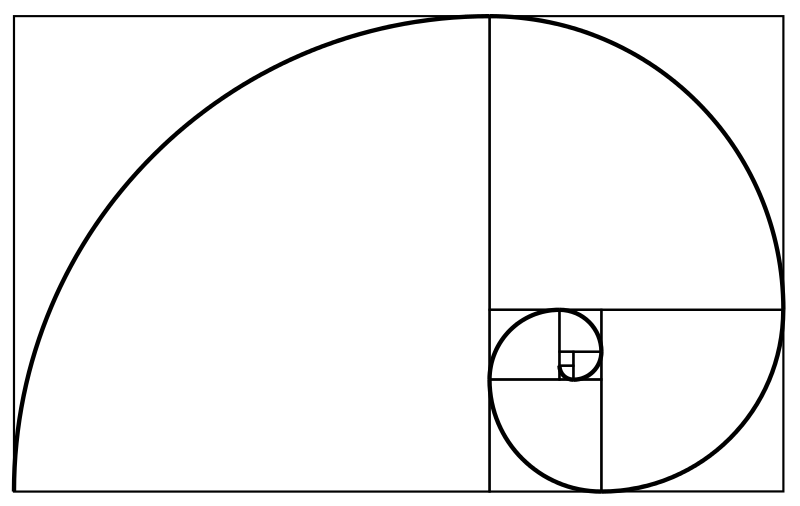
In 1202, Leonardo of Pisa — better known as Fibonacci — publishes Liber Abaci, introducing Hindu-Arabic numerals (zero included) to European merchants.The pitch was ...
Here is the real leap: the same ten symbols, re-used, mean something different depending on where they sit.106 and 160 use identical digits. Position alone carries the meaning.T...
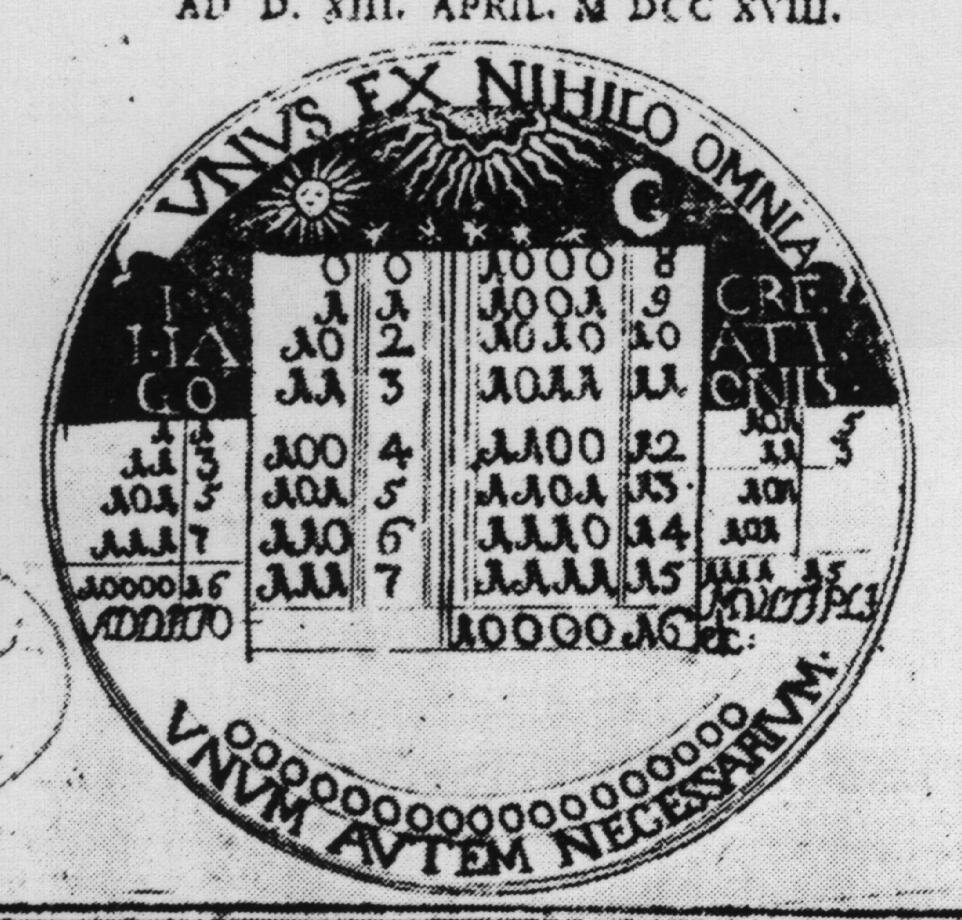
Gottfried Wilhelm Leibniz takes positional notation somewhere further: in 1703, he formally describes arithmetic in base 2 — binary.He was reportedly delighted to find the...
Binary is just another positional system — base 2 instead of base 10. Only two symbols: 0 and 1.That turns out to be the whole point. Building a reliable physical device w...
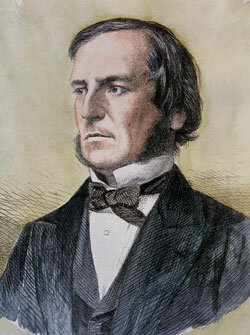
George Boole (1854) notices that 0 and 1 can represent more than quantity — they can represent truth: false and true.Boolean algebra — AND, OR, NOT — becomes t...
One binary digit is a bit. Group eight of them and you get a byte — 256 possible values.Hexadecimal (base 16) exists purely as a convenience: one hex digit covers exactly ...
So far: how a culture chooses to write a number. Now: how a machine chooses to store one — and why, in a modern AI system, that choice is no longer a historical curiosity....
Integer formats store whole numbers exactly. int8: one byte, 256 distinct values — typically -128 to 127.Floating-point formats trade some of that exactness for enormous r...
Both fp16 and bf16 use 16 bits total — half the size of ordinary fp32 — but split those bits differently.fp16 (IEEE half precision): 1 sign + 5 exponent + 10 mantiss...
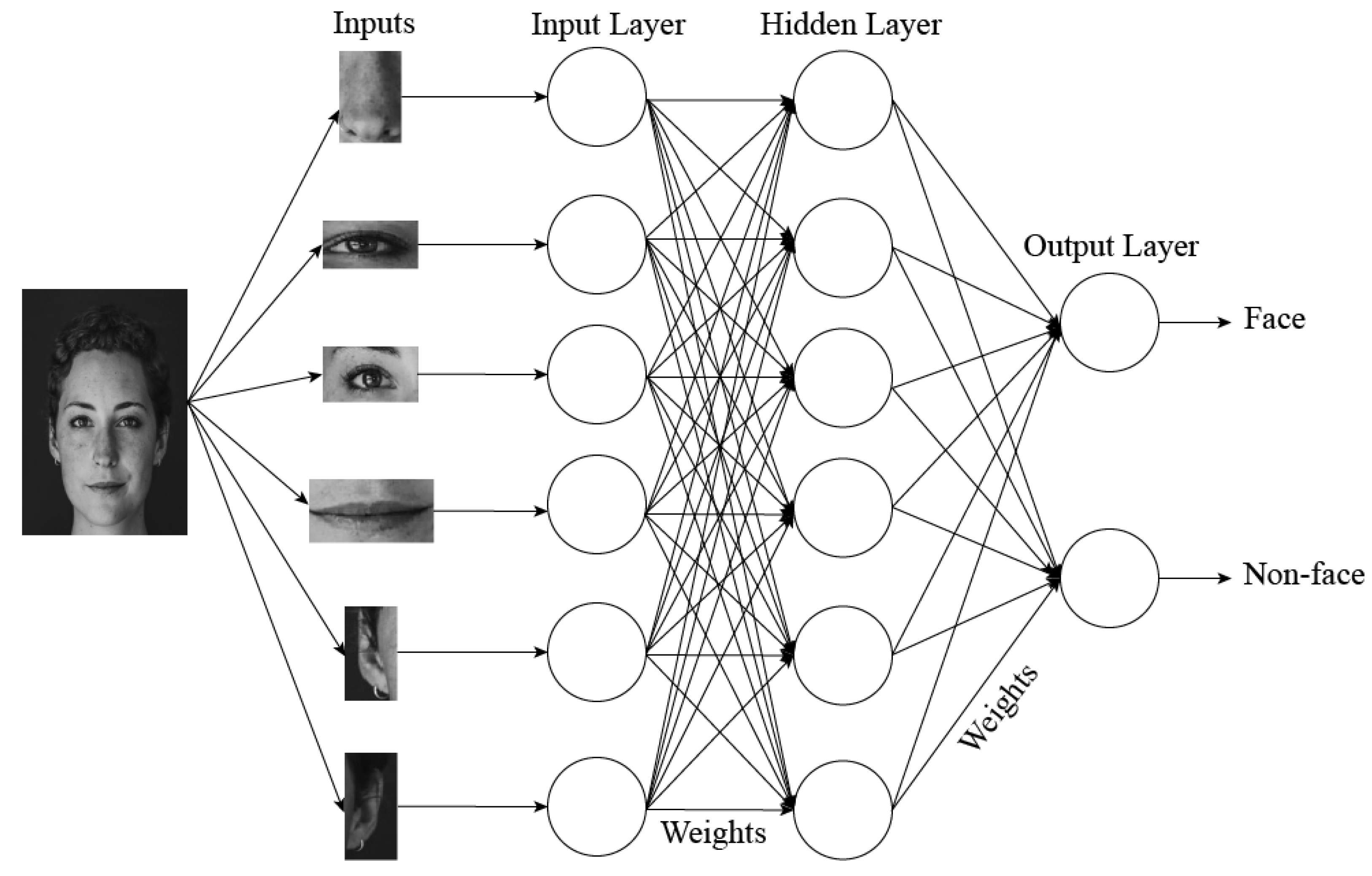
Models are usually trained in fp16, bf16, or fp32 — the precision that stability during training needs.Once trained, they are often quantized down to int8 for inference (a...
Take a real, current piece of edge-AI hardware: NVIDIA's Jetson AGX Orin (64GB module).NVIDIA's own published figure: up to 275 TOPS (trillion operations per second) running INT...
Pythagoras claimed number was the hidden structure of reality.Three thousand years later, the question "what exactly is this number, and how many bits does it cost to represent ...