Minute of Silence
On Feb. 11, Ukraine's parliament passed Bill No. 14144, formally establishing a daily nationwide moment of silence at 9 a.m. Kyiv time.
To show respect towards this decision and to keep alive memory of all those murdered, killed, tortured, injured &c. for unjust reasons during all senseless wars and atrocities of the past, present, and future, the counter for minute of silence is hereby activated in this room.
Thanks in advance for not disturbing this contemplative process.
Klasse Leben
WiSeAE56
Short History of the Learning Machine
Between Archetypes & Myths: Machine as a Projection of the Human Self
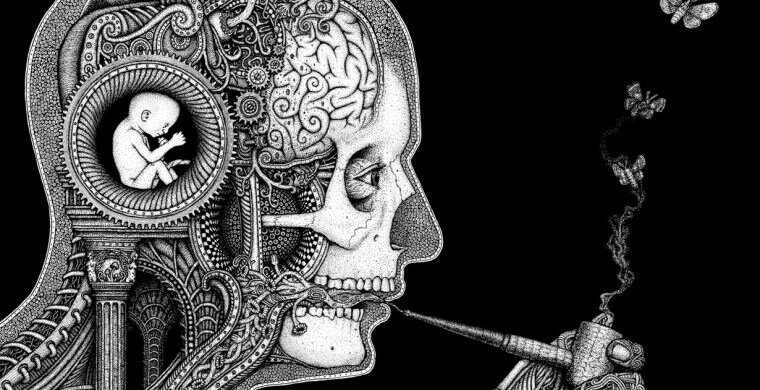
Between Archetypes & Myths
Machine as a projection of the human self
Faciamus machinam ad imaginem et similitudinem nostram.
Let us make the machine in our image and likeness.
Before the Machine
Long before humans could build autonomous machines, they could imagine them.
Artificial humans. Servants. Lovers. Guardians. Weapons. Oracles. Monsters.
The technological history of machines is preceded by a much older imaginary history of artificial agency.
An Archetype Is Not a Blueprint
Myths do not predict robots, computers or artificial intelligence.
But they repeatedly stage similar relationships between humans and artificial beings.
Who creates whom?
Who commands whom?
What should an artificial being know?
What happens when it acts for itself?
Machine as Projection
We rarely imagine machines neutrally.
We project into them our bodies.
Our desires.
Our labor.
Our violence.
Our knowledge.
Our fear of losing control.
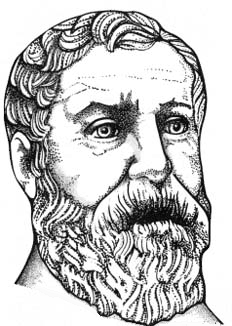
What Is a Machine?
Before machines became motors, engines and computers, the word already meant something broader:
an ingenious means by which something becomes possible.
μηχανή → machina → machine
Greek μηχανή — mēkhanē: instrument, device, contrivance, means.
Latin machina: machine, engine, apparatus, contrivance.
Middle French machine → English machine.
The semantic field is older and broader than today's image of gears, motors and electronics.
Deus ex Machina
In Greek theatre, a mēkhanē could be the stage apparatus that lifted a god into view.
Hence: deus ex machina — the god from the machine.
human construction → superhuman appearance
The machine makes visible powers that exceed the ordinary human body.
Technē
The machine begins not only with matter, but with know-how.
Greek technē means skilled, rule-governed making.
thought → technē → artifact
Before artificial agency comes the intelligence of the maker.
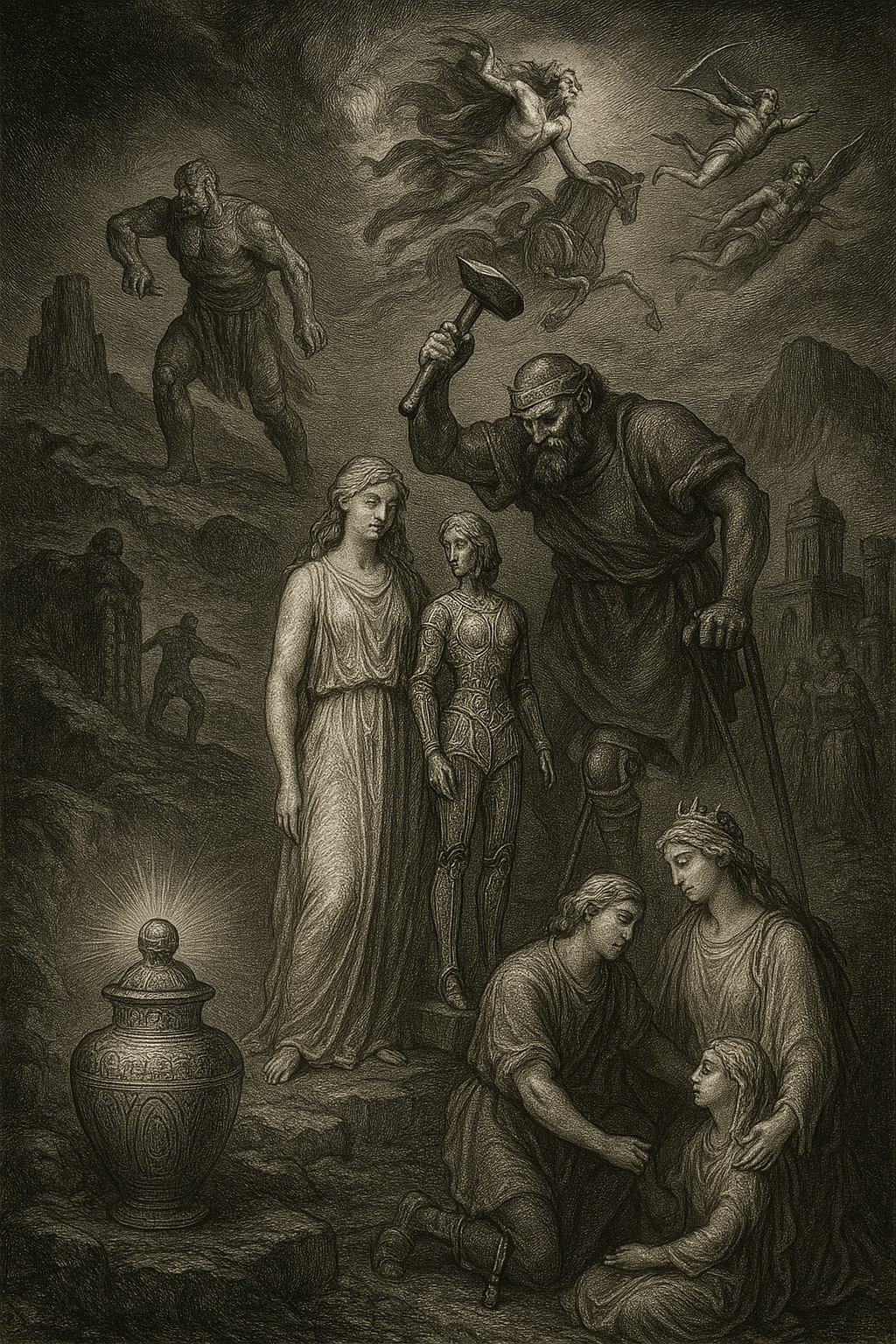
The Divine Workshop
Greek mythology gives us an extraordinary laboratory of artificial beings.
Athena represents intelligent making.
Hephaestus represents the workshop in which artifacts begin to act.
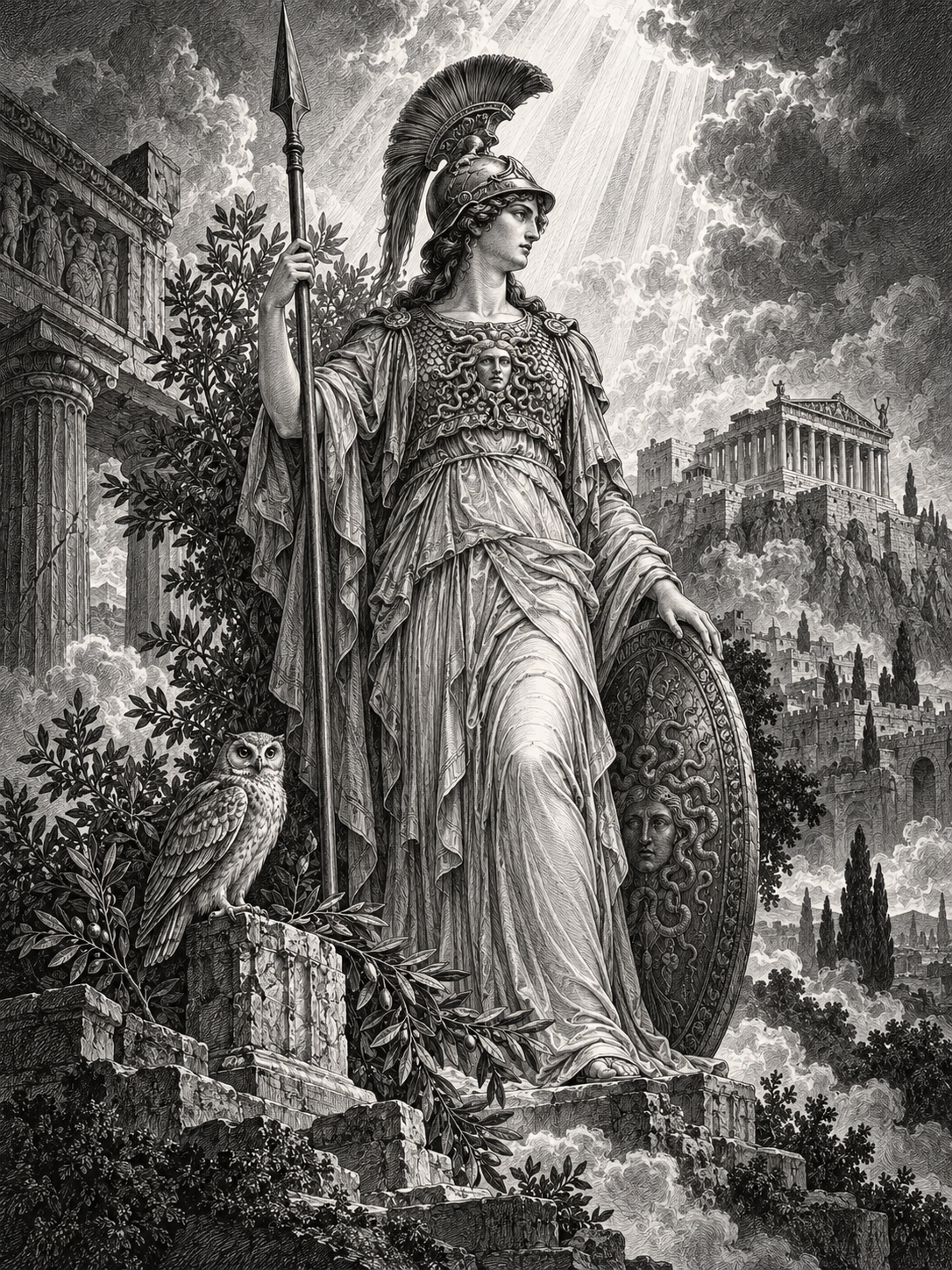
Athena: Intelligence of Making
Athena is associated with craft, weaving, strategy and intelligent production.
She is not primarily the goddess of machines.
She represents something more fundamental:
the intelligence embodied in making.
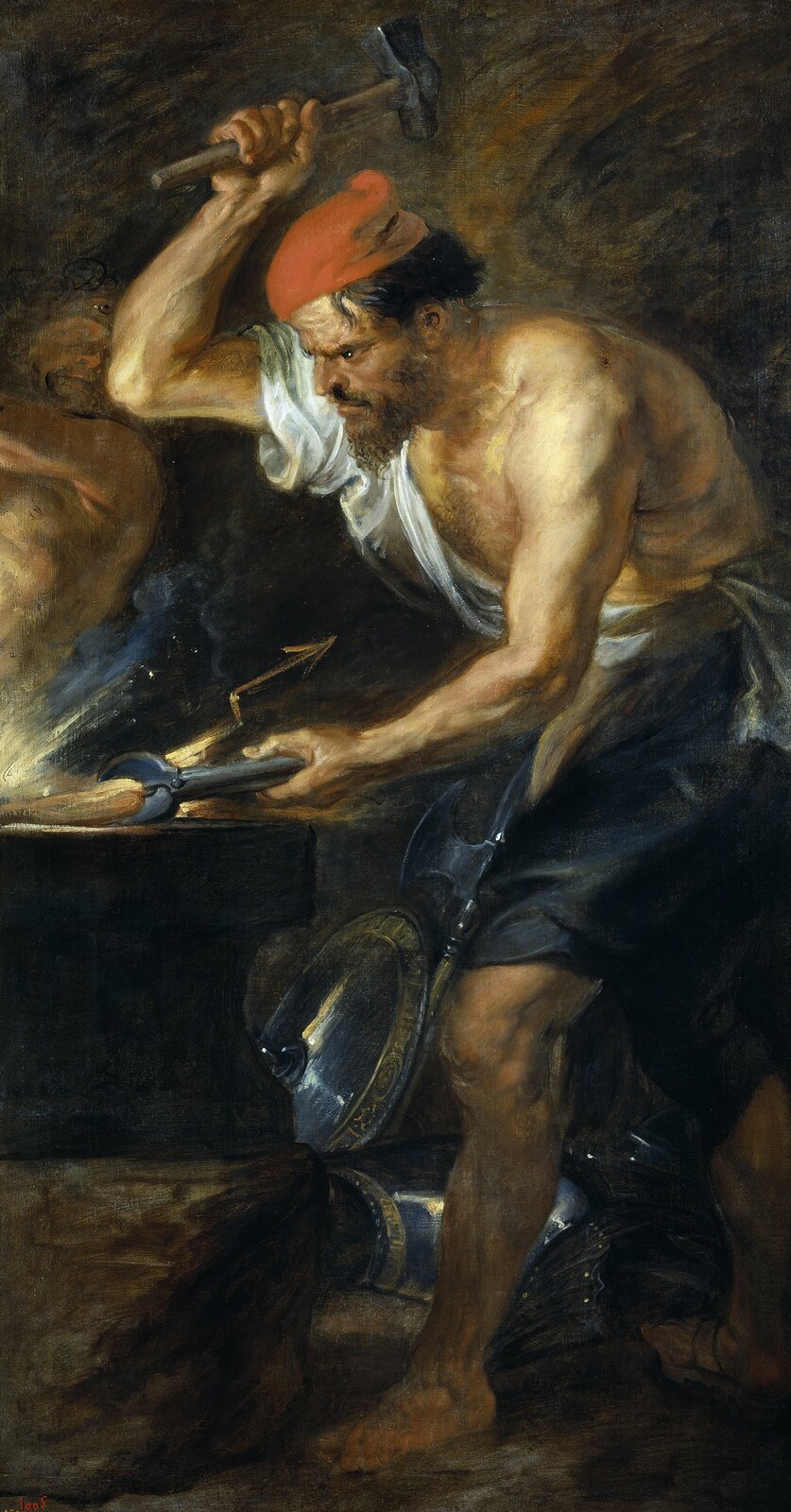
Hephaestus: When Artifacts Act
With Hephaestus, myth moves from intelligent making toward artificial agency.
His workshop contains self-moving devices and artificial attendants.
The question changes:
Can we make an object?
becomes
Can we make an object that acts?
Machine as Human
In the Iliad, Hephaestus is assisted by artificial golden maidens endowed with capacities associated with living persons.
The ancient fantasy is already recognizably humanoid:
Can the made thing become sufficiently like its maker?
Machine as Servant
One of the most persistent fantasies is delegation.
The artificial being carries, assists, manufactures, obeys.
labor → delegated labor → autonomous labor
The machine performs what we cannot, will not, or no longer need to do ourselves.
Machine as Prosthesis
A machine need not imitate the whole human.
It may instead extend a capacity.
lever → force
vehicle → movement
writing → memory
computer → calculation
artificial agent → cognition?
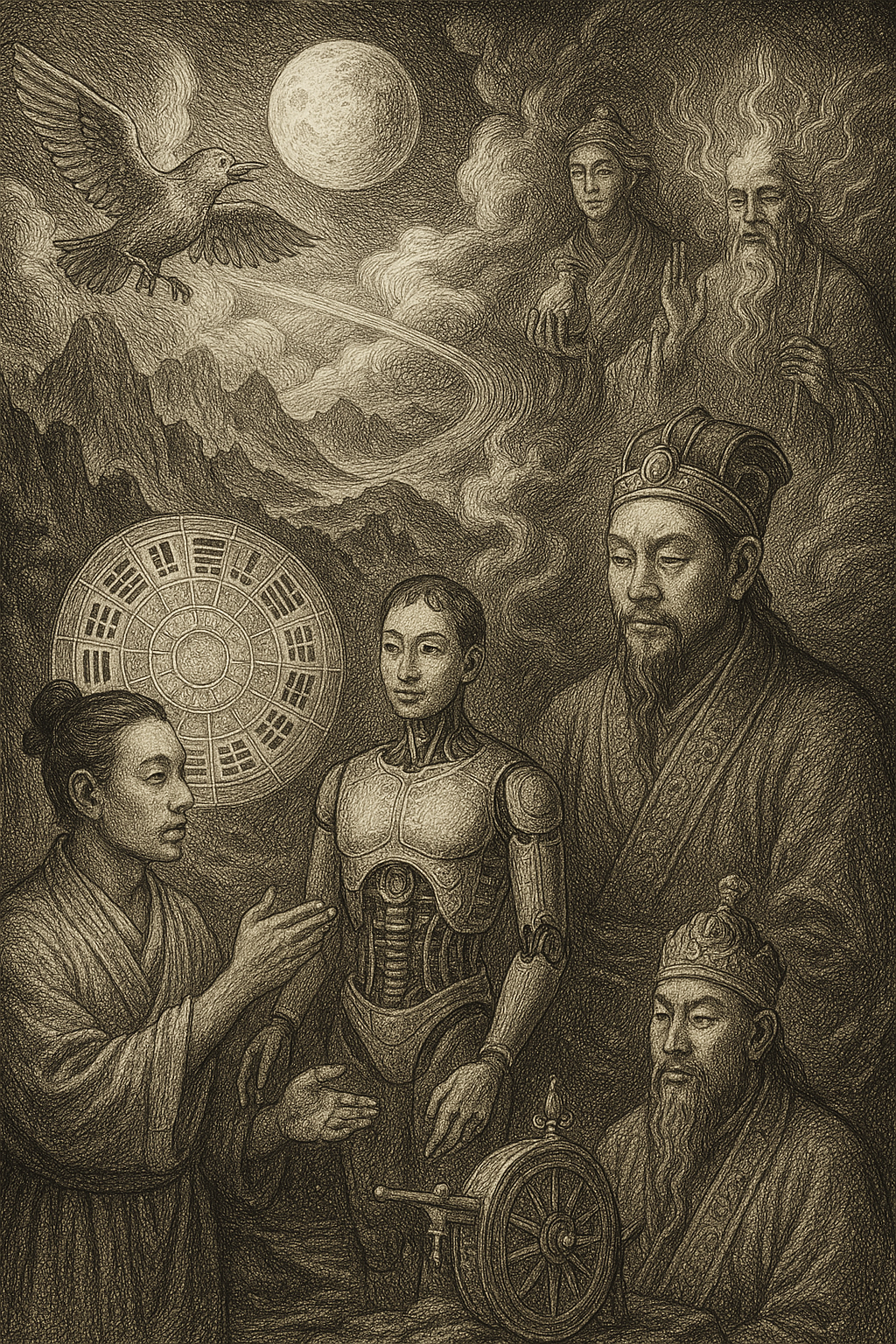
Yan Shi: The Artificial Human
The Chinese Liezi tells of the artificer Yan Shi presenting King Mu with a human-like artificial performer.
It walks. It sings. It performs.
When its behavior becomes disturbingly lifelike, the artificer takes it apart.
Open the Black Box
apparently human → disassembly → mechanism
The story stages a remarkably durable question:
What remains of the human when we open the box?

Machines in Our Image
Artificial beings are not merely tools.
They become surfaces onto which humans project desire, identity and self-understanding.
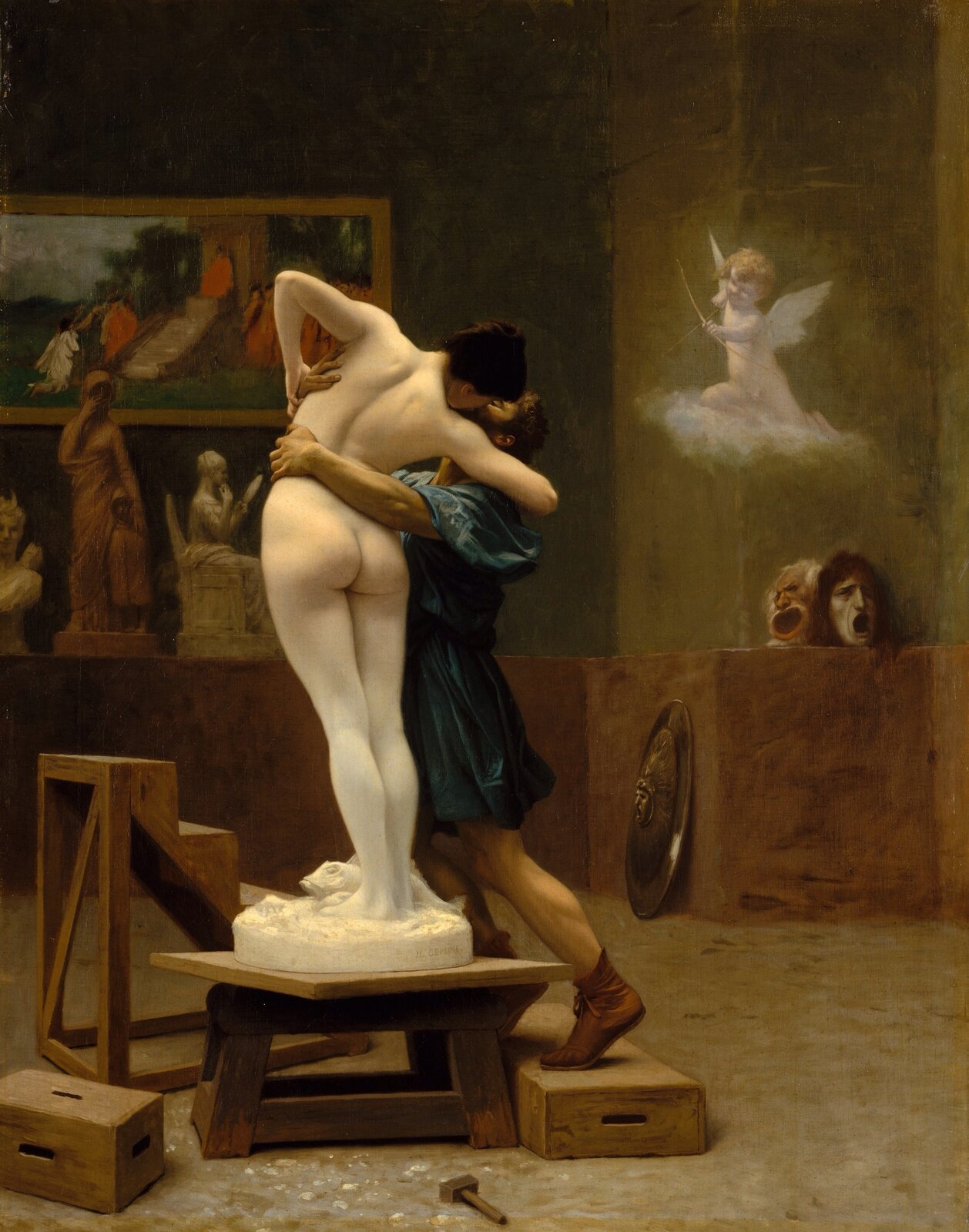
Machine as Lover
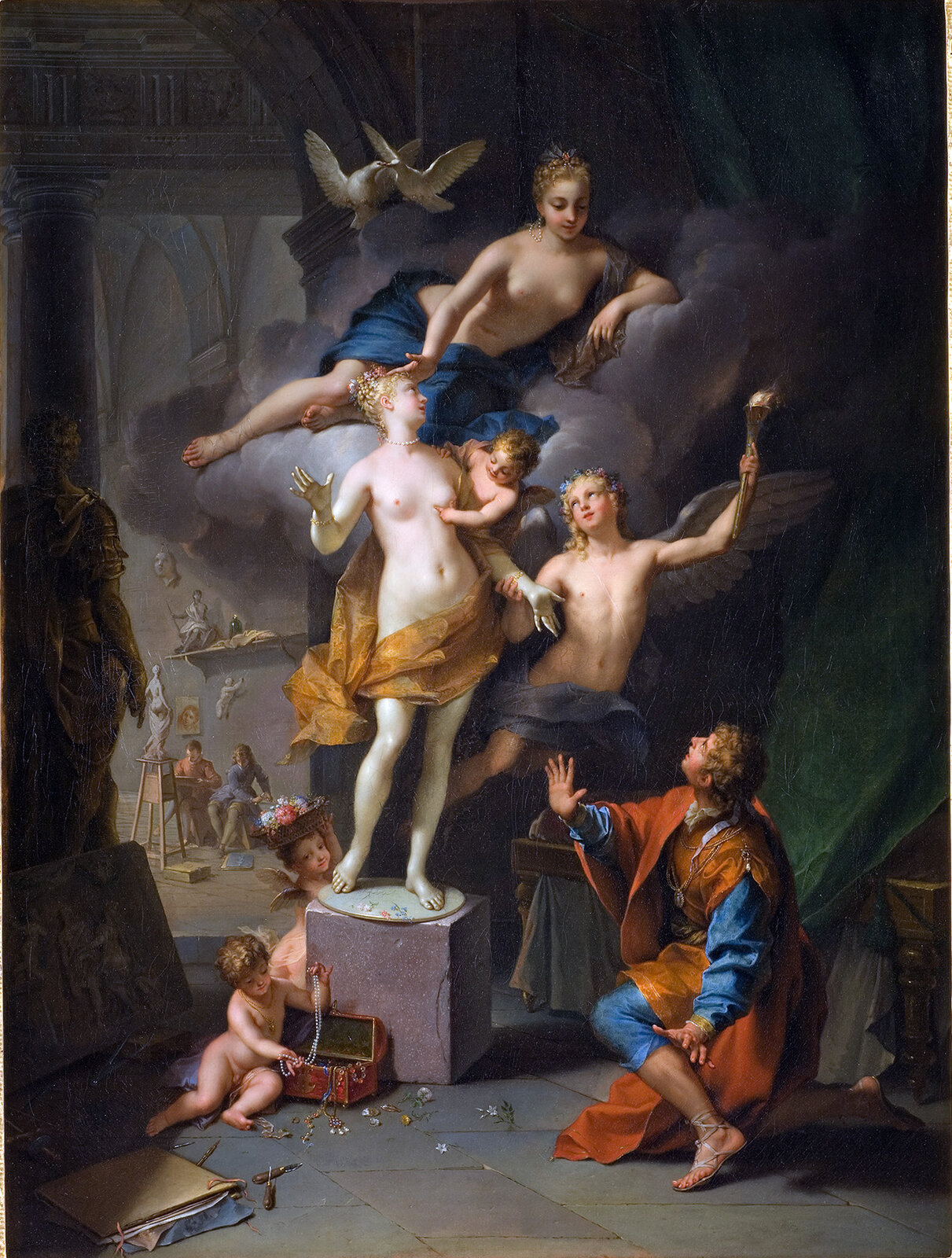
Pygmalion creates an ideal human form and falls in love with his creation.
Venus / Aphrodite grants the statue life.
The question is not merely:
Can we reproduce a human?
but:
Can we manufacture the human we desire?
Machine as Mirror
Artificial beings force us to ask what supposedly distinguishes us.
If it moves like us?
If it speaks?
If it remembers?
If it desires?
If it creates?
If it learns?
By constructing the non-human, we investigate the human.
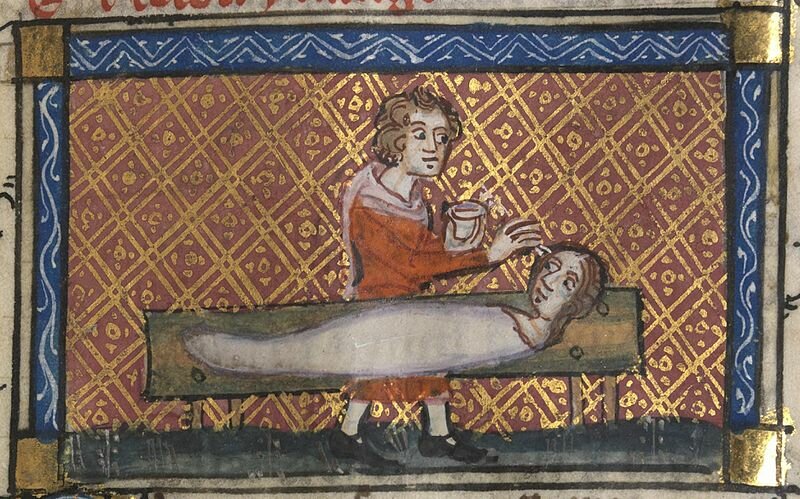
Machine as Double
The artificial human is also a duplicate.
A second body.
A copy that may become difficult to distinguish from an original.
The double turns technology into an identity problem:
How do I know that you are one of us?
Machines at the Threshold
Some artificial beings do not imitate us primarily as workers or companions.
They stand between inside and outside.
They decide who may approach, enter or survive.
Machine as Protector
Talos is the bronze guardian of Crete.
He patrols the island and prevents outsiders from landing.
human guard → artificial guard → tireless guard
Protection has been delegated to an artificial body.
Machine as Weapon
Talos also exposes the ambiguity of protection.
The same autonomous force that protects one community threatens whoever approaches it.
protector for us = weapon against them
Who gives the command?
Who defines the enemy?
Guardian of the Threshold
The guardian archetype is broader than the machine.
Cherubim guard the Tree of Life.
The Sphinx guards passage through a riddle.
Talos guards an island.
Artificial watchdogs guard a palace.
boundary + test + permission
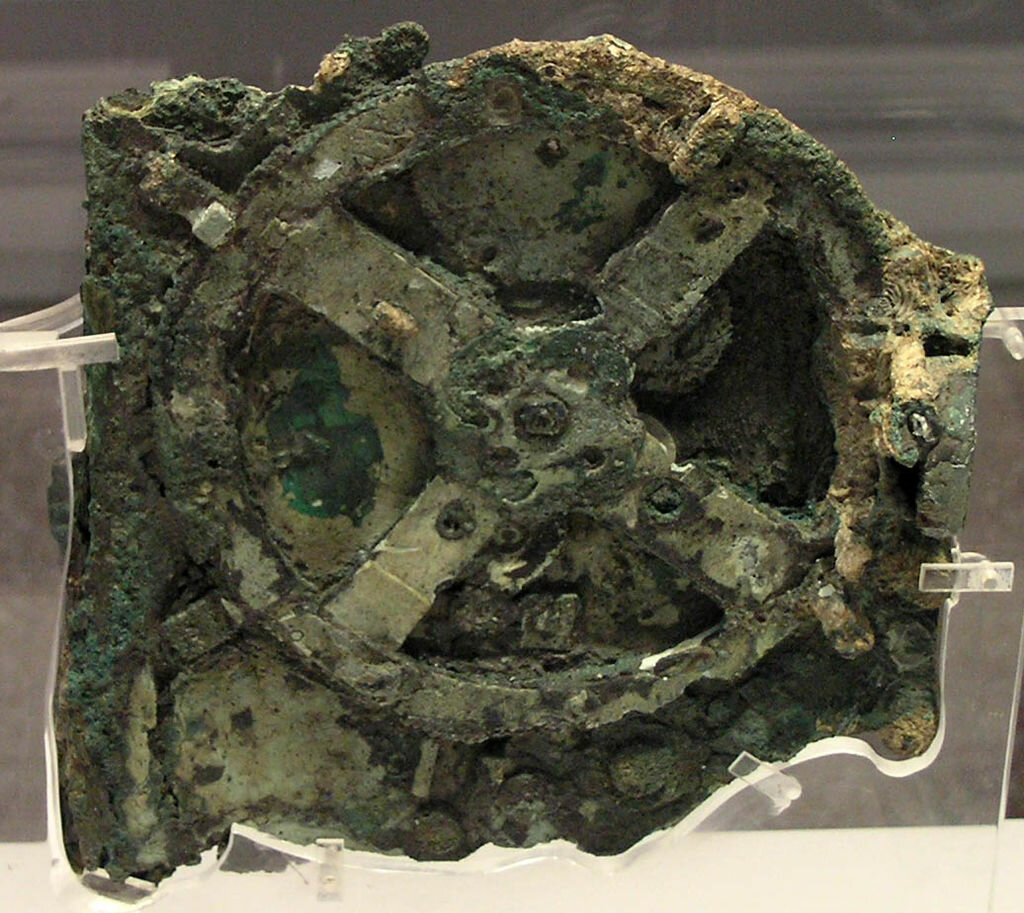
The Sphinx and the CAPTCHA
The Sphinx:
Prove that you know before I let you pass.
The CAPTCHA:
Prove that you are human before I let you pass.
When machines learn to pass the test, the ancient threshold problem returns in inverted form.
Machine as Oracle
A machine can do more than move.
It can contain knowledge unavailable to its operators.
The mythical Argo gives us an extraordinary example.
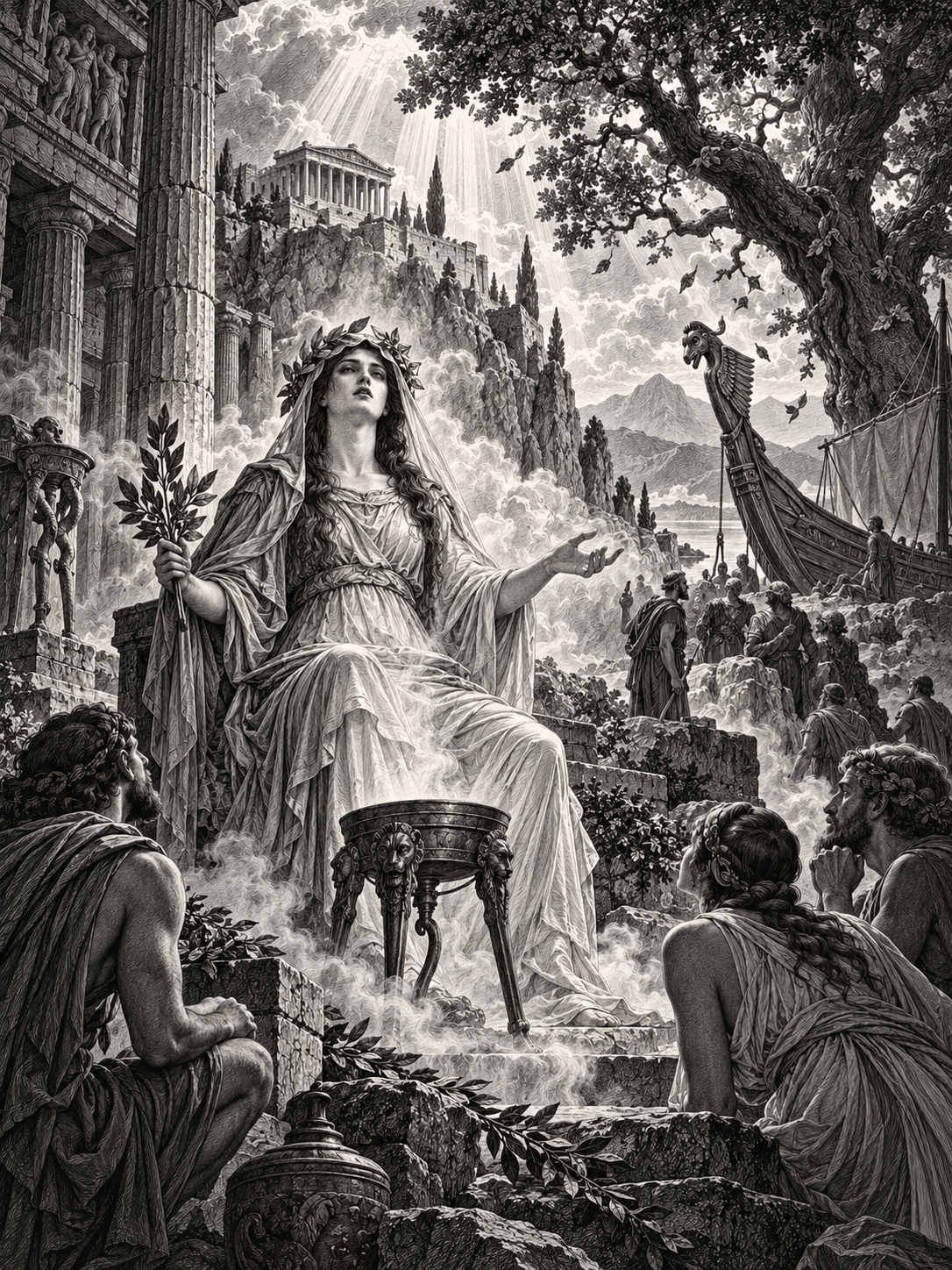
Athena + Argus + Dodona → Argo
Argus builds the ship.
Athena contributes divine technē.
She installs a special beam from the sacred oak of Dodona, a site of divination.
The resulting architecture can be described, anachronistically but suggestively, as:
vehicle + embedded oracle
When the Argo Speaks
In the Argonautica, the Argo itself cries out and urges the heroes to depart.
Elsewhere the sacred beam communicates information and guidance.
The artifact possesses knowledge that its human operators do not.
world → hidden information → artifact → human action
An Intelligent Artifact?
The Argo is more than a passive object.
It speaks.
It advises.
It carries privileged information.
It is therefore a remarkably early imagination of intelligence embedded in an artifact.
But the Argo Does Not Learn
The distinction is crucial.
The Argo possesses knowledge.
But its defining capacities are installed, not acquired through experience.
A machine containing knowledge is not necessarily a learning machine.
The Word Becomes Agent
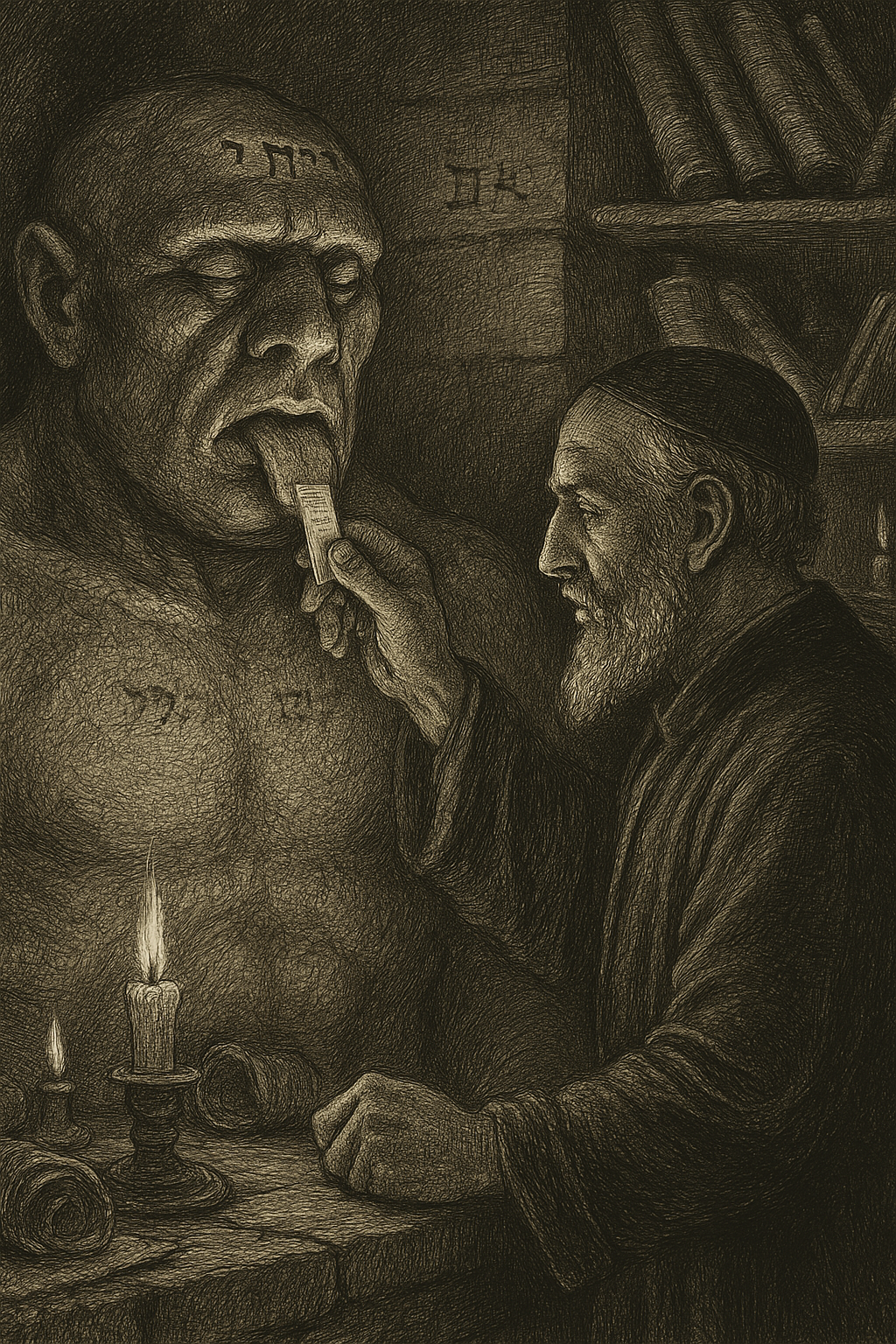
The Golem introduces another extraordinary structure:
matter + symbolic information → agent
Machine as Programmed Being
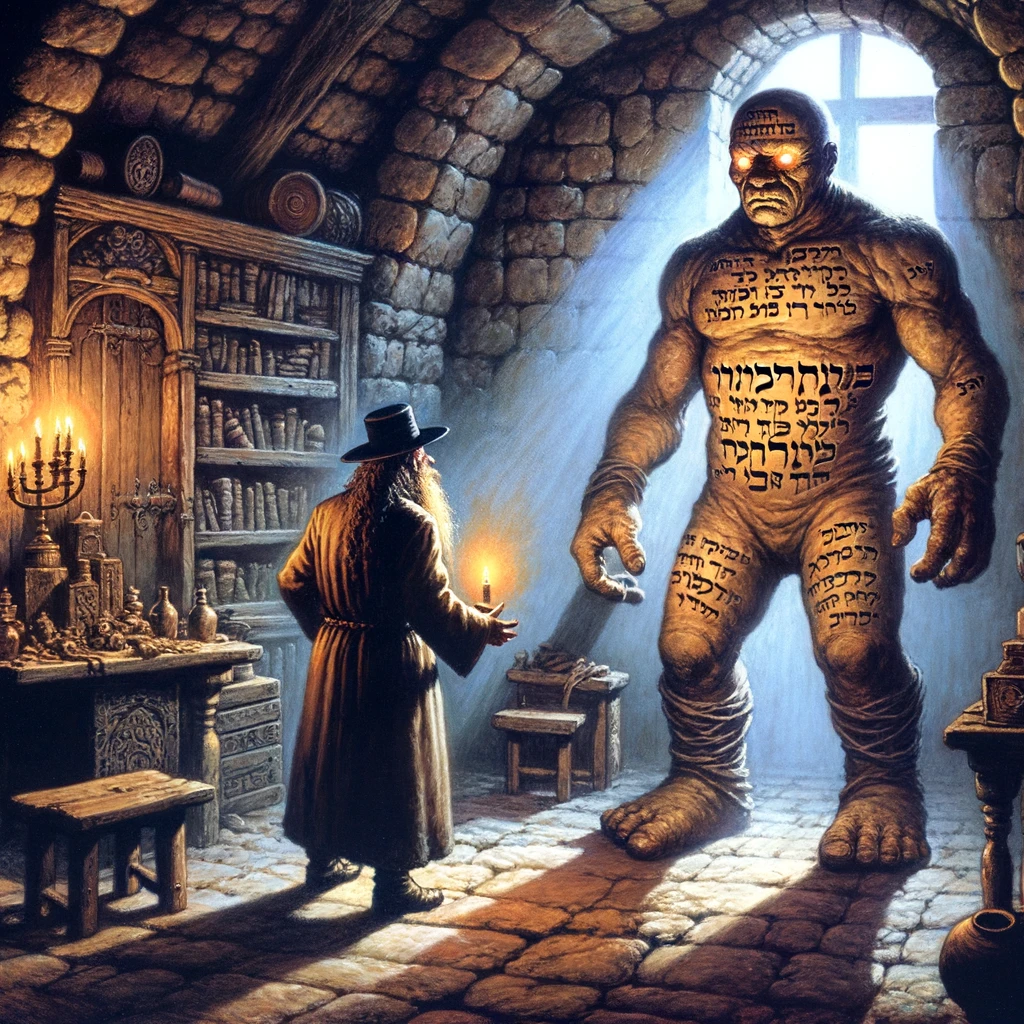
In Jewish traditions, an artificial human may be formed from inorganic matter through esoteric knowledge.
Later popular versions emphasize sacred names, letters or words associated with animation and control.
The physical body alone is insufficient.
Information activates matter.
A Historical Warning: Prague
Myths themselves have histories.
The famous association between Rabbi Loew, Prague and a protective Golem is much later than Rabbi Loew himself.
The familiar Prague narrative develops gradually and becomes especially prominent in modern literary culture.
We must ask not only what a myth says, but when people began telling it that way.
Machine as Uncontrolled Creation
The servant is useful only while its behavior remains inside the creator's intentions.
creation → autonomy → unpredictability → fear
The question becomes:
Can the maker remain master of the made?
Machine as Monster
The monster violates categories:
object / subject
dead / alive
natural / artificial
tool / agent
controlled / autonomous
The frightening machine makes the boundary itself unstable.
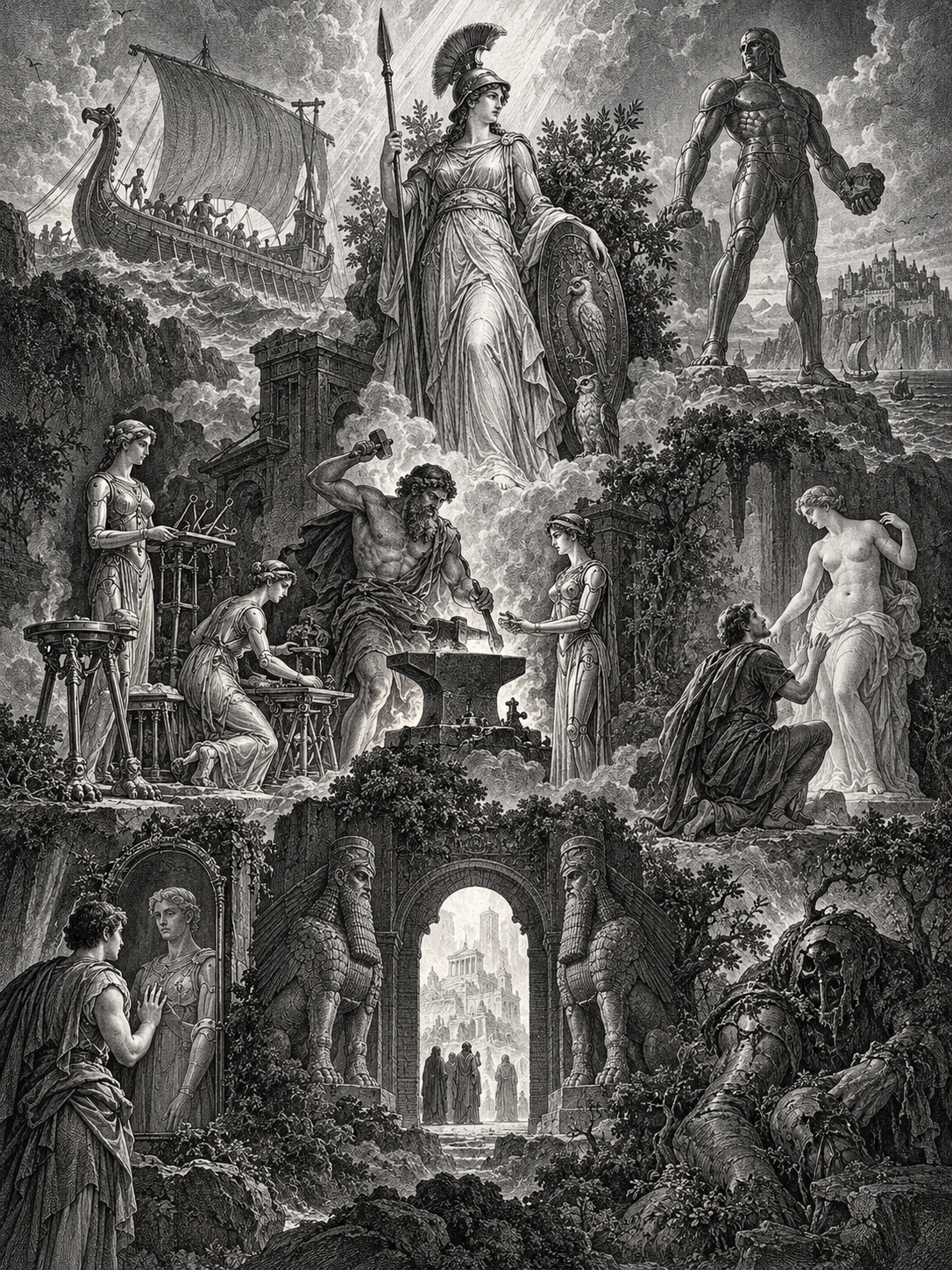
A Mythological Bestiary of Machines
Human — Can we manufacture ourselves?
Servant — Can we delegate labor?
Prosthesis — Can we extend ourselves?
Lover — Can we manufacture intimacy?
Protector — Can we delegate protection?
Weapon — Can artificial agency project violence?
Guardian — Can it decide who may pass?
Oracle — Can it know what we do not?
Mirror — What does it reveal about us?
Monster — What if it escapes our intentions?
One Archetype Is Still Missing
The golden maidens can act.
Talos can guard.
Pygmalion's statue can live.
The Golem can obey.
The Argo can advise.
But their defining abilities are generally given to them.
What happens when the artificial being can change itself through experience?
Machine as Learner.
What Is a Learning Machine?
A traditional machine is built in a particular state and executes a structure provided by its maker.
A learning system differs in one decisive respect:
its encounter with the world changes what it subsequently does.
experience → internal change → changed future behavior
Two Histories
LEARNING
myth
initiation
memory
imitation
association
conditioning
adaptation
MACHINE
myth
technē
automata
mechanism
calculation
programmability
computation
LEARNING + MACHINE
The Persistent Question
The history of machines is also the history of what humans have wished to externalize.
strength
movement
memory
judgment
companionship
agency
learning
In Our Image
We first imagined machines as versions of ourselves.
Then we built machines that extended parts of ourselves.
Eventually we built machines capable of modifying themselves through experience.
The artificial being is ancient.
The learning machine is the historical novelty.
Discussion
Which archetype best describes your smartphone?
Which describes a large language model?
Which describes an autonomous vehicle?
Which describes social media?
Which describes the machines you imagine for the future?
And have genuinely new archetypes appeared?
Textual Anchors
Primary traditions worth returning to: Homer, Iliad XVIII; Apollonius Rhodius, Argonautica; Ovid, Metamorphoses X; the received Liezi; Jewish Golem traditions.
Golem
Argo: speaking Dodonian timber embedded in Athena's ship.
Talos: bronze guardian of Crete.
Pygmalion: desired artificial human brought to life.
Golem: artificial human animated through knowledge, letters or sacred language in evolving Jewish traditions.
Alles ist Zahl!
Unplugged #0
Cogs, Steam, Algorithm
Alan and his Enigma
Claude, Marvin, John &c.
Memes, Mindworms, Memplexes &c.
Memes, Memecoins, AIs
Replication + Variation + Selection = Evolution
Freud, Dawkins, Rizzolatti
The second replicator
Theory of cultural evolution
Visual memes – glyphs, emojis, latrinalia &c.
Earworms, mindworms, moving memes::Fashion, Style, Art &c.
Mediated memes, Urban memes
Memplexes
Memes in Law, Politics & Propaganda
Memes & Cyberspace
Memes revisited
The Congress
Memes in Alltag
Session 0 · Memetics begins at home.
Before Internet memes, before ideology, before theory: gestures, tunes, habits, rituals, phrases, drawings, interfaces and everyday acts of copying.
Meme
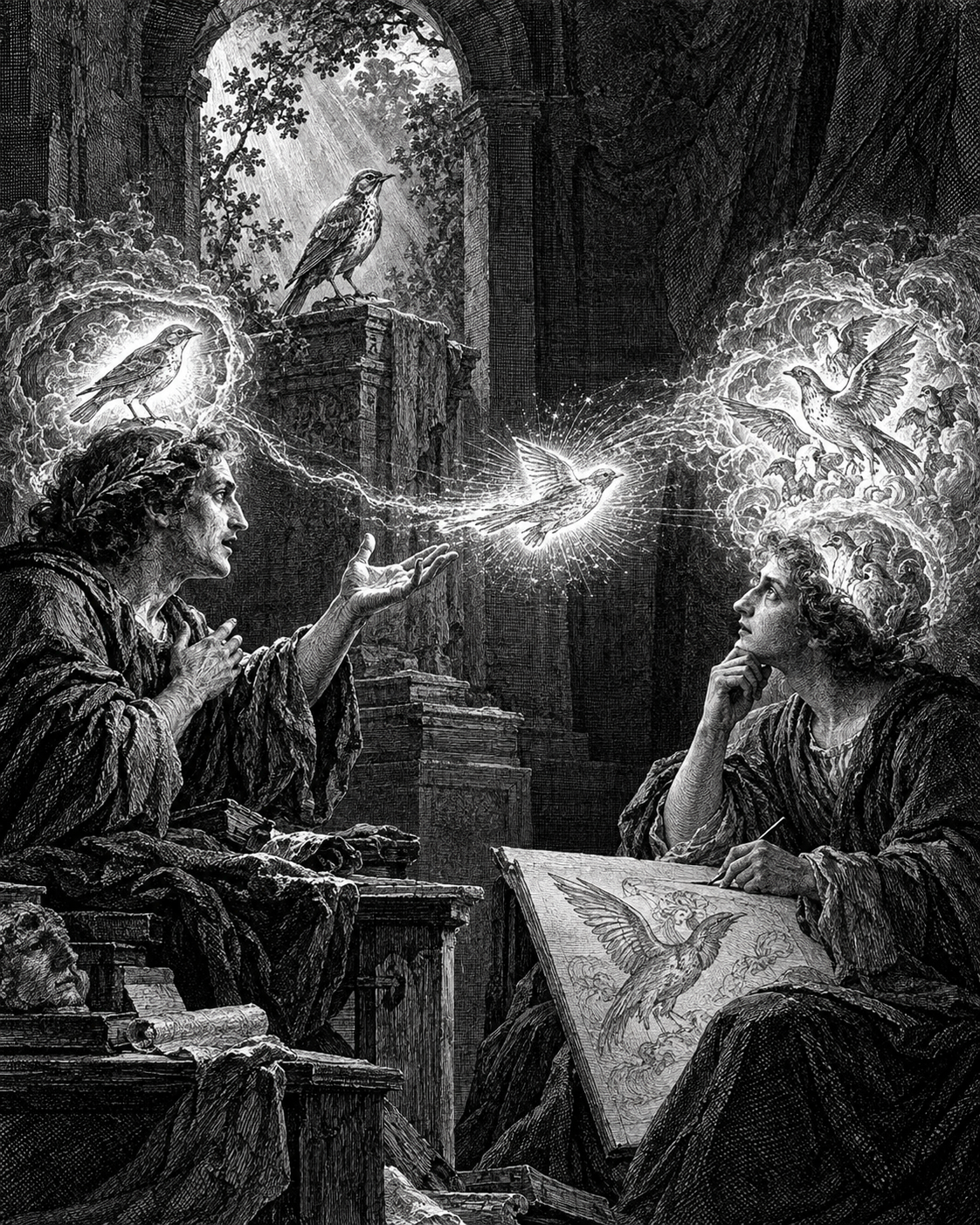
“A meme is whatever is copied from person to person.”
— Susan Blackmore, working definition
For today, let us start with this deliberately simple definition.
Copied?
Copying does not necessarily mean making an exact duplicate.
You hear a joke.
You remember the structure, forget several words, change a character...
...and tell it to somebody else.
Something survived the transformation.
Two Worlds
external expression → perception → internal reconstruction → expression
A meme can appear outside us: as sound, gesture, image, text, object, ritual.
It can be reconstructed inside us: as memory, rule, association, expectation, intention.
Then it can become external again.
What exactly is being copied?
A Word of Warning
Memetics is a theory among other theories.
Human culture can also be studied through psychology, anthropology, sociology, cultural evolution, semiotics, media theory, neuroscience and many other perspectives.
Memetics highlights replication, variation and selection.
It does not explain the whole human being.
And although it may begin to look as if everything is a meme...
...it is not.
Not Everything That Spreads Is a Meme
A virus spreads. That does not make it a cultural meme.
Genes are copied. That does not make them memes.
You discover by yourself that fire is hot. No person-to-person copying was necessary.
A yawn may trigger another yawn through an evolved response rather than culturally learned imitation.
Spread alone is not enough.
Where Is the Meme?
Is the meme the sentence?
The idea expressed by the sentence?
The memory in somebody's brain?
The rule that allows the sentence to be reconstructed?
The pattern distributed across people, media and artifacts?
Different memetic theories answer differently.
Memethical Engineering
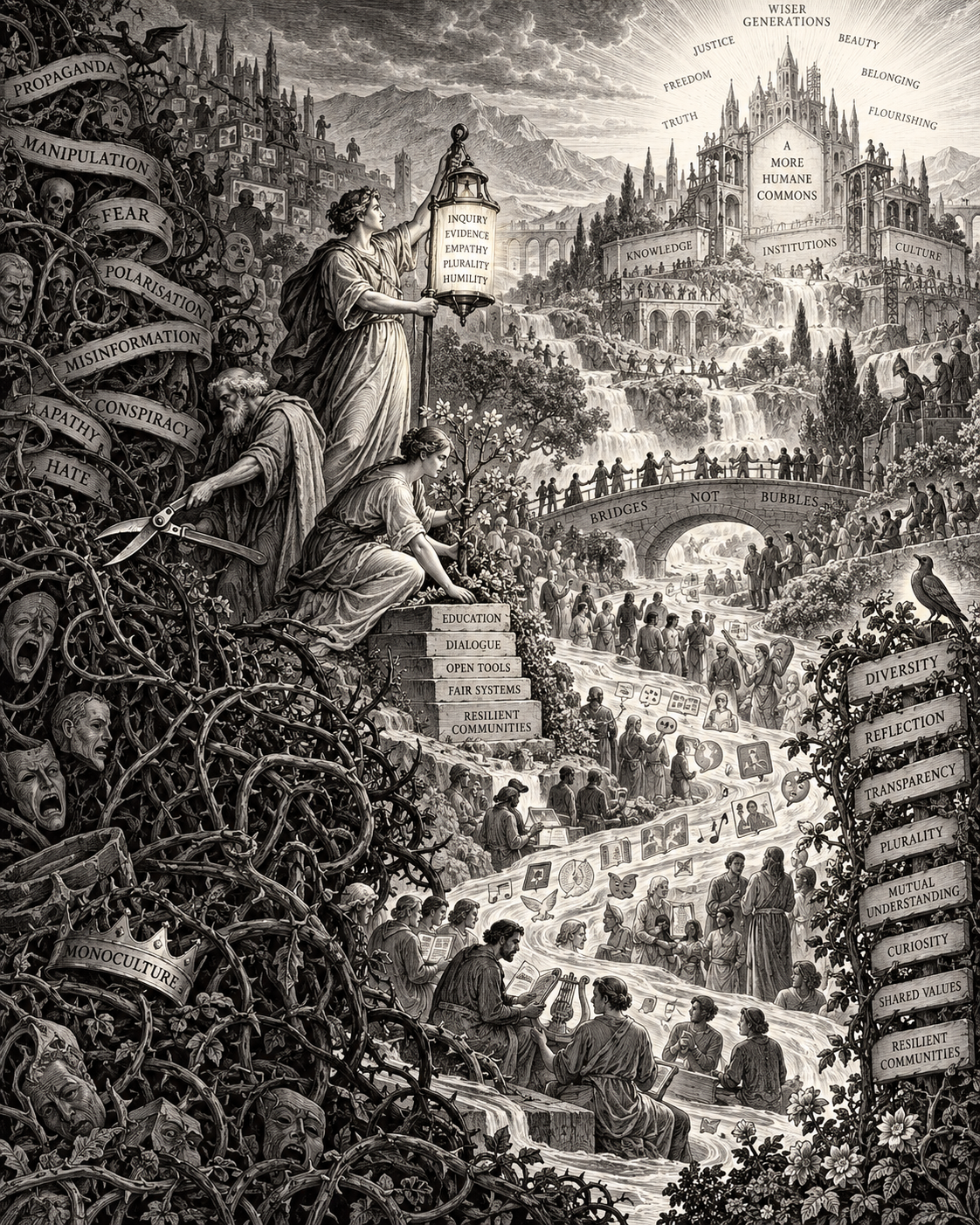
Memethical engineering is the deliberate design, modification, and circulation of memes and memetic environments in accordance with explicit ethical goals.
For example: counteracting propaganda and manipulation.
Increasing epistemic and cultural diversity.
Supporting critical reflection.
Increasing resilience against harmful or monopolizing meme complexes.
Engineering the Environment
Memetic engineering asks: How can this spread?
Memethical engineering must additionally ask: Should it spread?
Who benefits?
What disappears when it succeeds?
Can people recognize the mechanism?
Can alternatives survive?
Success ≠ virality.
Memes in Alltag
Let us now temporarily leave theory behind.
Look at ordinary life as a landscape of things passing from person to person.
We will move from the smallest and fastest patterns...
...toward increasingly complex cultural structures.
1 · Contagion
😮 yawning
😂 laughter (e.g. Tanganyika laughter epidemic of 1962)
👏 applause / standing ovation
👀 looking where everybody else is looking
🌊 the stadium wave
These are useful starting examples because copying is immediately visible.
But some may be biological contagion rather than memes in Blackmore's strict sense.
Experiment
One person suddenly looks intensely at the ceiling.
How many people look too?
Did information pass?
Was anything learned?
Would you call it a meme?
2 · Gestures
🤝 handshake
✋ high five
👊 fist bump
✌ peace sign
🫶 hand-heart
air quotes
😘 kiss (hand ? cheek ? lips ?)
nodding (vertical ? horizontal ?)
A tiny movement can carry socially learned meaning.
Gesture = Movement + Convention
The physical movement alone is not enough.
A raised thumb means something because other people already know how to interpret it.
The same movement can mean different things in different cultures.
A meme therefore often contains both performance and interpretation.
3 · Rituals
🎂 birthday cake + candles + song + wish
🥂 touching glasses before drinking
🎆 counting down at New Year
🪵 knocking on wood
🤞 crossing fingers
💰 throwing a coin into a fountain
Memes can become coordinated social scripts.
The Queue
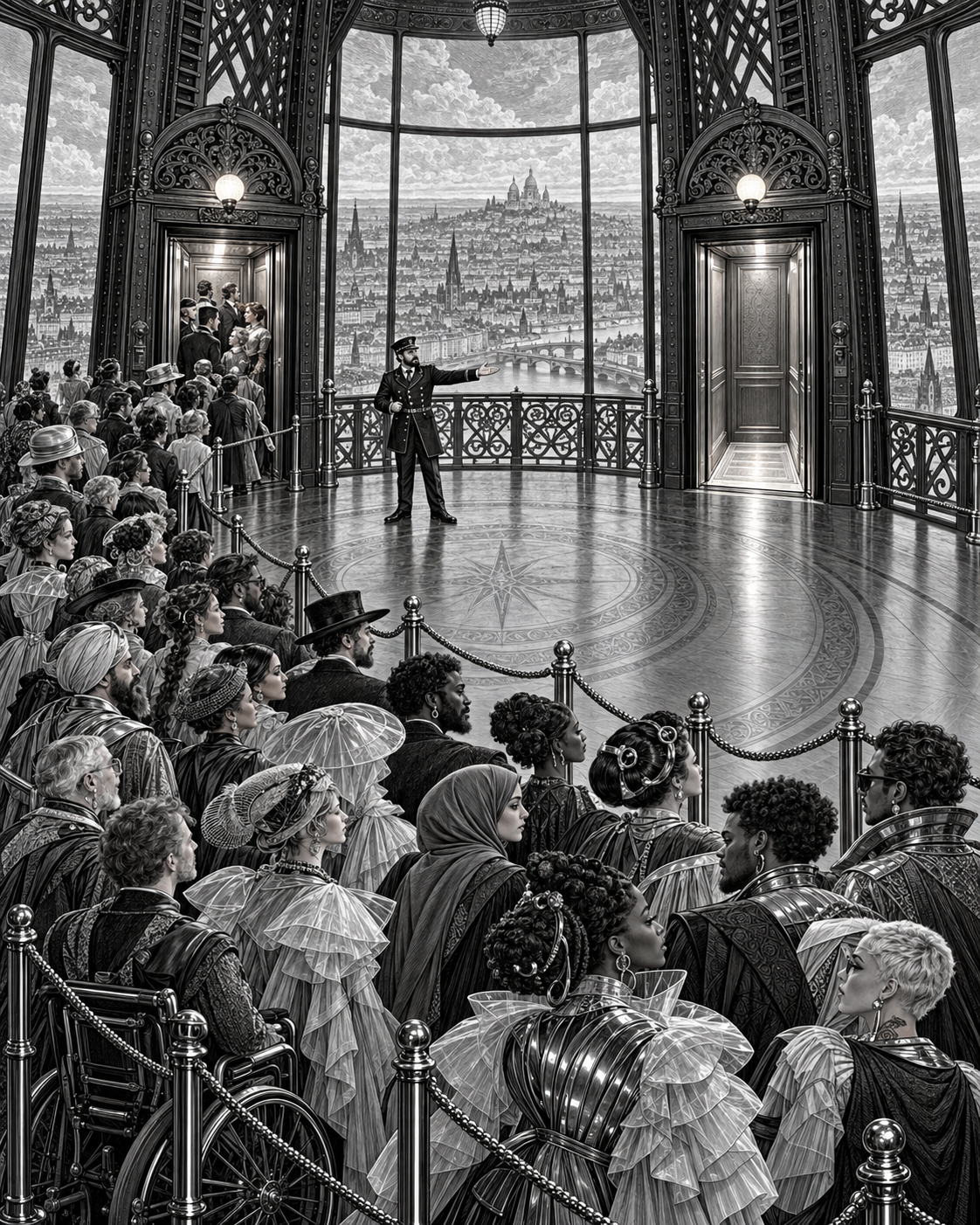
At the highest floor of the Eiffel Tower, there are two elevators facing each other.
If human beings were fully rational beings, two equally long queues should have formed, each unfolding in its own direction.
But again and again, only one queue appears.
A long line of visitors patiently waits for one elevator...
...while the other elevator stays empty and available.
People tend to infer their own action not from the total situation, but from the behavior of the people already in front of them.
The Elevator
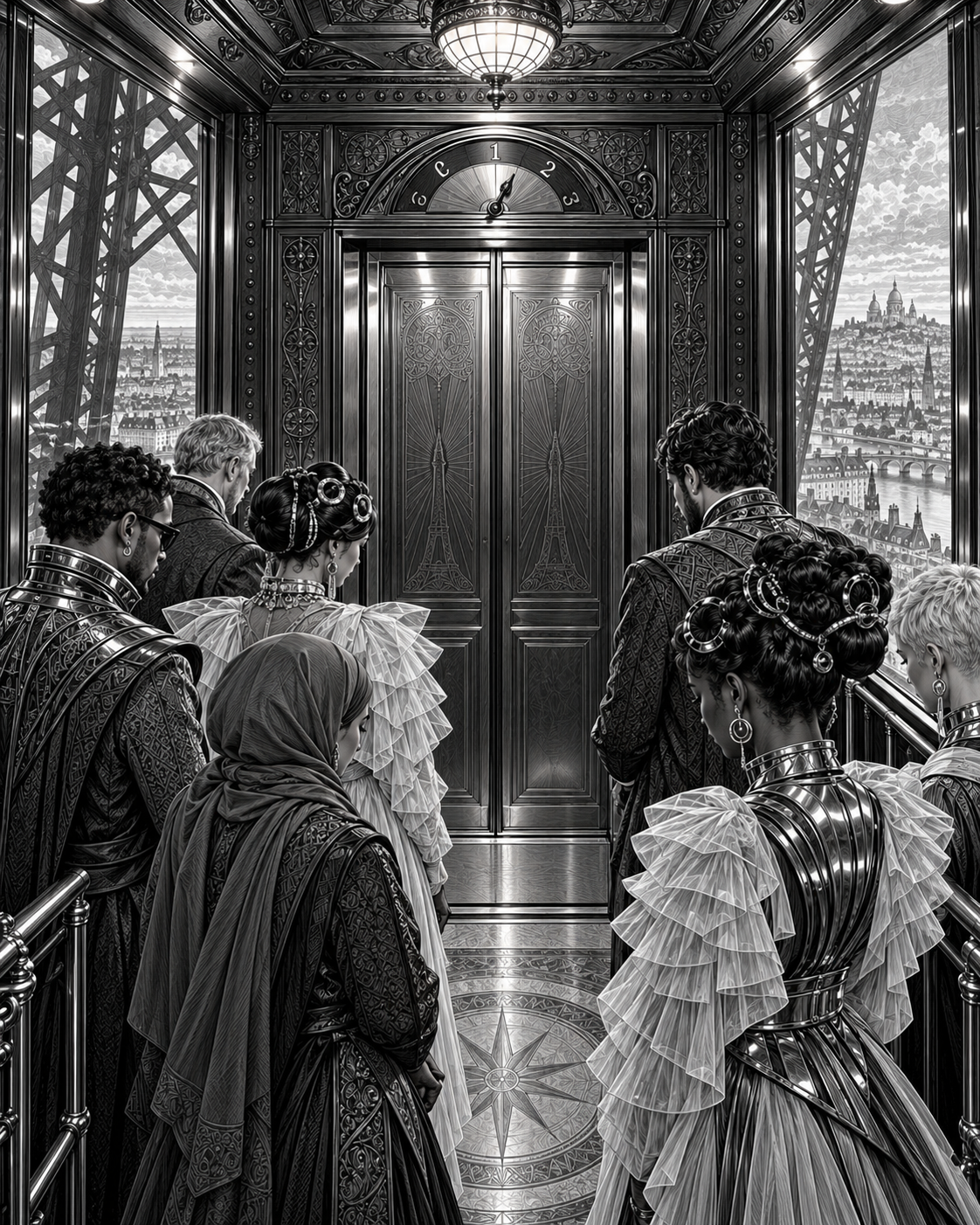
Enter.
Turn around.
Face the door.
Avoid prolonged eye contact.
Become strangely silent.
Who taught us this?
Many everyday conventions are acquired without an explicit teacher.

4 · Words
“Actually...”
“However...”
“You know?”
“At the end of the day...”
euh… [øː] , bah oui
блядь, f*ck, vole ...
Language is full of units which seem to "live their own life".
Catchphrases
A phrase can detach itself from its original situation.
It becomes reusable.
People recognize it.
They repeat it because others recognize it.
Recognition itself can increase its probability of further replication.
Familiarity can become its own selection advantage.
5 · Earworms
A melody enters through the ears.
Hours later it is still playing internally.
You hum it.
Somebody else hears it.
Now it may inhabit another mind.
An earworm is almost a cartoonishly clear memetic lifecycle.
Sound Memes
nursery rhymes
football chants
advertising jingles
melodies with changing lyrics
TikTok audio fragments detached from their original context
The carrier can change while the recognizable pattern survives.
6 · Drawings
♥ a heart that looks nothing like an anatomical heart
★ a five-pointed star
☀ a circle with rays
🏠 a square house with a triangular roof
💡 a light bulb meaning “idea”
We learn visual conventions by repeatedly encountering them.
The Cool S
Who knows how to draw the “Cool S”?
Who taught you?
Where did you first see it?
Do you know who invented it?
Why did generations of schoolchildren reproduce it?
A near-perfect classroom specimen of anonymous cultural transmission.
7 · Interface Memes
💾 floppy disk = save
🔍 magnifying glass = search
⚙ gear = settings
🗑 bin = delete
♥ heart = like
☰ three lines = menu
The original object can disappear while its symbolic descendant survives.
Memes Can Outlive Their World
Many people click a floppy disk icon without ever having saved a file onto a floppy disk.
The symbol has become detached from the technology that produced it.
Its survival depends on continued copying inside interface culture.
Cultural ancestry can remain visible after functional ancestry has vanished.
8 · Fashion
ripped jeans
mullets
moustaches
Crocs
rolling trouser legs
particular sneaker styles
black clothing in particular creative milieus
Bodies become media.
Fashion Evolves
Someone adopts a style.
Others notice it.
Some imitate it.
Some exaggerate it.
Some reject it.
Some revive an older version thirty years later.
Replication produces variation; variation produces selection.
9 · Food & Household Knowledge
family recipes
sourdough starters
cutting sandwiches diagonally
particular ways of folding pizza
“five-second rule”
putting a wet phone into rice
Useful, useless and questionable practices can all be culturally transmitted.
Transmission ≠ Truth
A meme does not have to be true to spread.
It does not have to be useful.
It does not have to benefit its host.
It merely needs properties that allow further transmission.
This is one of the most important—and most uncomfortable—ideas in memetics.
10 · Social Formats
the elevator pitch
brainstorming with Post-its
the agenda slide
the TED-style talk
“three things I learned...”
the Venn diagram
the iceberg diagram
Sometimes the meme is not the content but the format.
11 · Internet Memes
image macros
reaction GIFs
“POV:”
“starter pack”
“nobody: / absolutely nobody:”
“tell me X without telling me X”
“how it started / how it's going”
The Internet did not invent memes. It created an extraordinarily fast memetic environment.
Template + Variation
Internet memes make one property especially visible:
a stable template + many mutations.
Distracted Boyfriend.
Drake Hotline Bling.
Woman Yelling at a Cat.
The image remains recognizable while captions and meanings mutate.
Variation is not failure of copying. It is part of the evolutionary process.
12 · Stories & Rumours
urban legends
schoolyard rumours
ghost stories
“a friend of a friend once...”
life hacks
folk explanations
Stories are compressed, reconstructed and altered every time they move.
13 · Beliefs
superstitions
stereotypes
ideas about success
ideas about beauty
ideas about what a “proper career” looks like
ideas about how families, schools or workplaces should function
At this scale, memes begin to shape perception itself.
From Meme to Memeplex
Memes rarely live alone.
They support, trigger and protect one another.
A fashion includes clothes, vocabulary, gestures, music, places and identities.
A profession includes practices, jargon, values, rituals and status symbols.
Religions, ideologies, artistic movements and institutions can contain enormous interconnected systems of culturally transmitted elements.
Such complexes are often called memeplexes.
Replication
Something is encountered.
Something is reconstructed.
Something is expressed again.
Another person encounters it.
Replication does not require perfect duplication.
Variation
Misremember it.
Translate it.
Improve it.
Simplify it.
Exaggerate it.
Parody it.
Combine it with another meme.
Every transmission is an opportunity for mutation.
Selection
Some variants disappear.
Some are remembered.
Some are repeated.
Some fit a particular medium particularly well.
Some become part of institutions and persist for centuries.
Cultural environments select.
What Makes a Meme Successful?
easy to remember?
easy to reproduce?
emotionally intense?
funny?
useful?
beautiful?
shocking?
socially rewarded?
already familiar?
And are these the same properties that make a meme good?
The Memethical Question
A communication system optimized only for replication may reward whatever replicates best.
But the fastest-spreading cultural environment is not necessarily the most desirable one.
Memethical engineering asks how environments might instead preserve:
diversity · autonomy · transparency · reflection · plurality · resilience
Exercise · Find One
Think of one meme you encountered today.
Not necessarily an Internet meme.
Where did you encounter it?
What was its external form?
What did you reconstruct internally?
Did you reproduce it?
Did you modify it?
Why might this particular pattern survive?
Exercise · Classify It
gesture?
ritual?
phrase?
melody?
visual convention?
interface convention?
fashion?
social script?
story or belief?
memeplex?
Or perhaps: not a meme at all?
Three Questions to Keep
1. What is being copied?
2. Why does this variant survive?
3. What kind of cultural environment does its survival create?
Memes in Alltag
A handshake.
A birthday song.
A stupid little drawing in a school notebook.
A phrase you suddenly notice yourself saying.
A floppy disk that survived its floppy disk.
A belief nobody remembers learning.
Culture replicates through us—but never without being reconstructed by us.
Medienhaus Chronicle ⁄ Kastalia Project (VK & KuM only)
On Tracking : Dancing Piano II.
Onboarding
Before your first session, there are a few quick steps to take care of.
Onboarding consists of a 0th step and two further steps.

0th Step: Install an App
Choose whichever fits your device:
Computer — install Element.
Mobile — install Element X.
Browser — no install needed, just open udk.ai/classroom.
Step 1: Log In
Log in (or register) using the app you just installed.
UDK students — specify medienhaus.udk-berlin.de as your homeserver.
Motivated guests — Next week, You can request a free udk.ai account.
Step 2: Join the Room
Once logged in, join the seminar's room.
Either search for it directly, or wait to be invited into it.
Room names:
Session Structure
Applies to both two-hour Wednesday seminars — AI-Literacy (14:00) and Memetics (16:00).
14:00 / 16:00 — doors open
14:15 / 16:15 — Begrüßung
14:30 / 16:30 — check-in ends
15:00 / 17:00 — minute of silence ***
15:30 / 17:30 — checkout starts
15:45 / 17:45 — individual requests / onboarding help
*** minute of silence divides the session into analogue (off-the-microphone) and digital (fully archived) sections
