Diese Präsentation ist für die Ansicht im Querformat gestaltet.


 "Oh emperor, my wishes are simple. I only wish for this. Give me one grain of rice for the first square of the chessboard, two grains for the next square, four for the next, eight for the next and so on for all 64 squares, with each square having double the number of grains as the square before."
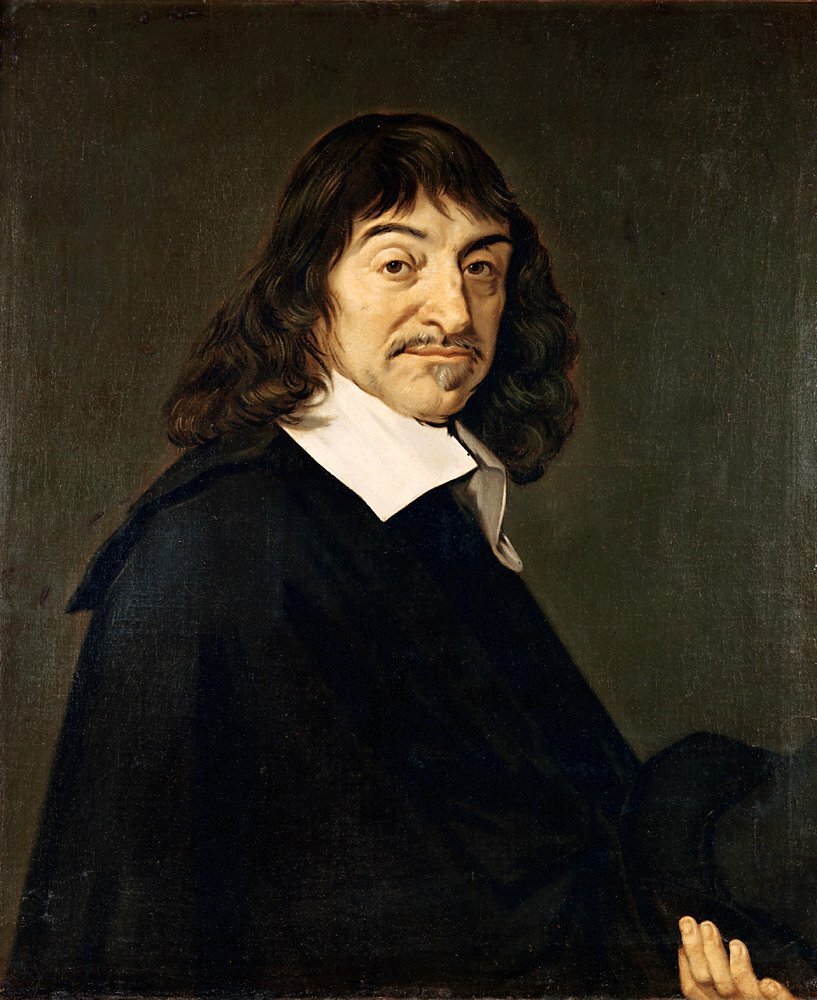
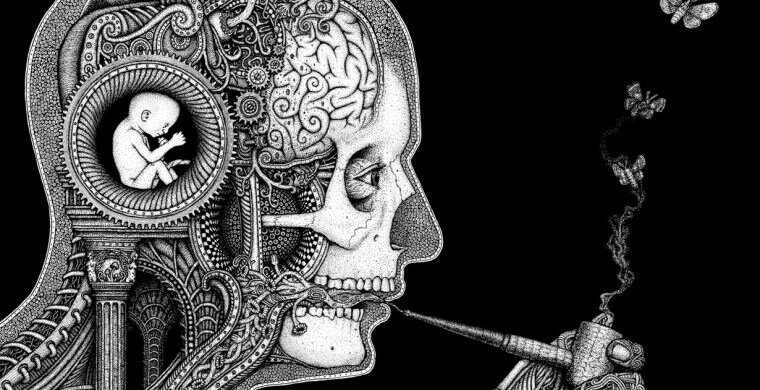 "I should like you to consider that these functions (including passion, memory, and imagination) follow from the mere arrangement of the machine’s organs every bit as naturally as the movements of a clock or other automaton follow from the arrangement of its counter-weights and wheels." (Descartes, Treatise on Man, p.108)
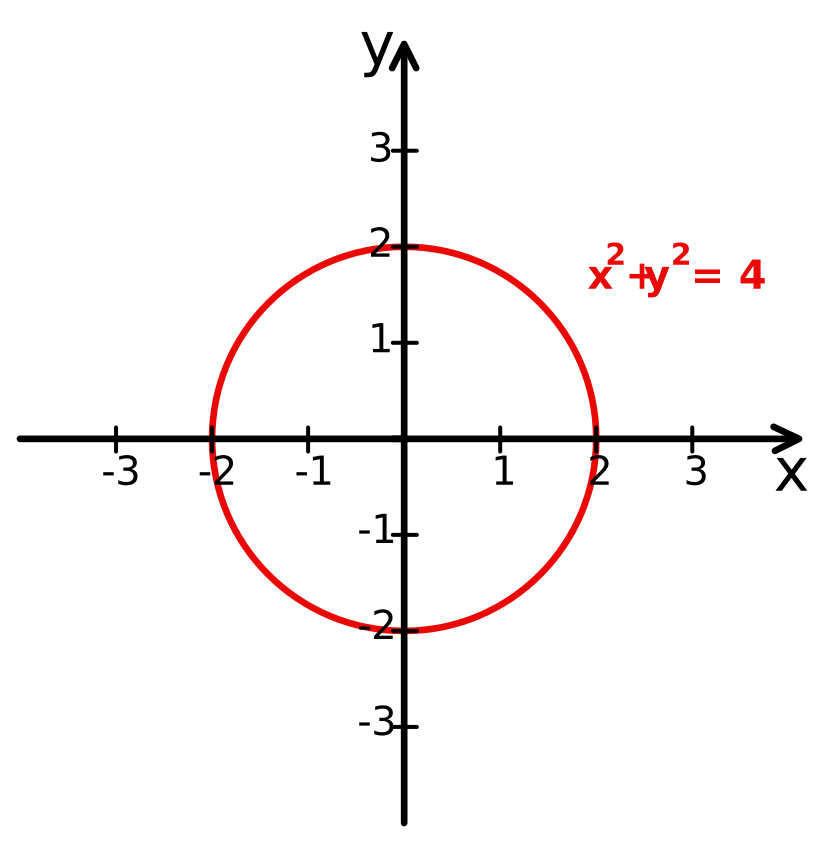 ...makes computer graphics possible...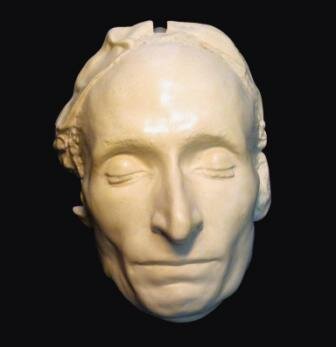
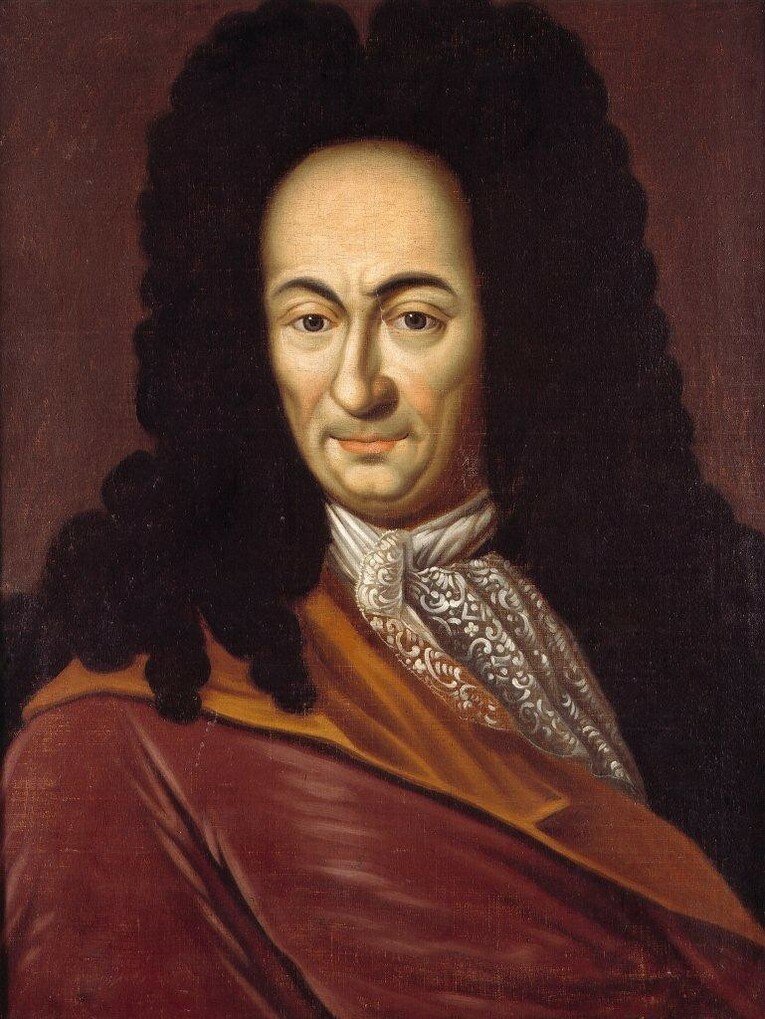
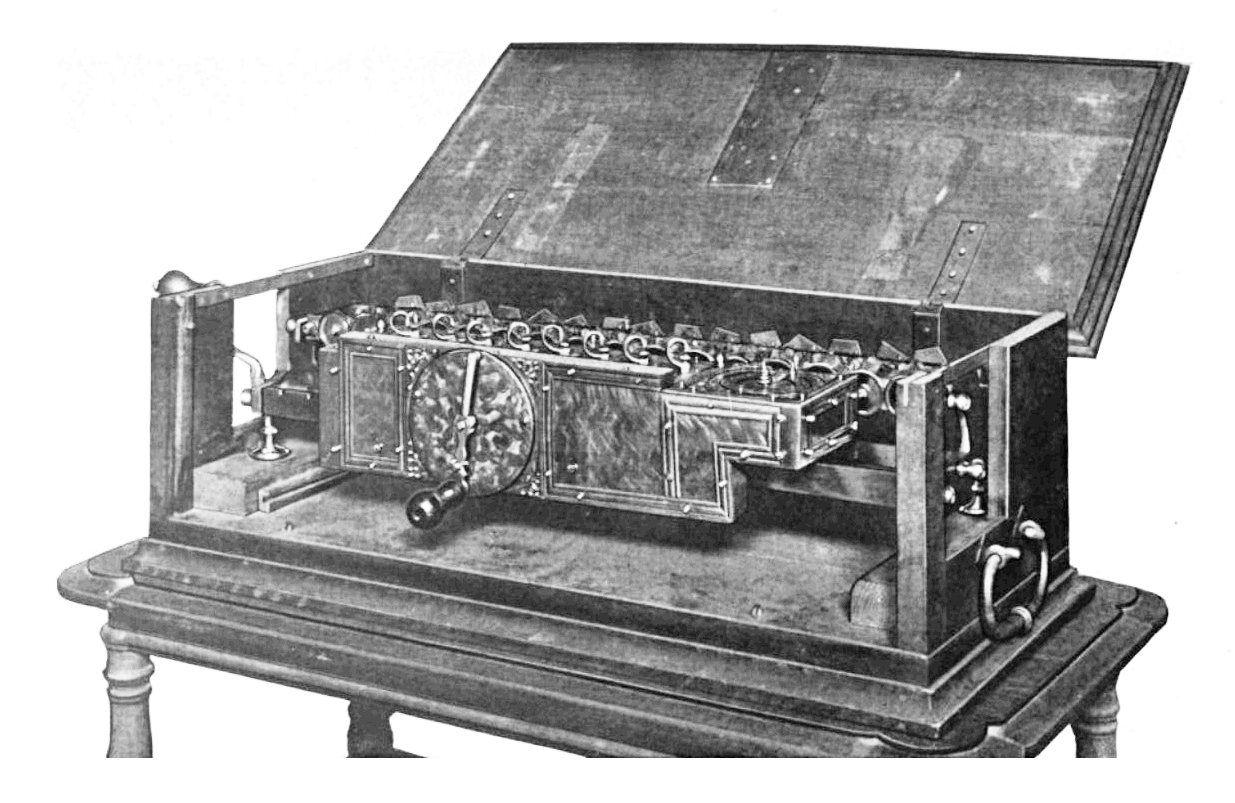 "... it is beneath the dignity of excellent men to waste their time in calculation when any peasant could do the work just as accurately with the aid of a machine." (G.W.L, 1673)
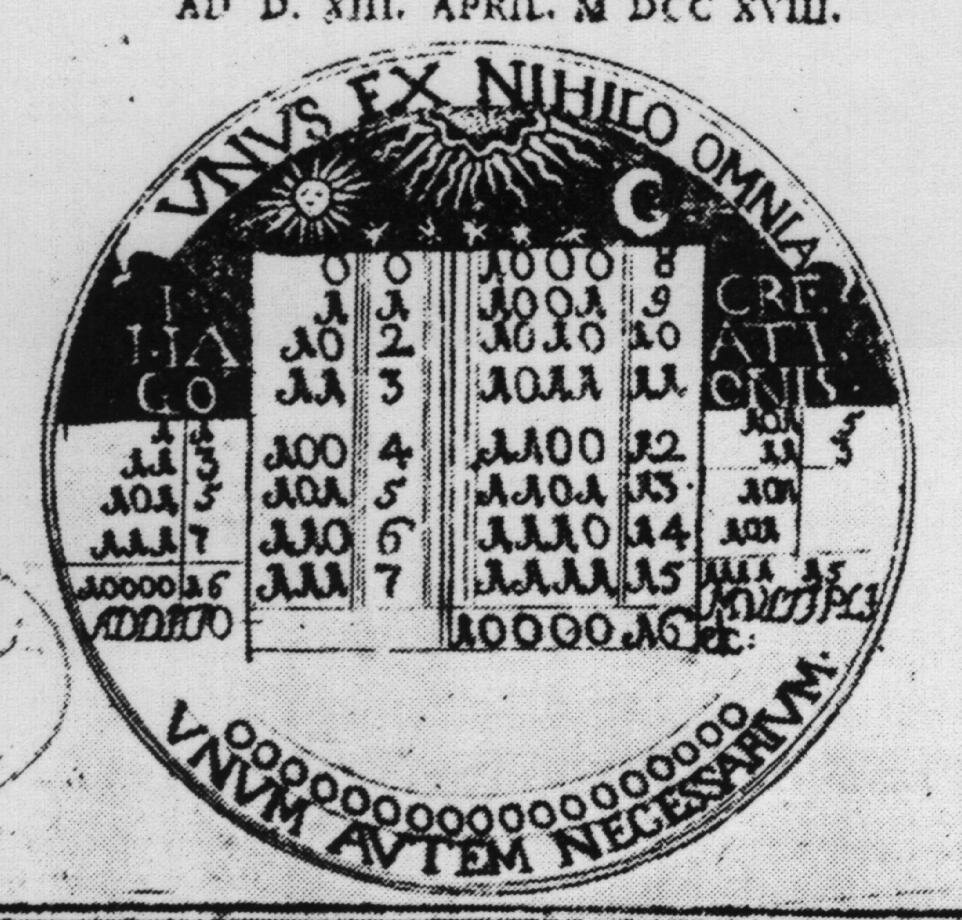 Please read :: http://bildung.digital.udk-berlin.de/prolegomena/handouts/Leibniz.pdf