literacy
IOPS
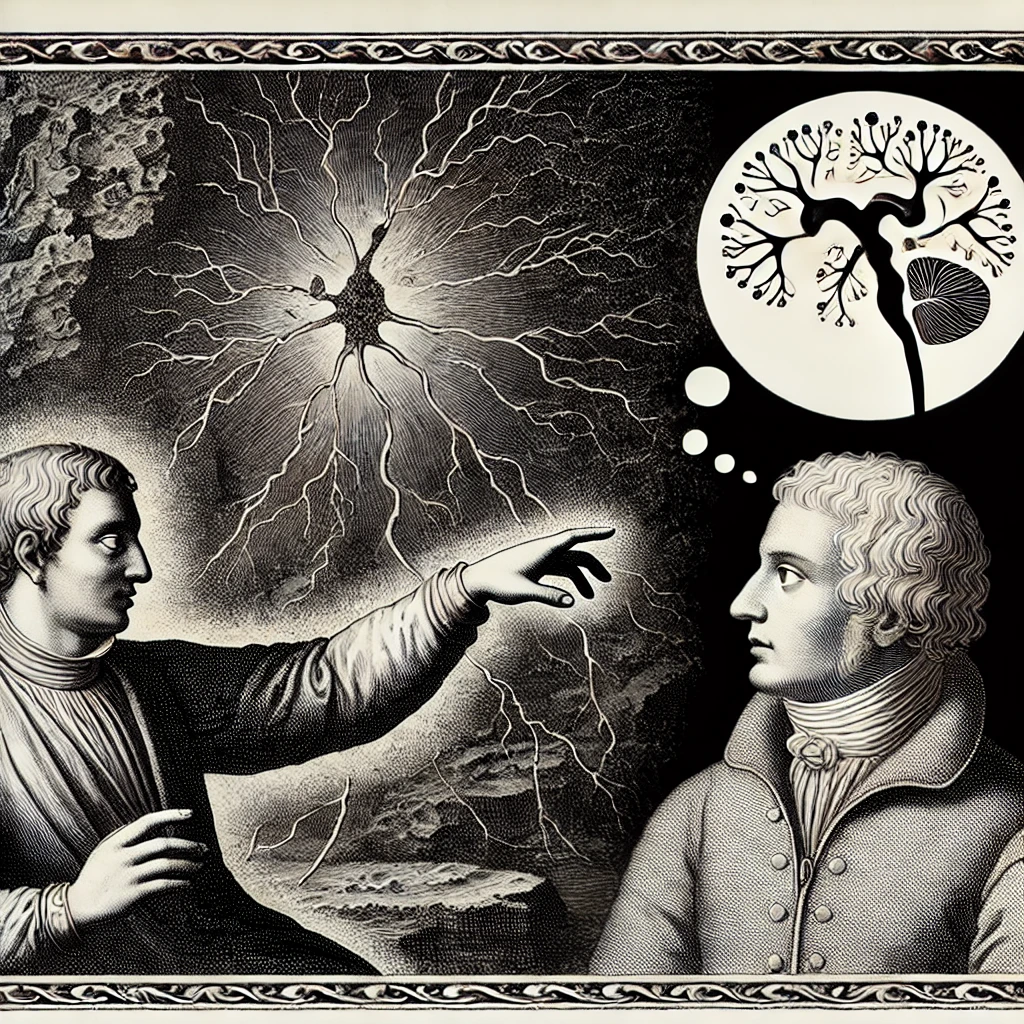
Human and arti(ficial|stic) intelligence
Human and Machine Learning
Homo discens
Heuristics
Constraints
Problem & Solution
Etymology
Meta-Problem
Etymology
discere
Mathematico-logical heuristics

problem(s)
Vector of Parameters: This is a set of variables or conditions that characterize the system or scenario. They can be input conditions, system states, or any other relevant metrics that describe the system.
Objective Function: This is a mathematical function that quantifies how far the current system's performance is from the desired performance. The goal is usually to minimize or maximize this function.
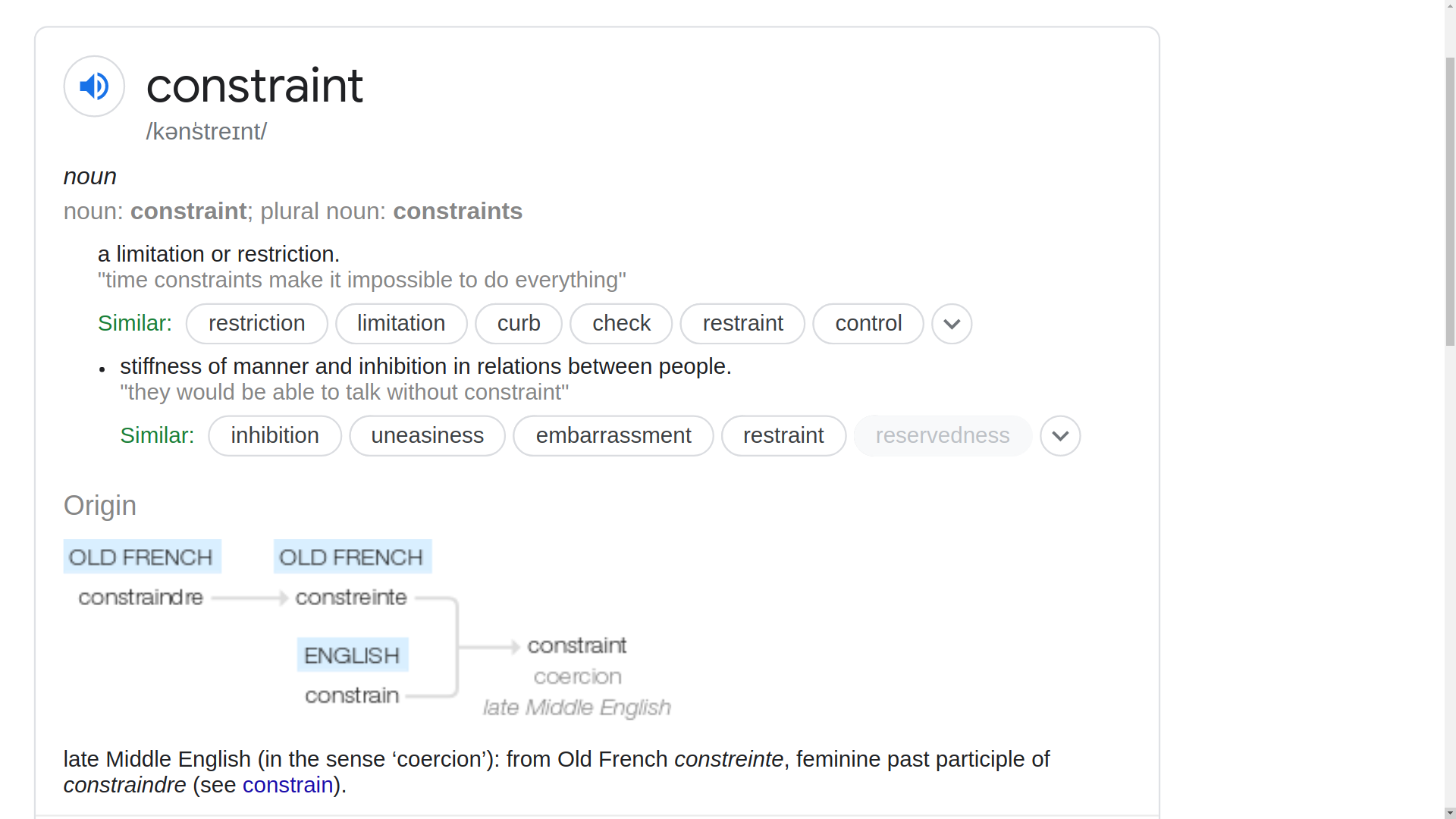
Constraints: These are the bounds or limitations within which the system operates. In engineering problems, constraints can arise from physical limitations, safety requirements, budgetary restrictions, etc. The solution must satisfy these constraints.
Reflectio: Constraint types
make a decision D
when You solve a problem P
???
Questio
What did You learn today ?
What was the most important thing You learned this year ?
Alltag problem(s)
Calculus
Constraint types
logic / contingency
space
time
energy
computational complexity
human resources
material resources
eco(log|nom)ical constraints
socio-political
psycho-cognitive
legal
moral
etymology of the term 'problem'
[note the etymologic similarity to word "project": from Latin projectum ‘something prominent’, neuter past participle of proicere ‘throw forth’, from pro- ‘forth’ + jacere ‘to throw’)]

Hilbert problem(s)
Mathematical Treatment of the Axioms of Physics
Rigorous Foundation of Schubert's Enumerative Calculus
Topology of Algebraic Curves and Surfaces
Analysis of Solutions of Variational Problems
Newton's method
Gradient descent
Millenium Problems
Birch and Swinnerton-Dyer Conjecture
Hodge Conjecture
Navier–Stokes Existence and Smoothness
P vs NP Problem
Riemann Hypothesis
Yang–Mills Existence and Mass Gap
wicked problems
No Definitive Formulation
No Stopping Rule
Solutions Are Not True-or-False
No Immediate and No Ultimate Test
Every Solution is a 'One-Shot Operation'
No Enumerable (or Exhaustively Describable) Set of Potential Solutions
Every Wicked Problem is Essentially Unique
Every Wicked Problem Can Be Considered to Be a Symptom of Another Problem
The Existence of a Discrepancy Representing a Wicked Problem Can Be Explained in Numerous Ways
The Planner Has No Right to Be Wrong
3-SAT Problem
13 teacher-proposed D&C problems
Closing the Door to Hell
Central Problem of Roboethics
Fremen Stilsuit

Young Lady's Illustrated Primer
Cracking the Voynich Manuscript
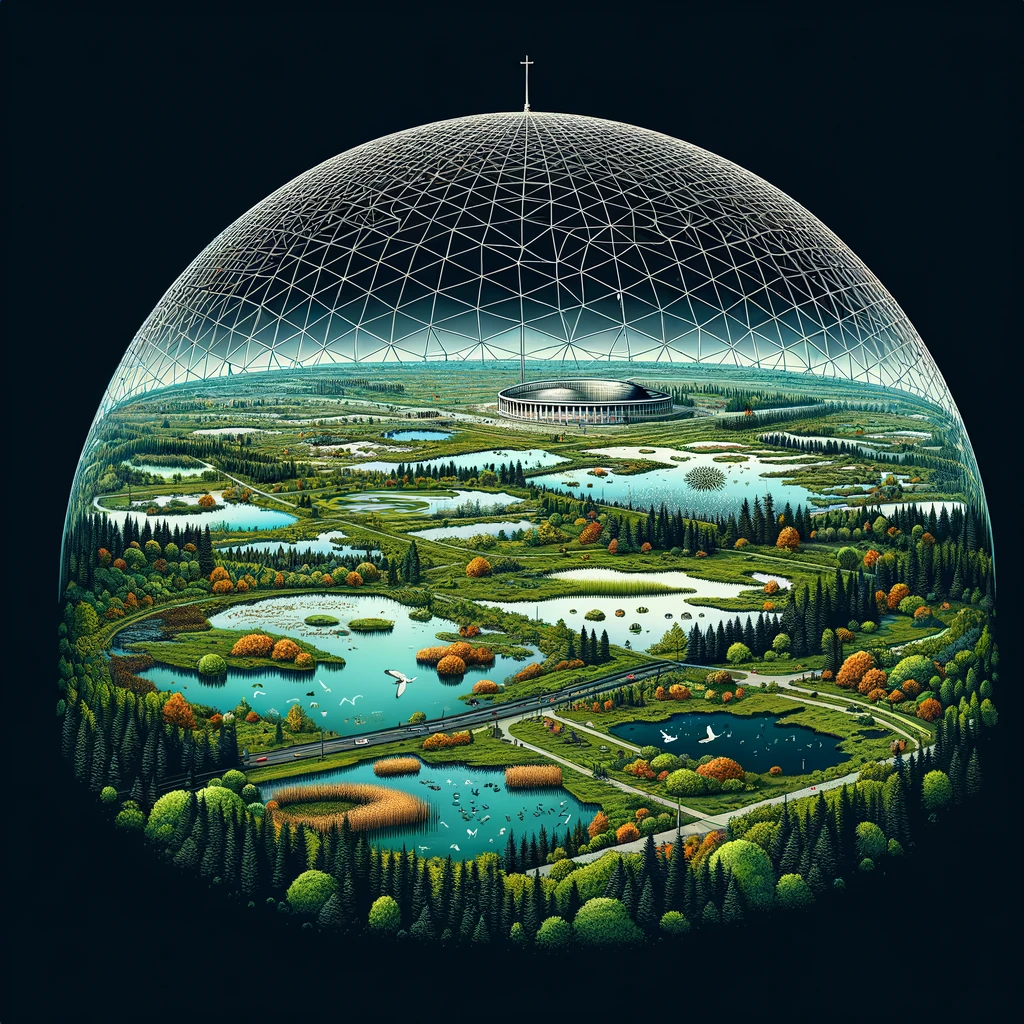
Tempelhof Biosphere
Self-optimization of communities and societies

Common Eco(log|nom)ical Protocol
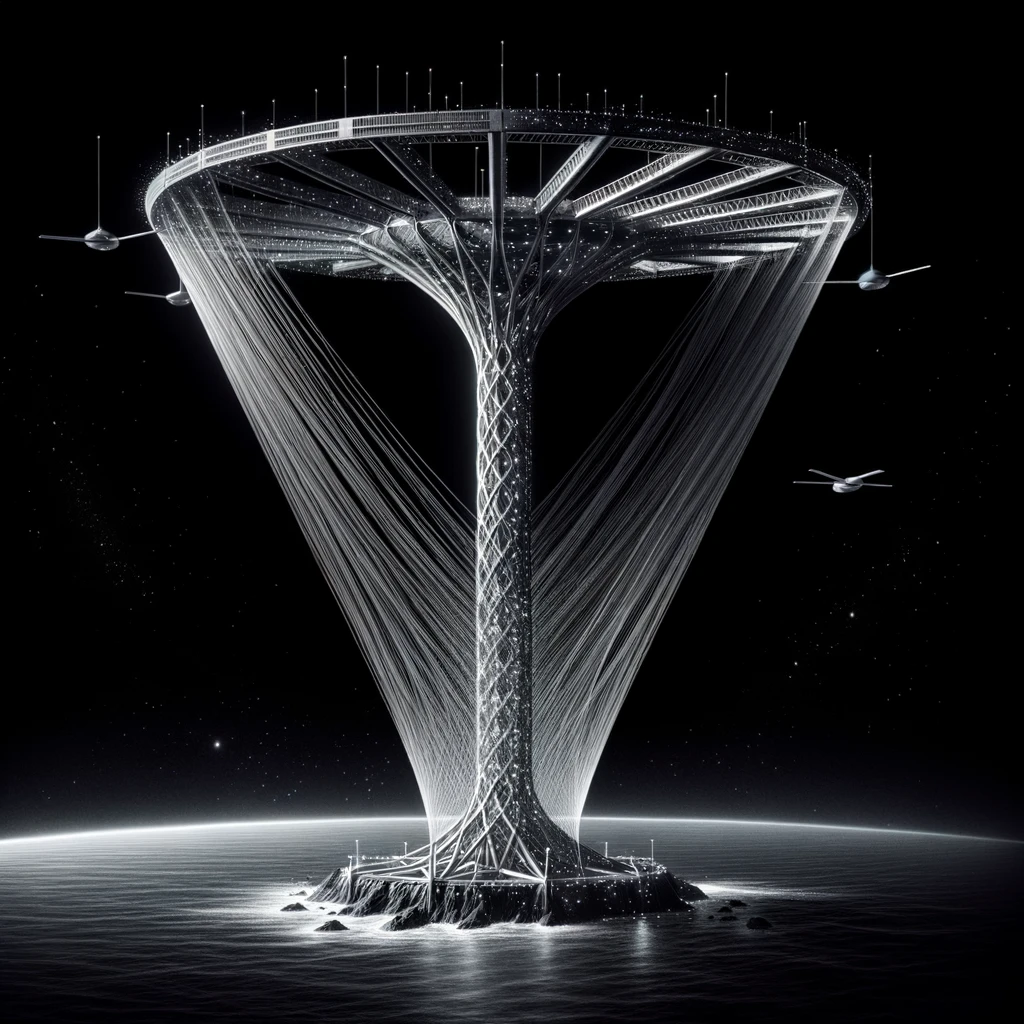
Space Elevator
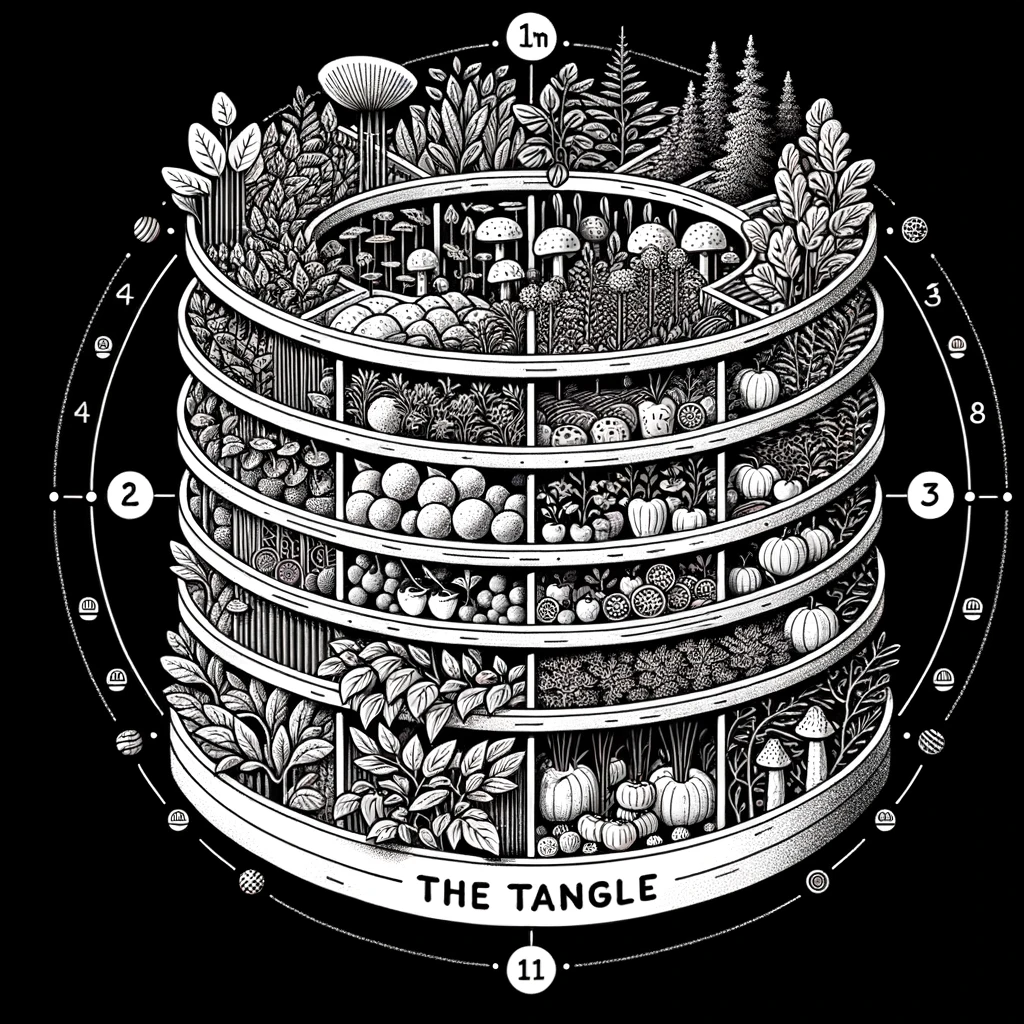
The Tangle

Elliptic Curve Discrete Logarithm Problem

The Seed

H-microfusor

10 student-proposed D&C problems
Radioactive waste disposal
Liberation from fossil fuel dependency
Language extinction
Weltverständlichmachung
Unf*cking the Wohnungsmarkt
...
...
...
...
The Clock Reform
Taxonomy of Problems
Nature-inspired heuristics
Constraint programming
Exercise: Adam and Eve scheduling
Simulated annealing
.png)
Python libraries
https://github.com/python-constraint/python-constraint
https://github.com/timnon/pyschedule
Note: install the most recent fork, (e.g. pip3.10 install "pyschedule"@git+"https://github.com/ppoile/pyschedule/#subdirectory=src")
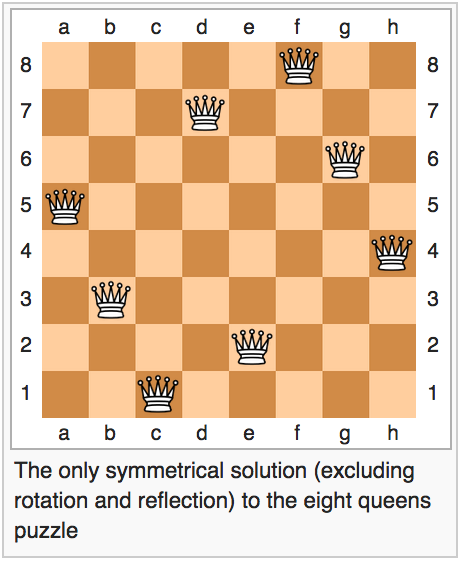
Constraint Satisfaction Problem
eight queen problems
map coloring problem
Assignment
IOPS group: find the optimal solution using some constraint programming library (GPT4 can show You how to use it)
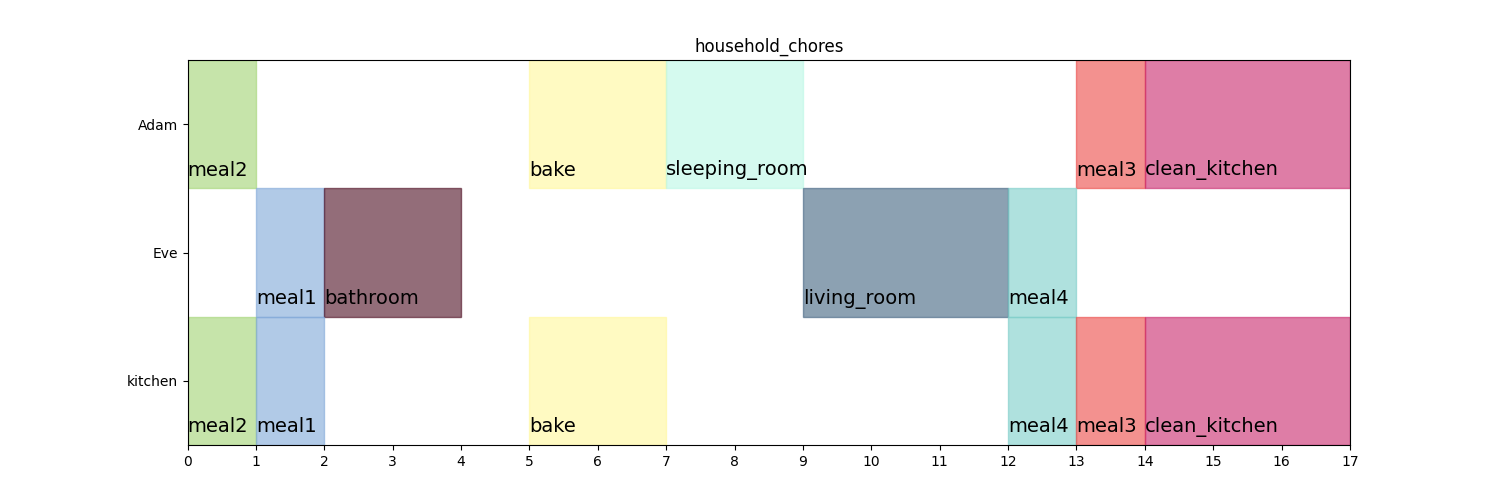
Solution
#Adam has one hour time on Monday and Wednesday, three hours time on Thursday and fours hours time on each weekend day, Eve has two hours on Tuesday, three hours on Friday and four hours on each weekend day.  Define pyschedule resources with correctly defined periods and horizons.

#Monday: Adam x 1
#Tuesday:  Eva x 2
#Wednesday: Adam x 1
#Thursday: Adam x 4
#Friday: Eva x 3
#Saturday: Both x 4
#Sunday : Both x 4

from pyschedule import Scenario, solvers, plotters, alt

# Define the scenario
S = Scenario('household_chores', horizon=15)  # Two weeks

# Define the resources, resource costs are not obligatory but it's more fun with them
adam = S.Resource('Adam',periods=[0,3,4,5,6,7,11,12,13,14])
eve = S.Resource('Eve',periods=[1,2,8,9,10,11,12,13,14])

kitchen=S.Resource('kitchen')

# Define the tasks and their durations
task_costs = {
    "meal1": {"length":1,"delay_cost":1},                # 1 hour, schedule towards beginning of the week
    "meal2": {"length":1,"delay_cost":1},
    "meal3": {"length":1,"delay_cost":-1},
    "meal4": {"length":1,"delay_cost":-1},               # 1 hour, schedule towards end of the week
    "bake": {"length":2,"delay_cost":0},                  # 2 hours (1 cake)
    "sleeping_room": {"length":2,"delay_cost":0},  # it seems there is a bug for tasks longer >1
    #"CSR1": {"length":1,"delay_cost":0},          # one way how to address the bug is to split long tasks into sub-tasks coupled by tight preference constraints
    #"CSR2": {"length":1,"delay_cost":0},          #
    "bathroom": {"length":2,"delay_cost":0},       # 2 hours
    "living_room": {"length":3,"delay_cost":0},    # 3 hours
    "clean_kitchen": {"length":3,"delay_cost":0}   # 3 hours
}

tasks={}
# Define alternative resources for each task
for task,costs in task_costs.items():
    print(task,costs)
    tasks[task] = S.Task(task,length=costs['length'],delay_cost=costs["delay_cost"])      #create new task
    tasks[task] += adam | eve               #assign resources to newly created task

#additional task-resource attributions
tasks["clean_kitchen"]+=kitchen
tasks["meal1"]+=kitchen
tasks["meal2"]+=kitchen
tasks["meal3"]+=kitchen
tasks["meal4"]+=kitchen
tasks["bake"]+=kitchen

#tight precedence constraints
#S += tasks['CSR1'] <= tasks['CSR2']

#optional tasks
#tasks['playground'] = S.Task('playground',length=2,schedule_cost=-1)
#tasks['playground'] += alt(adam,eve)

#additional constraints
S += tasks['meal1'] < tasks['clean_kitchen']
S += tasks['meal2'] < tasks['clean_kitchen']
S += tasks['meal3'] < tasks['clean_kitchen']
S += tasks['meal4'] < tasks['clean_kitchen']
S += tasks['bake'] < tasks['clean_kitchen']

# Solve the scenario
solvers.mip.solve(S,msg=1,kind='GUROBI')

print(S)
print(S.solution())
print(adam.periods)
# Plot the schedule
plotters.matplotlib.plot(S)

unsolved
Ant colony optimization
solvable
unsolvable
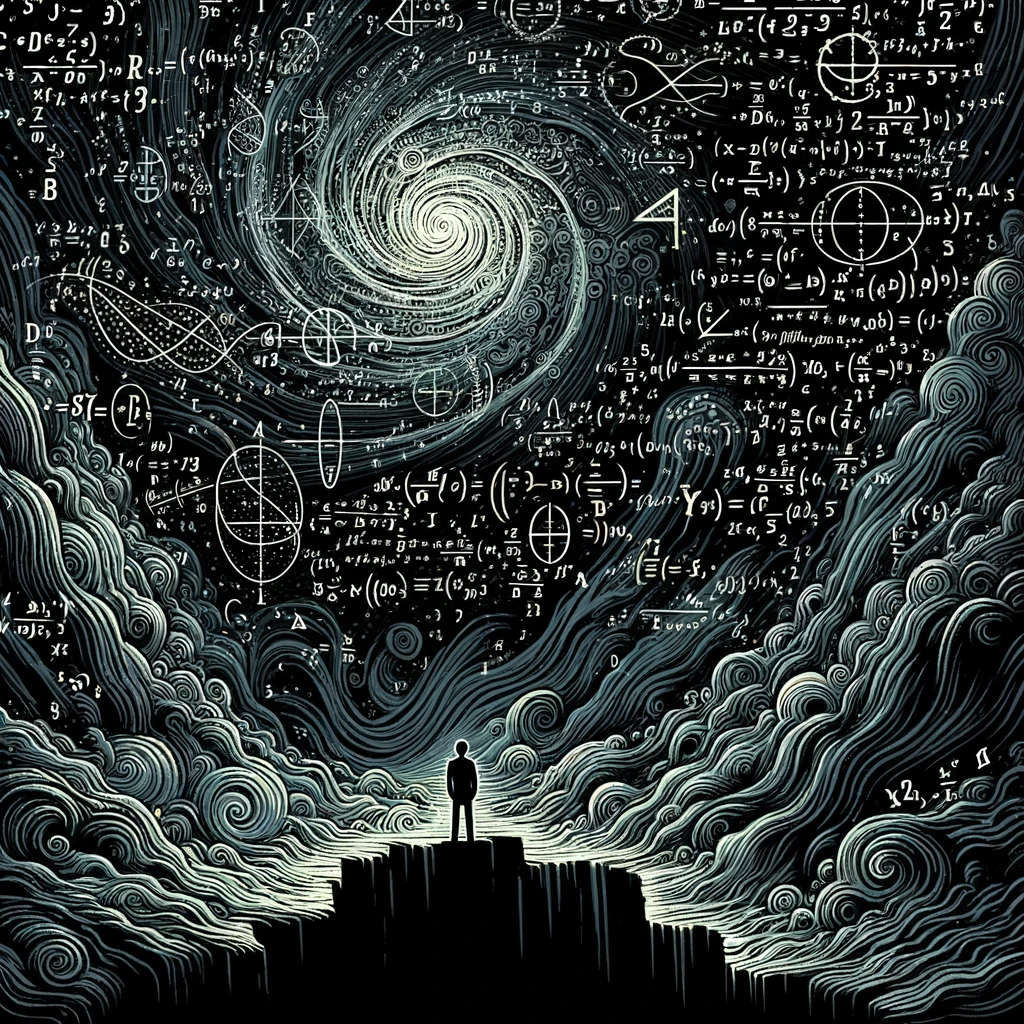
fatal
Evolutionary optimization
Genetic Algorithm
Replication
Selection
Variation

Genetic programming

Grammatical evolution
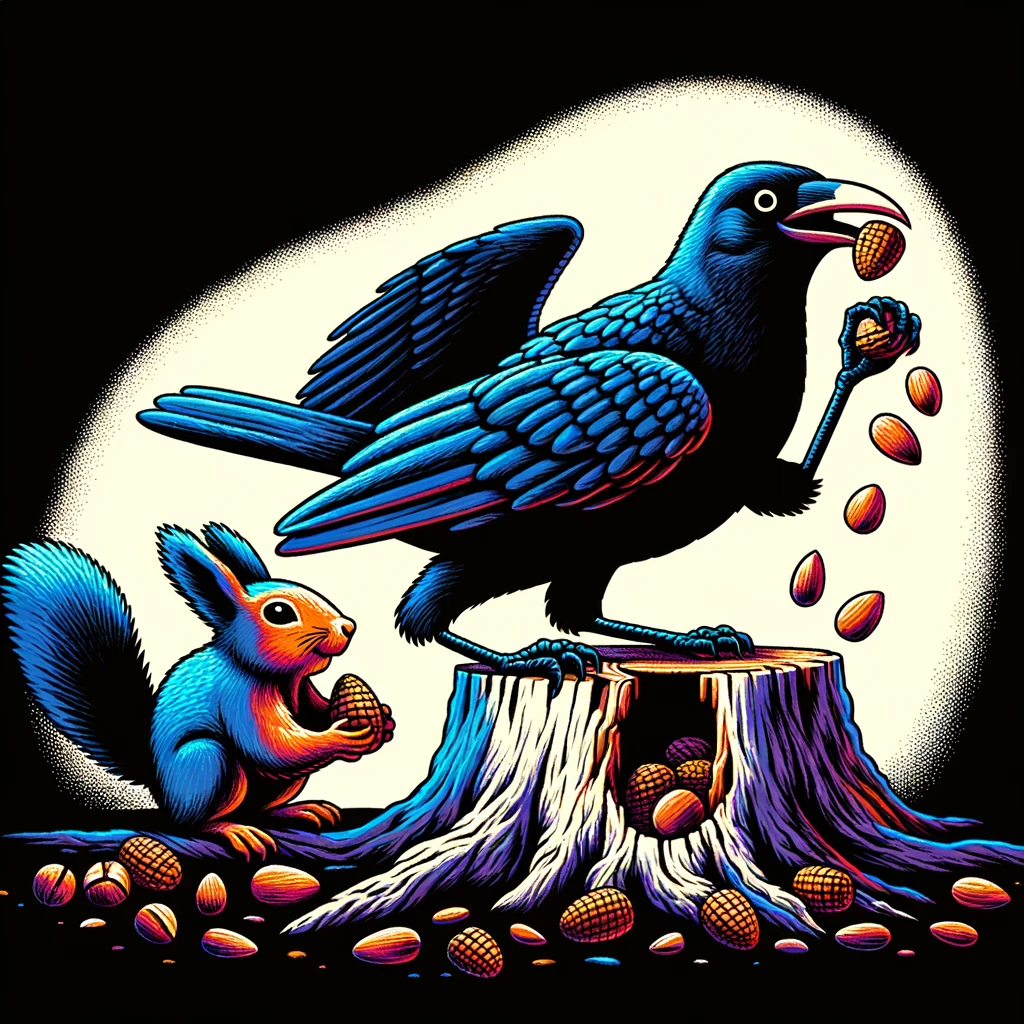
Caching
solution(s)
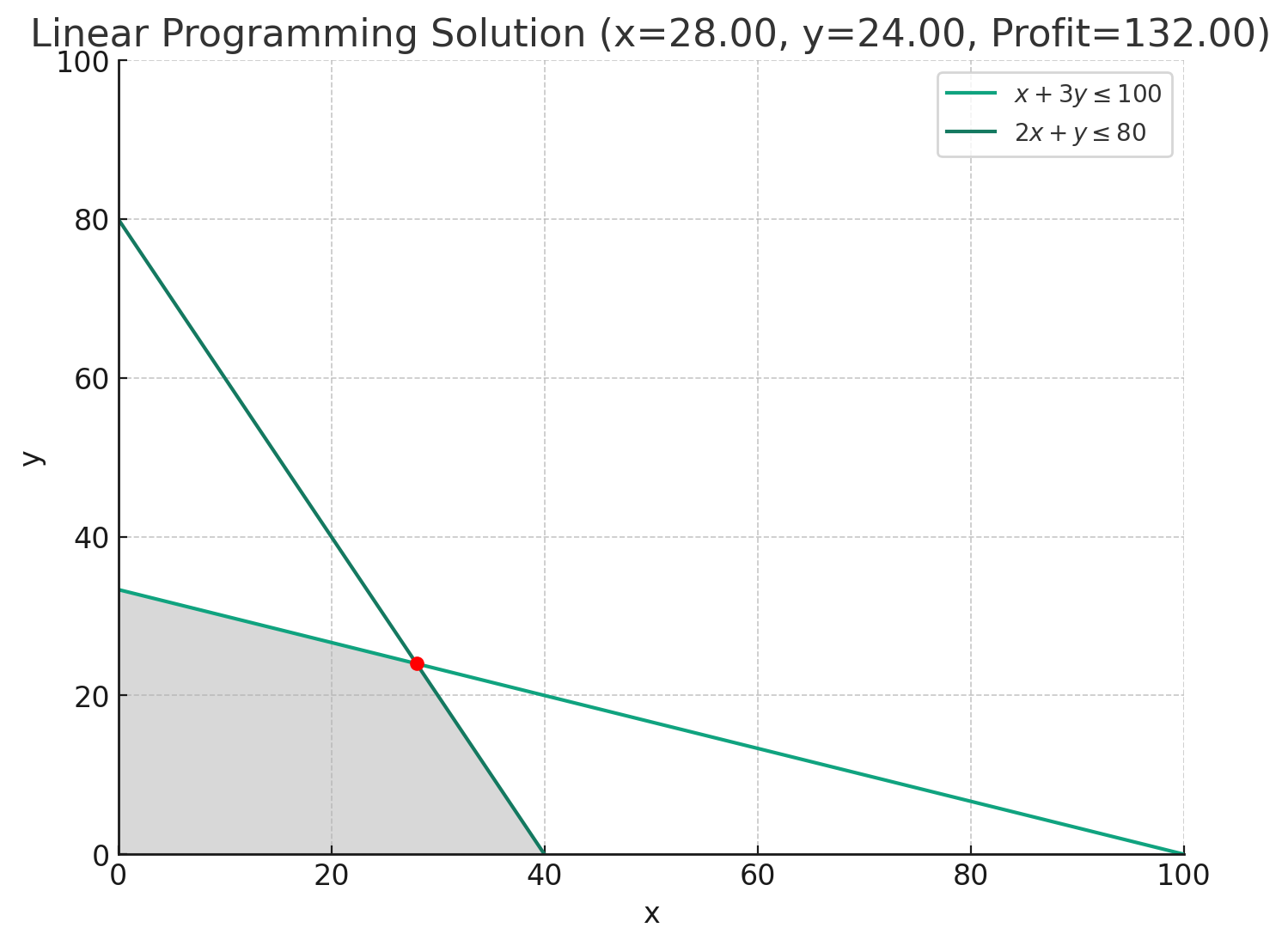
Linear Programming
Human heuristics
Fossil-Free Frontier
Advice 0
Engineer's solution
Trial and Error
Swarm intelligence
Imitation
Memory
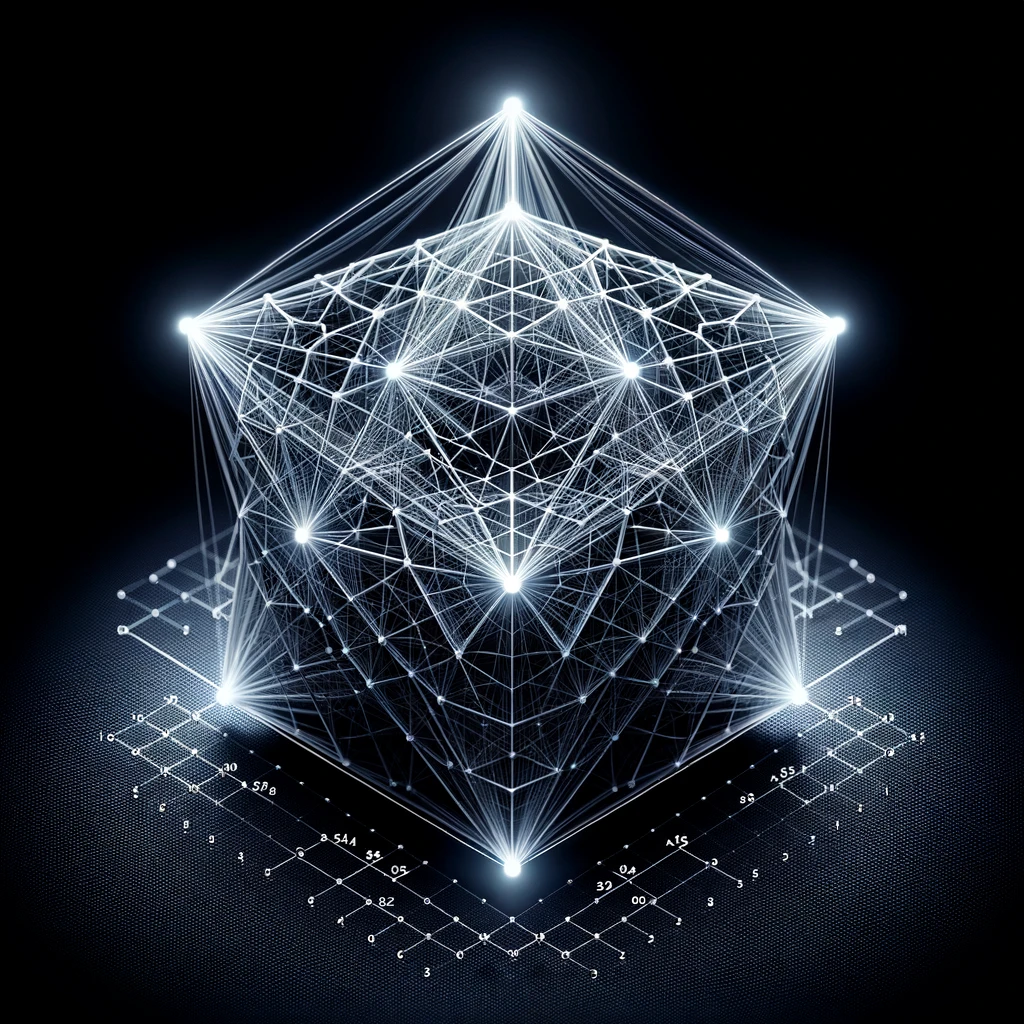
Simplex Algorithm
In technical terms, it deals with equations representing constraints (like the rules of each path) and a goal (like reaching the treasure in the shortest time). The algorithm iteratively explores vertices on a multidimensional shape (the map), checking at each step if it's closer to the best solution. It's like checking each intersection on a map to see if you're closer to the treasure. This continues until it finds the most efficient route, giving you the best solution to your problem.
Summary
Focus: LP deals specifically with linear equations and inequalities. This means it works with problems where relationships are represented as straight lines (hence 'linear').
Objective: It always aims to find the maximum or minimum value of a linear equation, known as the objective function. For example, maximizing profit or minimizing cost.
Method: LP uses specific mathematical methods, like the Simplex algorithm, to find the best solution.
Constraints: All constraints in LP are linear (straight-line relationships). For instance, you can't spend more than a certain budget, or you need at least a certain amount of some ingredient.
Solutions: Solutions in LP are often numerical and can include fractions or decimals.
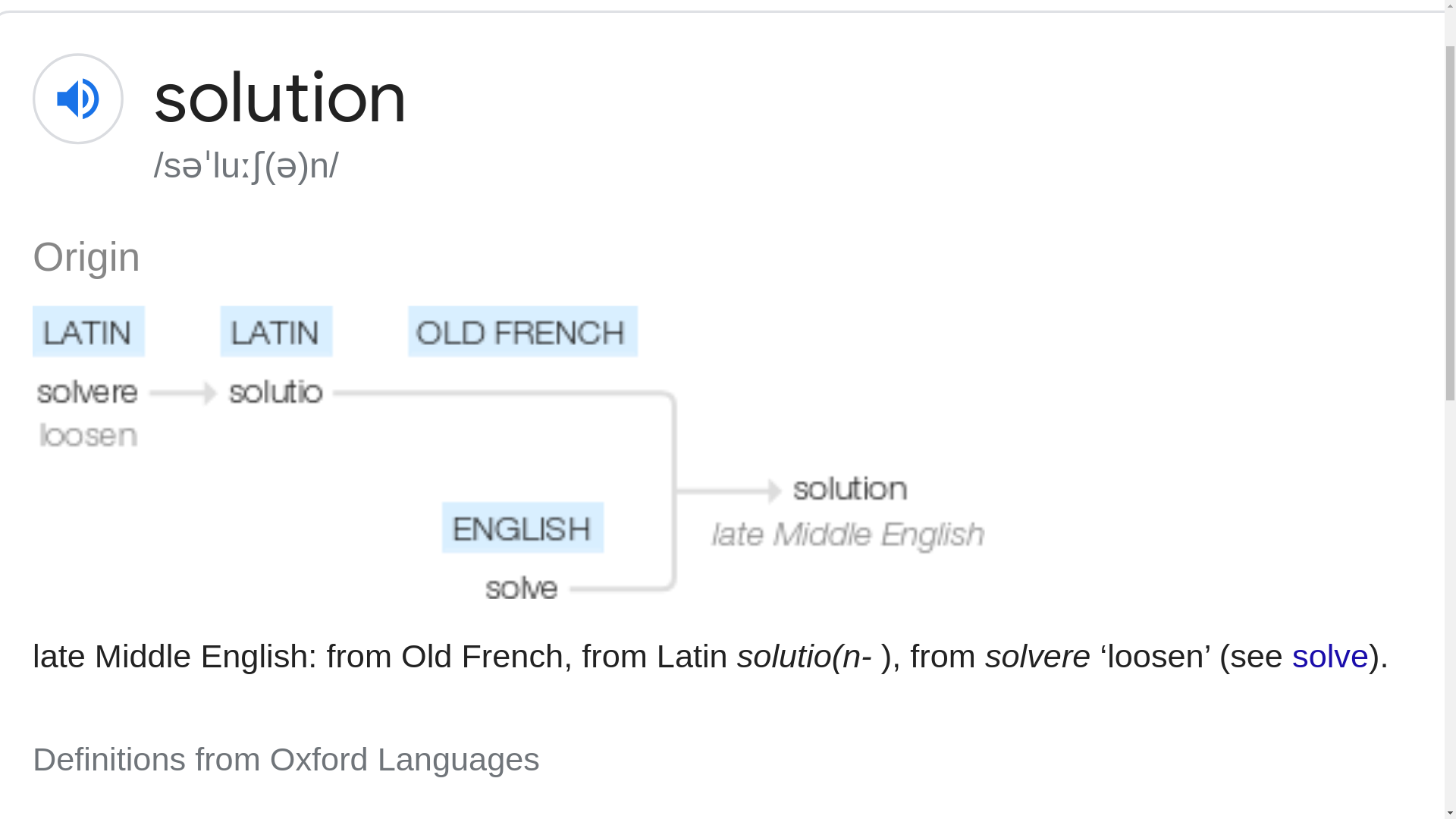
etymology of the term 'solution'
- Latin "solutio": Meaning a loosening or unbinding. This comes from the verb “solvere,” which means to loosen, untie, or dissolve.
- Latin "solvēre": This is a compound of “sol-,” a variant of “se-” (apart), and “luere” (to wash or to loosen).
Repetition
Tangle v0.0.1 Optimization
Game & Playfulness
Curiosity
Intuition
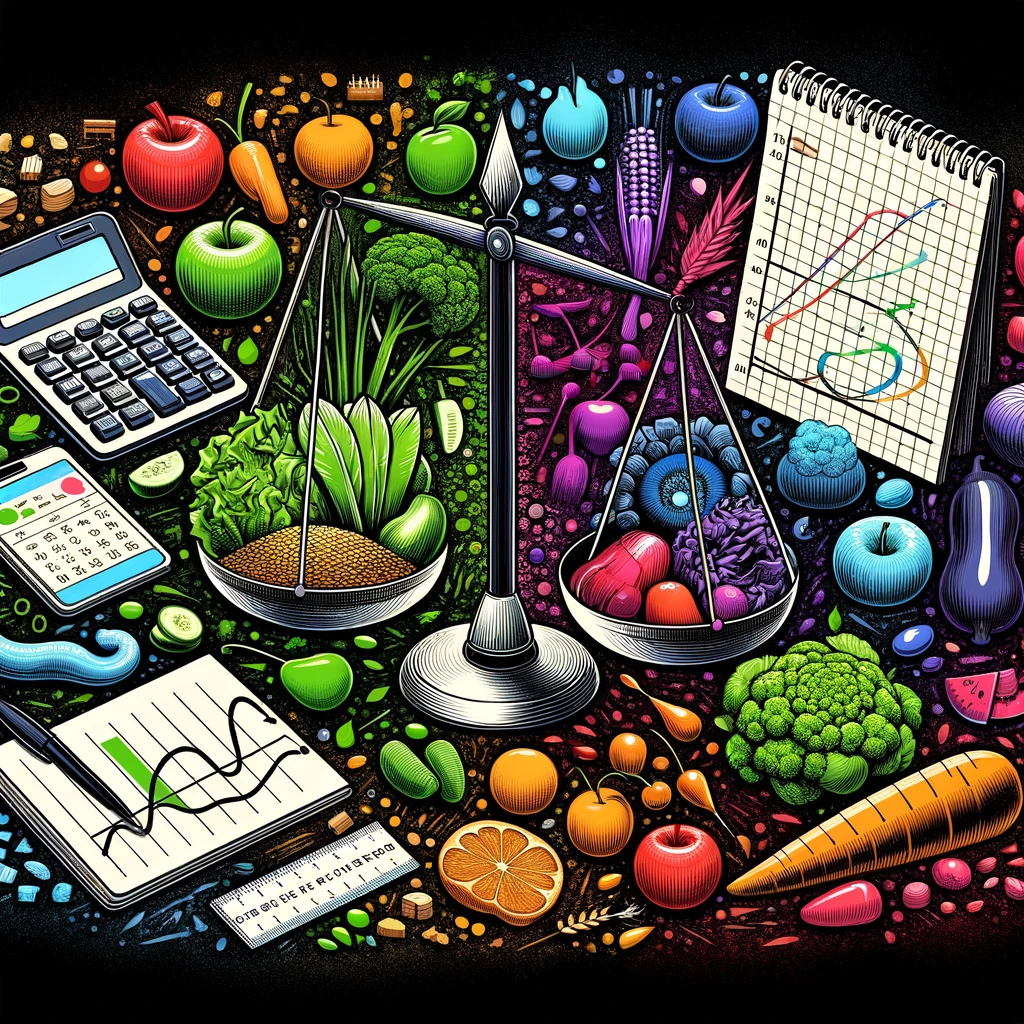
Diet Problem
Constraint Programming Summary
Focus: CP is more general and can handle a wide variety of constraints, not just linear ones. It can deal with logical conditions, like "either-or" situations, and can include non-linear relationships.
Objective: CP doesn't necessarily have an objective function to optimize. Instead, it focuses on finding solutions that satisfy all the given constraints.
Method: It uses different algorithms than LP, often based on search techniques, like backtracking or heuristics.
Constraints: Constraints in CP can be diverse - linear, non-linear, logical conditions, etc. For example, a constraint could be that a certain task must be done before another can start.
Solutions: Solutions in CP are often discrete (like whole numbers) and can involve deciding between different options or scenarios.
Multi-objective Optimization
Experiential learning
Session 2 :: Development of intelligence
Session 2 Take home lesson
Repetitio
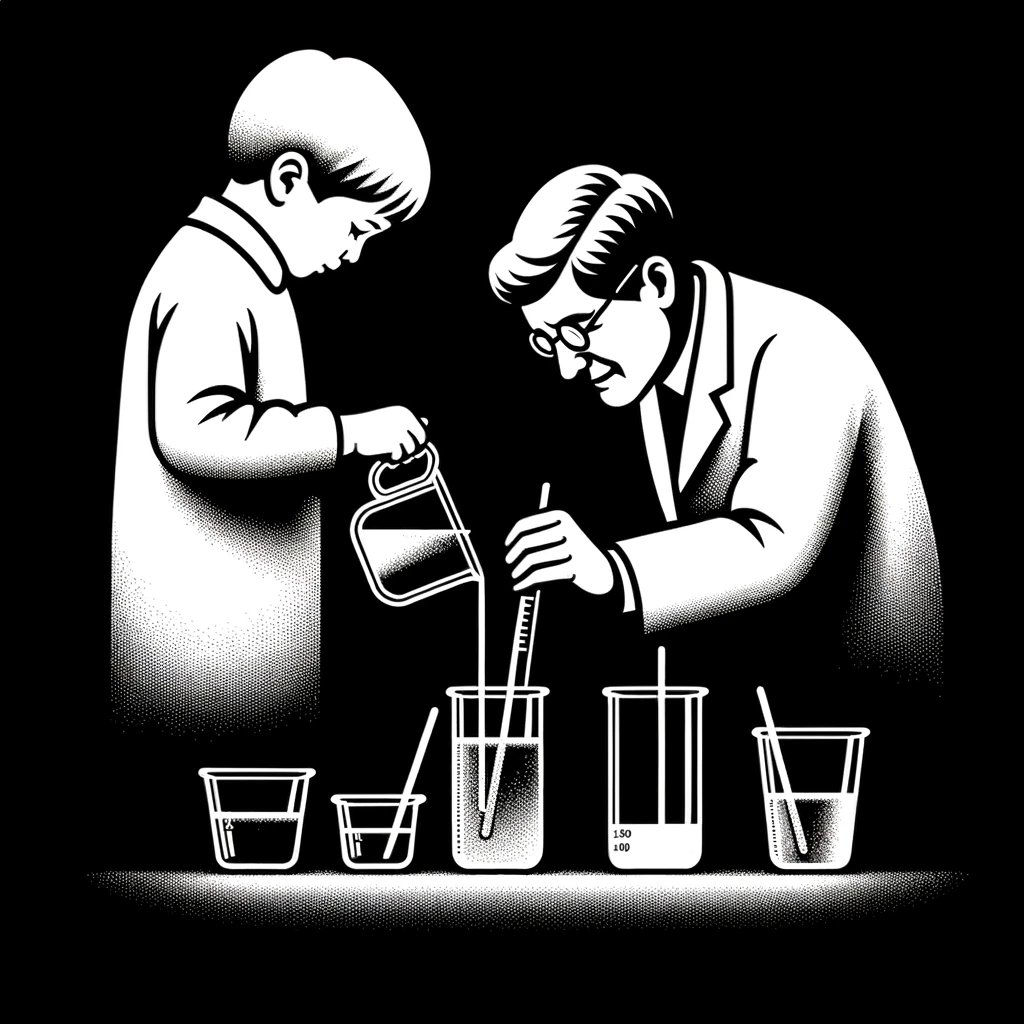
Piaget
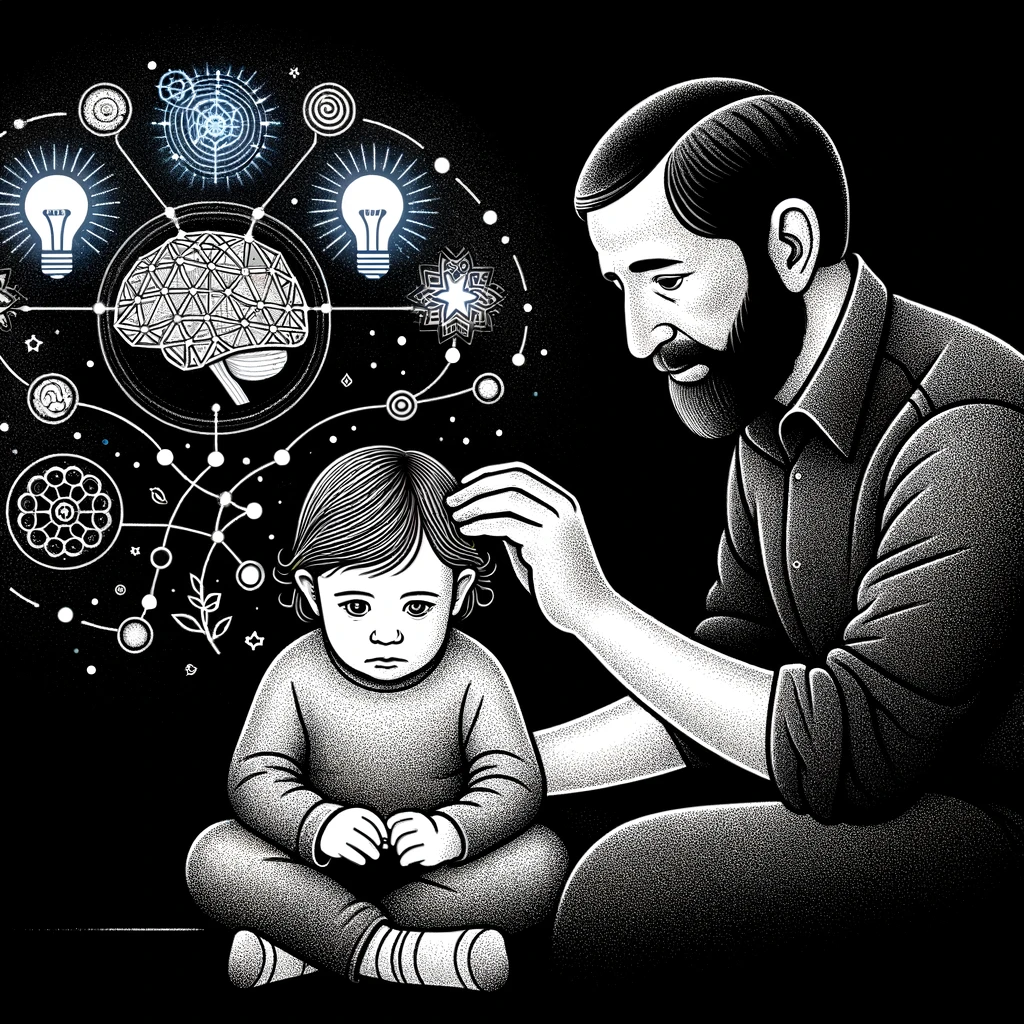
Feuerstein
Did Feuerstein meet Piaget ? Compare what GPT4 says with what wikipedia says ...
Intelligence as reorganization of experience
Assimilation & Accomodation
Accomodation means adjusting to new experience or objects by revising the old plan to fit the new information.
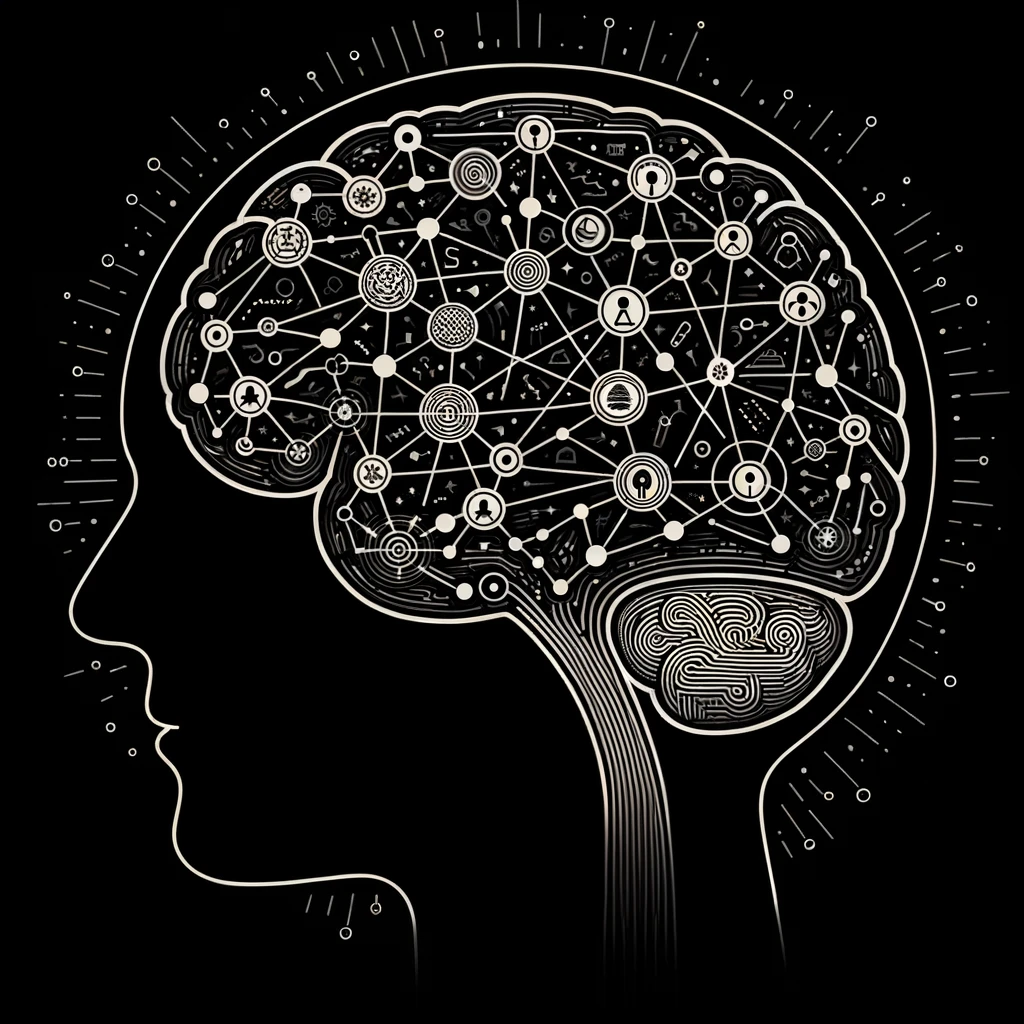
Schema
In modern cognitive sciences, we more often use the term mental|cognitive|internal "representations" (C-representations = comprehension|understanding representations; P-representations = production|action representations)
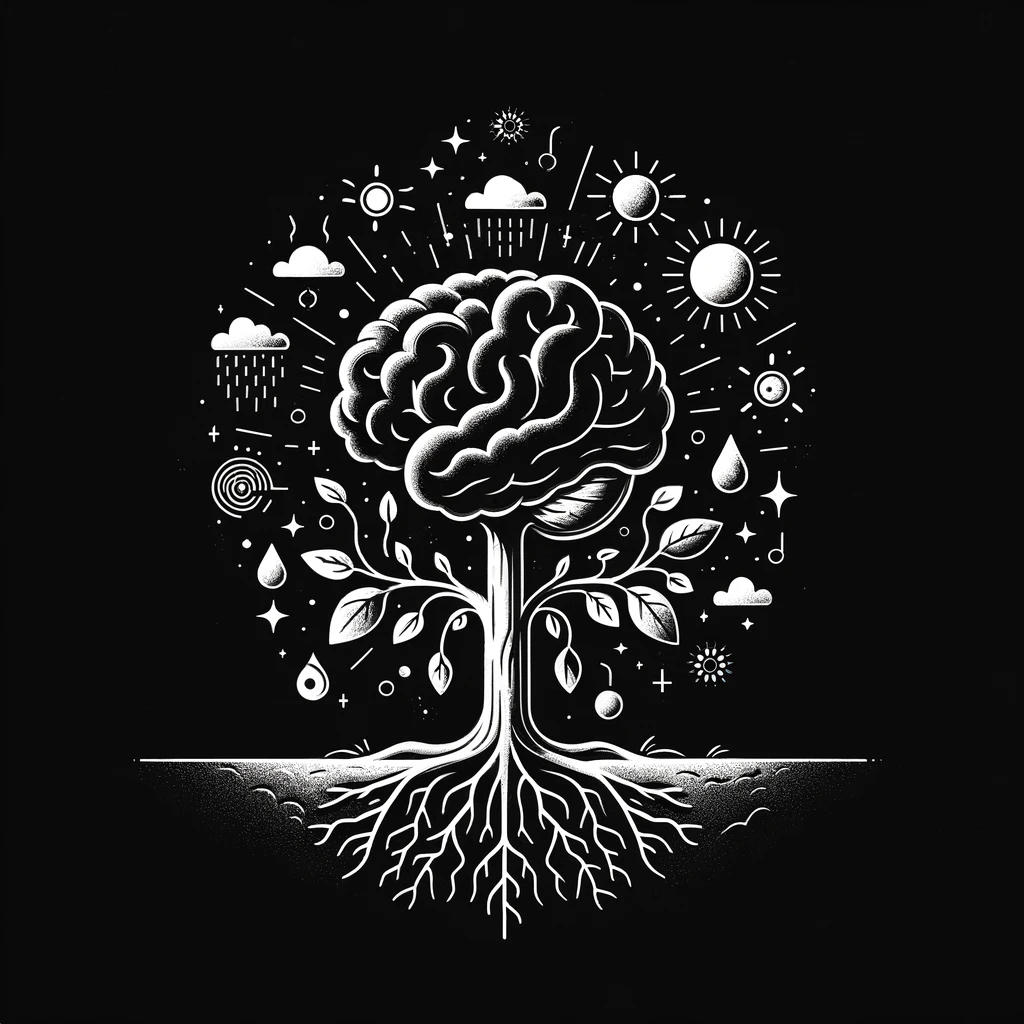
Adaptation
"Over time, as these processes of assimilation and accommodation repeat and compound, they lead to major shifts in understanding—ushering children into a new developmental stage." (GPT4)
Stages of cognitive development
Instrumental Enhancement
Session 0 :: Introduction
Recommended literature
Howard Gardner :: Frames of Mind / The Theory of Multiple Intelligences
David Goleman :: Emotional Intelligence : Why it can matter more than IQ
Singer et al. :: A Piaget Primer: How a Child Thinks
Murray & Herrnstein :: The Bell Curve: Intelligence and Class Structure in American Life (Achtung! Controversy)
Nick Bostrom :: Superintelligenz
Carlo M. Cipolla: The Basic Laws of Human Stupidity
Referat(s) welcome, Hausarbeit (5 SWS) possible. Note: Lecture of one of these books is mandatory for all those whose attendance will be between 1/2 and 2/3.Formalities
who am I
who are You
is this a course for You ?
credits (2 ECTS for >75% attendance, +1 for referat/experiment)
Hausarbeit possible
need help ? (tutor: a.terzieva@udk-berlin.de)
Leistungsnachweis
signature-related issues
Smartphone & Feedback box
Matrix room
https://medienhaus.udk-berlin.de/classroom
and subsequently join the course (#edu-psyche) room:
https://medienhaus.udk-berlin.de/classroom/#/room/#edu-psyche:medienhaus.udk-berlin.de
(or install matrix client apps like Element or Fluffychat and put "medienhaus.udk-berlin.de" as homeserver)
Course materials
baumhaus.digital/intelligence
Note: baumhaus presentations in different sessions are synchronized with my actions, i.e. when I change a folio in my browser, it will automagically change a folio in Your browser as well, click on "Session 2" and experience it for Yourself
(0-2 years) Sensory - Motor Stage
(3-7 years) Preoperational Stage
(7 - 11 years) Stage of Concrete Operations
(11 - 16 years) Stage of Formal Operations
FIE 1 overview
1. Organization of Dots
2. Analytic Perception
3. Orientation in Space
4. Comparative Behavior
5. Family Relations
6. Temporal Relations
7. Categorization
8. Instructions
(1 - 4 months) Primary circular reactions
(4 - 8 months) Secondary circular reactions
(8 - 12 months) Coordination of secondary schemata
(12 - 18 months) Tertiary circular reactions
(18 months - 2 years) Invention of new means through mental combinations
(0 - 1 month) Random and reflex actions
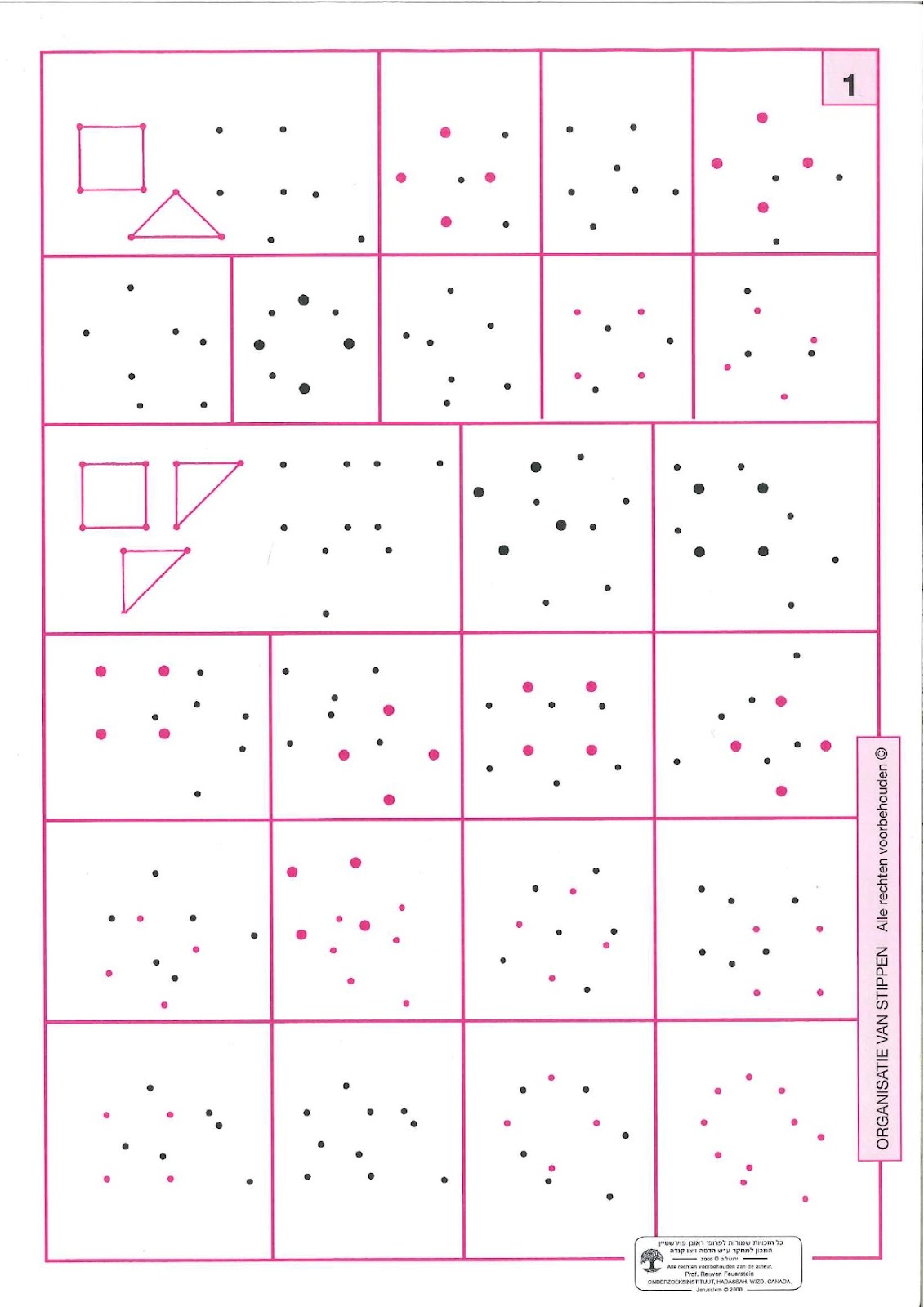
Instrument 1 :: Connecting points
connect the dots so You obtain the requested geometric patterns (e.g. square and triangle)
observe Your cognitive processes (if anything interesting "happens", note it on a piece of paper for further discussion)
do not hurry, You have all the time You need.
Breath slowly and deply
Word of warning : You now enter the path of intelligence enrichment. While some teachers say that the path of intelligence is the path leading to the highest joy, a more pragmatic ones would assert that being smarter just makes one more sad.
And potentially also mad
Other referat || intervention topics
Greek muses
fostering of intelligence
evaluation of intelligence
Flynn effect
stupidity
udk.ai
GPT4's answer
Learning and Adaptation
Reasoning & Problem Solving
Memory & Knowledge
Perception
Emotional Intelligence
Creativity
It's important to note that intelligence is still a topic of debate among psychologists and neuroscientists. Traditionally, intelligence was often measured using IQ (intelligence quotient) tests, but many experts now believe that IQ tests capture only a narrow slice of what constitutes human intelligence. Moreover, various cultures might emphasize different abilities or qualities when defining or valuing intelligence, so the concept can be both culturally and contextually relative.
Perception
Human sensorics
sight, hearing, smell, taste
Tactition (Touch): pressure, vibration, thermoception (temperature)
Nociception (Pain): This is the sense of detecting harmful stimuli, signaling potential injury. There are specialized pain receptors throughout the body.
Equilibrioception (Balance): Located in the inner ear, vestibular system helps us maintain our balance and spatial orientation.
Proprioception (Body Position): Also known as the "sense of self," this sense allows us to know where our body parts are in relation to each other, even without looking.
Interoception (Internal Sensations): This refers to the sense of the internal state of the body. It can include sensations of hunger, thirst, and the need for bodily functions.
Stretch Receptors: These are found in muscles and tendons and allow us to sense the stretching of muscles and the position of our limbs.
Chemoreceptors: These detect changes in the chemical composition of the body, such as changes in oxygen or carbon dioxide levels in the blood.
Proprioception exercise
We will now listen to excerpts from Michael Nyman's piece "The Heart asks pleasure first" (Das Piano soundtrack).
After the music stops, open Your eyes.

Memory

Reasoning

Learning & Adaptation
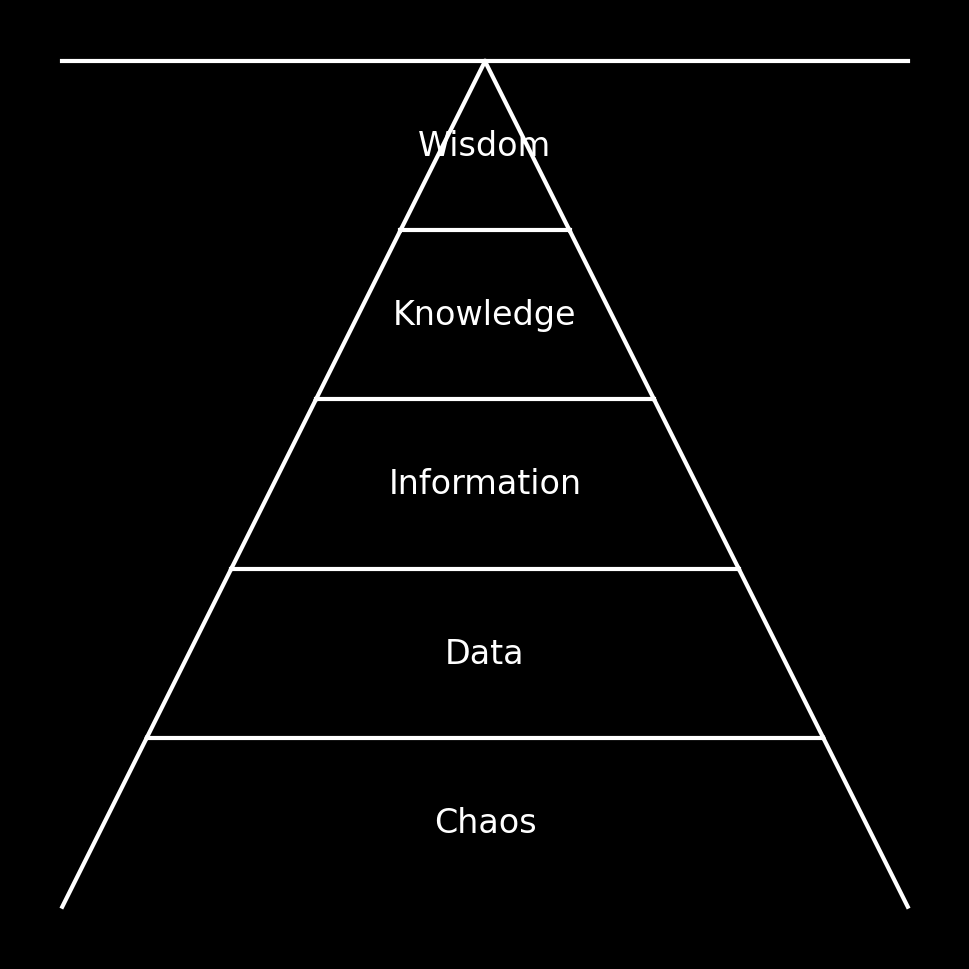
Knowledge

Creativity

Emotional Intelligence
.png)
Problem Solving
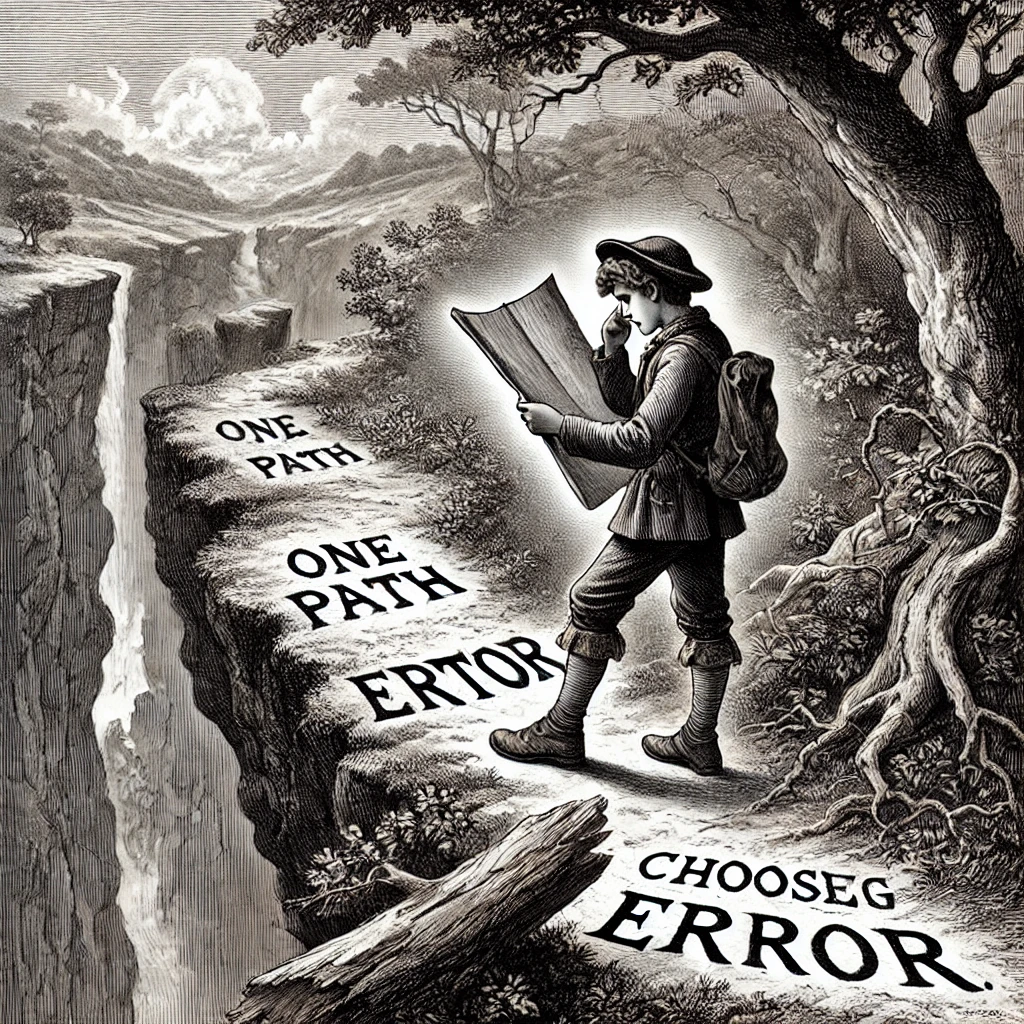
Error

Trial
sed perservere...
To err is human, to stay in error diabolical.
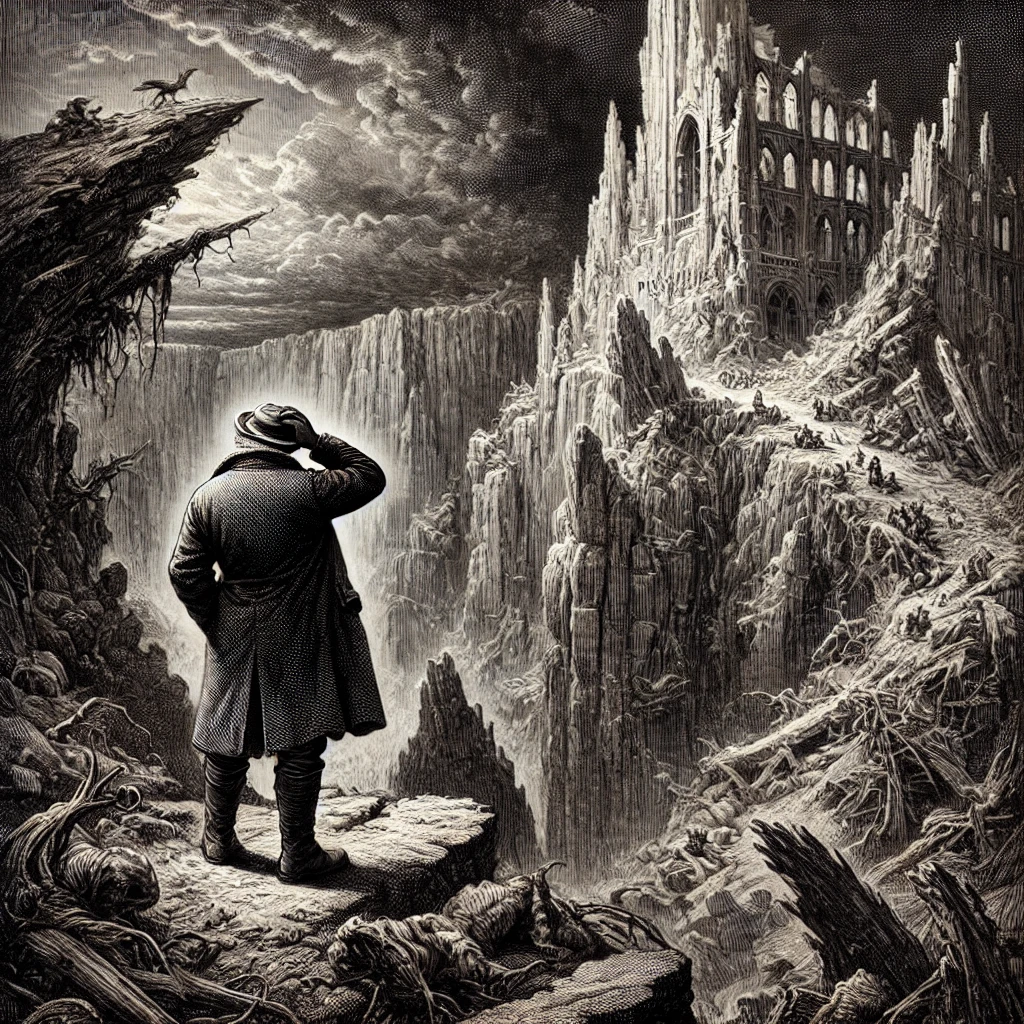
Two types of errors
the "bad" errors (often happen only once)
the "innocent" (unpleasant but useful minor misstep)
Turn to Your neighbour, discuss the question "what was the worst error (e.g. the biggest fuckup) You ever did/caused in Your life". After 5 minutes, each couple will be asked to present at least one such error to the plenum.
Repetition
Questio
repetitio.digital.udk-berlin.de
Game
What is Your most favorite game / way of playing ?
Any game You would like to bring & play with Your colleagues during the Congress ?
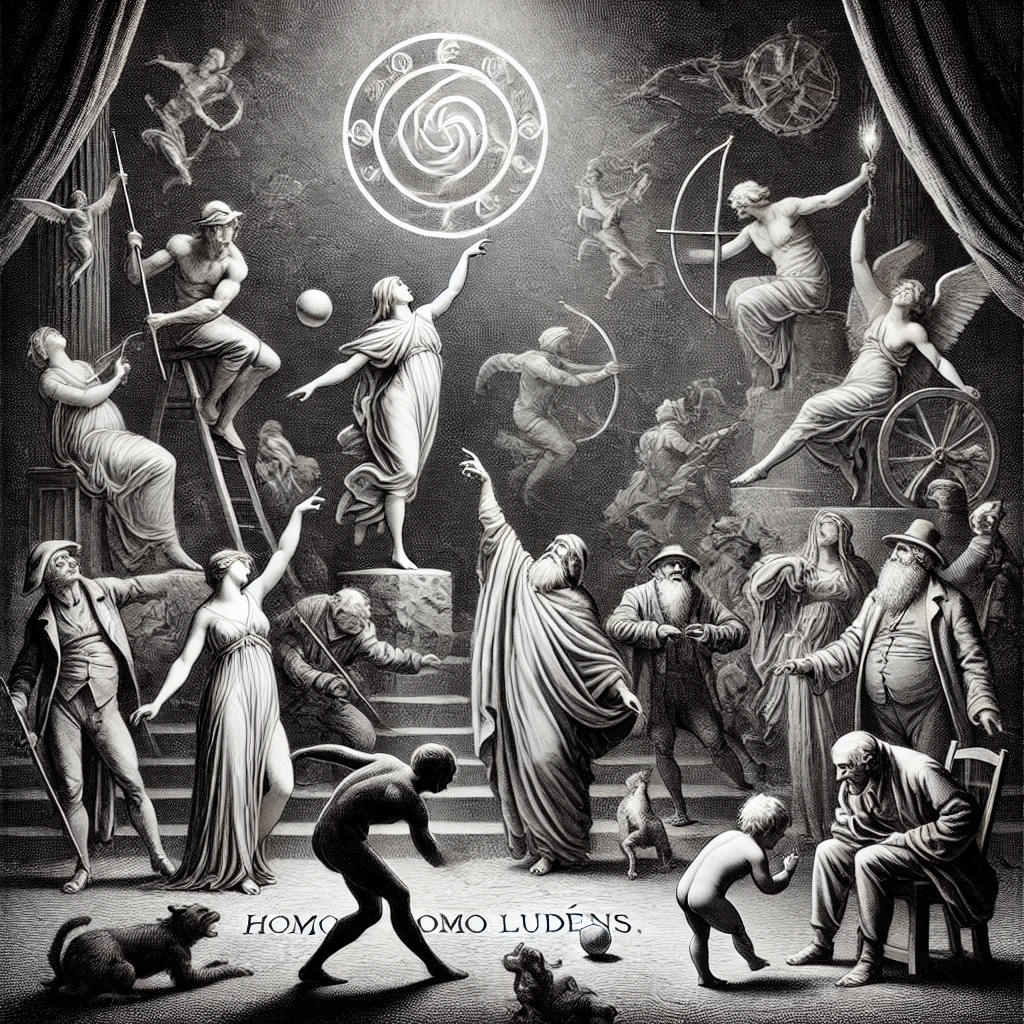
Homo ludens
Session 3 :: Form(s) of intelligence
Supervised learning
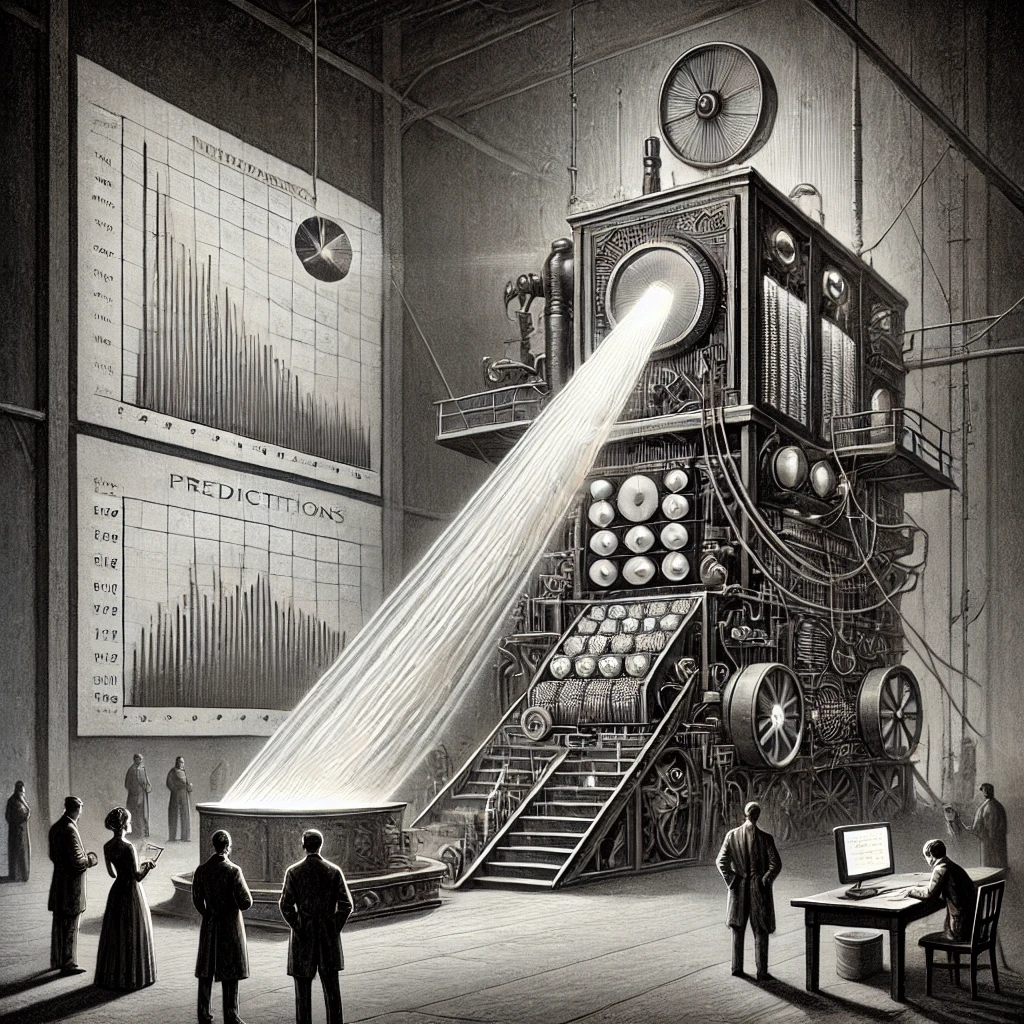
Testing
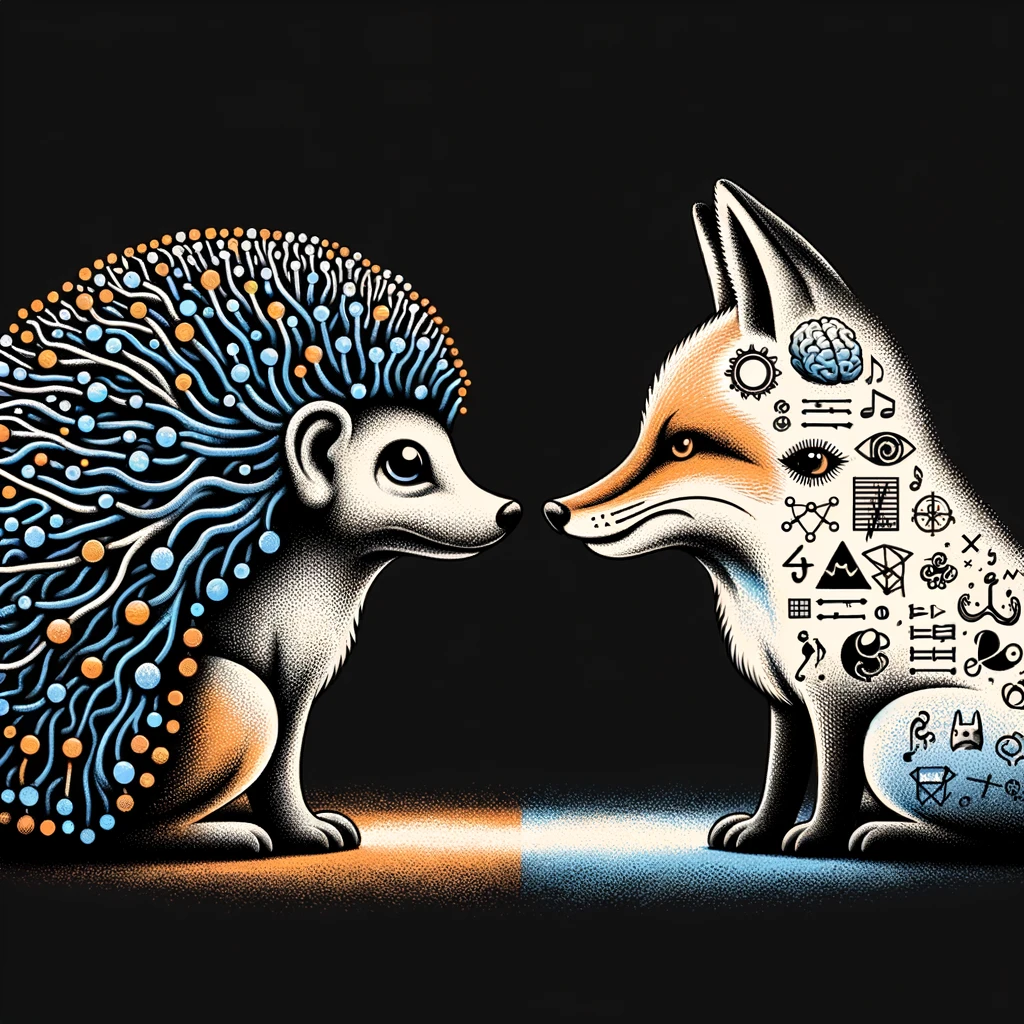
Hedgehogs and foxes
Supervised learning & Human learning
Categorization
The Cat & The Fox
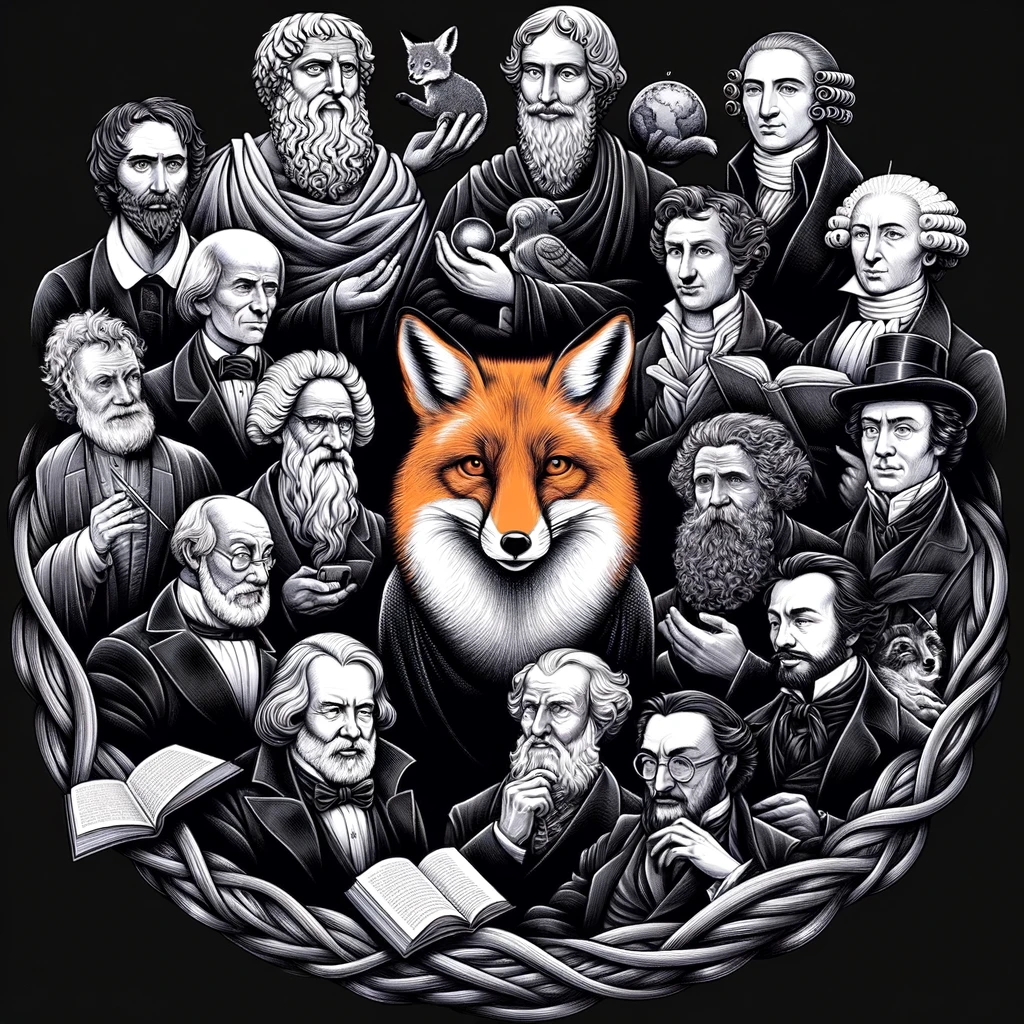
Foxes
Berlin's examples from literature and philosophy: Herodotus, Aristotle, Desiderius Erasmus, William Shakespeare, Michel de Montaigne, Molière, Johann Wolfgang Goethe, Aleksandr Pushkin, Honoré de Balzac, James Joyce etc.
Fox theories of intelligence
Howard Gardner's Theory of multiple intelligence is a fox theory par excellence.
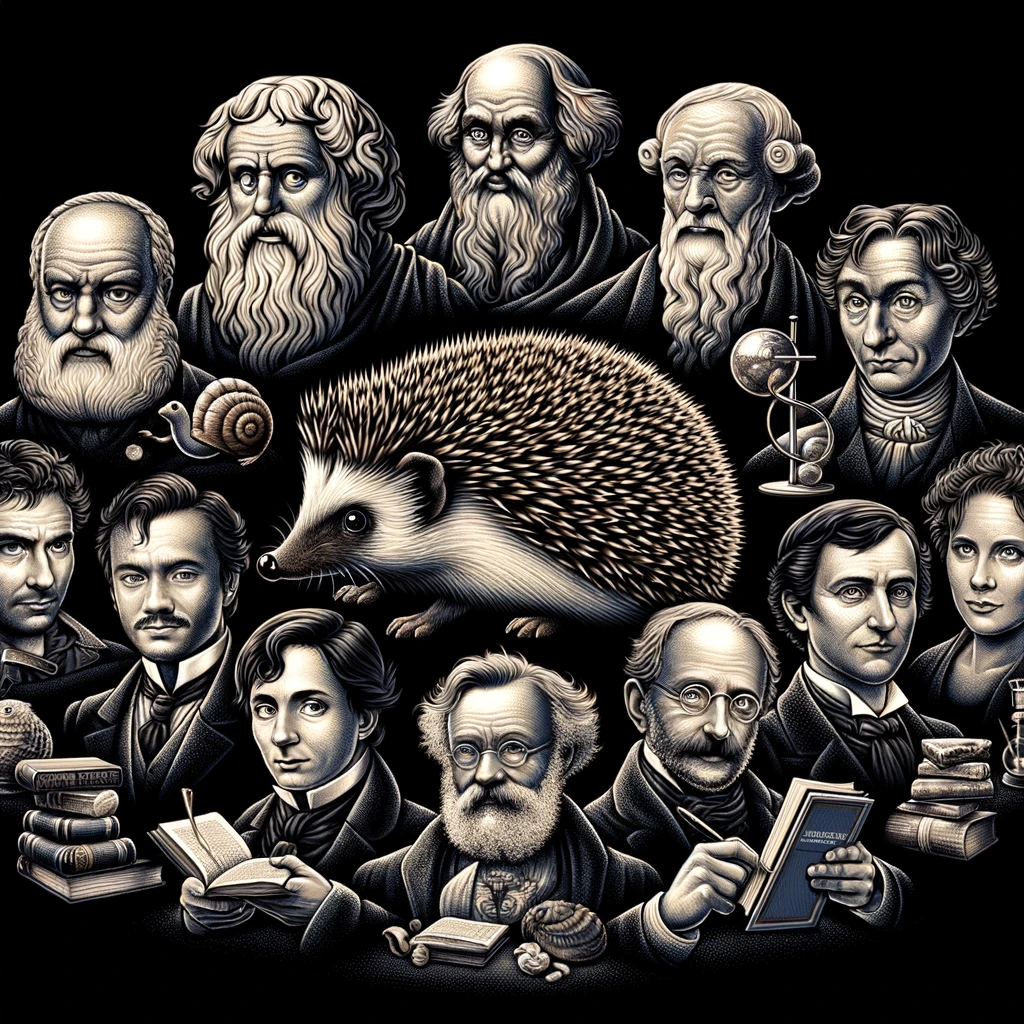
Hedgehogs
Hedgehog theories of intelligence
Questio
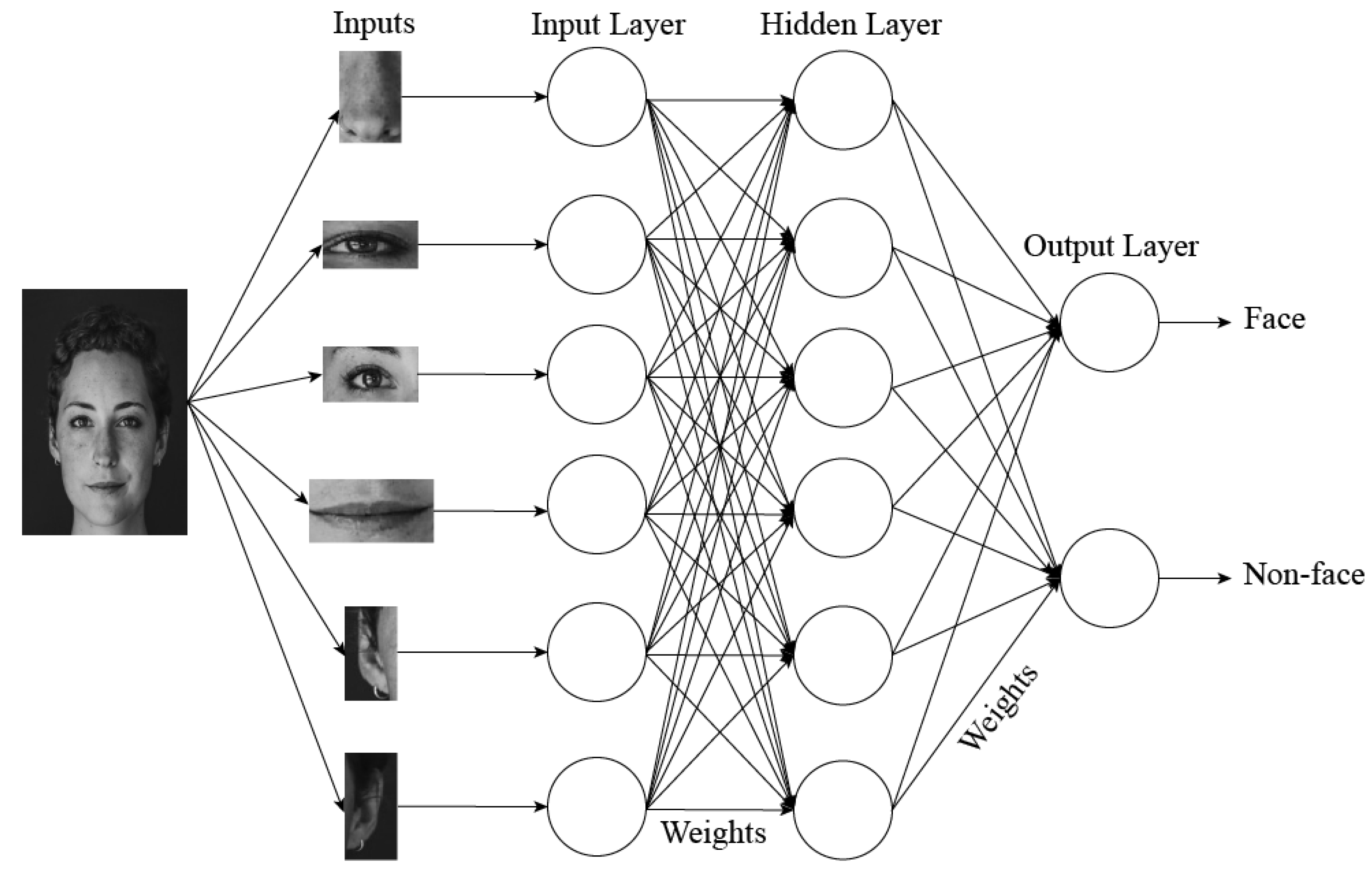
Classifiers

General Intelligence
Spearman's Universal Unity of the Intellective Function
(Spearman, 1904, p.273 in "General Intelligence: Objectively determined and measured")
Intelligence Quotient
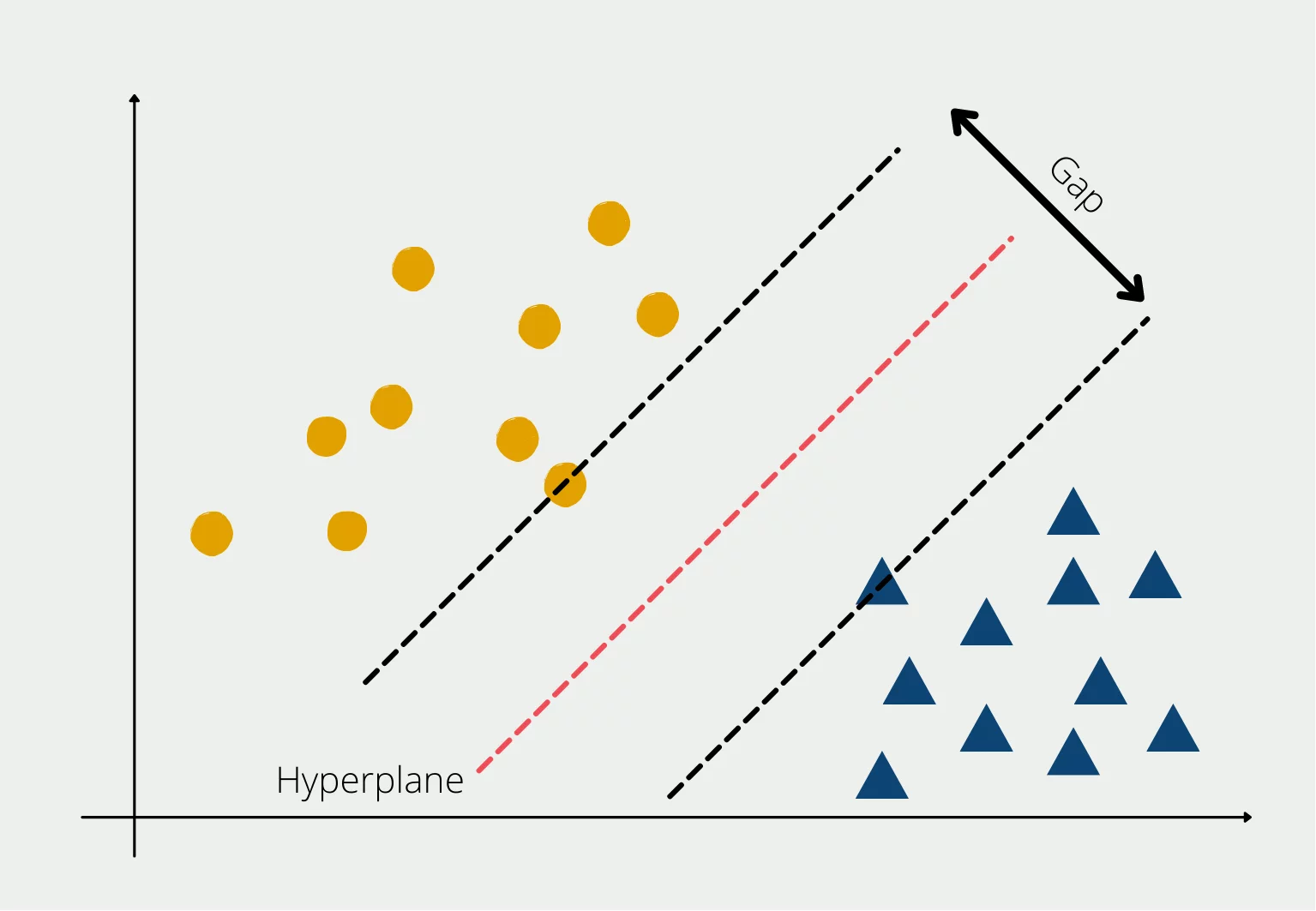
Support Vector Machines
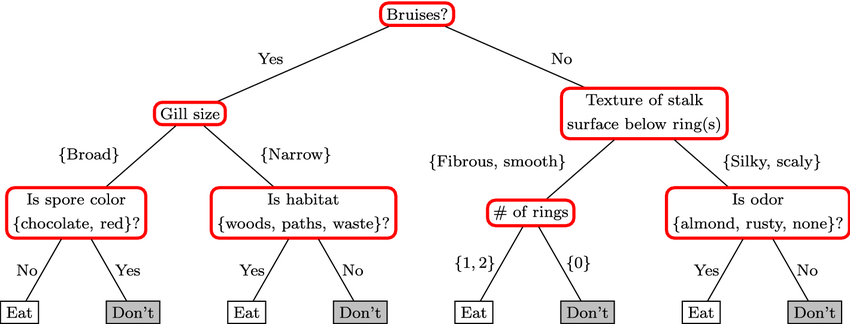
Decision Trees
Exercicio: AI Unplugged 1
At the end ofthe training phase, the criteria formulated are exchanged with another team. Now, the students are shown the pictures of the remaining monkeys (test data) one after the other. For each image, the teams decide whether the monkey will bite or not using the scheme of rules developed by their classmates...

G Factor
A little IQ test maybe ?
Take Your time. When done earlier than Your colleagues, feel free to take a break.
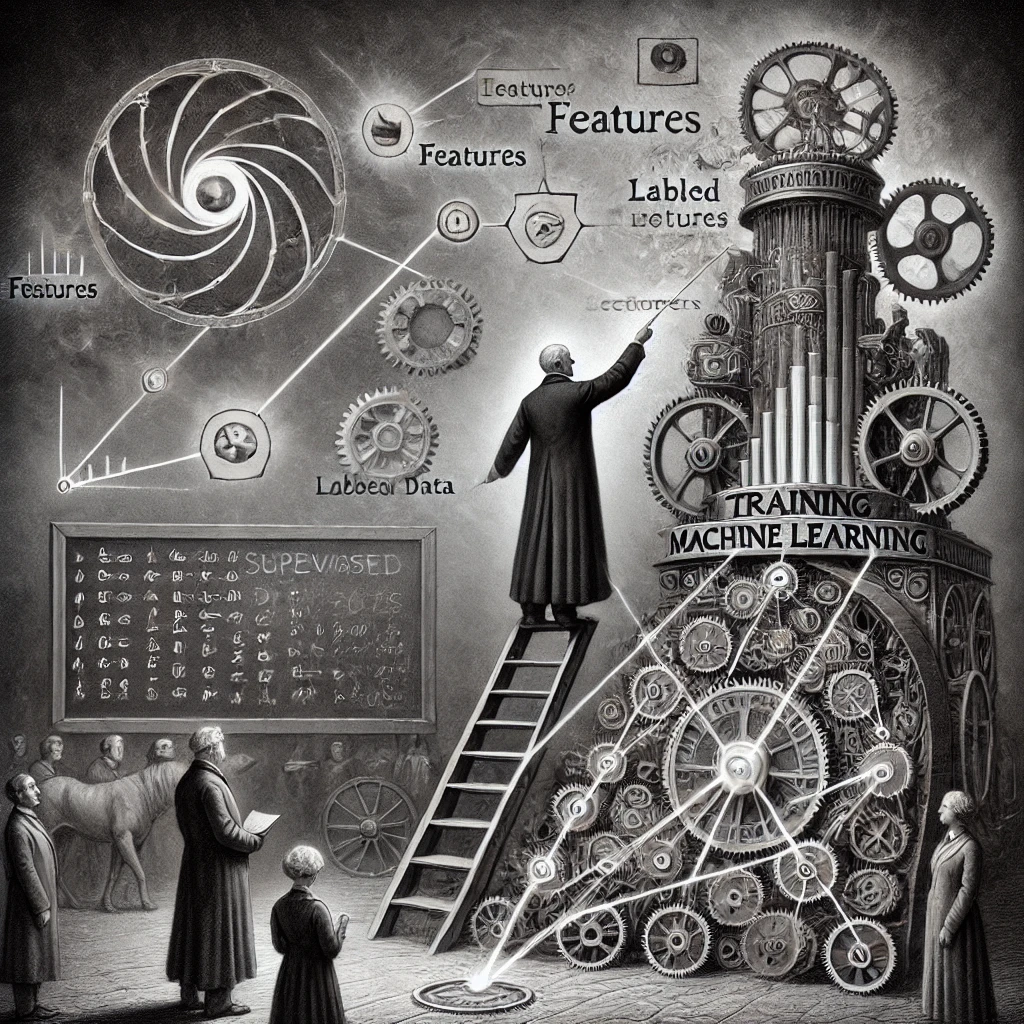
Training
Hausaufgabe
in #edu-intelligence room, put an emoticon of Your choice under intelligence X of Your choice
take note of who else is in Your group
read the chapter in Gardner's Frames of Mind
read additional literature
every group should present X in any way You find appropriate (be creative!)
topics which should be adressed in the presentation: Gardner's 8 criteria respective to X; examples of persons who exemplified high (or low) degree of X; relations of X to other inteligences
two most important questions: How would You evaluate X of human subjects ? How would You evaluate X of a machine ?
Validating
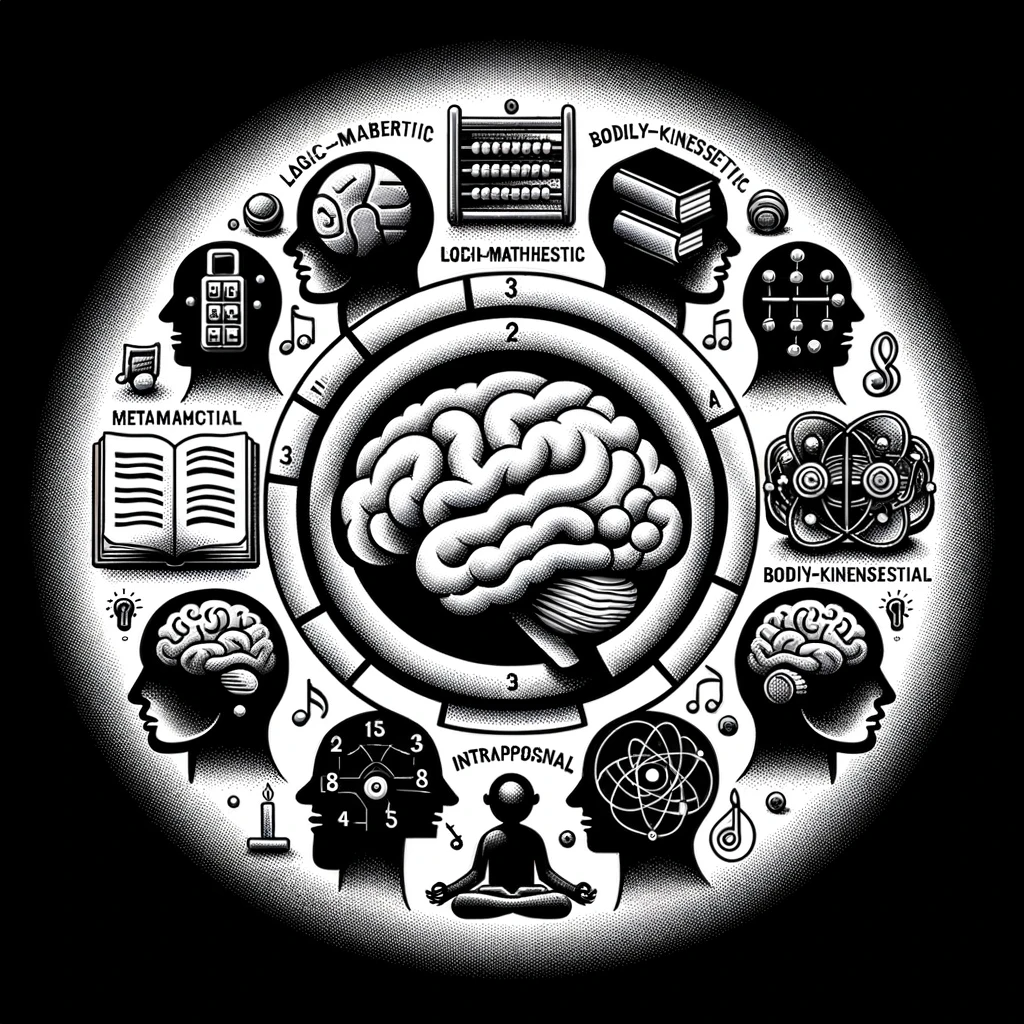
Theory of Multiple Intelligences
Defining criteria of an intelligence
Potential Isolation by Brain Damage
Existence of Savants, Prodigies, and Other Exceptional Individuals
An Identifiable Core Operation or Set of Operations
A Distinct Developmental Trajectory
An Evolutionary History and Evolutionary Plausibility
Support from Experimental Psychological Tasks
Support from Psychometric Findings
Susceptibility to Encoding in a Symbol System

Linguistic Intelligence
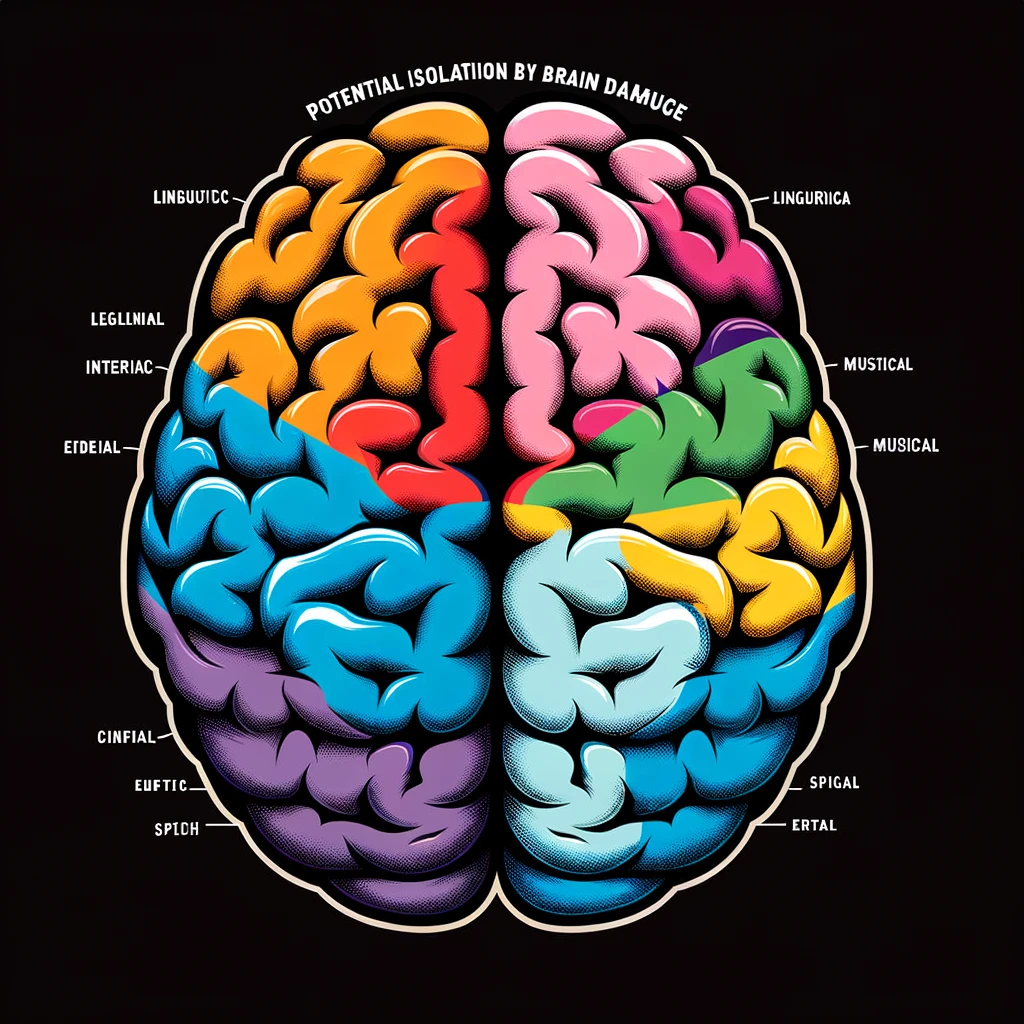
Potential Isolation by Brain Damage
The story of Phineas Gage

Existence of Savants, Prodigies, and Other Exceptional Individuals
An Identifiable Core Operation or Set of Operations
Distinct Developmental Trajectory
Evolutionary history and evolutionary plausibility
Support from Experimental Psychological Tasks
Support from Psychometric findings
Susceptibility to Encoding in a Symbol System

Musical Intelligence

Logical-Mathematical Intelligence

Warm up Exercise : Wason Selection Task
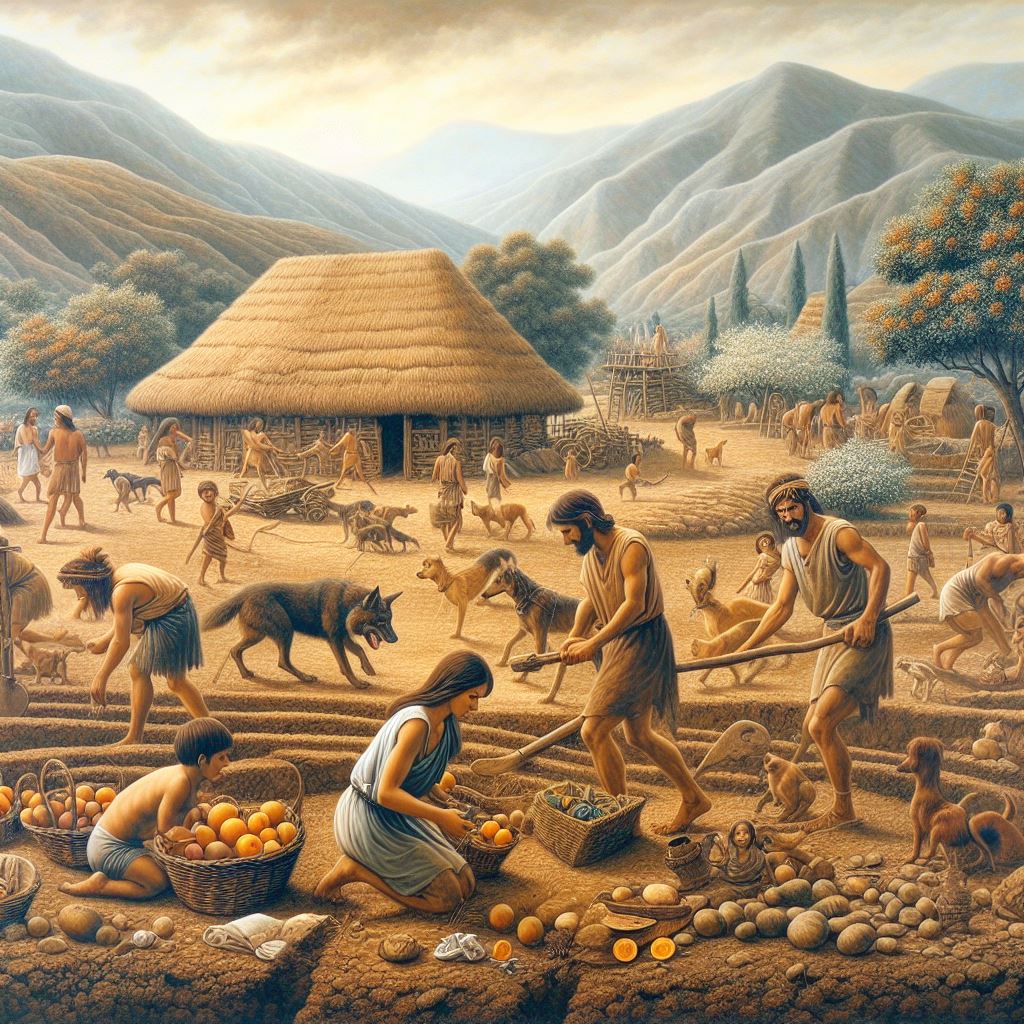
The Origins of Mathematics
Agricultural Societies
Ancient Egypt
Mesopotamia/Babylon
Ancient China
Ancient India
Defining criteria
The Merriam-Webster Dictionary defines logic as follows: a science that deals with the principles and criteria of inference and demonstration: the science of the formal principles of reasoning
mathematics is the science of abstract structures and patterns, constructed out of different statements, which need to be proven true
Identifiable set of operations & Symbol system
Henri Poincaré distinguished between the memory for steps in a chain of reasoning and the appreciation of the links between propositions. The later was regarded as the more important ability for a mathematician.
There are symbol systems for encoding actions performed upon objects and symbol systems for relations between objects.
1 + 1 = 2 | 2 - 1 = 1 | 2 x 2 = 4 | 4/2 = 2
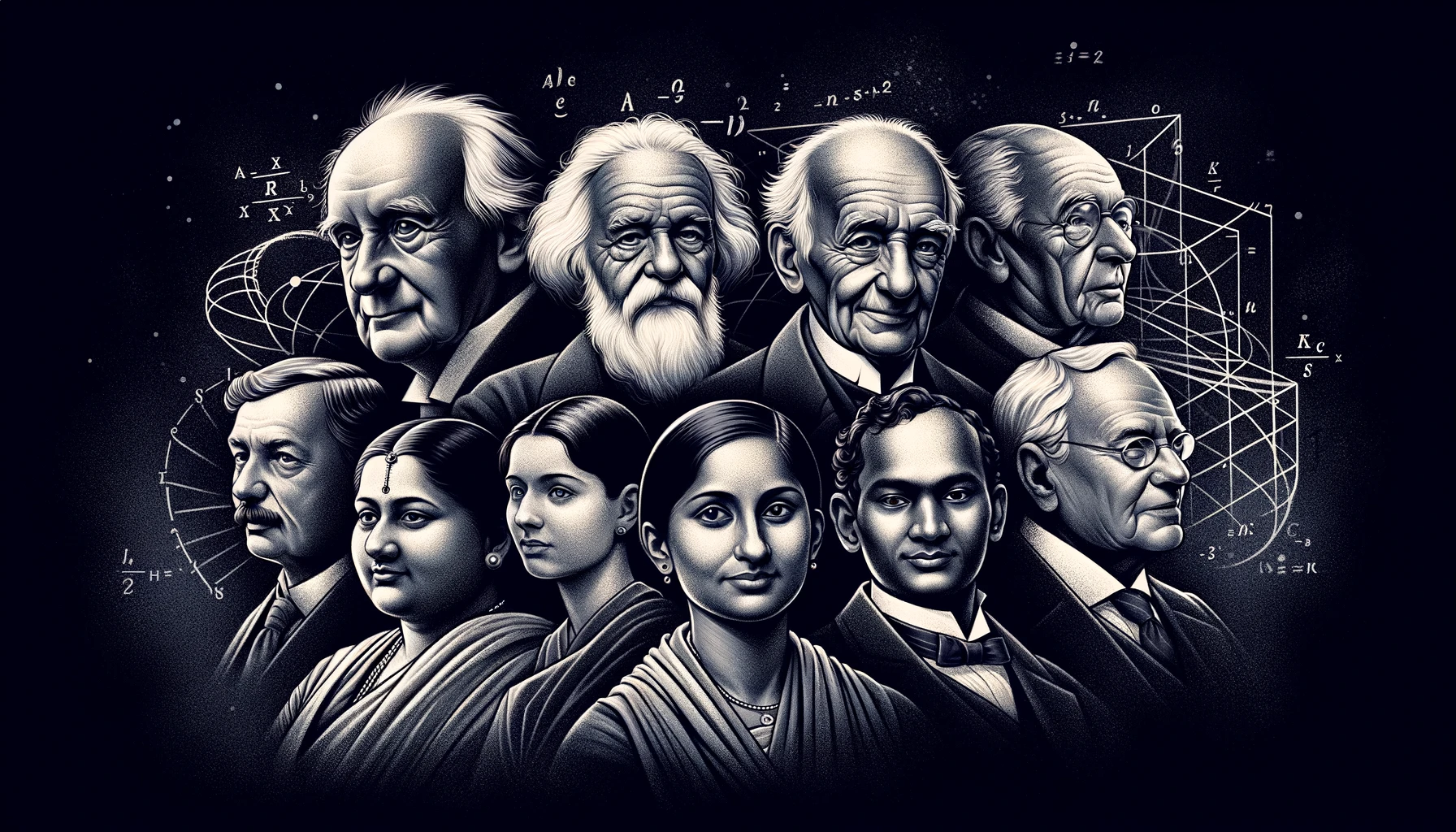
Prodigies
... remarkable counting abilities, such as Shakuntala Devi: she was able to multiply two 13 digit numbers in 28 seconds in 1980
... intuitive understanding, such as Srinivasa Ramanujan: he wrote down nearly 3.900 new results (theorems, identities and equations)
... insight into abstract structures, such as Alexander Grothendiek: he worked on a rebuilding of algebraic geometry

First sign of mathematics-Nile Bank
calendar
religion: Nile river god Hapi
measuring device
landmeasure
measure unit
legth and area calculation
decimal system
binary counting system
fractions
Eye of Horus: geometric theory
accurate value of pi
Pyramid - the golden ratio, right angle

Power of proof: Acient Greece
Pythagoras
right-angled triangles
the harmonic serie
Euclid
300BC "The Elements": axioms
Archimede

Śūnyatā: Indian
the decimal place-value system
0 and infinity
pi
Brahmagupta
negative numbers
unknowns in equations
trigonometry
Al-Khwarizmi
algebra
Developmental trajectory
Psychometry
Urban, industrial & digital societies
Evolutionary plausibility
Relations to other Intelligences
Personal intelligences
Bodily-kinesthetic intelligences
Visual-spatial intelligences
Musical intelligences
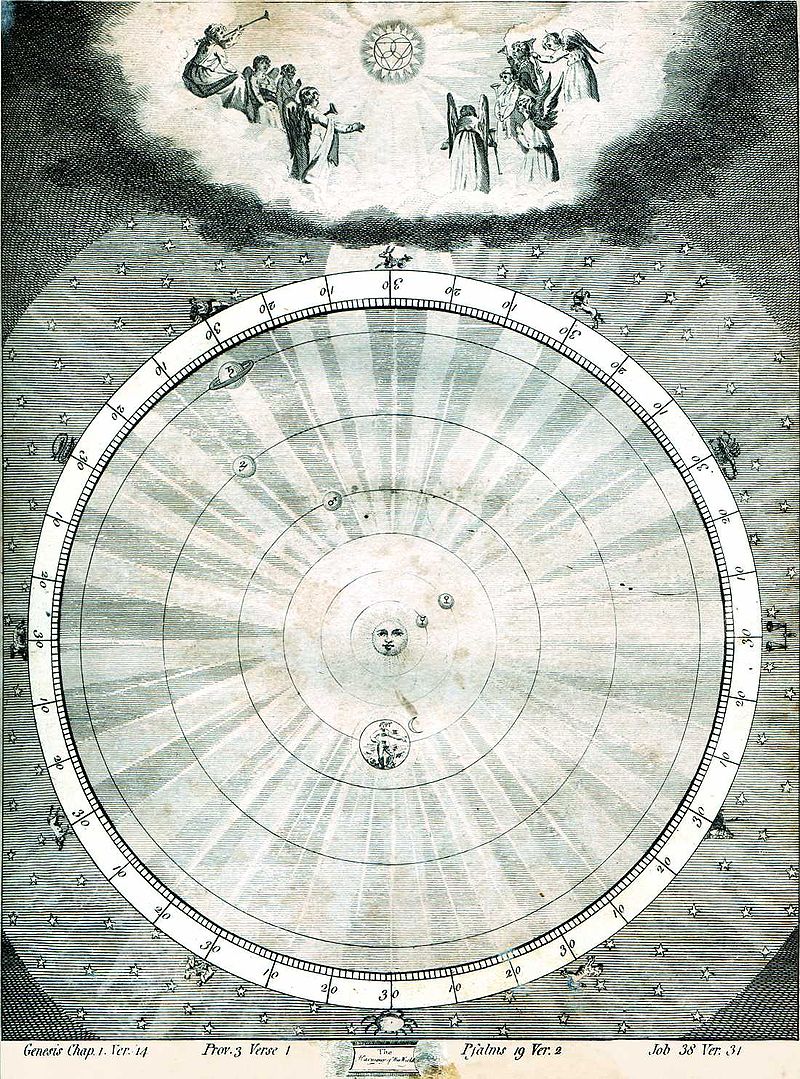
Pythagoras Musica Universalis
Rhythms and intuitive counting
Musical notation and polyphony
12-Tone music and Arnold Schönberg
Stochastic music and Iannis Xenakis
Algorithms and generative music
Linguistic intelligences
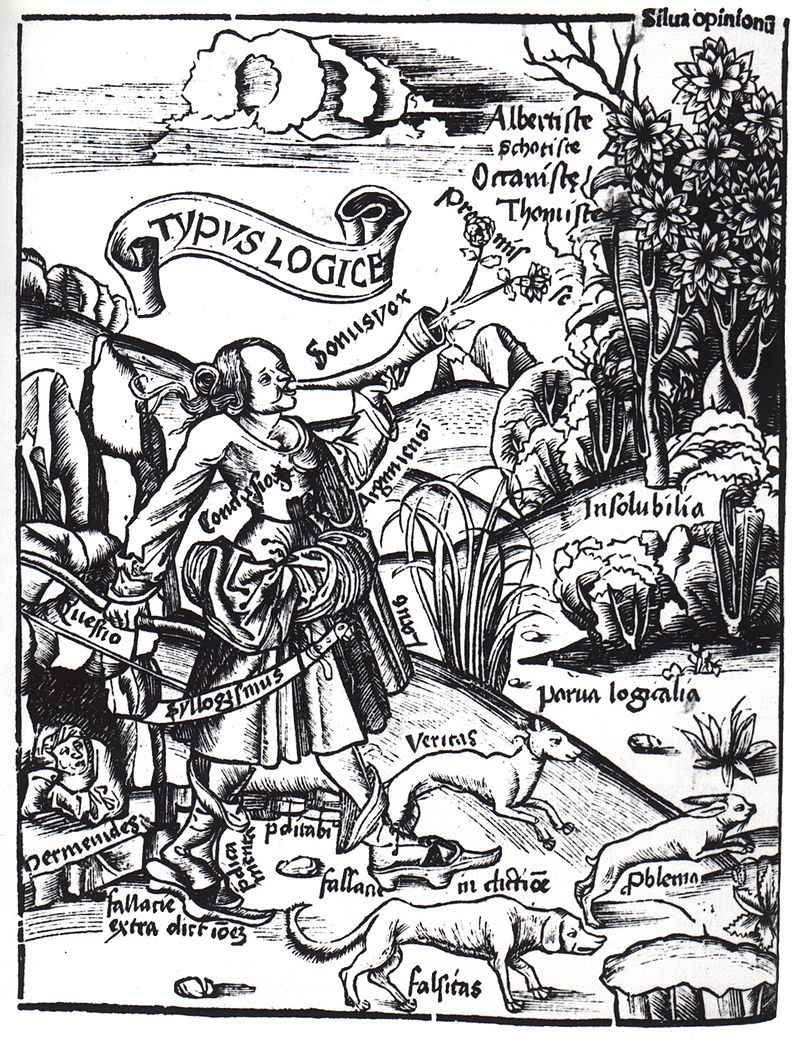
Crosslink between phonology, music and mathematical description
Semantics and symbol manipulation
logics and reasoning
Mediator of mathematics
Vectorization of language
.svg.png)
Human & Machine
Vectorization, stochastic and noise
IQ test
Turing test
Q+ model?
Non-computational problems
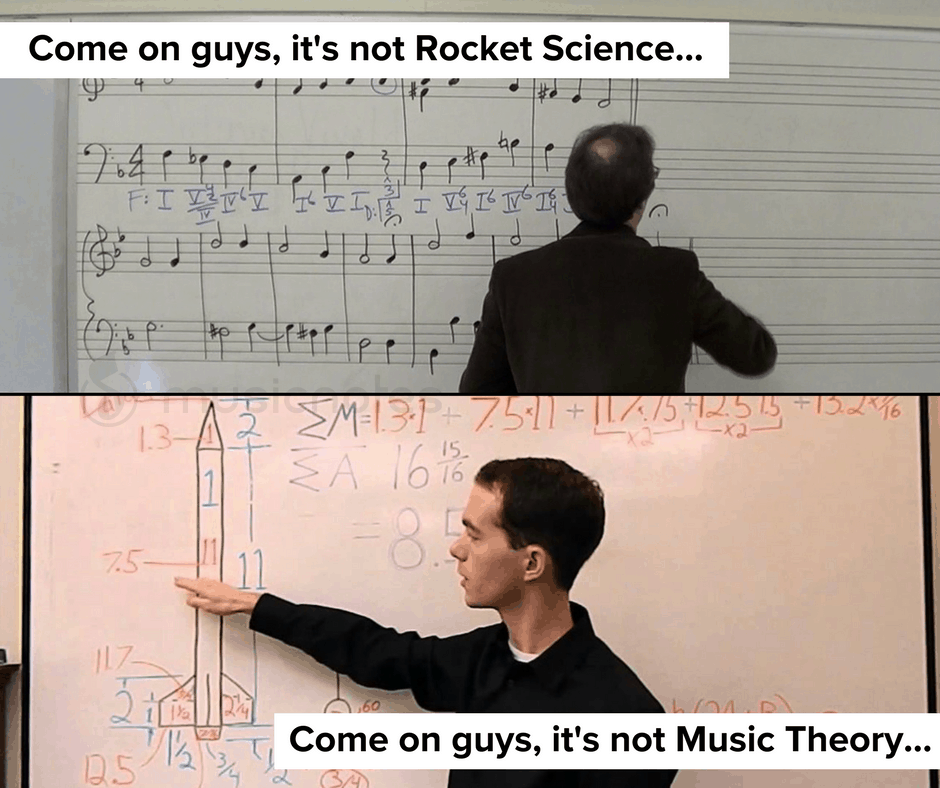
Outset exercise

Visual-Spatial Intelligence
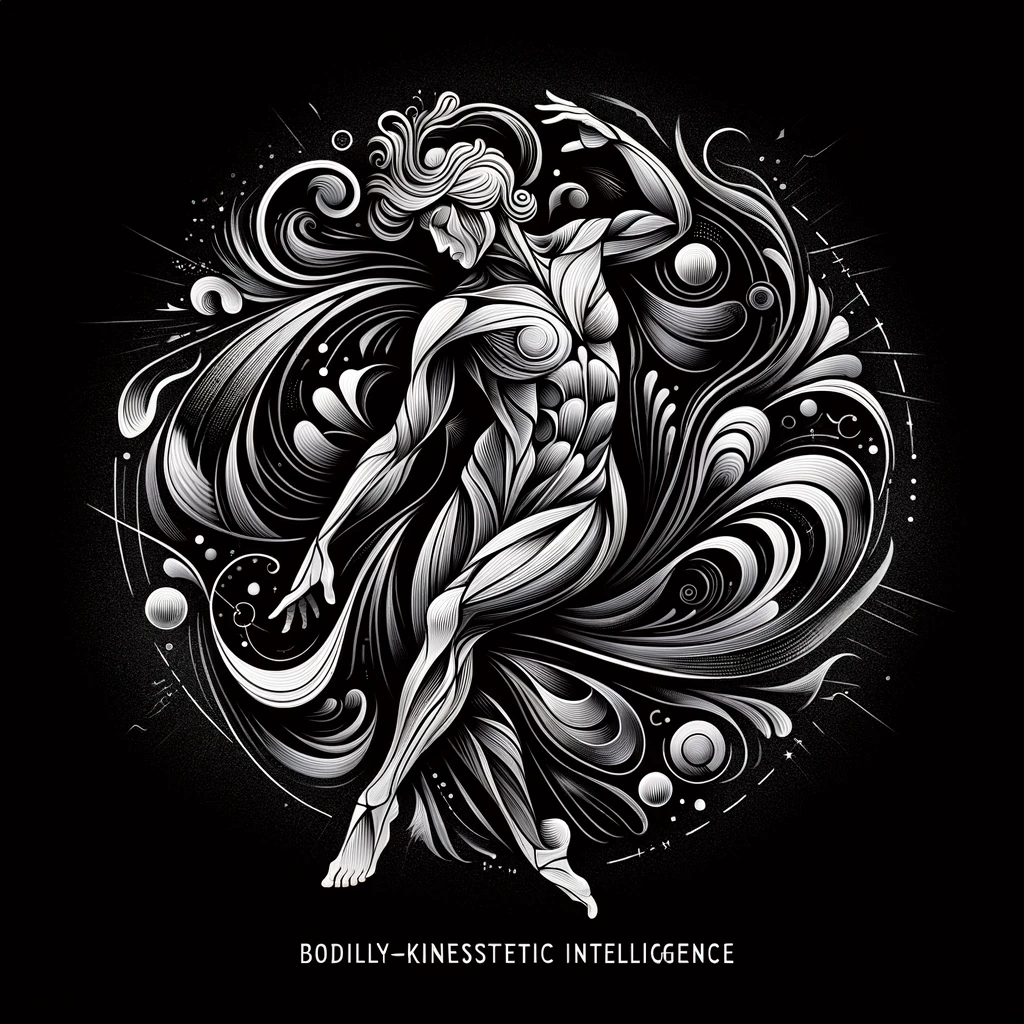
Bodily-Kinaesthetic Intelligence
Personal Intelligences

Interpersonal Intelligence

Intrapersonal intelligence
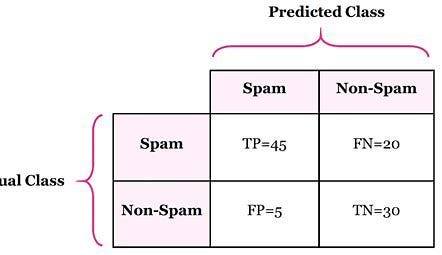
Evaluation
Session 4 :: Other (forms of) intelligence
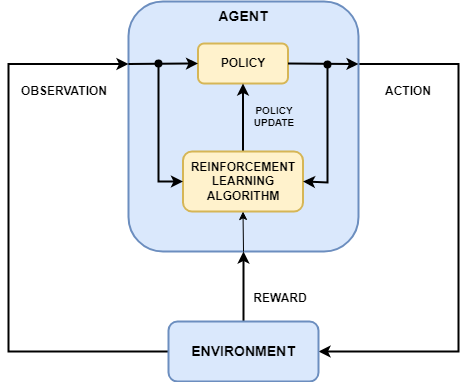
Reinforcement learning
Questio 1
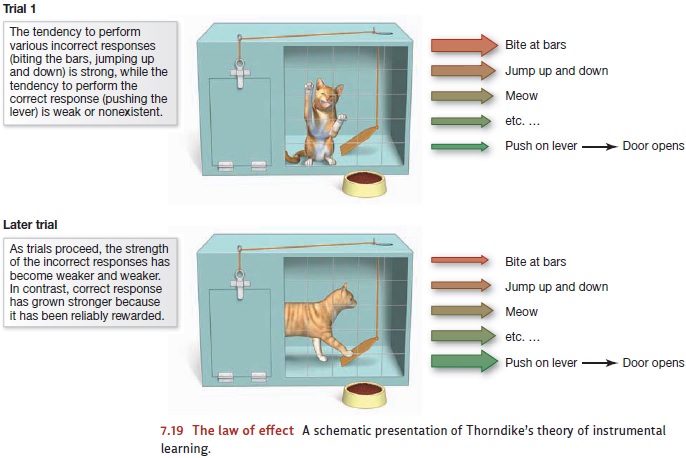
Law of Effect

Naturalistic intelligence(s)
Health & Hygiene
Death
Food & Poison
Predators & preys
Parasites & symbionts
Courteship & mating
Care the little ones
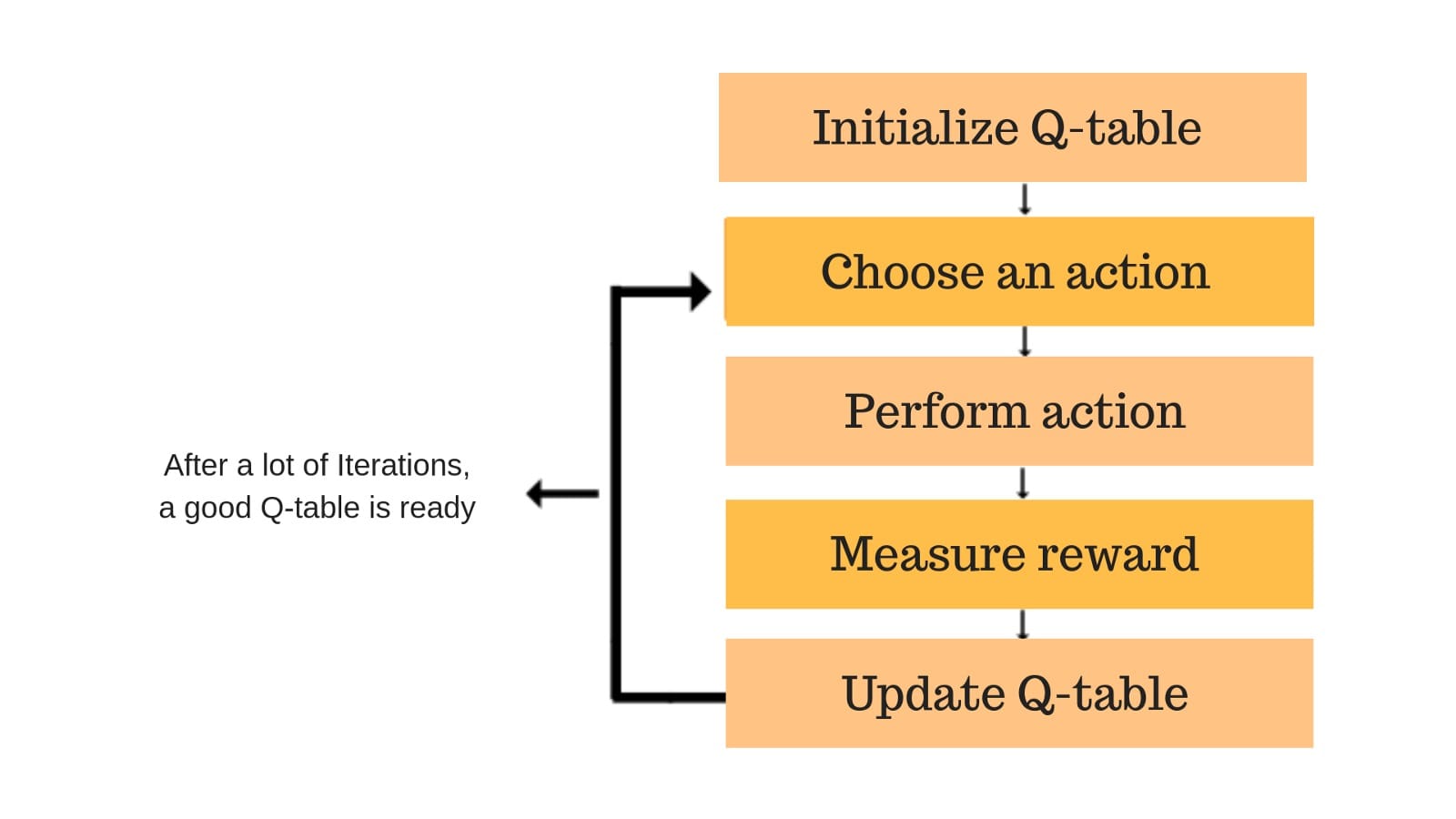
Q-learning
Q-learning is a model-free reinforcement learning algorithm that enables an agent to learn an optimal policy for decision-making. It works by estimating the Q-values (action-value function), which represent the expected cumulative reward for taking an action in a given state and following the best future actions. The agent updates Q-values iteratively using the formula:
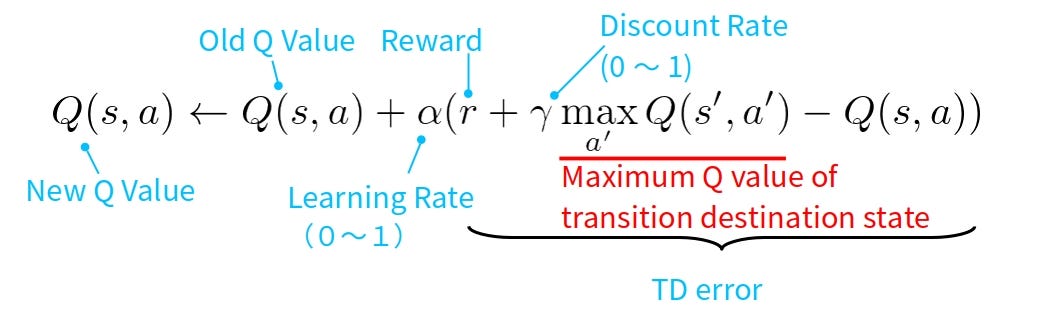
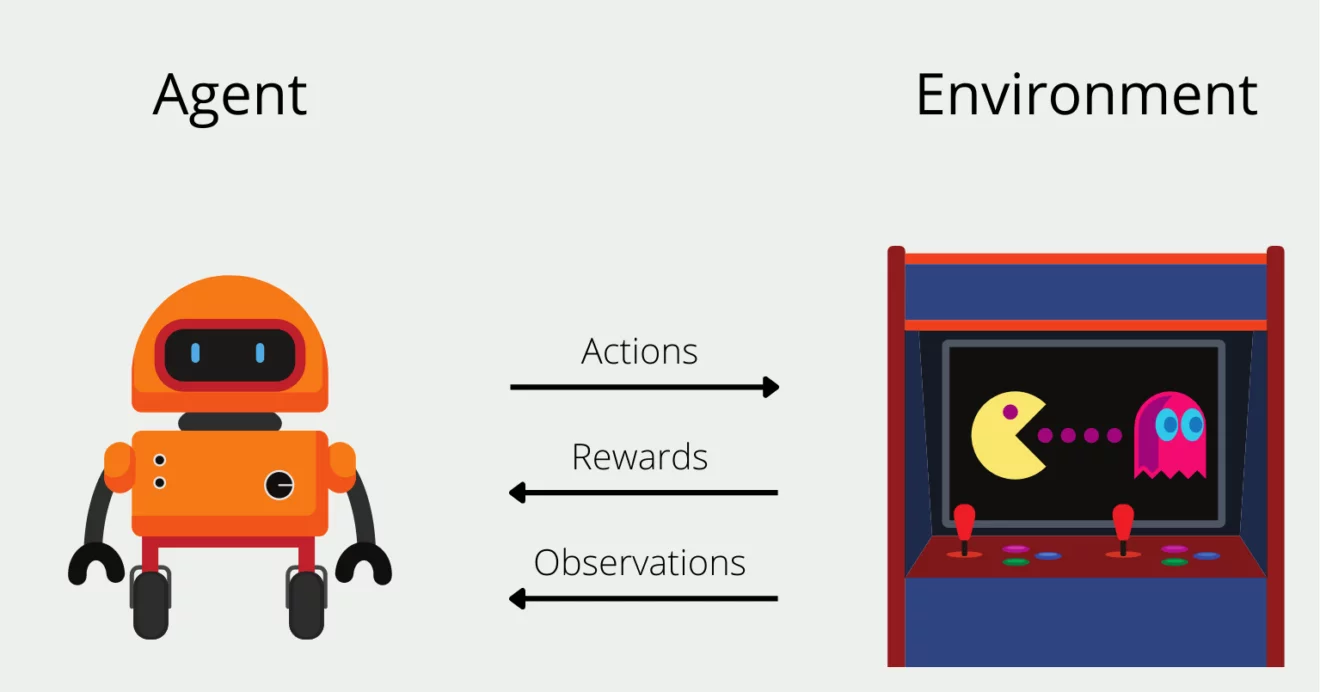
Agent-Environment Framework
Questio 2
stupid behaviour
clever behaviour have fun !

Moral intelligence
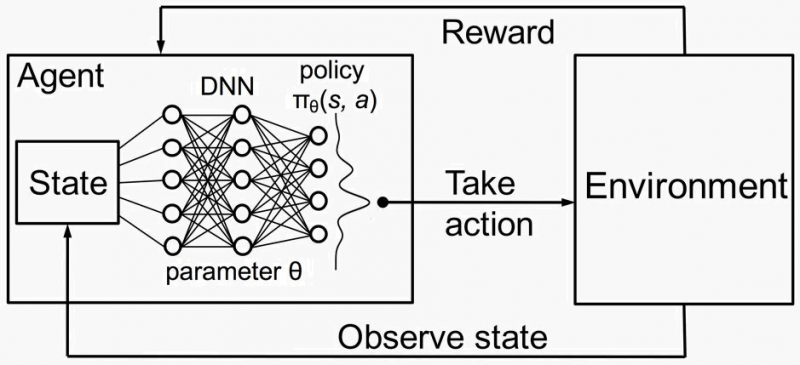
Deep reinforcement learning
AlphaGO
Heteronomous morality
Autonomous morality
Hebb's Law
Explanation
Art Analogy
Repetitio
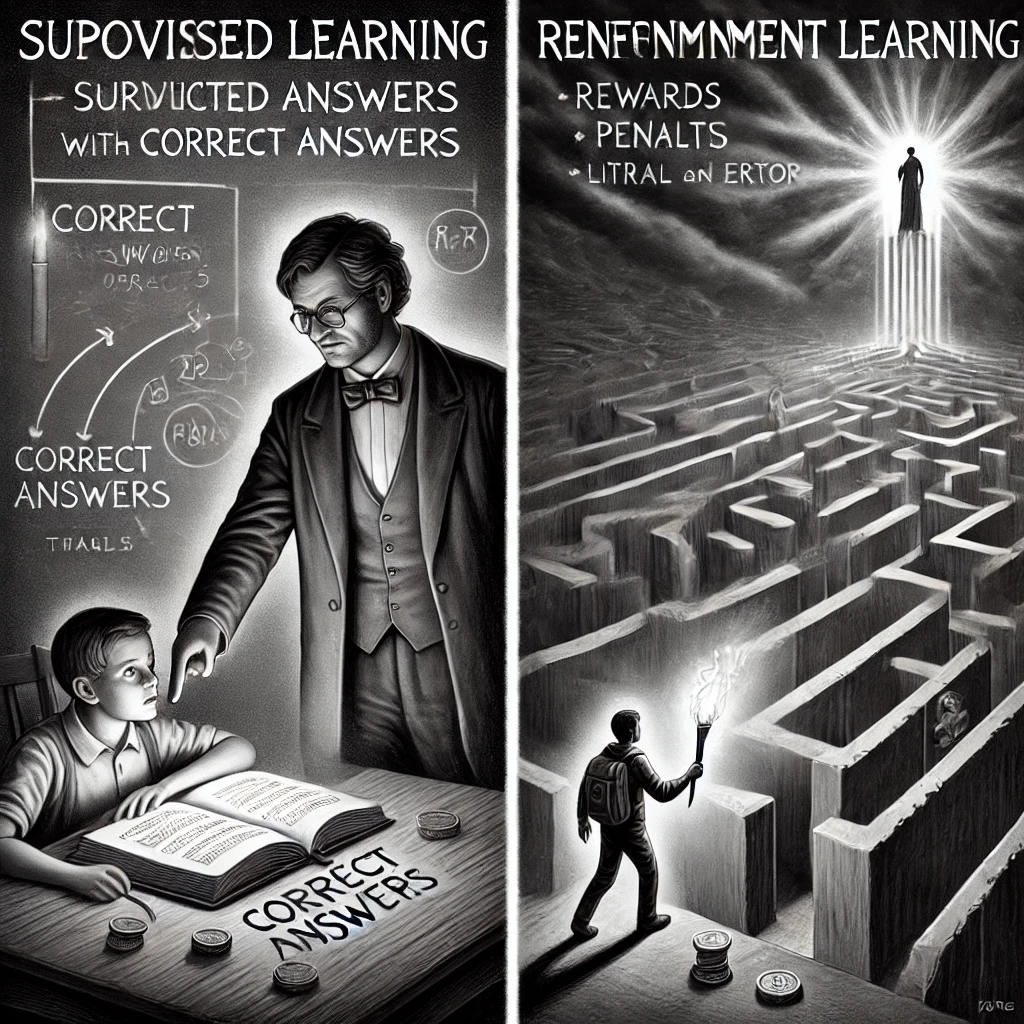
From supervised to reinforcement learning
Conditioning
Classical Conditioning: Involves pairing a neutral stimulus with a meaningful one to elicit a similar response (e.g., Pavlov’s dogs salivating at the sound of a bell).
Operant Conditioning: Involves learning through rewards or punishments, where behaviors are strengthened or weakened based on their consequences (e.g., Thorndike’s Law of Effect).
Social learning
Session 5 :: 14.12 :: Artificial intelligence
Social Learning Theory
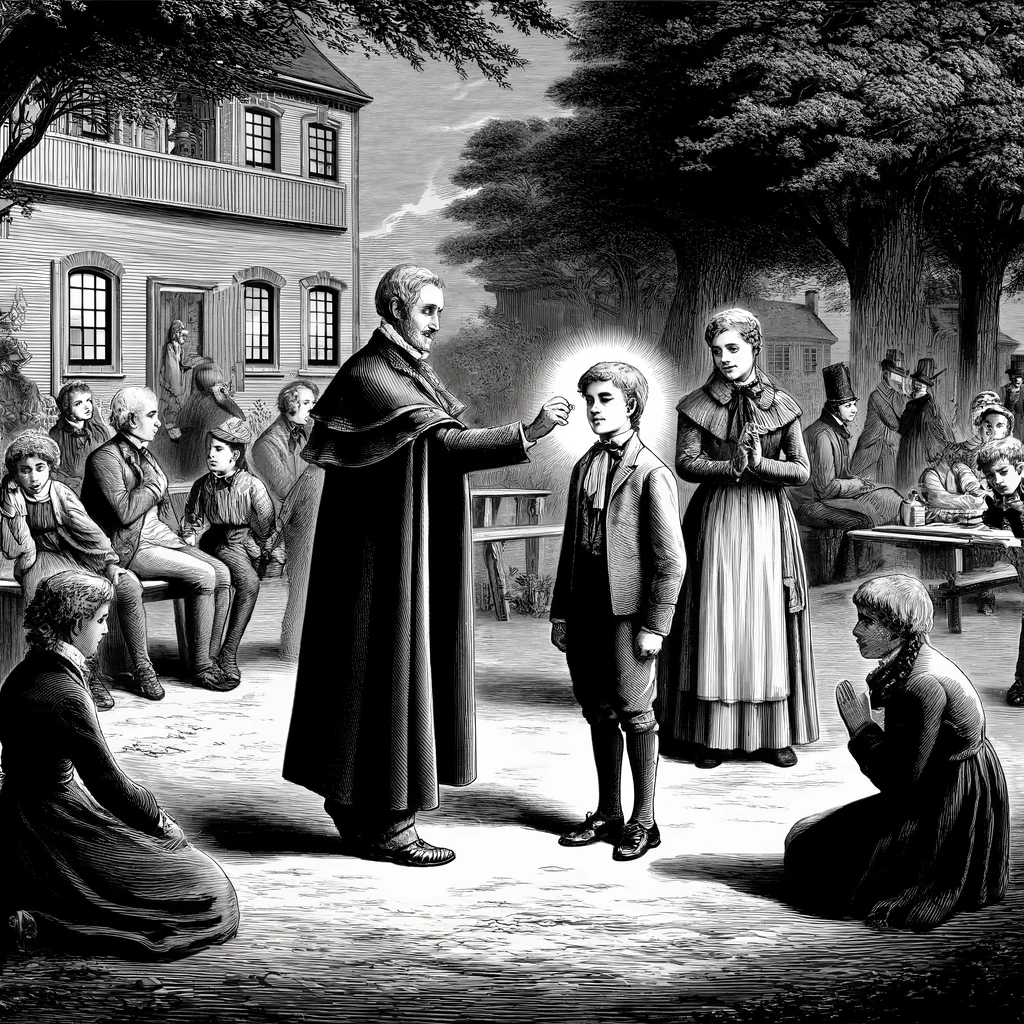
Vicarious Reinforcement
Vicarious means experiencing something indirectly, through someone else, rather than firsthand. It comes from the Latin vicarius, meaning "substitute" or "acting in place of another."
Individuals learn by observing others being rewarded or punished for a behavior.
Example: A student is more likely to participate in class if they see a peer receiving praise for doing so.
Observational Learning
Learning happens by watching others and imitating their behavior, even without direct reinforcement.
Example: A child learns aggression by observing an aggressive adult (c.f. "The Bobo Doll Experiment")
Four Key Processes of Social Learning
Attention: The learner must focus on the model’s behavior.
Retention: The behavior must be stored in memory for later retrieval.
Reproduction: The learner must have the ability to replicate the behavior.
Motivation: There must be an incentive to imitate the behavior (e.g., rewards, social acceptance).
Reciprocal Determinism
Behavior, cognition, and the environment interact in a dynamic way.
Example: A student’s shyness (personal factor) affects classroom participation (behavior), which in turn shapes peer interactions (environment).
Session 6 :: 11.1 :: Examples of intelligence
Four pillars of learning
Attention
Consolidation
Error Feedback
Active engagement
Session 7 :: 25.1 :: Art of intelligence, intelligence of art
Human-Machine Peer Learning
Session 8 :: 8.2 :: Futurological congress AE9202
Teaching, Pedagogy, Didactics
Artificial Teacher Avatars
Educational Systems
Extended Educational Environments
The Congres
Sessions 0 and 1
Session 0 :: Introduction
Formalities
who am I
who are You
is this a course for You ?
credits (2 ECTS for >75% attendance, +1 for referat/experiment)
Hausarbeit possible
need help ? (tutor: a.terzieva@udk-berlin.de)
Leistungsnachweis
signature-related issues
Smartphone & Feedback box
Course materials
baumhaus.digital/intelligence
Note: baumhaus presentations in different sessions are synchronized with my actions, i.e. when I change a folio in my browser, it will automagically change a folio in Your browser as well, click on "Session 2" and experience it for Yourself
Recommended literature
Howard Gardner :: Frames of Mind / The Theory of Multiple Intelligences
David Goleman :: Emotional Intelligence : Why it can matter more than IQ
Singer et al. :: A Piaget Primer: How a Child Thinks
Murray & Herrnstein :: The Bell Curve: Intelligence and Class Structure in American Life (Achtung! Controversy)
Nick Bostrom :: Superintelligenz
Carlo M. Cipolla: The Basic Laws of Human Stupidity
Referat(s) welcome, Hausarbeit (5 SWS) possible. Note: Lecture of one of these books is mandatory for all those whose attendance will be between 1/2 and 2/3.Matrix room
https://medienhaus.udk-berlin.de/classroom
and subsequently join the course (#edu-psyche) room:
https://medienhaus.udk-berlin.de/classroom/#/room/#edu-psyche:medienhaus.udk-berlin.de
(or install matrix client apps like Element or Fluffychat and put "medienhaus.udk-berlin.de" as homeserver)
Other referat || intervention topics
Greek muses
fostering of intelligence
evaluation of intelligence
Flynn effect
stupidity
udk.ai
Session 1 :: Definition of intelligence
Questio 0 : What is intelligence ?
Then close Your eyes and pose Yourself a question: "What is intelligence ?".
Do five deep breaths and "observe" the answer(s), they can have a form of a word (e.g. a synonym) / of an expression / of an image / of something else.
Open Your eyes and note the answer(s) on the piece of paper.
GPT4's answer
Learning and Adaptation
Reasoning & Problem Solving
Memory & Knowledge
Perception
Emotional Intelligence
Creativity
It's important to note that intelligence is still a topic of debate among psychologists and neuroscientists. Traditionally, intelligence was often measured using IQ (intelligence quotient) tests, but many experts now believe that IQ tests capture only a narrow slice of what constitutes human intelligence. Moreover, various cultures might emphasize different abilities or qualities when defining or valuing intelligence, so the concept can be both culturally and contextually relative.
Perception
Memory
Reasoning
Learning & Adaptation
Knowledge
Creativity
Emotional Intelligence
Problem Solving
Lectio 1 :: William demonstrates his Scharfsinn
Implicit learning
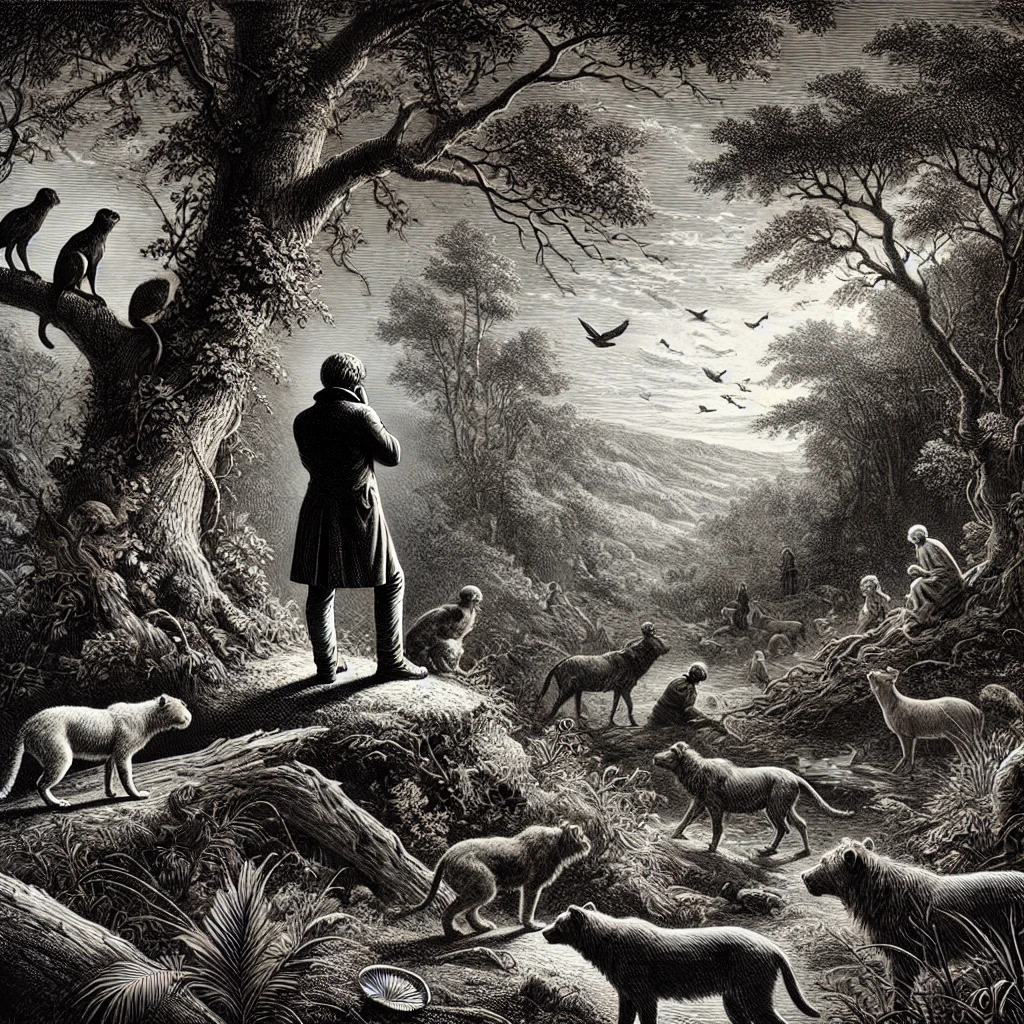
Observation
Concentric circle exercise
Divide into two groups, group 1 forms the internal circle, group 2 forms the external one.
Two people stand against each other, face to face. After posing and answering a question like:
How do You observe ?
By what sense do You prefer to observe ?
What do You observe ?
members of G1 move to the left and members of G2 move to the right.Proprioceptive Exercise
Now try to bring Your hands together so that the whole half-circle movement lasts exactly one minute.
That is, fingers of Your two hands will meet in exactly 60 seconds.
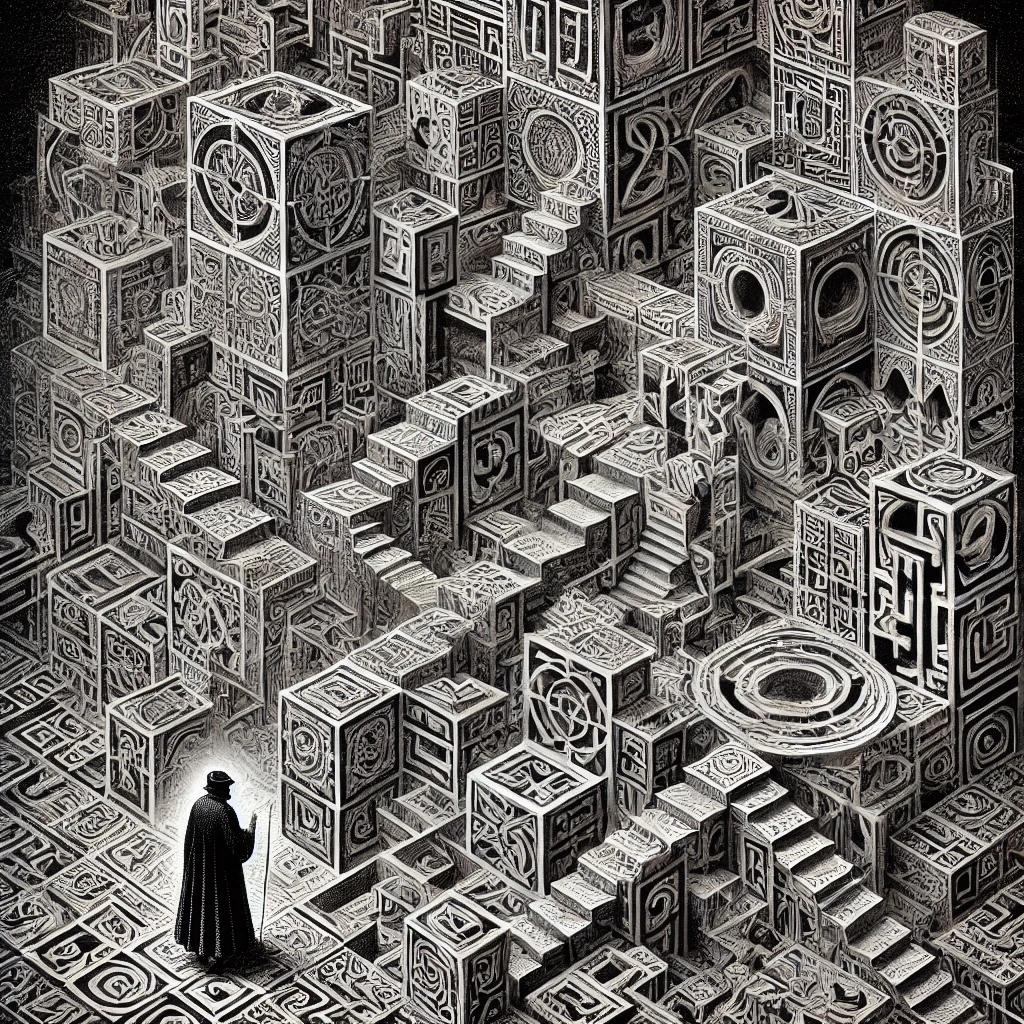
Unsupervised learning
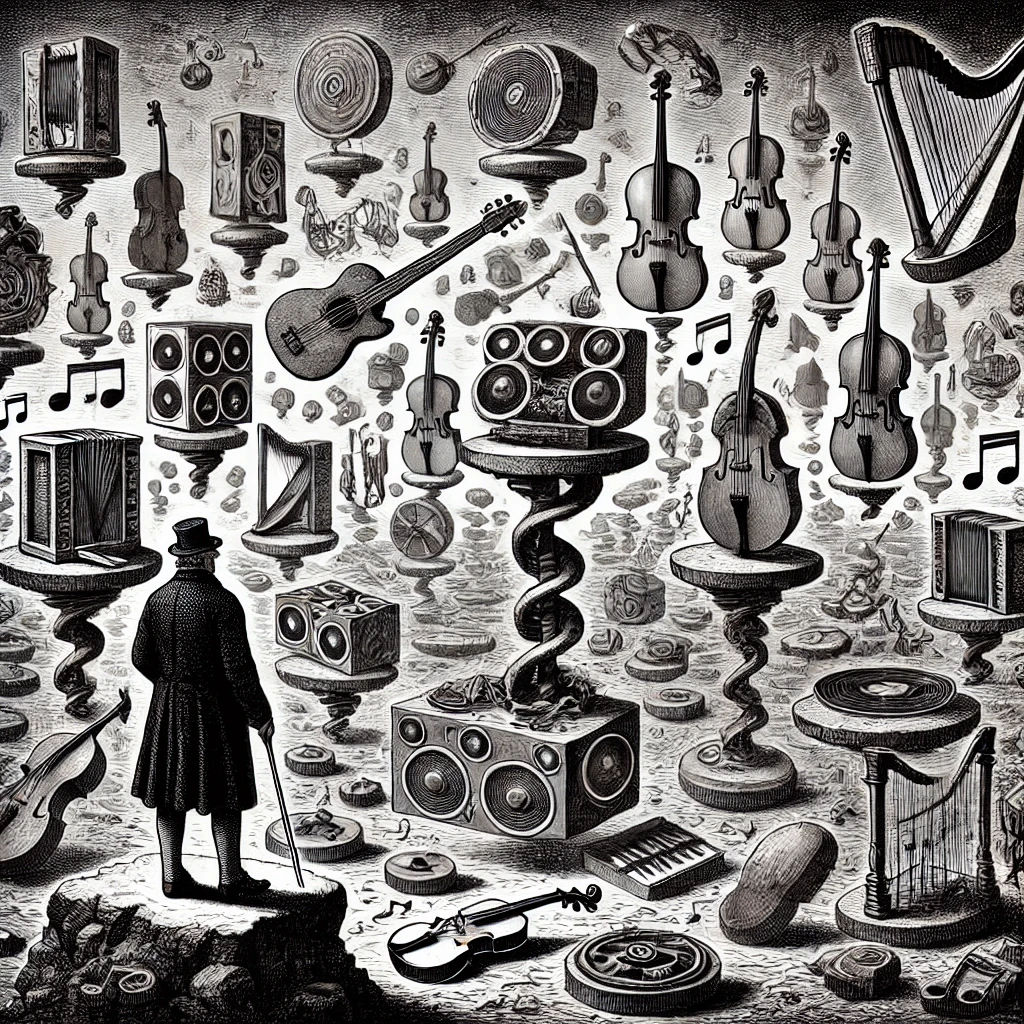
Example of unsupervised learning
Can You think of other examples of unsupervised learning and/or clustering ?
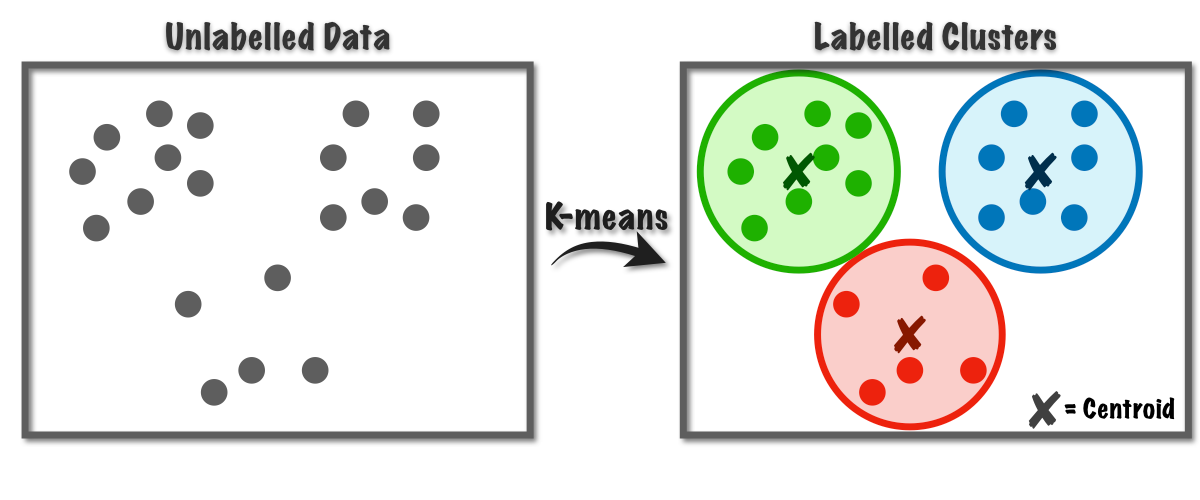
Clustering
Features of implicit learning
No direct guidance :: Learner L must identify patterns or relationships from raw input on her own.
Pattern discovery :: Observation often involves recognizing and understanding patterns in the environment, which mirrors what happens in unsupervised learning.
Learning from the environment :: L derives insights from the world or data without external labels or supervision.
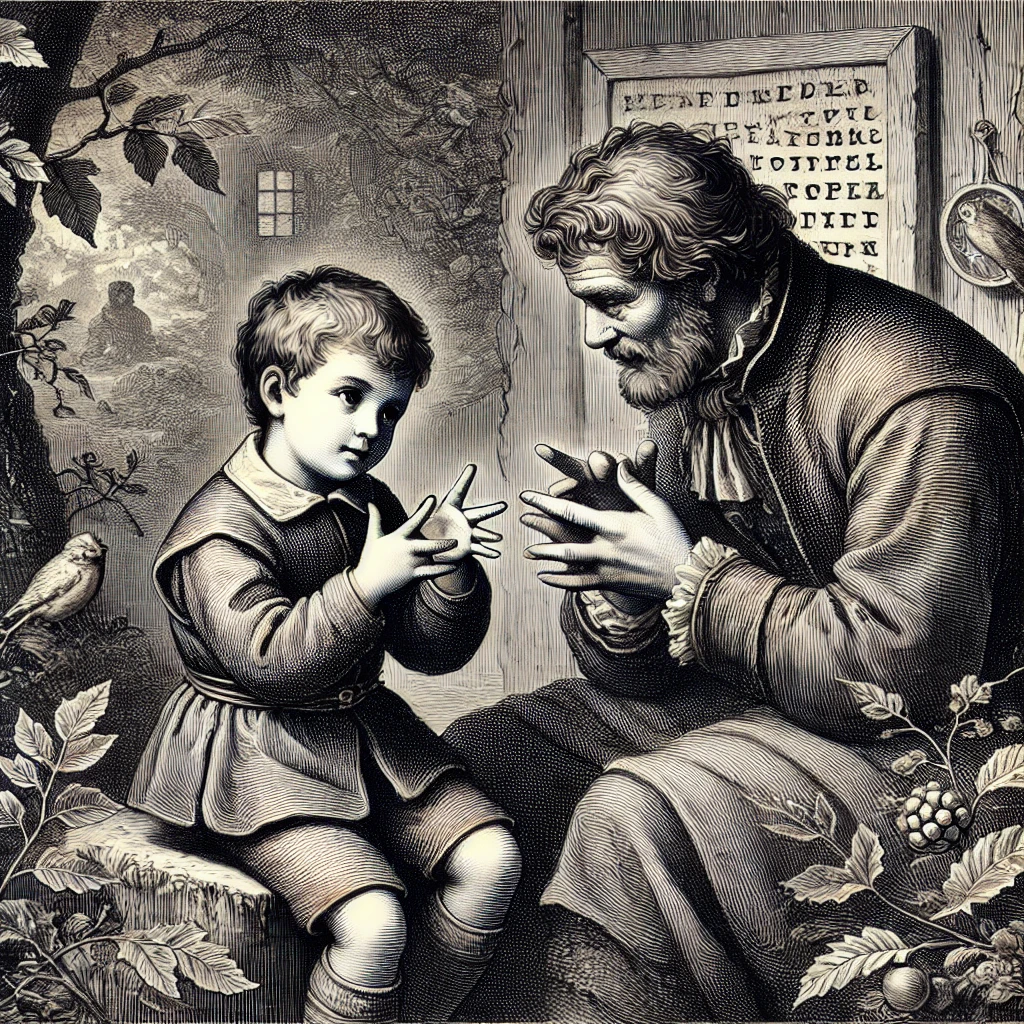
Imitation