Kastalia Knowledge Management System · Glasperlenspiel template · knot 2364
Margaret & Ursula
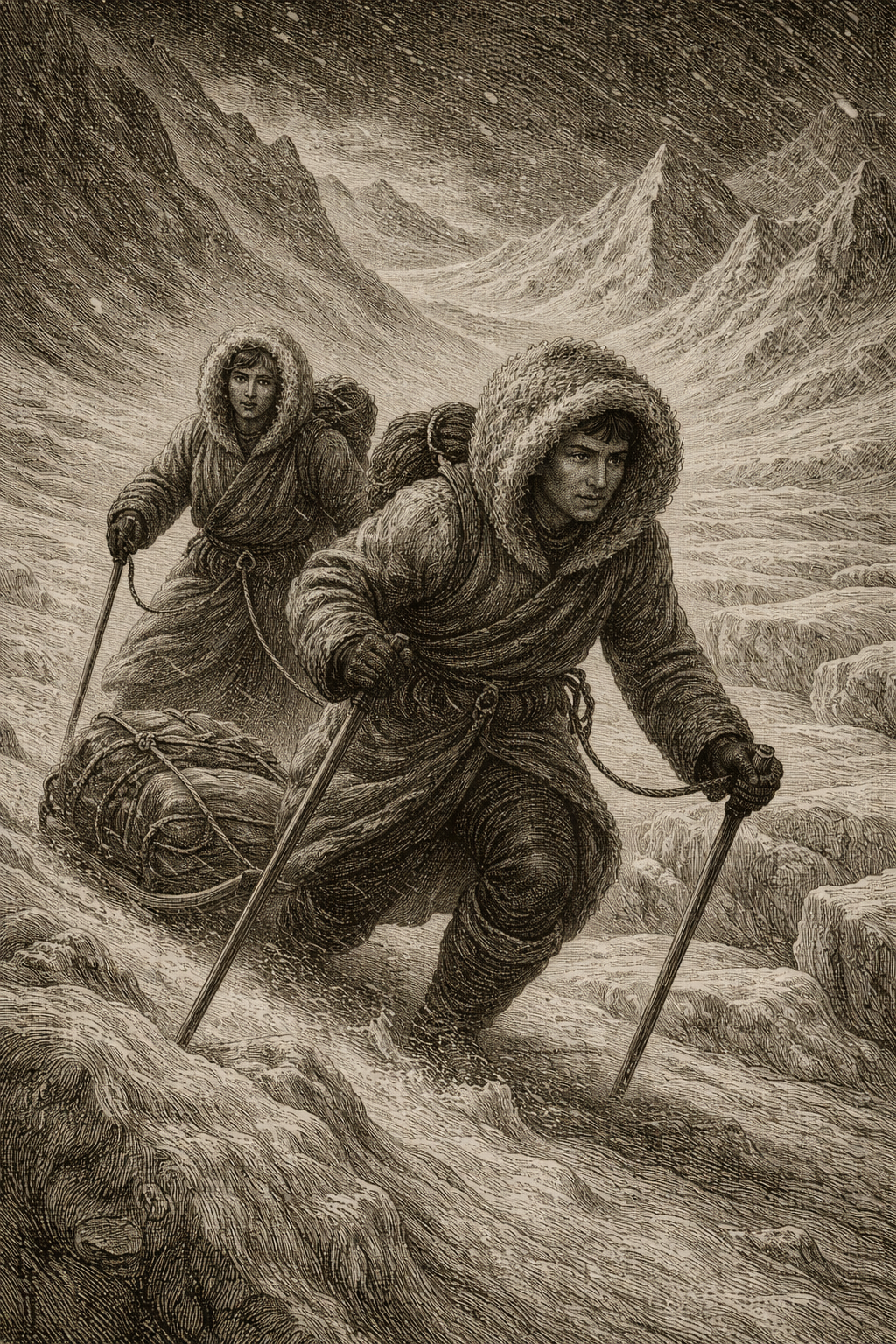
Christmas session on Margaret Atwood and Ursula leGuin
Ancestors (1 superordinated path)
Descendants (at least 19 branches originate here)
-
Margaret & Ursula
🔊
Christmas session on Margaret Atwood and Ursula leGuin
-
is_parent
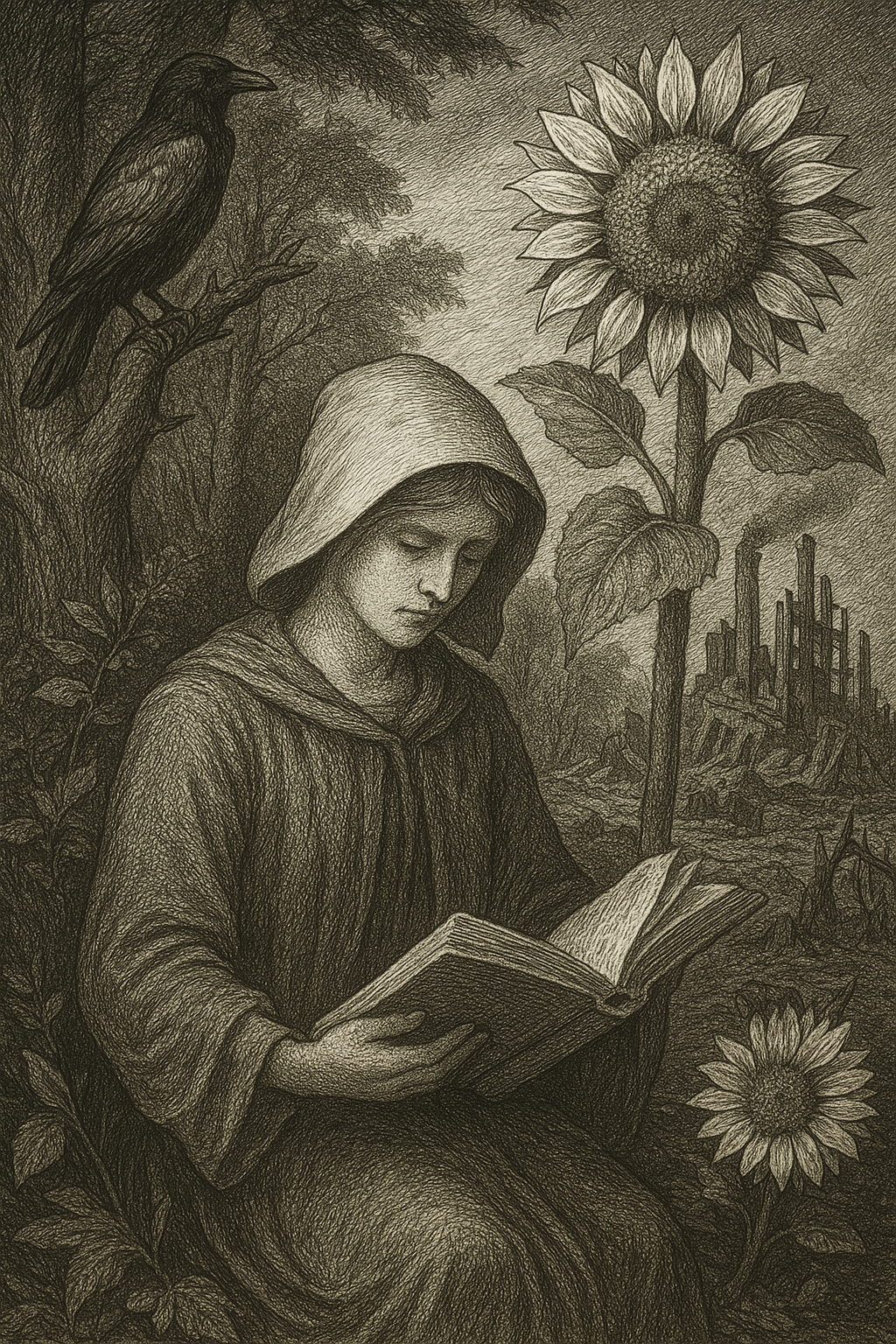 Margaret Atwood (1939)
Margaret Atwood is a Canadian novelist, poet, and critic whose work blends fiction, feminism, ecology, and political satire. She prefers the term “speculative
Margaret Atwood (1939)
Margaret Atwood is a Canadian novelist, poet, and critic whose work blends fiction, feminism, ecology, and political satire. She prefers the term “speculative-
is_parent
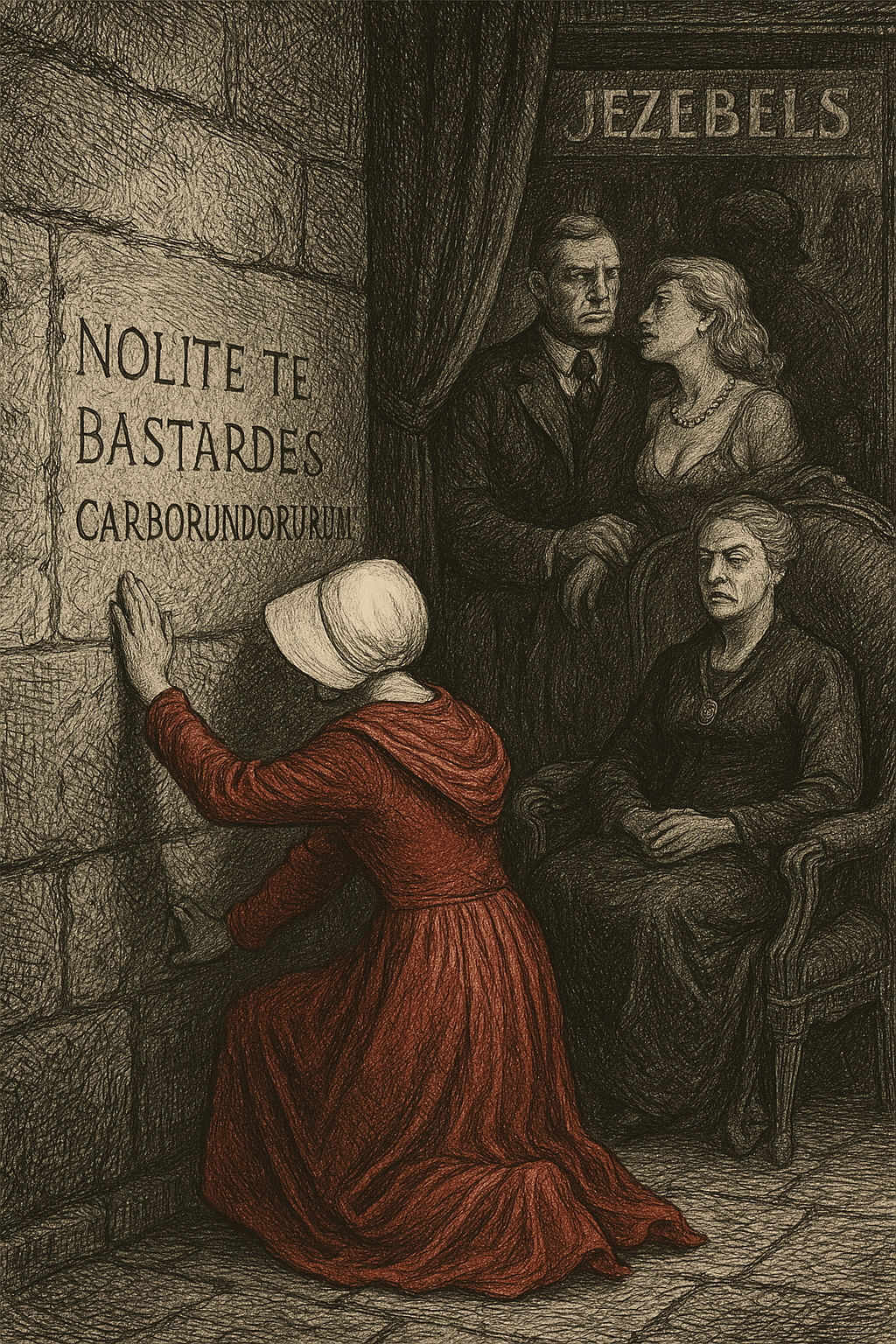 Handmaid's Tale (1985)
🔒
The story when εὐαγγέλιον got seriously wrong, again.
Handmaid's Tale (1985)
🔒
The story when εὐαγγέλιον got seriously wrong, again. -
is_parent did anyone expect ... 🔒 ·
the Spanish Inquisition ??? -
is_parent
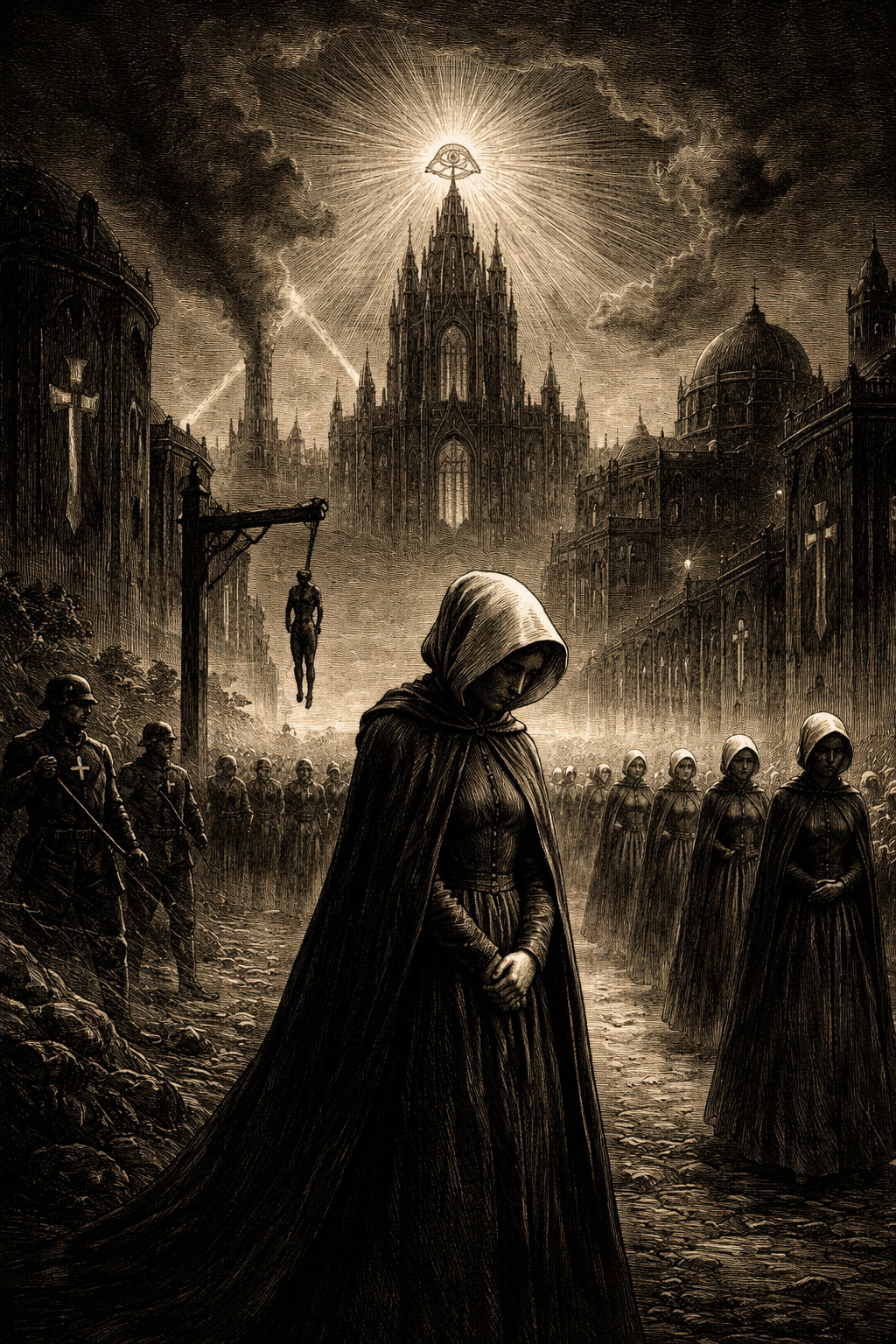 Gilead
🔒
·
Gilead is a totalitarian theonomocracy built on fear, infertility, rigid control and necrotic inversion of Eros / Libido. After environmental collapse and decli
Gilead
🔒
·
Gilead is a totalitarian theonomocracy built on fear, infertility, rigid control and necrotic inversion of Eros / Libido. After environmental collapse and decli
-
-
is_parent
 Ursula Kroeber Le Guin (1929 - 2018)
🔊
daughter of Alfred Louis Kroeber and Theodora Kroeber spent her childhood in highly stimulating environment (community of Berkeley anthropologists) married hist
Ursula Kroeber Le Guin (1929 - 2018)
🔊
daughter of Alfred Louis Kroeber and Theodora Kroeber spent her childhood in highly stimulating environment (community of Berkeley anthropologists) married hist-
is_parent
 The last Ishi
🔒
·
Ishi (c. 1861 – March 25, 1916) was the last known member of the Native American Yahi people from the present-day state of California in the United
The last Ishi
🔒
·
Ishi (c. 1861 – March 25, 1916) was the last known member of the Native American Yahi people from the present-day state of California in the United -
is_parent
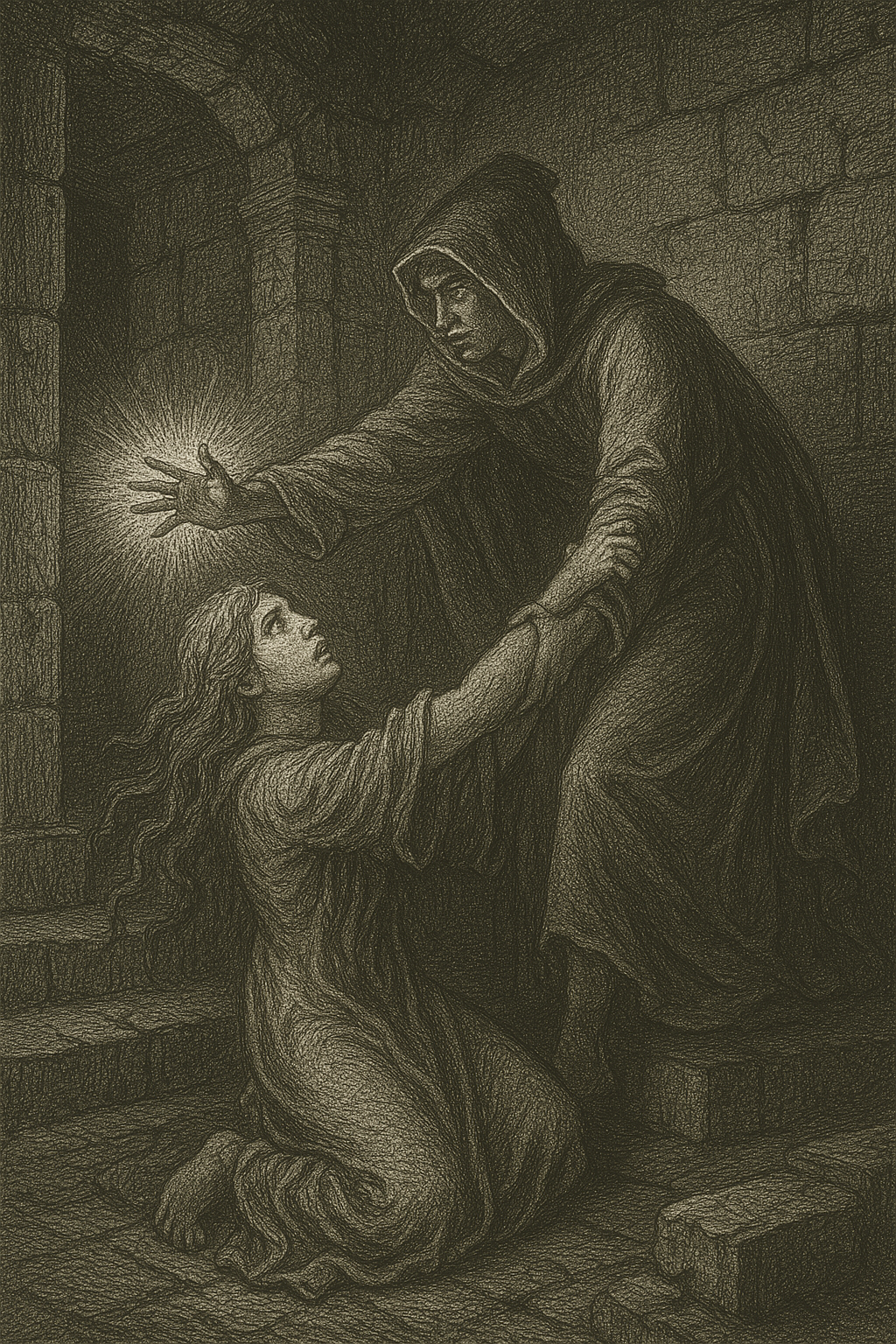 Earthsea cycle
🔒
·
Collection of six "high fantasy" books taking place on the world of Earthsea : a vast archipelago of hundreds of islands surrounded by mostly uncharted ocean.
Earthsea cycle
🔒
·
Collection of six "high fantasy" books taking place on the world of Earthsea : a vast archipelago of hundreds of islands surrounded by mostly uncharted ocean. -
is_parent
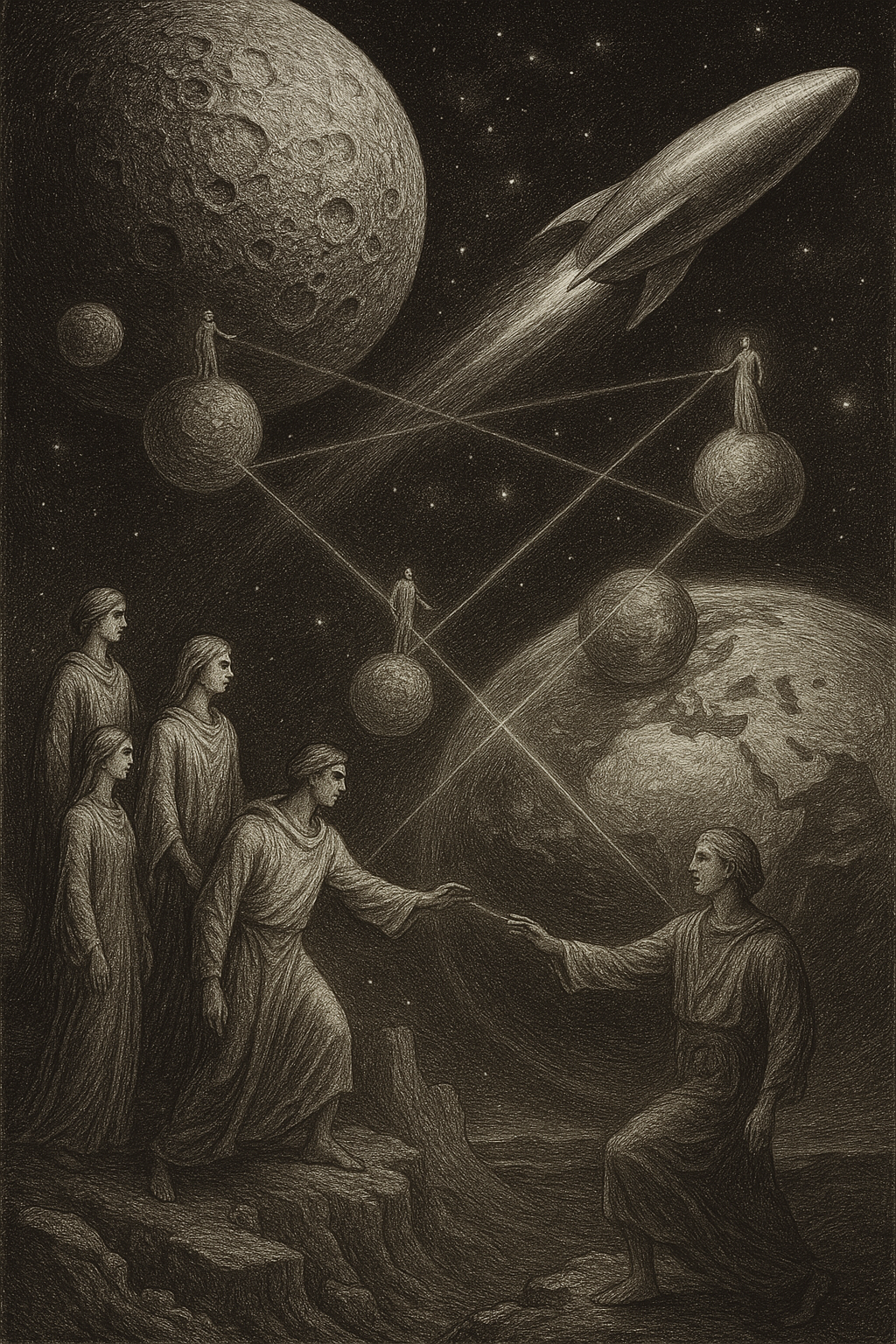 Hainish cycle
🔒
Hainish cycle is set in a future history that features civilizations of human beings on planets orbiting a number of nearby stars, including Terra ("Earth"); t
Hainish cycle
🔒
Hainish cycle is set in a future history that features civilizations of human beings on planets orbiting a number of nearby stars, including Terra ("Earth"); t -
is_parent
 Archetypes: Observers & Messengers
🔒
·
LeGuin's most favorite archetypes are those of "Observers" / "Messengers" / "Bridge-Builders-Between-Worlds". According to their code-of-conduct, emissaries sh
Archetypes: Observers & Messengers
🔒
·
LeGuin's most favorite archetypes are those of "Observers" / "Messengers" / "Bridge-Builders-Between-Worlds". According to their code-of-conduct, emissaries sh -
is_parent
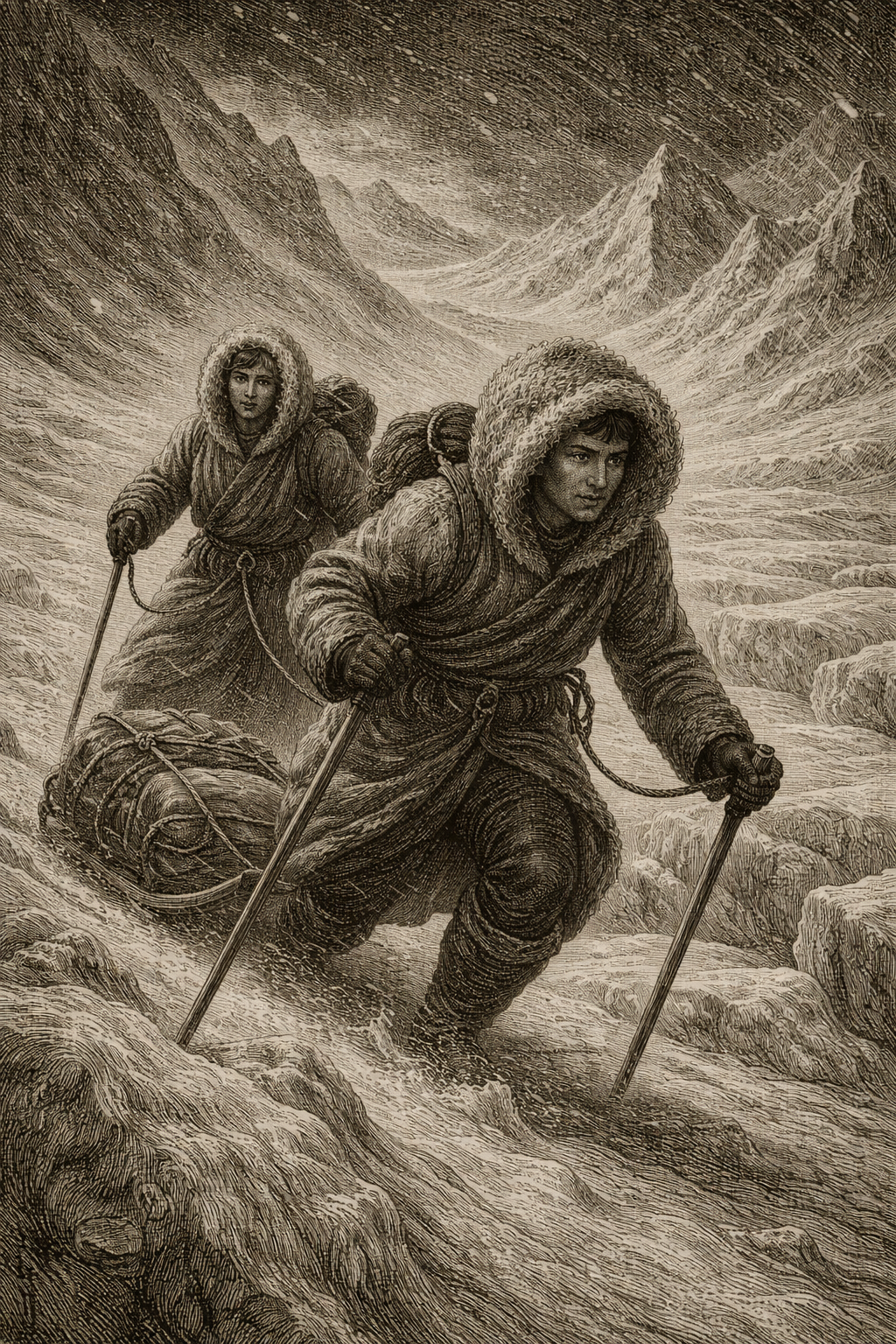 Left hand of Darkness (1969)
🔒
·
Hainish novel set on Gethen (Winter), where humans undergo 24-day "somer" (ambisexual) and 2-day "kemmer" (male or female; fertility and receptiveness) cycles.
Left hand of Darkness (1969)
🔒
·
Hainish novel set on Gethen (Winter), where humans undergo 24-day "somer" (ambisexual) and 2-day "kemmer" (male or female; fertility and receptiveness) cycles. -
is_parent
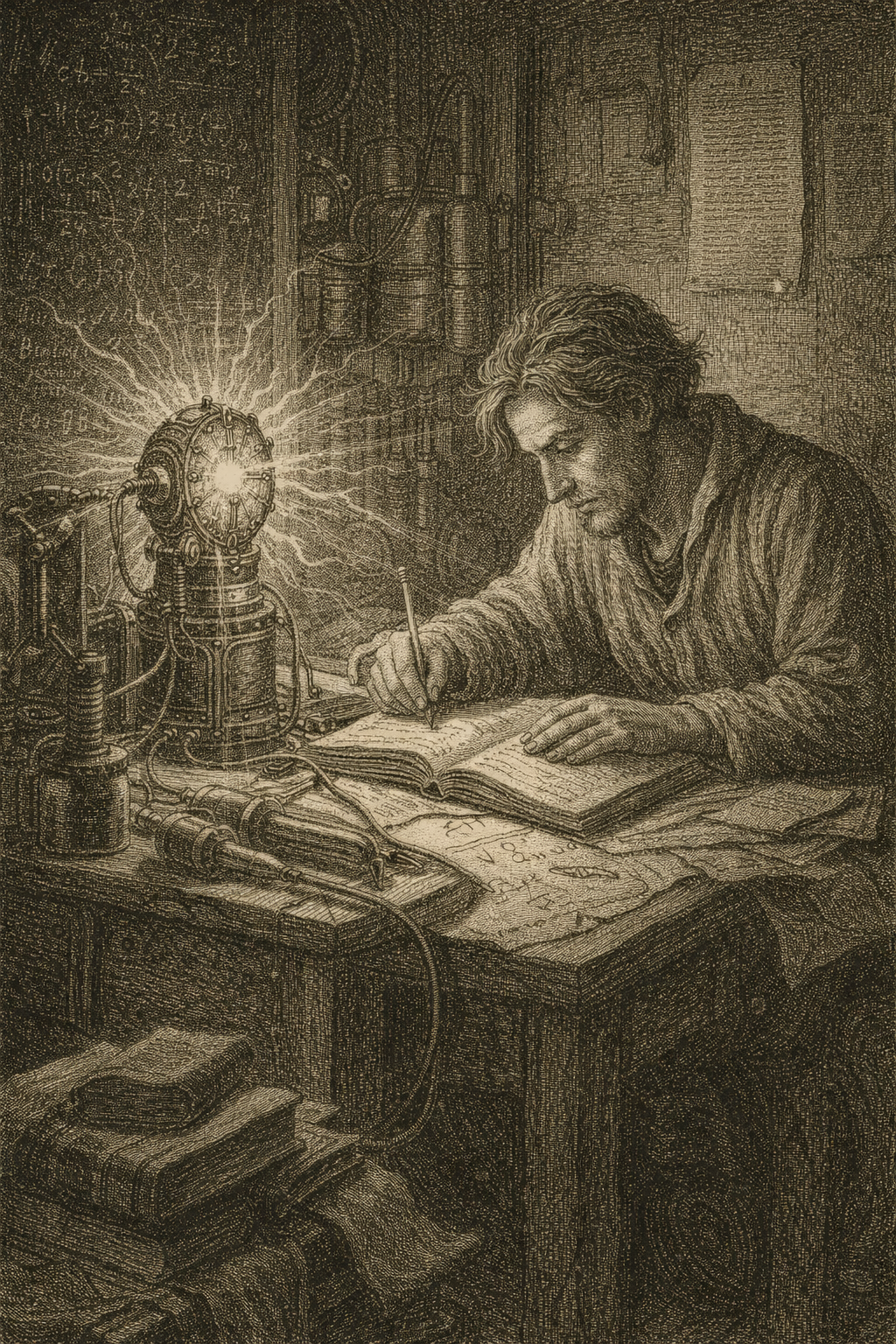 The Dispossessed (1974)
🔒
·
Paired worlds: Anarres (anarchist, austere) and Urras (capitalist, lush) — one origin, two social experiments.Physicist Shevek leaves Anarres to complete a the
The Dispossessed (1974)
🔒
·
Paired worlds: Anarres (anarchist, austere) and Urras (capitalist, lush) — one origin, two social experiments.Physicist Shevek leaves Anarres to complete a the -
is_parent
 Ekumen
🔒
·
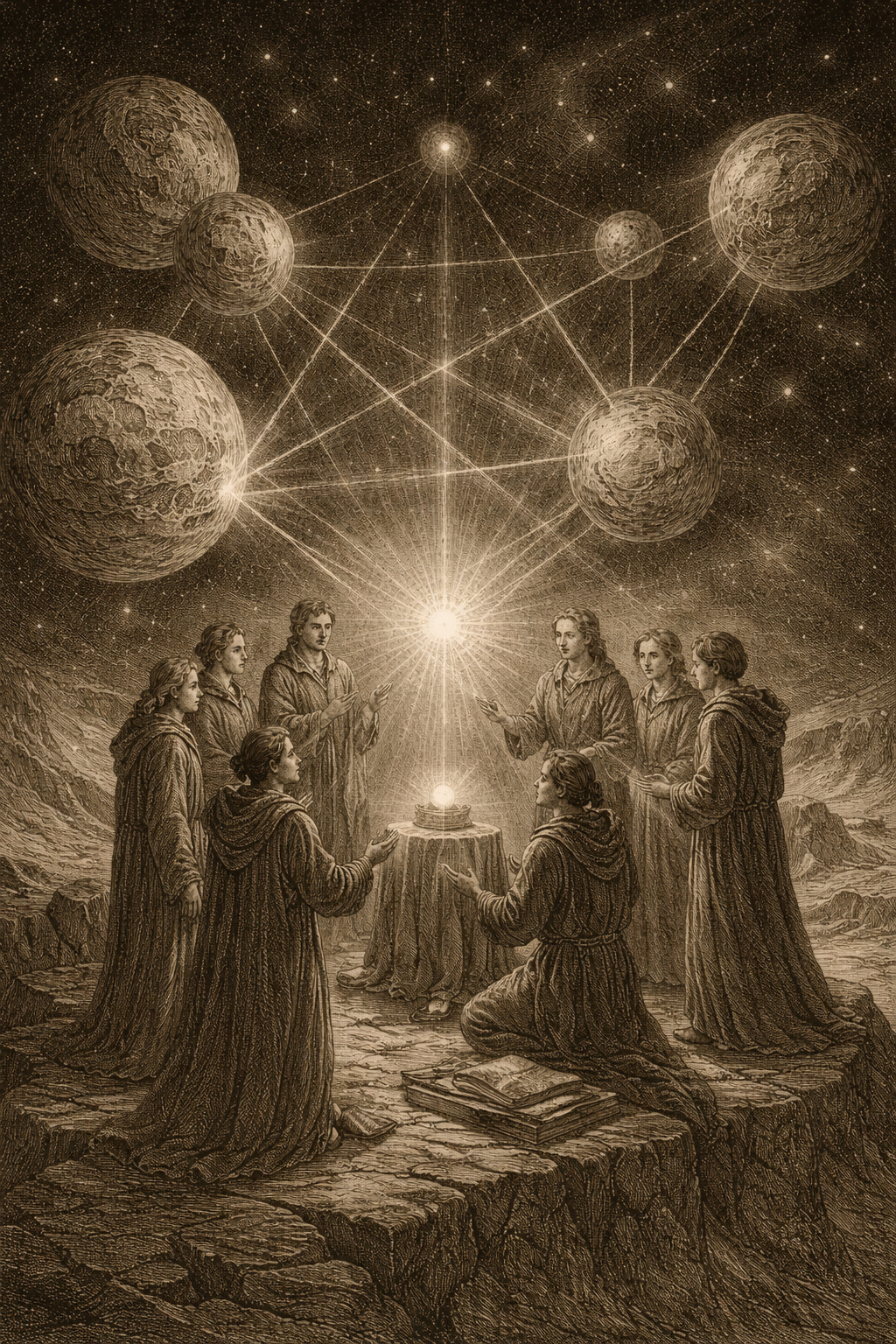
The Ekumen is a loose confederation of cca 83 human worlds in Ursula K. Le Guin’s Hainish cycle. It is not an empire but a network for communication, exch
Ekumen
🔒
·
The Ekumen is a loose confederation of cca 83 human worlds in Ursula K. Le Guin’s Hainish cycle. It is not an empire but a network for communication, exch -
is_parent The word for world is forest (1972) 🔒 ·
Referat. -
is_parent Questio 🔒 ·
Is the planet on which Earthsea cycle stories unfold part of the Ekumen/Hain universe ? -
is_parent The Telling (2000) 🔒 ·
We'll spend great deal of next summer-semester analyzing this book. -
is_parent 🎄 merry Christmas, dear colleagues !🎄 🔒 ·
"Hope is a slighter, tougher thing even than trust… In a good season one trusts life; in a bad season one only hopes. But they are of the same essence… Without
-
-
is_parent Narrative ingression par excellence 🔒 ·
"ein klassisches Beispiel für die Spannung zwischen theologischer Erzählung und römischer Verwaltungsgeschichte":Ἐγένετο δὲ ἐν ταῖς ἡμέραις ἐκείναις ἐξῆλθεν δόγ -
is_parent 🎄 merry Christmas, dear colleagues !🎄 🔒 ·
"Hope is a slighter, tougher thing even than trust… In a good season one trusts life; in a bad season one only hopes. But they are of the same essence… Without
-