Kastalia Knowledge Management System · Glasperlenspiel template · knot 2349
Philip Kindred Dick (1928 - 1982)
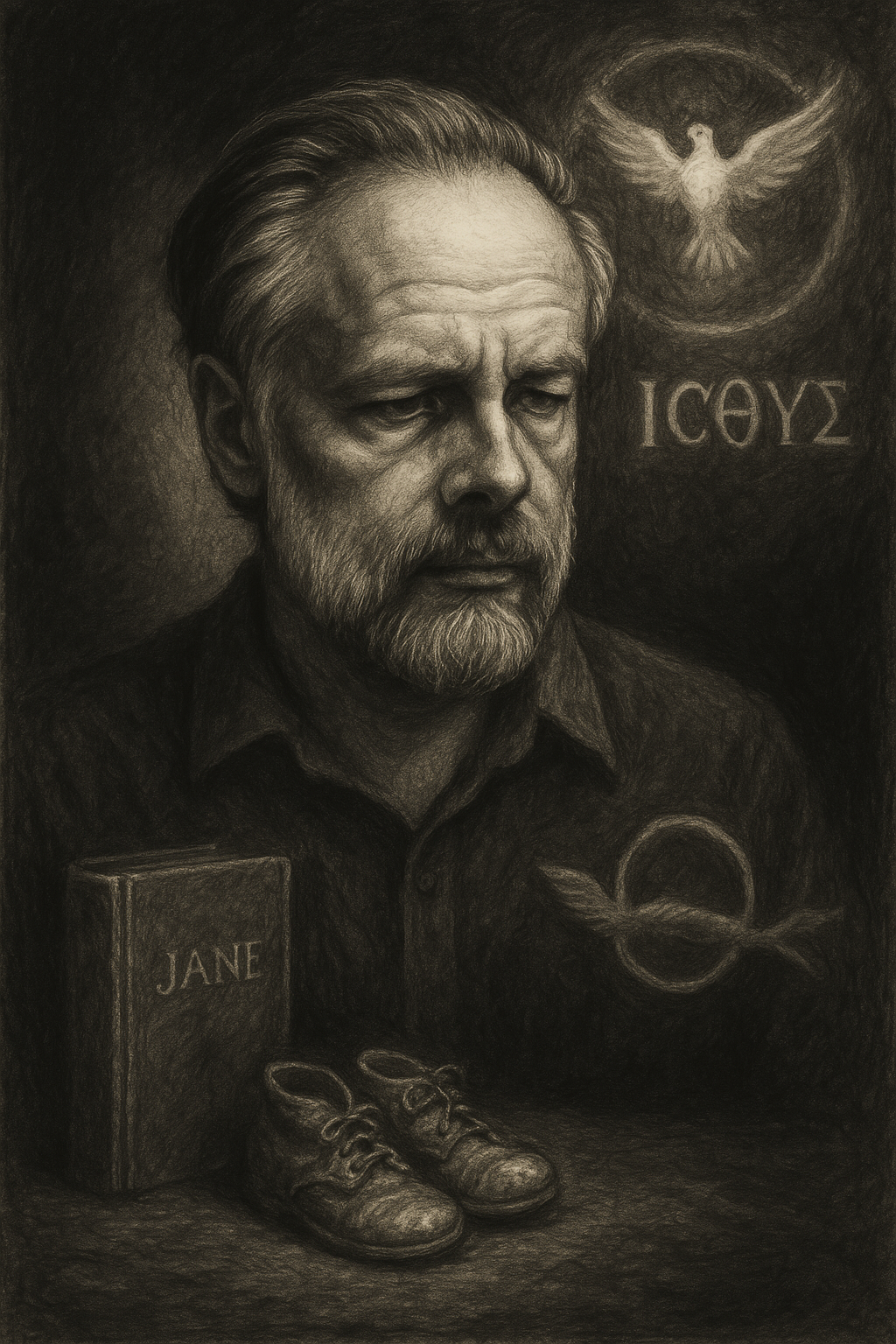
ultra-prolific (cca 45 novels, >120 short-stories)
his twin sister Jane died when he was six weeks old
first educated at Quaker schools, later at Berkeley
seller in record store, gets his first short-story "R🐶🐶G" published in 1951
amphetamine abuse; married 5 times; paranoia; schizophrenia;
self-described as "acosmic panentheist" - "I don't believe that the universe exists. I believe that the only thing that exists is God and (s)he is more than the universe. "
Ancestors (1 superordinated path)
root/
baumhaus.digital/
Studium Generale/
Mythologies of possible futures: Between Science Fiction and Reality/
Philip Kindred Dick (1928 - 1982)
Descendants (at least 9 branches originate here)
-
Philip Kindred Dick (1928 - 1982)
🔊
ultra-prolific (cca 45 novels, >120 short-stories) his twin sister Jane died when he was six weeks old first educated at Quaker schools, later at Berkeley sell
-
is_parent
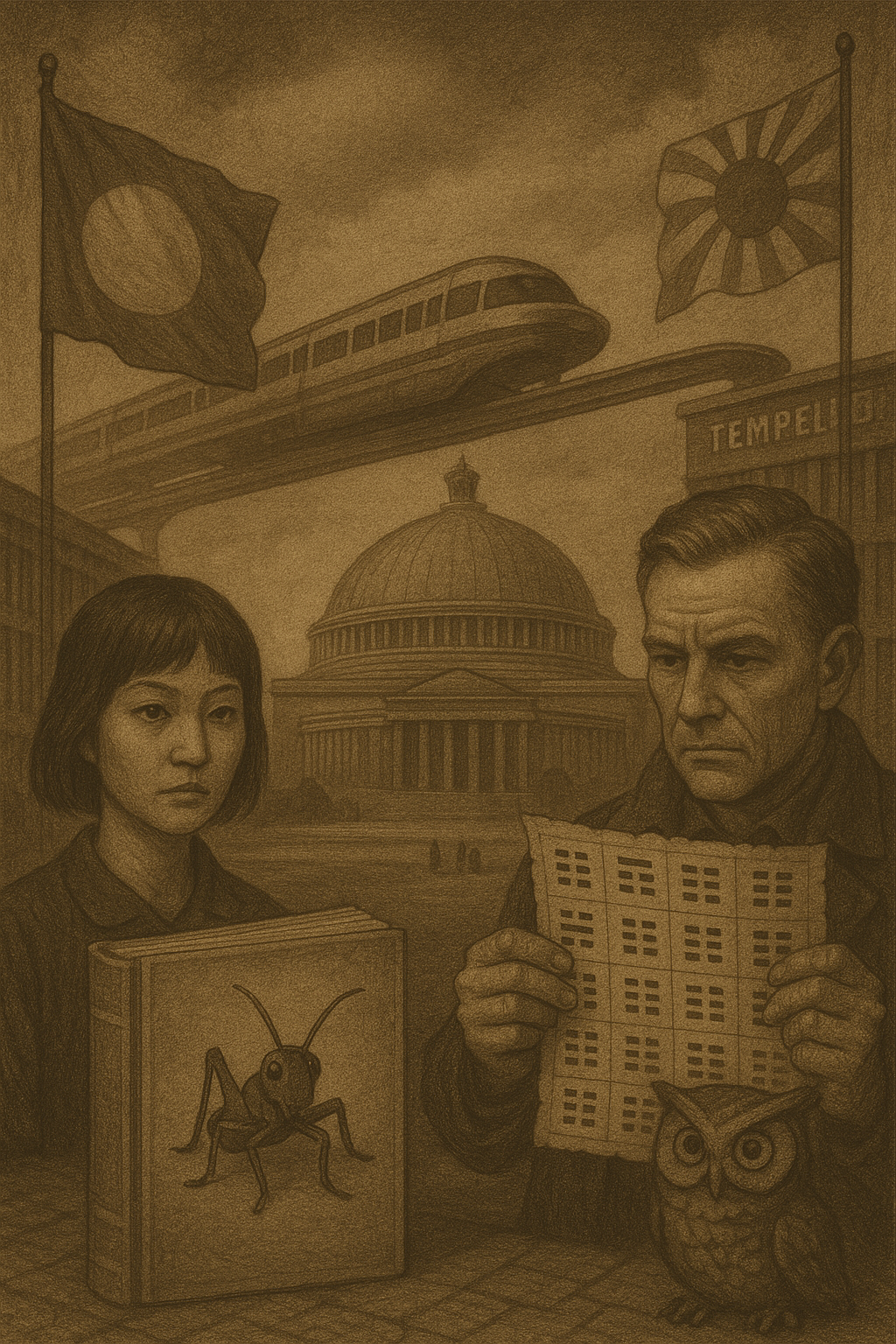 The Man in the High Castle (1962)
🔒
·
An Axis-dominated world with Berlin as the political and technological center. Rocketry and aerospace supremacy redefining global power after WWII. The chinese
The Man in the High Castle (1962)
🔒
·
An Axis-dominated world with Berlin as the political and technological center. Rocketry and aerospace supremacy redefining global power after WWII. The chinese -
is_parent
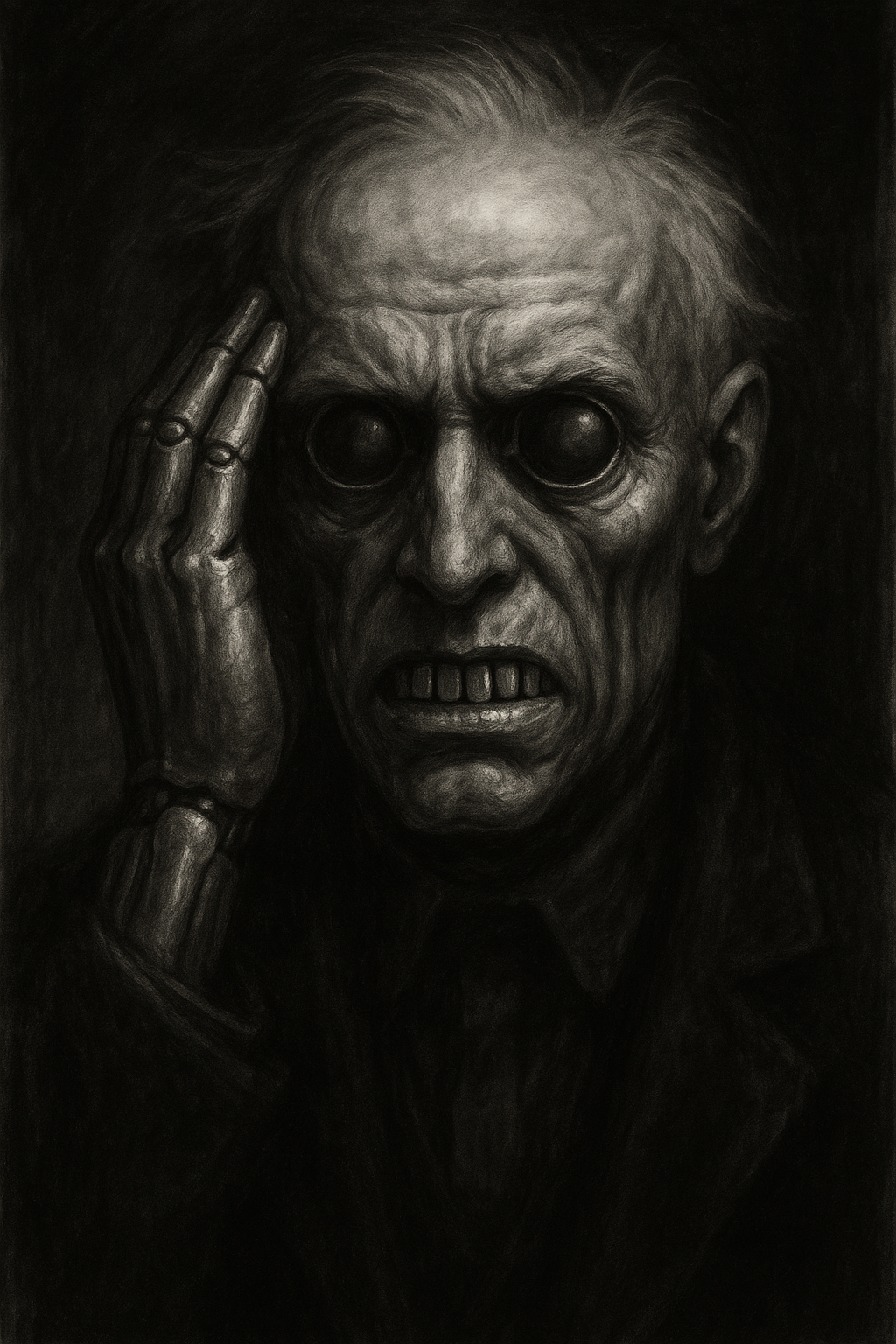 The Three Stigmata of Palmer Eldritch (1965)
🔒
·
Chew-Z as a gateway to layered, recursive realities. Palmer Eldritch as alien–demiurgic intruder with three stigmata. Corporate rivalry turning metaphysic
The Three Stigmata of Palmer Eldritch (1965)
🔒
·
Chew-Z as a gateway to layered, recursive realities. Palmer Eldritch as alien–demiurgic intruder with three stigmata. Corporate rivalry turning metaphysic -
is_parent
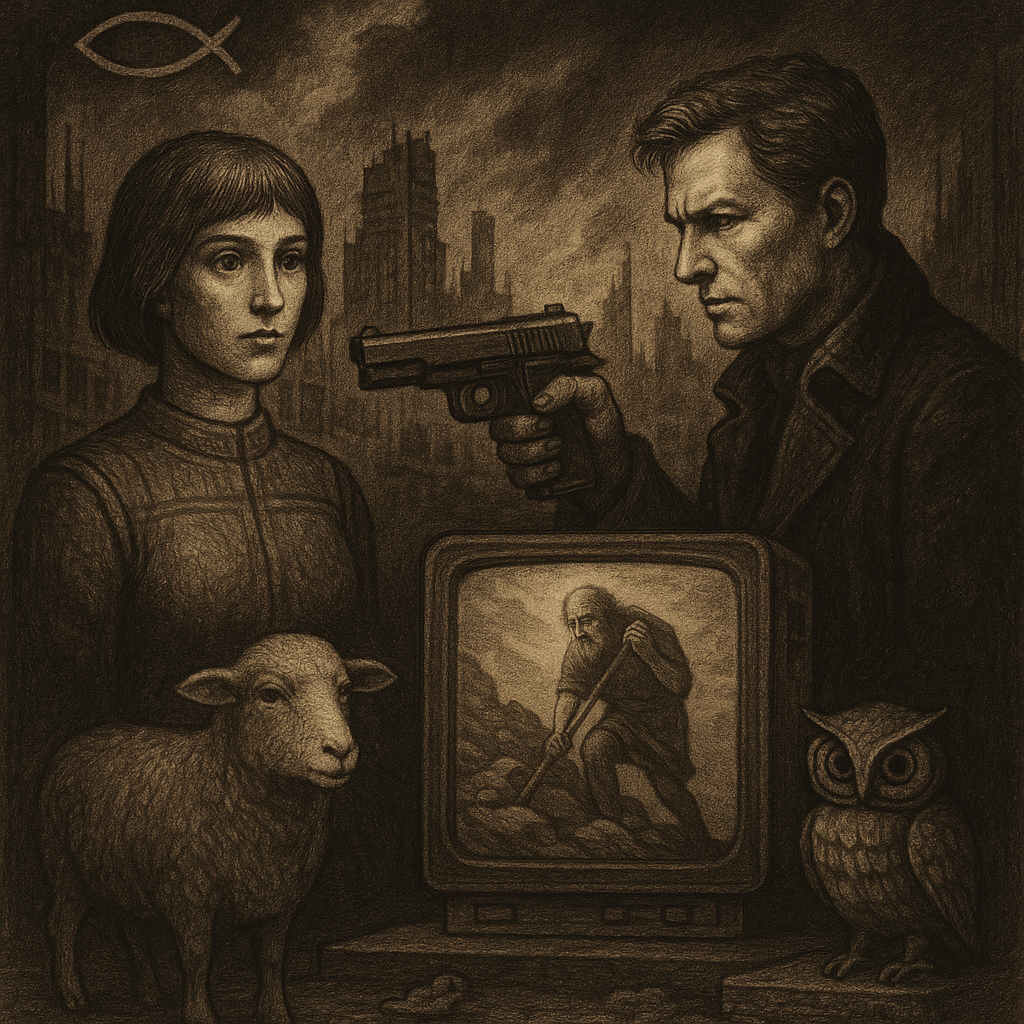 Do Androids Dream of Electric Sheep (1968)
🔒
·
A post-apocalyptic Earth emptied by nuclear fallout and mass extinction. Empathy as the defining human trait, tested through the Voigt–Kampff ritual. Rick
Do Androids Dream of Electric Sheep (1968)
🔒
·
A post-apocalyptic Earth emptied by nuclear fallout and mass extinction. Empathy as the defining human trait, tested through the Voigt–Kampff ritual. Rick -
is_parent
 Ubik (1969)
🔒
·
Decaying reality sliding backward in time. Cryonic half-life: the dead still communicate. Jory as parasitic consciousness devouring worlds. Ubik as quasi-cosmic
Ubik (1969)
🔒
·
Decaying reality sliding backward in time. Cryonic half-life: the dead still communicate. Jory as parasitic consciousness devouring worlds. Ubik as quasi-cosmic -
is_parent
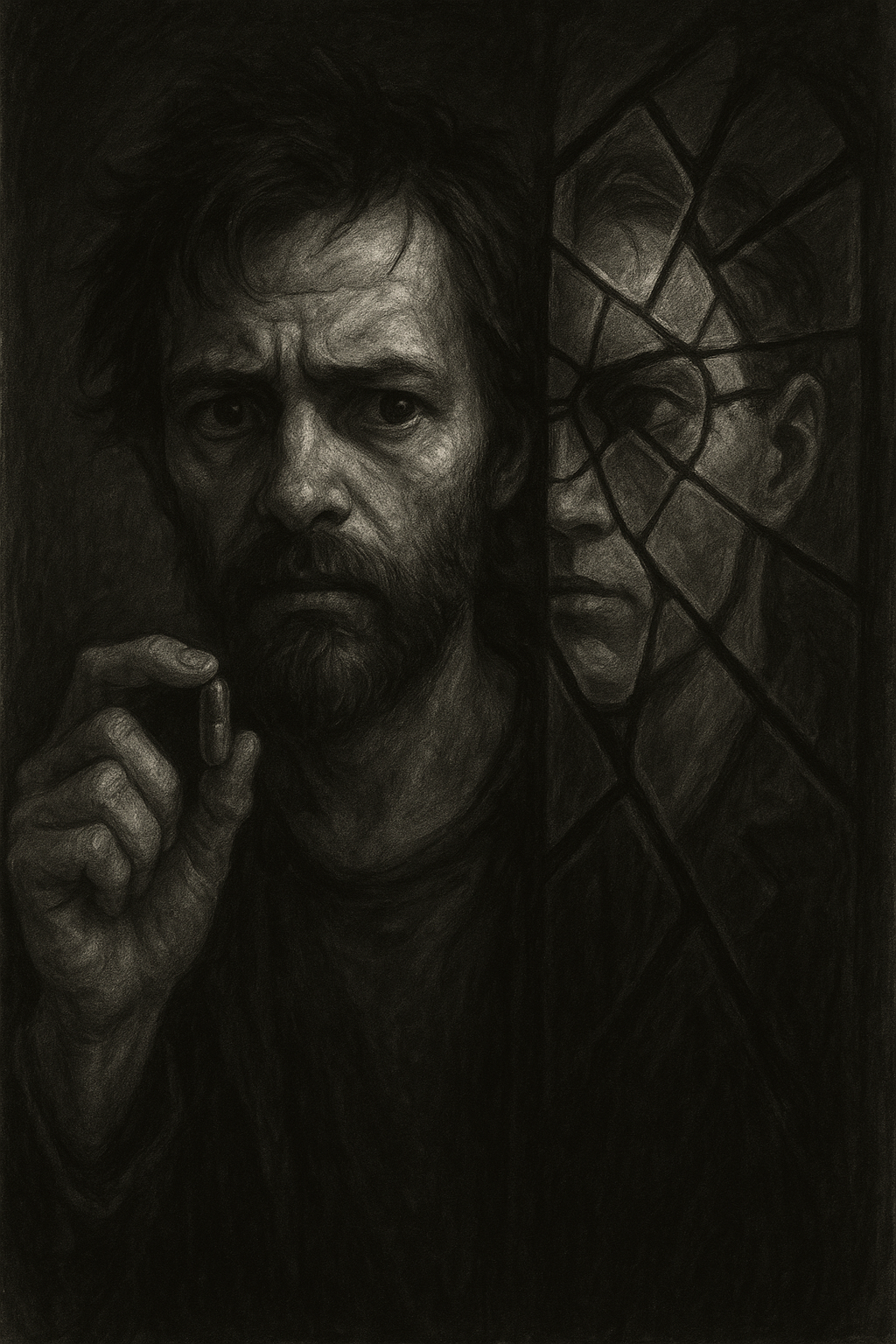 A Scanner Darkly (1977)
🔒
·
Substance D splitting perception and selfhood. Surveillance turning protagonist into both watcher and watched. Erosion of personality into fragmented doubles. W
A Scanner Darkly (1977)
🔒
·
Substance D splitting perception and selfhood. Surveillance turning protagonist into both watcher and watched. Erosion of personality into fragmented doubles. W -
is_parent
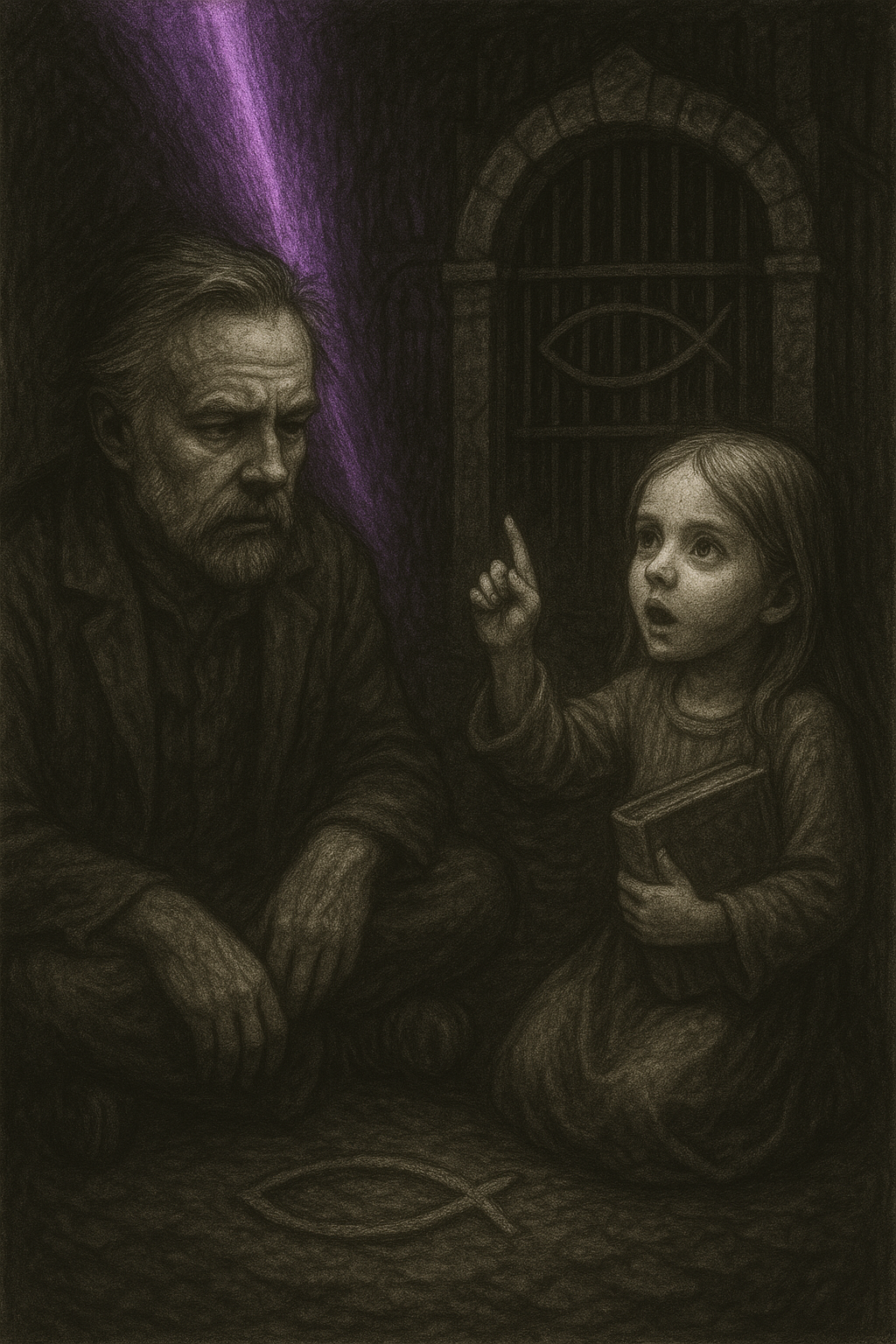 VALIS (1981)
🔒
Theophany experienced as pink laser of information. VALIS as alien intelligence or Gnostic God. Schizophrenia, revelation, and ontology entangled. A world rule
VALIS (1981)
🔒
Theophany experienced as pink laser of information. VALIS as alien intelligence or Gnostic God. Schizophrenia, revelation, and ontology entangled. A world rule-
is_parent IOTD: Cryptica Scriptura 🔒 ·
One Mind there is; but under it two principles contend. The Mind lets in the light, then the dark, in interaction; so time is generated. At the end Mind awards
-
-
is_parent Quote by R. D. Laing 🔒 ·
“Insanity -- a perfectly rational adjustment to an insane world.”
-