From Golden Age to the New Wave
The Golden Age
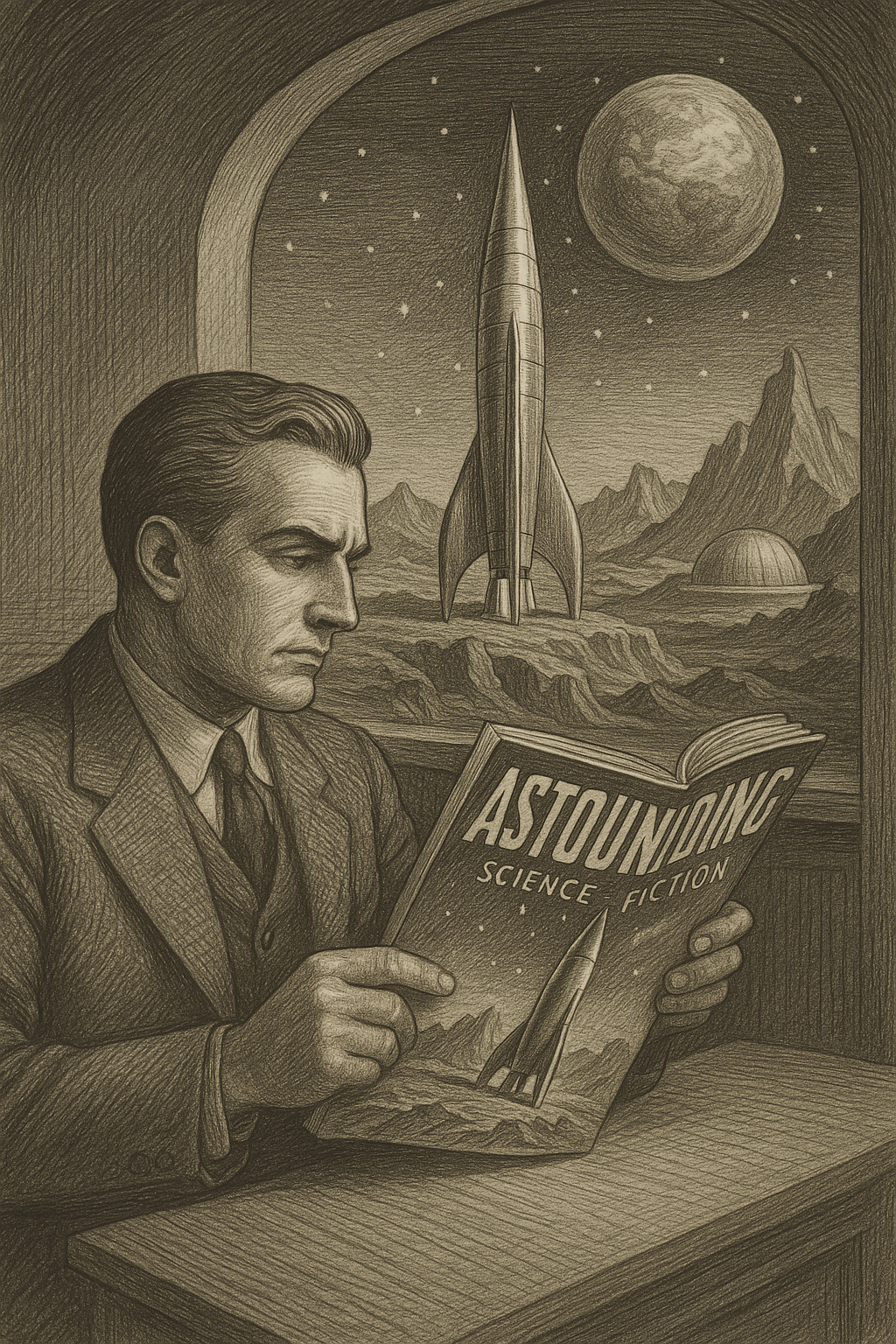
Astounding
**1926:** Hugo Gernsback launches *Amazing Stories*, defining “Sci-Fi” and creating the market.
**1930:** *Astounding Stories* debuts under Clayton Magazines—pulp adventure with a scientific gloss.
**1937:** John W. Campbell Jr. becomes editor; shifts tone from pulp thrills to rigorous, idea-driven SF.
Campbell cultivates Asimov, Heinlein, Clarke—solidifying the **Golden Age** template.
1950s: Campbell’s fixation on fringe sciences (psionics, Dianetics) alienates parts of the field.
1960: Magazine renamed **Analog**, signaling a retreat from its visionary early mission.
By late 1960s, New Wave authors bypass *Astounding*/**Analog**, marking its decline as SF’s central engine.
Hard Science Fiction
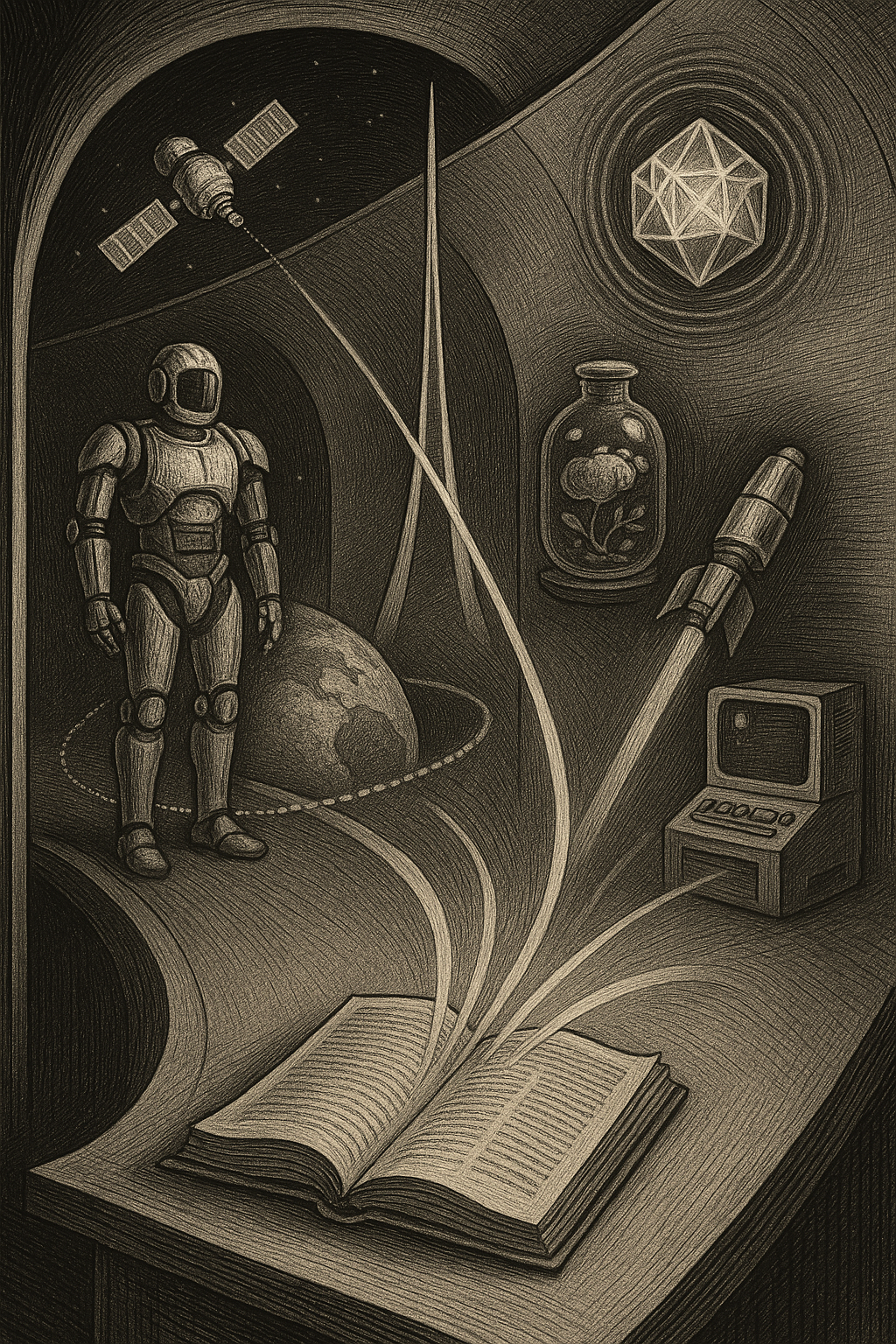
Speculative Technologies
Heinlein’s **powered exoskeletons** in *“Waldo”* (1942) → modern robotic exosuits.
Clarke’s **geostationary communication satellites** in *“Extra-Terrestrial Relays”* (1945) → today’s orbital networks.
Clarke’s **space elevator** concept in *“The Space Elevator”* (1960, *Science Digest*; rooted in SF work for *Astounding*) → active engineering models.
Van Vogt’s **continuous monitoring computers** in *“The Weapon Shop”* (1942) → inspiration for real-time systems.
Campbell’s editorial promotion of **ion drives & nuclear rockets** (various 1940s issues) → tested in space propulsion.
Sturgeon’s **biotech symbioses** in *“Microcosmic God”* (1941) → conceptual parallels with directed evolution & synthetic biology.
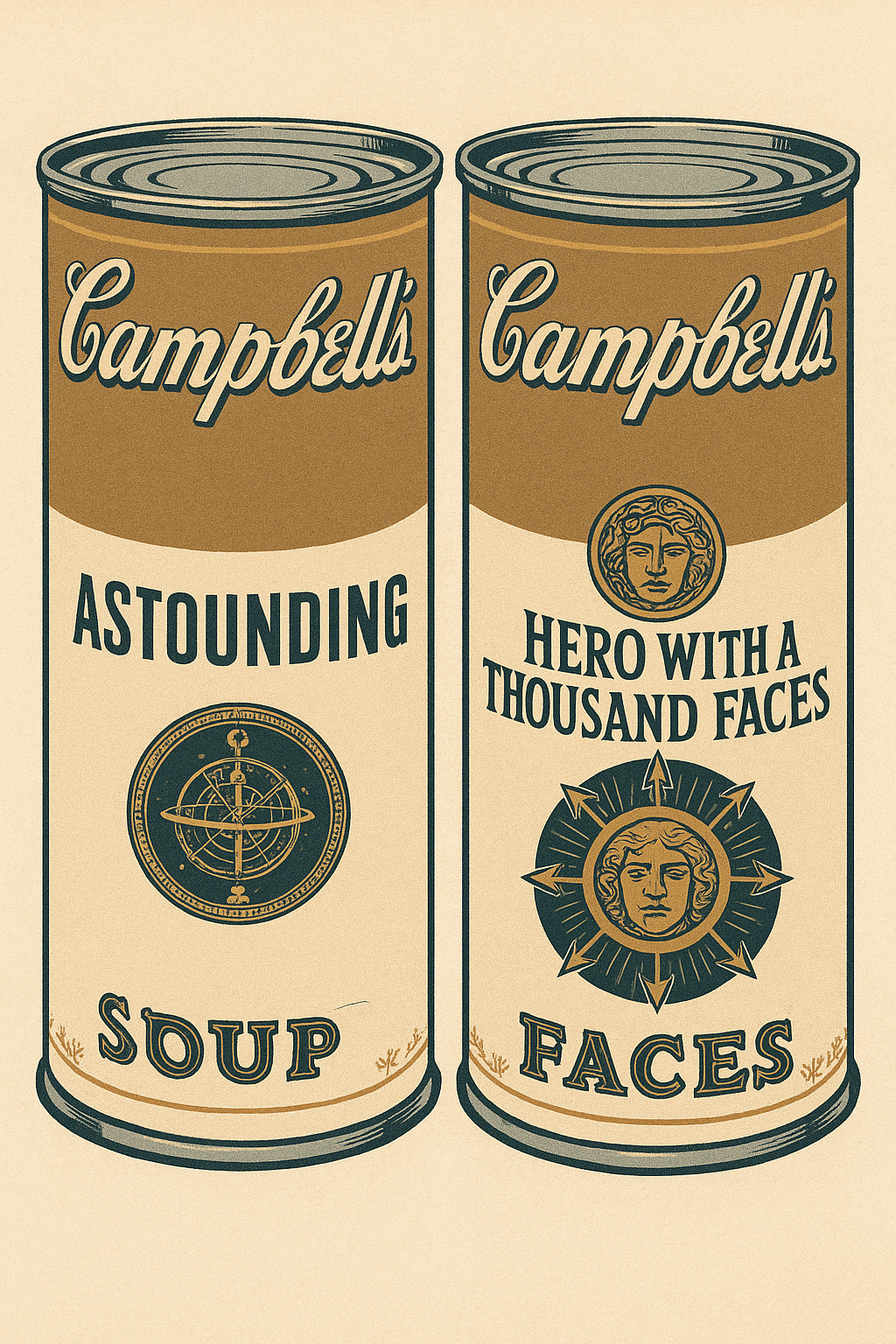
The Story with 1000 camp-bells
mythographer who argued that all stories follow a shared “monomyth” of departure, initiation, return.
His main work "The Hero with a Thousand Faces" emphasized inner transformation, archetypes, and symbolic journeys—contrasting Astounding’s engineering ethos.
His work prefigures New Wave SF’s shift toward psychology, myth, and subjective experience.
John W. Campbell Jr. (1910 - 1971)editor of *Astounding* (from 1937), reshaped SF into rigorous, idea-driven literature.
He demanded scientific plausibility and “competent characters,” defining the Golden Age tone of rational mastery.
Nurtured Asimov, Heinlein, Clarke and many others —but later drifted toward fringe science, weakening his influence.
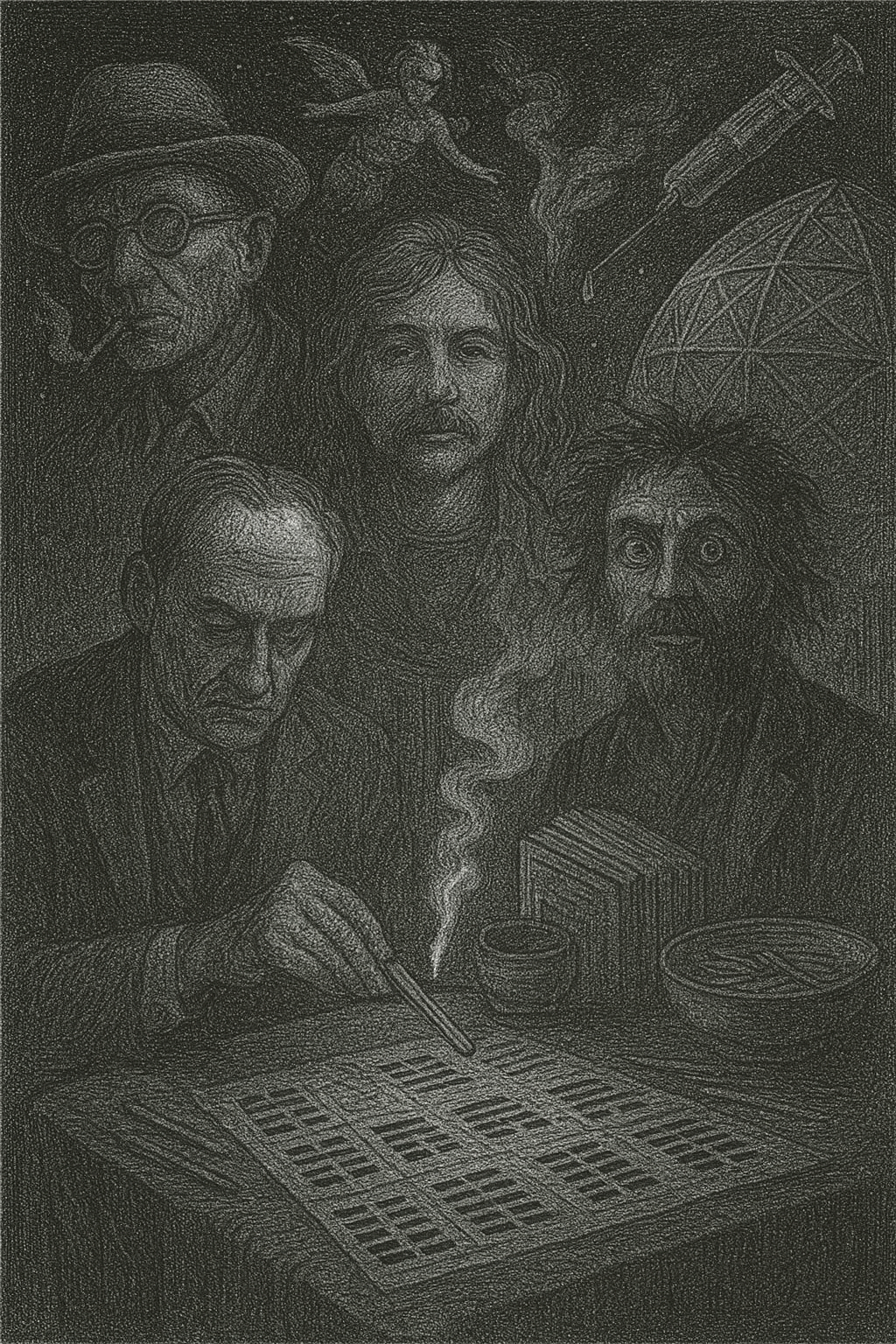
The New Wave
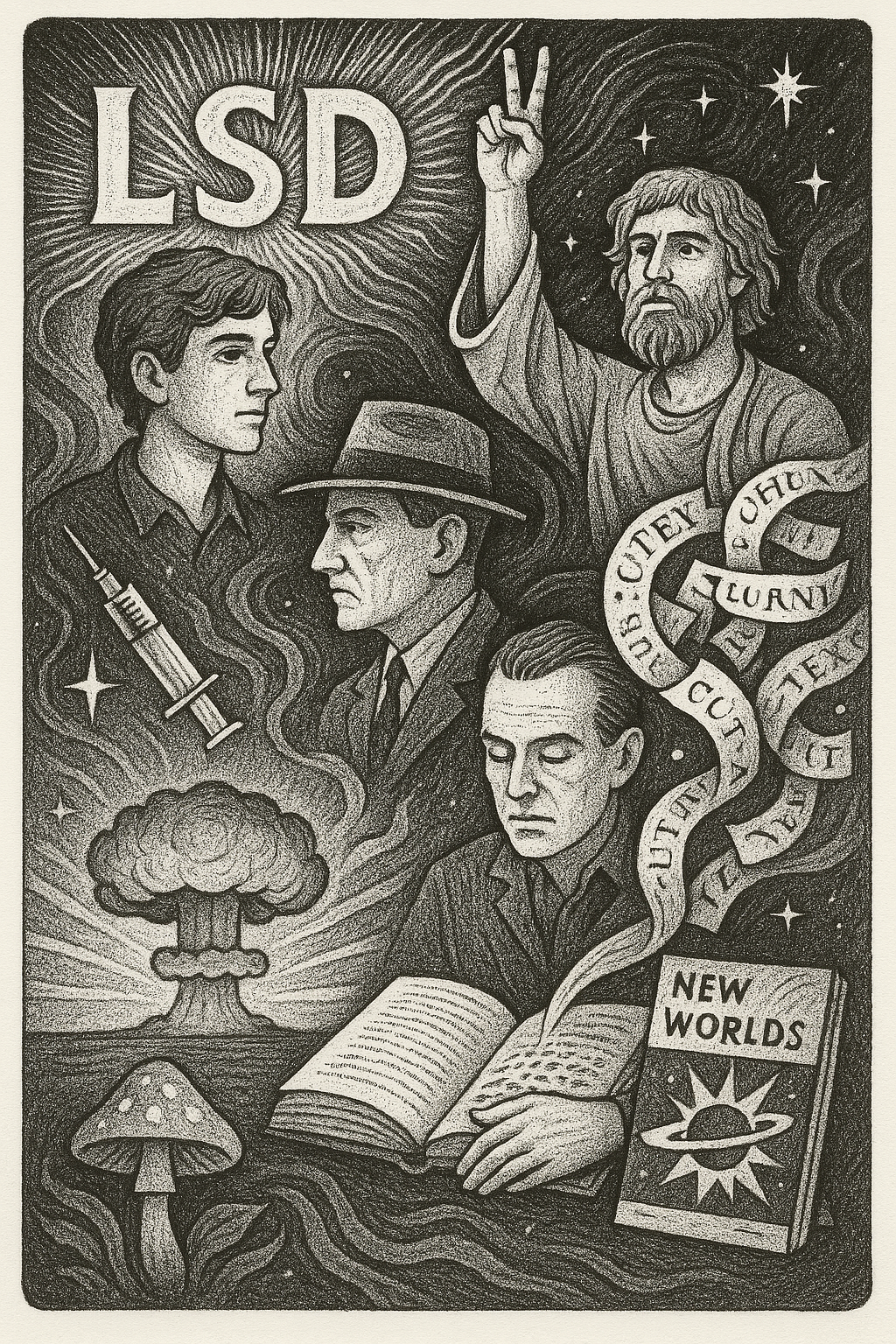
Context & Precursors
**1950s–60s counterculture:** rise of youth rebellion, anti-establishment politics, and experimentation with altered consciousness.
**LSD (discovered 1943, popularized 1960s):** reshaped cultural interest in perception, identity, and inner realities.
**William S. Burroughs:** cut-up techniques and surreal, transgressive prose became a stylistic blueprint for New Wave experimentation.
**Beat Generation:** Kerouac, Ginsberg, Ferlinghetti—subjectivity, fragmentation, and personal mythmaking enter SF’s toolbox.
**Modernist and postmodernist literature:** Joyce, Kafka, Pynchon, Borges—models for narrative play, ambiguity, and psychological depth.
**Cold War anxiety:** paranoia, nuclear threat, and bureaucratic control themes anticipate New Wave dystopias.
**Shift in magazines:** *New Worlds* under Michael Moorcock becomes the laboratory for radical, literary SF.

Dangerous Visions
Contributing Authors: Lester del Rey; Robert Silverberg; Frederik Pohl; Philip José Farmer; Miriam Allen deFord; Robert Bloch; Harlan Ellison; Brian W. Aldiss; Howard Rodman; Philip K. Dick; Larry Niven; Fritz Leiber; Joe L. Hensley; Poul Anderson; David R. Bunch; James Cross; Carol Emshwiller; Damon Knight; Theodore Sturgeon; Larry Eisenberg; Henry Slesar; Sonya Dorman; John T. Sladek; Jonathan Brand; Kris Neville; R. A. Lafferty; J. G. Ballard; John Brunner; Keith Laumer; Norman Spinrad; Roger Zelazny; Samuel R. Delany.
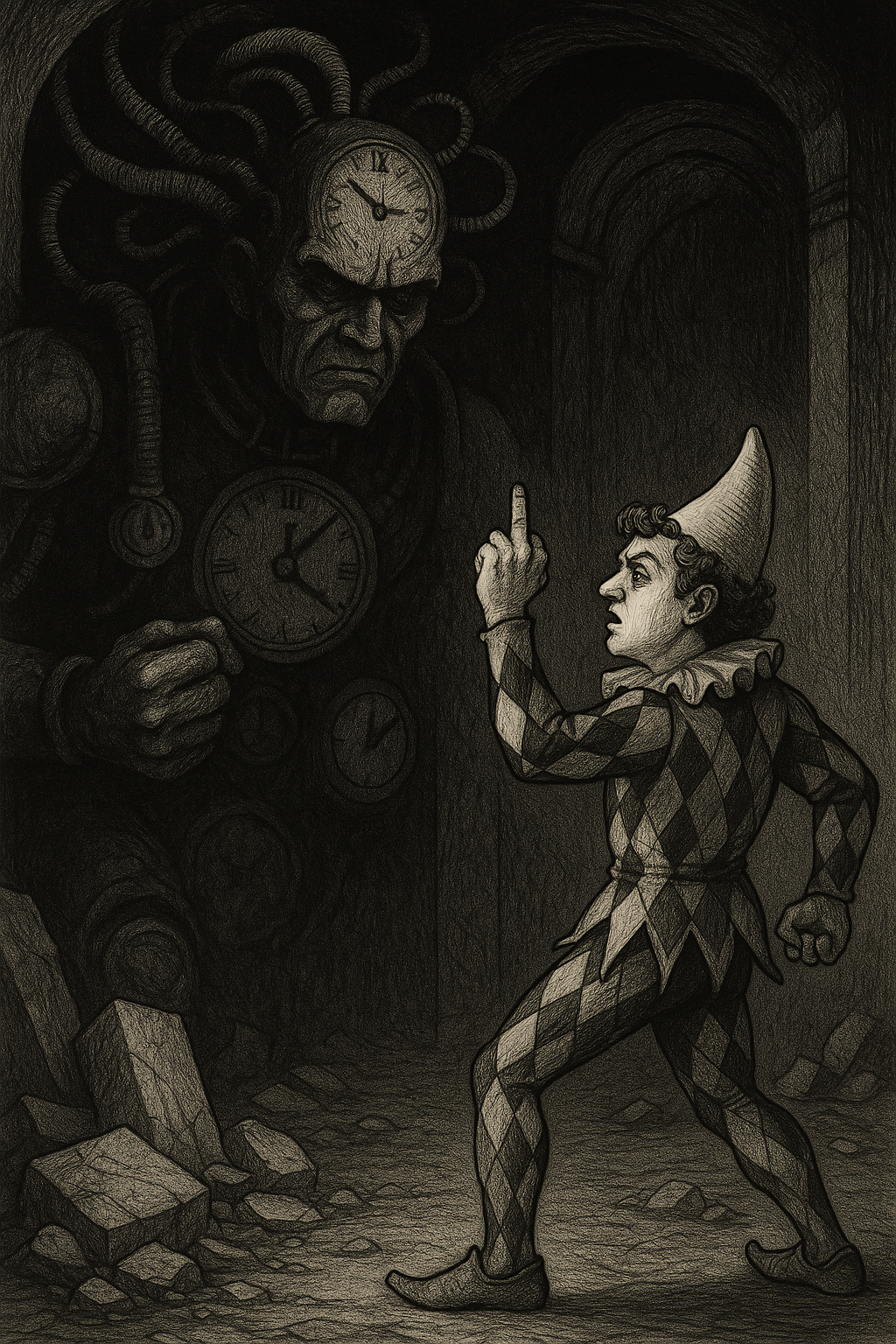
Harlan Ellisson (1934-2018)
"Sci-Fi's Most Controversial Figure"
bipolar disorder
quite decorated: 8 Hugo Awards, 4 Nebula Awards, 5 Bram Stoker Awards, SFWA Grand Master
anthologies: Dangerous Visions (1967); Again, Dangerous Visions (1972); Last Dangerous Visions (2018)
Star Trek ("The City on the Edge of Forever"); Disney (well, not really); I, Robot (well, not really)
"Repent, Harlequin ! The Ticktockman said" (1965); I have no mouth and I must scream (1967); A boy and his dog (1967)
Occupation: Conscience
IOTD: Cryptica Scriptura
The Mind lets in the light, then the dark, in interaction; so time is generated.
At the end Mind awards victory to the light; time ceases and the Mind is complete.
Fazit
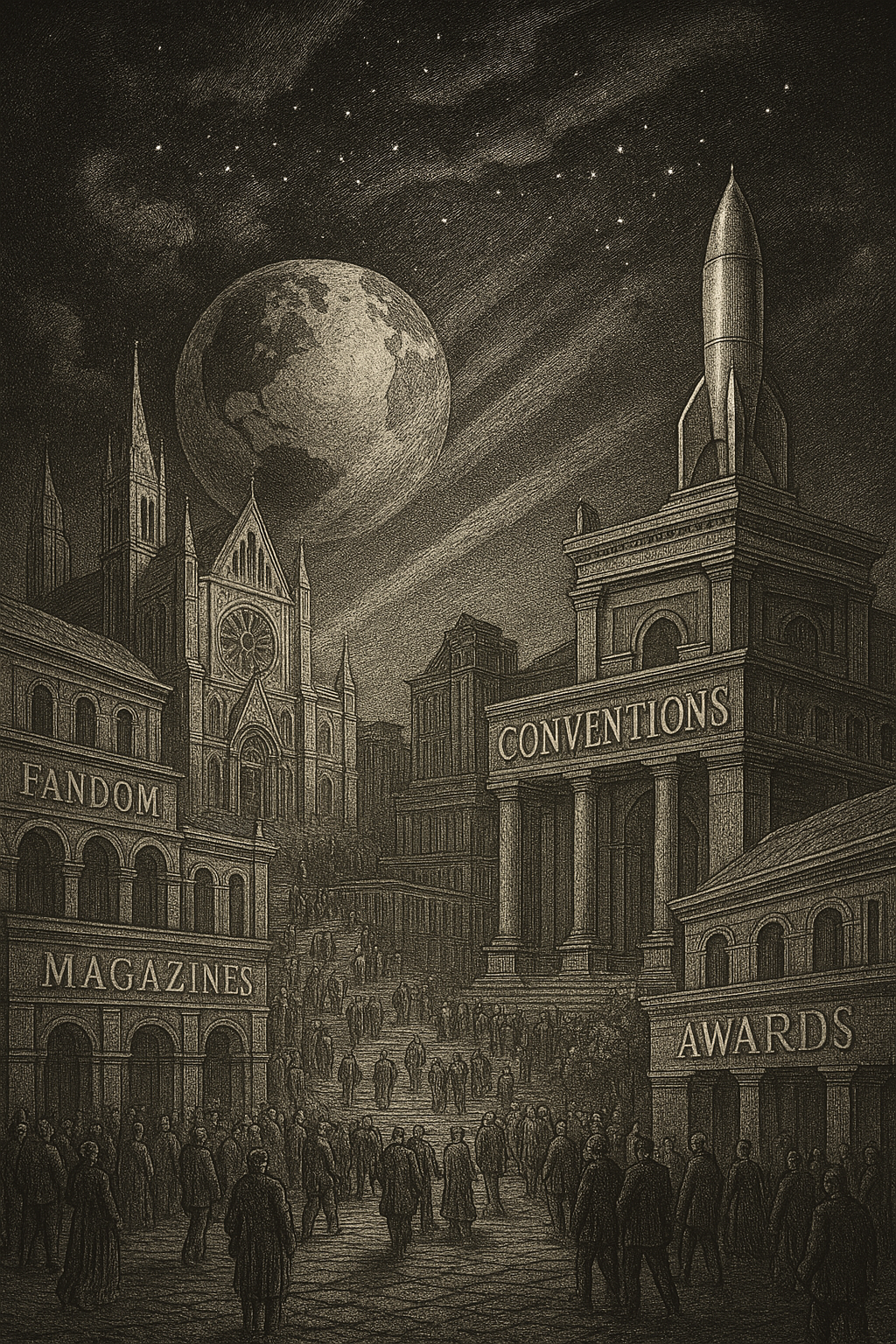
Sci-Fi Community
**Awards:** Hugos (since **1953**, fan-voted), Nebulas (**1965**, writer-voted), Locus (**1971**), BSFA (**1970**), Clarke Award (**1987**)—markers of global SF excellence.
**Conventions:** Worldcon (since **1939**), Eurocon (**1972**), plus regional cons—gathering points for fandom, panels, workshops, and Hugo voting.
**Organizations:** SFWA founded **1965** (authors), WSFS formalized mid-**1950s** (Worldcon/Hugos), national clubs (e.g., Japan’s SF大会 since **1962**).
**Magazines:** from *Astounding* (**1930**) to *Novae Terrae / New Worlds* (**1936**), *Analog* (**1960**) —platforms shaping the field.
**Fanzines → online communities:** historic fanzines (since **1930s**) evolve into today’s forums, Discords, AO3 (**2008**), Goodreads (**2007**).
**Academic SF studies:** first university courses appear in **1960s**, dedicated journals (e.g., *Science Fiction Studies*, **1973**).
**Global expansion:** major SF ecosystems emerge in China (**1980s-present**), Eastern Europe (**1960s-present**), Latin America (**1970s-present**).
