Kastalia Knowledge Management System · Glasperlenspiel template · knot 2153
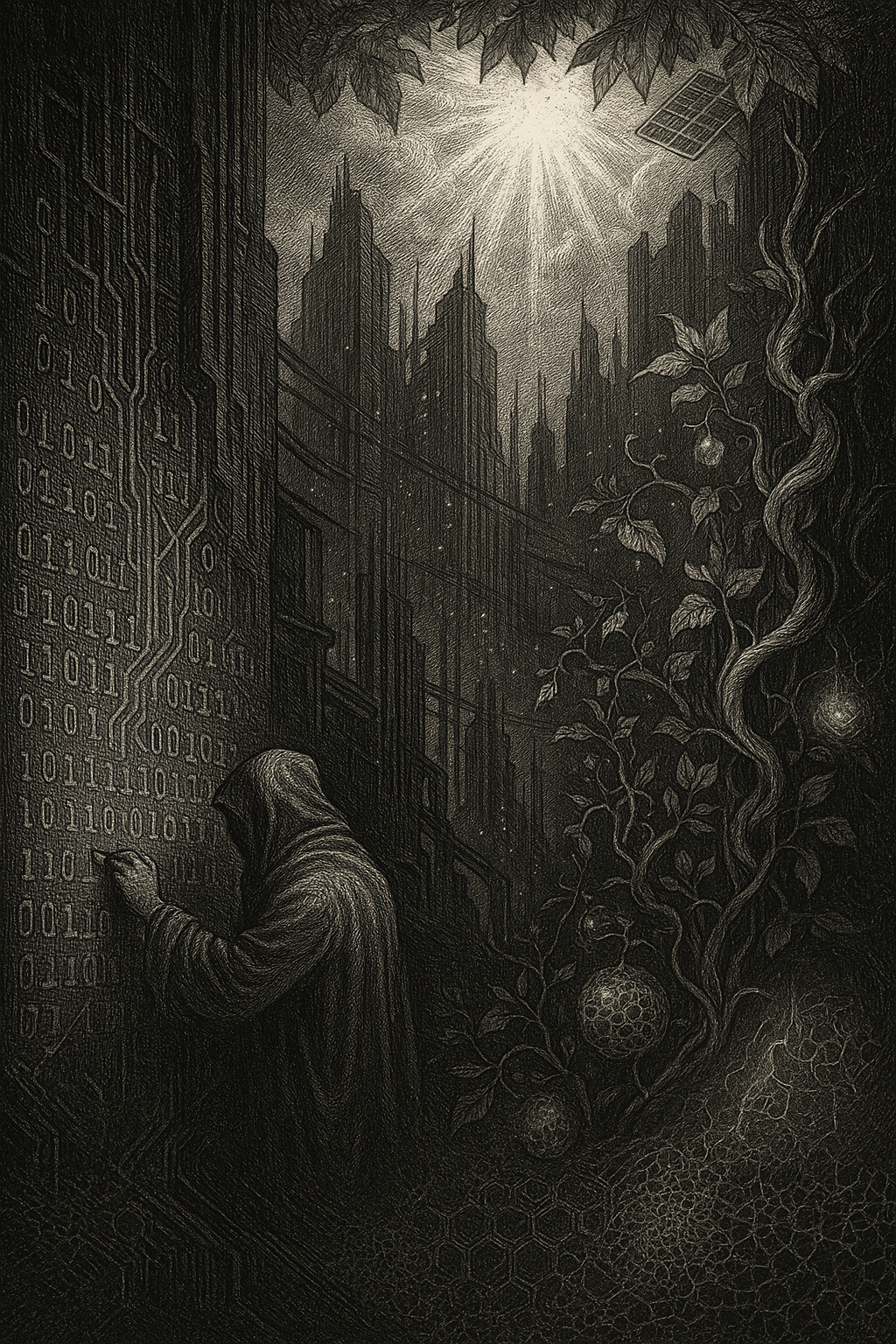
Cyberpunk, solarpunk and other punkz
Ancestors (1 superordinated path)
root/
baumhaus.digital/
Studium Generale/
Mythologies of possible futures: Between Science Fiction and Reality/
Cyberpunk, solarpunk and other punkz
Descendants (at least 13 branches originate here)
-
Cyberpunk, solarpunk and other punkz
-
is_parent
 Neuromancer
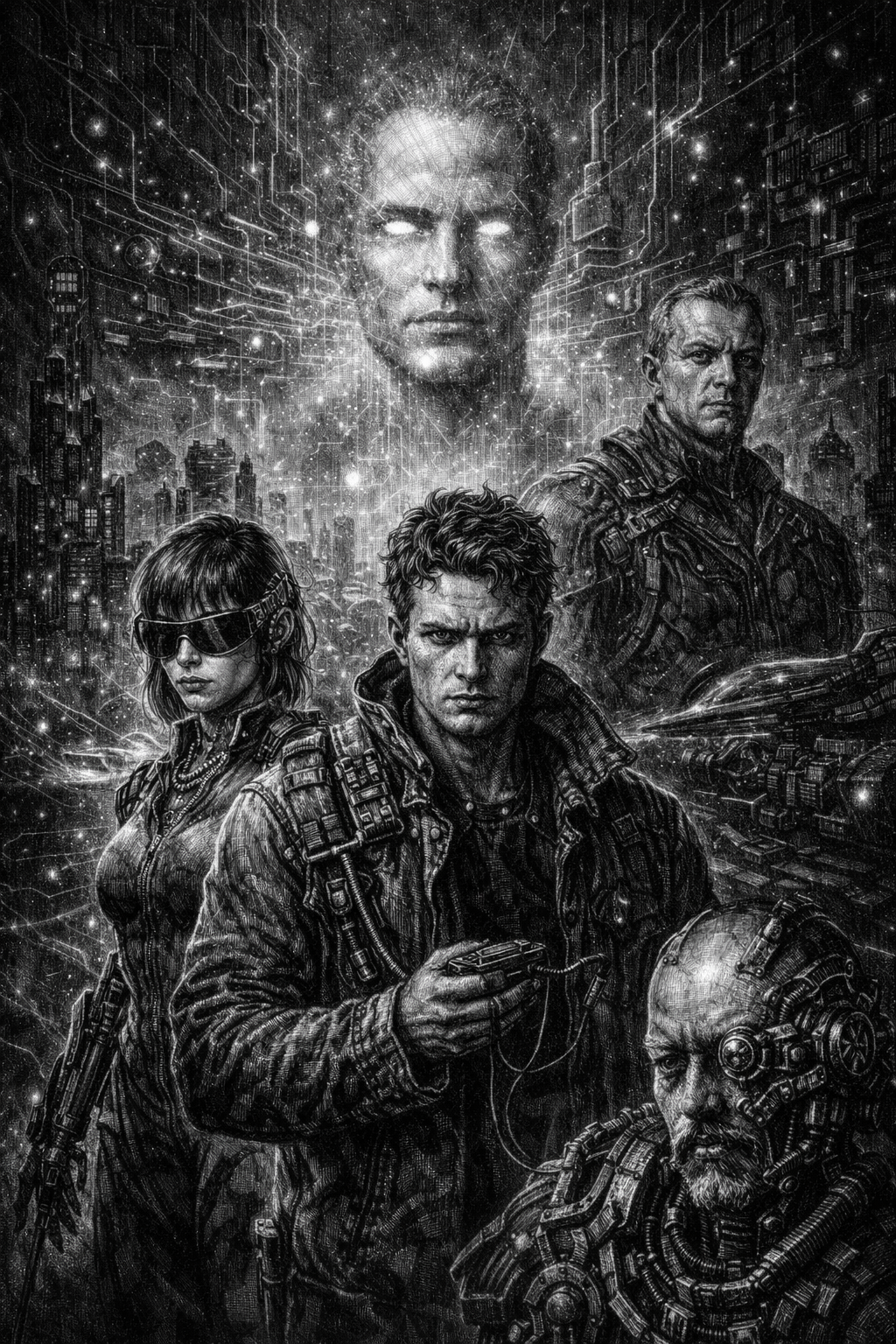
💧 Neuromancer (1984) by William Gibson is the novel that defined cyberpunk. Set in a near-future global sprawl, it follows Case, a washed-up hacker navigating
Neuromancer
💧 Neuromancer (1984) by William Gibson is the novel that defined cyberpunk. Set in a near-future global sprawl, it follows Case, a washed-up hacker navigating-
is_parent Cyberspace 🔒 ·
"Cyberspace. A consensual hallucination experienced daily by billions of legitimate operators, in every nation, by children being taught mathematical concepts.
-
-
is_parent
 Schismatrix
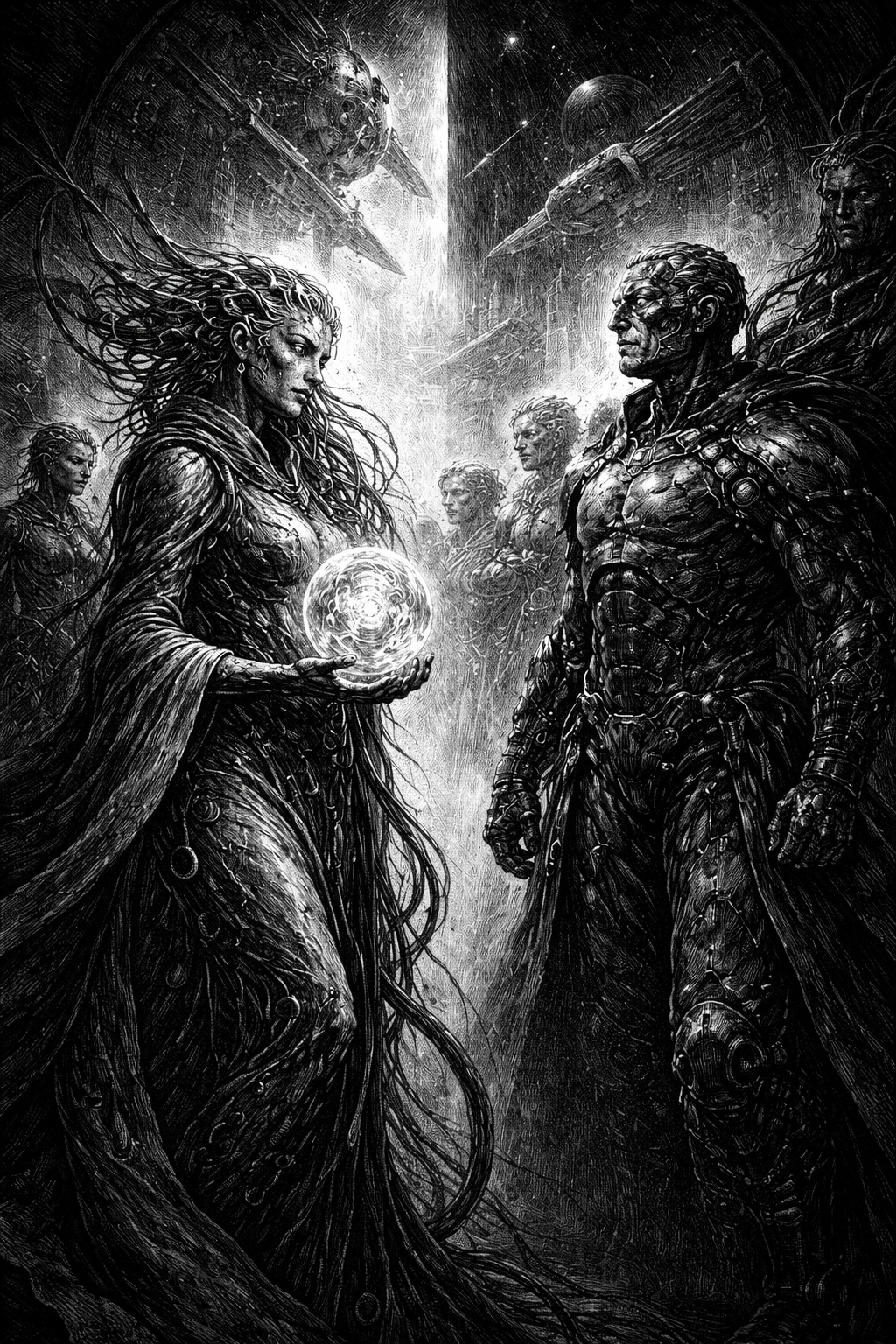
💧 Schismatrix (1985) by Bruce Sterling is a foundational cyberpunk / post-cyberpunk novel set several centuries in the future, after humanity has spread throug
Schismatrix
💧 Schismatrix (1985) by Bruce Sterling is a foundational cyberpunk / post-cyberpunk novel set several centuries in the future, after humanity has spread throug-
is_parent
 Shapers
🔒
·
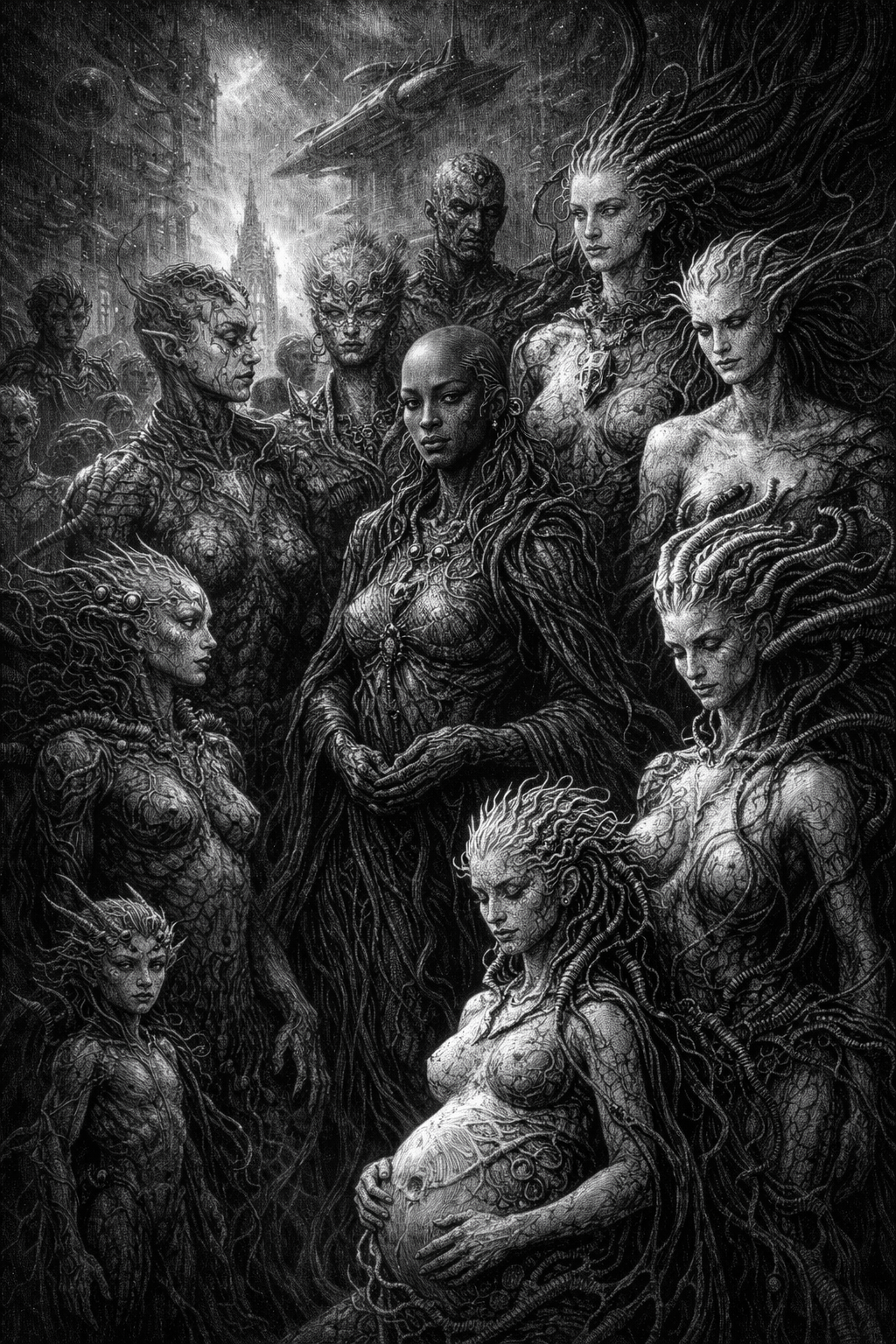
💧 Shapers – humans who use genetic engineering, psychological conditioning, and biological optimization to evolve the human body and mind. They value adaptabili
Shapers
🔒
·
💧 Shapers – humans who use genetic engineering, psychological conditioning, and biological optimization to evolve the human body and mind. They value adaptabili -
is_parent
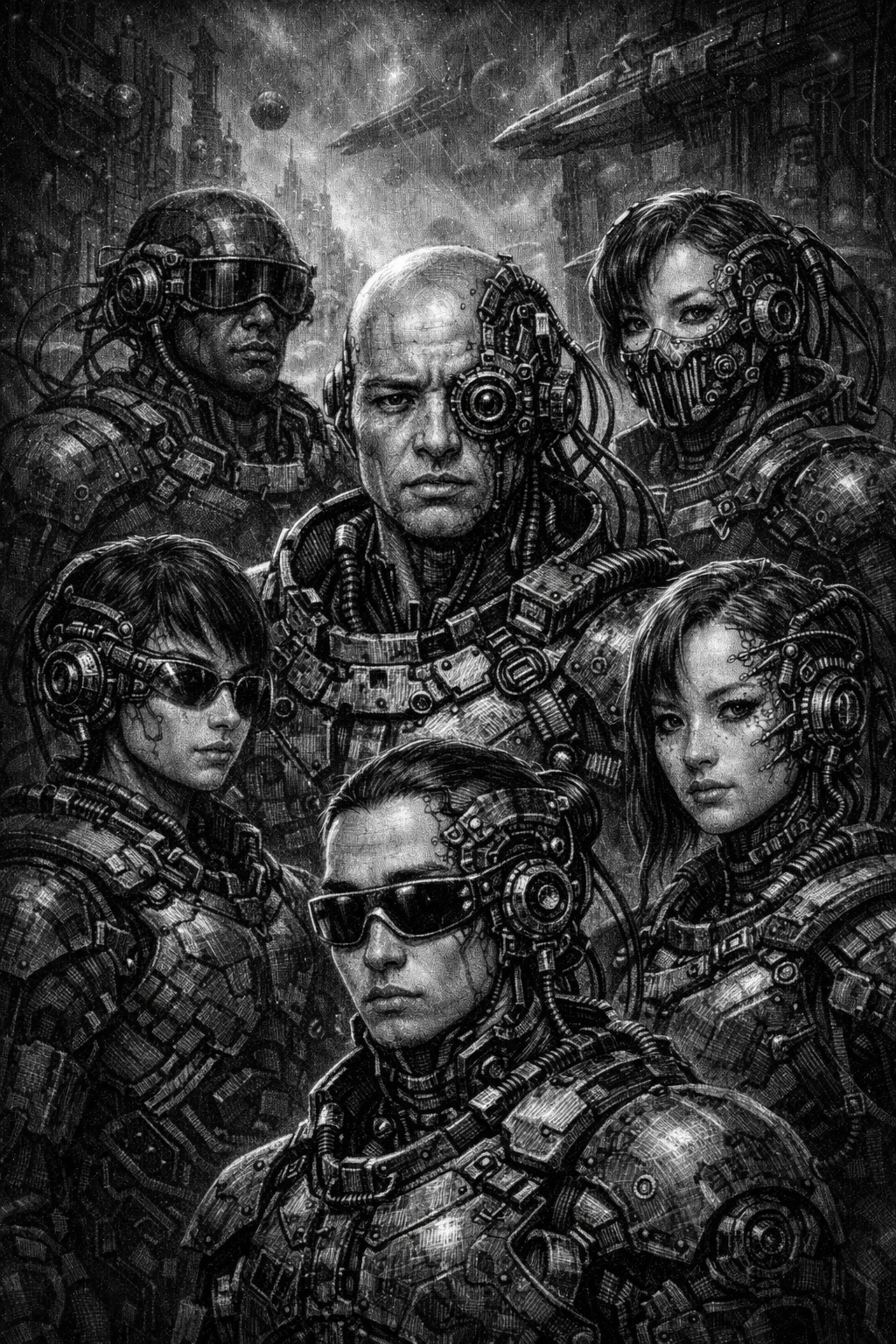 Mechanists
🔒
·
💧 Mechanists – humans who embrace cybernetic implants, mechanical augmentation, and life-extension via machinery, favoring stability, durability, and engineered
Mechanists
🔒
·
💧 Mechanists – humans who embrace cybernetic implants, mechanical augmentation, and life-extension via machinery, favoring stability, durability, and engineered
-
-
is_parent
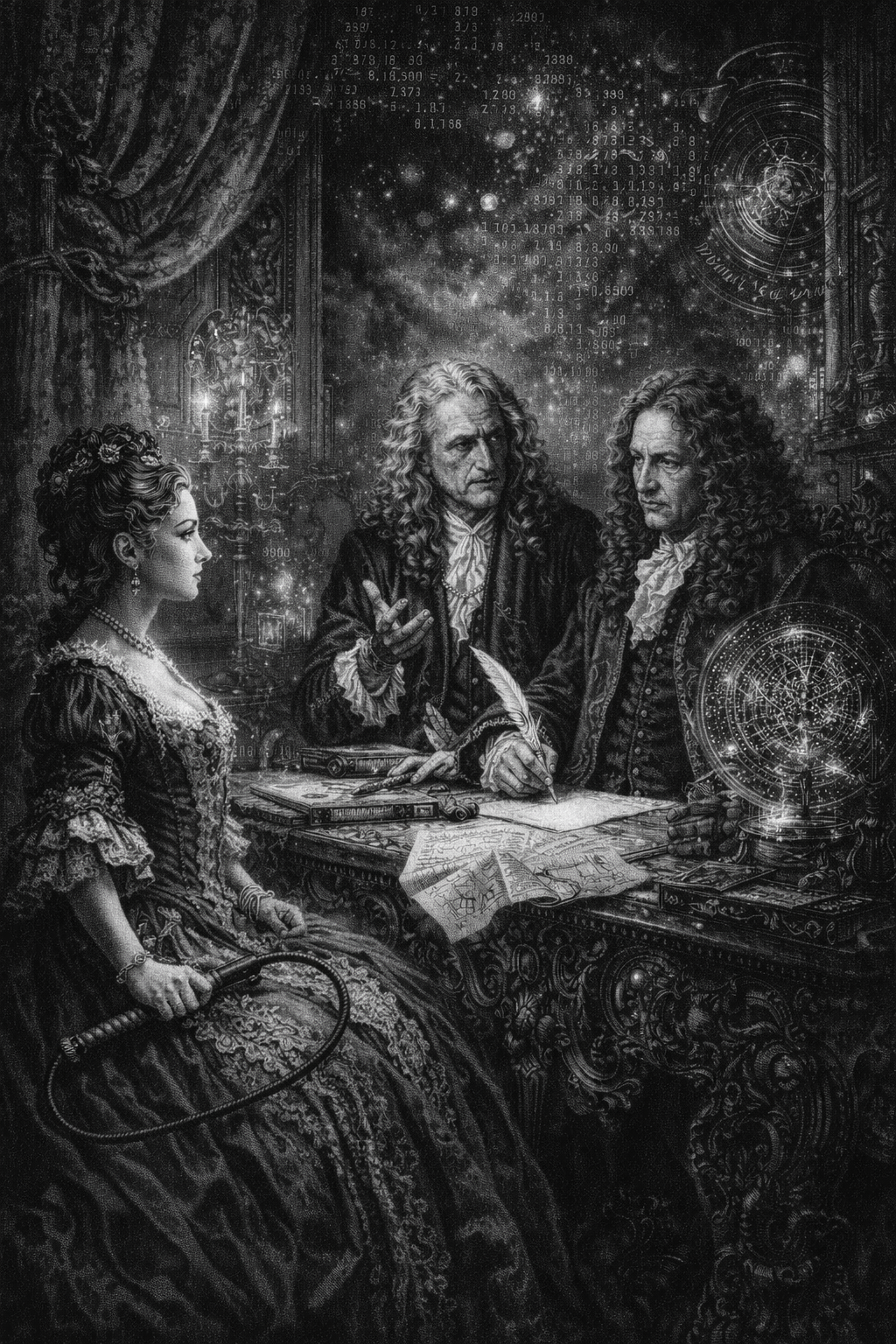 Baroquepunk, Steampunk & co.
·
Baroquepunk is a speculative genre where ornament, excess, and early-modern worldviews collide with systems thinking. Inspired by Stephenson's Baroque Cycle, it
Baroquepunk, Steampunk & co.
·
Baroquepunk is a speculative genre where ornament, excess, and early-modern worldviews collide with systems thinking. Inspired by Stephenson's Baroque Cycle, it -
is_parent
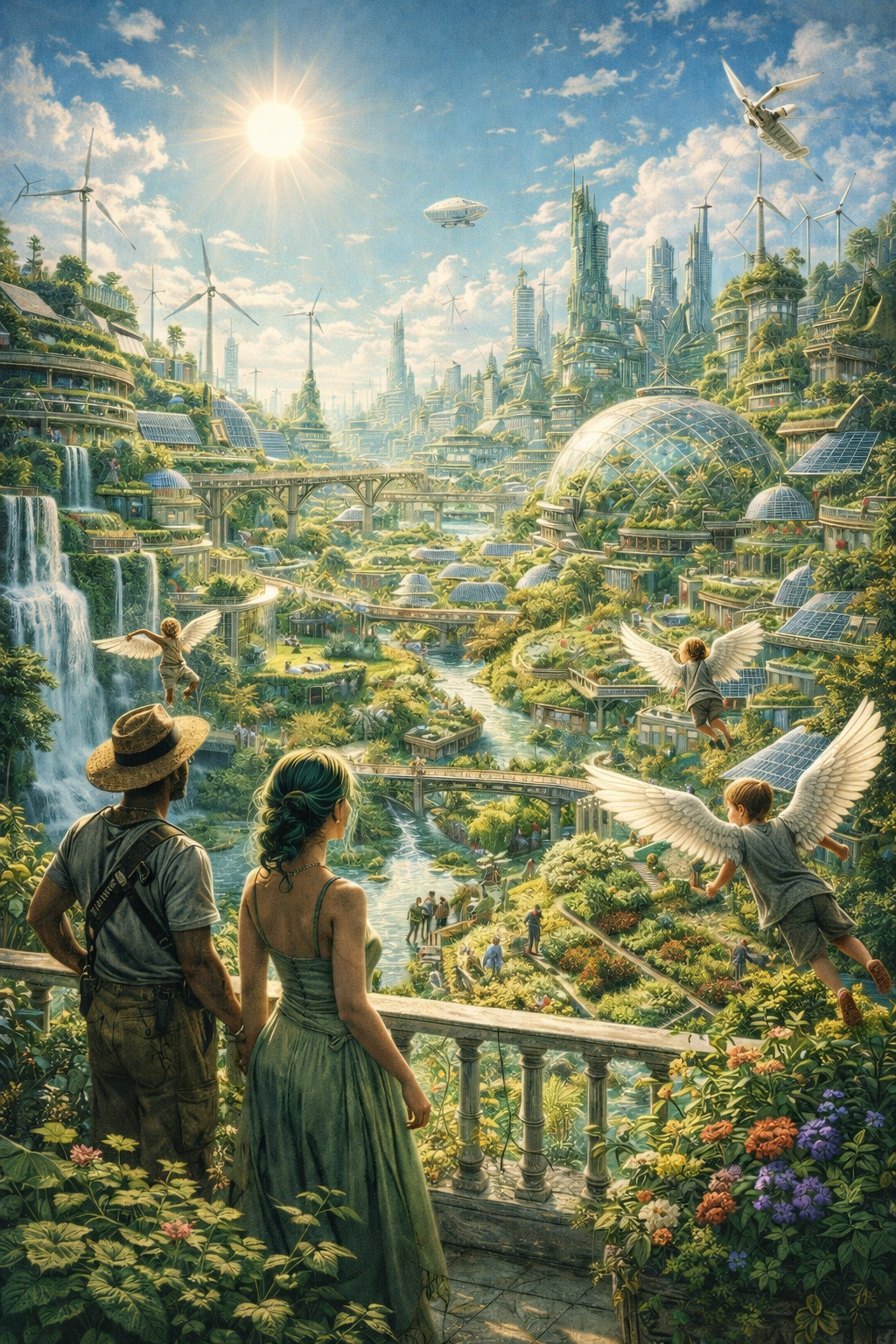 Solarpunk
·
💧 Solarpunk is a speculative genre and cultural movement imagining desirable futures built on renewable energy, ecological repair, and social justice. Rooted i
Solarpunk
·
💧 Solarpunk is a speculative genre and cultural movement imagining desirable futures built on renewable energy, ecological repair, and social justice. Rooted i -
is_parent
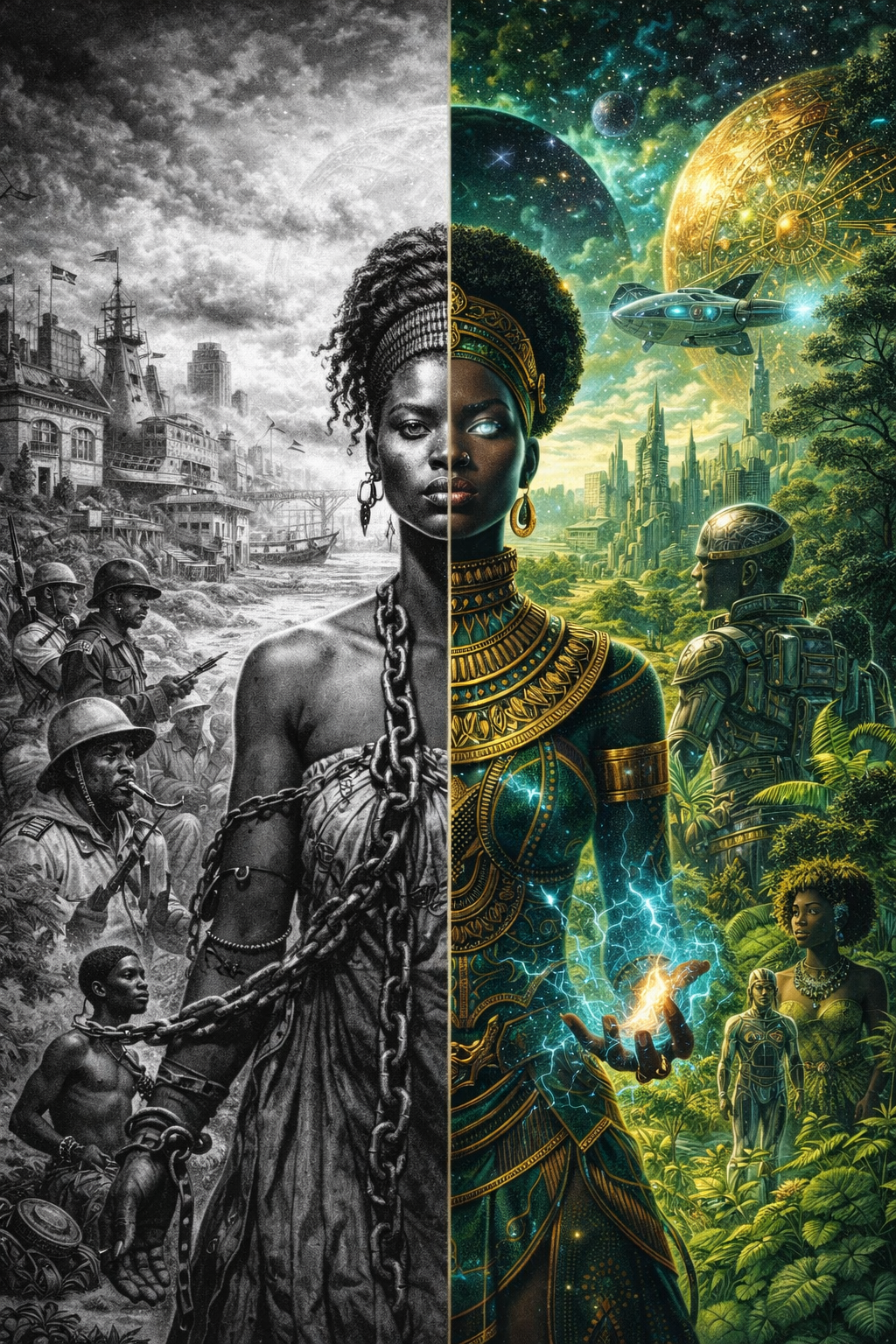 Afrofuturism
🔒
·
💧 Afrofuturism is a cultural and speculative framework that reimagines the past, present, and future through African and African-diasporic perspectives, blendin
Afrofuturism
🔒
·
💧 Afrofuturism is a cultural and speculative framework that reimagines the past, present, and future through African and African-diasporic perspectives, blendin -
is_parent
 Nanopunk
🔒
·
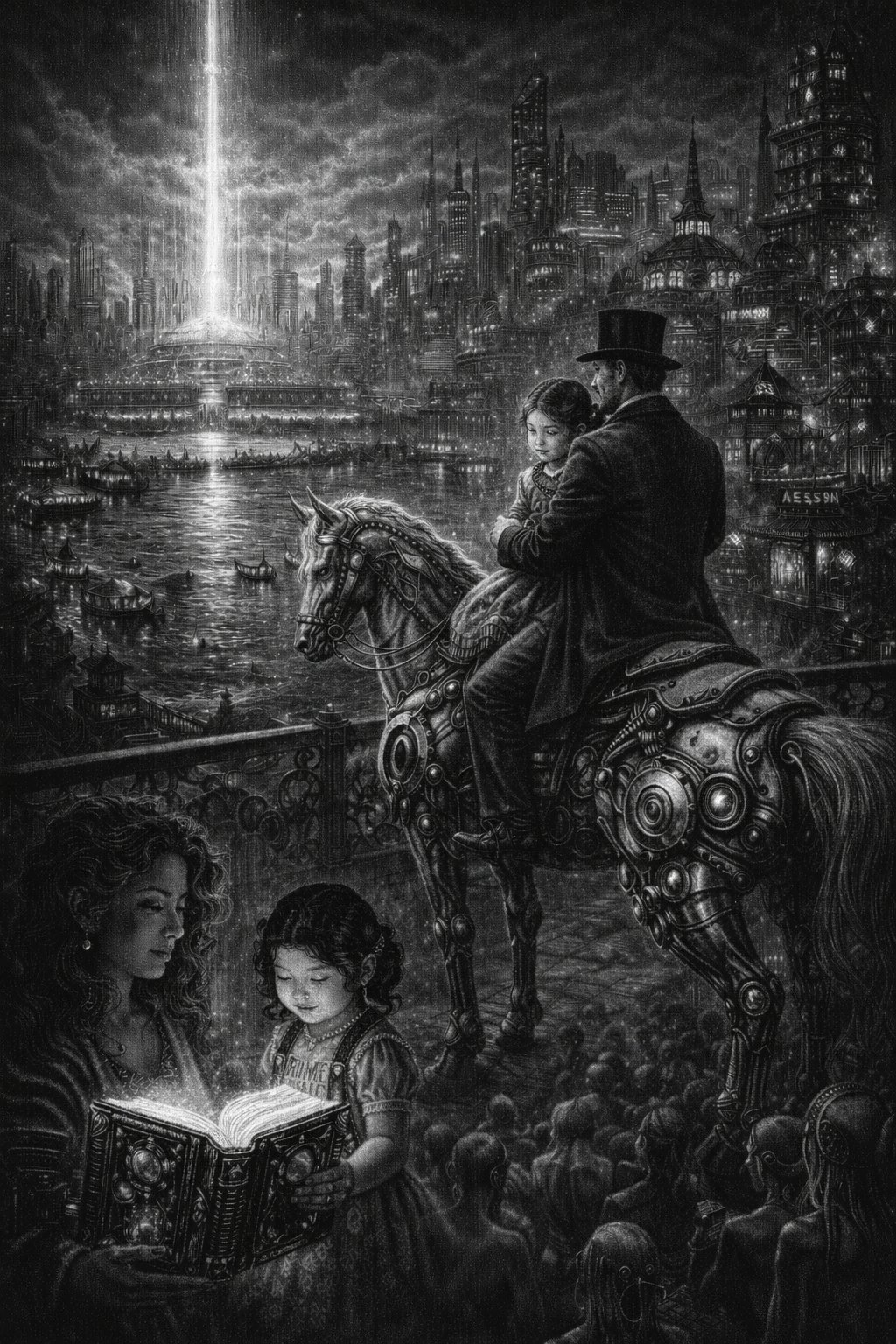
💧 Nanopunk is a speculative genre in which nanotechnology replaces industry, infrastructure, and scarcity itself, reorganizing society around control of matter
Nanopunk
🔒
·
💧 Nanopunk is a speculative genre in which nanotechnology replaces industry, infrastructure, and scarcity itself, reorganizing society around control of matter -
is_parent
 Berlinpunk
🔒
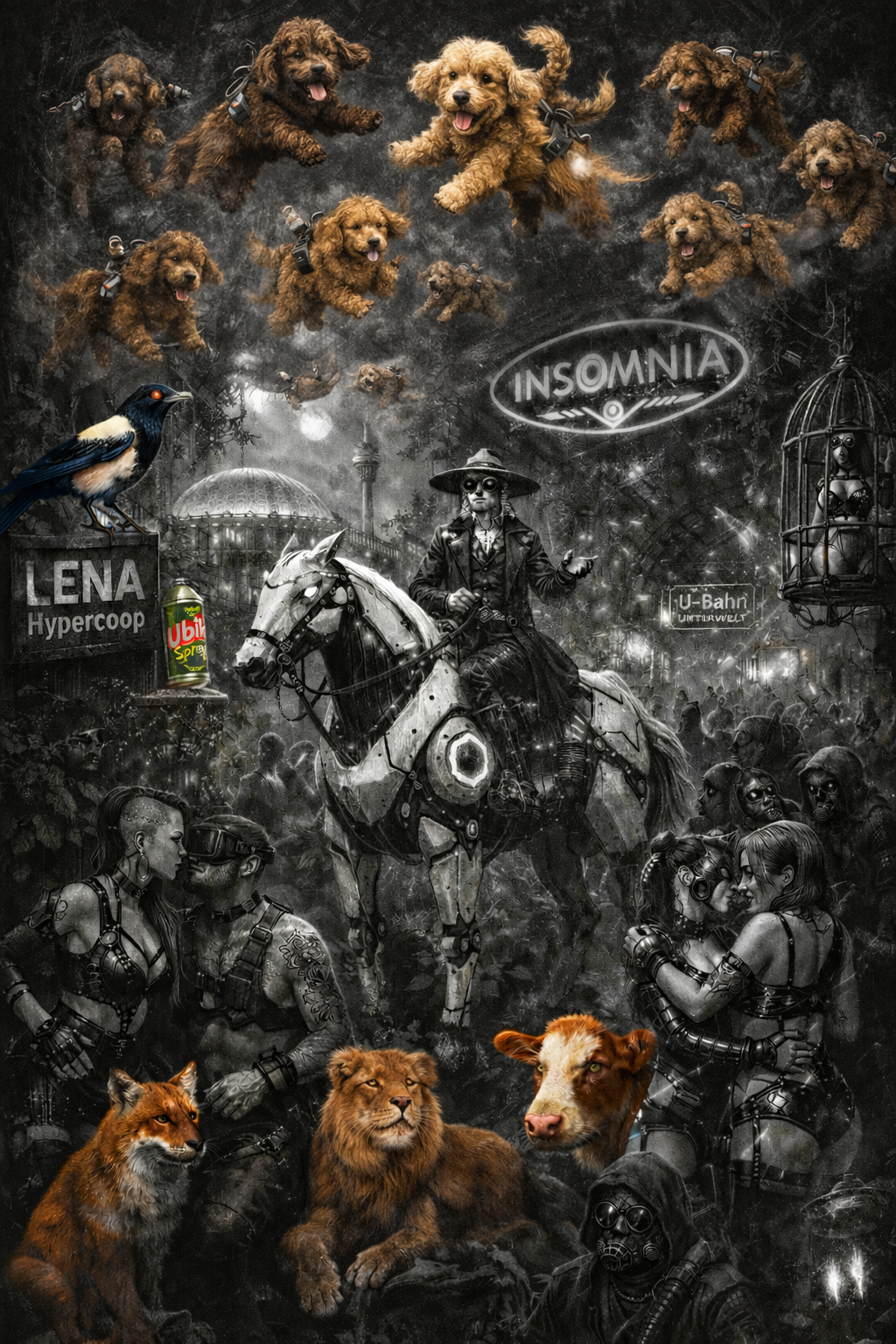
Imagine Berlin in 2300 / AE330. Is it still a city or did it turn into desert ? Or jungle ? Is UdK still planning to relocate to Tempelhof ? Do foxes still roa
Berlinpunk
🔒
Imagine Berlin in 2300 / AE330. Is it still a city or did it turn into desert ? Or jungle ? Is UdK still planning to relocate to Tempelhof ? Do foxes still roa-
is_parent
 Fazit
🔒
·
If cyberpunk says “the future is desperate and broken” (berlin|solar)punk insists “the future is enjoyable, repairable—and worth designing together”.P.S. pleas
Fazit
🔒
·
If cyberpunk says “the future is desperate and broken” (berlin|solar)punk insists “the future is enjoyable, repairable—and worth designing together”.P.S. pleas
-
-
is_parent Metaverse 🔒 ·
"So Hiro's not actually here at all. He's in a computer-generated universe that his computer is drawing onto his goggles and pumping into his earphones. In the
-