i
Diese Präsentation ist für die Ansicht im Querformat gestaltet.

daughter of Alfred Louis Kroeber and Theodora Kroeber
spent her childhood in highly stimulating environment (community of Berkeley anthropologists)
married historian Charles le Guin in 1953, stayed with him ever since
6 Hugo Awards; 8 Nebula Awards; 25 Locus Awards; 2nd woman honored (in 2003) as a Grand Master of the Science Fiction and Fantasy Writers of America
main topics / influences: cultural anthropology & the Golden Bough; (jungian) archetypes; (philosophical) taoism; mythology
two major cycles: Earthsea cycle (high fantasy) and Hainish cycle (soft sci-fi)
in cca 20 minutes You will be asked a question: "Is the planet on which Earthsea cycle stories unfold part of the Ekumen/Hain universe ?"
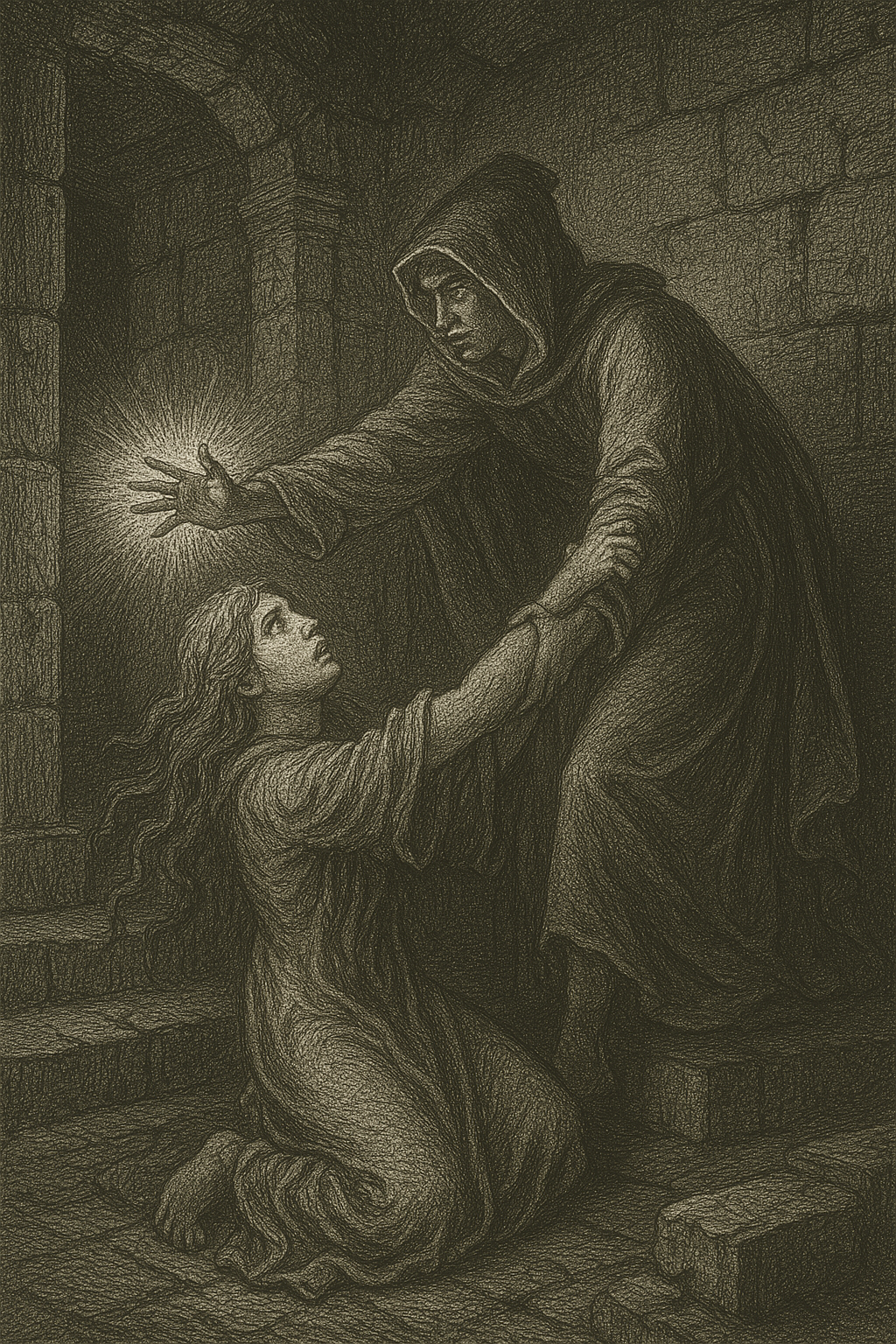
Ged on a quest for ring of Ereth-Akbe coincidentially liberates Tenar from the Tombs of Atuan.
the story of Duny - Sparrowhawk - Ged (secret name!) as he matures from (arrog|ignor)ant boy into one of the wisest and most powerful magicians in the land
the story of transformation of Tenar, raised to perform rites for divinities long dead, into protectrice of Life & those oppressed.
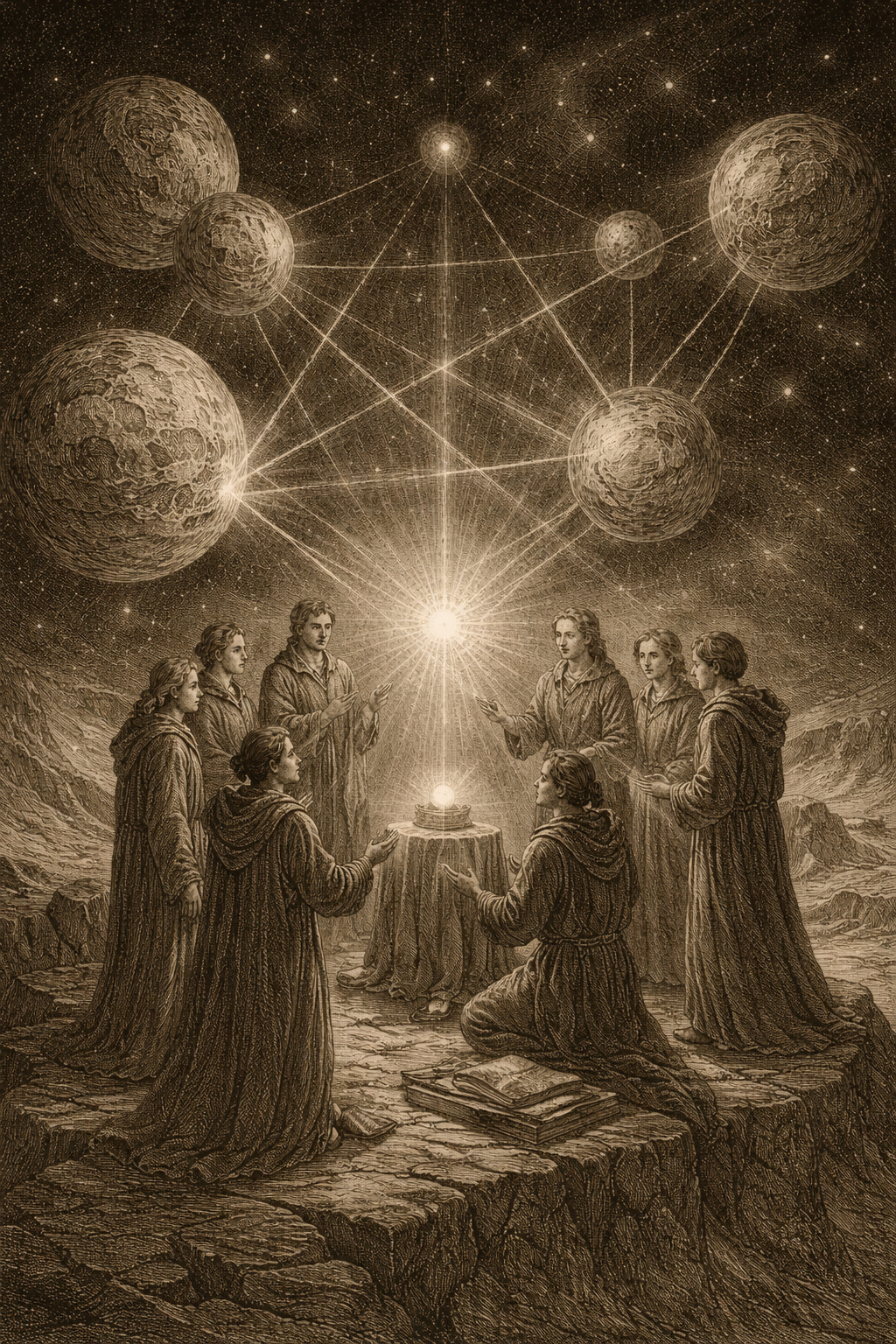
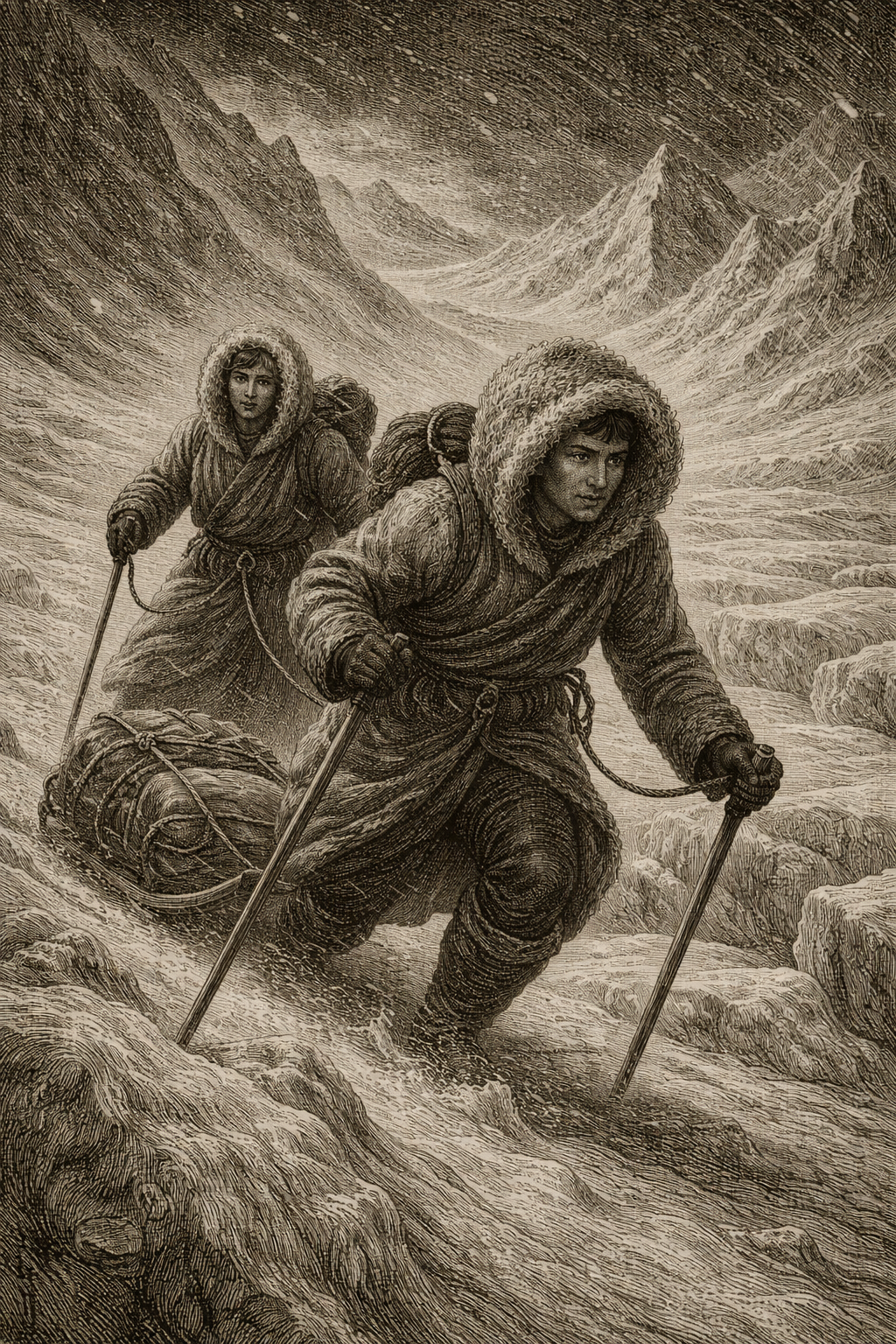
As (s)he brings Genly into safety, Estraven underwents multiple "kemmer" phases of herhis reproductive cycle.
Hainish novel set on Gethen (Winter), where humans undergo 24-day "somer" (ambisexual) and 2-day "kemmer" (male or female; fertility and receptiveness) cycles.
Terran envoy Genly Ai tries to bring Gethen into the Ekumen. Estraven, an politician exiled from Karhide to Orgoreyn becomes Genly’s uneasy ally.
Gender as a social system—what changes when “man/woman” isn’t a permanent category?
The 80-day ice-crossing becomes the story’s moral center.
The story of loyalty (&betrayal), friendship, love and death.
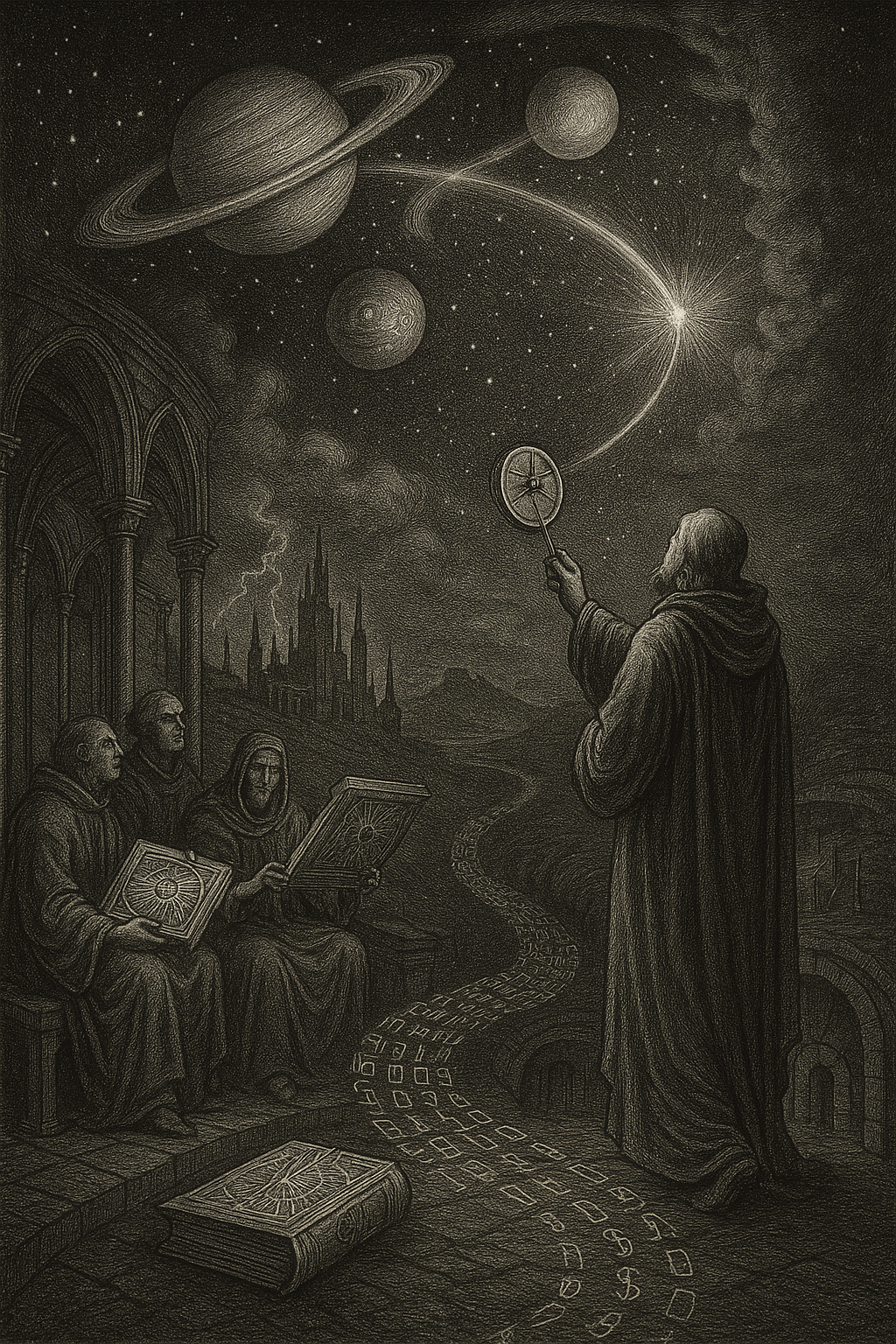
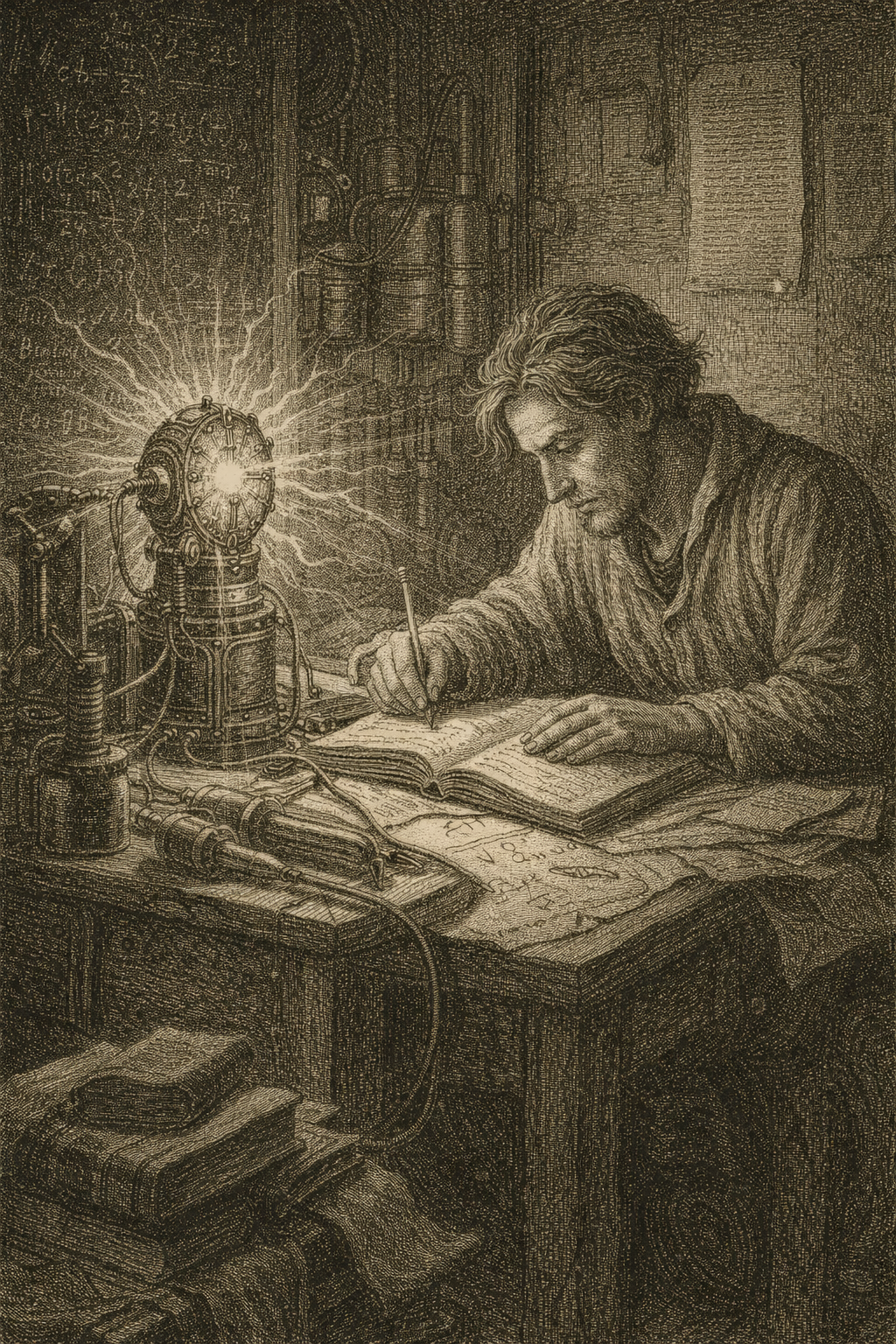
Shevek, nailing down the last equation leading to invention of the first Ansible.
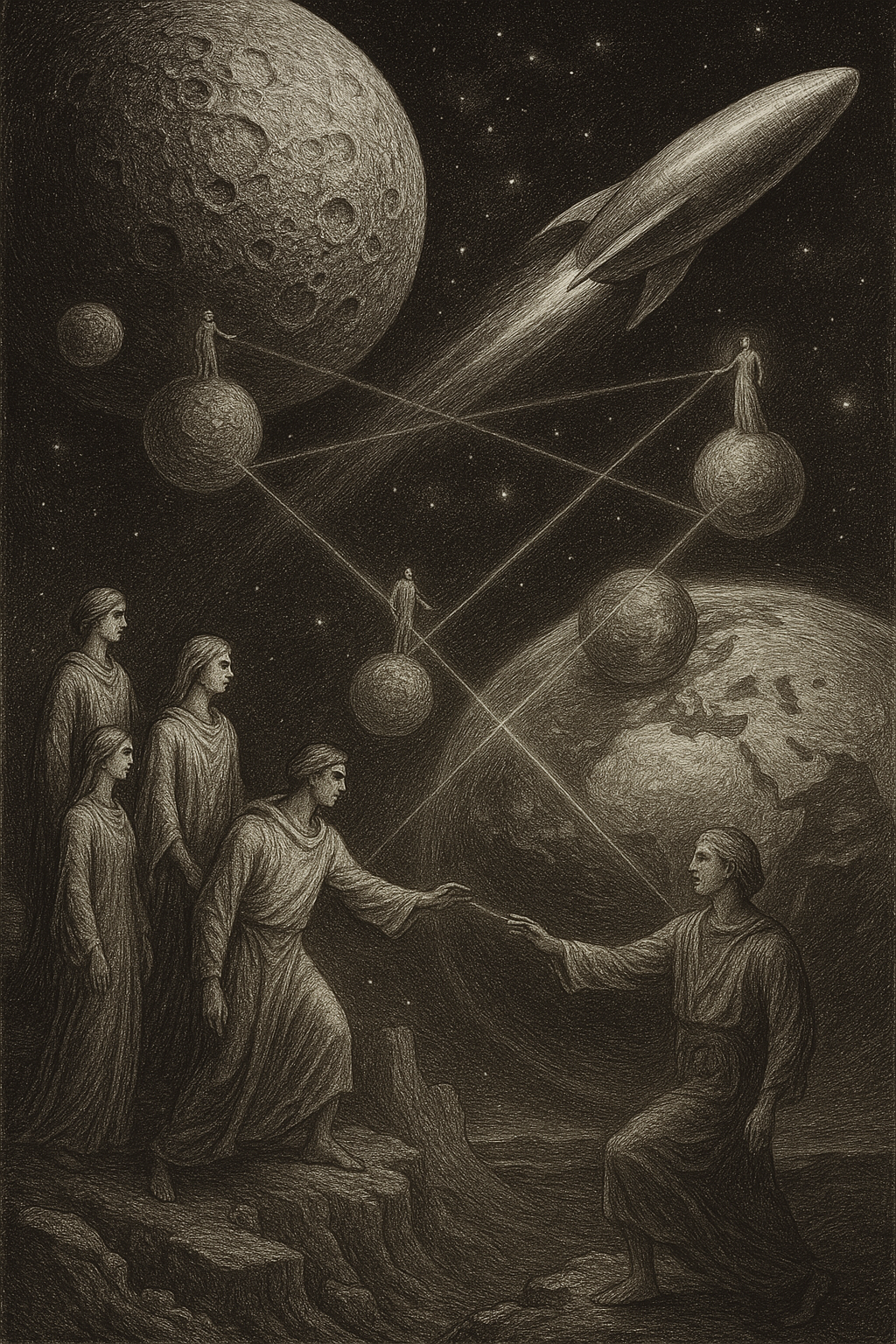
Paired worlds: Anarres (anarchist, austere) and Urras (capitalist, lush) — one origin, two social experiments.
Physicist Shevek leaves Anarres to complete a theory of time and restore true communication between worlds.
Anarres: no property, no state — but social pressure replaces law; conformity replaces freedom.
Urras: abundance and beauty, built on inequality, exploitation, and silenced labor.
Nonlinear structure: past and present interwoven, mirroring Shevek’s theory of simultaneity.
Central tension: revolution must stay unfinished—or it hardens into authority.