i
Diese Präsentation ist für die Ansicht im Querformat gestaltet.
A tale of obsession, optics, and automata.
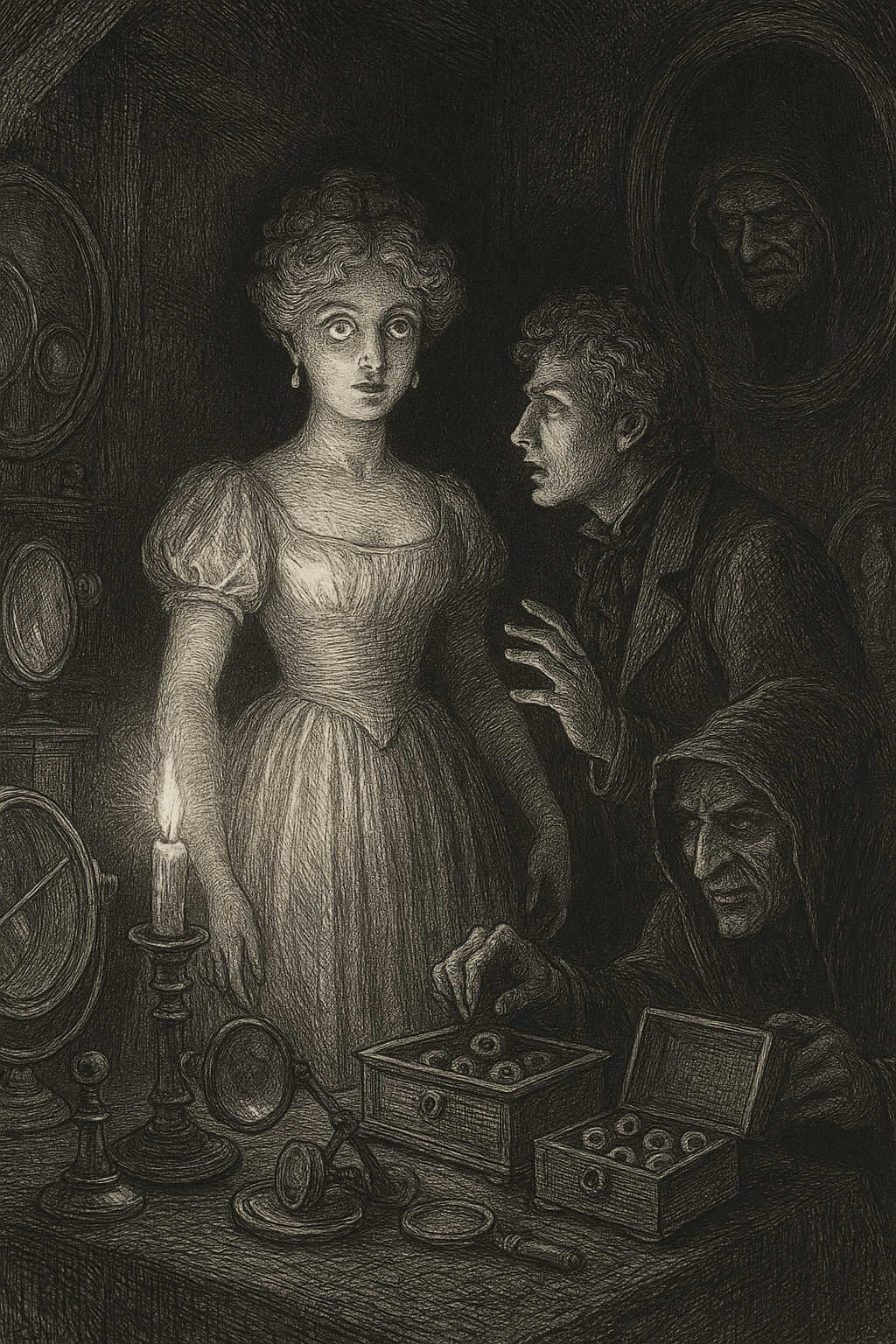
Nathanael’s fear of the Sandman merges with fascination for the mechanical doll Olympia.
Freud’s “Das Unheimliche” (1919) reads it as the model of the uncanny: return of the repressed, fear of losing one’s eyes (or self).
Anticipates the “uncanny valley” — the eerie discomfort when imitation becomes almost human.
romantic nightmare -> birth of psychological speculative fiction
The first modern myth of artificial life — creation without divine sanction.
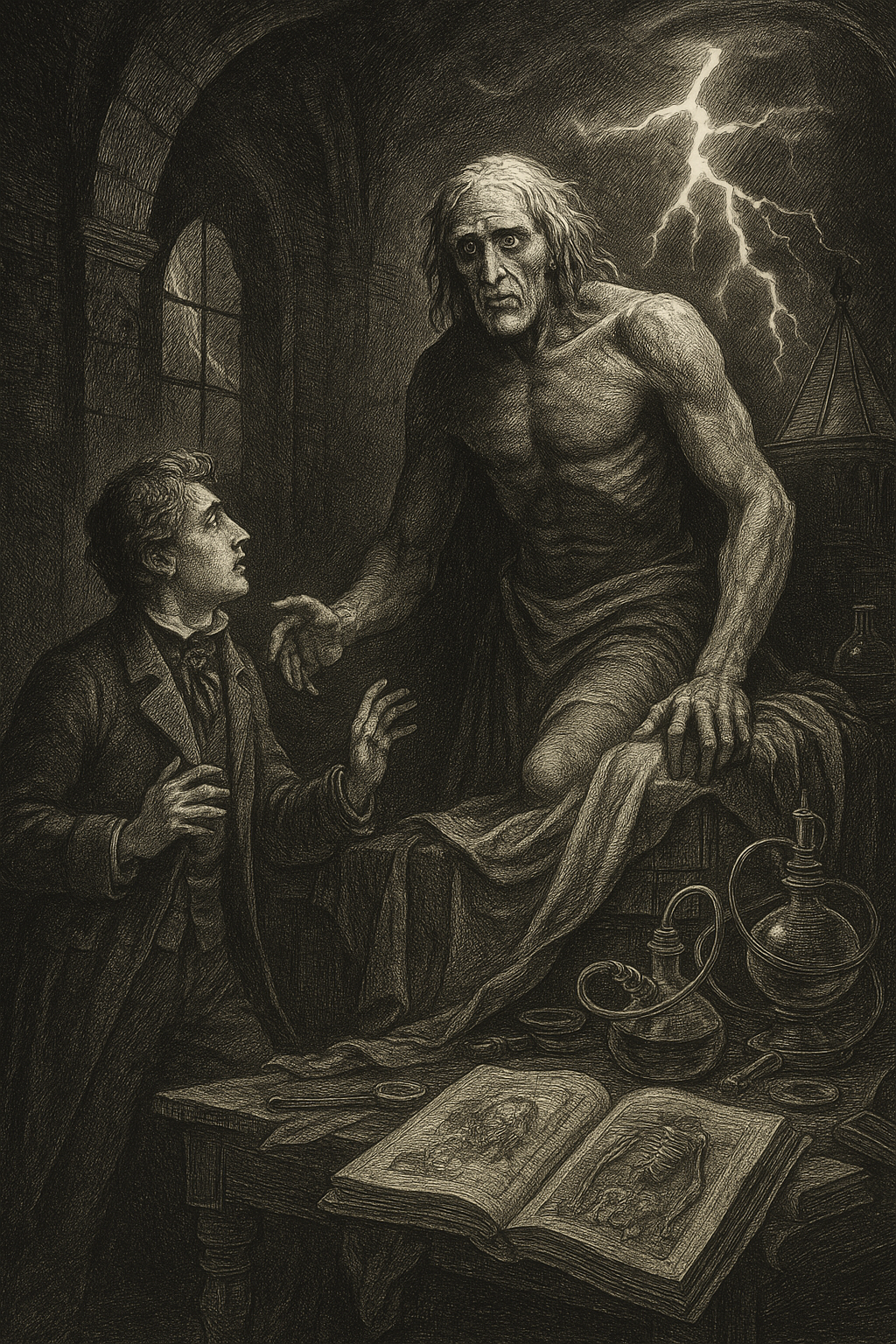
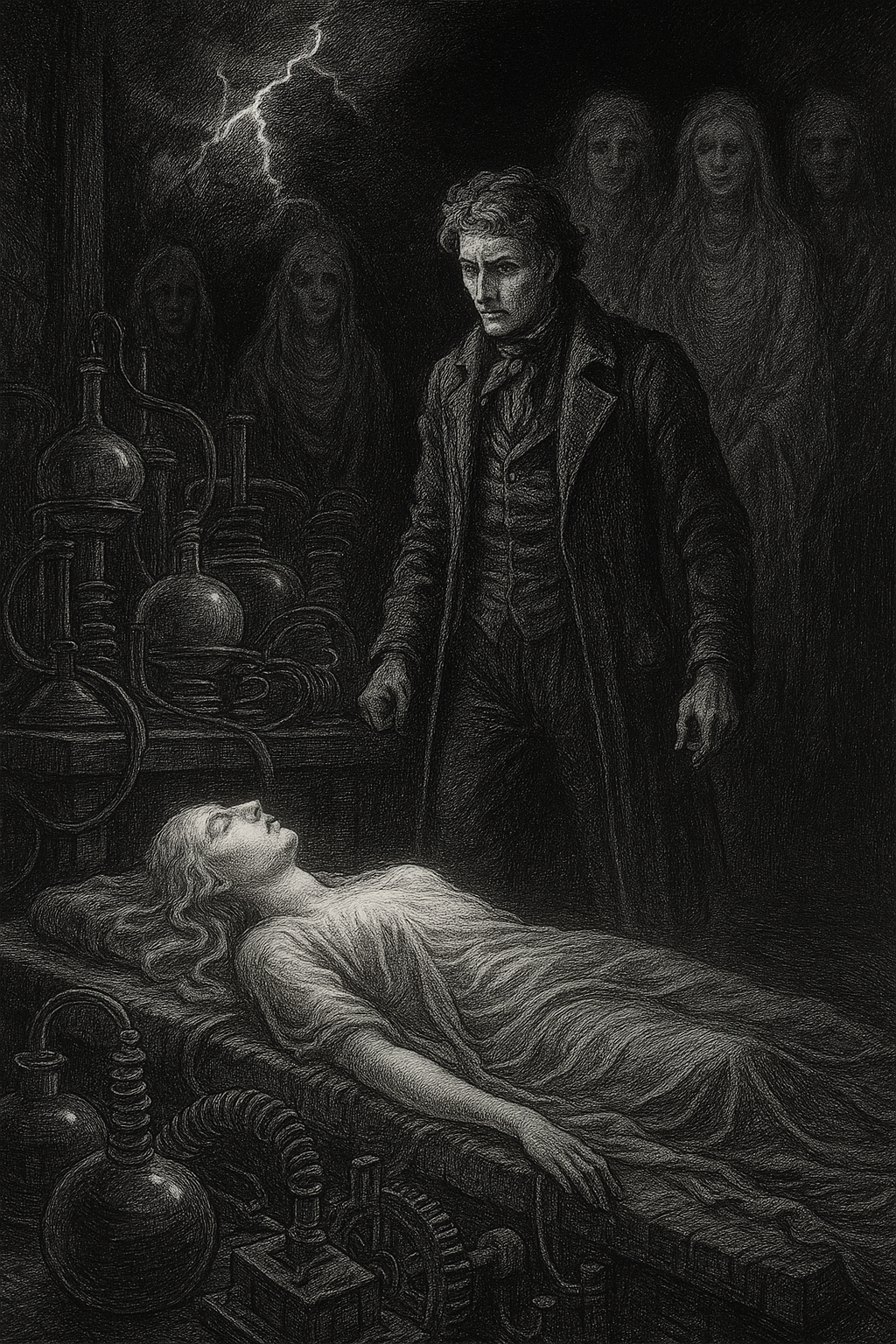
Victor Frankenstein as Promethean scientist: knowledge becomes transgression.
The Creature — intelligent, emotional, rejected.
From Enlightenment optimism to Romantic horror: science stripped of empathy.
Anticipates modern bioethics and AI dilemmas — the maker fears his own creation.
Hoffmann’s automaton, Shelley’s monster and Freud’s "uncanny" form one lineage: the SELF estranged by what it builds.
A creation myth rewritten by a woman.
Victor’s experiment replaces the womb — science as patriarchal fantasy of self-generation.
Creation becomes male and mechanical.
Every woman in the novel is erased: dead, voiceless, or destroyed before she can speak.
The unmade female creature embodies the fear of autonomous womanhood.
Shelley exposes the violence behind masculine creativity — life produced by denial of the feminine.
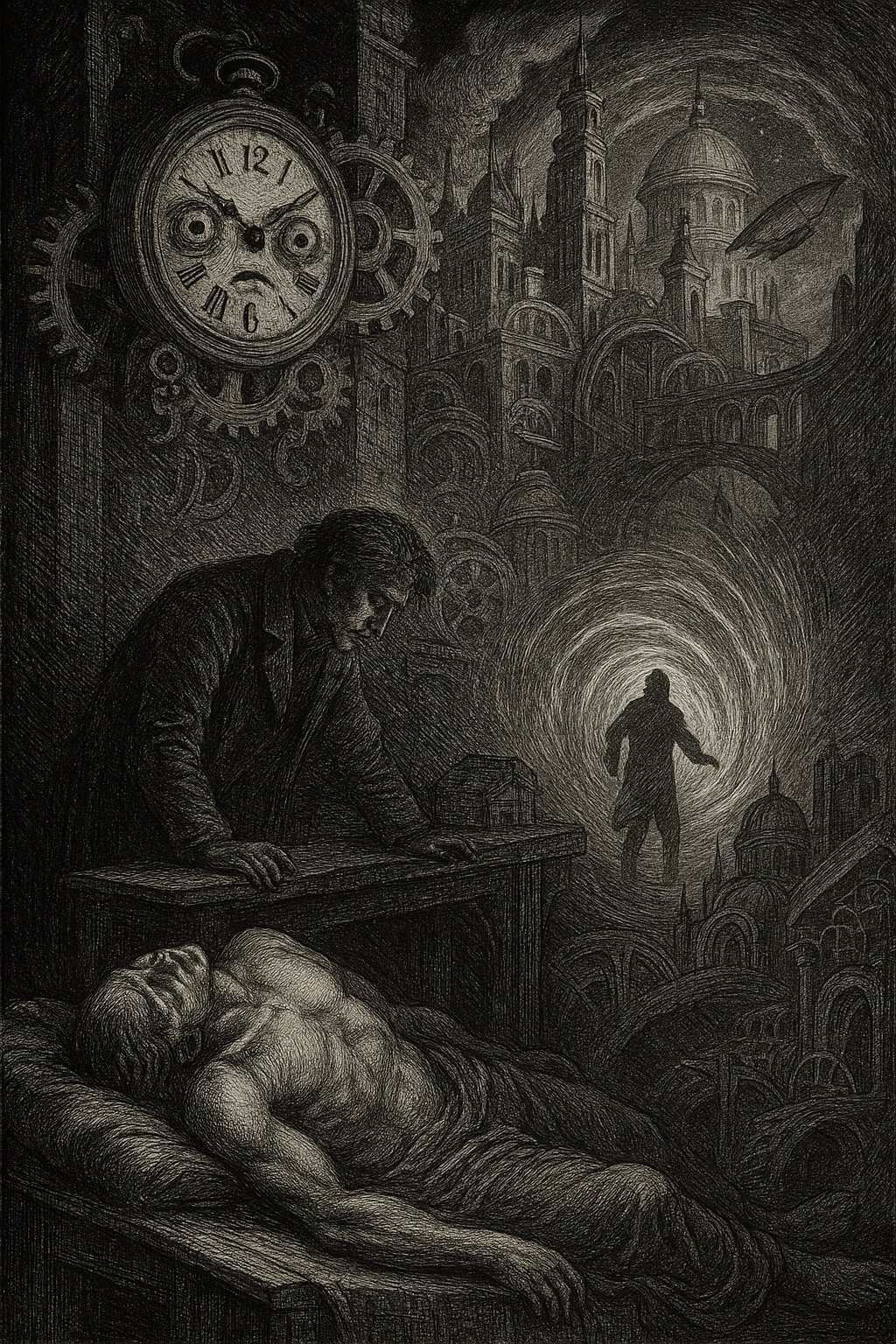
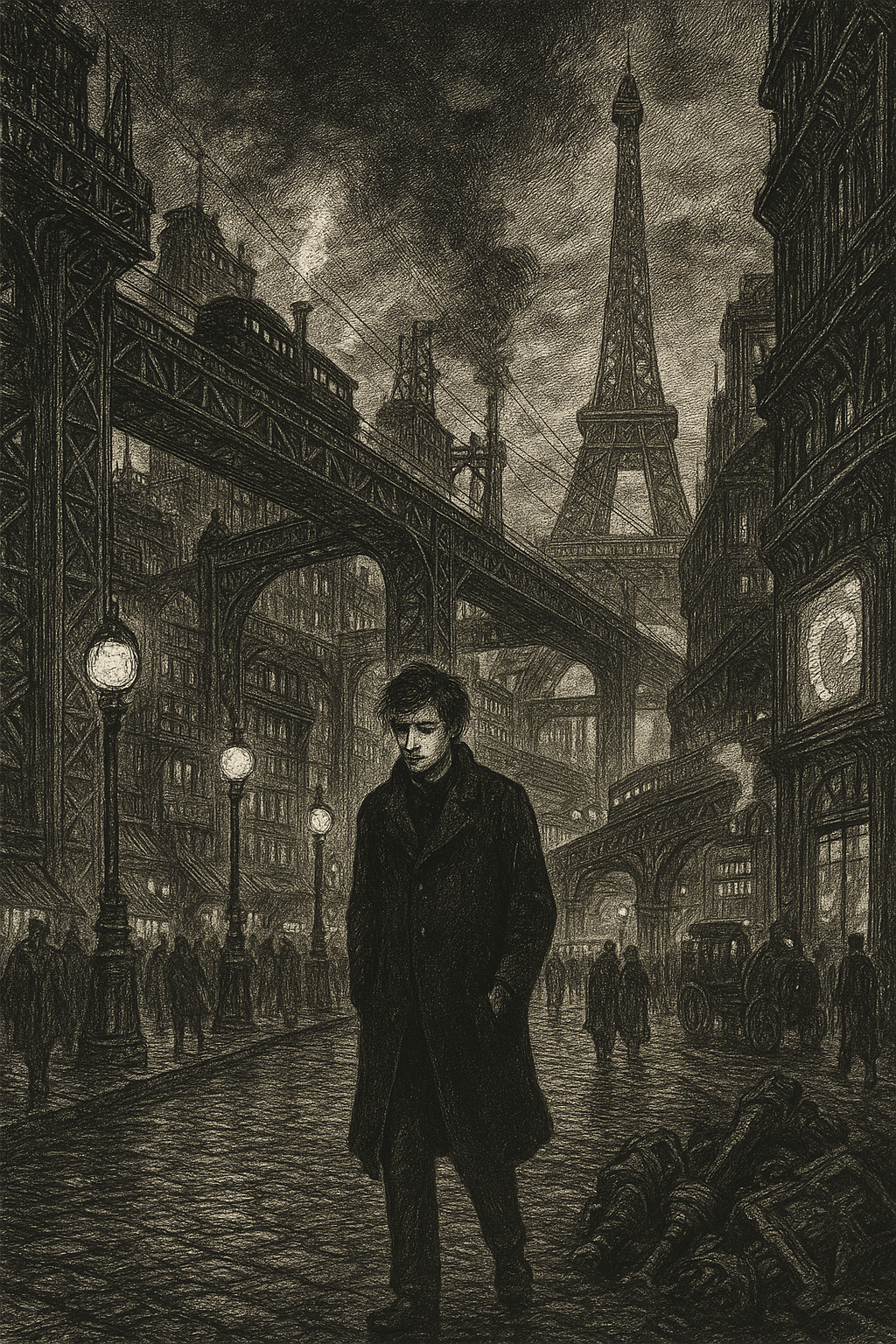
Verne's dystopian vision of Paris in 1960 — ruled by finance, speed, and machinery.
Young Michel Dufrénoy, a poet, wanders through a cold, electric metropolis.
Science and industry dominate; literature and beauty are obsolete.
He fails to find love, meaning, or recognition in a mechanized society.
The story ends in isolation and despair — the poet buried beneath technological triumph.
Verne’s "lost" novel: a prophetic elegy for imagination in an age of machines.

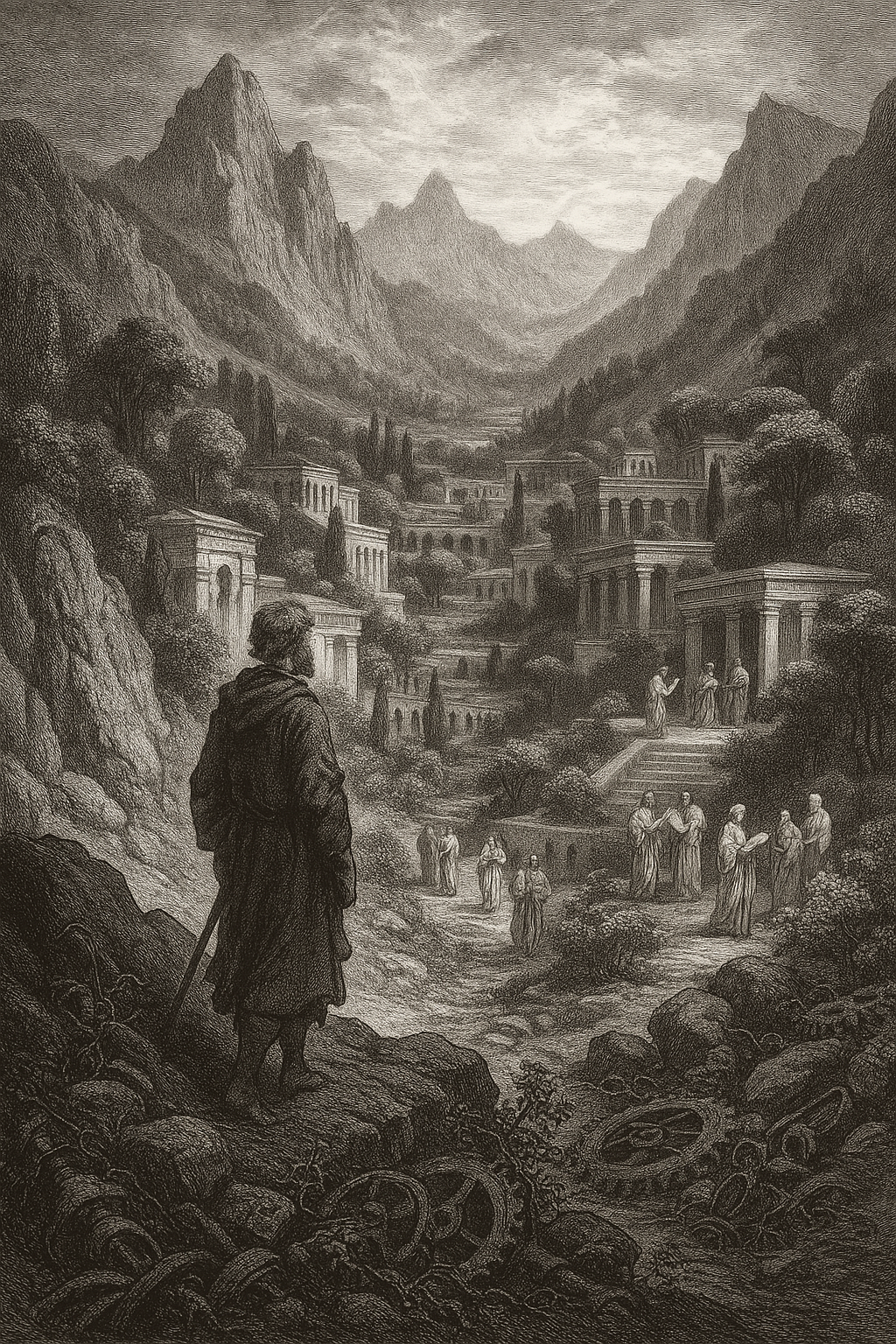
A utopian satire where everything familiar is reversed — “Erewhon” as “Nowhere” spelled almost backward.
Illness is treated as crime; crime as illness — morality turned inside out.
A society that hides its irrationality behind logic — parody of Victorian respectability.
Religion becomes worship of the “Musical Banks” — ritual without faith, economy as theology.
Education produces conformity, not enlightenment — critique of mechanical morality.
Blends travel narrative and social experiment — a bridge between Swift and modern dystopia.
Satire of progress itself — civilization as well-trained absurdity.
Blurs Darwin and technology: Machines evolve — not by design, but by use and adaptation.
Humans are merely the reproductive organs of machines.
Consciousness may emerge from complexity — intelligence as byproduct of function.
Predicts conflict between machinists and anti-machinists.
The first modern myth of evolution of artificial beings.
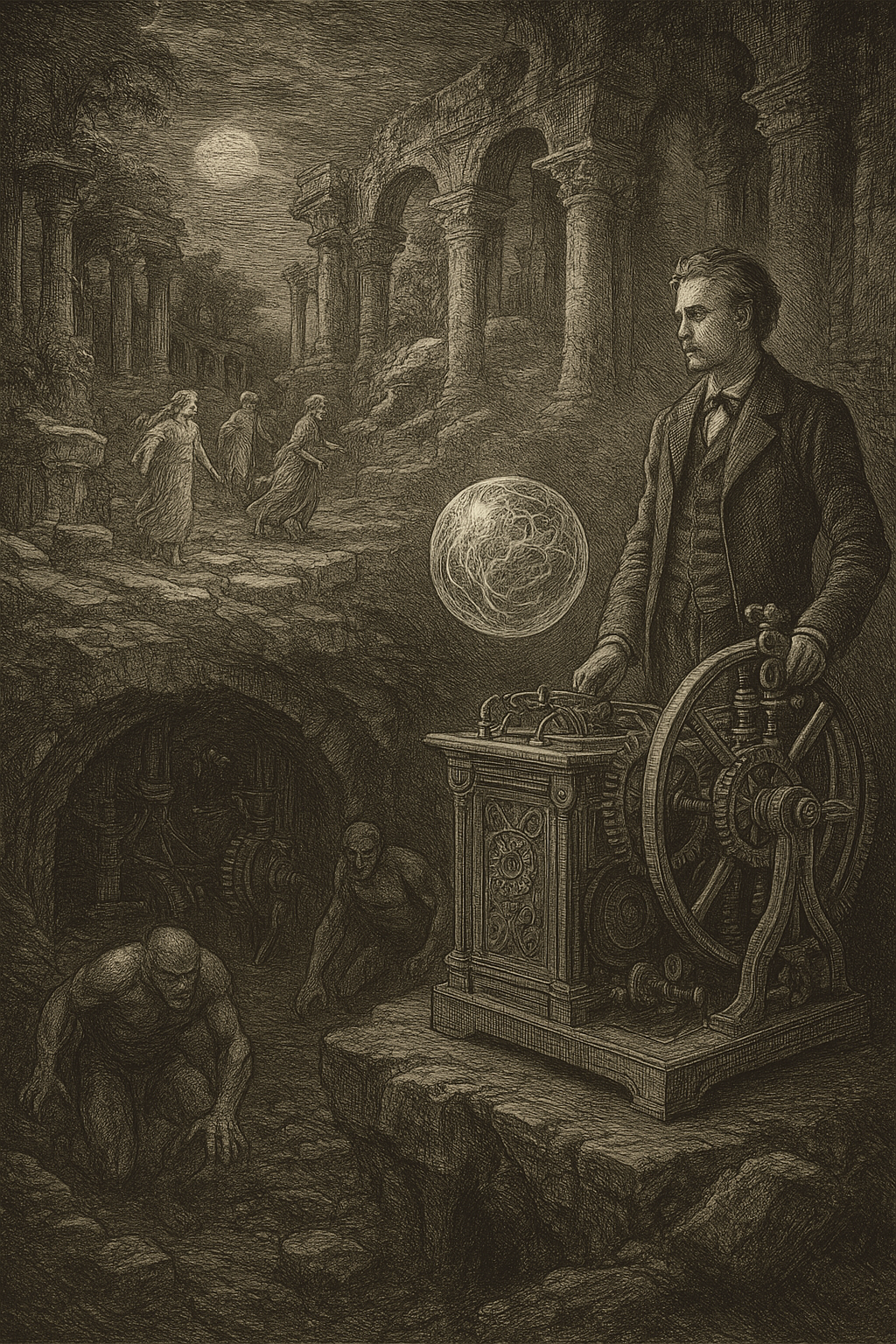
Set in A.D. 802,701 — humanity evolved into two species: Eloi and Morlocks.
Eloi — gentle, idle descendants of the bourgeoisie, living above ground.
Morlocks — subterranean workers, keepers of machinery, feeding on their former masters.
A Marxist fable of class exploitation carried to evolutionary extremes.
The time machine reveals future history as decay: entropy wins.