i
Diese Präsentation ist für die Ansicht im Querformat gestaltet.
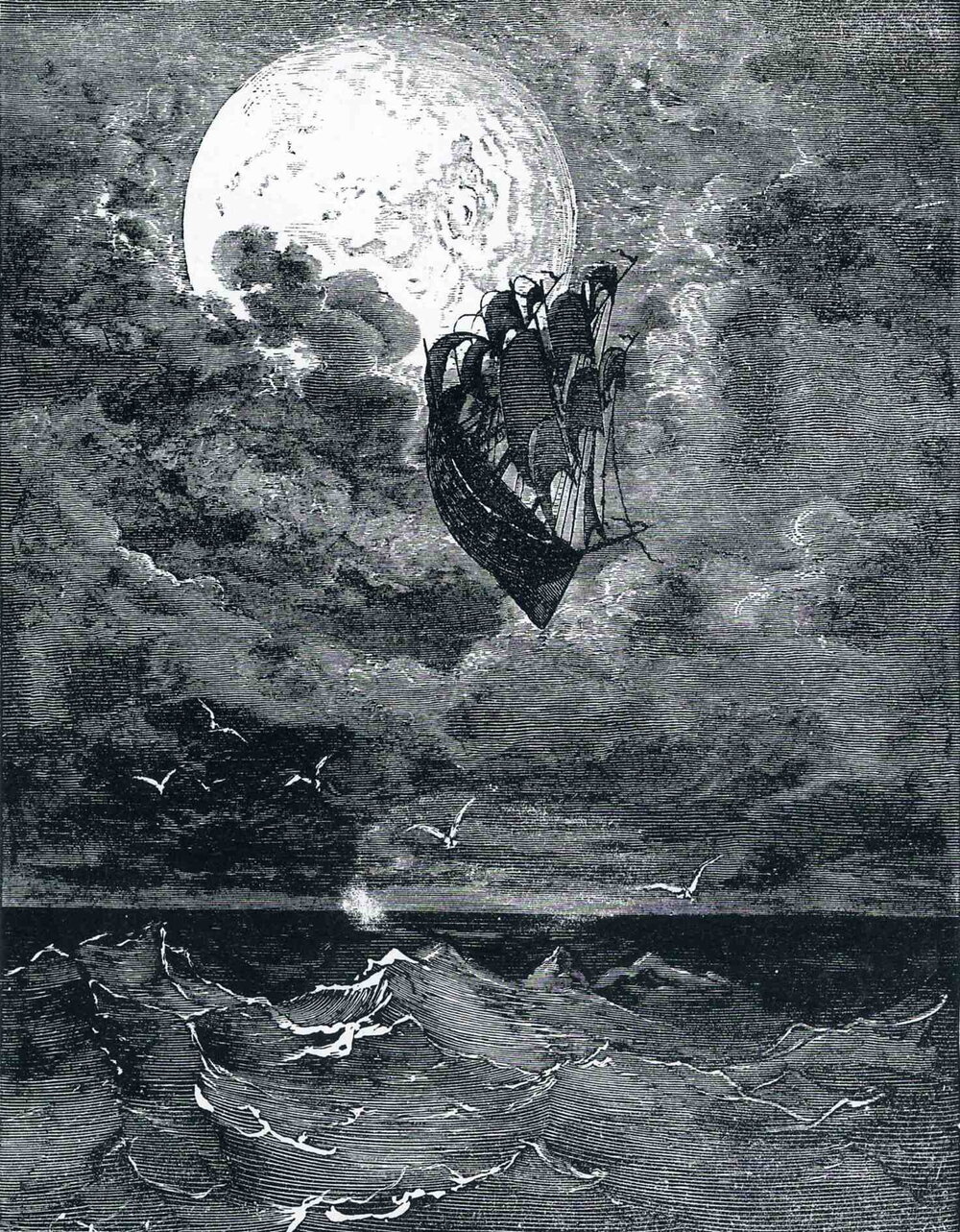
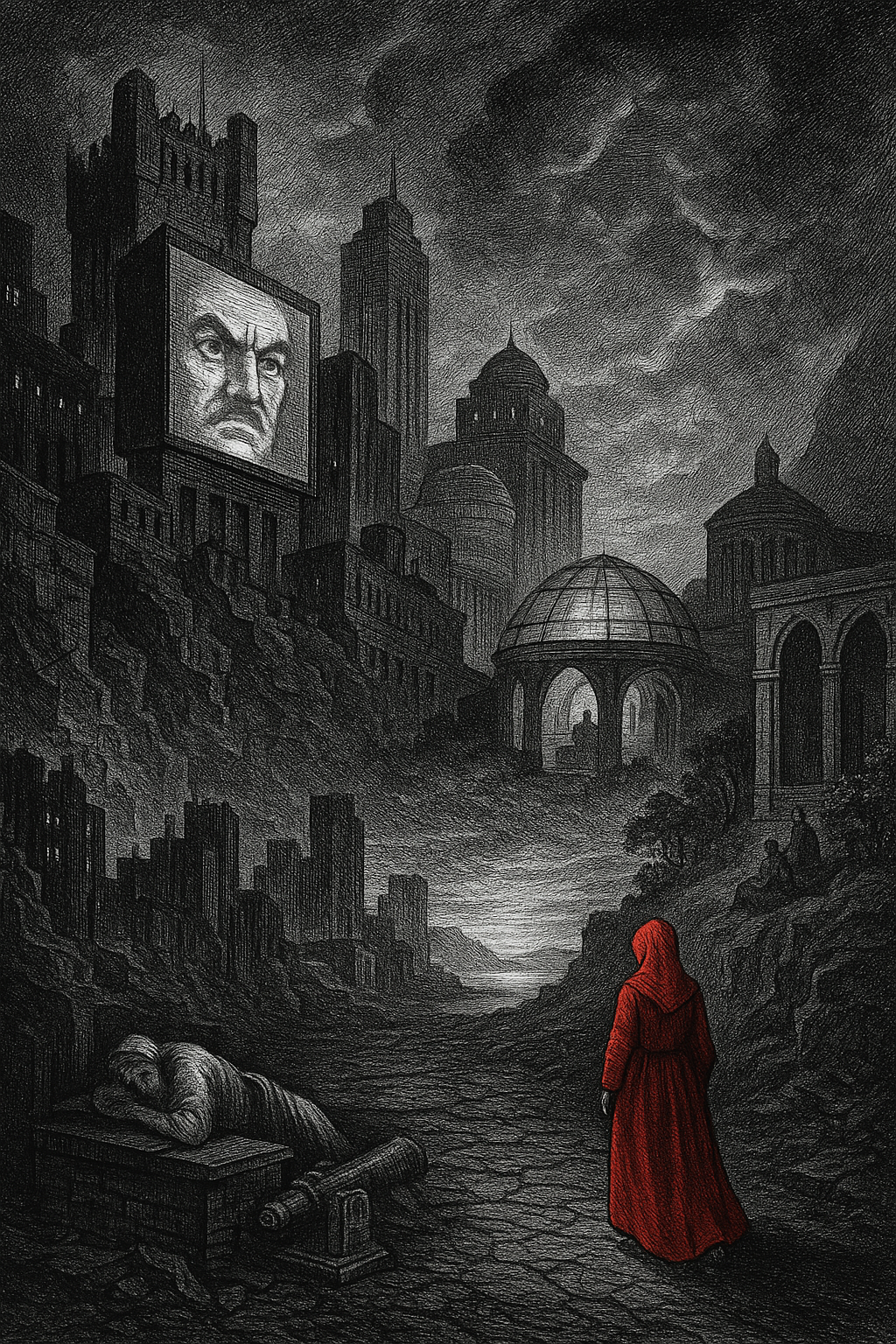
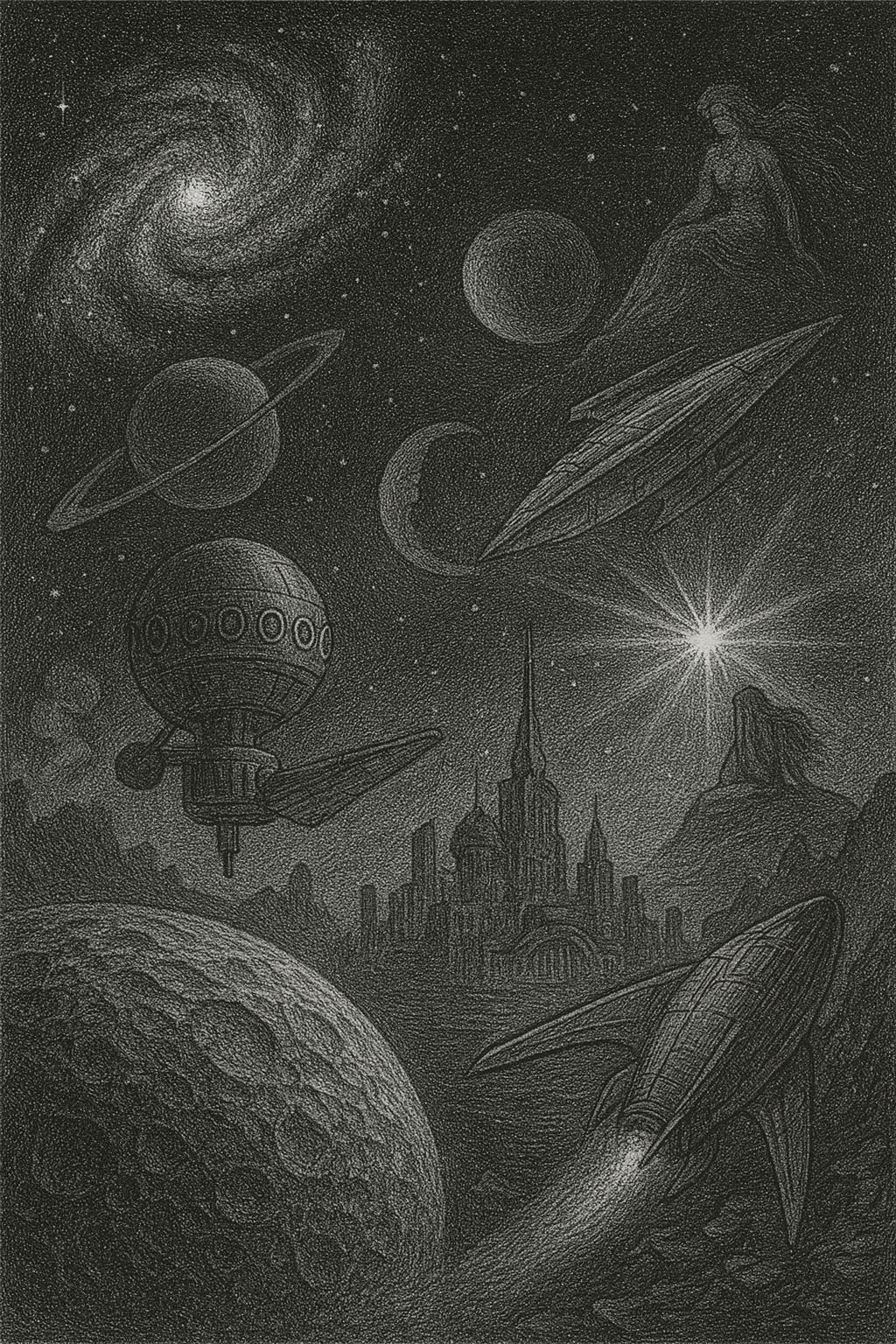
Gustave Dore, A Voyage to the Moon (1868), from The Adventures of Baron Munchhausen
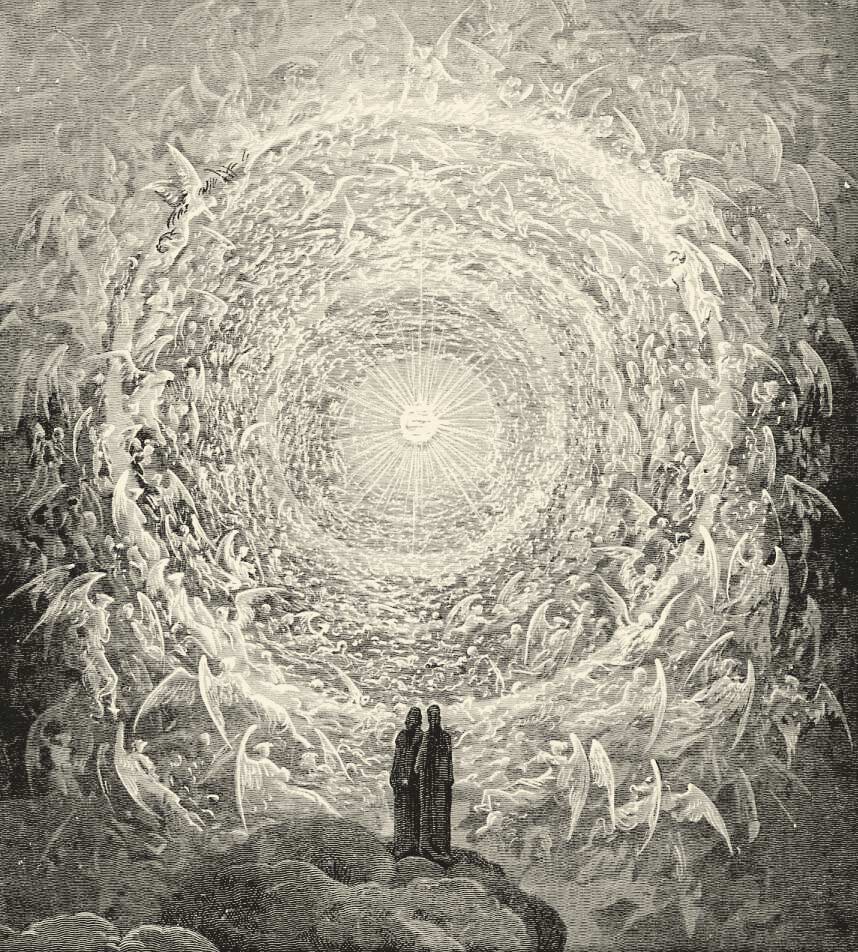
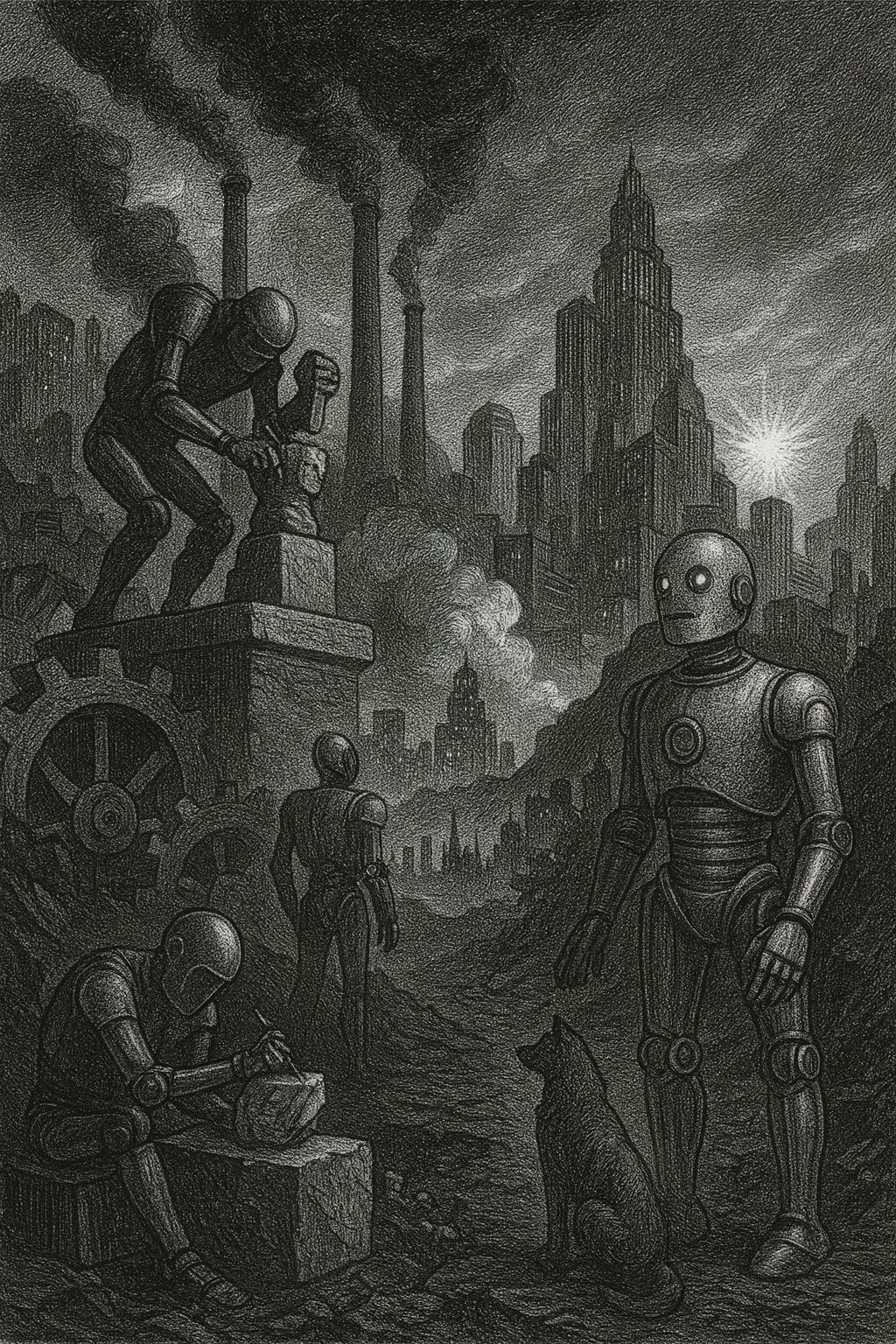
Gustave Dore, Paradiso Canto XXXI: The Celestial Rose (1868)
ultra-prolific (cca 45 novels, >120 short-stories)
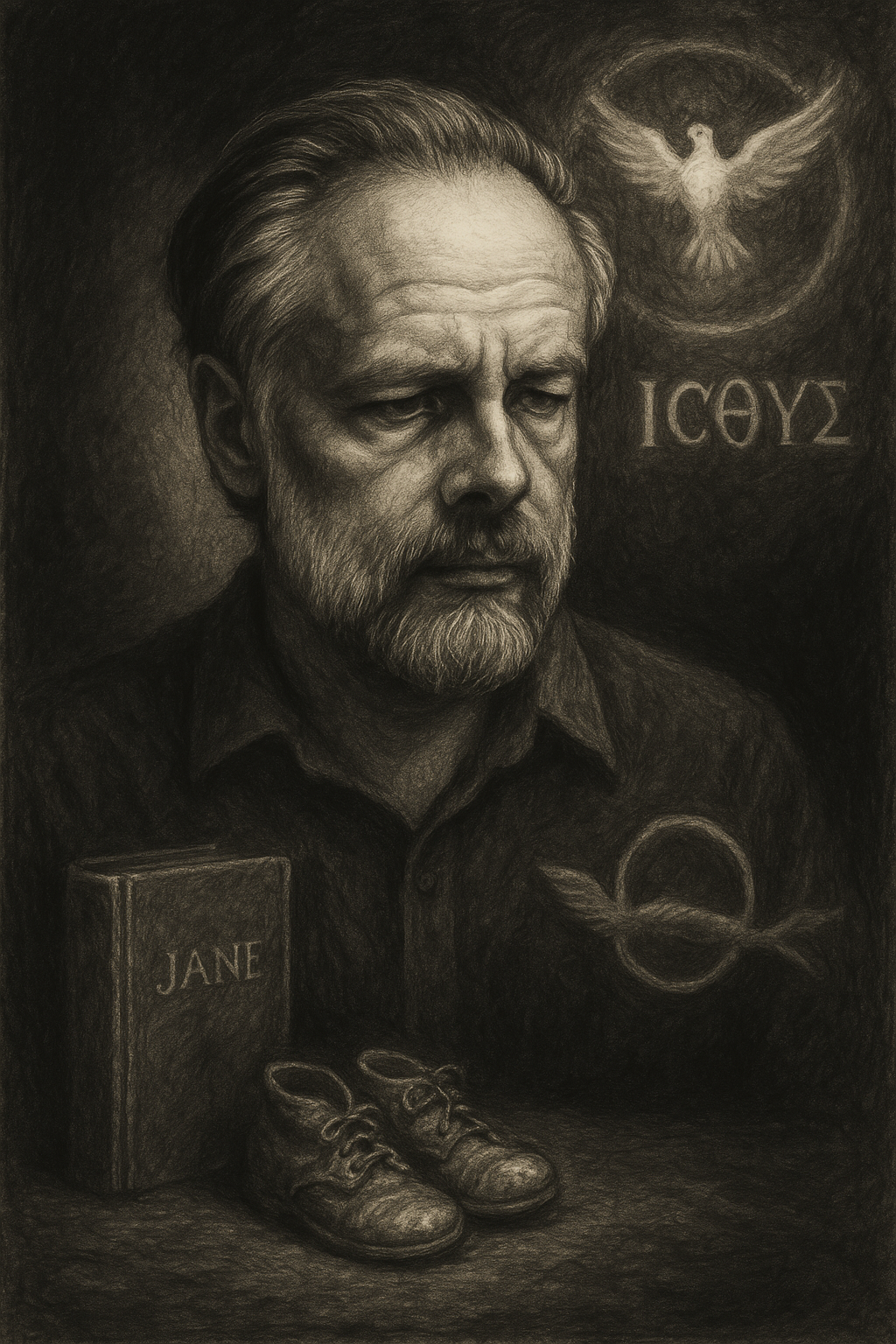
his twin sister Jane died when he was six weeks old
first educated at Quaker schools, later at Berkeley
seller in record store, gets his first short-story "R🐶🐶G" published in 1951
amphetamine abuse; married 5 times; paranoia; schizophrenia;
self-described as "acosmic panentheist" - "I don't believe that the universe exists. I believe that the only thing that exists is God and (s)he is more than the universe. "
Ursula leGuin: the Telling
William Storr: The science of story-telling
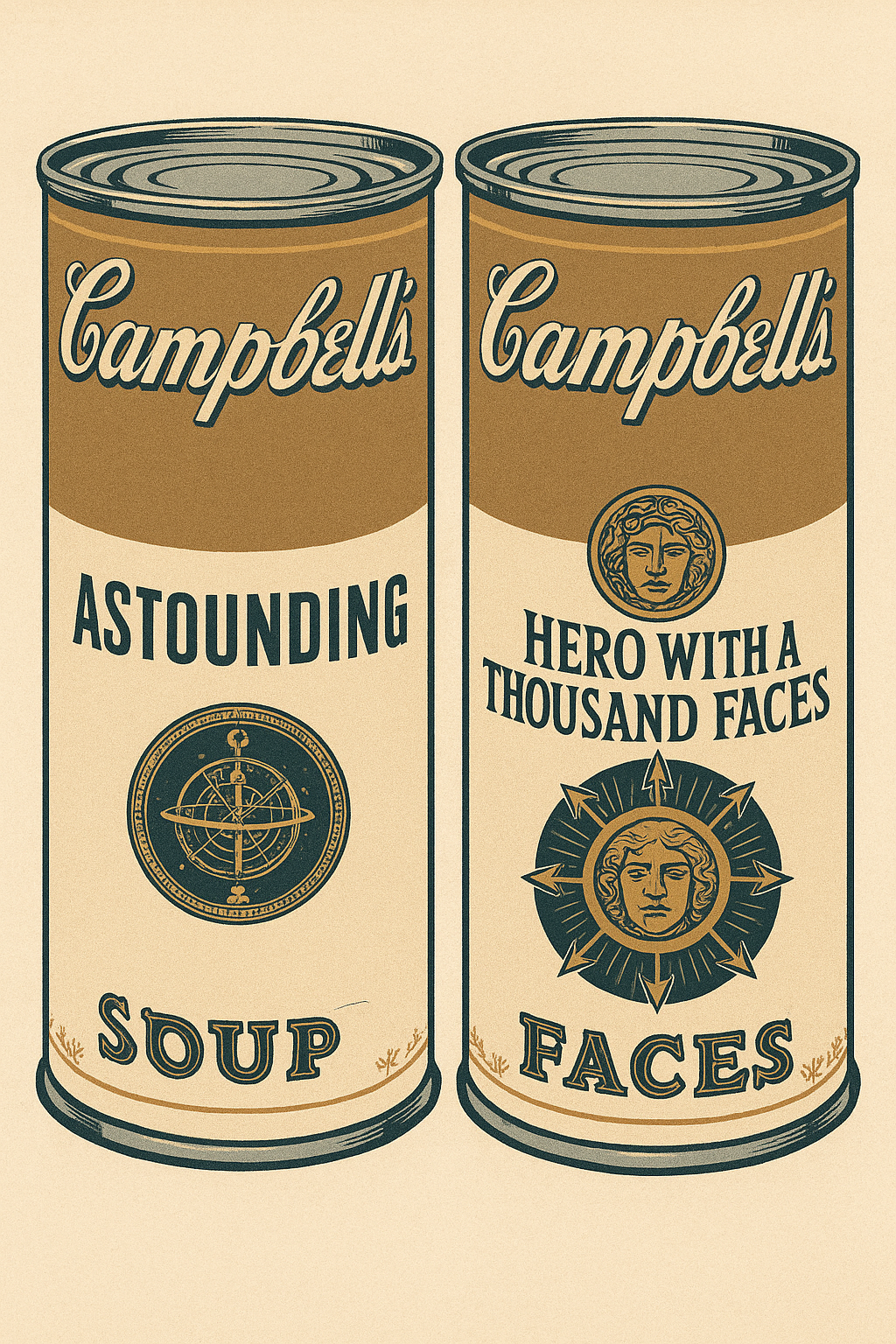
Joseph Campbell: The hero with the thousand faces
Paul Ricoeur: Introduction to the Structural Analysis of Narratives
Texts You will go through with RinahIngold, Tim: Lines (threads and Traces:p 39-53)
Trinh T. Minh-Ha: The Story began long time ago..(intro, 2 pages) 125-151 (Stories and their tellers)
Flusser, Vilem: Crisis of Linearity
Flusser, Vilem: Gestures
Suarez, Lavender: Transcendent Waves: How Listening Shapes Our Creative Lives.
Session 0 · Memetics begins at home.
Before Internet memes, before ideology, before theory: gestures, tunes, habits, rituals, phrases, drawings, interfaces and everyday acts of copying.
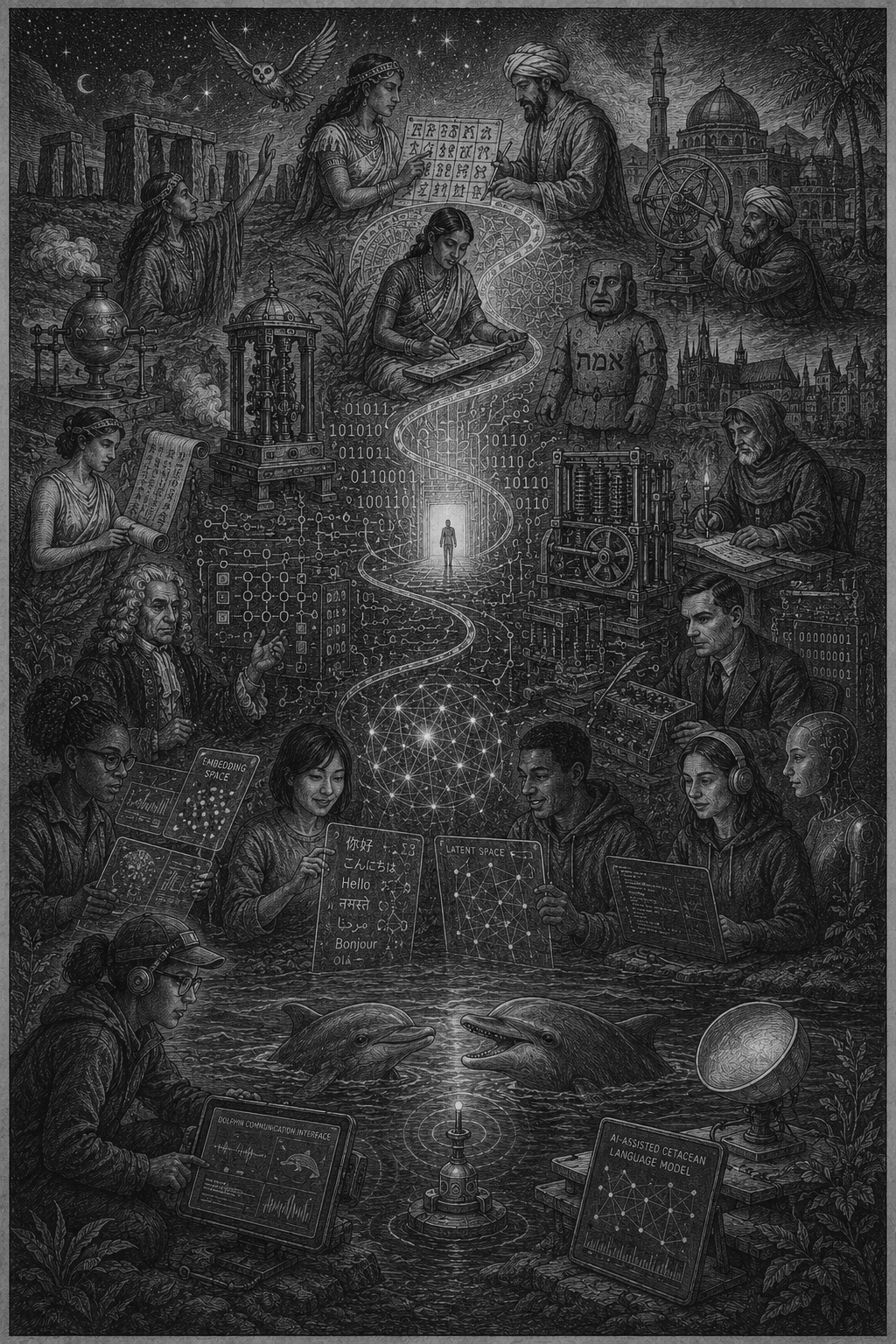
In which the reader is asked, quite simply, What is an Algorithm? — and finds the answer rather older, and rather stranger, than expected.
Being an account of cogs and looms and engines of brass; of Signor Pascal's calculating box and Mr. Babbage's unbuilt Engines; of a certain Lady Lovelace who saw further than most; and of sundry other contrivances got up by ingenious persons long before any machine was called a computer.
Wherein two short films are watched, in the company of a partner to be consulted not once but twice; wherein old Euclid's method is recalled, some two thousand years and more since first he wrote it down; and wherein, at the last, the curious Persian origin of a word now spoken a thousand times a day — one al-Khwarizmi's own — is at length discovered.
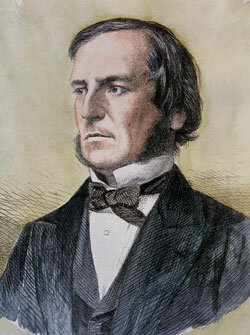
George Boole (1815–1864)
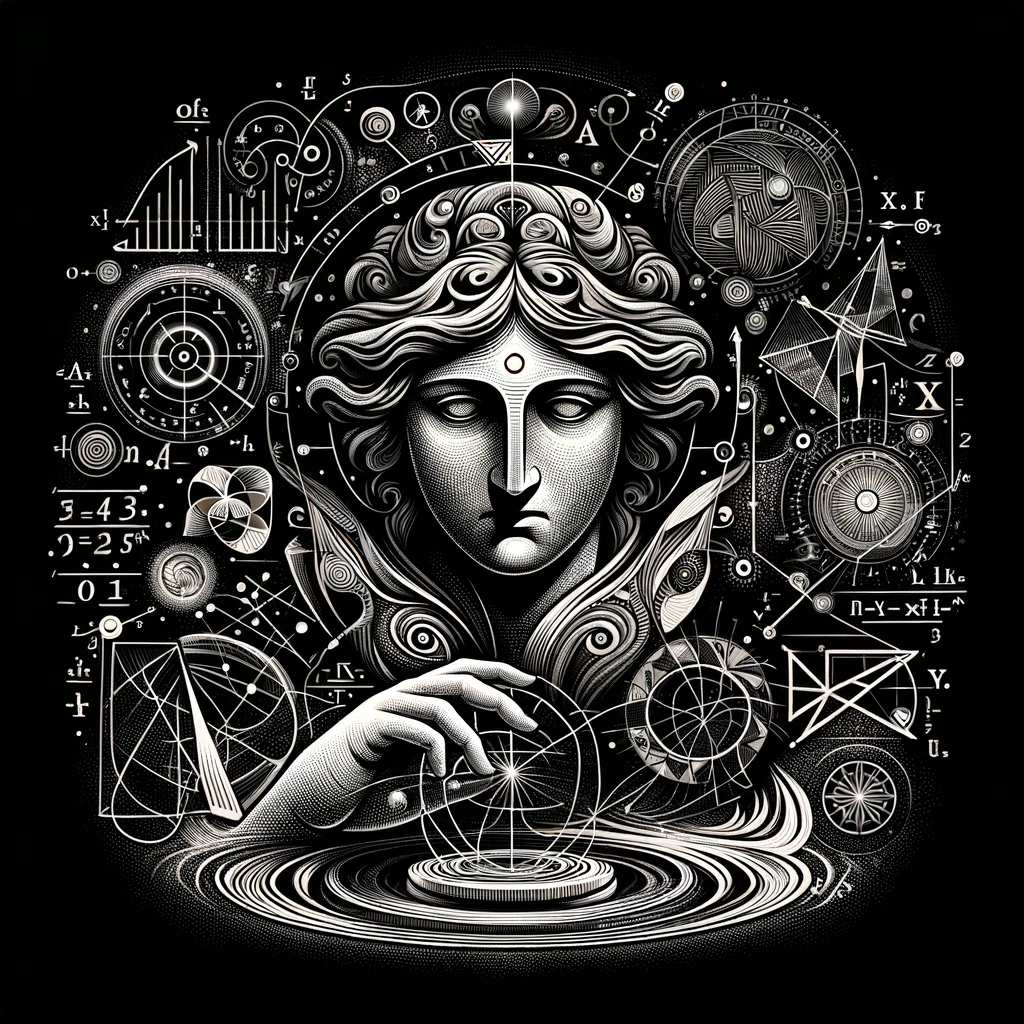
In which the reader is made acquainted with a most singular Algebra, wherein there are but two numbers, and the sum of one and one is nothing at all.
Being an account of Mr. Boole’s Laws of Thought, set down in the year 1854 by a Professor of Queen’s College, Cork; of young Mr. Shannon’s relays, and the little gates that came of them; and of how one humble operation — the adding of One to a number — may be performed in three several fashions: by Logic, by Wire, and by the Machine of Mr. Turing.
Wherein the reader is required to lend a thumb, and to consult a partner upon sundry occasions; wherein it is demonstrated that the Carry may very conveniently be kept upon the thumb of the other hand; and wherein, at the last, Logic, Circuit and Machine are discovered to be one and the same contrivance in three different coats.