Diese Präsentation ist für die Ansicht im Querformat gestaltet.


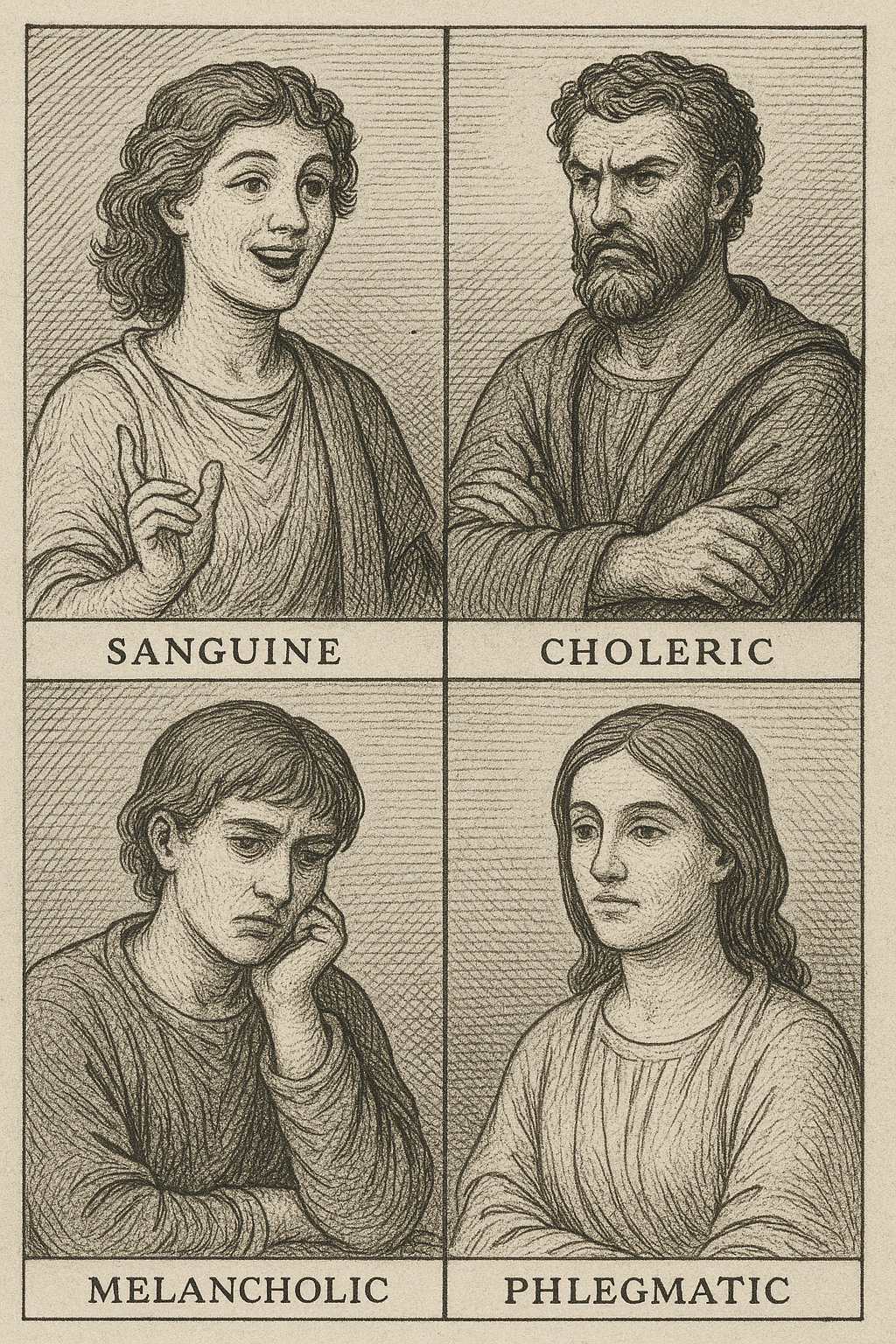
The four temperaments originate in Ancient Greek medicine.
Hippocrates (5th century BCE) proposed that health and personality are governed by four bodily fluids or “humors.”
Later, Galen (2nd century CE) systematized this theory and linked the humors to psychological traits.
Each temperament was thought to result from an excess of one humor: blood, yellow bile, black bile, or phlegm.
Though outdated medically, the four types—Sanguine, Choleric, Melancholic, and Phlegmatic—remain influential in personality theory.
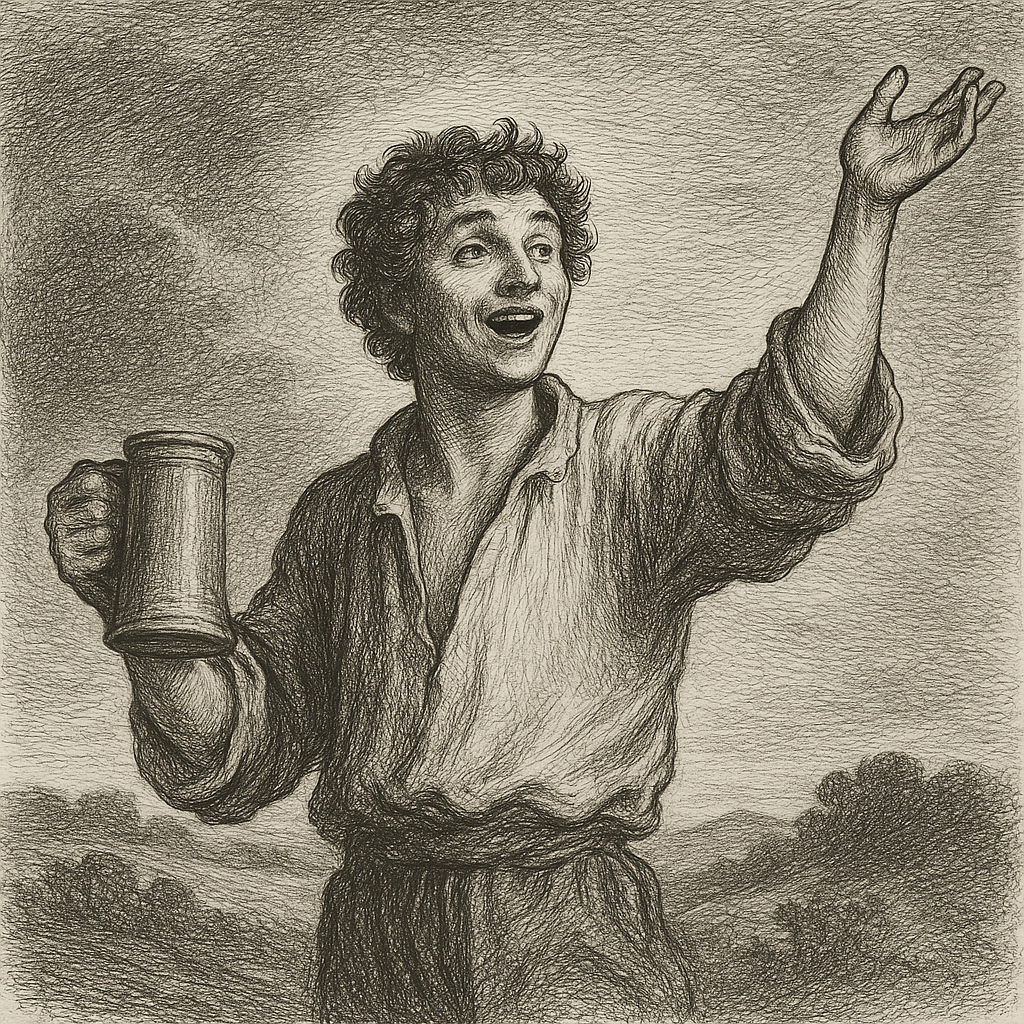
Element: Air
Qualities: Warm and moist
Personality: Social, energetic, talkative, lively, optimistic
Behavior: Enjoys people, easily distracted, creative, forgets obligations
Modern comparison: Extroverted and emotionally expressive

Element: Fire Qualities: Warm and dry Humor: Yellow bile
Personality: Ambitious, leader-like, passionate, easily angered
Behavior: Goal-oriented, confident, aggressive, impatient, not easily discouraged
Modern comparison: Assertive, dominant, sometimes aggressive

Element: Earth Qualities: Cold and dry Humor: Black bile
Personality: Thoughtful, introspective, detail-oriented, serious
Behavior: Prone to sadness, perfectionistic, loyal, needs solitude, deep thinker
Modern comparison: Introverted and analytical
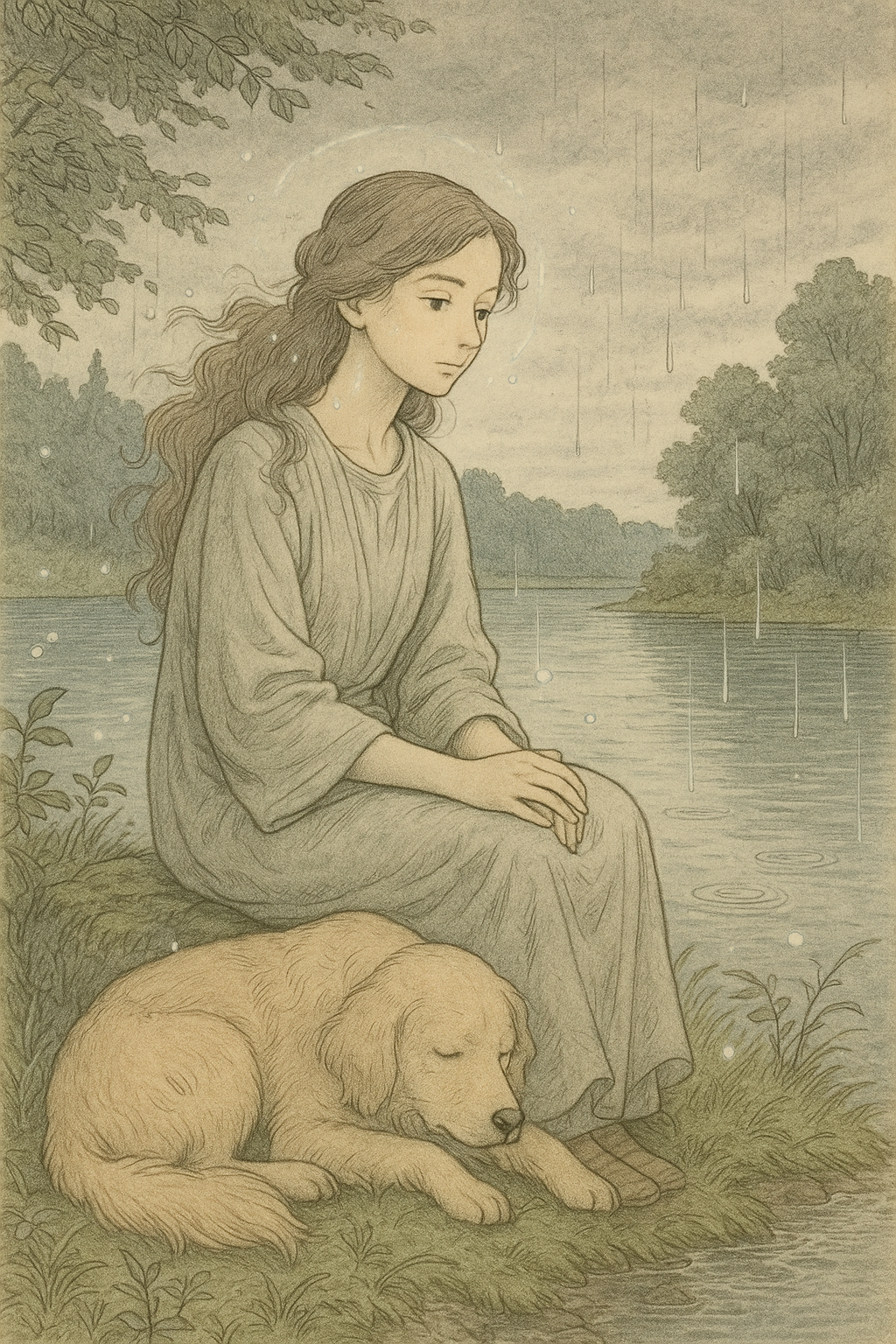
Element: Water Qualities: Cold and moist Humor: Phlegm
Personality: Calm, kind, peaceful, reliable
Behavior: Avoids conflict, patient, compassionate, steady, sometimes passive
Modern comparison: Relaxed and agreeable
1. Energy Direction (E or I):
E = I gain energy from being active, social, or in groups.
I = I gain energy from being alone, quiet, or reflective.
2. Response Style (F or A):
F = I react quickly, outwardly, and emotionally.
A = I stay calm, take time, and keep emotions inside.
_illustration_Alchemic_approach_to_four_humors_in_relation_to_the_four_elements_and_zodiacal_signs.jpg)
EF → Sanguine: Energetic, social, expressive
EA → Choleric: Driven, assertive, action-oriented
IF → Melancholic: Reflective, sensitive, thoughtful
IA → Phlegmatic: Calm, steady, harmonious