i
Empiricism and Materialism DDH ()


Empiricism and Materialism

Soul increasingly reduced to observable mental or bodily processes.

Locke: denies innate ideas—soul as tabula rasa, a passive receiver.  Start of the NATURE / NURTURE debate.

Hume: rejects a persistent self; mind is a bundle of perceptions.

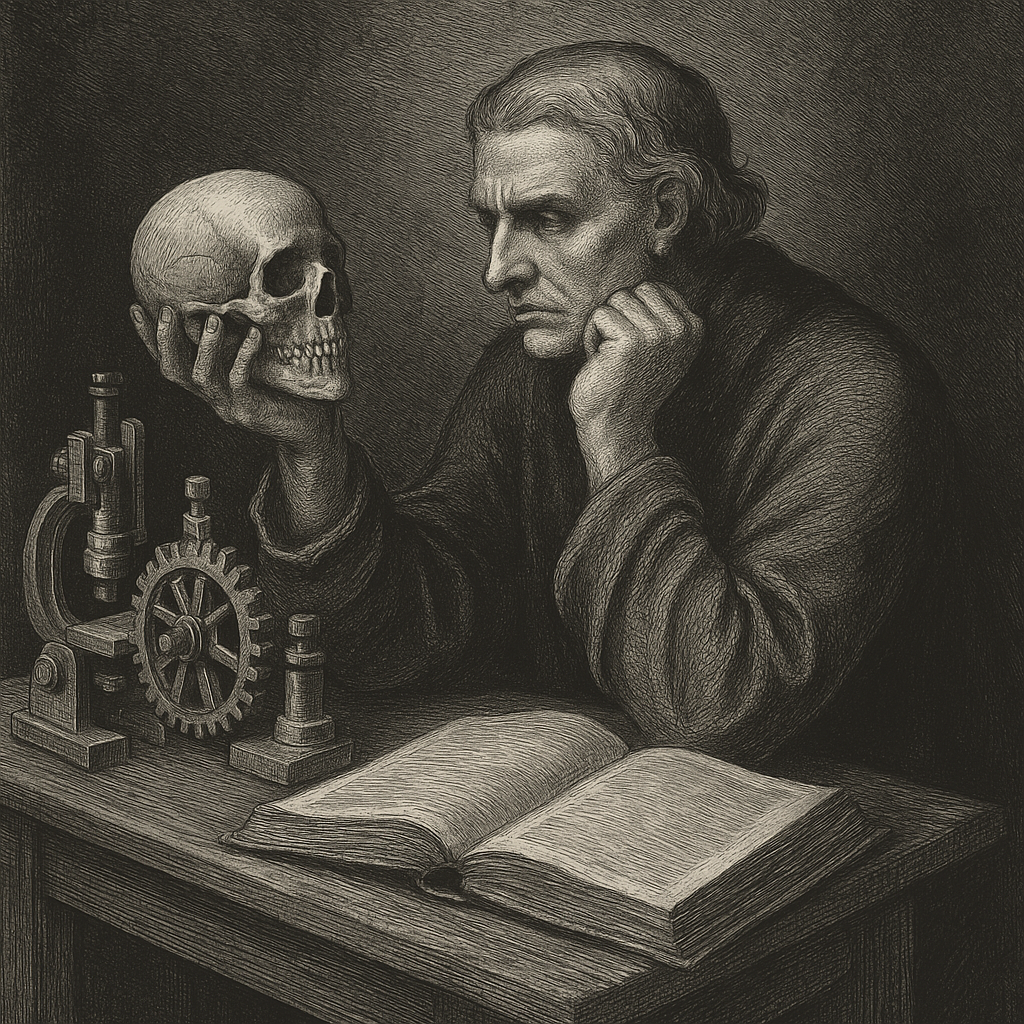
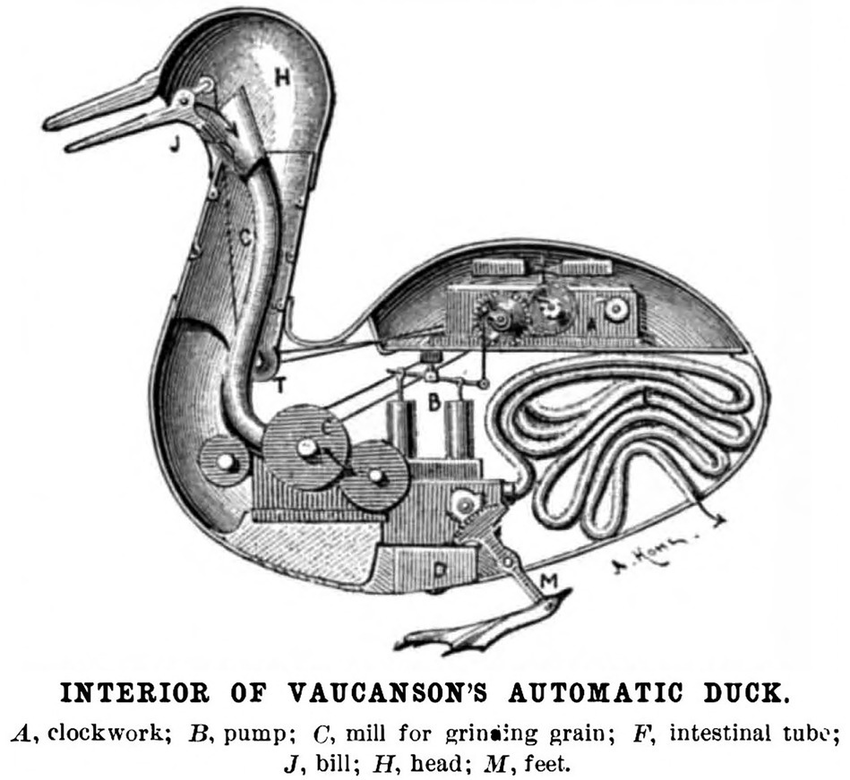
La Mettrie: human soul is an effect of bodily mechanisms (*L'homme machine*).

Diderot and French materialists view soul as an illusion of matter in motion.

Mind-body dualism increasingly replaced by monist materialism.

L'homme machine

The human body is a machine which winds its own springs. It is the living image of perpetual movement. Without food, the soul pines away, goes mad, and dies exhausted. ...[H]eavy food makes a dull and heavy mind whose usual traits are laziness and indolence. ... everything depends on the way our machine is running.  

(Julien Offray de La Mettrie, 1747)

Associationism

Soul or mind functions through the association of ideas.

David Hartley: vibrations in nerves correspond to mental associations.

Mind explained through natural laws, not metaphysical substances.

Emphasizes memory, habit, and experience over rational soul.

Bridge between empiricism and early psychology.

Shift from soul as essence to mind as structure of learned relations.