i
Glossary DDH ()


Glossary

Some words which will be repeated over and over and over again ...

Soul

Homework: Answer the question "What is soul ?"

Possible modalities: List of synonyms / associations; Definition; Picture; Formula; Sound

[Dictionary and Etymology]

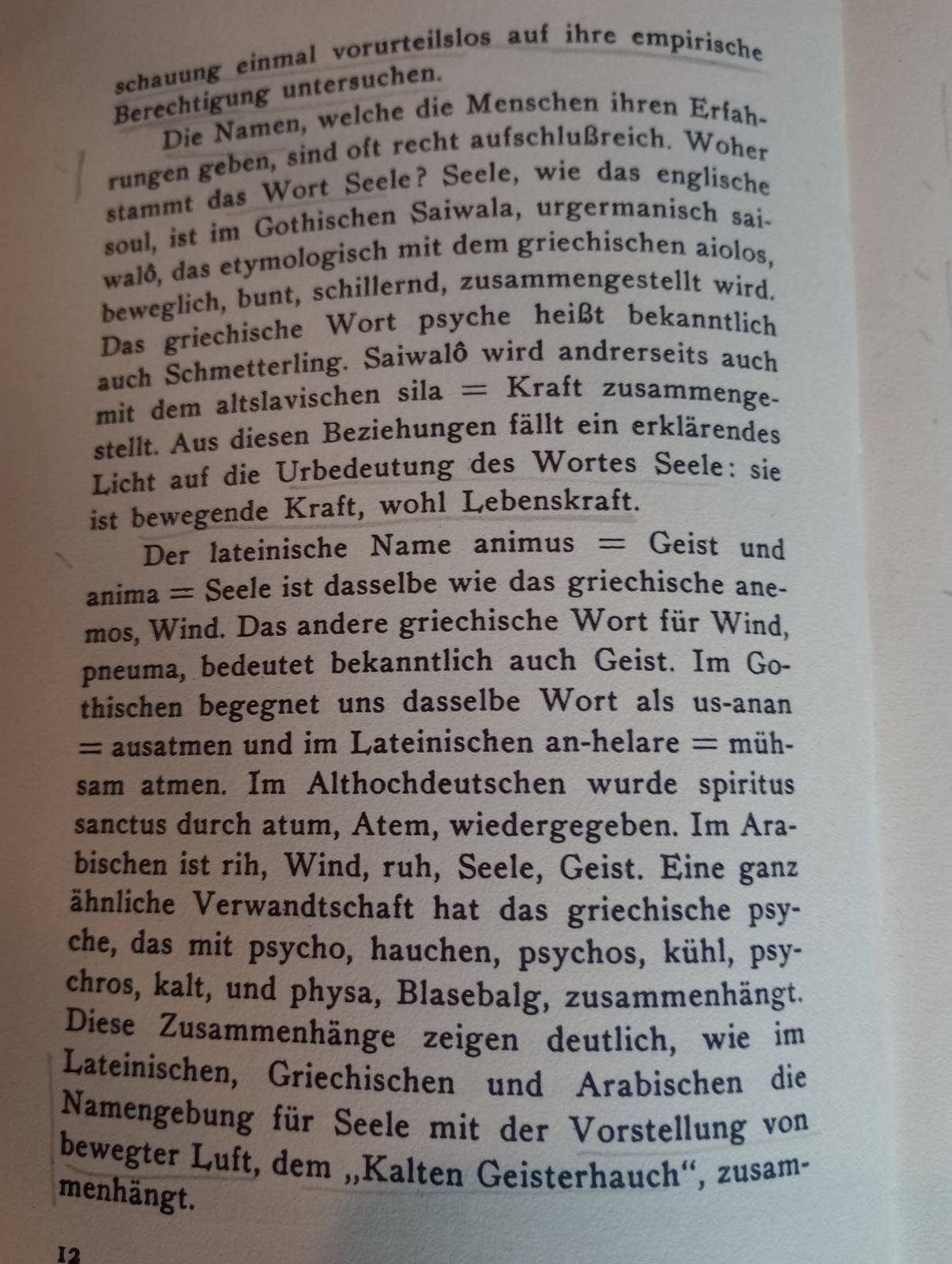
"A substantial entity believed to be that in each person which lives, feels, thinks, and wills" [Century Dictionary], Middle English soule, from Old English sawol "spiritual and emotional part of a person, animate existence; life, living being," from Proto-Germanic *saiwalō (source also of Old Saxon seola, Old Norse sala, Old Frisian sele, Middle Dutch siele, Dutch ziel, Old High German seula, German Seele, Gothic saiwala), a word of uncertain origin.

It has been suspected to have meant originally "coming from or belonging to the sea," the supposed stopping place of the soul before birth or after death [Barnhart]; if so, it would be from Proto-Germanic *saiwaz (see sea).

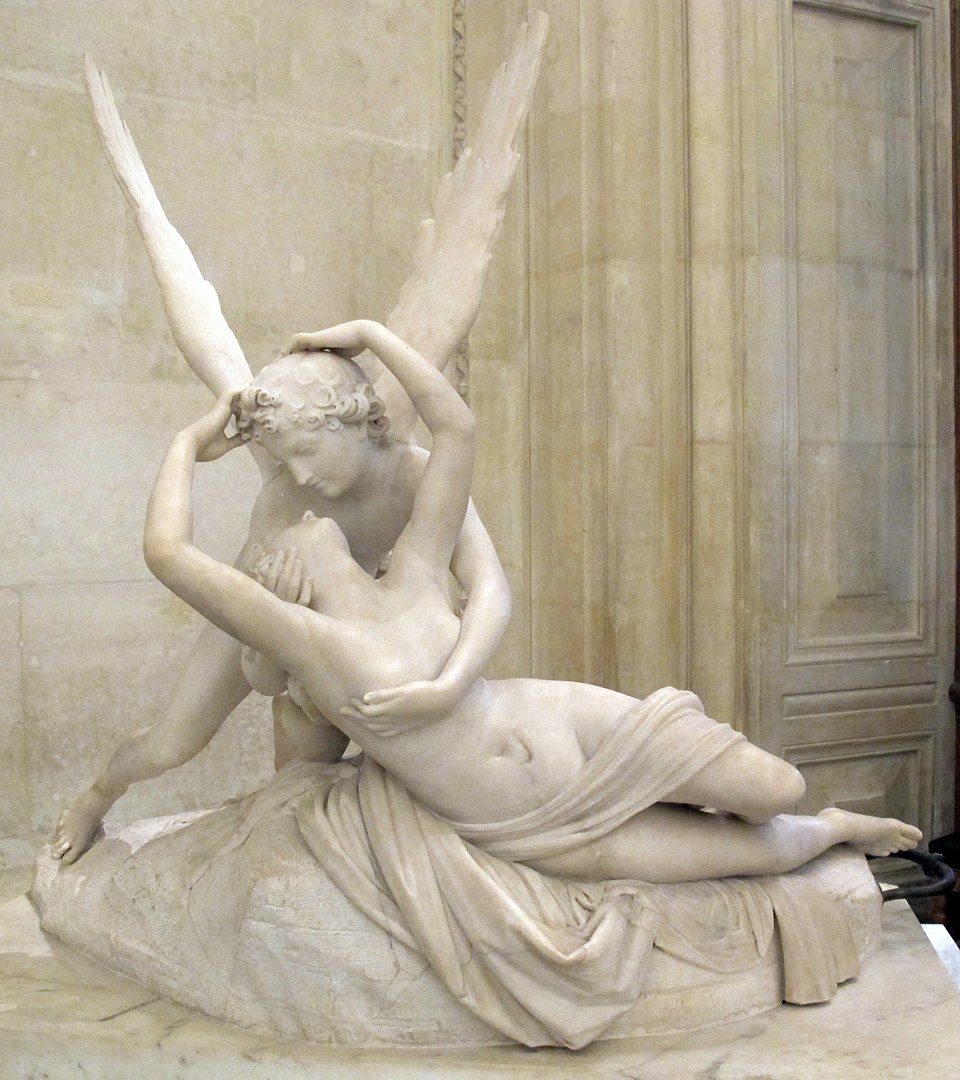
ψυχή = PSYCHE

Antonio%20Canova%3A%20Amor%20und%20Psyche%2C%20Paris%2C%20Louvre%20(1793)

Antonio Canova: Amor und Psyche, Paris, Louvre (1793)
Greek word meaning:

life

departed spirit, ghost

conscious self, personality

butterfly

main character of epos Eros & Psyche

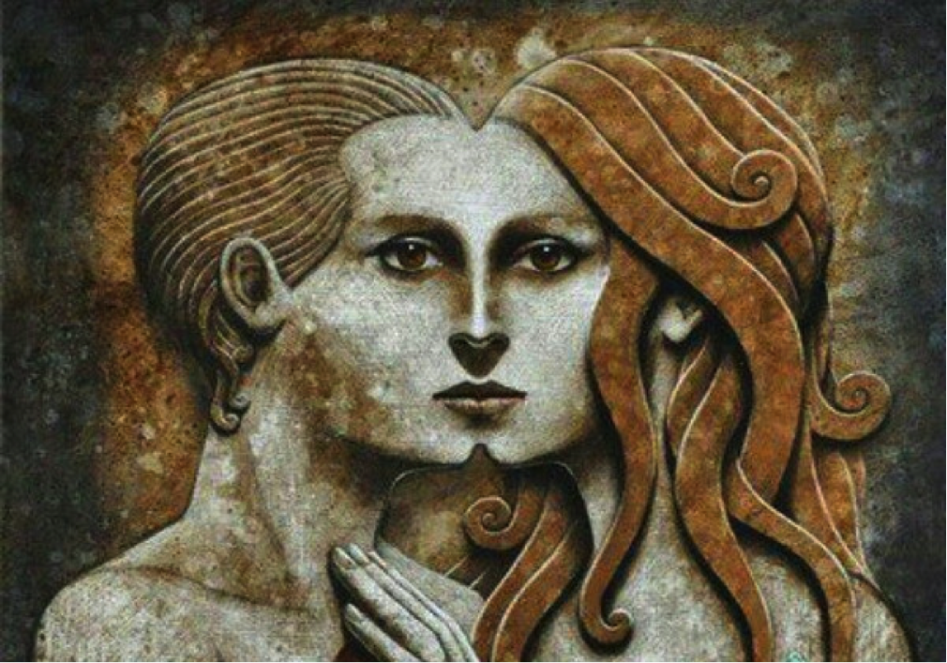
Anima

Borrowed from Latin anima (“a current of air, wind, air, breath, the vital principle, life, soul”), sometimes equivalent to animus (“mind”), both from Proto-Indo-European *h₂enh₁- (“to breathe, blow”); see animus. Cognate with Ancient Greek ἄνεμος (ánemos, “wind”), Old English anda (“anger, envy, zeal”).

Latin translation of the greek word PSYCHE.

The soul or animating principle of a living thing.

In Jungian psychology: Unconscious feminine aspect of the person.

Libido

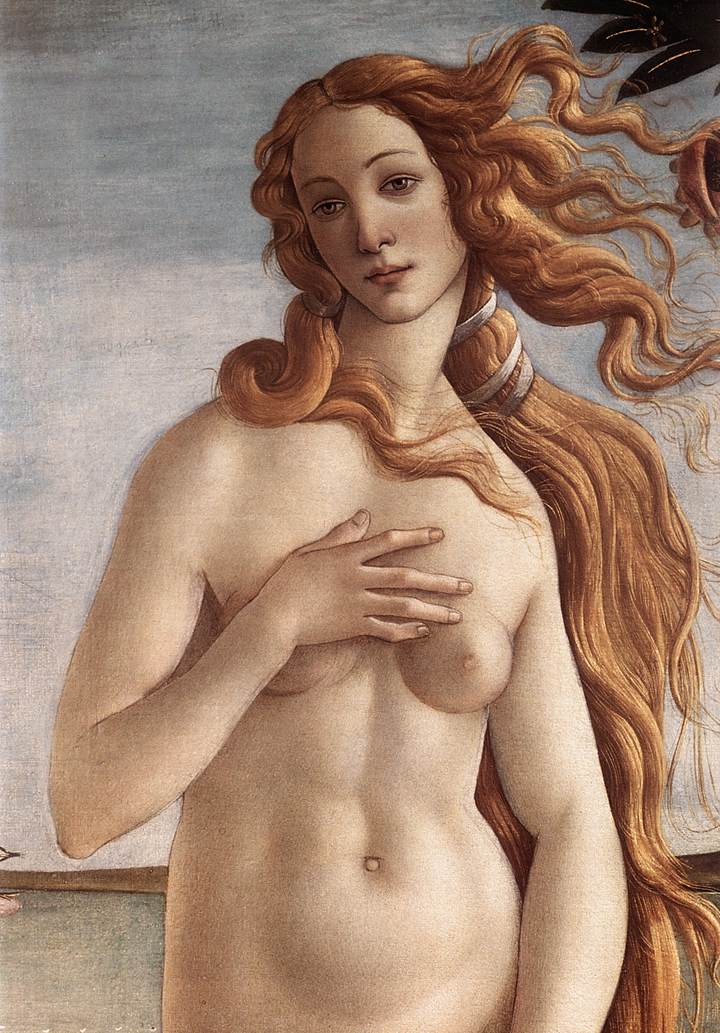
The%20Birth%20of%20Venus%20%2F%20Venus%20Pudica%20by%20Sandro%20Botticelli%20(1486)

The Birth of Venus / Venus Pudica by Sandro Botticelli (1486)
In Jungian psychology, libido—from Latin libīdō, meaning “desire” or “longing”—refers to the flow of psychic energy that fuels all forms of human motivation, not just sexuality. Unlike Freud, Jung broadened the term to encompass creativity, spiritual striving, and the drive toward individuation. Libido manifests in dreams, symbols, and behavior, expressing the psyche’s push toward wholeness and self-realization.

Archetype

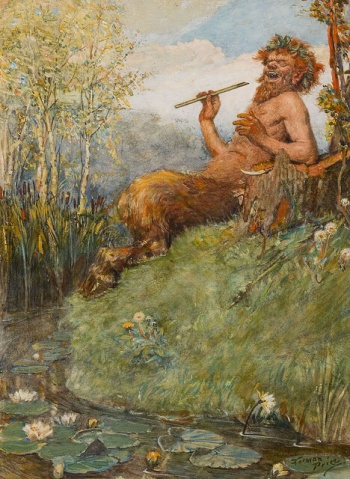
depiction%20of%20Pan%20%2F%20Trickster%20Archetype

depiction of Pan / Trickster Archetype
An archetype is a universal, inherited pattern or image that resides in the collective unconscious and shapes human experience, thought, and behavior. Archetypes are not learned but innate (i.e. DNA-encoded, prenatal-emergent) psychic structures—such as the Mother, the Hero, the Shadow, or the Self—that manifest through symbols, myths, dreams, and cultural expressions.  Archetypes guide psychological development and often appear during crises, transitions, or spiritual awakenings, serving as deep, organizing forces within the psyche.

das Selbst

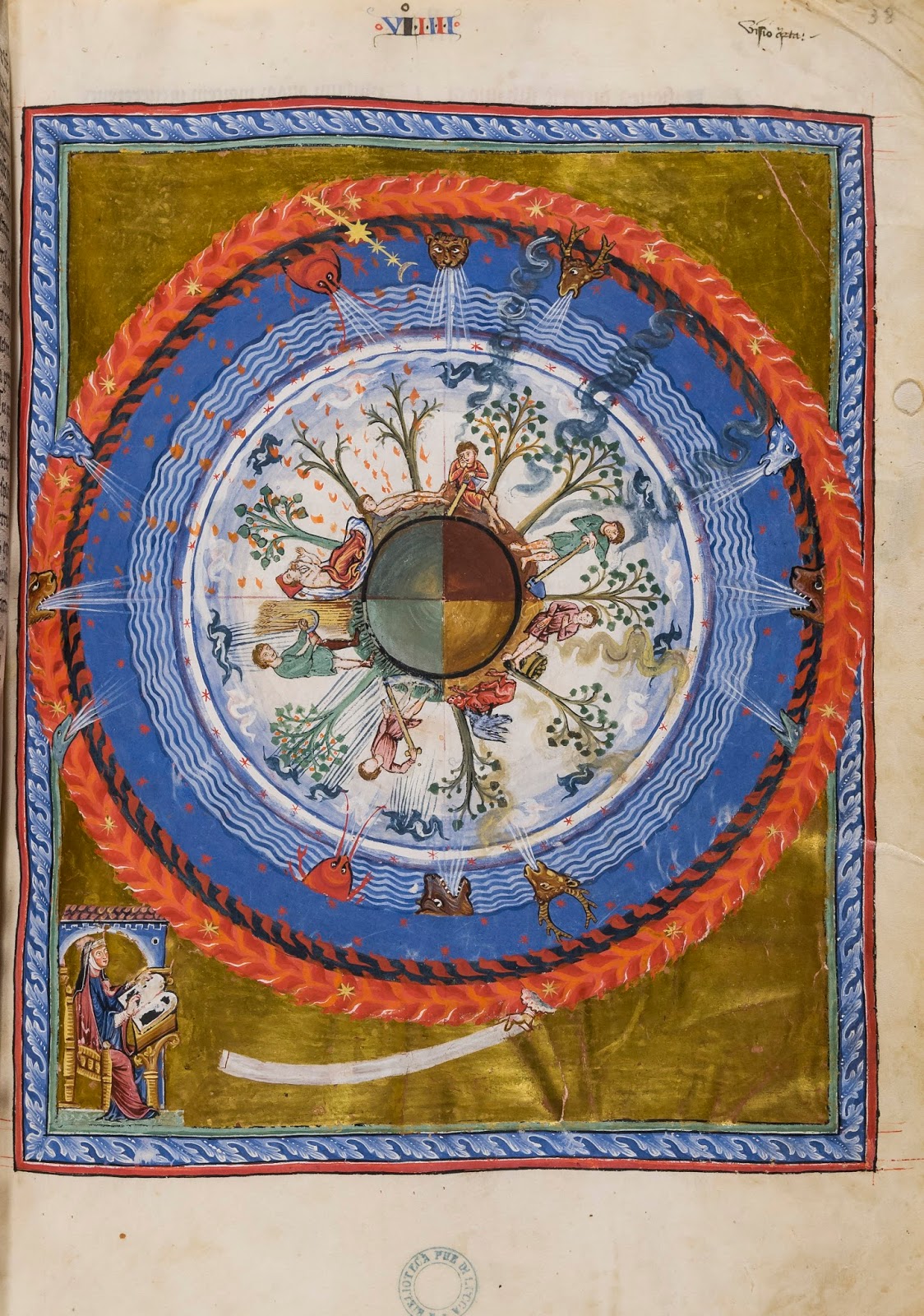
Liber%20Divinorum%20Operum%20by%20Hildegarde%20von%20Bingen%20(early%2013th%20century)

Liber Divinorum Operum by Hildegarde von Bingen (early 13th century)

Das Selbst (the Self) is the central archetype and the totality of the psyche, uniting conscious and unconscious elements. It represents the blueprint of wholeness and the guiding force behind individuation—the process of becoming who one truly is. Unlike the ego, which is limited and conscious, the Self is both deeper and broader, encompassing opposites (light and shadow, masculine and feminine, etc.). It often appears in dreams or symbols (mandalas, wise old figures, divine child) as a numinous presence pointing toward integration, balance, and inner unity. The Self is the true center of psychological life.

das Unbewusste

Die%20Nacht%20(1890)%20by%20Ferdinand%20Hodler

Die Nacht (1890) by Ferdinand Hodler

Das Unbewusste (the unconscious) refers to the vast, hidden realm of the psyche that lies beyond conscious awareness. It includes not only repressed personal experiences (personal unconscious) but also inherited, universal patterns and images known as archetypes (collective unconscious). The unconscious shapes thoughts, emotions, dreams, and behaviors, often revealing itself through symbols and fantasies.

Individuation

Albrecht%20D%C3%BCrer%E2%80%99s%20%22Melencolia%20I%22%20(1514)

Albrecht Dürer’s "Melencolia I" (1514)

In Jungian psychology, individuation is the lifelong process of becoming one’s true self by integrating the conscious and unconscious aspects of the psyche. It involves confronting inner conflicts, embracing shadow elements, and recognizing archetypal patterns to move toward psychological wholeness.

Note: Individuation is not isolation but differentiation—developing a unique identity while remaining connected to and with the collective.