i
Introduction DDH ()


Introduction


Formalities

who am I

who are You

is this a course for You ?

credits (2 ECTS for >75% attendance, +1 for referat/experiment)

Hausarbeit possible

need help ? (tutor: a.terzieva@udk-berlin.de)

Leistungsnachweis

signature-related issues

Smartphone & Feedback box

Matrix room

All those who have a UdK account, log in here *:

https://medienhaus.udk-berlin.de/classroom
 
and subsequently join the course (#edu-psyche) room:
 
https://medienhaus.udk-berlin.de/classroom/#/room/#edu-psyche:medienhaus.udk-berlin.de

(or install matrix client apps like Element or Fluffychat and put "medienhaus.udk-berlin.de" as homeserver)

Context

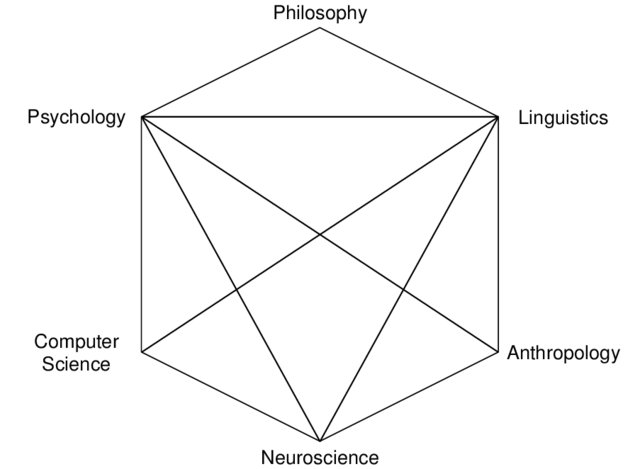
Introduction to Psychology is concluding seminar of "Art, Cognition, Education" (AEC) seminar series. The objective of AEC has been to introduce art students to six canonic (linguistics, psychology, neuroscience, computer science / artificial intelligence, anthropology, philosophy ) cognitive sciences.

Goal

Only if the Artist understands the Soul can the Art heal her.

Question

Take a pen and piece of paper (or ask Your neighbor if You can borrow it)

Ask Yourself a question: "Does soul exist ?"

Wait a while (cca 3-5 inhale-exhale cycles)

Write the answer - either YES or NO - on the paper

Put the answer into feedback box

Glossary

Some words which will be repeated over and over and over again ...

Soul

Homework: Answer the question "What is soul ?"

Possible modalities: List of synonyms / associations; Definition; Picture; Formula; Sound

ψυχή = PSYCHE

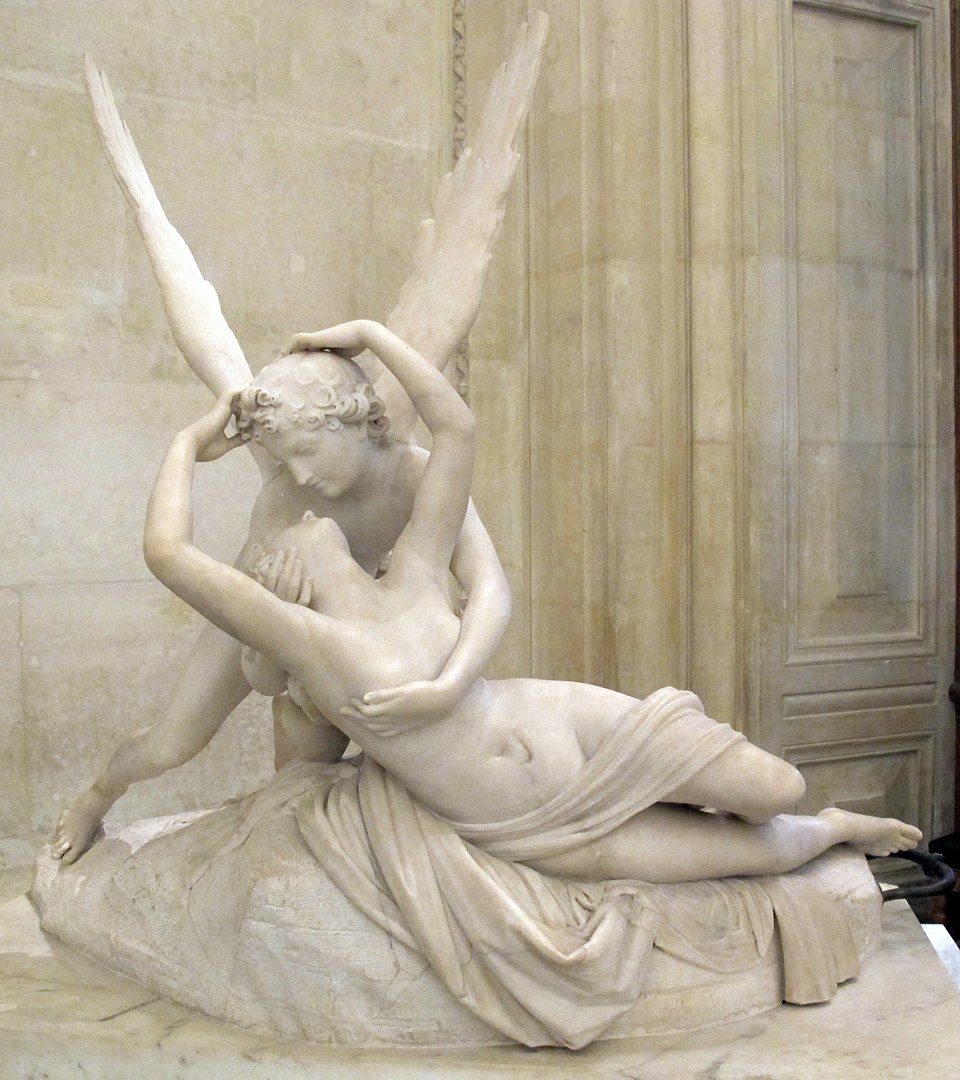
Antonio%20Canova%3A%20Amor%20und%20Psyche%2C%20Paris%2C%20Louvre%20(1793)

Antonio Canova: Amor und Psyche, Paris, Louvre (1793)
Greek word meaning:

life

departed spirit, ghost

conscious self, personality

butterfly

main character of epos Eros & Psyche

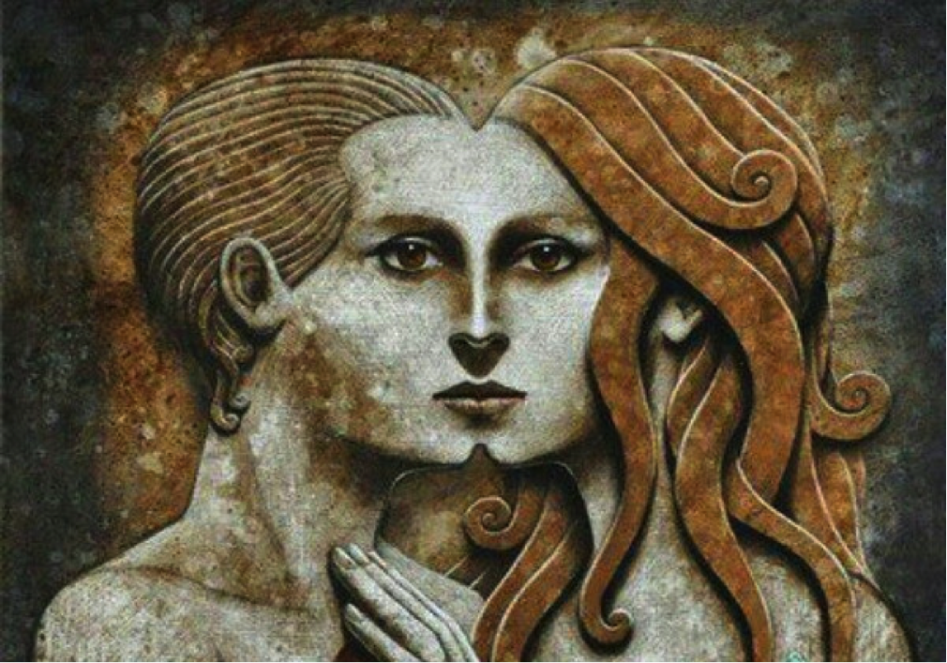
Anima

Borrowed from Latin anima (“a current of air, wind, air, breath, the vital principle, life, soul”), sometimes equivalent to animus (“mind”), both from Proto-Indo-European *h₂enh₁- (“to breathe, blow”); see animus. Cognate with Ancient Greek ἄνεμος (ánemos, “wind”), Old English anda (“anger, envy, zeal”).

Latin translation of the greek word PSYCHE.

The soul or animating principle of a living thing.

In Jungian psychology: Unconscious feminine aspect of the person.

Libido

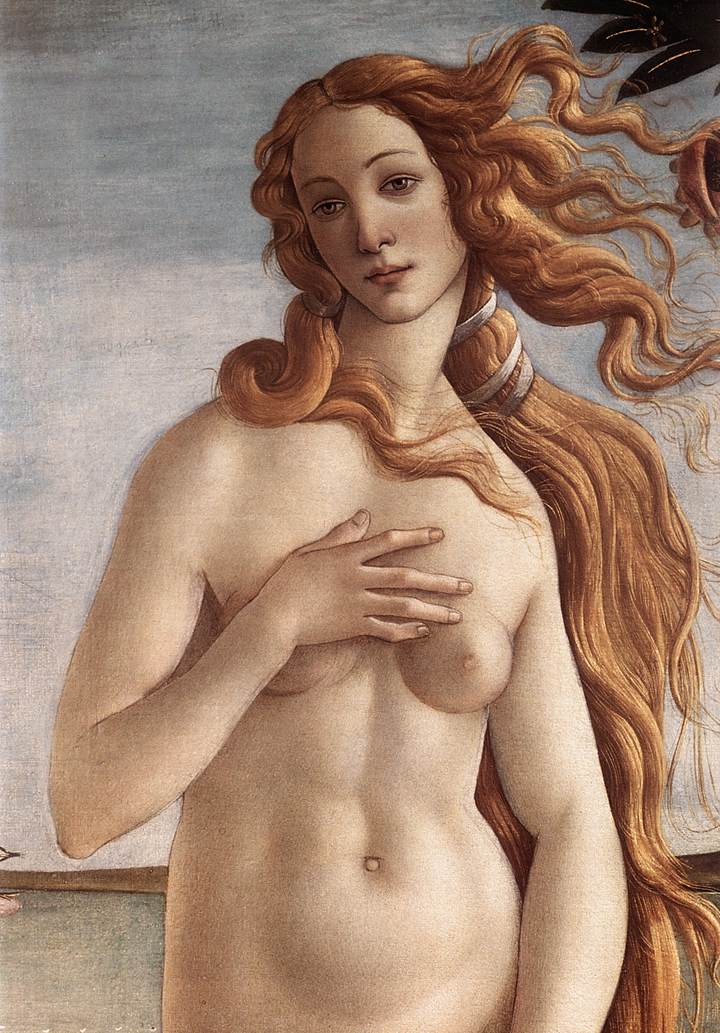
The%20Birth%20of%20Venus%20%2F%20Venus%20Pudica%20by%20Sandro%20Botticelli%20(1486)

The Birth of Venus / Venus Pudica by Sandro Botticelli (1486)
In Jungian psychology, libido—from Latin libīdō, meaning “desire” or “longing”—refers to the flow of psychic energy that fuels all forms of human motivation, not just sexuality. Unlike Freud, Jung broadened the term to encompass creativity, spiritual striving, and the drive toward individuation. Libido manifests in dreams, symbols, and behavior, expressing the psyche’s push toward wholeness and self-realization.

Archetype

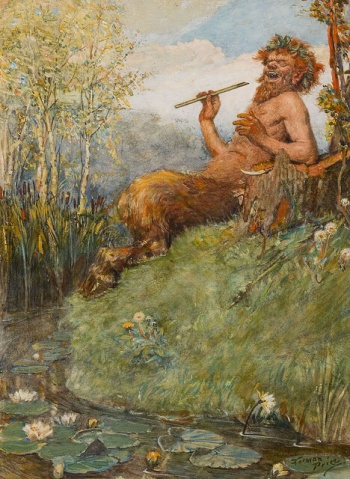
depiction%20of%20Pan%20%2F%20Trickster%20Archetype

depiction of Pan / Trickster Archetype
An archetype is a universal, inherited pattern or image that resides in the collective unconscious and shapes human experience, thought, and behavior. Archetypes are not learned but innate (i.e. DNA-encoded, prenatal-emergent) psychic structures—such as the Mother, the Hero, the Shadow, or the Self—that manifest through symbols, myths, dreams, and cultural expressions.  Archetypes guide psychological development and often appear during crises, transitions, or spiritual awakenings, serving as deep, organizing forces within the psyche.

das Selbst

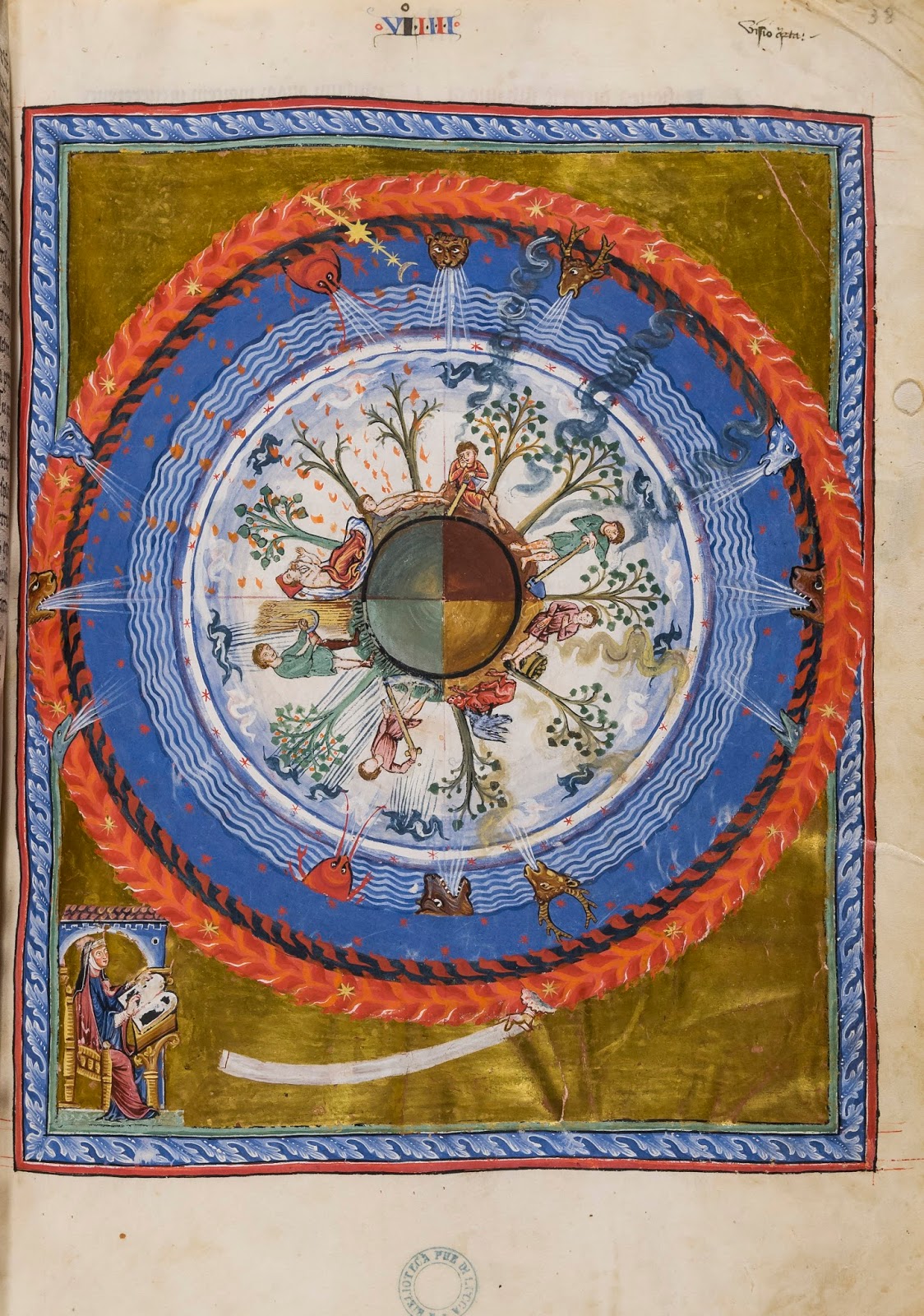
Liber%20Divinorum%20Operum%20by%20Hildegarde%20von%20Bingen%20(early%2013th%20century)

Liber Divinorum Operum by Hildegarde von Bingen (early 13th century)

Das Selbst (the Self) is the central archetype and the totality of the psyche, uniting conscious and unconscious elements. It represents the blueprint of wholeness and the guiding force behind individuation—the process of becoming who one truly is. Unlike the ego, which is limited and conscious, the Self is both deeper and broader, encompassing opposites (light and shadow, masculine and feminine, etc.). It often appears in dreams or symbols (mandalas, wise old figures, divine child) as a numinous presence pointing toward integration, balance, and inner unity. The Self is the true center of psychological life.

das Unbewusste

Die%20Nacht%20(1890)%20by%20Ferdinand%20Hodler

Die Nacht (1890) by Ferdinand Hodler

Das Unbewusste (the unconscious) refers to the vast, hidden realm of the psyche that lies beyond conscious awareness. It includes not only repressed personal experiences (personal unconscious) but also inherited, universal patterns and images known as archetypes (collective unconscious). The unconscious shapes thoughts, emotions, dreams, and behaviors, often revealing itself through symbols and fantasies.

Individuation

Albrecht%20D%C3%BCrer%E2%80%99s%20%22Melencolia%20I%22%20(1514)

Albrecht Dürer’s "Melencolia I" (1514)

In Jungian psychology, individuation is the lifelong process of becoming one’s true self by integrating the conscious and unconscious aspects of the psyche. It involves confronting inner conflicts, embracing shadow elements, and recognizing archetypal patterns to move toward psychological wholeness.

Note: Individuation is not isolation but differentiation—developing a unique identity while remaining connected to and with the collective.