Kastalia Knowledge Management System · Glasperlenspiel template · knot 1865
Philosophy
Main riddle of this course: Do(es) meaning(s) of the word "soul" evolve in time, or not ?
Ancestors (1 superordinated path)
Descendants (at least 19 branches originate here)
-
Philosophy 🔊
Main riddle of this course: Do(es) meaning(s) of the word "soul" evolve in time, or not ?-
is_parent
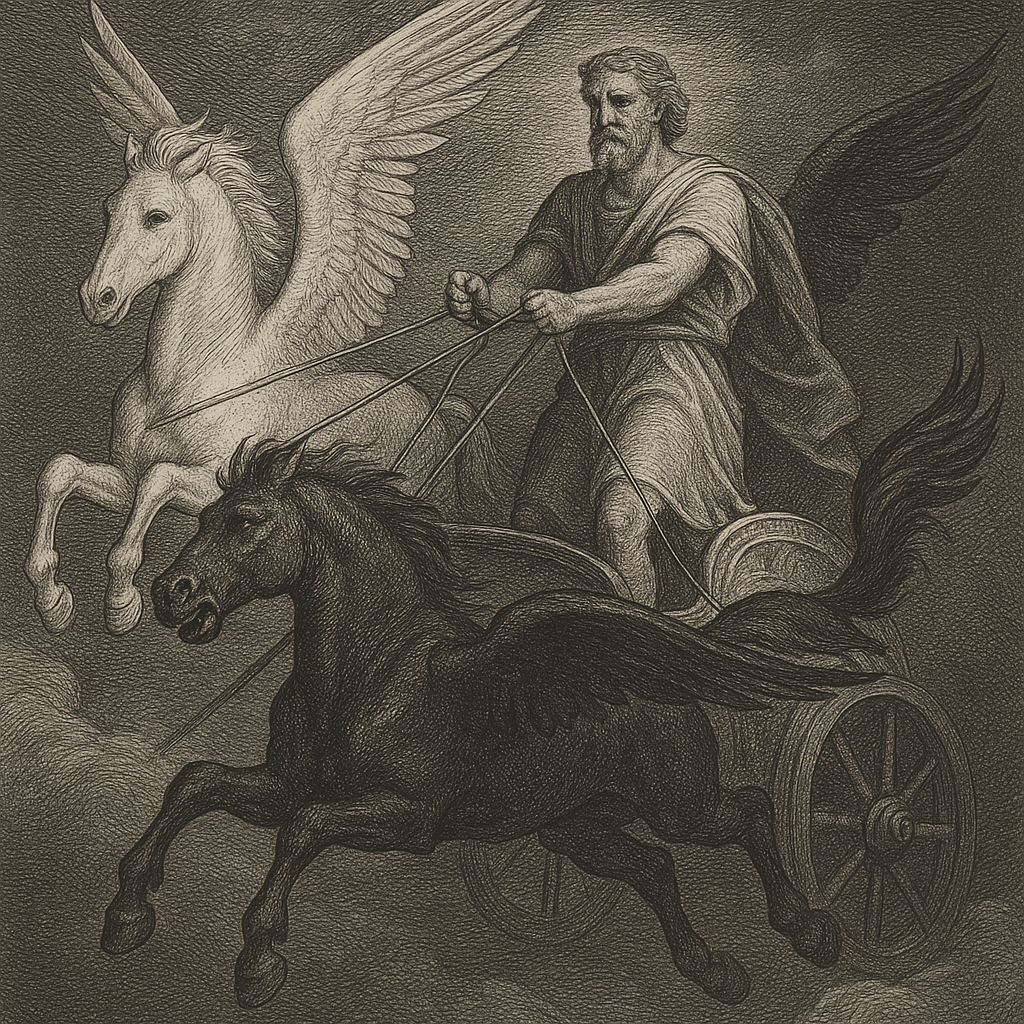 Soul as immortal charioteer
"Of the nature of the soul, though her true form be ever a theme of large and more than mortal discourse, let me speak briefly, and in a figure. And let the fig
Soul as immortal charioteer
"Of the nature of the soul, though her true form be ever a theme of large and more than mortal discourse, let me speak briefly, and in a figure. And let the fig-
is_parent
Soul as mover of the body
🔒
·
"... I will endeavour to explain to you in what way the mortal differs from the immortal creature. The soul in her totality has the care of inanimate being eve
-
-
is_parent
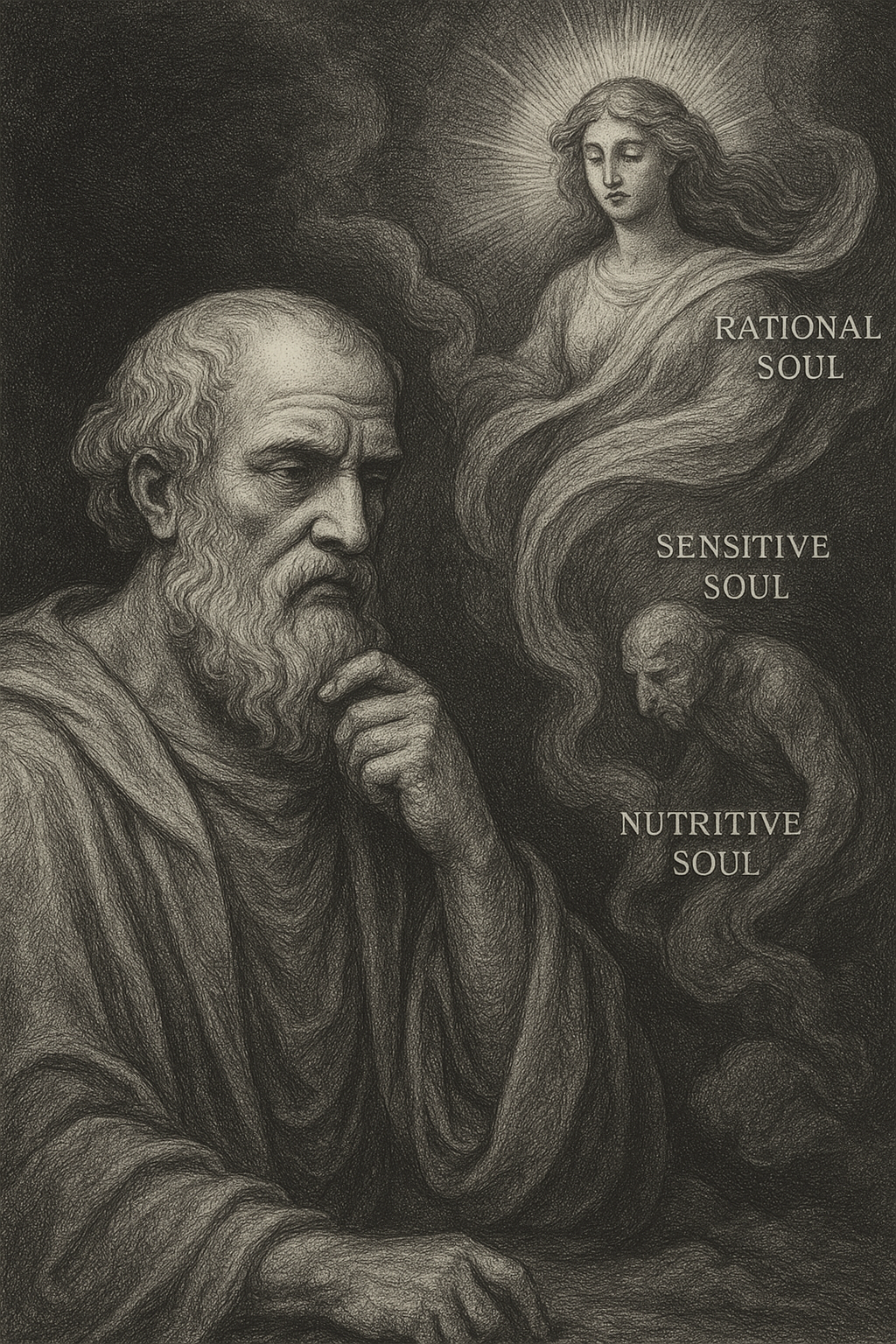 Aristotle :: Soul as form
Aristotle’s theory of soul is grounded in hylomorphism, the idea that all living beings are composites of matter (hyle) and form (morphe). The body is the matt
Aristotle :: Soul as form
Aristotle’s theory of soul is grounded in hylomorphism, the idea that all living beings are composites of matter (hyle) and form (morphe). The body is the matt-
is_parent
Hierarchical model of the soul
🔒
·
Nutritive Soul (Vegetative Soul):: Found in plants :: Nutrition / Growth / Reproduction :: most basic type of soul Found in animals. :: Includes all the capabil
-
-
is_parent
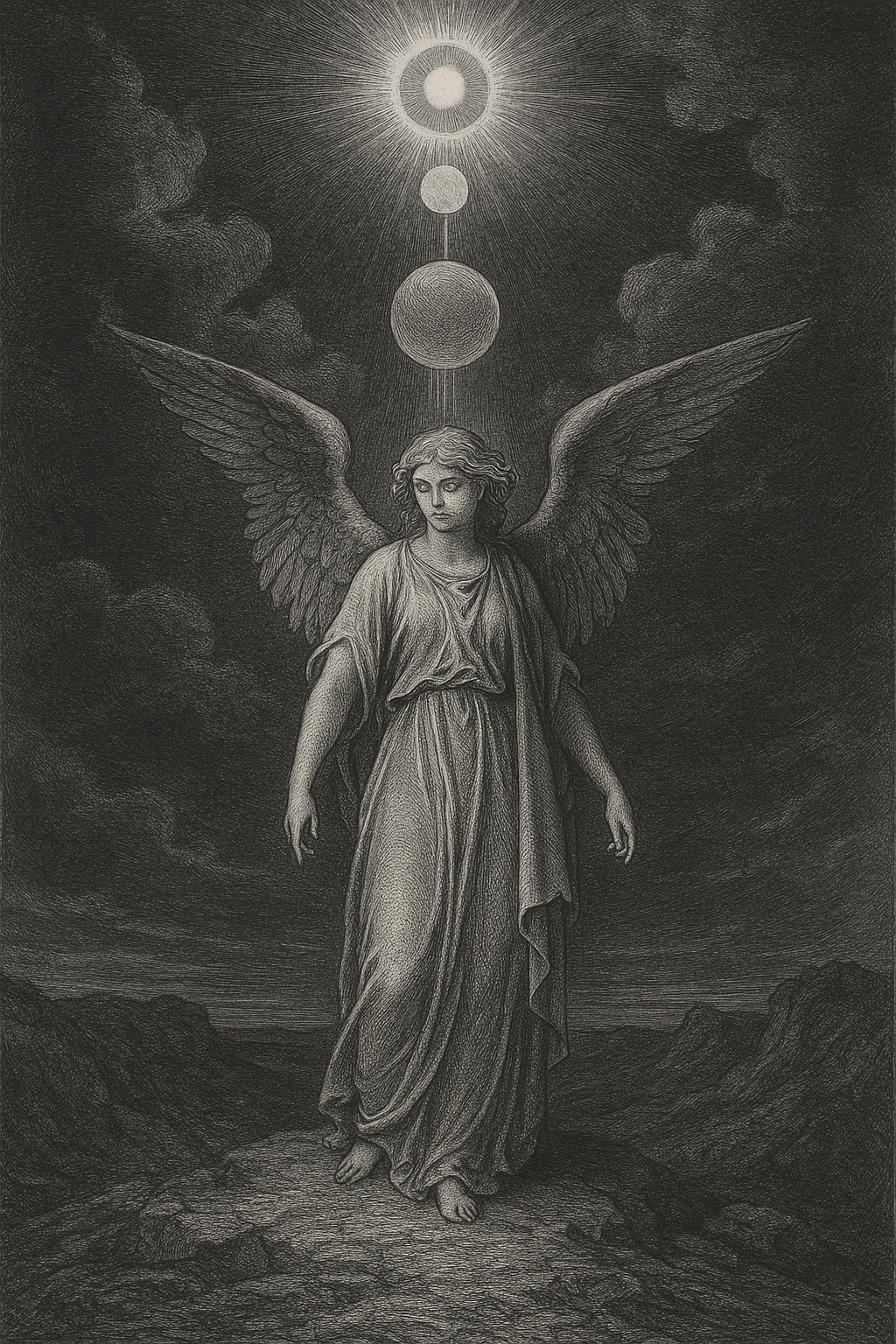 Neoplatonism
·
Neoplatonism is a philosophical school of late antiquity (3rd - 6th century AD). Neoplatonists position the soul in the middle of a strict metaphysical hierarc
Neoplatonism
·
Neoplatonism is a philosophical school of late antiquity (3rd - 6th century AD). Neoplatonists position the soul in the middle of a strict metaphysical hierarc -
is_parent
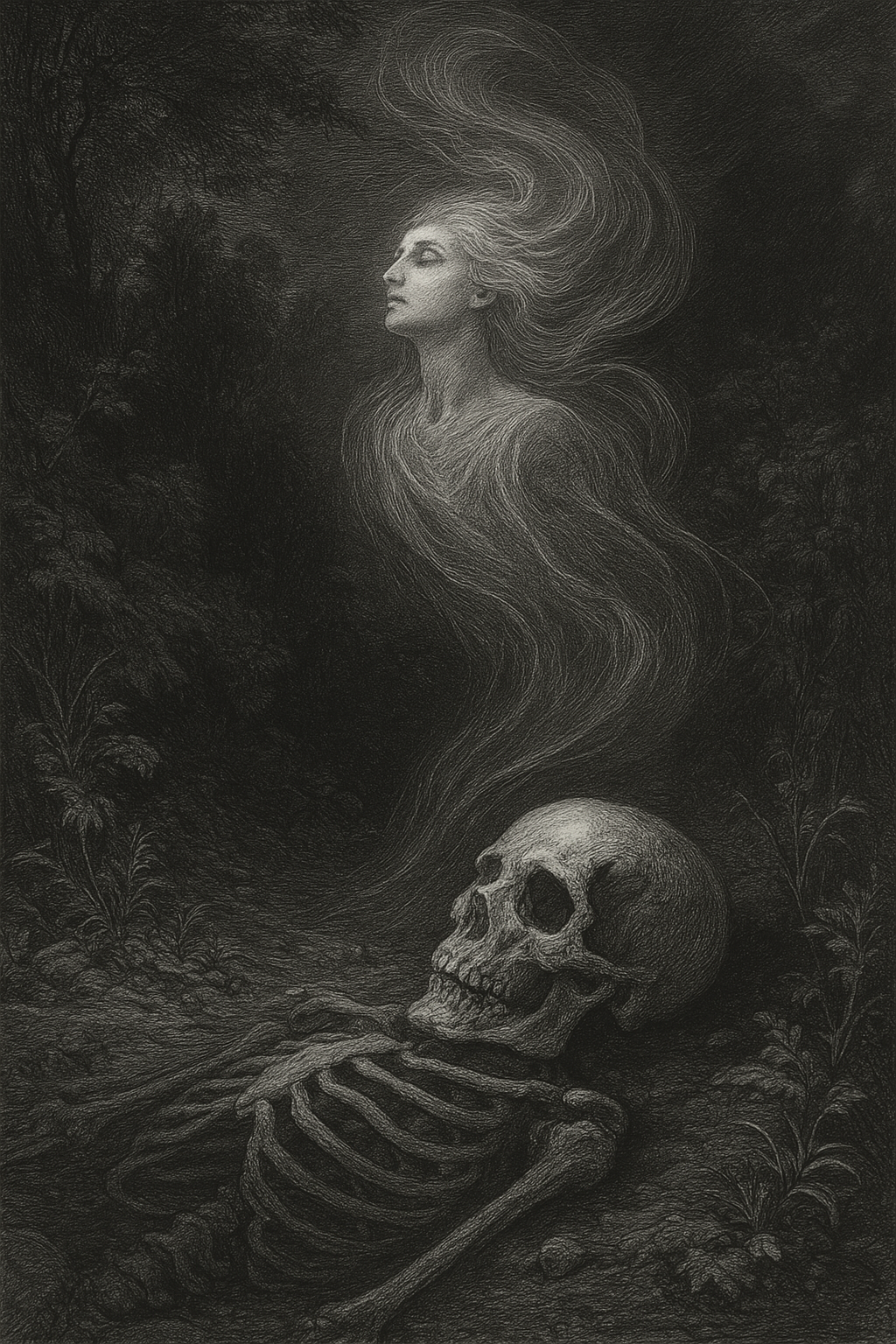 Christian Theology
·
Soul is created by God and infused at conception. Augustine: soul seeks rest in God; image of God within the soul. Soul is immortal, destined for salvation or d
Christian Theology
·
Soul is created by God and infused at conception. Augustine: soul seeks rest in God; image of God within the soul. Soul is immortal, destined for salvation or d -
is_parent
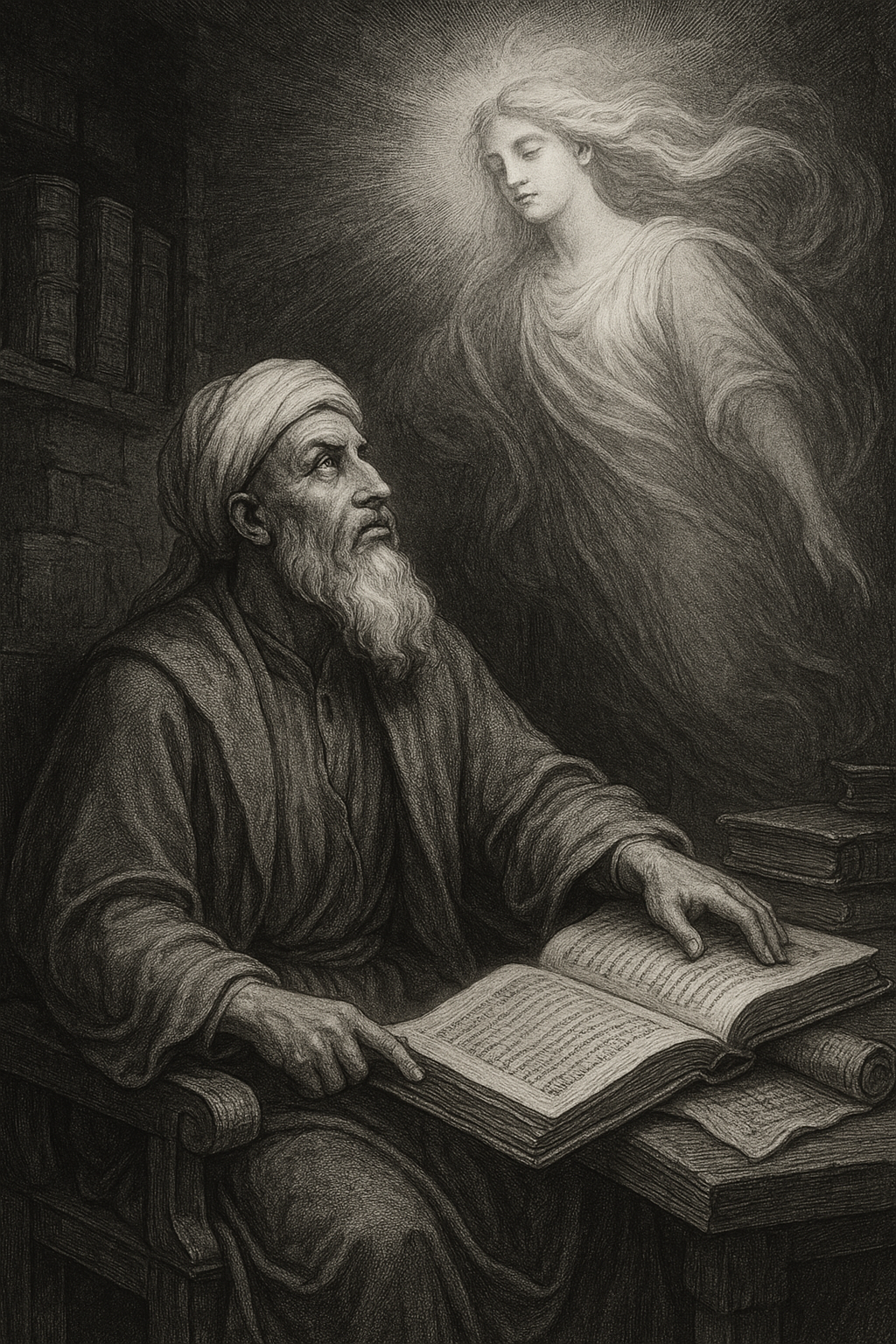 Islamic Philosophy
·
Soul (نَفْس, *nafs*) is a spiritual, immaterial substance. Influenced by Aristotle, Neoplatonism, and Qur’anic revelation. Avicenna: soul is simple, incor
Islamic Philosophy
·
Soul (نَفْس, *nafs*) is a spiritual, immaterial substance. Influenced by Aristotle, Neoplatonism, and Qur’anic revelation. Avicenna: soul is simple, incor -
is_parent
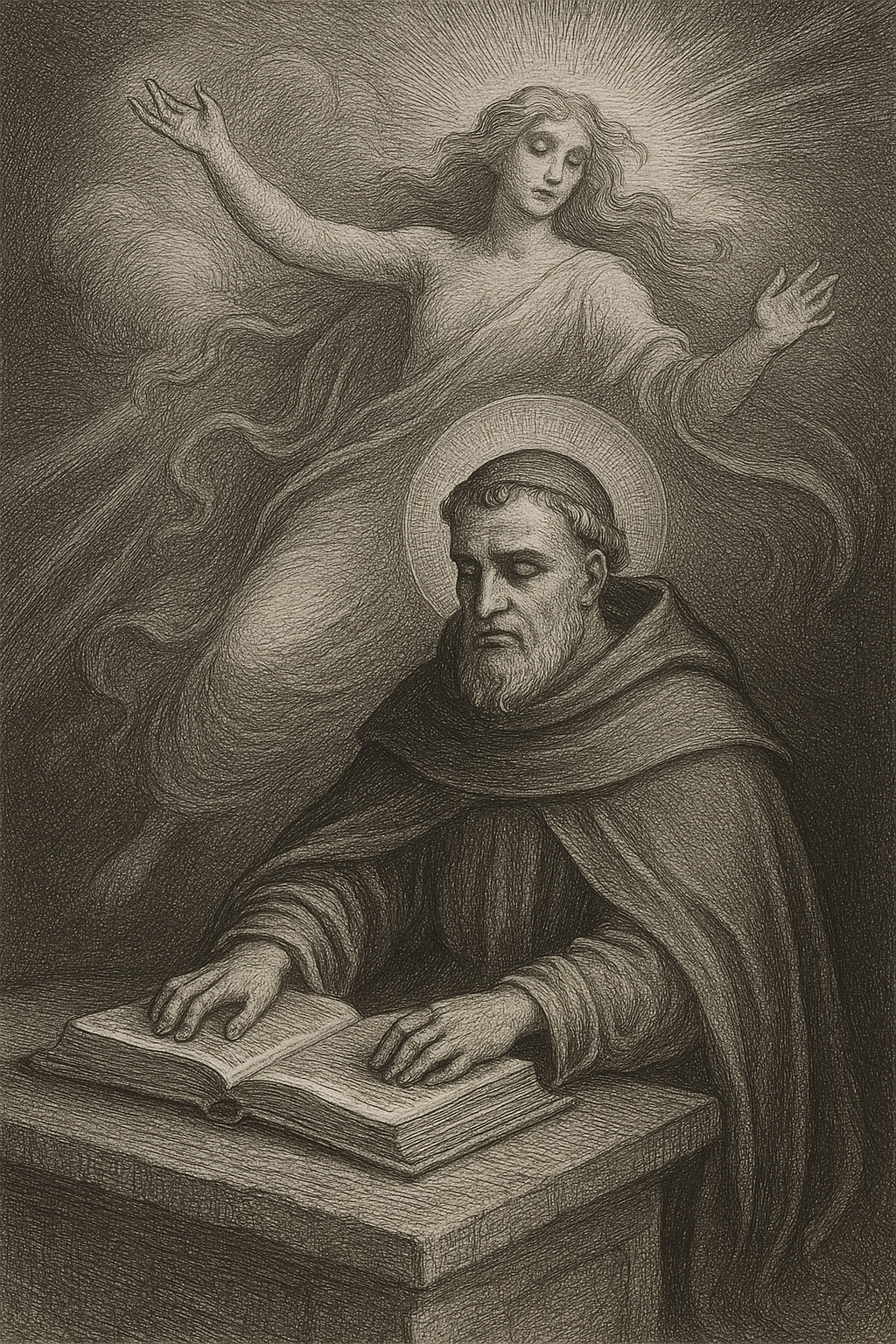 Scholasticism
·
Thomas Aquinas: soul is the form of the body (via Aristotle). Soul has vegetative, sensitive, and rational powers. Immortality of the rational soul is demonstra
Scholasticism
·
Thomas Aquinas: soul is the form of the body (via Aristotle). Soul has vegetative, sensitive, and rational powers. Immortality of the rational soul is demonstra -
is_parent
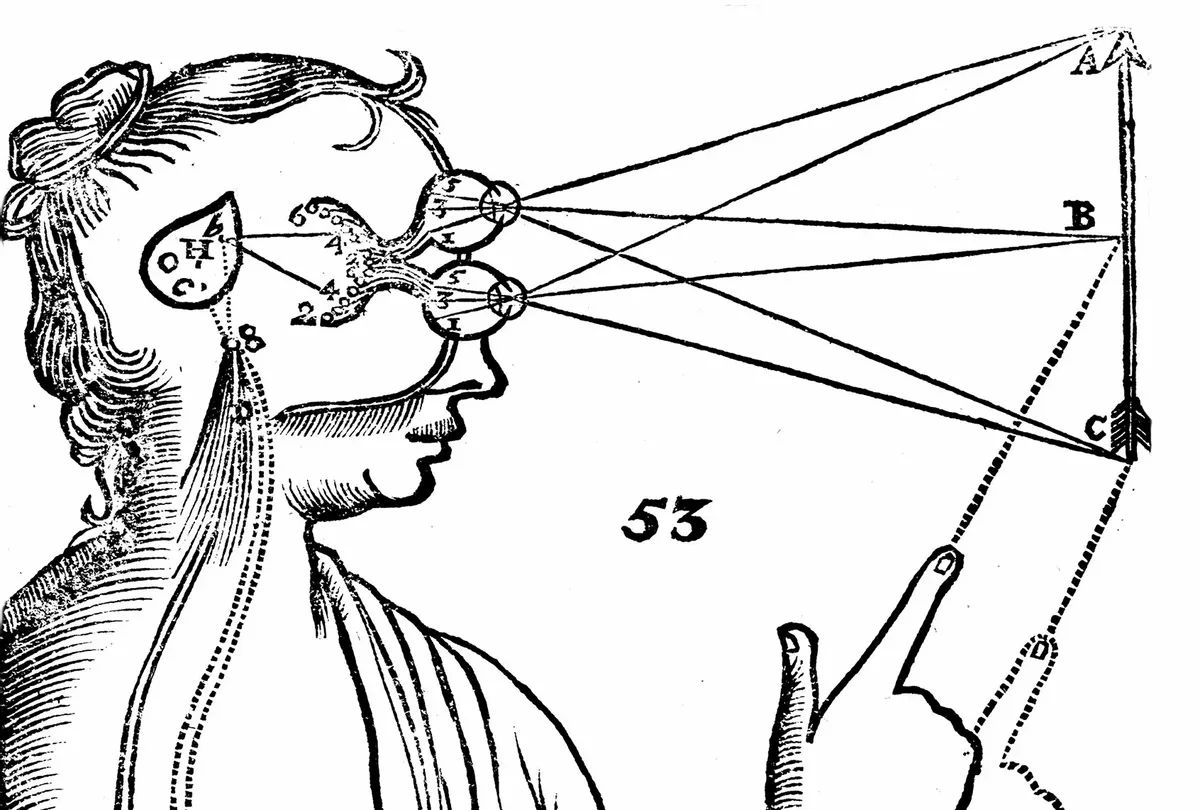 Renaissance & Early Modern
Renewed interest in Platonism and Hermetic soul cosmologies. Descartes: radical dualism—soul (res cogitans) and body (res extensa). Human soul seen as sea
Renaissance & Early Modern
Renewed interest in Platonism and Hermetic soul cosmologies. Descartes: radical dualism—soul (res cogitans) and body (res extensa). Human soul seen as sea-
is_parent
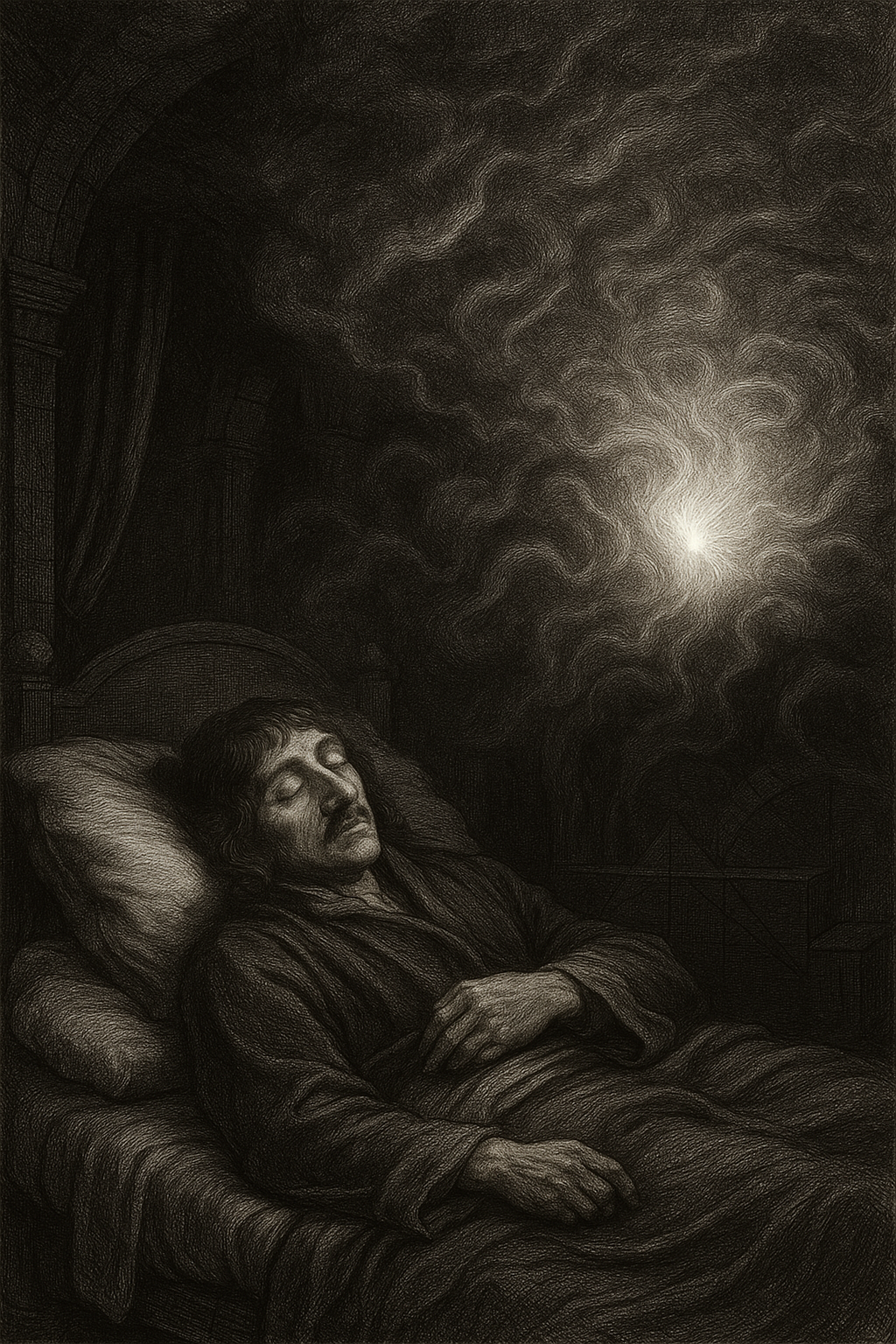 Cogito ergo sum
🔒
·
"Accordingly, seeing that our senses sometimes deceive us, I was willing to suppose that there existed nothing really such as they presented to us; And because
Cogito ergo sum
🔒
·
"Accordingly, seeing that our senses sometimes deceive us, I was willing to suppose that there existed nothing really such as they presented to us; And because
-
-
is_parent
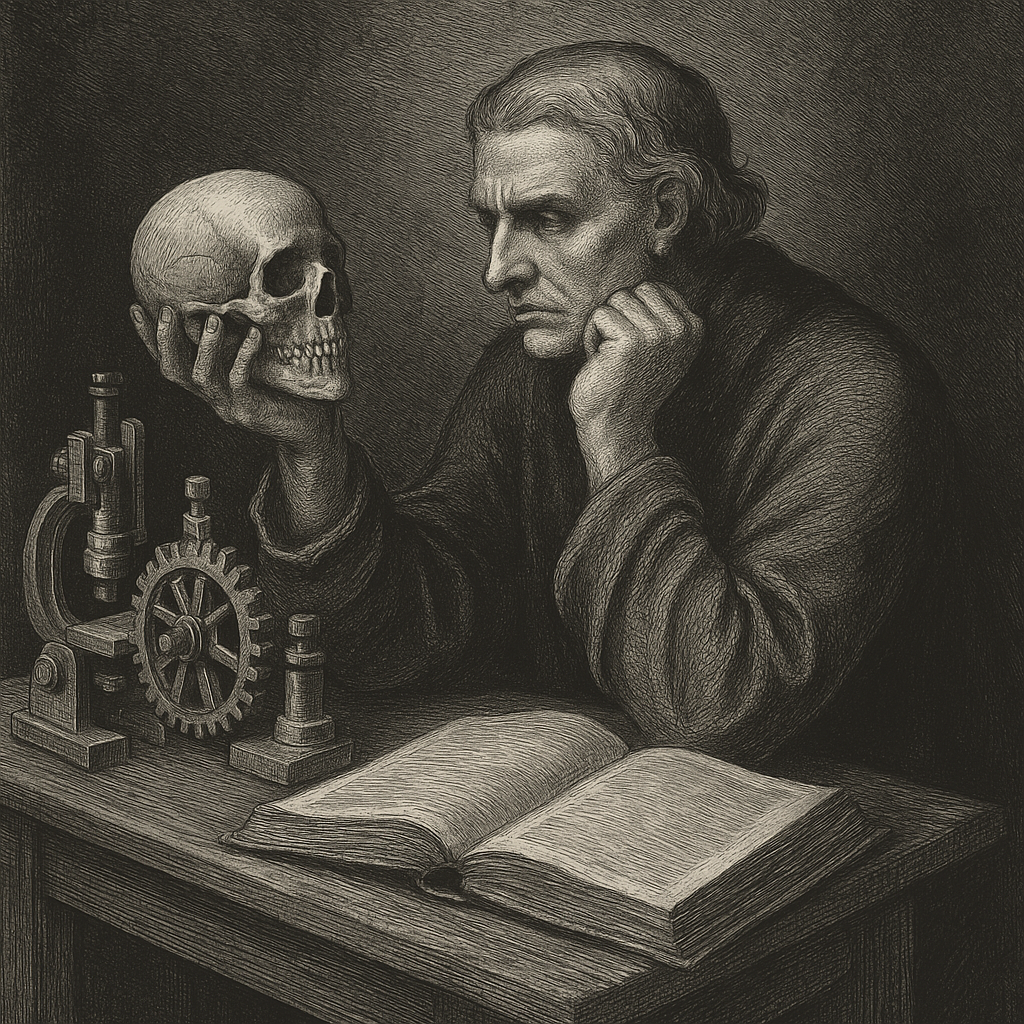 Empiricism and Materialism
Soul increasingly reduced to observable mental or bodily processes. Locke: denies innate ideas—soul as tabula rasa, a passive receiver. Start of the NATURE / N
Empiricism and Materialism
Soul increasingly reduced to observable mental or bodily processes. Locke: denies innate ideas—soul as tabula rasa, a passive receiver. Start of the NATURE / N-
is_parent Associationism 🔒 ·
Soul or mind functions through the association of ideas. David Hartley: vibrations in nerves correspond to mental associations. Mind explained through natural l -
is_parent
 L'homme machine
🔒
·
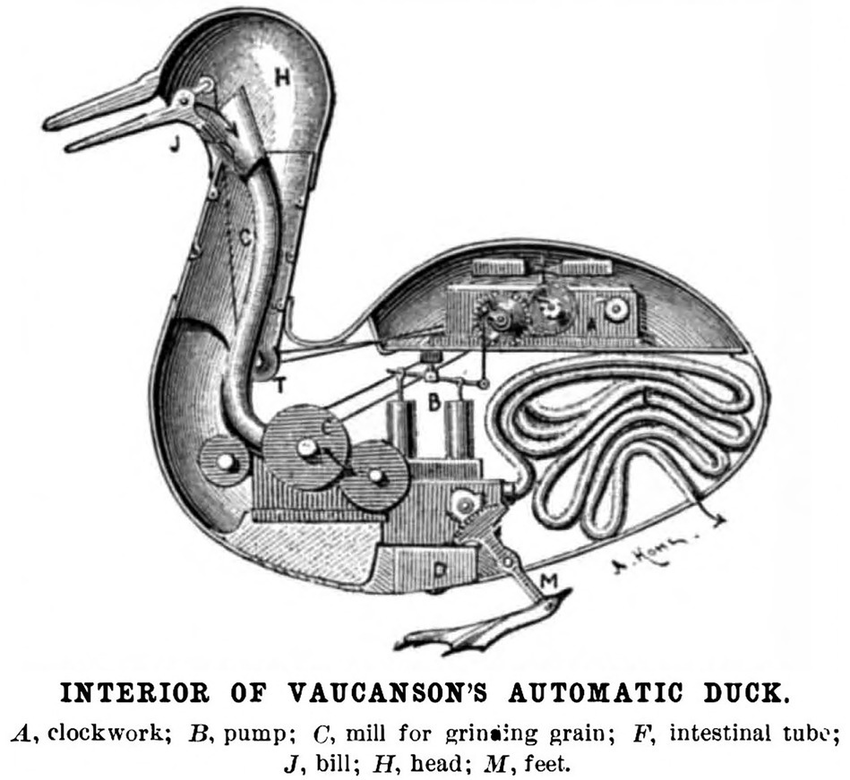
The human body is a machine which winds its own springs. It is the living image of perpetual movement. Without food, the soul pines away, goes mad, an
L'homme machine
🔒
·
The human body is a machine which winds its own springs. It is the living image of perpetual movement. Without food, the soul pines away, goes mad, an
-
-
is_parent
 German Idealism & Romanticism
·
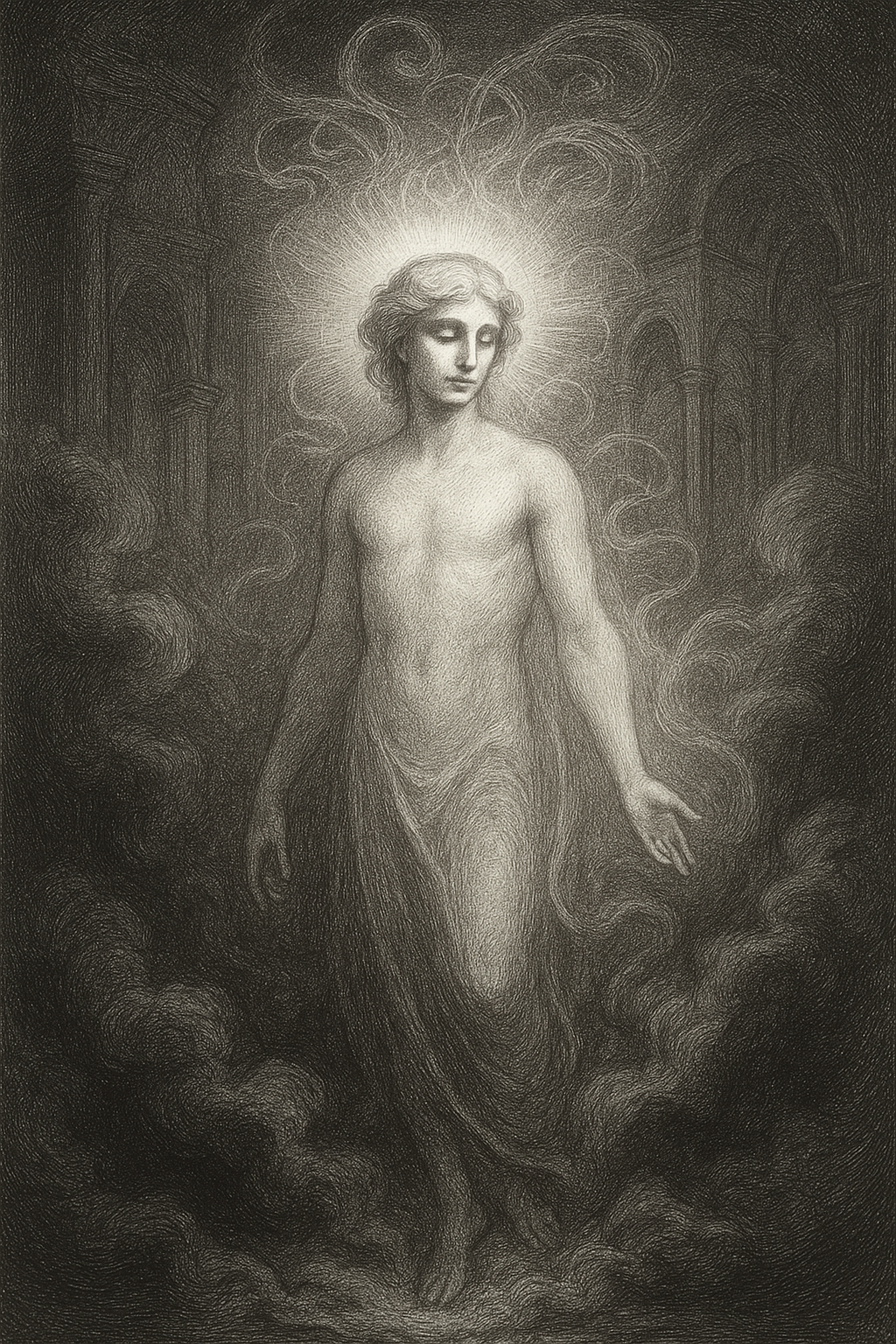
Soul is active, not passive—central to constructing experience. Kant: we can never know "soul" as a thing-in-itself. Fichte: ego (Ich) posits itself—soul as dy
German Idealism & Romanticism
·
Soul is active, not passive—central to constructing experience. Kant: we can never know "soul" as a thing-in-itself. Fichte: ego (Ich) posits itself—soul as dy -
is_parent
 Panpsychism
·
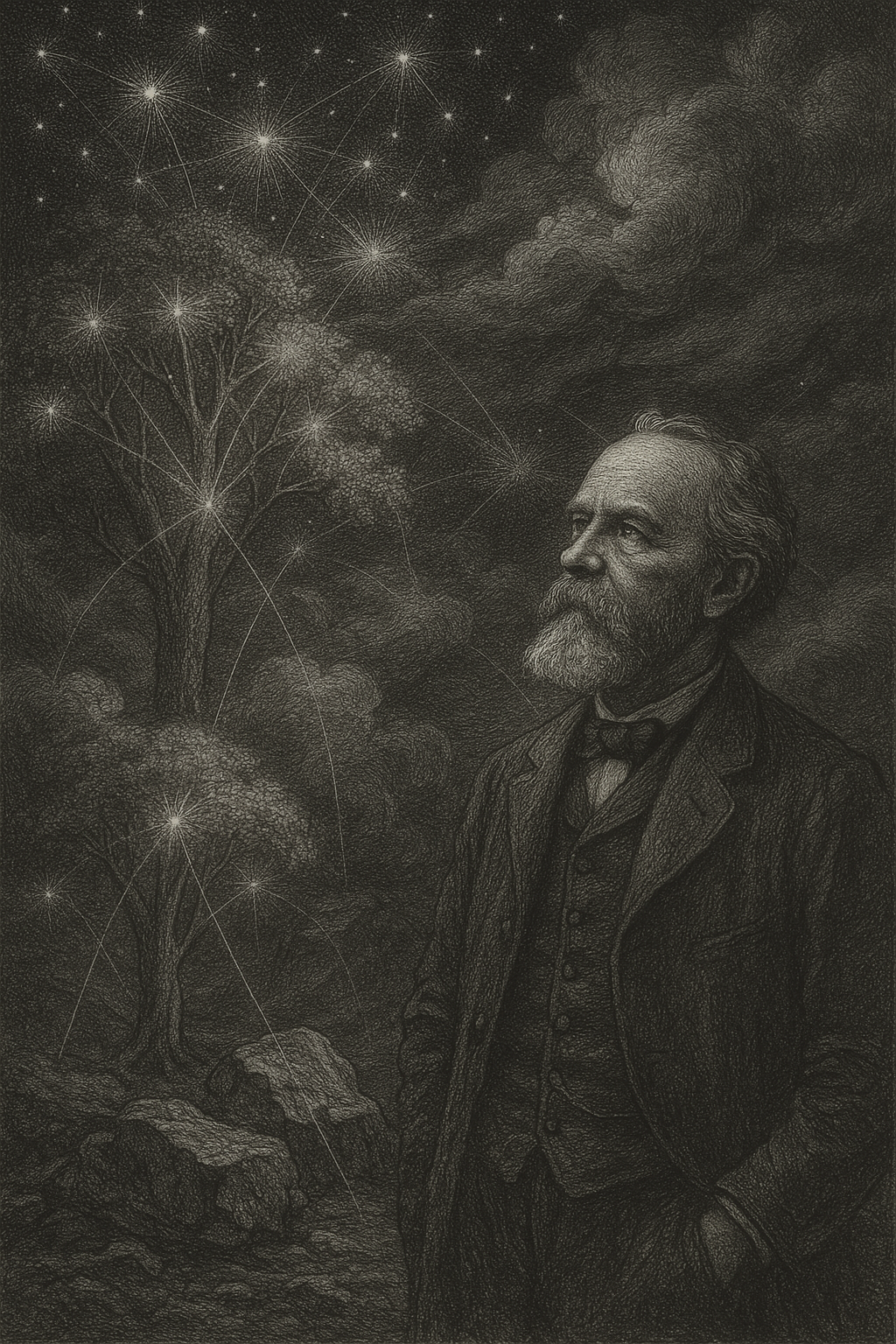
All matter possesses some form of experience or consciousness. William James: stream of consciousness is continuous, plural, and lived. Rejects both materialism
Panpsychism
·
All matter possesses some form of experience or consciousness. William James: stream of consciousness is continuous, plural, and lived. Rejects both materialism -
is_parent
 Care for the soul
·
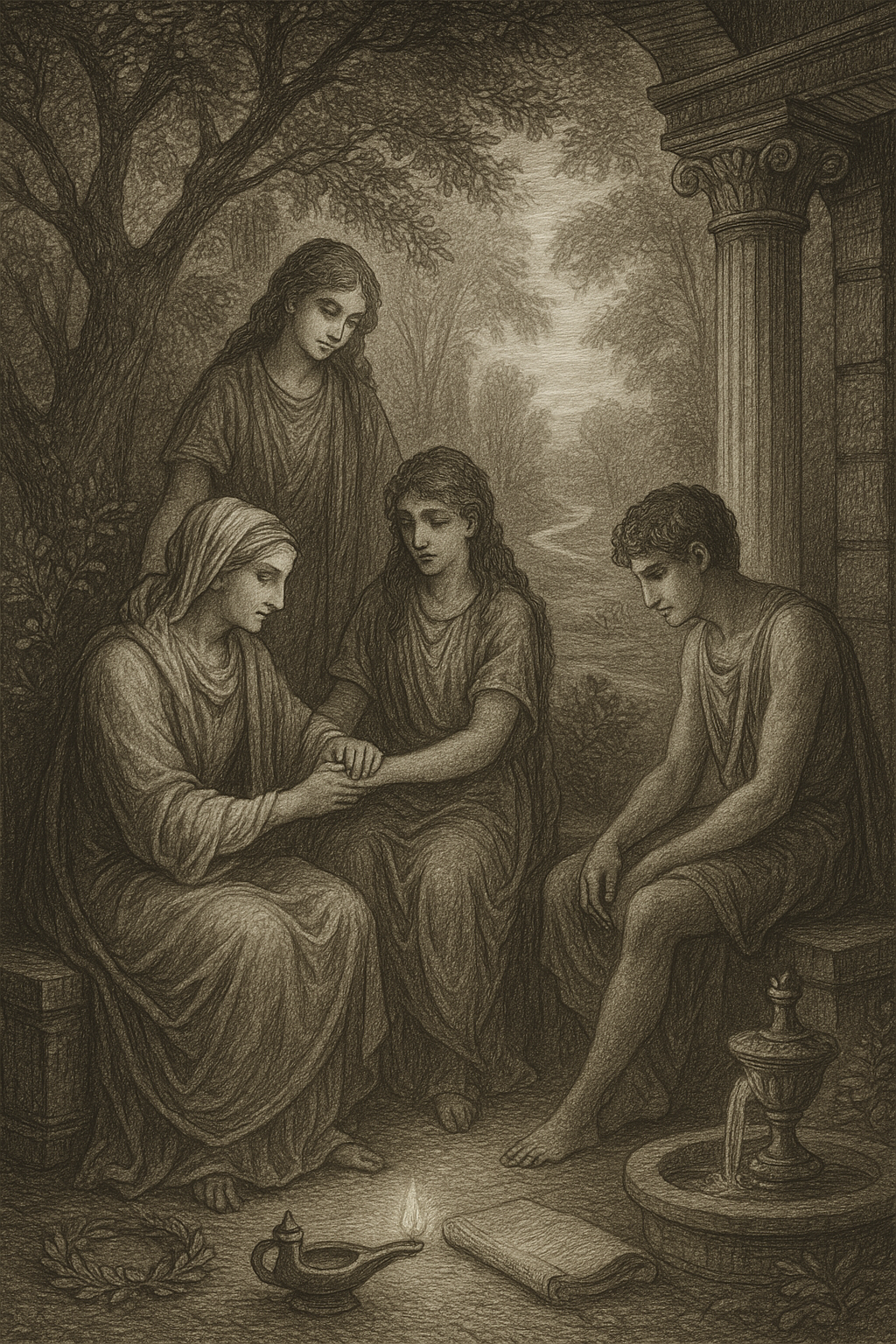
Socrates says: ΤΟ ΕΠΙΜΕΛΕΙΣΘΑΙ ΕΑΥΤΟΥ ΕΣΤΙΝ ΕΠΙΜΕΛΕΙΣΘΑΙ ΤΗΣ ΨΥΧΗΣ / To care for oneself is to care for the soul.ΟΥ ΤΑ ΧΡΗΜΑΤΑ ΥΜΑΣ ΠΟΙΕΙΝ ΑΛΛΑ ΤΗΝ ΨΥΧΗΝ ΩΣ ΑΡ
Care for the soul
·
Socrates says: ΤΟ ΕΠΙΜΕΛΕΙΣΘΑΙ ΕΑΥΤΟΥ ΕΣΤΙΝ ΕΠΙΜΕΛΕΙΣΘΑΙ ΤΗΣ ΨΥΧΗΣ / To care for oneself is to care for the soul.ΟΥ ΤΑ ΧΡΗΜΑΤΑ ΥΜΑΣ ΠΟΙΕΙΝ ΑΛΛΑ ΤΗΝ ΨΥΧΗΝ ΩΣ ΑΡ -
is_parent
 pre-socratic
·
Soul (ψυχή) often equated with life-force or breath. "all things are full of gods" Aristotle, De Anima 411a7, quoting Thales Heraclitus: the sou
pre-socratic
·
Soul (ψυχή) often equated with life-force or breath. "all things are full of gods" Aristotle, De Anima 411a7, quoting Thales Heraclitus: the sou -
is_parent
 Hellenistic
·
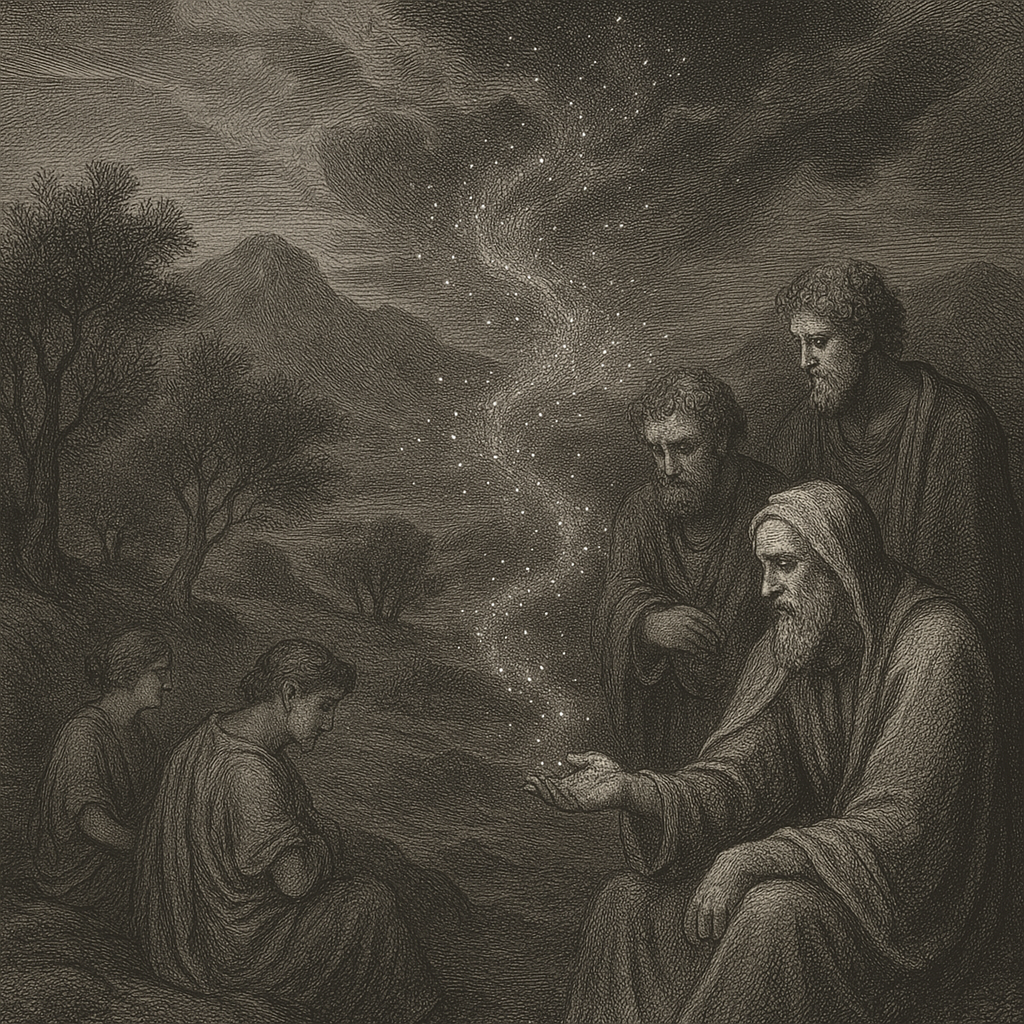
Epicureans: soul is material, composed of fine atoms.No afterlife: soul dissolves at death—no reason to fear it.Stoics: soul is PNEUMA, a fiery breath pervadin
Hellenistic
·
Epicureans: soul is material, composed of fine atoms.No afterlife: soul dissolves at death—no reason to fear it.Stoics: soul is PNEUMA, a fiery breath pervadin
-