Kastalia Knowledge Management System · Glasperlenspiel template · knot 1864
Mythology
Science must begin with myths, and with the criticism of myths.
Sir Karl Raimund Popper CH FRS FBA
Ancestors (1 superordinated path)
Descendants (at least 21 branches originate here)
-
Mythology 🔊
Science must begin with myths, and with the criticism of myths.Sir Karl Raimund Popper CH FRS FBA-
is_parent Bhagavadgita
The Bhagavad Gita (cca. 500 BC) is a philosophical dialogue between the warrior Arjuna and his mythical charioteer Krishna, set on a battlefield symbolizing th-
is_parent soul is eternal 🔒 ·
Sanskrit (Bhagavad Gita 2.20):na jāyate mriyate vā kadācinnāyaṁ bhūtvā bhavitā vā na bhūyaḥajo nityaḥ śāśvato ’yaṁ purāṇona hanyate hanyamāne śarīreTranslation: -
is_parent soul changes bodies like garments 🔒 ·
Sanskrit (Bhagavad Gita 2.22):vāsāṁsi jīrṇāni yathā vihāyanavāni gṛhṇāti naro ’parāṇitathā śarīrāṇi vihāya jīrṇānianyāni saṁyāti navāni dehīTranslation:“As a pe -
is_parent soul cannot be destroyed 🔒 ·
Sanskrit (Bhagavad Gita 2.23):nainaṁ chindanti śastrāṇinainaṁ dahati pāvakaḥna cainaṁ kledayanty āpona śoṣayati mārutaḥTranslation:“Weapons cannot cut it, fire
-
-
is_parent
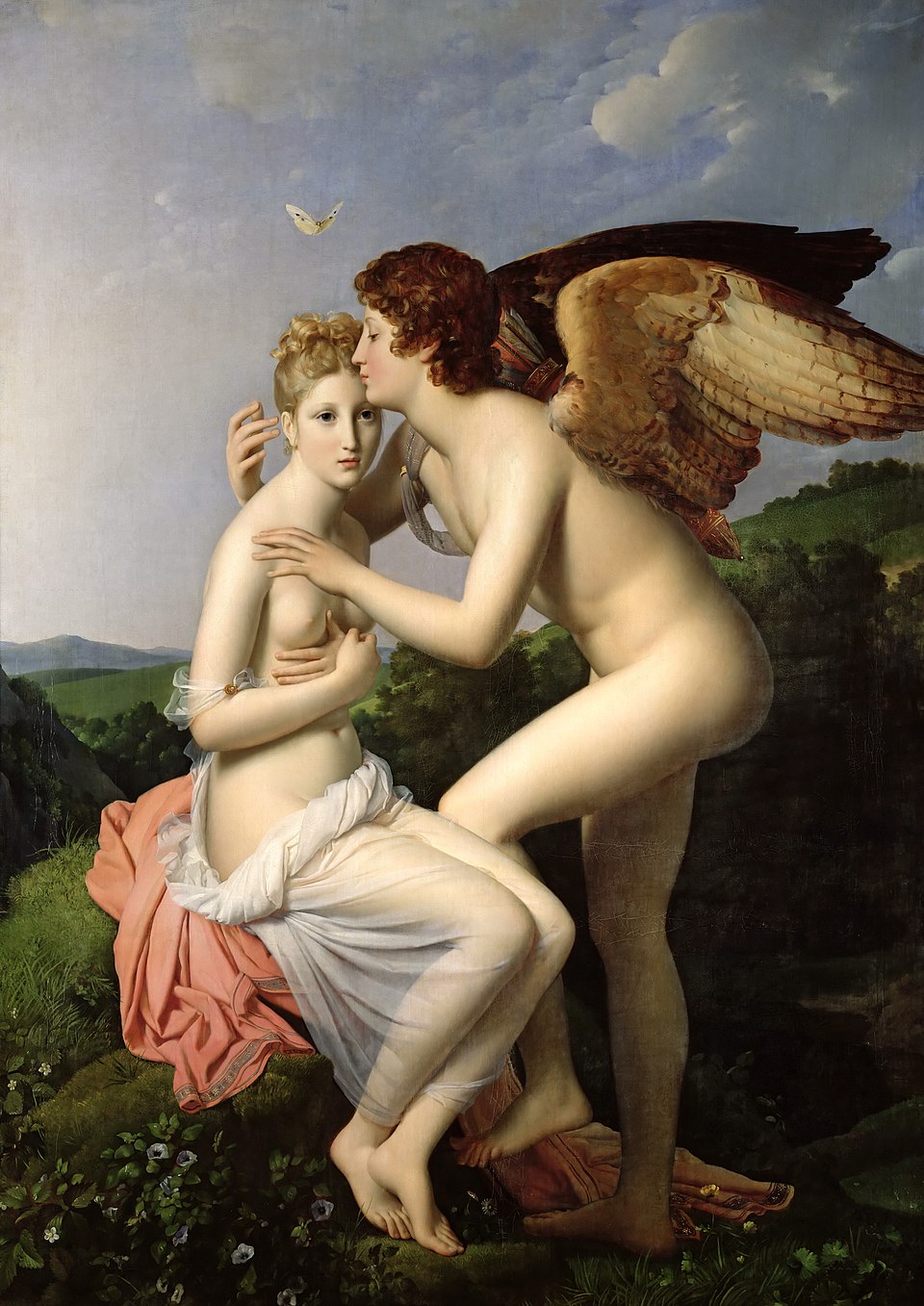 Eros and Psyche
·
Maydays assignment: Listen to the audiobook "Eros and Psyche" https://cloud.medienhaus.udk-berlin.de/library/27ec39fd-d4ce-4250-b4db-ff6eab19ee1f/Apuleui
Eros and Psyche
·
Maydays assignment: Listen to the audiobook "Eros and Psyche" https://cloud.medienhaus.udk-berlin.de/library/27ec39fd-d4ce-4250-b4db-ff6eab19ee1f/Apuleui -
is_parent
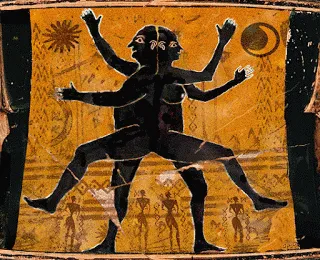 Myth of the Androgyne
And the reason is that human nature was originally one and we were a whole, and the desire and pursuit of the whole is called love. There was a time, I say, wh
Myth of the Androgyne
And the reason is that human nature was originally one and we were a whole, and the desire and pursuit of the whole is called love. There was a time, I say, wh -
is_parent Proto-psychological terms of ancient India
Vṛtti (वृत्ति) – Fluctuations of the mind (thoughts, emotions, perceptions); most dynamic and gross. Saṁskāra (संस्कार) – Latent impressions or ment-
is_parent Vrittis - Manas - Chitta 🔒 ·
Vṛttis are mental waves — thoughts, emotions, memories, and perceptions constantly rising and falling. Cognitive events (thoughts, perceptions, emotions) -
is_parent Buddhi (बुद्धि) 🔒 ·
The capacity to discriminate, reason, judge, and make decisions. It evaluates inputs from manas and chooses a response.Cognitive Science Correlates: Executive f -
is_parent Ahamkara (आहंकार) 🔒 ·
The function that identifies the pure “I” (aham) with thoughts, roles, body, emotions — forming the personal identity and ego. It says “I am this.” and "I do".C -
is_parent Aham (अहम्) 🔒 ·
Definition: The bare, pre-reflective sense of being a subject — “I am.” Not yet identifying with roles or narratives .Cognitive Science Correlates: Minimal self -
is_parent Jiva (जीव) 🔒 ·
"That which lives" or "the living being" Jīva is the individualized expression of consciousness that experiences and engages with the world as a distinct center -
is_parent Atman (आत्मन्) 🔒 ·
The deepest layer of identity — pure awareness, witness of all experiences, beyond mental content and roles. In some philosophical traditions equivalent to subs
-
-
is_parent Warmup Exercise
Create groups of five. Discuss & present to each other Your personal answers to the question "What is soul / (How) can/do You define it ?-
is_parent Group 1 🔒 ·
split - some people believe, some not, some unsure lot of questions, no answer can one have soul if You are not conscious ? the essence of something, that's wha -
is_parent Group 2 🔒 ·
housed by the body there's physicality to it (the soul) soul only exists when we believe it and feel it -
is_parent Group 3 🔒 ·
bridge between the one that sees and what is being seen the whole is the ocean, the individual is the droplet more abstract, not something You can fit into logi -
is_parent Group 4 🔒 ·
supposed to represent the Core as a metaphysical existence, something very crucial what the person "really" / "objectively" IS person's way to go beyond -
is_parent Group 5 🔒 ·
matryoshka not material ? how to materialize it ? is it soft / does it break ? soul can be (not be) influenced by experience where is the soul ? (in whole body
-
-