Social Learning Theory
Observational Learning
Learning happens by watching others and imitating their behavior, even without direct reinforcement.
Example: A child learns aggression by observing an aggressive adult (c.f. "The Bobo Doll Experiment")
Four Key Processes of Social Learning
Attention: The learner must focus on the model’s behavior.
Retention: The behavior must be stored in memory for later retrieval.
Reproduction: The learner must have the ability to replicate the behavior.
Motivation: There must be an incentive to imitate the behavior (e.g., rewards, social acceptance).
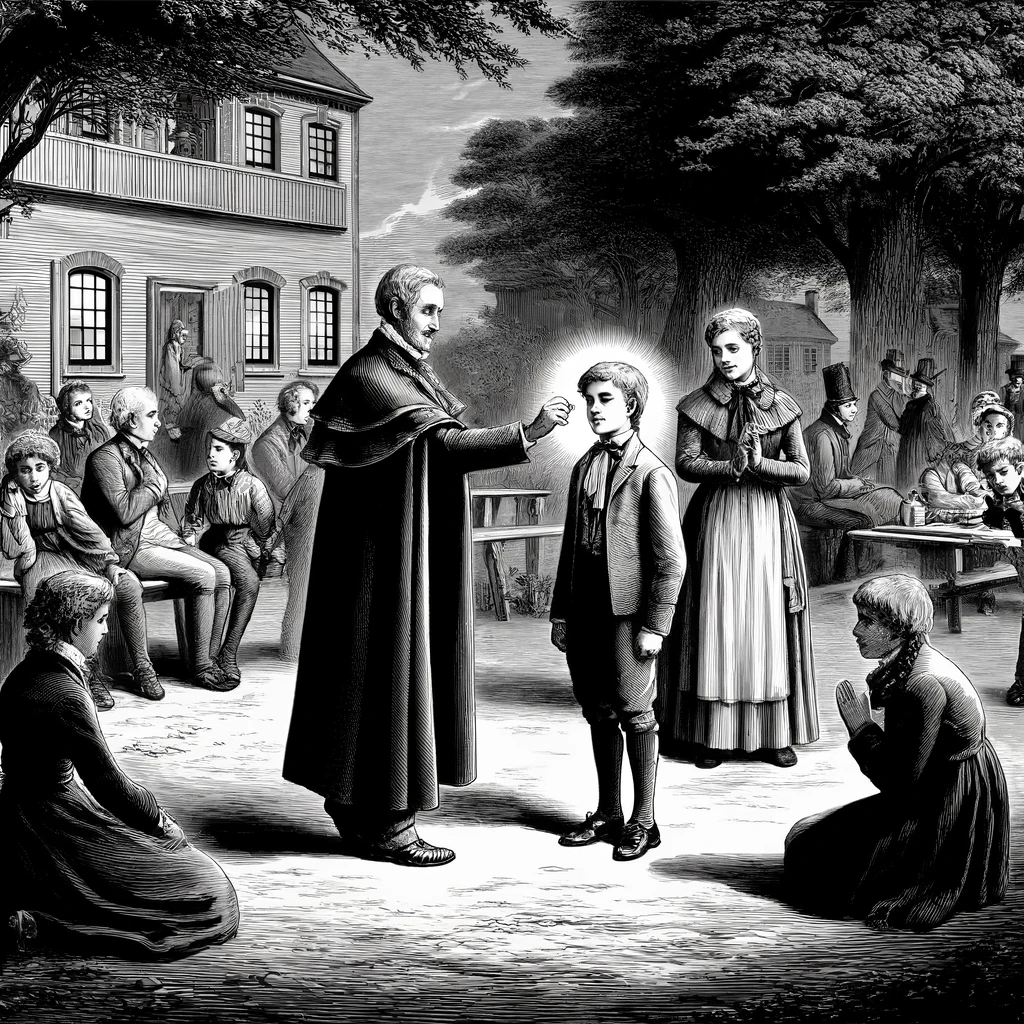
Vicarious Reinforcement
Vicarious means experiencing something indirectly, through someone else, rather than firsthand. It comes from the Latin vicarius, meaning "substitute" or "acting in place of another."
Individuals learn by observing others being rewarded or punished for a behavior.
Example: A student is more likely to participate in class if they see a peer receiving praise for doing so.
Reciprocal Determinism
Behavior, cognition, and the environment interact in a dynamic way.
Example: A student’s shyness (personal factor) affects classroom participation (behavior), which in turn shapes peer interactions (environment).
