Kastalia Knowledge Management System · Glasperlenspiel template · knot 1752
Social Learning Theory
Albert Bandura’s Social Learning Theory (1977) revolutionized psychology by emphasizing that learning occurs in a social context through observation, imitation, and modeling. He argued that individuals do not solely learn through direct reinforcement (as behaviorism suggests) but also by observing others, processing information cognitively, and making choices based on expected outcomes.
Ancestors (1 superordinated path)
root/
baumhaus.digital/
Art, Cognition, Education/
Human and Machine Learning/
Social learning/
Social Learning Theory
Descendants (at least 5 branches originate here)
-
Social Learning Theory
Albert Bandura’s Social Learning Theory (1977) revolutionized psychology by emphasizing that learning occurs in a social context through observation, imitation,-
is_parent Observational Learning ·
Learning happens by watching others and imitating their behavior, even without direct reinforcement. Example: A child learns aggression by observing an aggressi -
is_parent Four Key Processes of Social Learning ·
Attention: The learner must focus on the model’s behavior. Retention: The behavior must be stored in memory for later retrieval. Reproduction: The learner -
is_parent
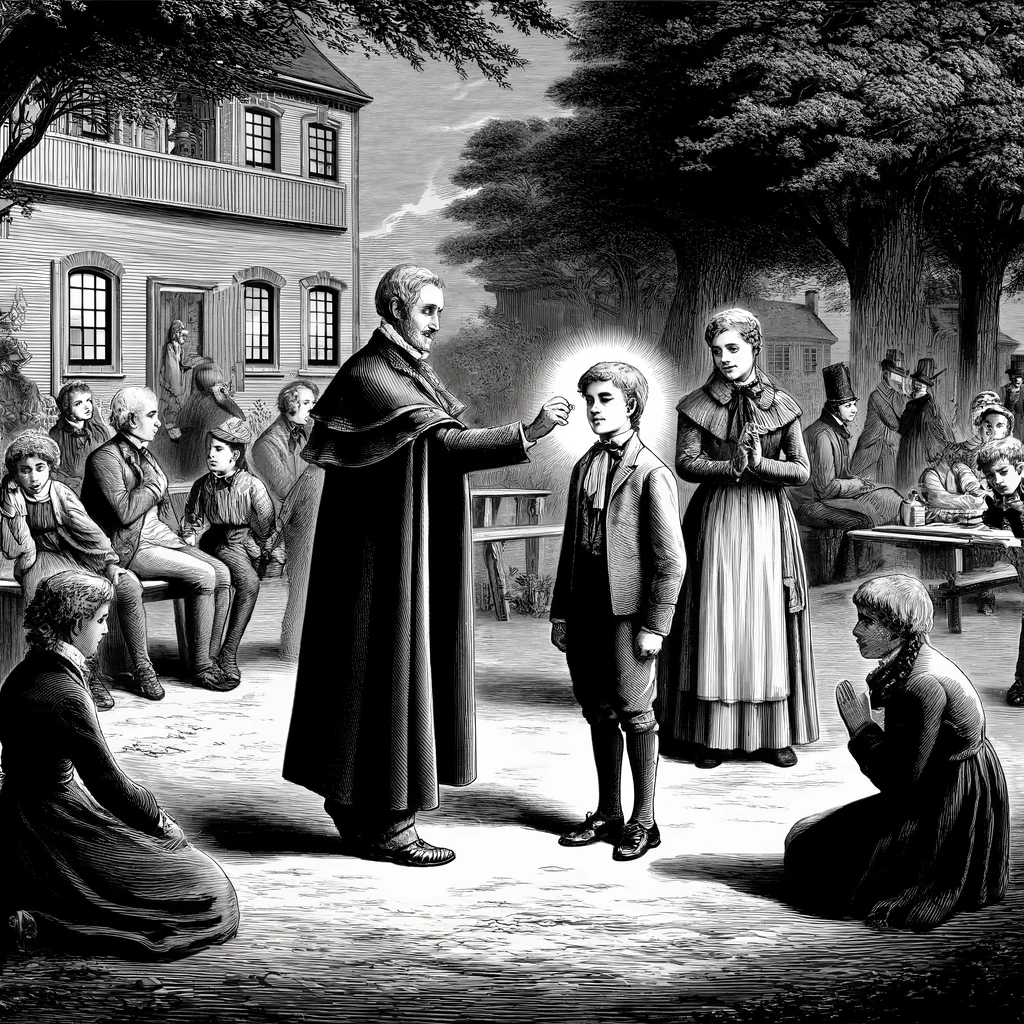 Vicarious Reinforcement
·
Vicarious means experiencing something indirectly, through someone else, rather than firsthand. It comes from the Latin vicarius, meaning "substitute" or "actin
Vicarious Reinforcement
·
Vicarious means experiencing something indirectly, through someone else, rather than firsthand. It comes from the Latin vicarius, meaning "substitute" or "actin -
is_parent Reciprocal Determinism ·
Behavior, cognition, and the environment interact in a dynamic way. Example: A student’s shyness (personal factor) affects classroom participation (behavi
-