i
Classifiers DDH ()


Classifiers

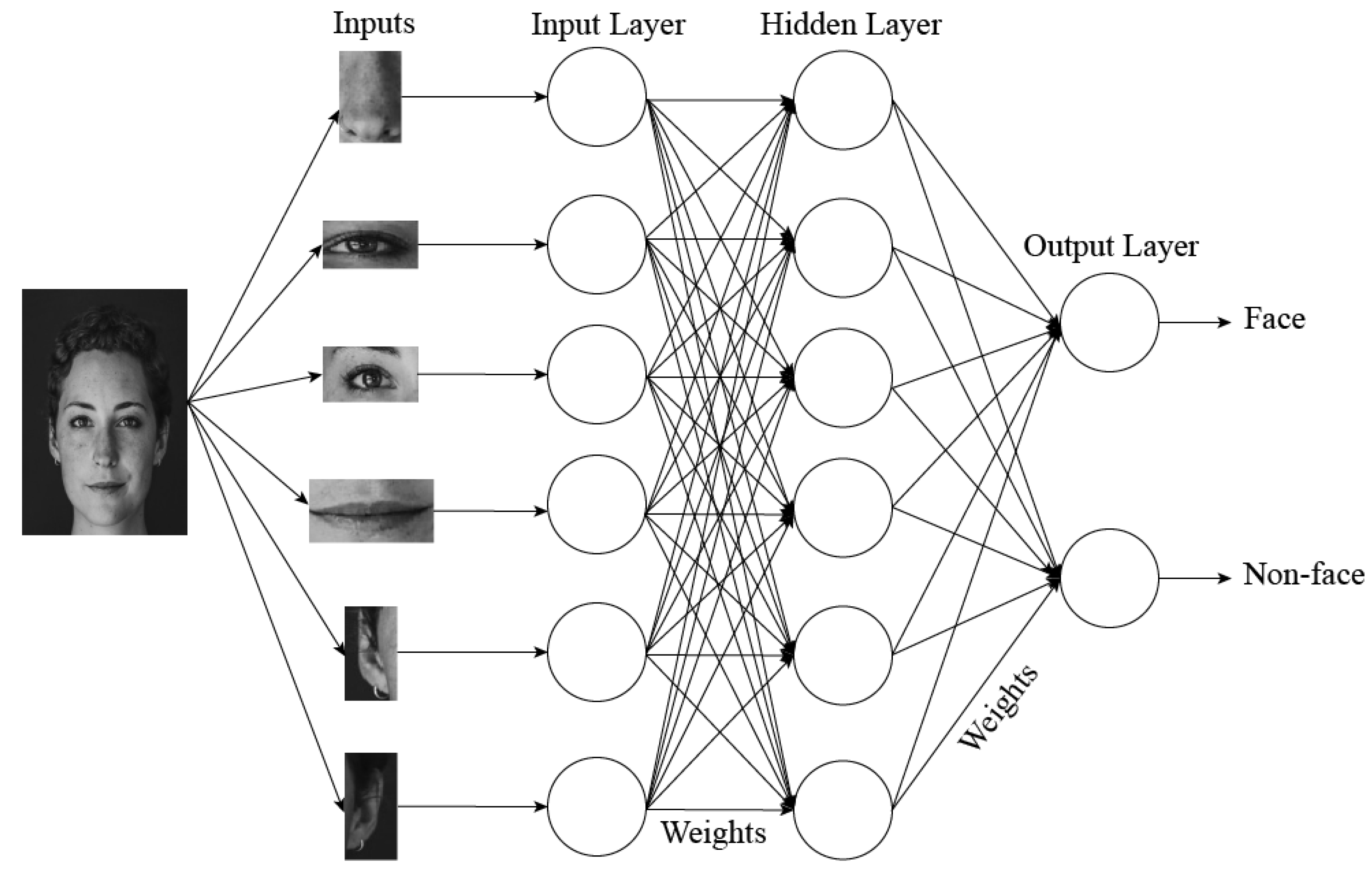
A classifier in machine learning is a model or algorithm designed to categorize data into predefined groups or labels. It takes input data, analyzes its features, and assigns it to a specific class based on learned patterns from training data. For example, a classifier might identify whether an email is spam or not spam, or recognize handwritten digits. Classifiers are essential in supervised learning tasks and operate by minimizing errors in predictions through training on labeled datasets. Common types include neural networks, support vector machines, decision trees etc.

Support Vector Machines

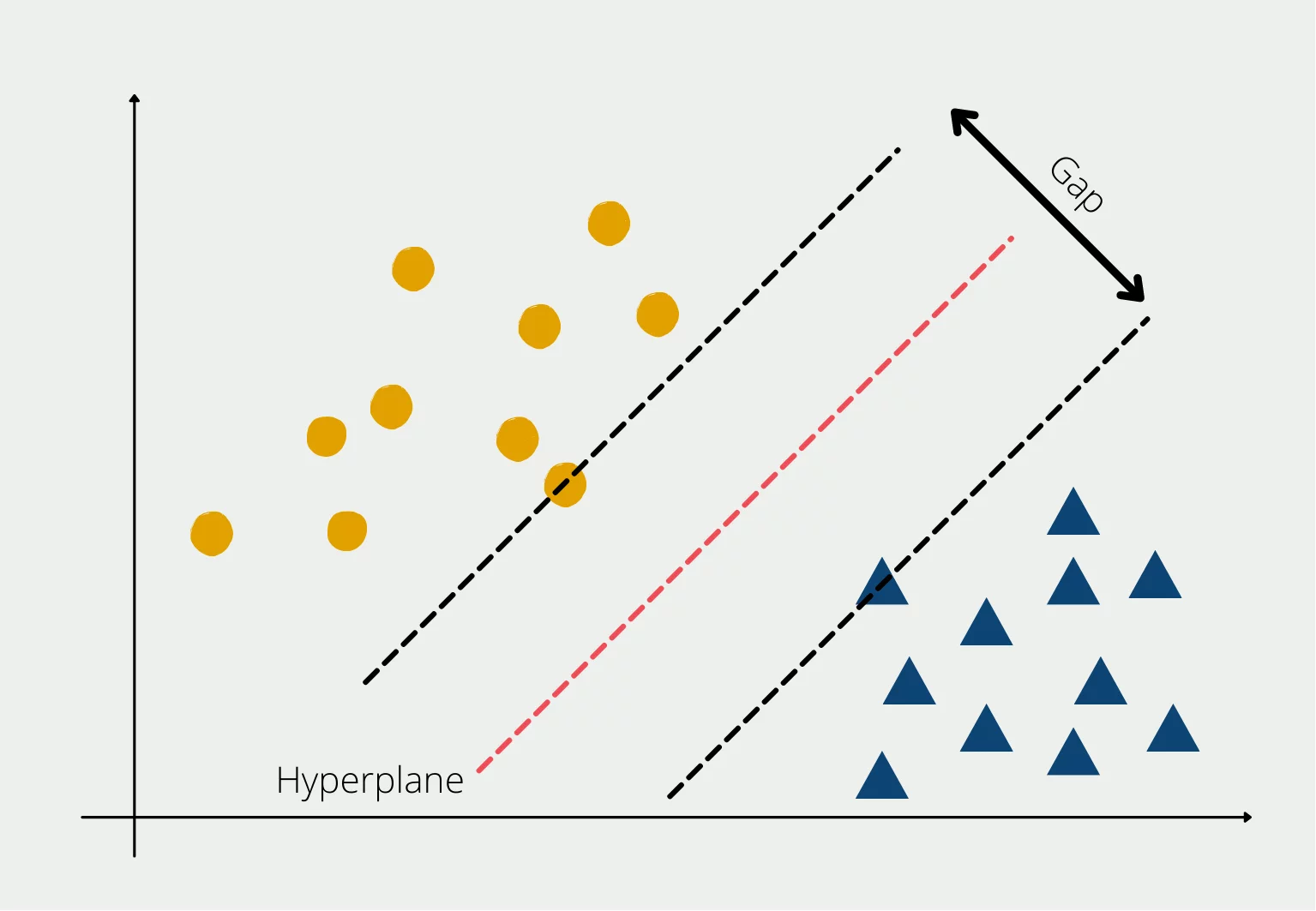
A Support Vector Machine (SVM) is a machine learning method that helps divide data into categories. Imagine drawing a line (or boundary) on a graph to separate different groups of points, like cats and dogs. SVM finds the best line that keeps the groups as far apart as possible. For trickier data, it can use special math (called kernels) to draw curves or work in higher dimensions.

Decision Trees

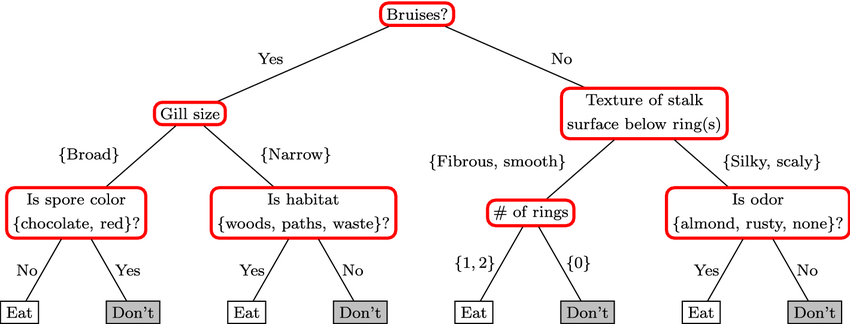
A Decision Tree is a visual and intuitive machine learning method that makes decisions by asking questions about the data. It works like a flowchart, starting with a question at the top and branching out based on answers. These questions are not just yes/no, but can also be comparisons, like "Is the age greater than 18?" or "Is the temperature below 30°C?" Each split is chosen using a quantitative measure, such as information gain or Gini impurity, to find the best threshold for separating the data.

Exercicio: AI Unplugged 1

You will form teams of two and use the training data to develop criteria for distinguishing biting from non-biting monkeys. These must be clearly noted so that they can be applied to new examples by another team afterwards. A possibility to record the criteria is a decision tree. It should be the goal that the existence or absence of a particular feature permits a clear assignment to one of the groups. The use of decision trees is optional, alternatively, it is also possible to explicitly write down decision rules.

At the end ofthe training phase, the criteria formulated are exchanged with another team. Now, the students are shown the pictures of the remaining monkeys (test data) one after the other. For each image, the teams decide whether the monkey will bite or not using the scheme of rules developed by their classmates...