i
Narrative AI in Education DDH ()


Narrative AI in Education

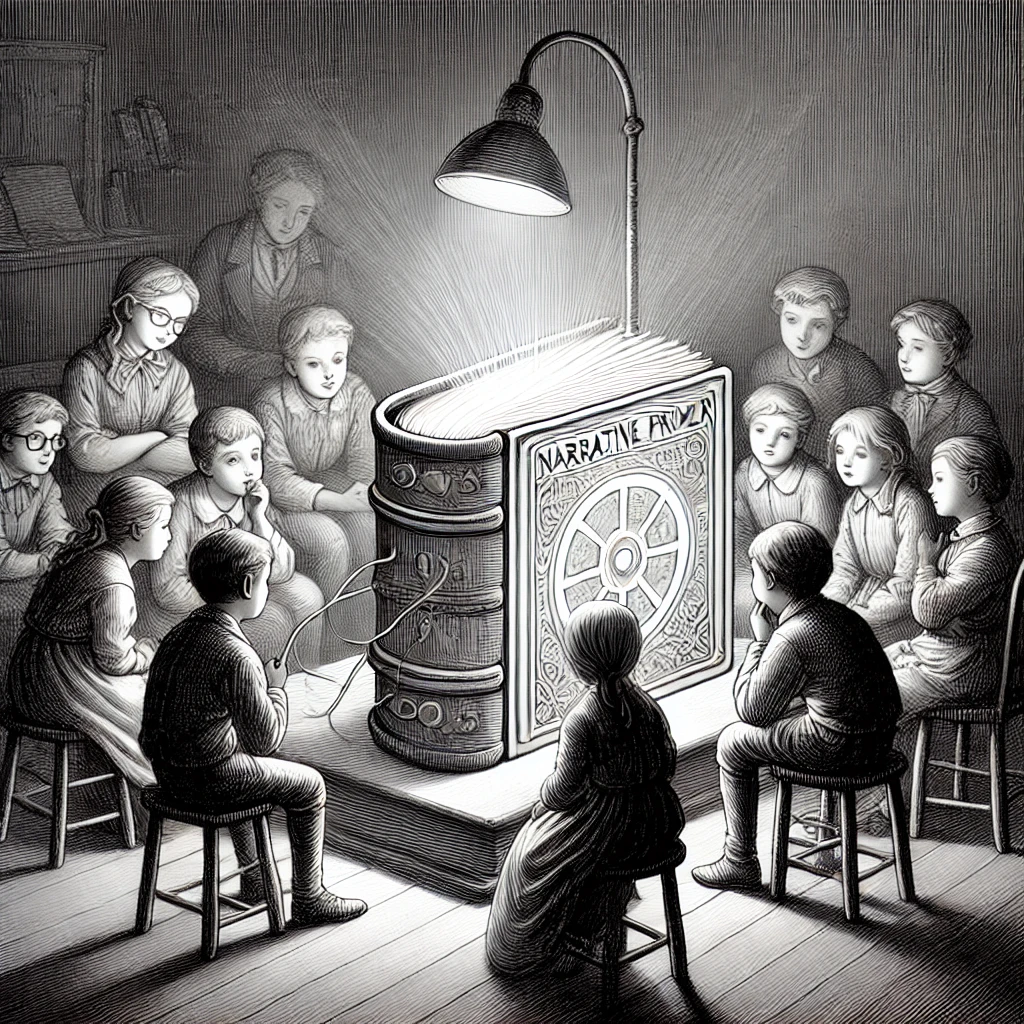
Narrative AI in Education refers to the use of artificial intelligence to deliver learning experiences through storytelling, blending traditional educational methods with advanced, personalized digital tools. This approach leverages technologies such as speech-to-text, text-to-speech, language models and, optionally, image generation to create interactive, voice-driven narratives that adapt to each learner’s needs, preferences, and abilities. Unlike conventional screen-based learning, narrative AI fosters engagement through immersive storytelling, making education accessible also to children with visual impairment or from screen-critical communities. 

Personalized Storytelling

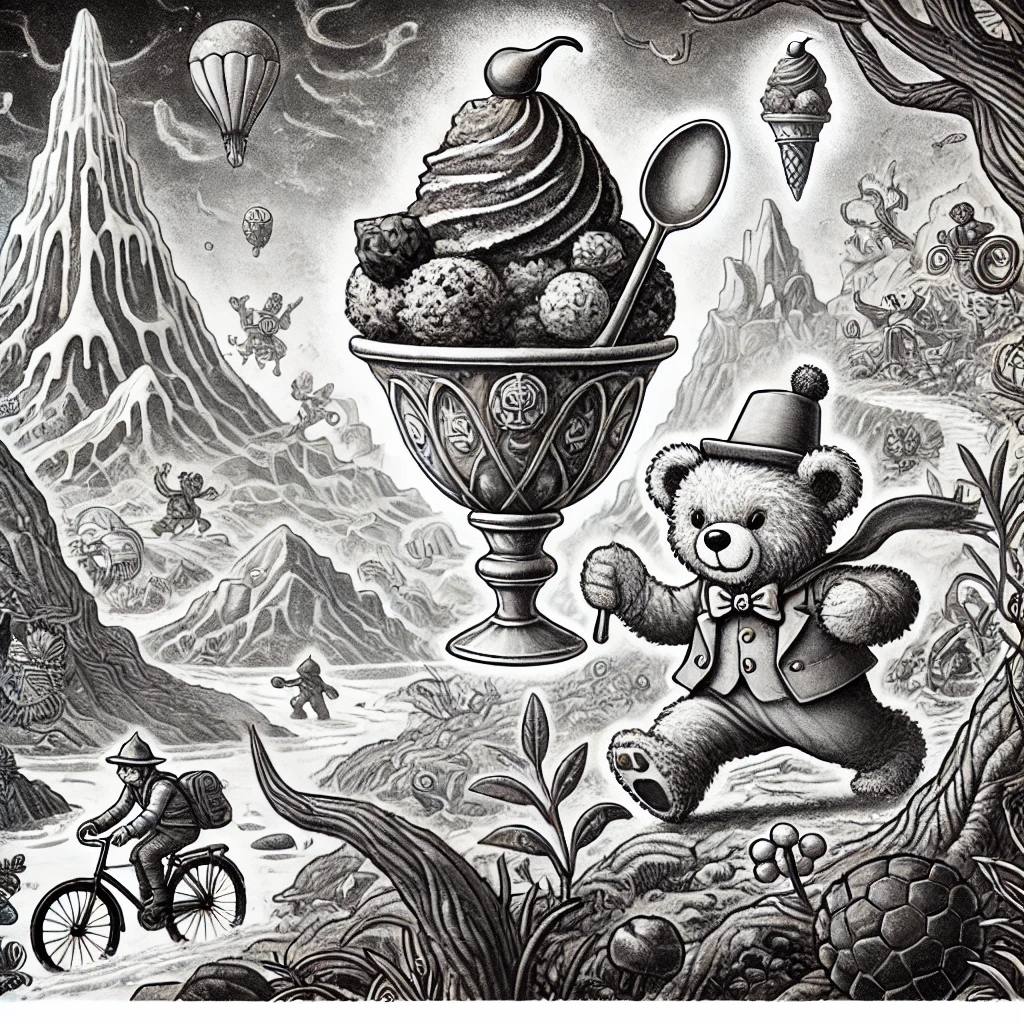
...for example, if the child’s favorite toy is a teddy bear named "Mr. Fluffy," the NP might create a story where Mr. Fluffy becomes the protagonist, embarking on an adventure to save the magical land of Ice Cream, where the child’s favorite type, such as chocolate mint, is at risk of melting. The narrative could further incorporate the child’s preferred outdoor activities—like cycling or playing soccer—where Mr. Fluffy must complete tasks that mirror these activities to solve problems within the story.

Learning Graph

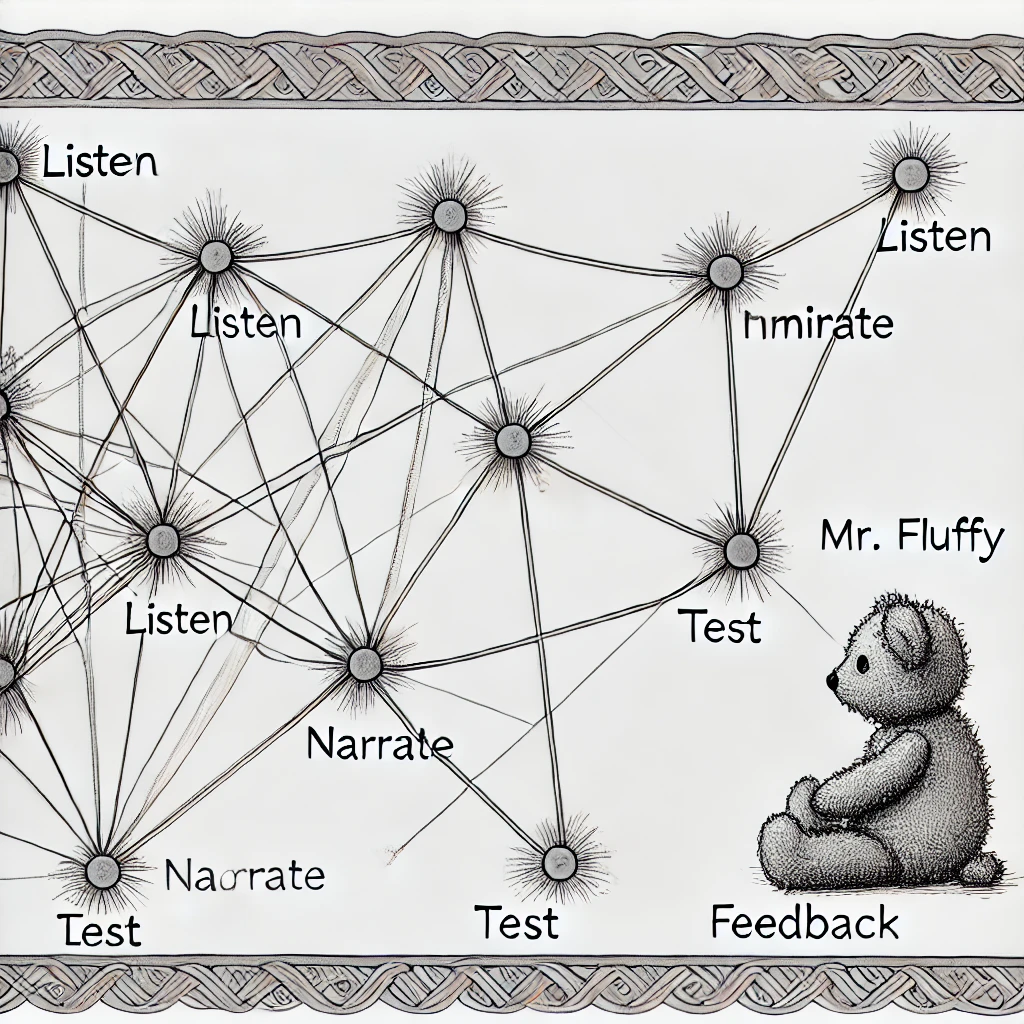
Learning Graph consists of:

Learner States (Vertices) :: Represent child's current or potential level of knowledge and skill in a specific domain.

Activities (Edges) that move the learner from one state to another, categorized as:

Listen:: The child listens to a story or explanation.

Imitate:: The child repeats phrases or mimics patterns.

Narrate:: The child retells stories or creates new ones.

Test:: The child answers questions or solves problems.

Feedback:: The NP provides corrective or reinforcing feedback.
Narrative Templates

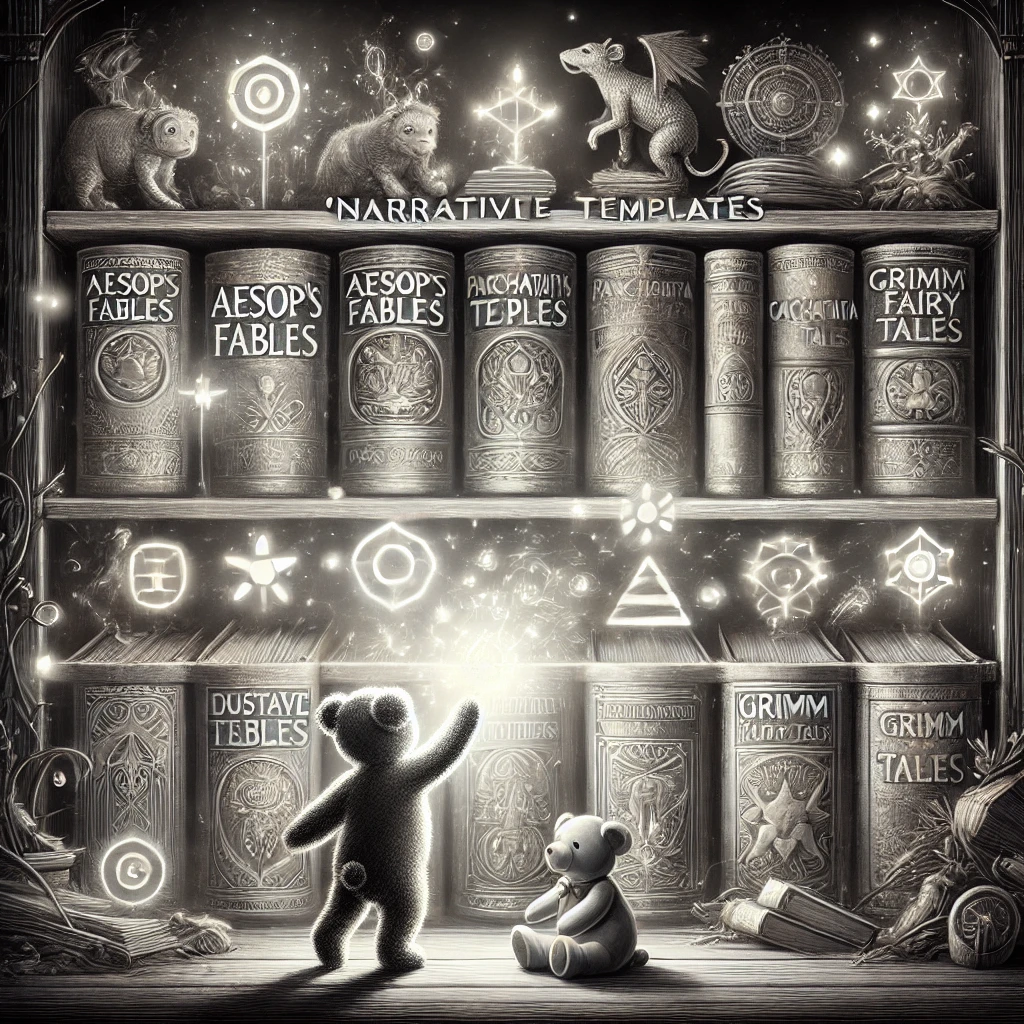
In narrative AIED, we employ a library of narrative templates derived from classic literature, including Aesop’s fables, the Panchatantra, and Grimm's fairy tales. 

These templates serve as FILL-IN-THE-SLOT FRAMEWORKS for story generation, allowing the LLM to customize narratives based on:

Pupil's Profile:: Personal interests, preferences, and learning needs.

Knowledge State:: Current mastery level in various subjects.

Learning Objectives:: Specific curricular goals targeted during the session.
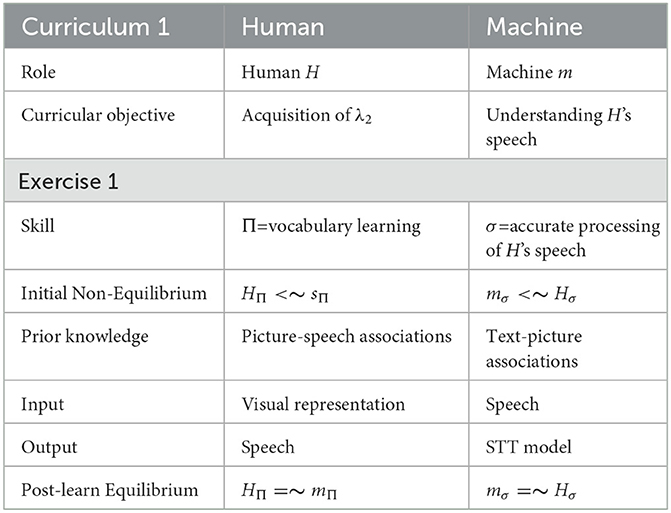
HMPL

Table%201%20from%20article%20Hromada%20%26%20Kim%20(2023)%20Frontiers%20in%20Education

Table 1 from article Hromada & Kim (2023) Frontiers in Education
A human-machine peer learning curriculum (i.e., a HMPL-C) is a planned sequence of educational instructions–i.e., a curriculum–which involves:
1. At least one human learner G, H, I, ... which gradually develops her/his/their skill Γ.
2. At least one artificial learner a, b, c, ... which gradually develops its/her/his/their skill σ.
3. Activities by means of which G (resp. H, I, etc.) develops her/his/their skill Γ, which directly involve knowledge and competence exhibited by a (resp. b, c, etc.).
4. Activities by means of which a (resp. b, c, etc.) develops her/his/their skill σ, which directly involve knowledge and competence exhibited by G (resp. H, I, etc.).

Non-Player Educators

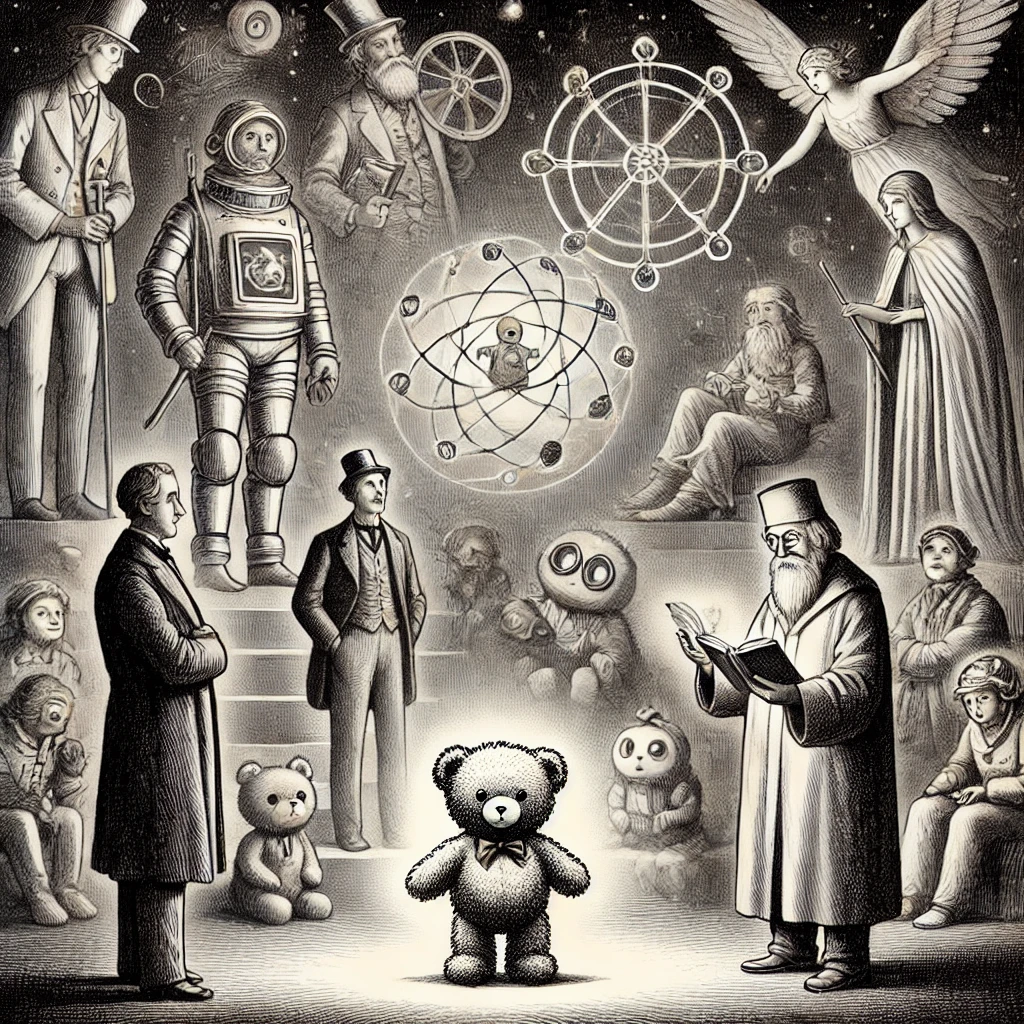
The concept of Non-Player Educators (NPEs) extends the idea of AI agents serving as interactive educational companions. In the NP system:

Role Modeling: NPEs can embody various characters or personas within stories, modeling behaviors and conveying lessons.

Diversity of Perspectives: Multiple NPEs can provide different viewpoints, enriching the educational content.

Consistency and Patience: As AI-driven entities, NPEs offer consistent interactions and infinite patience, accommodating the child’s pace.

In technical terms, NPEs are realized by means of individual Low-Rank Adaptors (LoRA) which are loaded and unloaded atop the underlying language model.