i
Unsupervised learning DDH ()


Unsupervised learning

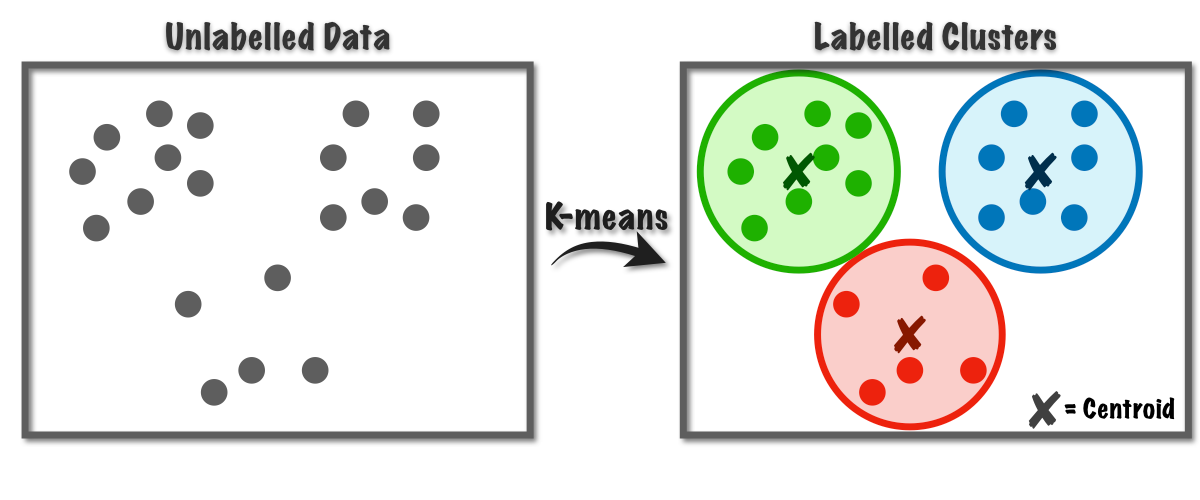
Unsupervised learning is a type of machine learning where a model is trained on data without labeled outcomes. The system analyzes and identifies patterns or structures in the data, such as clustering or associations, without explicit guidance on what to look for. It is often used for tasks like anomaly detection, clustering, and dimensionality reduction.

Clustering

Clustering is a machine learning technique used to group a set of data points into clusters based on their similarity. It is an unsupervised learning method, meaning that the data does not have predefined labels. The goal of clustering is to organize data so that items within the same cluster are more similar to each other than to those in other clusters. Common algorithms include k-means, hierarchical clustering, and DBSCAN.

Example of unsupervised learning

DALL-E%2FGPT4o%20prompt%3A%20Provide%20black%20and%20white%20illustration%20of%20your%20response%20regarding%20unsupervised%20learning%20of%20music%20tunes%20into%20music%20genre%20clusters%2C%20in%20style%20of%20Gustav%20Doree

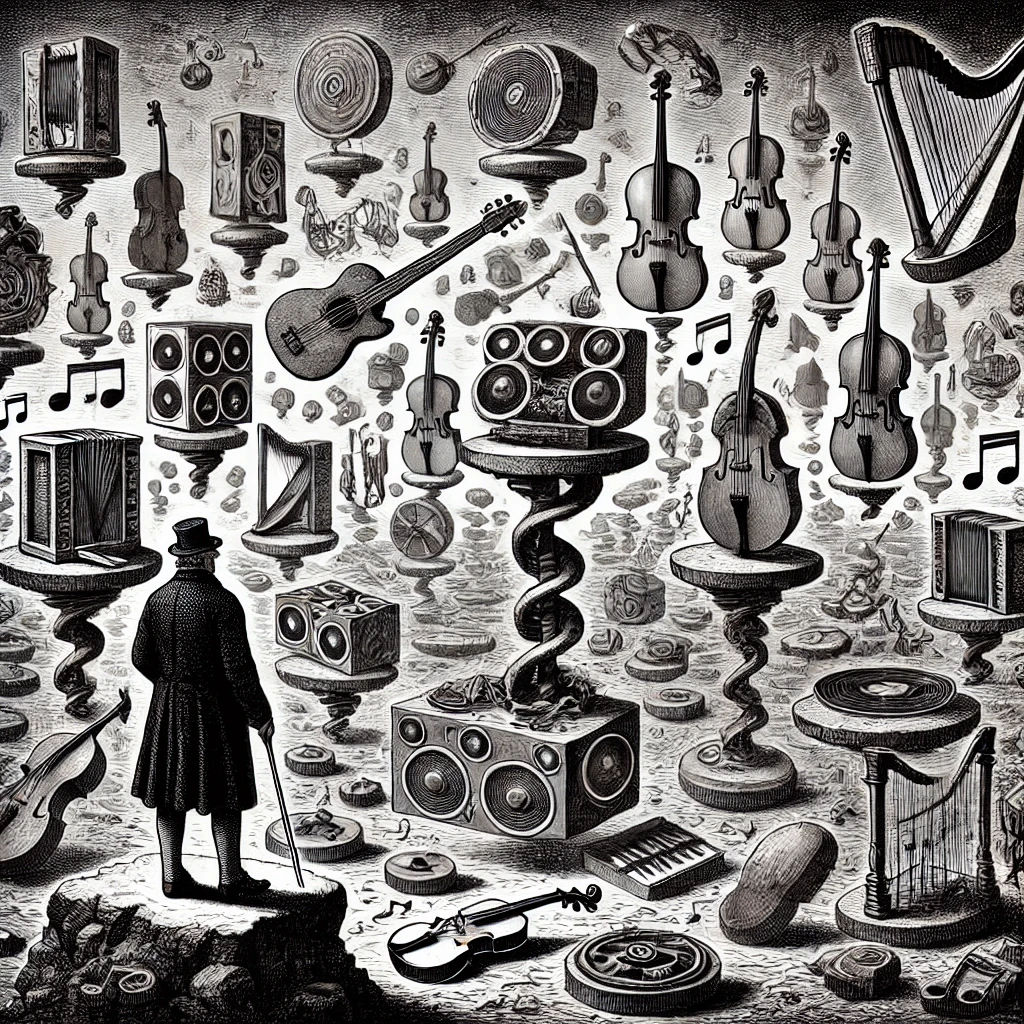
DALL-E/GPT4o prompt: Provide black and white illustration of your response regarding unsupervised learning of music tunes into music genre clusters, in style of Gustav Doree

Imagine you have a big collection of music tracks from various genres, but you don’t know the genre of each track. Using unsupervised learning, like a clustering algorithm, you could group these tracks based on their similarities—such as tempo, rhythm, and melody—without telling the algorithm what the genres are. The result might be clusters of songs that are similar, and when you check the groups, you find that most of them correspond to genres like rock, jazz, or classical. The algorithm discovers these patterns or categories on its own, without any prior labels or supervision.

Can You think of other examples of unsupervised learning and/or clustering ?